
How Blockchain Could Improve Shelf Life Transparency in Food Supply Chains
Blockchain technology can make shelf life data more transparent by recording every step of a product’s journey on a secure, tamper-resistant digital ledger. This means that retailers and consumers can access accurate information about where an item has been, how it was handled, and exactly how long it has left before expiration.
Companies like Walmart are already using blockchain systems to gain real-time insights into food freshness, reducing the risk of unnecessary waste and improving inventory decisions. By improving traceability and reducing misinformation, blockchain has the potential to raise standards for product safety and reliability throughout the supply chain.
Understanding Shelf Life Transparency
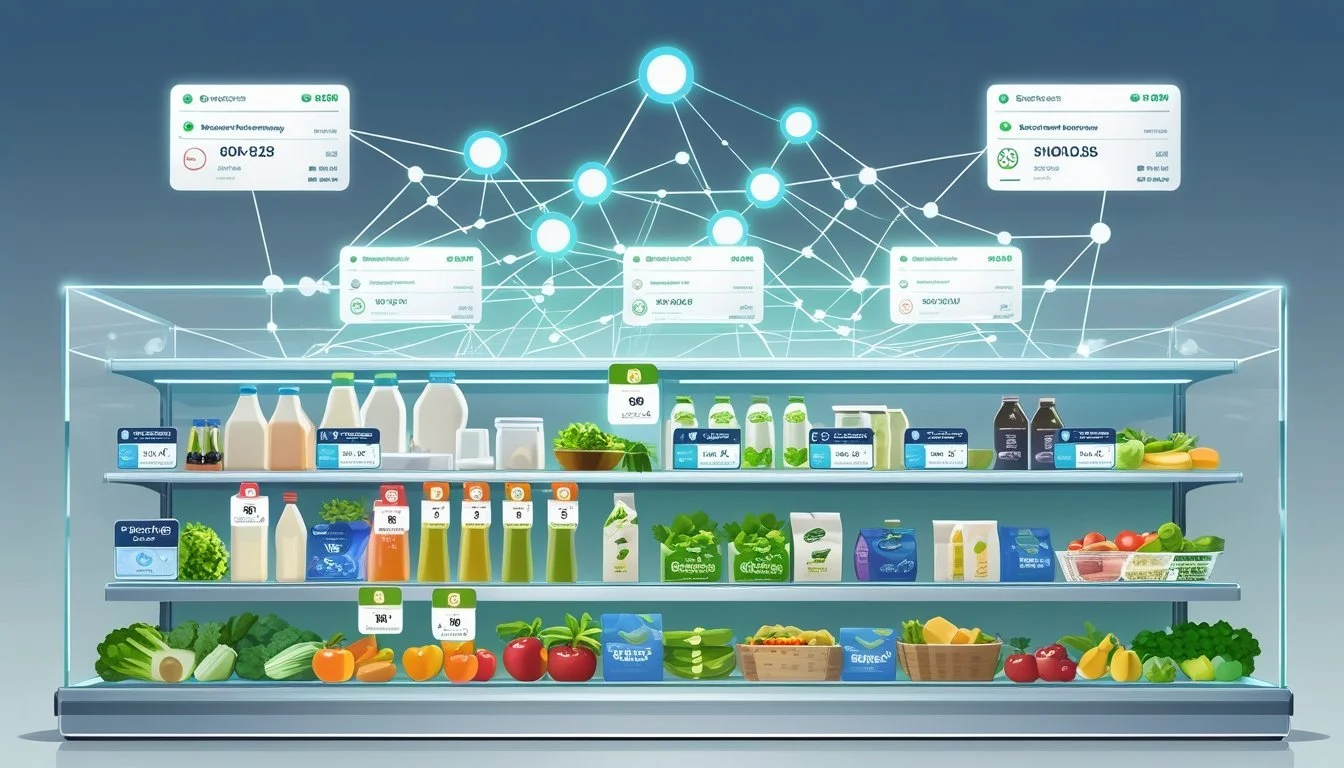
Shelf life transparency plays a central role in food safety and consumer confidence. Accurate information about product provenance and freshness helps streamline supply chains and protect public health.
Importance of Shelf Life Information
Clear shelf life information is critical for both retailers and consumers. It guides decisions about purchasing, restocking, and consuming food items, directly impacting food safety and reducing waste.
Timely data on expiration dates enables retailers to manage stock efficiently and avoid selling expired or unsafe products. Consumers benefit from knowing exactly how fresh their purchases are, enabling informed and safe consumption.
Reliable shelf life tracking contributes to better supply chain coordination. It also supports efforts to trace products quickly in case of contamination, minimizing the risk to public health.
Current Challenges in Shelf Life Tracking
Many supply chains still rely on manual processes and paper records for tracking shelf life. These systems are prone to human error, delays, and even fraud, leading to inaccuracies in labeling and provenance.
Lack of interoperable digital systems means that data from various suppliers often becomes fragmented. This makes it difficult to verify the freshness and journey of a product from source to shelf.
Key obstacles include:
Difficulty tracing products across multiple logistics partners
Inconsistent data standards
Limited real-time visibility
These challenges can contribute to food recalls, wasted inventory, and decreased consumer trust.
Impact on Consumer Trust
Accurate shelf life transparency fosters trust by giving consumers confidence in the quality and safety of their food. When customers can easily verify the freshness and source of their purchases, they are more likely to remain loyal to a brand or retailer.
Misinformation or lack of clarity about product shelf life can lead to eroded trust, particularly if consumers encounter expired or mislabeled goods. Retailers risk reputational harm and potential legal issues if shelf life data is unreliable.
Transparent shelf life tracking also supports ethical sourcing claims and food provenance verification. This level of openness encourages informed purchasing decisions and reinforces accountability throughout the supply chain.
Blockchain Fundamentals for Supply Chains
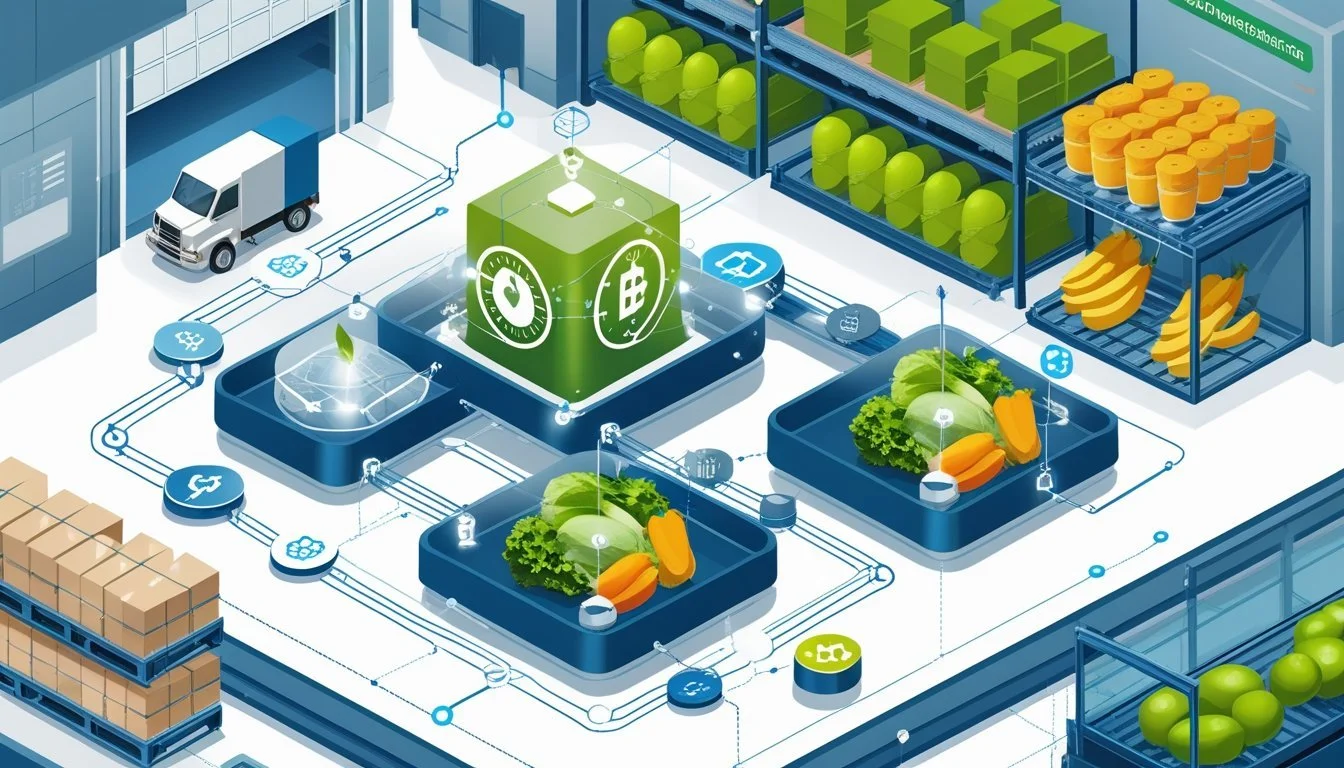
Blockchain technology offers specialized benefits for supply chain management, particularly in how data is recorded, shared, and verified. Its structure supports the accurate tracking of products, promotes trust between partners, and limits unauthorized changes to critical information.
Key Features of Blockchain Technology
Blockchain operates as a distributed system where data is recorded in blocks linked chronologically. Each block contains a timestamp and transaction information that cannot be easily altered without consensus. This creates an environment where supply chain events—such as production, shipping, and receipt—are written in a secure, sequential order.
Blockchains can be public or permissioned. In supply chains, permissioned blockchains are common, as they allow only verified participants to contribute data. Smart contracts further automate certain steps, such as triggering alerts if product shelf life parameters are breached, reducing tedious manual checks.
The use of cryptography ensures that data entries are secure and verifiable. This strengthens the assurance that information logged on the blockchain is both authentic and tamper-resistant.
Distributed Ledger and Immutability
A distributed ledger means that identical copies of all records exist simultaneously on multiple computers within the network. This distributed structure makes the ledger highly resistant to data loss and single points of failure—if one node goes down, the network still retains complete records.
Immutability is a defining property of blockchain. Once information, such as batch numbers or expiration dates, is written to the blockchain, it cannot be deleted or changed without consensus from the network. If errors occur, corrections are made by adding new entries, keeping the historical data visible.
This combination of distributed ledger technology and immutability provides businesses with a reliable, tamper-evident audit trail. Regulators, suppliers, and retailers can independently review details of a product’s origin, movements, and quality checks.
Transparency and Data Integrity
Blockchain’s transparency allows all authorized supply chain participants to access the same data in real-time. Transparency ensures that every action, from sourcing raw materials to shelf arrival, is tracked and viewable. This is especially critical for monitoring shelf life, as any product timeline discrepancies are immediately apparent.
Data integrity is maintained by recording each transaction with a unique cryptographic signature, making unauthorized modifications highly unlikely. If any attempt is made to alter data, it would be detectable across all distributed copies.
Table: Data Integrity Measures in Blockchain
Measure Description Distributed Access Multiple copies prevent tampering Cryptographic Hash Secures each entry from being modified Immutable Records Past entries are preserved and traceable
How Blockchain Enhances Shelf Life Transparency
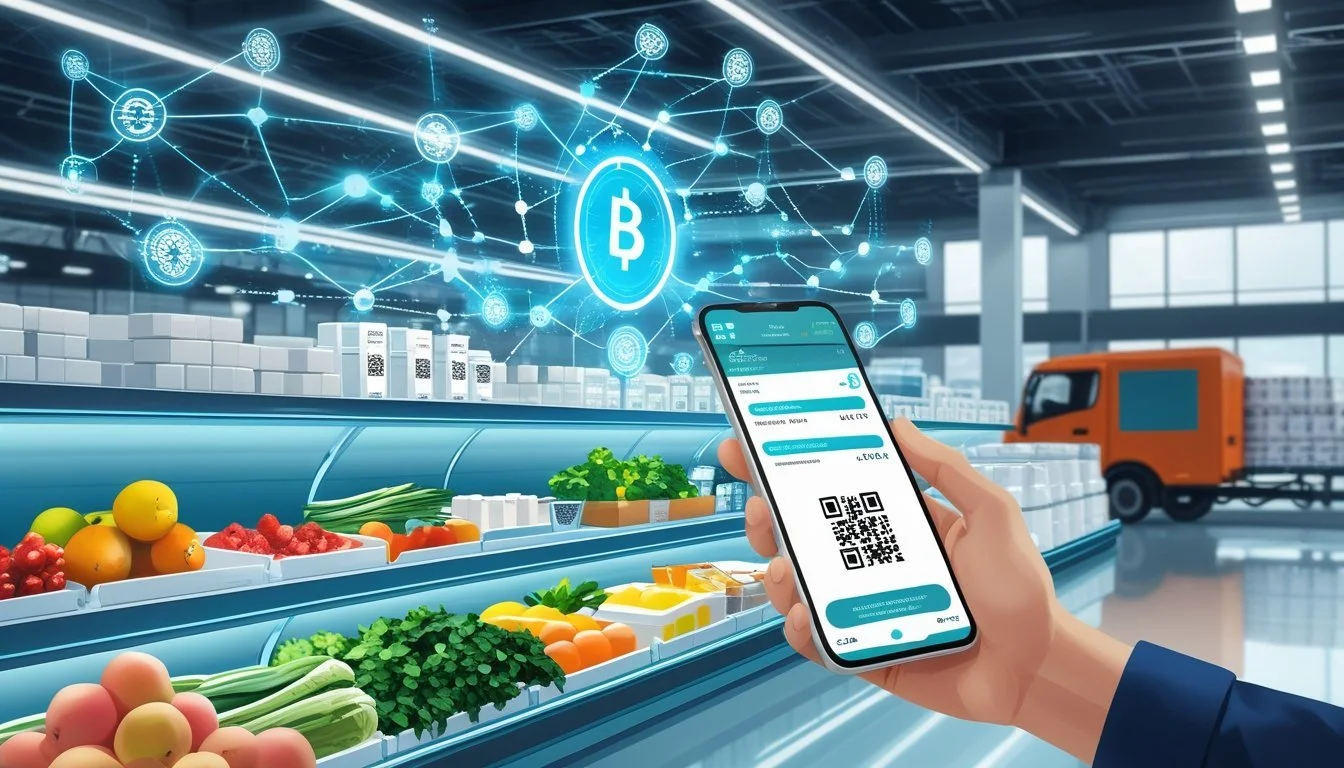
Blockchain can make shelf life data more accessible, reliable, and secure for every party in the supply chain. Adoption of this technology leads to better oversight, reduced risk of fraud, and improvements in meeting safety standards.
Real-Time Tracking and Visibility
Blockchain allows for real-time updates of product status from the moment goods leave their origin to their point of sale. Each transaction, storage event, and movement is recorded on a distributed ledger.
Manufacturers, shippers, and retailers can check the exact location and condition of a product—including temperature, humidity, and time stamps—at any point. This provides greater visibility for detecting delays or mishandling that could affect shelf life.
A table-based format can help stakeholders pinpoint when and where shelf-life loss occurs:
Event Timestamp Location Condition Packed 2025-05-15 09:00 Factory 4°C, intact In Transit 2025-05-16 15:30 Warehouse 5°C, intact Store Arrival 2025-05-17 08:20 Retail 6°C, intact
Audit Trail and Traceability
Blockchain’s immutable recordkeeping ensures that every modification to shelf life data is logged permanently. This provides a detailed audit trail that regulators or auditors can use to verify product histories.
With each entry linked in a sequence, it becomes simple to trace the origin, batch, storage conditions, and every handoff. If a problem arises, tracing back to the source takes seconds, not days.
This level of traceability supports rapid action during product recalls or shelf-life investigations. Everyone—including consumers—can see verified information when QR codes or tracking tools are connected to the blockchain.
Reducing Fraud and Counterfeiting
Counterfeiting and food fraud remain significant risks in many supply chains, especially for high-value or perishable goods. Blockchain technology minimizes these risks by ensuring that every entry is cryptographically secure and visible to authorized participants.
Any attempt to manipulate shelf life information—for instance, by extending dates or obscuring a break in the cold chain—can be easily detected. Even small discrepancies are flagged automatically and cannot be erased.
This improves authenticity and trust in labeling, benefitting both retailers and end consumers who rely on shelf life data for safety and quality.
Enabling Accountability and Compliance
Blockchain fosters shared accountability among all supply chain participants. Automated smart contracts can enforce compliance with shelf life regulations or internal standards. If a product exceeds safe storage conditions, a record is immediately generated, and parties can be alerted.
Audits become more efficient since all historical data is organized and accessible for regulators. This streamlines mandatory reporting and helps companies prove compliance with safety or environmental requirements.
By maintaining a transparent record, blockchain helps mitigate disputes and encourages proactive stewardship from every participant, from producer to retailer.
Key Technologies and Methods
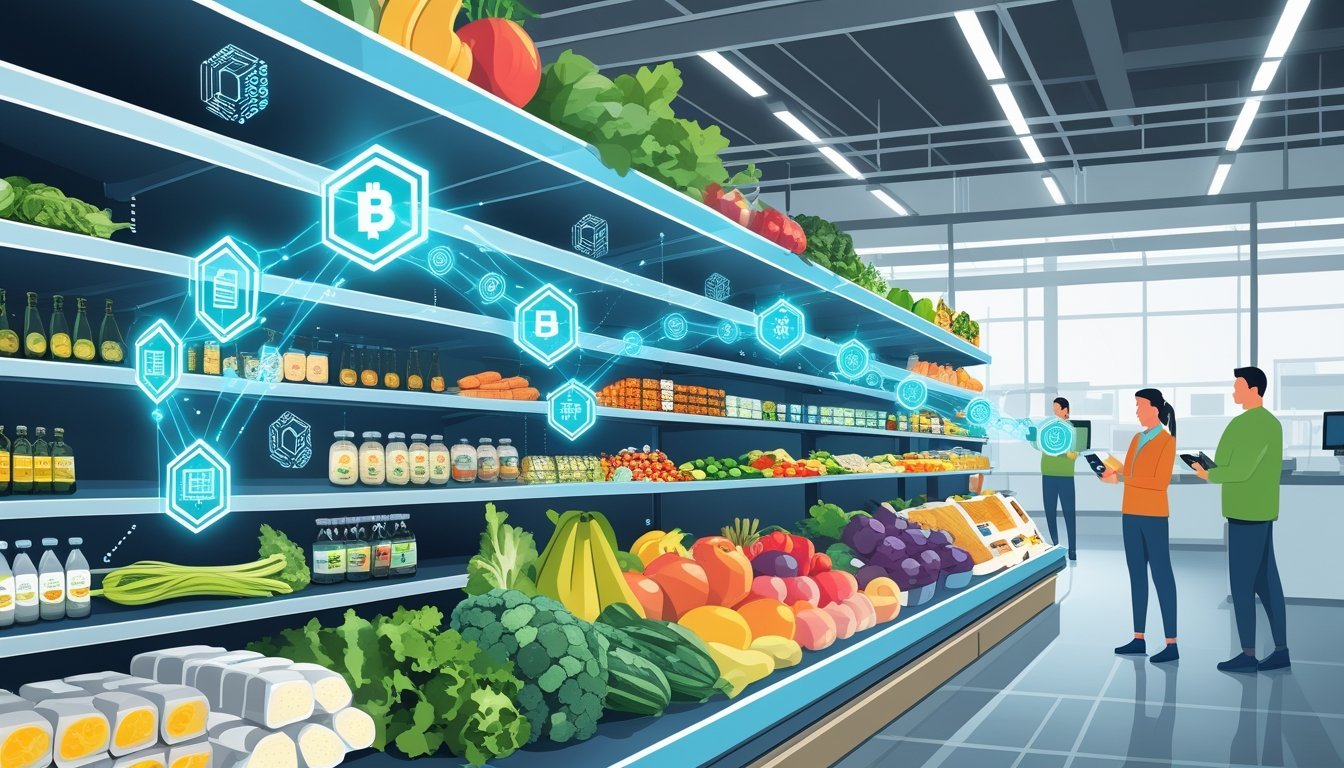
Blockchain technology relies on several core tools to enable accurate and efficient shelf life tracking. The combination of automated logic and real-time data input strengthens transparency across the supply chain.
Smart Contracts for Automated Shelf Life Management
Smart contracts allow businesses to set digital rules that automatically execute shelf life-related actions when predefined conditions are met. For instance, when a product reaches a particular age or environmental threshold, the smart contract can alert stakeholders or trigger removal protocols.
The use of smart contracts removes much of the human error associated with manual tracking. These agreements are stored on the blockchain, ensuring a transparent, tamper-resistant record of shelf life management activities.
Retailers and suppliers can leverage smart contracts to receive instant notifications about inventory nearing expiration. This makes it easier to manage recalls, rotate stock, or discount products. The result is increased efficiency and reduced waste.
Integration with Internet of Things (IoT) Sensors
Connecting IoT sensors directly to blockchain networks ensures continuous, automated data collection about product conditions. Sensors can monitor factors such as temperature, humidity, and timestamped location at every stage of the supply chain.
This real-time data is recorded on the blockchain, creating a permanent, visible audit trail for every product. When sensor readings approach unacceptable ranges, automated alerts can be generated to prompt timely responses.
Accuracy and trust are improved, since data comes directly from IoT devices without manual intervention. This leads to better shelf life prediction and improved coordination between suppliers, distributors, and retailers.
Implementing Blockchain in Shelf Life Tracking
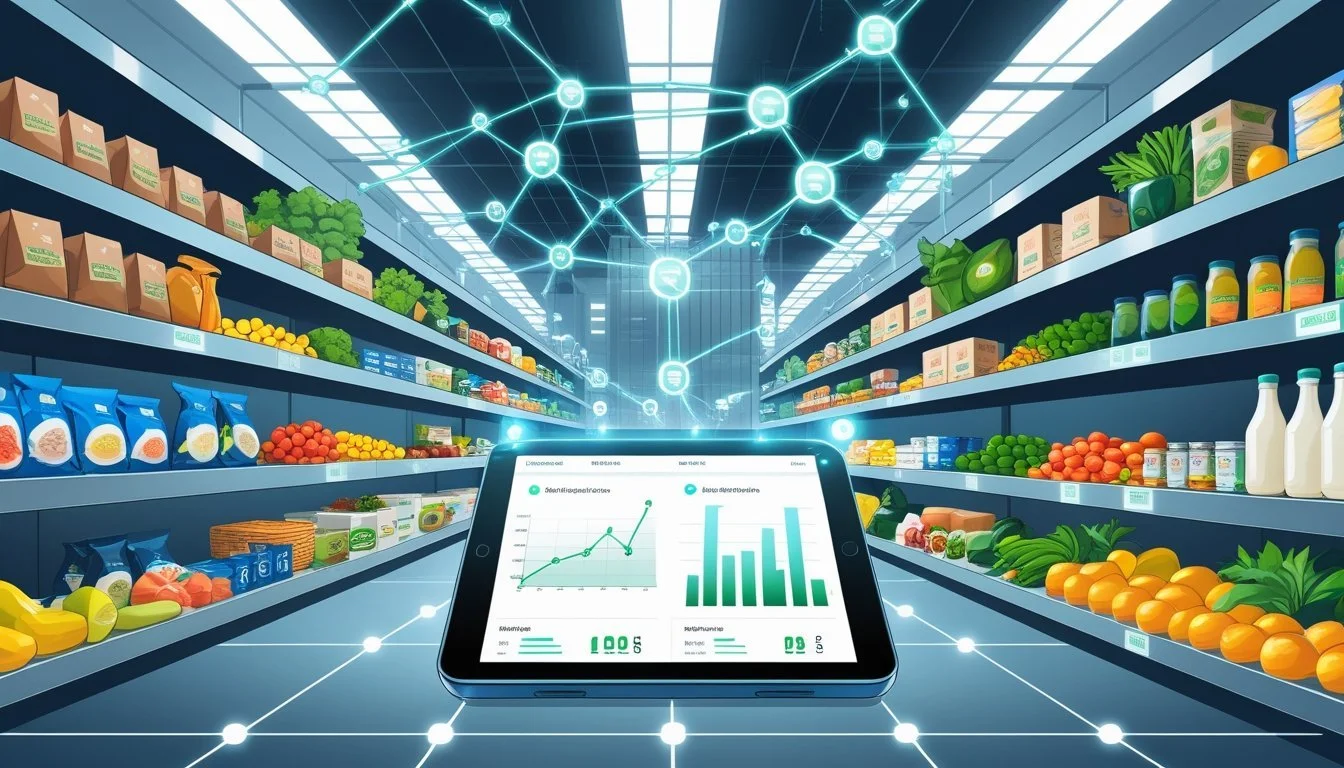
Blockchain can help the food industry document shelf life from farm to shelf, support traceable inventory management, and ensure transparent data sharing. Its adoption depends on practical integration, scalable solutions, and strict data security measures.
Integration with Existing Supply Chain Systems
Integrating blockchain into existing supply chain management requires seamless data flow between conventional systems (like ERP or inventory software) and blockchain networks. Companies must synchronize key data points, such as batch numbers, processing dates, and transport information, to record shelf life accurately.
Steps for integration often include:
Mapping current data flows and identifying interoperability points
Developing standardized APIs for data exchange
Training staff and updating procedures to include blockchain data entry
Modern solutions can connect IoT sensors for real-time tracking of temperature and humidity, helping verify storage conditions that affect shelf life. Retailers can use QR codes to provide end consumers with accessible product shelf life data, increasing transparency at the point of sale.
Addressing Scalability and Interoperability
Blockchain networks must handle large transaction volumes from numerous supply chain actors to be practical at scale. Public or consortium blockchains should support thousands of updates, such as real-time shipment or storage data, without reaching network bottlenecks.
Key considerations for scalability and interoperability include:
Selecting scalable blockchain platforms (e.g., using sidechains or layer-2 solutions)
Implementing cross-chain protocols to connect multiple blockchain networks
Ensuring data formats remain standardized for easy integration
Consistent data structures and communication standards allow suppliers, manufacturers, and retailers to operate across different platforms. Open standards make it possible to share shelf life information reliably, whether a product moves between countries or vendors.
Data Privacy and Security Considerations
Managing sensitive information related to shelf life and supply chain operations requires secure and privacy-focused systems. Blockchain’s immutability preserves accurate records, but careful access control is necessary to limit visibility to authorized parties.
Important security measures include:
Encrypting sensitive supply chain and inventory data
Using permissioned blockchains for controlled access
Employing digital signatures and multi-factor authentication to validate data entries
Retailers and producers must balance transparency for consumers with the need to protect trade secrets and operational data. Robust cybersecurity protocols can prevent tampering and ensure sensitive shelf life details are only shared with approved stakeholders.
Benefits for the Food Industry
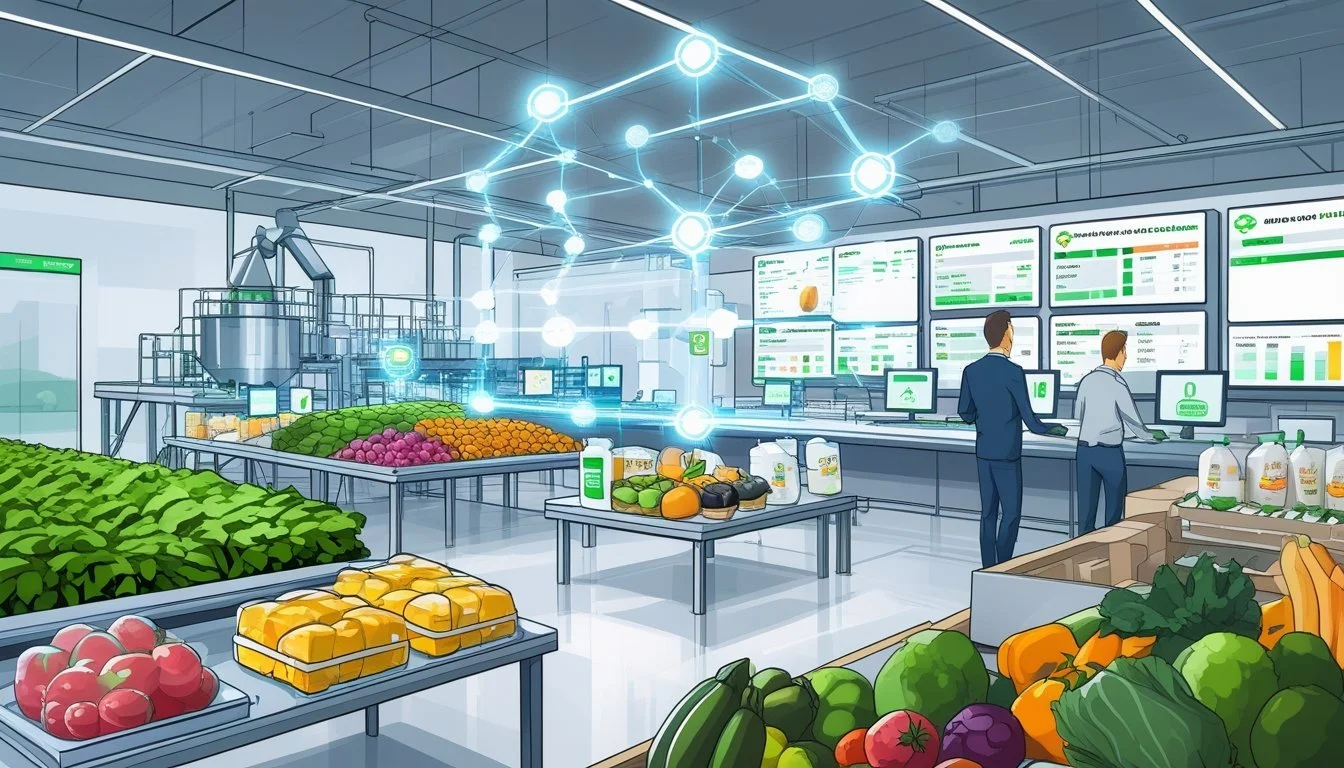
Blockchain offers concrete tools for enhancing transparency and accountability in the food industry. Direct links between each stage of production and distribution support better decision-making and risk management.
Improving Food Safety and Reducing Foodborne Illnesses
Food traceability systems powered by blockchain give companies real-time access to the history of products from farm to shelf. Every transaction or move is recorded as a time-stamped, immutable entry, reducing the risk of data manipulation.
If foodborne illnesses occur, products can be identified and recalled much faster. This targeted recall minimizes waste and financial losses, while ensuring unsafe items are quickly removed from shelves.
Blockchain helps maintain records on harvesting dates, processing steps, and storage conditions. This level of detail supports compliance with regulations and builds consumer trust in labeling. Stakeholders such as retailers, suppliers, and regulators can all access consistent, reliable information without delays.
Supporting Sustainability and Ethical Sourcing
Blockchain improves sustainability efforts by tracking key data on origins, handling, and environmental impact. Items marked with blockchain data can show certifications for sustainable farming, fair labor, or reduced chemical usage.
Ethical sourcing requirements are easier to verify when suppliers' claims are digitally tracked and audited. This increases accountability across the supply chain and discourages unethical practices.
By using blockchain to capture details such as carbon footprint or water usage, companies gain clear insight into their products' sustainability profile. Transparent records make compliance with sustainability standards more straightforward and help companies differentiate responsible products in the marketplace.
Use Cases and Real-World Examples
Blockchain technology has seen active deployment in global supply chains, digital ecosystems, and food safety initiatives. Organizations use blockchain to strengthen transparency, extend product shelf life information, and ensure data trustworthiness at every stage from origin to consumer.
IBM and Walmart Blockchain Initiatives
IBM and Walmart have collaborated to use blockchain platforms for food traceability. This partnership began with pilot projects focused on tracking leafy greens and pork from farm to shelf. By digitizing records, the blockchain allows all supply chain participants to view real-time updates on product status, origin, and shelf life.
Key benefits include:
Faster identification of contamination sources
Reliable tracking of expiration dates
Shared access controls for farmers, distributors, and retailers
Through the IBM Food Trust, Walmart reports significantly reduced investigation times for food recalls—from days or weeks to seconds. This helps to ensure that products reaching consumers meet quality and safety standards.
Vechain Applications in Supply Chains
Vechain specializes in providing blockchain solutions that record stages of product handling, environmental conditions, and expiration information. Businesses use Vechain’s ToolChain platform with IoT devices to monitor parameters such as temperature, humidity, and handling events.
Each stage is logged on the blockchain, making data immutable and accessible. This helps verify, for example, if perishable items like seafood or pharmaceuticals remained within safe temperature ranges throughout transit.
Typical use cases:
Luxury goods authenticity
Food safety and freshness
Medical supplies traceability
Vechain’s public ledger enables producers and consumers to validate the shelf life and quality of products with QR code scans. This process reduces opportunities for information tampering by intermediaries.
Hyperledger Fabric and Enterprise Deployment
Hyperledger Fabric offers a modular blockchain framework, allowing enterprises to develop custom supply chain networks. Unlike public blockchains, Fabric supports permissioned access, ensuring that only authorized parties can view sensitive shelf life data.
Major logistics and manufacturing companies have adopted Hyperledger Fabric to automate record-keeping across warehouses, shipping, and points of sale. Smart contracts embedded in Fabric networks manage expiration dates and automate recall processes.
A key advantage is the ability to trace and audit every transaction. This reduces errors and accelerates corrective actions if shelf life or storage requirements are compromised.
Emerging Pilot Projects and Innovations
New pilot projects are testing blockchain’s ability to increase shelf life transparency in sectors such as pharmaceuticals, dairy, and retail. For example, European retailers are experimenting with end-to-end digital labeling that links every product’s journey to blockchain-verified data points.
Startups and research groups are also piloting blockchain with RFID and IoT sensors to track temperature spikes and update shelf life forecasts in real-time.
Some innovations under development include:
Decentralized apps for consumer product recalls
Blockchain-enabled expiry warnings for store managers
Automated dispute resolution based on digital logs
These pilots demonstrate the growing interest in reliable, actionable transparency powered by blockchain, with direct impact on product shelf life management.
Broader Impacts on Supply Chain Management
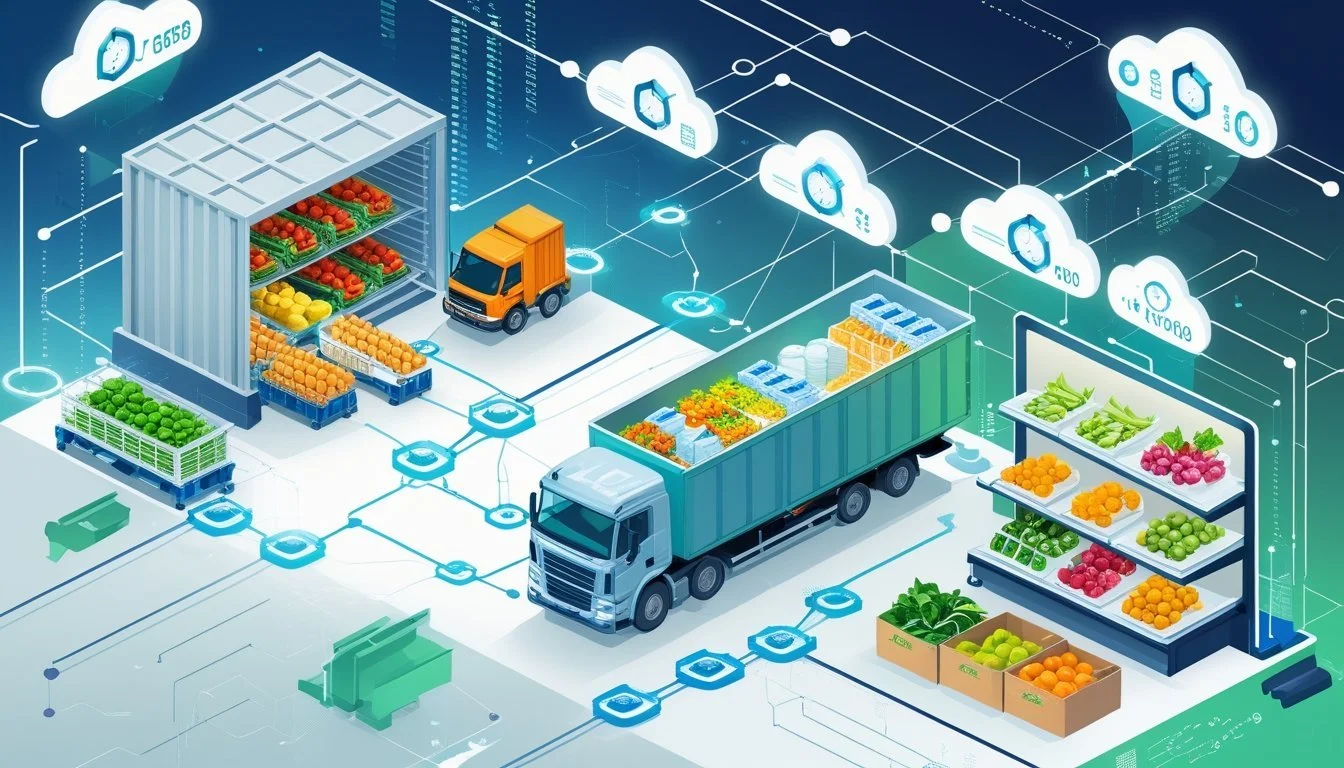
Blockchain can significantly shape supply chain management through better efficiency, lower operational costs, and greater visibility. These improvements enable decision-makers to optimize operations and respond quickly to disruptions or changes.
Enhancing Efficiency and Reliability
Blockchain introduces a decentralized, tamper-evident ledger for all supply chain data. Every transaction or movement—such as batch processing, inventory updates, or quality checks—is notarized and timestamped. This reduces manual interventions and error rates.
Automated smart contracts streamline key processes, including inventory restocking and supplier payments. By eliminating redundant paperwork and the need for physical verification, teams can focus on resolving exceptions rather than routine oversight. Data consistency across suppliers, logistics providers, and retailers strengthens reliability and reduces delivery delays.
Table: Key Improvements
Process Before Blockchain After Blockchain Documentation Manual Automated Data Reconciliation Repetitive Instant Error Rate High Lower
Cost Reduction and Disintermediation
Operational costs in traditional supply chains often arise from paperwork, third-party audits, and inefficient reconciliation processes. Blockchain minimizes these costs by creating an immutable and transparent system where multiple parties access the same version of records without intermediaries.
Smart contracts automate transactions, enforce compliance, and trigger payments, lowering dependence on costly third-party verifiers. Disintermediation reduces transaction fees and administrative overhead, directly impacting a company’s bottom line.
Key cost reduction drivers:
Fewer disputes due to transparent records
Automated execution of agreements
Reduced labor for manual checks and data entry
Organizations can allocate resources more efficiently, moving budgets from administrative tasks to value-adding activities.
Supply Chain Transparency and Visibility
Blockchain provides end-to-end visibility by securely logging every event—from sourcing raw materials to delivering finished goods to retail shelves. All authorized participants can view the same traceable records, such as product origins, shelf life, and handling conditions.
Immutability prevents record tampering, enabling more accurate recalls and compliance audits. Consumers and business partners gain confidence through easy access to product histories.
By increasing transparency, blockchain supports ethical sourcing, streamlines recalls, and drives informed purchasing decisions. Visibility across the full supply chain reduces the risk of fraud and mislabeling, and builds lasting trust among stakeholders.
Challenges and Considerations
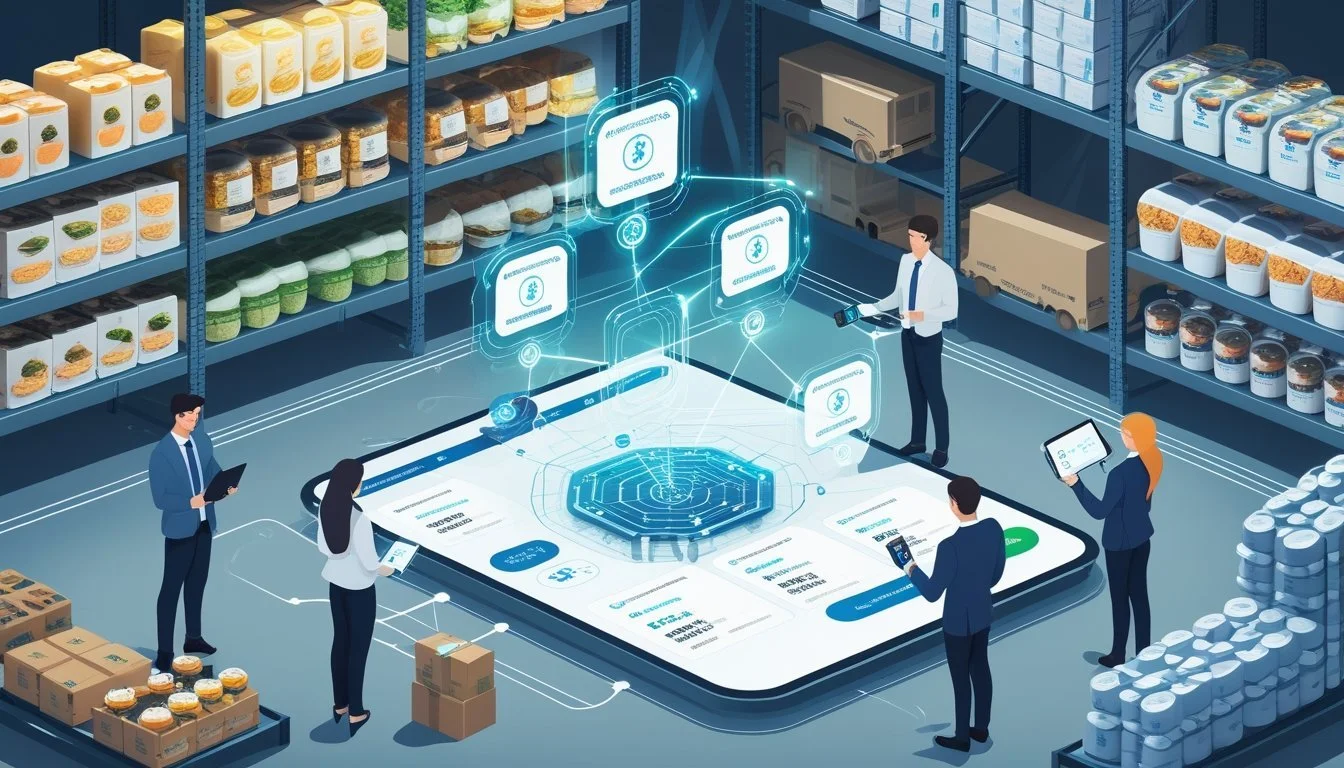
Implementing blockchain for shelf life transparency involves adapting existing infrastructures and ensuring alignment with regulatory frameworks. Both technology integration and compliance requirements introduce distinct obstacles for supply chain stakeholders.
Overcoming Legacy Systems and Manual Processes
Legacy systems in supply chains often lack interoperability with modern technologies like blockchain. Many organizations still rely on manual processes for tracking inventory, expiring products, and recording product lifecycle data. This dependence on paper-based or fragmented digital systems hampers the seamless transfer of data to a blockchain platform.
Organizations may face costs and technical hurdles when integrating blockchain with older ERP or inventory management systems. Staff may need retraining to operate new digital solutions and input accurate shelf life data. Data migration, system downtime, and ensuring consistent data quality during transition are also significant concerns.
A common workaround is to employ middleware solutions that bridge traditional databases with blockchain networks. However, inconsistent data entry in manual processes poses challenges for maintaining the immutability and accuracy expected from blockchain records. Without standardized data formats, automation, and reliable integration, benefits like real-time transparency can be delayed or diminished.
Addressing Regulatory and Compliance Barriers
Introducing blockchain in supply chains requires careful navigation of compliance and regulatory reporting standards. Regulations may dictate how product expiration dates, recalls, and environmental data are recorded and accessed, especially in sectors such as food, pharmaceuticals, and cosmetics.
Blockchain solutions need to align with privacy laws, data localization rules, and audit requirements. For instance, certain regulations require data modification or erasure rights, which conflict with the immutable nature of blockchain.
Organizations must work closely with regulators to ensure that digital shelf life records are acceptable forms of documentation. Compliance officers may also need new protocols for blockchain audit trails and reporting obligations. Regulatory uncertainty can delay adoption or require hybrid approaches, such as selective data anchoring or off-chain storage, to meet both transparency standards and legal mandates.
Future Outlook for Blockchain Adoption
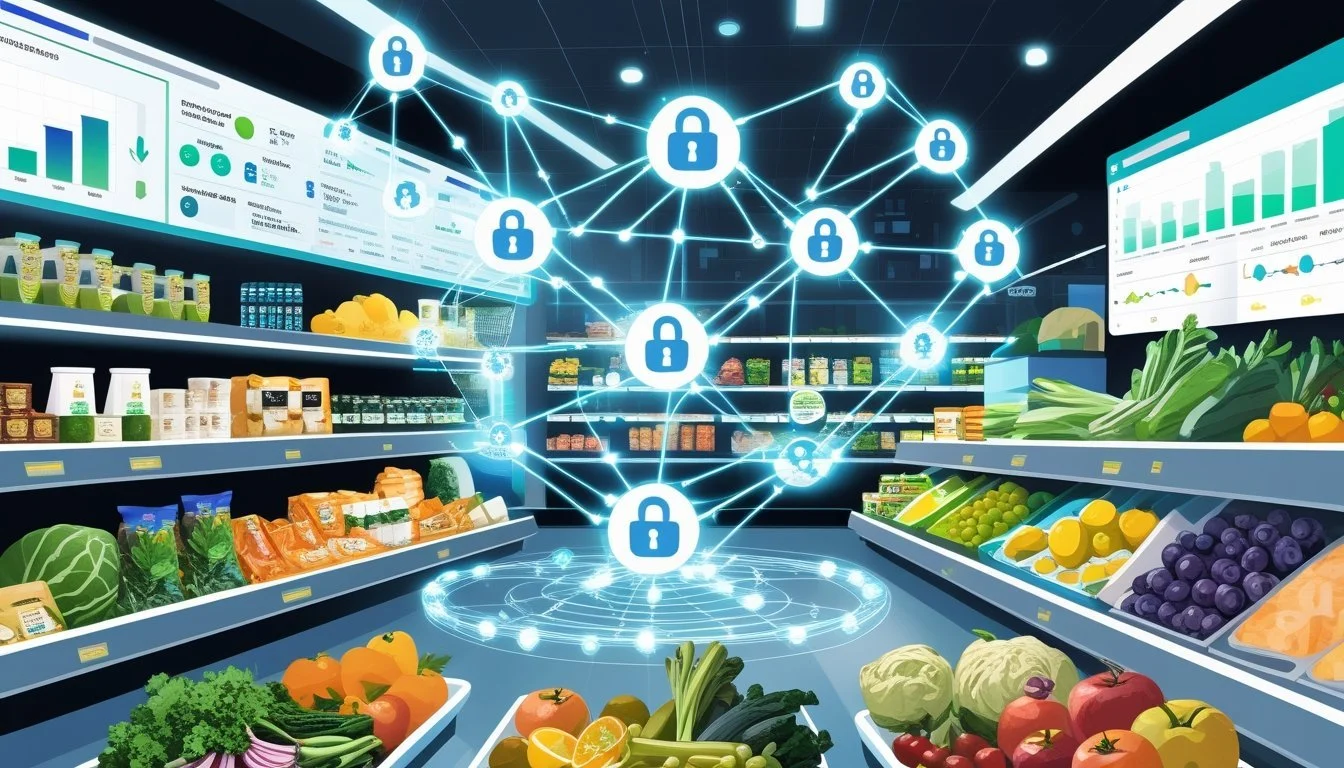
In the next few years, organizations will increasingly turn to blockchain technology for transparent record-keeping and traceable supply chains. Innovations involving artificial intelligence and big data will also shape how blockchain delivers actionable insights, with critical applications on the horizon for industries such as healthcare.
Trends in Blockchain-Based Platforms
Blockchain adoption is growing steadily in sectors that rely on complex supply chains and accurate data, such as retail and logistics. More companies are piloting blockchain-based platforms to record shelf life data, reduce waste, and enforce quality control.
Enterprise blockchain solutions now offer permissioned access and real-time updates. This enhances trust between participants, as anyone within the network can verify the status of products or ingredients. Platforms are also being built with interoperability in mind, making it easier to share shelf life information across organizations.
Adoption is also driven by stricter regulations on product safety and environmental concerns. Transparent tracking from origin to destination ensures compliance and supports sustainability efforts. The expected trend is increased standardization of data formats and stronger industry partnerships to scale these systems.
Integration with Artificial Intelligence and Big Data Analytics
Artificial intelligence (AI) and big data analytics are being integrated into blockchain platforms to add predictive and diagnostic capabilities. AI algorithms can analyze blockchain-stored data to forecast shelf life more precisely or detect anomalies in storage conditions.
For example, machine learning models may process historical shelf life data, weather patterns, and logistics records on the blockchain. The output includes alerts or real-time suggestions, helping reduce spoilage and optimize stock management.
Big data analytics further enable extraction of patterns and trends from large-scale, immutable datasets recorded on blockchains. This supports better inventory planning and enables automated compliance checks. Together, AI and big data make blockchain-based shelf life tracking smarter and more responsive.
Potential in Healthcare and Other Sectors
Healthcare organizations are exploring blockchain for tracking medication shelf life and authenticity. Tamper-evident digital records make it difficult to introduce expired or counterfeit drugs into the supply chain. Hospitals and pharmacies can verify expiration dates and storage histories quickly.
Other sectors, such as food and electronics, benefit from similar transparency. Real-time blockchain records enable rapid recalls and targeted notifications if shelf life or storage requirements are compromised.
In manufacturing, transparent life cycle records help identify inefficiencies or quality issues early. As blockchain adoption rises, sector-specific standards and best practices continue to emerge, boosting reliability and integration across industries.

