
Understanding Dynamic Shelf Life Based on Environment Factors Influencing Product Longevity
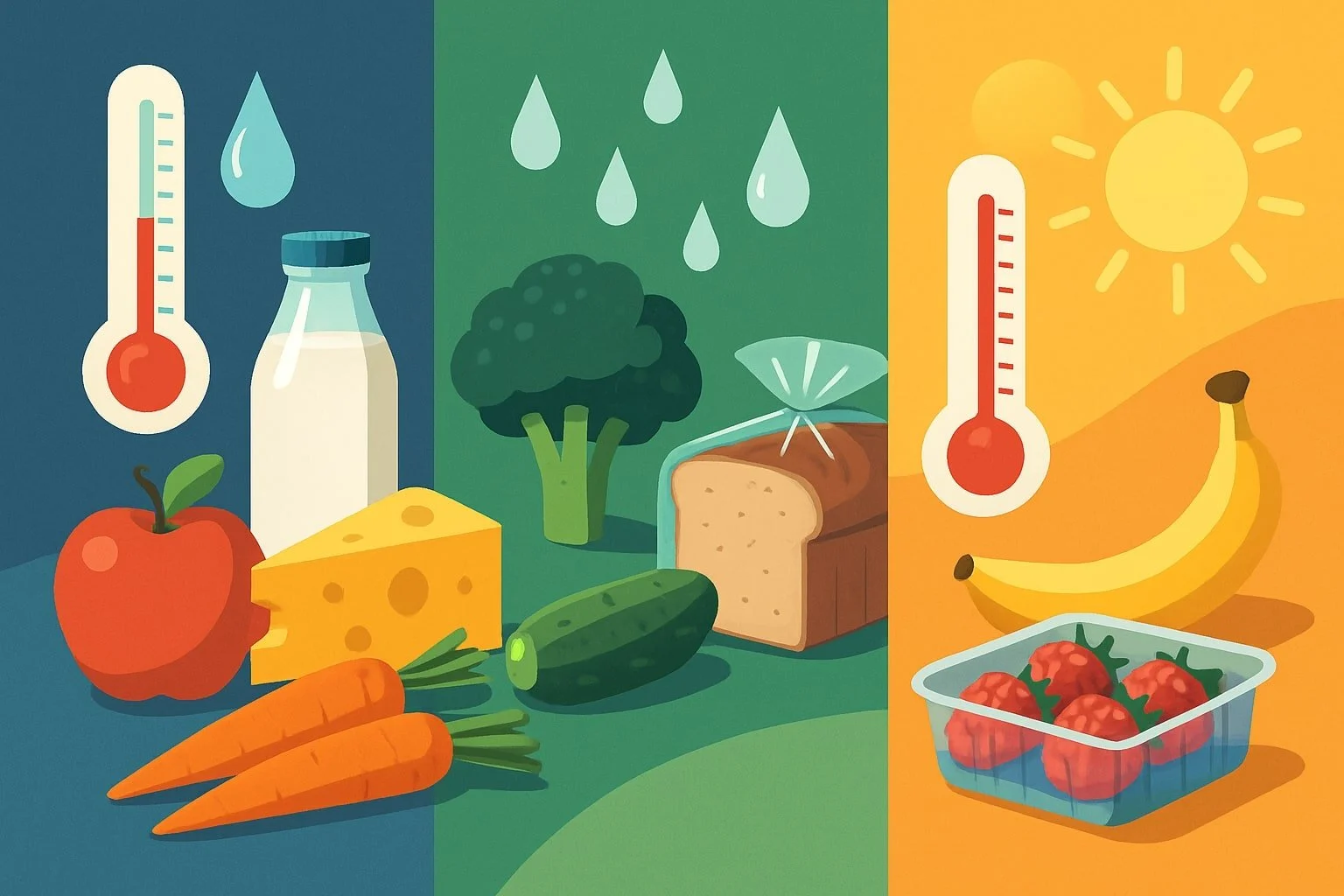
Shelf life has traditionally been determined based on fixed dates, but changing conditions during storage and transportation can significantly impact how long food stays fresh and safe. Dynamic shelf life uses real-time data about environmental factors—like temperature, humidity, and handling—to more accurately predict when a product will reach the end of its usable life. This approach helps reduce waste and improve food quality by adjusting shelf life estimates based on actual conditions, rather than static lab assumptions.
Dynamic shelf life models rely on technologies such as IoT sensors and predictive analytics to process large amounts of environmental data as products move through the supply chain. Understanding how these systems work is key for anyone involved in food production, logistics, or retail who wants to minimize both product loss and risk.
What Is Dynamic Shelf Life?
Dynamic shelf life is a method of determining how long perishable food remains safe and suitable to eat. Instead of relying on fixed dates, it uses real-time data and environmental monitoring to give a more accurate estimate of edible life. This approach considers changes in storage conditions, such as temperature and humidity, to help reduce food loss and waste.
Definition and Core Concepts
Dynamic shelf life refers to the process of calculating the usable life of a food product based on ongoing monitoring of storage environments. It takes into account fluctuations in factors like temperature, humidity, and exposure to light, all of which can directly impact food quality and spoilage rates.
This approach contrasts with traditional static methods that assume perfect storage conditions. It may use sensors, time-temperature indicators, or Internet of Things (IoT) technology to collect data. Predictive models then use this information to update shelf-life estimates as conditions change.
Dynamic shelf life aims to align estimated shelf-life more closely with actual food quality, improving decision-making about when food is still safe to consume.
Static vs. Dynamic Shelf Life
Static shelf life is determined through laboratory testing under controlled conditions, then printed as a fixed "best by" or "use by" date on packaging. These dates assume that environmental conditions remain stable and ideal until the product is consumed.
Dynamic shelf life, in contrast, adjusts based on actual real-time conditions experienced by the food during transport, storage, and sale. For instance, if a refrigerated item is exposed to warm temperatures, its safe shelf-life decreases; if kept consistently cold, shelf-life may extend.
Feature Static Shelf Life Dynamic Shelf Life Data Source Laboratory tests Real-time monitoring Flexibility Fixed Adaptable Accuracy Assumed Condition-dependent Technology Minimal Sensors, IoT
This difference allows for more precise decisions about food use, helping to reduce unnecessary food waste.
Importance for Perishable Food
Perishable foods—such as fresh fruits, vegetables, dairy, meat, and seafood—are highly sensitive to their storage conditions and are major contributors to food loss and waste. Minor changes in temperature or humidity can accelerate spoilage, making accurate shelf-life information crucial for food safety and quality.
Dynamic shelf life systems can prevent premature disposal of safe foods and reduce the chances of selling spoiled products. By adapting shelf-life estimates in real time, these systems help retailers and consumers use food within its actual usable period.
The use of dynamic shelf life is especially valuable in supply chains, where environmental conditions often vary widely. Improved shelf-life management directly impacts food waste reduction and can also improve profitability for suppliers and retailers.
Environmental Factors Impacting Shelf Life
Shelf life depends heavily on environmental aspects at every stage from storage to retail display. Subtle shifts in temperature, humidity, and storage practices can significantly change how long products remain safe and high quality.
Temperature Variations
Temperature is one of the most influential factors affecting shelf life. Even small fluctuations can accelerate spoilage by increasing microbial growth and enzyme activity. Perishable items like fresh fruits, dairy, and meats are especially sensitive to temperature abuse.
A consistent low temperature slows down biological processes and extends storage life. For instance, many fruits kept at 0–4°C experience much slower respiration rates, preserving freshness and nutritional value. Incorrect storage temperatures may reduce expected shelf life by days or even weeks.
Temperature changes during shipping and storage can cause condensation, which in turn fosters microbial contamination. Data loggers or temperature tracking systems are commonly used in supply chains to monitor and respond to these shifts.
Humidity and Storage Conditions
Relative humidity levels directly influence product quality and longevity. High humidity promotes growth of mold and bacteria, especially for products with high moisture content. Conversely, low humidity can cause dehydration or undesirable texture changes in certain foods, such as leafy greens or bread.
Modern storage environments often rely on controlled humidity chambers or packaging that responds to external moisture. Products like grains, biscuits, and powdered ingredients require lower humidity to prevent clumping and spoilage.
Proper ventilation and separating raw materials from finished goods help reduce contamination risks. For many fruits and vegetables, maintaining optimal humidity, typically 85–95%, improves shelf life and limits physical damage.
Dynamic Environmental Changes
Dynamic conditions—such as fluctuating temperatures during transit or changing humidity in retail displays—make shelf life predictions challenging. Products often encounter several environments between production and consumption, each affecting their stability.
Sudden temperature spikes or drops can stress packaging materials and compromise barriers, leading to moisture ingress or condensation. Reactive packaging technologies, like active or intelligent packaging, have been developed to counteract such risks by absorbing moisture or signaling when temperatures exceed set points.
Awareness of how environments shift through the supply chain helps producers make better decisions about raw materials, packaging, and logistics. Using real-time environmental tracking, stakeholders can adjust strategies to maximize shelf life under unpredictable conditions.
Mechanisms of Deterioration and Food Safety
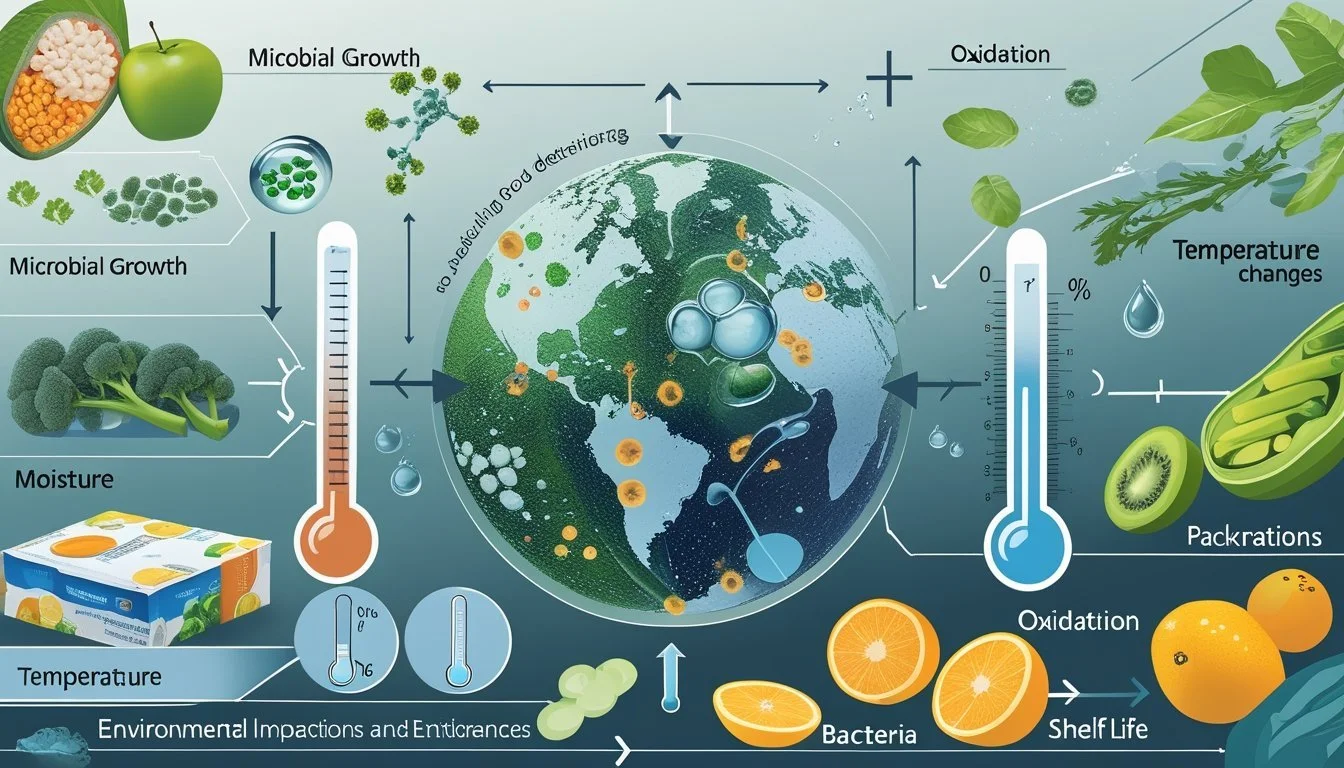
Environmental conditions directly influence how food products deteriorate and impact food safety. Important factors include temperature, moisture, and the presence of oxygen, which act on both the safety and quality attributes of food.
Microbial Growth and Microorganisms
Microbial contamination is a primary cause of food spoilage and safety concerns. Bacteria, yeasts, and molds can rapidly multiply under favorable conditions, leading to the formation of toxins and loss of edibility. Pathogenic microorganisms such as Salmonella, Listeria, and E. coli can cause foodborne illnesses if not controlled.
High temperature and humidity increase the activity of many spoilage organisms. For example, improper refrigeration enables the rapid growth of psychrotrophic bacteria, which compromise safety and degrade texture and flavor. Limiting water activity through drying or salting can reduce microbial growth. Good manufacturing practices are essential to minimize initial contamination and maintain safety during storage.
Quality-Related Reaction Modeling
Food quality changes dynamically during storage due to chemical and enzymatic reactions. Vitamin C loss, color changes, and texture softening are often used as indicators of product freshness. Firmness and nutrient retention are especially sensitive to temperature fluctuations.
Reaction rates often follow the Arrhenius equation, which models the dependence on temperature. For instance, as temperature increases, the breakdown of vitamin C accelerates, shortening shelf life. Modeling these quality-related reactions helps predict product deterioration more accurately, allowing producers to set storage recommendations that maintain both safety and quality.
Reaction Type Quality Attribute Affected Environmental Influence Enzymatic browning Color Oxygen, temperature Lipid oxidation Flavor, safety Oxygen, light, temperature Vitamin C loss Nutrition, safety Heat, pH
Risk Management and Safety Protocols
Risk management in food safety relies on continuous monitoring of potential hazards. Protocols include the Hazard Analysis and Critical Control Point (HACCP) system, which identifies key steps to monitor and control contamination.
Safety protocols focus on maintaining sanitation, monitoring environmental conditions, and periodically testing for microbial contaminants. Packaging technologies, such as modified atmosphere and vacuum sealing, extend shelf life by slowing deterioration mechanisms. Accurate records of temperature, humidity, and handling prevent lapses that could allow microorganisms to multiply or cause chemical instability. Emphasizing quick detection and correction of deviations protects consumers from unsafe products.
Dynamic Shelf Life Prediction Methods
Dynamic shelf life prediction integrates data-driven analysis, scientific modeling, and real-time monitoring to estimate how long a product maintains quality and safety. Factors such as temperature, humidity, and product-specific properties are central to producing reliable predictions with practical value for supply chains.
Shelf Life Models and Approaches
Shelf life models utilize mathematical frameworks to predict how environmental exposures affect food quality over time. Deterministic models calculate shelf life based on predefined conditions, often assuming steady storage environments. These are simple to implement but may lack flexibility.
Dynamic shelf-life prediction uses real-time data—such as temperature or humidity recordings—captured through IoT devices and sensors. This data is applied to algorithms that adjust shelf life estimates as conditions change.
Integrated approaches often combine multiple quality indicators such as respiration rate, moisture loss, and microbial growth. For example, a model might estimate remaining shelf life based on cumulative CO₂ production and history of exposure, updating predictions with each new data point.
Kinetic and Stochastic Processes
Kinetic reaction modeling focuses on describing chemical and physical changes that affect quality-related attributes. These models use mathematical expressions, like zero-order or first-order kinetics, to represent rates of spoilage reactions at various conditions.
Stochastic processes introduce randomness into the prediction, acknowledging that not all factors and reactions are fully predictable. Common stochastic tools include:
Weibull hazard analysis: Estimates the probability of failure (or spoilage) over time.
Wiener process models: Account for random fluctuations in degradation, capturing unpredictable shifts due to environmental changes.
This combination allows shelf life predictions that reflect both controlled trends and unexpected variability, producing output that stakeholders can use for risk-informed decision-making.
Predictive Microbiology Techniques
Predictive microbiology models specifically address microbial behavior and its impact on shelf life. These techniques forecast how pathogen and spoilage microorganism populations develop under changing environmental variables.
Common approaches include:
Primary models, which describe microbial growth, survival, or inactivation over time.
Secondary models adjust growth parameters according to temperature, pH, and humidity changes.
Tertiary models often combine software interfaces with real-time data feeds for dynamic prediction.
Predictive microbiology is widely applied in food safety, regulatory compliance, and the commercialization of perishable goods due to its specificity and adaptability. These techniques can be paired with other quality-related models to generate more robust, comprehensive shelf-life predictions.
Real-Time Monitoring and Sensor Technology
Effective management of dynamic shelf life relies on accurate measurement and real-time analysis of storage conditions and product quality. Technologies such as time-temperature integrators and advanced sensors serve as critical tools for monitoring environmental impacts on foods.
Time-Temperature Integrators and Indicators
Time-temperature integrators (TTIs) and time-temperature indicators are devices designed to continuously track a product’s exposure to temperature fluctuations over time. They provide visual or digital records of the accumulated temperature history, giving insights into potential impacts on product quality and safety.
TTIs respond chemically, physically, or biologically to temperature changes, resulting in a measurable signal—often a color change—that correlates with the degree of spoilage risk. This provides an at-a-glance assessment for handlers and retailers.
Time-temperature management with TTIs allows for more accurate shelf life calculations compared to static date labels. Retailers may use DSL (Dynamic Shelf-Life) systems that leverage this data, reducing unnecessary food waste by better aligning sale or removal dates with actual product quality.
Sensor-Based Quality Assessment
Sensor technology enables precise, real-time monitoring of food quality indicators (FQI), such as gas composition, humidity, and volatile compounds. These sensors may be integrated into packaging, storage units, or transport containers.
Real-time FQI monitoring collects continuous data, allowing for early detection of spoilage or unsafe conditions. This data can be wirelessly transmitted and analyzed, ensuring rapid, informed decisions throughout the supply chain.
A table summarizing key sensor features:
Sensor Type Measured Parameter Example Use Gas sensors Ethylene, CO₂, O₂ Fruit ripeness monitoring Humidity sensors Relative humidity Moisture control Temperature sensors Temperature Cold chain management Biosensors Microbial activity Spoilage detection
Advanced sensors support data-driven decisions in perishable food management, helping align storage and distribution practices with real-time environmental conditions.
Advanced Analytical Techniques in Shelf Life Estimation

Modern shelf life estimation relies on data from product storage environments, leveraging machine learning and advanced statistical modeling to achieve higher precision. Reliable prediction models are designed to incorporate complex variables—such as temperature, humidity, and microbial data—ensuring food safety and quality over time.
Artificial Neural Networks and Machine Learning
Artificial neural networks (ANNs) are used to predict shelf life based on patterns in large, complex datasets. These models can handle non-linear interactions among variables like storage temperature, packaging type, and product composition. By learning from historical and real-time data, ANNs improve the accuracy of shelf life forecasts beyond traditional fixed expiration dates.
In food quality prognostics and health management (PHM), neural networks are employed to identify degradation trends early. They are capable of integrating Food Quality Indices (FQIs), sensor readings, and other environmental factors. This approach allows for continuous shelf life assessment, adapting the estimation as storage conditions change.
Machine learning models are also instrumental in dynamic labeling, making product-specific predictions. They facilitate better inventory control, reduce waste, and support compliance with regulatory standards.
Partial Least Squares and Data Modeling
Partial least squares (PLS) is a powerful regression method used in shelf life estimation. PLS deals well with collinear and noisy data, making it suitable for food quality studies where various chemical, physical, and microbial indicators interact.
PLS models are applied to simultaneously analyze multiple predictors, such as moisture content, acidity, and environmental parameters. This helps to generate reliable relationships between measurable attributes and shelf life outcomes.
In advanced shelf life assessment, PLS is favored for its ability to compress large datasets without losing critical information. It is often used in combination with FQIs to produce predictive models that support both routine quality checks and research on storage innovations. This technique underpins many real-world applications where food quality and safety must be quantified reliably.
Dynamic Shelf Life Management in Practice
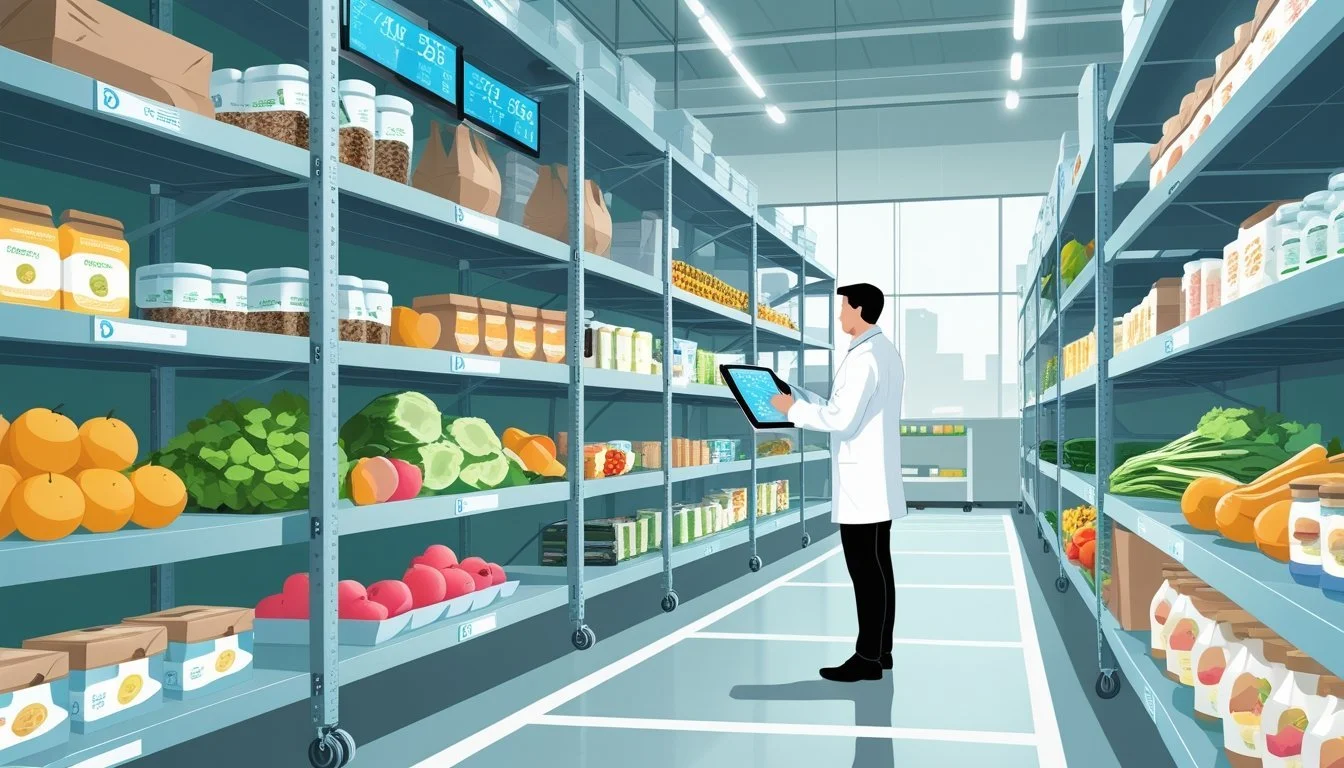
Retailers and suppliers use data-driven tools to extend or optimize shelf life depending on product type and storage conditions. Granular control over packaging, handling, and distribution creates opportunities for smarter inventory rotation and reduced waste.
Modified Atmosphere Packaging
Modified Atmosphere Packaging (MAP) modifies the composition of gases around food to slow spoilage and degradation. The main gases involved are oxygen, carbon dioxide, and nitrogen. By adjusting these levels for each product, companies can slow respiration and microbial growth, especially in fresh produce or highly perishable items.
Kiwifruit, for example, is highly sensitive to environmental changes. MAP helps maintain its quality by limiting ethylene exposure and slowing ripening. Using tailored gas mixtures, shelf life can often be extended by several days to weeks. This approach is particularly important for export and ensures that highly perishable goods arrive in marketable condition.
Monitoring gas composition is critical. Sensors and data loggers allow real-time adjustments, making the process precise and adaptive. Proper sealing and packaging integrity checks are also necessary to prevent accidental exposure to air.
Dynamic Distribution and Inventory Systems
Dynamic distribution relies on integrating temperature, humidity, and real-time shelf life data to make supply chain decisions. Rather than relying solely on First In, First Out (FIFO), warehouses now use Least Shelf-Life, First Out (LSFO) strategies for highly perishable products.
Table: Key Inventory Rotation Methods
Method Principle Best Use Case FIFO Earliest stock is sold first Stable shelf-life products LSFO Items with least remaining shelf-life sold first Highly perishable goods
Using dynamic shelf life predictions, distribution centers can route products more strategically. If a pallet of kiwifruit has a shorter remaining shelf life due to prior temperature abuses, it is prioritized for faster sale or closer destinations. This reduces spoilage, waste, and improves profitability.
Highly Perishable Foods: Case Insights
Highly perishable foods such as cut fruit, leafy greens, and dairy require special handling to maintain safety and quality. For these products, shelf life can vary daily depending on actual storage conditions.
Studies have shown that dynamic shelf-life systems increase transparency and give retailers a clearer picture of product viability. For instance, real-time monitoring of cold chain conditions informs decisions about discounting and placement. If shelf life is reduced unexpectedly, goods can be sold at a lower price before quality declines.
In the case of soft fruits or fresh-cut vegetables, even mild deviations in temperature can lead to rapid spoilage. Dynamic management helps ensure these items reach the consumer before significant quality loss occurs, supporting both food safety and reduction of food waste.
Accuracy, Security, and Consumer Considerations
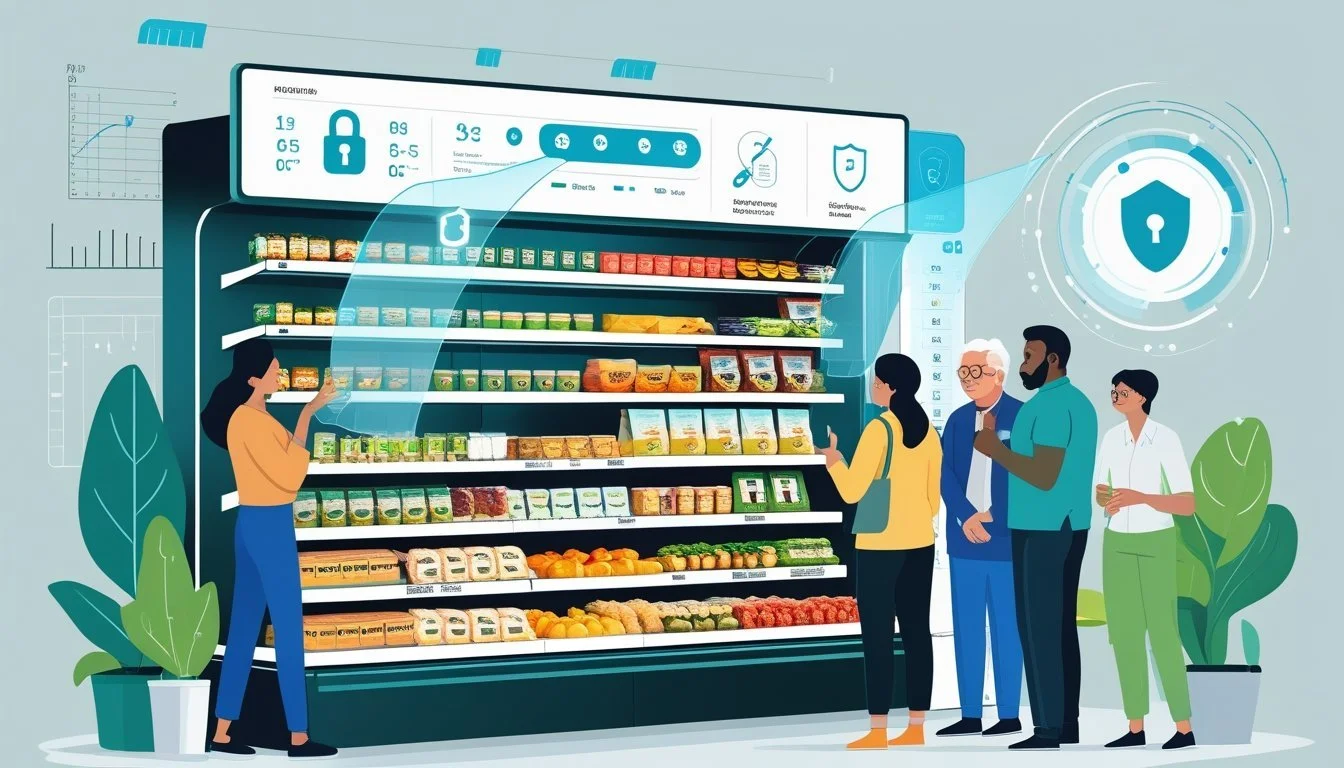
Dynamic shelf life systems rely on both the precision of data and robust protection of consumer information. The effectiveness of these systems also depends on maintaining consumer confidence through transparency and reliability.
Accuracy of Dynamic Predictions
The success of dynamic shelf life models depends on accurately measuring and interpreting environmental conditions such as temperature, humidity, and light exposure. Sensors must be calibrated and maintained to avoid faulty readings, as even small errors can lead to inaccurate expiration dates.
Key sources of error include:
Poor sensor placement
Irregular calibration schedules
Environmental fluctuations not captured in real-time
Manufacturers are adopting rigorous validation protocols, including side-by-side lab tests and software simulations, to calibrate dynamic models. Reliable data is essential for predicting product viability and ensuring food safety.
Accurate predictions reduce food waste and increase retailer trust. By leveraging continuous data updates, dynamic models adapt predictions as storage conditions change, surpassing traditional static expiration dates in relevance.
Data Security and Consumer Trust
Dynamic shelf life systems often collect and store large volumes of environmental and product data, some of which may relate to consumer purchasing patterns. Protecting this information is critical to preventing unauthorized access, data breaches, or misuse.
Best practices for security include:
Data encryption both at rest and in transit
Restricted data access controls
Regular security audits
Consumers expect companies to provide transparency about how data is collected, stored, and used. Clear communication about privacy practices and system reliability helps build trust, making people more willing to accept and use dynamic shelf life technologies. Transparent policies and ongoing security improvement are essential for maintaining consumer confidence.

