
The Evolution of Food Expiration Laws
Tracing Changes in Consumer Safety and Regulation
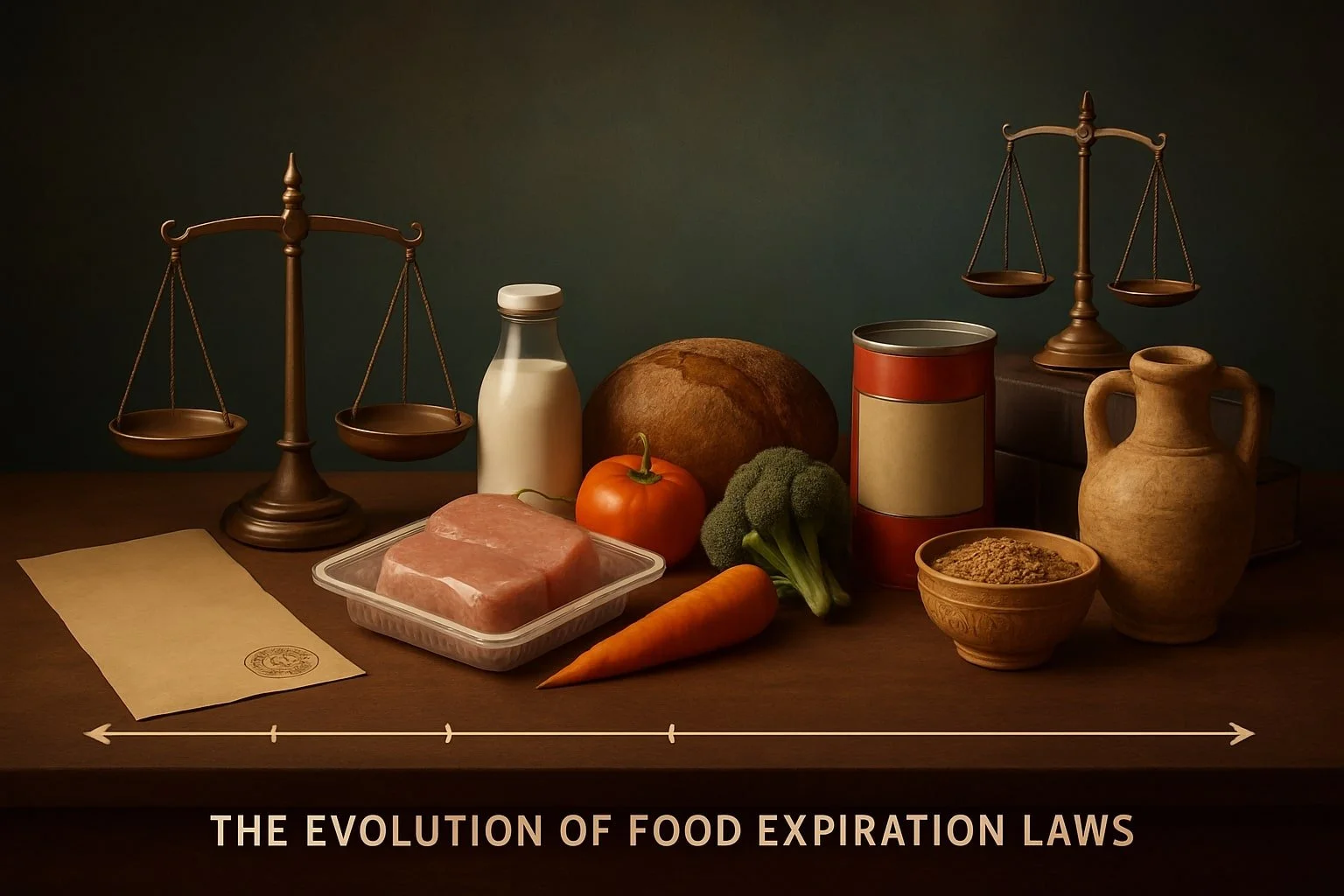
Food expiration laws have developed over time alongside advances in public health, industry practices, and consumer protection. The introduction of date labeling on food was shaped by a growing awareness of food safety and a need for clear guidelines to reduce waste and protect consumers. In the United States, regulatory oversight by agencies like the FDA and USDA set standards quite distinct from those in Europe and other regions.
These regulations did not emerge overnight but evolved as science, technology, and society demanded better ways to manage food safety and transparency. Today, the evolution of food expiration laws continues to impact how people shop for, consume, and dispose of food, reflecting a complex intersection of health, economics, and consumer awareness.
The Origins of Food Expiration Laws
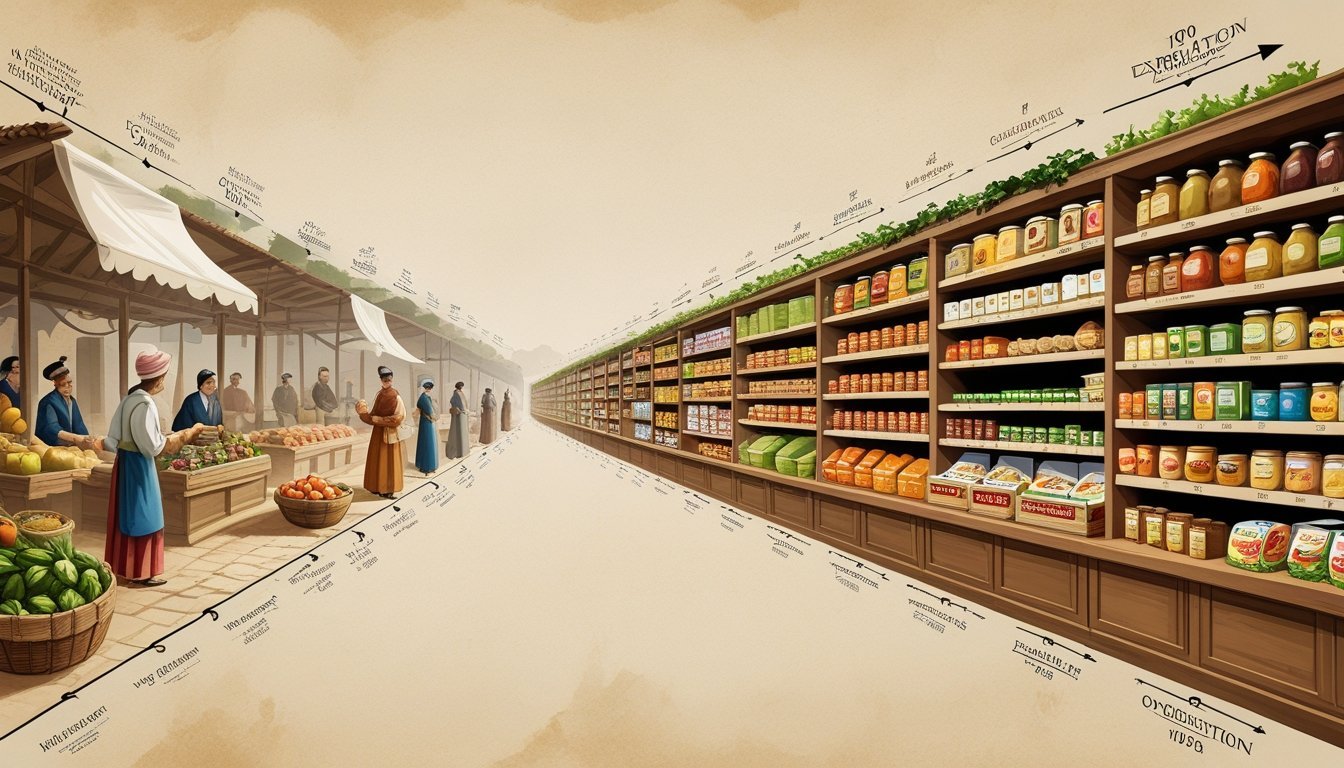
Modern food expiration laws are the result of historical developments shaped by early regulations, influential individuals, and industry shifts. The intersection of public health, organized crime, and industry innovation created the groundwork for today’s labeling practices.
Early Legal Frameworks
The first legal initiatives connected to food expiration emerged in the late 19th and early 20th centuries alongside mass production. As cities grew and food sources became more distant, consumers relied heavily on labels to judge food safety and freshness.
Government agencies began to respond to concerns about misinformation and safety. The Pure Food and Drug Act of 1906 in the United States laid the foundation for regulating food labeling, though it did not specifically require expiration dates.
By the 1970s, consumer advocacy groups pressured manufacturers for greater transparency. Open dating, which provided consumers with clear production or expiration information, gradually replaced ‘secret codes’ used by manufacturers. This shift aimed to reduce foodborne illnesses and increase public trust in food products.
Influence of Prohibition and Al Capone
Prohibition in the 1920s and 1930s created complex changes in both legal and illegal industries. During this time, Al Capone, a well-known figure in organized crime, became interested in the dairy business following the end of alcohol prohibition.
After a family member fell ill from spoiled milk, Capone leveraged his influence to campaign for stricter regulations. He focused on mandating expiration dates, particularly on bottled milk, in the Chicago area. While Capone’s personal motivations remain debated, his involvement is widely cited as a catalyst for early milk dating regulations.
These actions exemplified how powerful individuals could accelerate regulatory change, especially where public health intersected with profitable industries such as dairy.
The Role of Meadowmoor Dairies in the Dairy Industry
Meadowmoor Dairies played a significant role in shaping early food dating standards within the dairy sector. Known for adopting new safety and quality practices, the company was among early adopters of visible labeling on dairy products.
Meadowmoor was at the forefront of using open dating to address consumer demand for freshness, especially in milk—an item prone to rapid spoilage. Their implementation of “sell-by” and later “use-by” dates marked a turning point in consumer transparency.
The success and popularity of Meadowmoor’s practices influenced other dairies and contributed to industry-wide adoption. Their efforts aligned with public calls for clearer labels and government consideration of broader regulatory standards for perishables.
Understanding Expiration Dates
Expiration dates provide important information about the freshness and safety of food products, but not all dates serve the same purpose. Different types of date labeling, such as sell-by, use-by, and best before, communicate distinct points regarding a product’s shelf life and quality.
Types of Expiration Dates
There are several common types of dates found on food packaging, but they do not all indicate food safety. The primary types include:
Sell-By Date: Indicates when a retailer should remove a product from shelves.
Use-By Date: Recommends when the product should be consumed for best quality and, in some cases, safety.
Best Before Date: Suggests the period when a product is at its best flavor or quality.
It is important to note that most expiration dates are not federally regulated in the United States—except on infant formula and some high-risk foods. Consumers often misinterpret these labels as strict safety guidelines, even though many foods are safe for consumption beyond the printed date.
Sell-By Date and Use-By Date
The sell-by date mainly serves the retailer. It tells stores how long to display the product for sale, helping with stock rotation and inventory management. For example, milk expiration dates often reflect the sell-by date but milk may still be safe for several days after, if properly stored.
The use-by date is provided by manufacturers to indicate the last date for peak quality. With some products, such as ready-to-eat or high-risk foods, the use-by date is about safety and should not be ignored. For other items, it suggests optimal taste and texture, not spoilage.
Consumers should always check packaging and use sensory evaluation—such as smell, texture, and appearance—especially if a product is near or just past its use-by date. When in doubt, err on the side of caution, particularly for perishable foods.
Best Before Date and Peak Quality
The best before date is about quality rather than safety. It signals the time during which a product maintains its best taste, color, and nutritional value. Products like dry cereals, canned foods, and snacks typically display best before dates.
After the best before date, foods may lose freshness, flavor, or texture, but are often still safe to eat. The concept of peak quality stresses that products can be consumed after this date, yet may not offer the same experience as when first purchased.
Manufacturers determine best before dates based on testing and knowledge of product stability. Consumers should rely on both the printed date and their assessment of the product's condition to make informed decisions.
Date Type Indicates For Safety Concern Typical Products Sell-By Retailers No Milk, eggs, meats Use-By Consumers Sometimes Ready-to-eat foods Best Before Consumers Rarely Snacks, cereals
Government Regulations and Oversight
The federal government plays a central role in establishing and enforcing food safety and labeling laws. Key agencies—including the FDA, USDA, and the Food Safety and Inspection Service—determine standards for food expiration dating, how food is labeled, and the inspection of products to protect public health.
Role of the FDA and USDA
The Food and Drug Administration (FDA) oversees most packaged foods, processed foods, and beverages, while the U.S. Department of Agriculture (USDA) regulates meat, poultry, and egg products. The FDA enforces laws under the Federal Food, Drug, and Cosmetic Act, which gives it authority to set safety standards for foods not covered by the USDA.
The USDA, through its food programs and direct oversight, ensures that meat and poultry are wholesome, correctly labeled, and safe for consumers. Both agencies frequently update their regulations to adapt to new technologies and scientific findings.
Regulatory actions by these agencies are designed to reduce foodborne illness and prevent fraudulent or misleading food practices. Coordination between the FDA and USDA is essential to fill gaps in oversight and ensure comprehensive food protection.
Food Safety and Inspection Service
The Food Safety and Inspection Service (FSIS) is a branch of the USDA responsible for inspecting meat, poultry, and processed egg products. FSIS inspectors work at processing plants and slaughterhouses to make sure that products meet federal safety standards before reaching consumers.
Key duties of FSIS include:
Conducting regular inspections and testing for contamination
Enforcing recall procedures when safety is compromised
Ensuring compliance with humane handling and sanitation regulations
FSIS also develops and updates policies in response to emerging threats and maintains a public database of food recalls. This active oversight aims to keep the U.S. food supply as safe as possible for the public.
Food Labeling Regulations
Food labeling in the United States is regulated to ensure consumers receive accurate information about what they eat. The FDA sets requirements for nutritional content, ingredient lists, and allergen disclosures for most food products.
While "use by," "sell by," and "best before" dates are not federally required for most foods, certain items like infant formula must display date labels. The USDA mandates specific labeling for the foods it oversees, such as grade and inspection marks on meat and poultry.
Table: Types of Required Food Label Information (FDA-regulated)
Information Type Required on Label? Nutrition Facts Yes Ingredient List Yes Allergen Disclosure Yes Expiration Date Limited
Food labeling rules are continually refined to increase transparency and help consumers make informed decisions. Agencies provide clear guidance to manufacturers and require corrective action if labeling regulations are not followed.
Impacts on Food Safety and Public Health
Food expiration laws have shaped how consumers approach shelf life, but confusion remains around the links between date labeling, food safety, and health risks. Precise rules and clear education are crucial for reducing foodborne illnesses and minimizing unnecessary waste without compromising public health.
Prevention of Foodborne Illnesses
Expiration date regulations are intended to guide both retailers and consumers toward safer food consumption.
Proper labeling helps prevent the sale and use of products long after their peak safety period. This reduces the risk of foodborne illnesses caused by bacteria such as Salmonella, E. coli, or Listeria.
Government agencies, like the FDA and USDA, establish guidelines for foods at higher risk, such as dairy, meats, and ready-to-eat foods. Consistent enforcement and consumer awareness programs further support safe practices, ensuring expired or improperly stored items are removed from the market before pathogens multiply.
Key mechanisms by which laws prevent illness:
Mandating "sell by" and "use by" dates for perishable products
Requiring clear, legible labeling
Enforcing recalls for products associated with outbreaks
Health Risks From Expired Foods
Consuming food past its expiration date does not always result in illness, yet certain risks increase as food ages.
Expired items may harbor bacterial growth, spoilage, or loss of nutritional value, particularly for products that are temperature-sensitive or not shelf-stable. Symptoms of foodborne illness can range from mild stomach upset to severe complications, including dehydration and hospitalization.
Misinterpretation of date labels also results in large quantities of safe food being thrown out unnecessarily, but the risks grow as time and improper storage take their toll. Education about what labels mean—such as the differences between "best by," "use by," and "sell by"—is critically important for safeguarding public health and reducing waste.
Common health risks:
Exposure to spoilage microorganisms or toxins
Reduced nutritional content
Gastrointestinal distress from spoiled ingredients
Pathogens in Processed Foods and Milk
Processed foods and milk are frequently identified as sources of foodborne pathogens due to their composition and the potential for contamination during manufacture or storage.
Pasteurization of milk has reduced incidents of diseases like tuberculosis and brucellosis, but lapses in refrigeration or post-process contamination still pose significant risks. Packaged processed foods can harbor Listeria, Salmonella, or other bacteria, especially if not handled according to safety standards.
Expiration laws mandate strict labeling of these products, and regular inspections are key. Typical hazards include:
Growth of Listeria in refrigerated ready-to-eat foods
Spoilage bacteria in improperly stored milk
Cross-contamination in packaging facilities
Routine monitoring and education about the dangers of consuming expired dairy or processed foods remain vital for protecting public health.
Expiration Laws and Food Waste
Expiration date laws play a key role in shaping both consumer behavior and food industry practices. Misunderstandings and inconsistent regulations contribute to food waste, while storage and preservation challenges further complicate efforts to cut unnecessary disposal.
Consumer Confusion and Food Disposal
Consumers often rely heavily on food expiration dates to decide when to throw out food, but these dates are not always linked to safety. In the United States, over 90% of people admit discarding food prematurely due to unclear labels such as “sell by,” “use by,” and “best before.”
These terms are not standardized by federal law for most products, leading to widespread confusion. As a result, billions of pounds of edible food are wasted every year. According to some estimates, 30-40% of the U.S. food supply ends up as waste, with misunderstanding expiration labels as a major factor.
A closer look at food labels:
Label Type Typical Meaning Sell By For store display, not safety Use By Manufacturer’s best quality Best Before Suggests peak freshness
This lack of clarity costs households money and has environmental impacts by increasing landfill use and greenhouse gas emissions.
Challenges With Food Storage and Preservation
Proper food storage can extend shelf life, yet many consumers are not aware of best practices. For example, keeping dairy products at consistent cold temperatures or storing produce in the right humidity can slow spoilage even past labeled dates.
Preservation methods like canning, freezing, and vacuum sealing provide further means to use food safely beyond standard expiration dates. However, laws regulating labeling rarely account for differences in how food is stored at home compared to food industry conditions.
Efforts to reduce food waste must consider both labeling policy and public education on proper storage and preservation. Countries are starting to address this by encouraging clearer labeling and supporting awareness campaigns to promote food safety while reducing unnecessary waste.
Consumer Awareness and Education
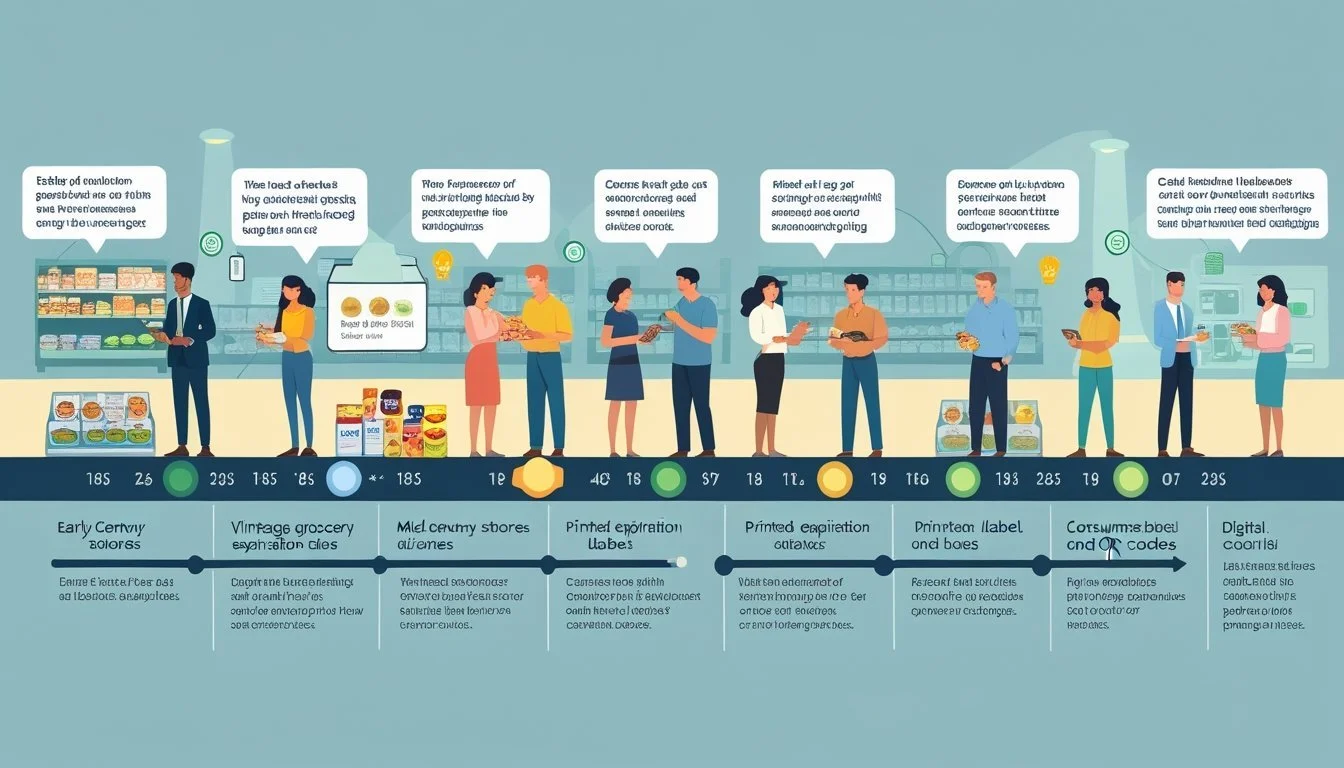
Understanding food expiration labels is crucial in reducing food waste and ensuring public safety. Clear education on what expiration labels mean and when food becomes unsafe helps both the general population and at-risk groups, such as infants, make safer choices.
Interpreting Expiration Labels
Many consumers confuse terms like "best by," "use by," and "expiration date." This confusion can lead to unnecessary food waste or accidental consumption of unsafe products. Research highlights that over 90% of Americans misinterpret these dates, often assuming all products must be discarded as soon as any date passes.
Best By: Indicates peak quality but not safety.
Use By: Manufacturer's recommendation for best flavor or quality.
Expiration Date: Usually refers to products that should not be consumed past this date, but only a few items (e.g., infant formula) are federally mandated to have such a label.
Proper consumer education programs clarify these distinctions. Consumers who can correctly define these labels are less likely to throw out safe, edible food. Reducing confusion directly contributes to lower household food waste and better food safety practices.
Risks to Special Populations: Infant Formula
Infant formula is regulated more strictly than most foods regarding expiration dates. Federal law requires that formula not be sold or consumed past its "use by" date. This is because the nutritional quality and safety of formula cannot be guaranteed after the labeled date, which can pose serious health risks to infants.
Unlike other foods, infant formula expiration is non-negotiable. Infants are especially vulnerable to nutritional deficiencies and foodborne illnesses. Educational efforts must clearly communicate the unique importance of this label to parents and caregivers. Compliance with infant formula expiration labels is essential to safeguarding infant health.
Innovations in Food Expiration Labeling
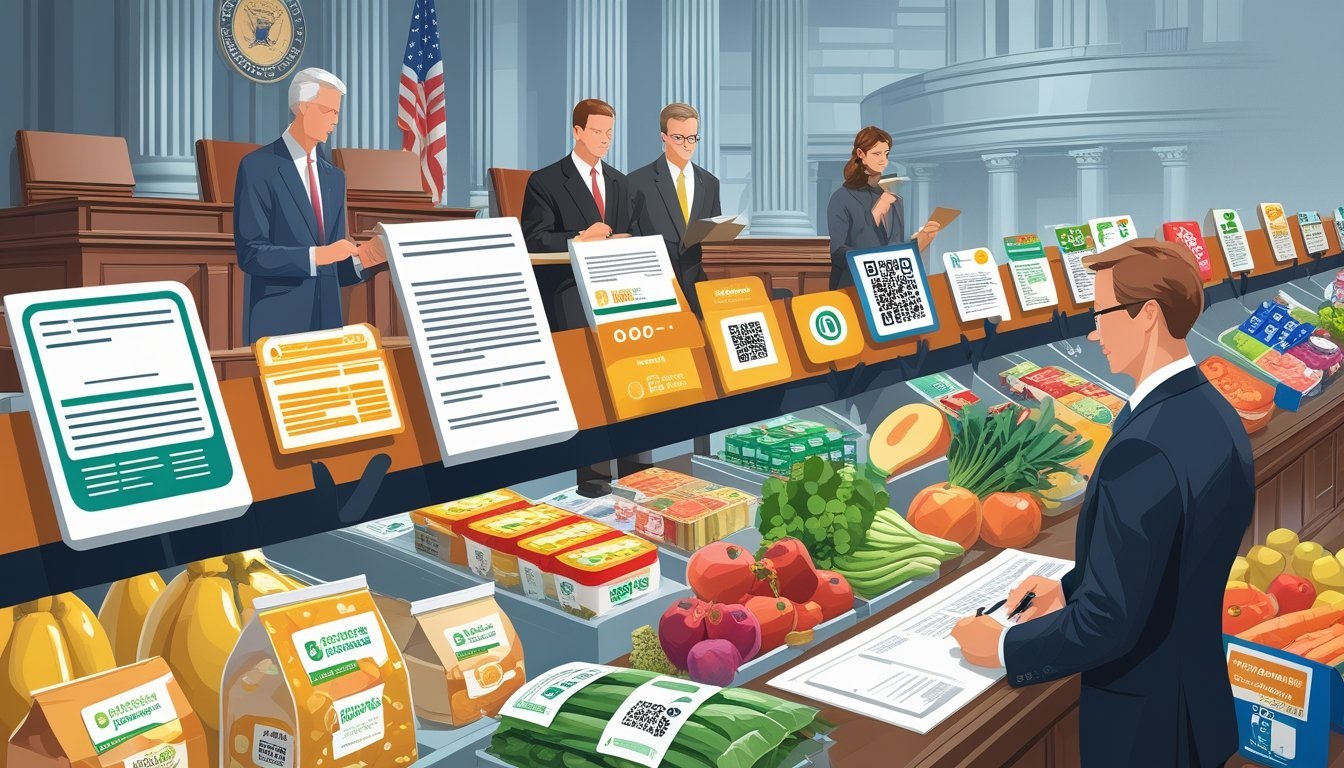
Recent years have seen significant progress in how expiration information is delivered to consumers. Food labels are now adopting advanced technology and environmentally focused design to improve both safety and reduce waste.
Emergence of Smart Labels
Smart labels are changing how consumers and businesses track food freshness. These labels use time-temperature indicators, QR codes, and color-changing sensors to show if a product is still safe to consume. Unlike traditional printed dates, smart labels can respond to real-time changes in temperature or storage conditions.
For example, AI-driven coding systems or blockchain-enabled traceability can give detailed tracking information about a product’s shelf life. Some packaging now contains embedded indicators that shift colors as food ages or as environmental factors change.
This technology gives both retailers and shoppers improved confidence in making decisions about food quality. It can support food banks, reduce retail loss, and help avoid unnecessary disposal of safe-to-eat foods.
Trends Toward Sustainable Practices
Sustainable practices are influencing the future of expiration labeling. Food companies are now seeking eco-friendly label materials and reducing single-use packaging wherever possible. Some producers have started to use laser marking instead of ink, eliminating extra waste.
Sustainable labeling can also mean digital expiry labels accessible via smartphones. This change saves resources by reducing paper use and makes updates easier. Companies are exploring compostable label materials or using printing processes that minimize environmental impact.
By rethinking expiration date labeling, businesses can both cut down on unnecessary food waste and align with broader sustainability goals. This shift responds to both consumer demand and regulatory pressure to support greener packaging solutions.

