
The Dark Side of Shelf Life Manipulation
Impacts on Food Quality and Consumer Safety

Shelf life manipulation in the food industry often involves additives, preservatives, and genetic modifications that can have unintended effects on both nutrition and health. While longer shelf life can reduce food waste and lower costs, it often comes with compromises, such as reduced nutrient value and a greater reliance on chemical preservatives.
Consumers might not realize that these practices can fundamentally change what they are eating. Industry priorities like convenience, profit, and supply chain efficiency sometimes come at the expense of transparency and the quality of our food.
Understanding Shelf Life Manipulation
Shelf life manipulation plays a central role in how food products move from farm to store shelves, impacting both consumer choices and industry practices. Advances in technology and changing market demands have shifted the ways shelf life is managed, affecting farmers, manufacturers, and the entire food supply chain.
Definition and Historical Background
Shelf life manipulation refers to methods used to alter the period a food product remains safe and appealing for consumption. These methods can involve physical, chemical, or biological processes to slow spoilage or mask signs of aging.
Historically, people relied on simple preservation techniques such as drying, salting, and fermenting. These approaches helped extend food availability but offered limited control compared to modern methods. Over time, manipulation has evolved to include more sophisticated strategies, such as modified atmosphere packaging and the use of preservatives.
The development of global trade and modern grocery systems increased the need for longer-lasting food options. This shift has pushed producers and manufacturers to adopt new techniques to meet consumer demand and to reduce losses throughout the food supply.
Technologies Used in Shelf Life Extension
Many technologies now exist to extend the shelf life of food products. These include:
Chemical preservatives: Substances like sodium benzoate or potassium sorbate slow bacterial and mold growth.
Modified atmosphere packaging (MAP): Replaces the air inside packaging with specialized gas mixtures to reduce oxidation and spoilage.
Refrigeration and freezing: Slows or halts the growth of microorganisms that cause food to deteriorate.
Irradiation: Uses controlled doses of ionizing radiation to reduce pathogens, preserving freshness for longer.
More recently, genetic manipulation has been used to develop crop varieties with built-in resistance to spoilage and slower ripening. These techniques can offer advantages for farmers and processors by reducing waste but may also prompt questions about transparency and naturalness in food production.
Contemporary Examples in the Food Industry
Several common food products demonstrate shelf life manipulation in action. For example, bagged salads use MAP to stay crisp and green on shelves much longer than unpackaged produce. Similarly, processed baked goods often contain emulsifiers and stabilizers to remain soft and appealing for weeks.
Tomatoes and apples with delayed ripening genes are now widely grown, providing supermarkets with stock that travels long distances without rapid spoilage. Dairy products like yogurt and cheese frequently incorporate active cultures and preservatives to extend their usability.
These practices increase convenience for consumers and create more consistent food options, yet they also shape the choices available and introduce new considerations for food safety and authenticity within the food supply system.
Psychological Tactics Behind Shelf Life Manipulation
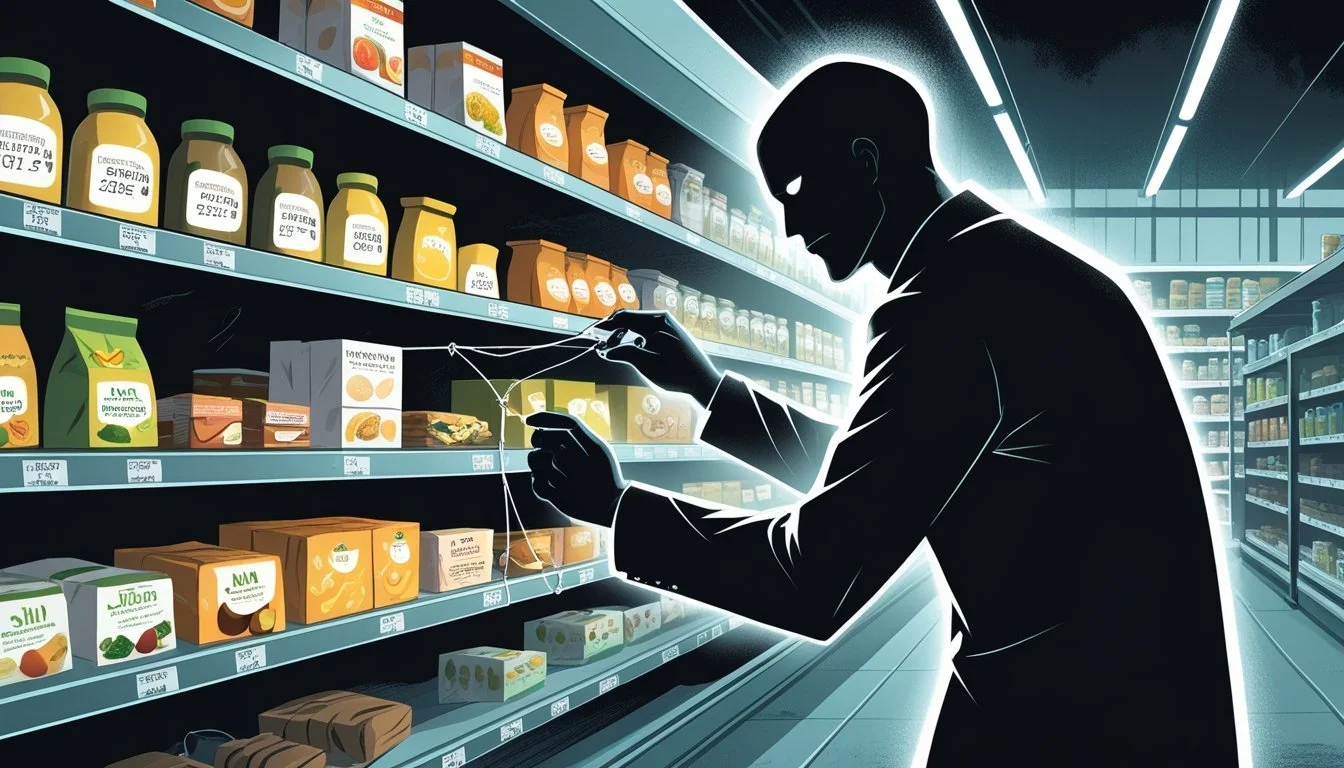
Shelf life manipulation uses psychological strategies to covertly shape consumer perceptions, often increasing sales while reducing transparency. Marketers and companies apply influence techniques rooted in dark psychology to subtly reframe or mislead consumer decision-making.
Dark Psychology in Marketing
Companies often use principles of dark psychology to enhance product appeal and control consumer behavior. Techniques such as social proof—showcasing items as “bestsellers” or “most popular”—can create urgency around products regardless of actual demand or inventory turnover.
Marketers may also mirror consumer concerns about freshness, leveraging trust by addressing shelf life openly, even if the information is carefully framed. At times, deception takes place through confusing date labels like “best by” or “sell by,” which can be ambiguous or misleading.
Manufacturers may exploit the foot-in-the-door technique by first securing small commitments, such as signing up for notifications on expiring deals. This encourages customers to later act on manipulated shelf life claims without second-guessing the accuracy.
Manipulative Techniques and Consumer Influence
Marketers use a range of manipulation tactics to generate perceptions of scarcity or exclusivity. Listing products as “limited stock” or “expiring soon” can pressure buyers into accelerated decision-making even when actual inventory is stable.
Forms of charm and flattery—such as personalized messaging suggesting the consumer has “excellent taste” for choosing a soon-to-expire item—are used to boost confidence in rushed purchases. This increases the perceived value of products near their suggested shelf life.
Gaslighting can appear subtly if companies downplay concerns about shelf life or shift blame to consumer misunderstanding. Mixed messaging about dates or storage requirements can cause buyers to doubt their own knowledge, leading to more compliance with suggested actions.
Creation of False Choices
False choices are commonly engineered to steer consumers toward products with manipulated shelf lives. Presenting two or three options—where only the “freshest” item is prominently highlighted—guides the shopper’s selection, even if the differences are minimal or manufactured.
A table showing typical false choice structures:
Option Displayed Reality Freshest (Best By Today) All items have equal freshness Discounted Soon-Expired No significant quality change Standard Shelf Life All dates set by company policy
By creating a sense of urgency and limiting comparison, companies use persuasion to increase turnover of items with approaching or arbitrary shelf life dates. Influence is maintained by controlling information and shaping the narrative, often prioritizing sales over consumer autonomy.
Manipulators in the Food Industry

Manipulators in the food sector often use subtle and sophisticated techniques to control product longevity and influence consumer choices. Understanding their motives, methods of exploitation, and the signs to watch for can help protect public health and consumer interests.
Corporate Motivations and Control
Large food corporations control much of the food supply chain, from processing and packaging to retail. Their main motivation is profit maximization, often at the expense of transparency and safety.
Shelf life is manipulated in several ways, such as altering packaging technology, adding preservatives, or modifying labeling practices. Corporations sometimes extend shelf life beyond what is safe, risking quality loss or even foodborne illness.
Companies benefit when products appear fresher for longer periods, reducing waste and increasing sales. This power dynamic gives them significant control over what information is disclosed and how it is presented to consumers.
Exploitation of Vulnerabilities
Manipulators detect and exploit gaps in regulation, inadequate oversight, and consumer trust. Vulnerabilities appear when food safety checks are infrequent or poorly enforced, especially in highly processed products.
Certain actors may tamper with records or adjust expiration dates to maintain the appearance of freshness. As outlined in industry incidents, manipulations might involve relabeling older meat or dairy to extend their shelf life illegitimately.
Retailers and suppliers sometimes exploit consumer assumptions about sell-by dates and packaging integrity. This exploitation can lead to increased exposure to spoiled or degraded products, impacting health and confidence in the food system.
Red Flags for Consumer Awareness
Several red flags can warn consumers about potential shelf life manipulation:
Inconsistent or unusually long shelf lives compared to similar products
Multiple stickers or altered expiration labels
Unexpected changes in texture, smell, or color despite a valid date
Pay close attention to packaging that appears tampered with or repackaged. Be cautious of deep discounts on perishable goods well past their usual prime.
Consumers should consult official food safety resources or reports on specific brands if concerns arise. Transparency issues and lack of clear labeling are persistent problems that demand vigilance from all parties.
Emotional and Psychological Impact on Consumers
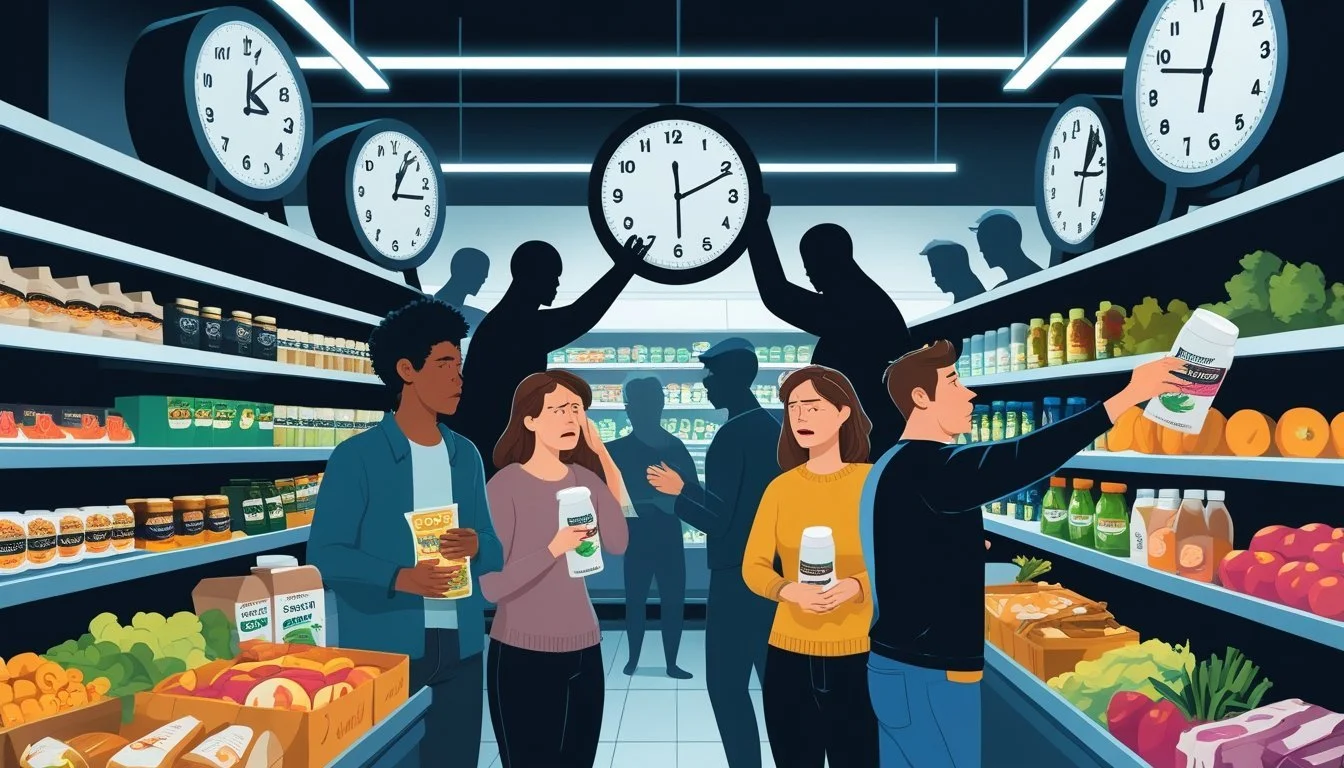
Shelf life manipulation in marketing strategies often extends beyond physical products and can shape consumers' mental and emotional states. The tactics involved can trigger discomfort, lower emotional well-being, and affect perceptions of trust and self-worth.
Guilt-Tripping and Emotional Exploitation
Companies may use guilt-tripping to push consumers into buying products before an arbitrarily set expiration date. For example, messaging that implies wastefulness if a product is not purchased or consumed in time can instill a sense of personal responsibility in the consumer.
These strategies exploit emotional vulnerabilities. Shoppers might feel pressure to act quickly, fearing loss or social judgment if they let products “go to waste.” Over time, repeated exposure can lead to increased anxiety or cognitive dissonance as purchase decisions begin to clash with personal values or logical reasoning.
Common Guilt-Tripping Tactics:
Tactic Effect on Consumer “Don’t let it go to waste!” Induces urgency, guilt “Act before it’s too late!” Sparks anxiety, pressure “Smart shoppers buy now” Triggers social comparison
These patterns of emotional exploitation undermine emotional well-being and may erode trust in brands over time.
Emotional Manipulation Tactics in Advertising
Psychological manipulation in advertising leverages emotional cues to direct consumer behavior regarding shelf life. Phrases suggesting imminent risk of missing out (“limited offer,” “expires soon”) directly appeal to fear of loss and can override rational decision-making.
Emotional manipulation disrupts consumers’ ability to accurately assess personal needs. Some individuals experience stress or regret after purchases, realizing that shelf life claims did not reflect genuine urgency. Continuous use of such tactics increases skepticism and can cause consumers to disengage or feel cynical toward a brand.
Effective use of imagery, color schemes, and urgent language in ads further amplifies psychological pressure. The overall impact may lead to lasting changes in purchasing habits and emotional responses associated with shopping situations.
Health Risks Associated With Shelf Life Manipulation

Shelf life manipulation often increases the use of preservatives, artificial additives, and altered fats in food products. These changes impact human health through their direct and indirect effects on nutrition and disease risk.
Obesity and Processed Foods
Processed foods with extended shelf lives typically contain high levels of added sugars, unhealthy fats, and sodium. These ingredients not only preserve the food but also enhance taste and visual appeal, encouraging overconsumption.
Frequent consumption of such foods is a significant contributor to rising obesity rates. Studies have shown that energy-dense, shelf-stable foods increase overall calorie intake and can displace healthier options like fruits, vegetables, and whole grains.
Obesity raises the risk of various chronic illnesses, including cardiovascular disease and some cancers. The convenience of these foods makes them widely available and appealing, particularly in urban and lower-income areas. Quick reference:
Aspect Shelf-stable Foods Impact Calories High Increases obesity Nutrients Often low in fiber/micronutrients Poor nutrition Additives Common (preservatives, colorings) Health risks
Diabetes and Related Conditions
Shelf life extension usually involves refining carbohydrates and increasing sugar content in processed foods. Consuming these products regularly is strongly linked to higher rates of type 2 diabetes.
Refined carbohydrates and added sugars can spike blood glucose levels quickly, overloading the body’s insulin response. Over time, this can lead to insulin resistance and eventually diabetes.
People who rely on processed, long-lasting foods are more likely to have diets lacking in fiber and essential nutrients, both key factors in diabetes prevention and management. The pattern of high sugar consumption, often unnoticed due to the long shelf life and labeling, undermines public health measures aimed at reducing diabetes.
Heart Disease and Public Health Concerns
Foods engineered for longer shelf lives often contain trans fats, sodium, and preservatives, all linked to increased heart disease risk. Trans fats raise LDL (“bad”) cholesterol and lower HDL (“good”) cholesterol, promoting atherosclerosis.
Excess sodium in these products contributes to hypertension, a major risk factor for heart attacks and strokes. Additives such as nitrates, phosphates, and certain preservatives have also been associated with cardiovascular issues in studies.
Heart disease remains a leading cause of death globally, and the widespread availability of shelf-stable processed food products poses a significant concern for public health. Public health guidelines recommend limiting these ingredients, but shelf life manipulation often results in increased consumption beyond recommended levels.
Broader Societal Consequences
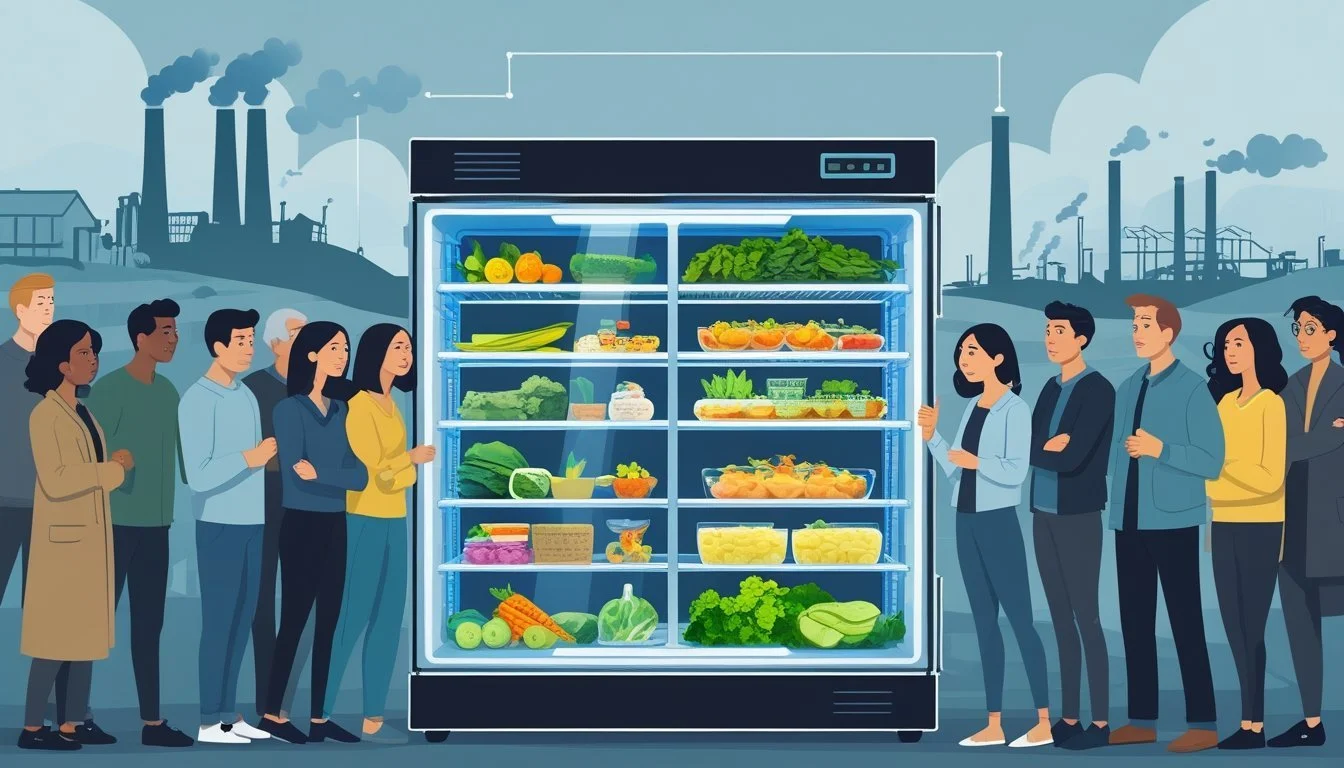
Shelf life manipulation creates ripple effects beyond product quality, influencing how food is grown, sold, and consumed. These changes affect not only much of the food supply, but also economic structures and personal relationships.
Impact on Farmers and Food Sustainability
The push to extend shelf life usually benefits large agribusinesses, making it difficult for small farmers to compete. As food corporations demand standardized, resilient crops, farmers are pressured to grow varieties bred for transport and longevity rather than nutrition or flavor.
This shift often reduces crop diversity, making local food systems less resilient and more dependent on chemicals like pesticides and preservatives. Prolonged shelf life allows products to be shipped farther, contributing to larger carbon footprints.
Farmers may lose bargaining power as supply chains consolidate. Sustainability suffers when decisions favor shelf stability over soil health, water conservation, or biodiversity. The connection between the farm and consumer weakens as fresh, seasonal foods get replaced by processed, long-lasting alternatives.
Manipulation in Politics and Business
Business interests often use dark psychology to influence regulations and consumer confidence around shelf life. Lobbying groups advocate for looser labeling standards or the approval of more additives under the guise of efficiency, masking potential risks.
Political debates about food safety and subsidies are sometimes shaped by those with stake in extended shelf life technologies. These interests may minimize transparency, avoiding discussions on long-term health impacts of preservatives or artificial chemicals.
Mergers and acquisitions in the food sector centralize power among a few corporations. This can have broad consequences, as these companies influence national food policies. Decision-makers may prioritize market stability and profits over public health and transparency.
Shifts in Human Behavior and Relationships
Widespread availability of processed, long-lasting foods changes daily habits and family dynamics. Quick meals and snacks undermine time spent on food preparation and shared meals, weakening traditional bonds formed around cooking and eating together.
Consumers may develop toxic relationships with food, favoring convenience over nutrition. The normalization of processed foods also blurs the line between natural and artificial products, impacting trust in the food supply.
Shopping behaviors adapt, with people relying more on supermarkets and less on local producers or markets. These shifts, driven by shelf life manipulation, alter how people perceive food—and each other—within households and communities.
Red Flags and Self-Protection Strategies
Recognizing how shelf life information can be manipulated helps individuals make safer, well-informed choices. Understanding warning signs, setting boundaries, and developing key skills all play a role in protecting against deceptive practices in product expiration and freshness claims.
Recognizing Manipulative Practices
Manipulative shelf life practices often include vague or misleading language, such as "best before" or "sell by" without clear explanation. It is common to find products with extended dates that lack justification, or items heavily discounted as they approach these dates.
Red flags also include inconsistent labeling between similar products, frequent changes to shelf life claims, or silence when asked for supporting evidence of shelf life extensions. A lack of transparency from manufacturers or retailers when consumers inquire further is another warning sign.
Consumers should pay attention to these behaviors. Keeping track of discrepancies or sudden changes in labeling can help identify when shelf life is being used as a tool for manipulation.
Setting Personal Boundaries
Establishing personal boundaries protects against pressure to buy expiring or questionable products. Individuals can set a clear rule to check dates themselves before purchase, rather than relying solely on marketing or retail claims.
Refusing to accept unclear or misleading information about product lifespan is key. If a retailer is unable or unwilling to answer shelf life questions, a consumer can choose to decline purchase.
Setting boundaries also means limiting purchases to trusted brands and stores known for transparent practices. When policies or staff attitudes violate those boundaries, consumers can assert their preferences through feedback or by taking their business elsewhere.
Building Emotional Intelligence
Emotional intelligence enables consumers to detect pressure, persuasion, or guilt-tripping used by sales staff or marketers. Recognizing and managing feelings of urgency or anxiety when confronted with "limited time only" or "almost expired" promotions is critical.
Individuals with higher emotional awareness can separate facts from emotional manipulation. For example, they are less likely to be swayed by language designed to create fear of missing out or waste.
Developing this skill involves paying close attention to how certain marketing messages make one feel, and then assessing whether those feelings are based on accurate information or sales tactics.
Promoting Consumer Choice and Awareness
Empowering consumer choice includes seeking out transparent labeling and advocating for clearer regulations around shelf life information. Shoppers can favor brands that display factual and specific expiration or freshness dates and support campaigns for better industry standards.
Educational efforts, such as reading credible articles or joining consumer advocacy groups, increase awareness of both the risks and rights related to shelf life claims. Sharing verified information with others helps build a more informed community.
A consumer's strongest self-protection tool is informed choice. This means understanding available options, questioning unclear labeling, and using trusted sources to verify shelf life claims whenever possible.
Dark Triad Traits and Leadership in Shelf Life Strategies
Leaders exhibiting Dark Triad personality traits can significantly influence how shelf life is managed and manipulated. Patterns of deceit, lack of empathy, and self-serving behaviors may shape decisions around product dating and information disclosure, impacting both corporate culture and consumer trust.
Machiavellianism and Strategic Deception
Individuals high in Machiavellianism frequently employ tactical deception to serve organizational interests or their own advancement. In shelf life strategies, this often manifests as intentional mislabeling of expiration dates, selective information sharing, or manipulating testing protocols to extend perceived product viability.
Such leaders tend to focus on outcomes, justifying deceptive tactics if they result in profit maximization or better market performance. They may encourage staff to hide unfavorable data or downplay the risks tied to shortened shelf periods, especially when regulatory oversight is weak.
Machiavellian-driven leadership can foster an internal culture where ethical shortcuts are seen as acceptable. This increases organizational risk if deceptive practices are uncovered, potentially resulting in legal penalties and reputational harm.
Narcissism and Exploitative Leadership
Narcissistic leaders often prioritize image, recognition, and personal gain. When managing shelf life, they might push aggressive messaging that exaggerates product freshness or introduce marketing campaigns that distract from transparency about product dates.
A need for admiration may drive these leaders to minimize or overlook stakeholder concerns about honesty in product labeling. Instead, they may rationalize exploitative tactics like setting over-optimistic "best before" dates or misleading consumers via ambiguous labeling.
Their decisions often center on personal success metrics such as sales growth or external validation, sometimes at the expense of long-term consumer trust. In extreme cases, narcissists may react defensively to criticism or whistleblowing, creating a culture where valid concerns about shelf life manipulation are suppressed.
Psychopathy and Lack of Ethical Restraint
Psychopathic traits in leadership correlate with a marked absence of empathy, remorse, or concern for broader consequences. In shelf life manipulation, this can look like willful endangerment of consumer welfare, including distributing products known to be near or past safe consumption periods.
Such leaders are often risk-tolerant and dismissive of regulatory compliance. They may instruct staff to ignore standard safety checks, falsify documentation, or retaliate against employees who question unethical behavior.
Psychopathic influence increases the possibility of blatant rule violations and a disregard for organizational values. This can introduce serious risks—not only for consumers, but for the long-term viability of the organization due to escalating legal and financial liabilities.
Mitigating the Dark Side of Shelf Life Manipulation

Addressing the negative consequences of shelf life manipulation requires interventions at several levels. Effective measures focus on strengthening regulatory frameworks, increasing consumer awareness, and improving health policies to reduce risks.
Regulatory Oversight and Industry Accountability
Government agencies such as the FDA and EFSA set standards for labeling and preservation methods. Increased regulatory scrutiny helps reduce deceptive practices around product shelf life. For instance, regulators can mandate accurate expiration dates, limit the use of misleading language, and require transparent records on product testing.
Regular inspections and mandatory reporting procedures hold manufacturers accountable. Stricter penalties for violations—such as fines and recalls—can deter manipulation. Collaboration with independent auditors can further enhance the integrity of shelf life claims in the marketplace.
Educating Consumers About Manipulation Tactics
Consumers are often unaware of the strategies companies use to present food and consumer products as fresher or safer than they truly are. Public education campaigns can highlight tactics like ambiguous expiration labels, re-labeling, and hidden additives.
Infographics and online resources can break down common manipulation signs. Teaching consumers to read labels critically and understand preservation techniques empowers them to make informed decisions. Knowledgeable shoppers are less likely to fall victim to manipulation, and increased awareness supports the demand for honest practices.
Strengthening Public Health Policies
Public health authorities can play a key role by updating policies to address the health risks tied to manipulated shelf life. Enhanced surveillance of foodborne outbreaks related to expired products is critical. Authorities may require better mechanisms for product traceability in the event of contamination.
Establishing minimum standards for shelf life determination, including mandatory challenge studies and scientific validation, ensures consumer safety. Coordinating with health organizations and industry stakeholders helps align policies with emerging risks and technological advancements. This approach minimizes the potential harm while supporting trust in the food system.

