
How to Design Packaging for Maximum Freshness
Key Strategies for Food and Beverage Products
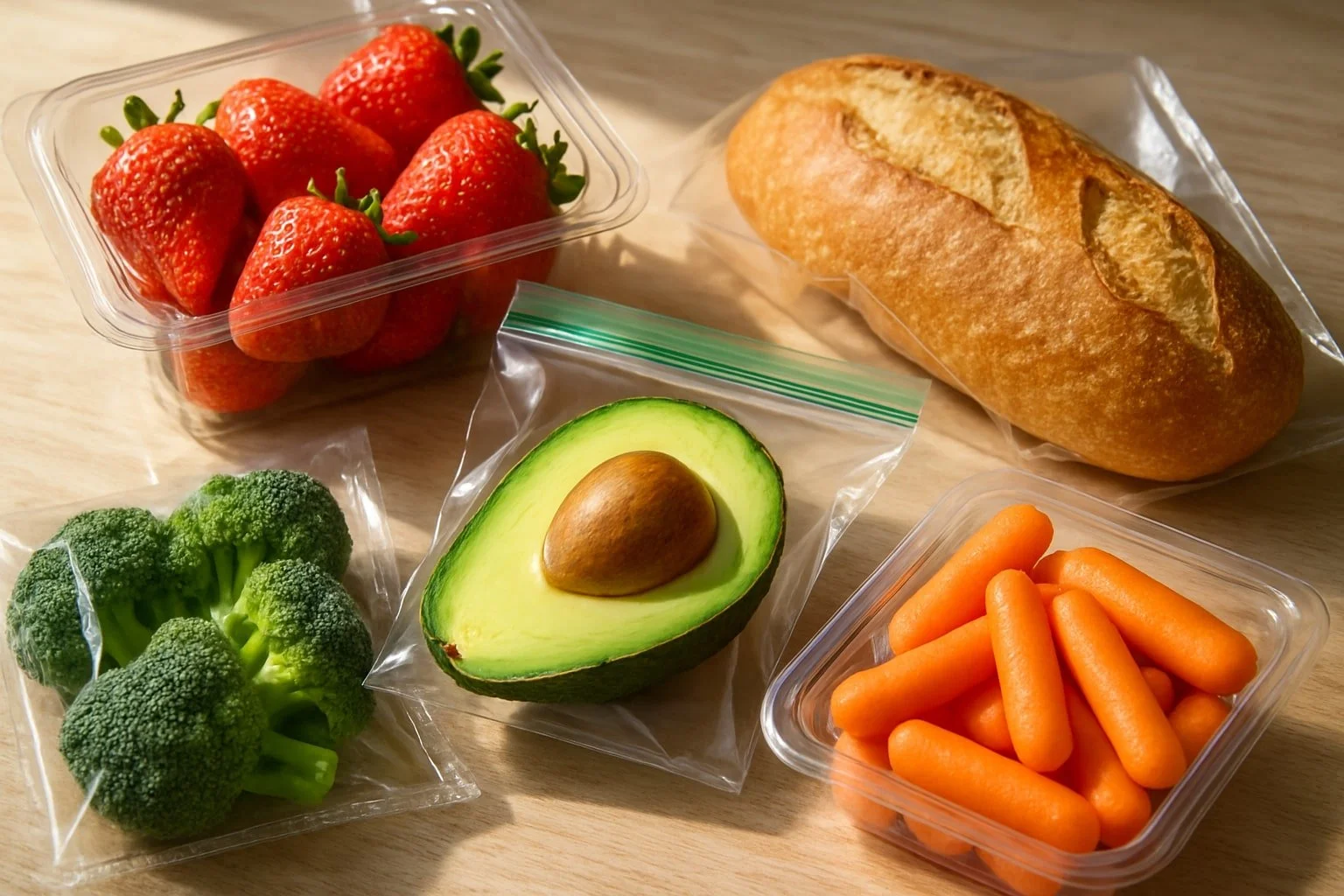
Effective packaging design preserves maximum freshness by using the right materials and technologies to protect products from oxygen, moisture, and contamination. Creating packaging that maintains freshness is essential for both food and non-food items, impacting both shelf life and customer satisfaction. Brands that prioritize freshness through packaging not only meet consumer expectations but also reduce waste and improve overall product quality.
Key factors like material selection, oxygen and moisture barriers, and innovations such as modified atmosphere packaging play a direct role in extending product shelf life. Understanding these principles allows brands to make informed choices that keep products tasting, smelling, and looking their best from the shelf to the consumer's hands. Readers will discover actionable strategies that make packaging both functional and effective in preserving freshness.
Understanding Freshness in Packaging
Packaging designed for maximum freshness aims to safeguard food’s original quality, reduce spoilage, and influence consumer satisfaction. Key aspects include maintaining appropriate storage conditions, extending product shelf life, and addressing customer expectations around freshness and safety.
Importance of Preserving Freshness
Preserving food freshness is critical for maintaining nutritional value, taste, and visual appeal. In the food industry, a product that remains fresh longer reduces both food waste and costs associated with spoilage.
High-quality packaging plays a direct role in customer satisfaction by keeping food safe from contaminants and physical damage. This preservation also supports compliance with safety regulations and minimizes the use of artificial preservatives.
Products perceived as fresher are more likely to be purchased again, making freshness a direct driver of purchase intent. Maintaining freshness from production to consumption is a core requirement for manufacturers seeking to compete in markets focused on quality.
Factors Affecting Product Shelf Life
Several factors strongly influence a product’s shelf life, including:
Oxygen Exposure: Can accelerate spoilage and nutrient loss.
Moisture Control: Too much or too little moisture can affect texture and safety.
Light Exposure: Certain foods degrade with light, losing nutrients or color.
Temperature: Incorrect storage temperatures reduce shelf stability.
Packaging must serve as a barrier to oxygen, light, and moisture. Materials such as glass, metal, and high-barrier films like EVOH are commonly used for their effective protection against external elements.
Additionally, modified atmosphere packaging (MAP) can extend shelf life by replacing oxygen with gases like nitrogen or carbon dioxide. These methods allow food to remain fresher for longer without heavy reliance on added preservatives.
Consumer Expectations and Behavior
Consumers expect visible freshness cues such as clear expiration dates, intact seals, and transparent packaging. These factors help them assess food quality quickly at the point of sale.
Customer satisfaction improves when packaging not only keeps food fresh but also communicates its condition through design and labeling. The presence of freshness dates, quality seals, and absence of damage are key factors in shaping consumer trust.
Shopping behaviors are influenced by perceived freshness. Products that clearly demonstrate freshness tend to enjoy higher rates of repeat purchase and positive recommendations, driving brand loyalty in the competitive food industry.
Selecting Packaging Materials for Freshness
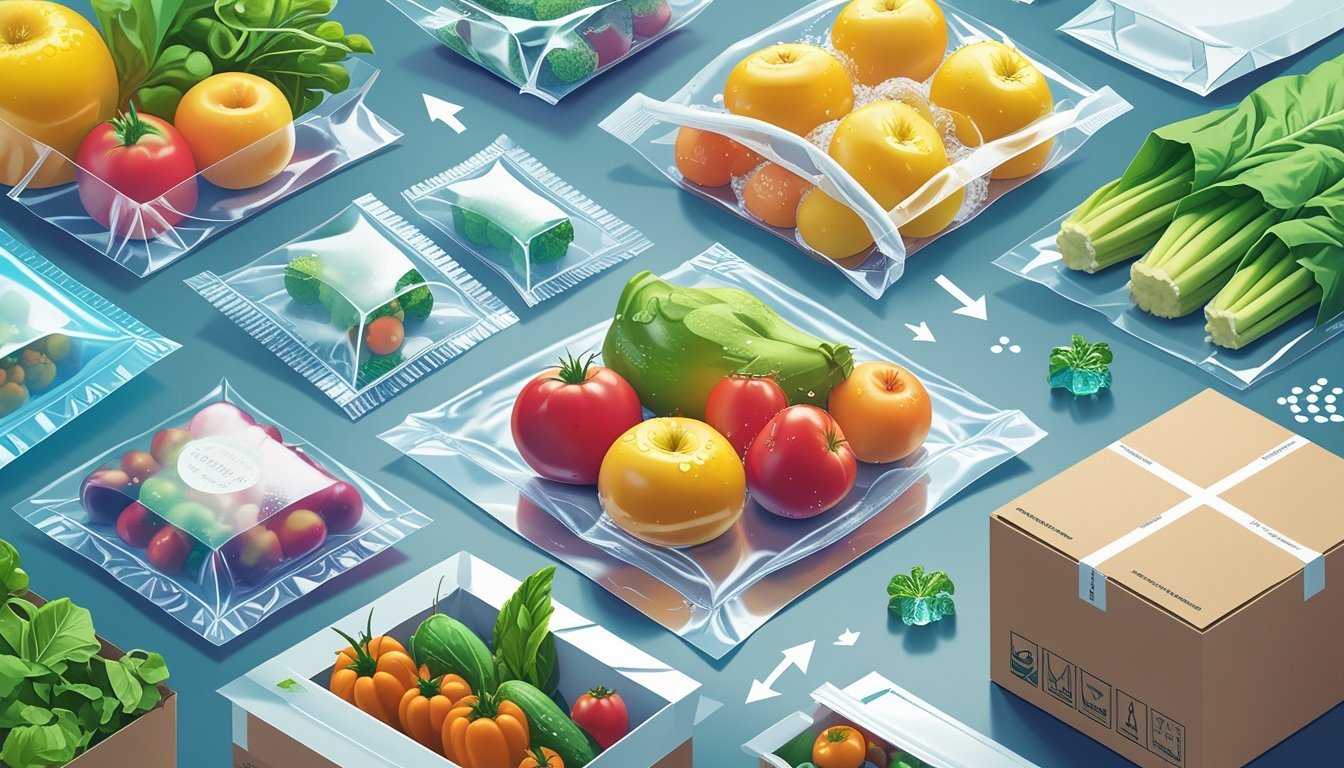
Selecting the right packaging materials is essential for maximizing food shelf life and maintaining product quality. Multiple approaches—including protection from moisture, microbial growth, and temperature fluctuations—directly impact freshness.
Barrier Films and Shelf Life Extension
Barrier films are designed to limit the transfer of oxygen, moisture, and other gases. By doing so, they help slow oxidation, mold growth, and staling, which can quickly degrade food quality.
Common examples include multi-layer plastics, foil laminates, and high-barrier polymers like EVOH (ethylene vinyl alcohol). These films can be selected based on the specific needs of the food product. For example, snack foods and dried goods often require moisture barriers, while dairy and meat benefit from oxygen barriers.
Manufacturers may also use vacuum-sealed or modified atmosphere packaging (MAP), further extending shelf life by controlling the internal environment. Choosing the correct barrier film directly correlates with the reduced need for preservatives and less product waste.
Barrier Film Type Best For Key Feature EVOH Dairy, meat, baked goods Excellent oxygen barrier Foil laminate Coffee, chocolate, snacks Light and gas barrier Multi-layer plastic Frozen foods, snacks Customizable barriers
Antimicrobial and Active Packaging
Antimicrobial and active packaging work beyond physical separation. These materials actively inhibit bacterial and fungal growth, which helps reduce spoilage and foodborne pathogens.
Antimicrobial agents—such as silver ions, organic acids, or enzymes—are incorporated into the packaging film. This slows the growth of bacteria and mold on products like cheese, ready-to-eat meats, and fresh produce.
Active packaging can also include oxygen scavengers, moisture absorbers, or ethylene absorbers to regulate the internal package conditions. This targeted approach ensures sensitive foods remain fresh for longer periods, especially when conventional refrigeration cannot be guaranteed. The use of these technologies is particularly important in extending shelf life for perishable and high-risk items.
Temperature-Controlled and Insulated Packaging
Temperature-sensitive foods—like dairy, seafood, and pharmaceuticals—require packaging materials that maintain safe temperatures during storage and transport. Insulated packaging solutions include materials like expanded polystyrene, polyurethane foam, and vacuum panels. These help prevent heat transfer and keep products within strict temperature ranges.
Gel packs, dry ice, and phase change materials may be added to maintain cold chain integrity. Double-walled boxes or reflective films can offer additional layers of protection for especially delicate products.
Consistent temperature control is essential to slow microbial growth and preserve texture, flavor, and nutritional value. Selecting the correct temperature-controlled packaging prevents premature spoilage and maintains the safety of both retail and delivered products.
Modified Atmosphere and Innovative Packaging Technologies
Preserving freshness and extending the shelf life of food requires a focus on controlling the internal environment of packaging. Advances in packaging technologies now allow precise adjustment of gases, improved barriers, and real-time quality monitoring to help minimize oxidation, spoilage, and food safety risks.
Modified Atmosphere Packaging (MAP)
Modified Atmosphere Packaging (MAP) works by adjusting the mix of gases—usually lowering oxygen and increasing carbon dioxide or nitrogen—inside the food package. This slows microbial growth and oxidation, both of which can cause food to spoil prematurely. MAP is commonly used for fresh produce, meats, and ready-to-eat meals.
Manufacturers often use specialized barrier films that maintain the internal gas balance over time. By using MAP, foods can remain fresh longer without relying on added preservatives. Adjustments can be tailored for specific products, optimizing the mix to match the needs of leafy greens, fruits, or proteins.
A typical MAP process involves:
Gas flushing to remove excess oxygen
Sealing with high-barrier materials
Monitoring package integrity to prevent leaks
Vacuum and Resealable Packaging
Vacuum packaging removes most of the air from the package, creating a partial vacuum that helps prevent oxidation and the growth of aerobic bacteria. This packaging innovation is especially effective for products like cured meats, cheese, and some prepared foods.
By minimizing contact with oxygen, vacuum packaging extends shelf life and preserves food texture and taste. Key benefits include:
Reduced need for chemical preservatives
Slowed spoilage from aerobic microorganisms
Prevention of freezer burn in frozen items
Resealable packaging technologies add convenience, letting consumers close the package after each use to keep food fresher between openings. These solutions are often combined with high-barrier materials to further limit moisture and air ingress.
Smart Packaging Solutions
Smart packaging integrates sensors or indicators that monitor food quality factors such as temperature, gas composition, and freshness in real time. These technologies provide both manufacturers and consumers with important information that can help optimize storage and handling.
Some smart packaging uses time-temperature indicators to reveal if a product has been exposed to unsafe conditions. Others include sensors that detect CO₂ buildup, signaling potential spoilage. Such innovations can be especially valuable for sensitive foods and long supply chains.
Features often found in smart packaging:
Oxygen and carbon dioxide sensors
Freshness or ripeness indicators
Tamper-evident and traceability technologies
By combining smart packaging with MAP or vacuum methods, it's possible to create intelligent systems that enhance food safety and shelf life extension.
Sustainable Packaging for Freshness
Sustainable packaging plays a critical role in keeping products fresh while reducing waste and environmental impact. Using innovative, responsibly sourced materials, brands can meet both freshness and sustainability expectations.
Eco-Friendly and Recycled Materials
Eco-friendly packaging made from recycled materials, such as recycled paper or cardboard, helps minimize resource use and waste. These materials are often processed to meet food safety standards and can include barrier coatings to prevent moisture and oxygen transfer, which helps preserve freshness.
Table: Common Eco-Friendly Packaging Materials
Material Key Benefit Example Use Recycled paper Reduces virgin resource use Bakery boxes Recycled plastic Lowers plastic waste Food trays, bottles FSC-certified Supports responsible forestry Ready-meal sleeves
Switching to recycled or responsibly sourced packaging appeals to eco-conscious consumers. It also demonstrates a commitment to sustainability, which can strengthen brand loyalty and market position. Modern advances allow many recycled materials to rival traditional options in protecting product quality and extending shelf life.
Compostable and Biodegradable Solutions
Compostable and biodegradable packaging solutions address both waste reduction and freshness concerns. Materials like PLA, bagasse, and other plant-based polymers can maintain barrier properties needed to keep food fresh while breaking down after disposal.
Some compostable films and trays form effective moisture and oxygen barriers. This helps foods stay fresher for longer, reducing spoilage and food waste. Industrial compostability ensures packaging breaks down in controlled environments, while home compostable options offer consumers more flexibility.
Key packaging trends include the use of compostable coatings on paper and fiber-based containers, providing the freshness benefits of plastic without its long-term environmental risks. Brands can choose materials that meet both performance needs and sustainability goals to align with evolving consumer preferences.
Packaging Design Strategies to Maximize Freshness
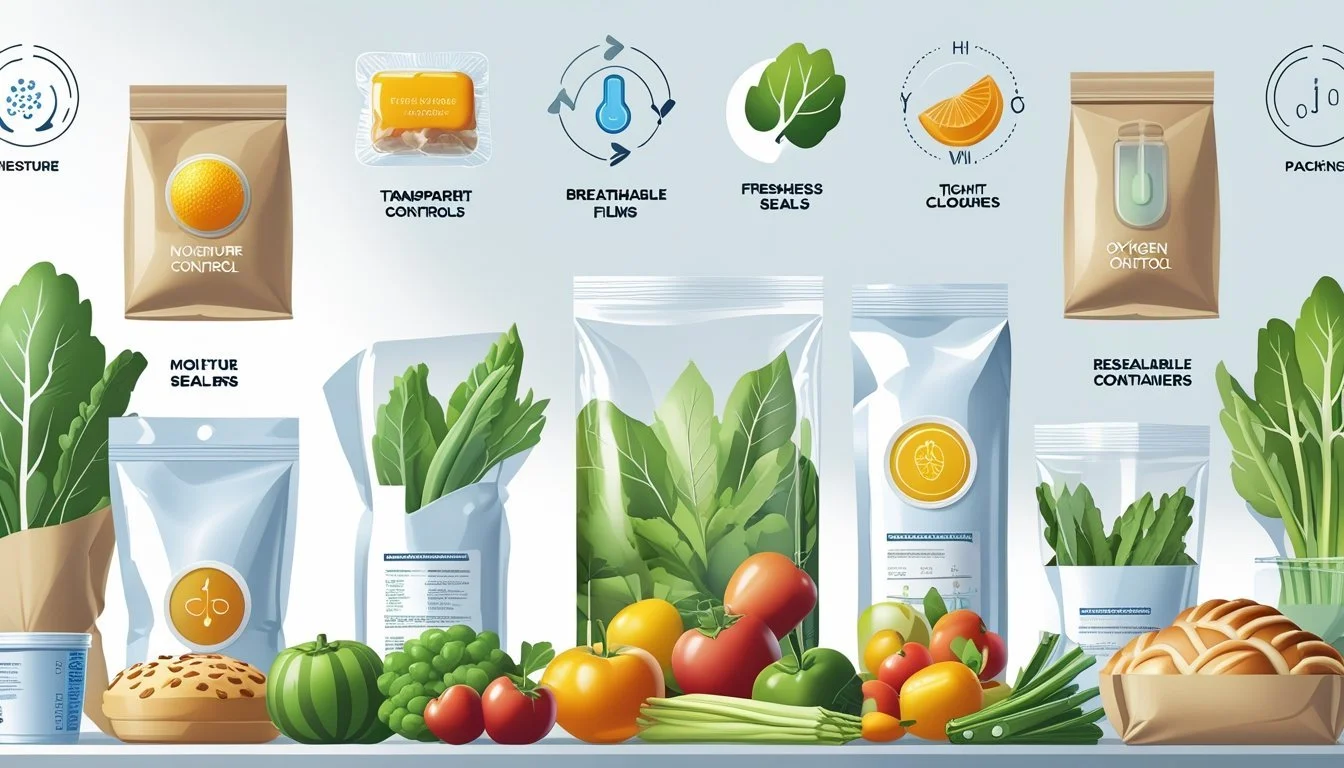
Effective packaging design for food products is grounded in visual clarity, transparent communication, and consistent brand presence. Each design element—from layout to labeling—plays a role in maintaining freshness and meeting consumer expectations.
Visual Hierarchy and Color Palette
A strong visual hierarchy guides the consumer’s eye, helping them quickly locate freshness indicators and use-by dates. Designers often use contrasting colors and font weights to highlight essential information. This approach reduces confusion and enables shoppers to make informed decisions at a glance.
A carefully chosen color palette can signal freshness and quality. For example, greens and whites frequently associate with fresh, natural products, while blues may suggest cold storage or cleanliness. Colors should complement the food product inside and match the brand’s identity for consistency.
In food packaging design, the color palette also supports shelf differentiation. Products stand out when the palette is distinctive yet cohesive across a product line. Consider using the following table for reference:
Color Association Best For Green Fresh/Natural Produce, salads Blue Clean/Cold Dairy, beverages Red/Orange Bold/Energy Snacks, grab-and-go items
Information Layout and Ingredients List
Clear, well-organized information layout ensures that consumers can immediately find key freshness details such as storage instructions and expiration dates. Food packaging design should avoid clutter by grouping related elements and using whitespace strategically.
An accurate, easy-to-read ingredients list is essential for transparency and consumer trust. Placing the list in a visible location—often near the nutrition facts or freshness statements—encourages transparency. Legible font sizes and high-contrast backgrounds support readability for all age groups.
Modern graphic design tools allow for integrating icons or badges, such as “No Preservatives” or “Keep Refrigerated,” to further highlight the factors that contribute to maintaining maximum freshness. These symbols make it easy for consumers to assess shelf life at a glance.
Brand Recognition and Uniqueness
Strong brand recognition ensures that consumers quickly identify a product on crowded shelves. Unique packaging design elements—such as custom die-cuts, signature typography, or textured labels—help products remain memorable and distinct.
Consistency in graphic design across product ranges builds trust and signals quality. A recognizable label design goes beyond logos; it incorporates shape, imagery, and layout that reinforce the brand’s connection to freshness.
Custom food packaging with unique design flourishes can signal innovations such as resealable bags, antimicrobial coatings, or modified atmosphere technology. When design and innovation align, they strengthen both perceived freshness and brand value.
Aligning Packaging with Brand Identity and Market Trends
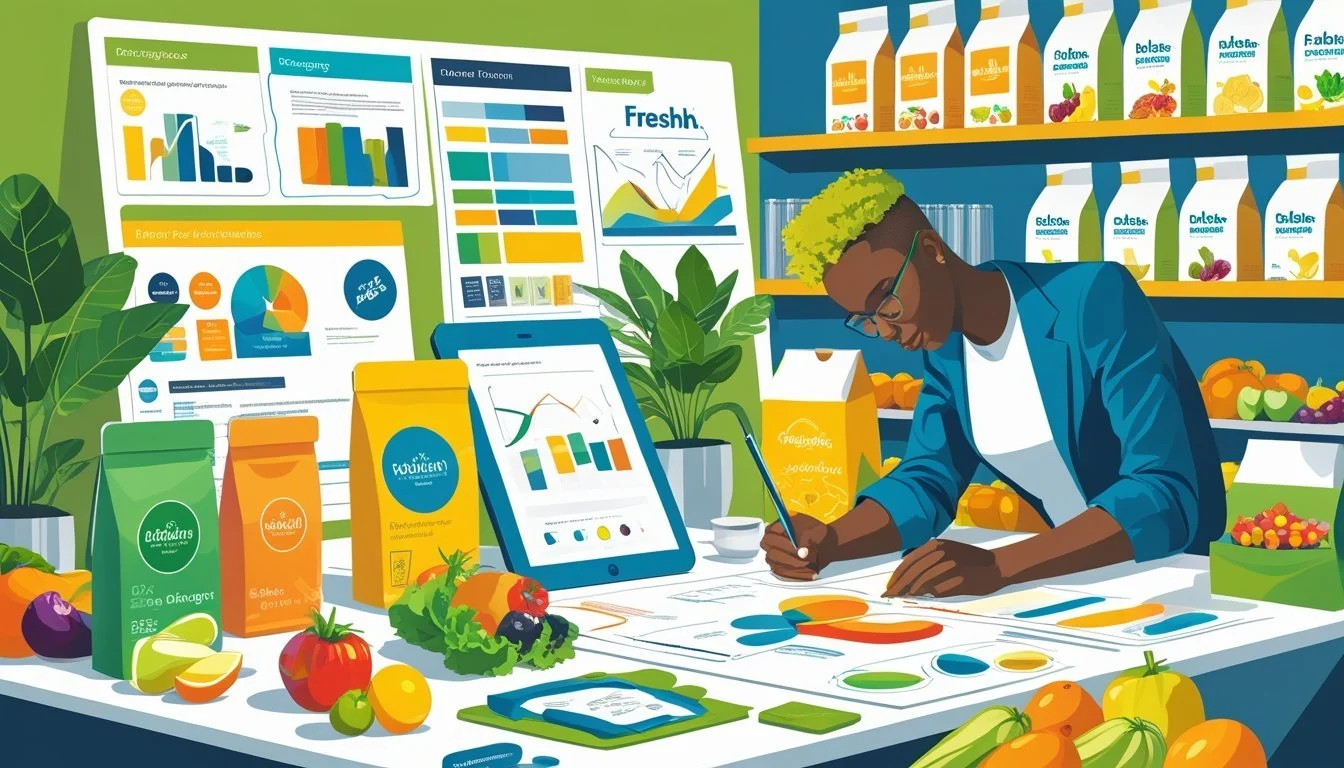
Packaging should not only preserve freshness but also reinforce the brand's identity and respond to shifts in consumer expectations and market trends. A well-designed package communicates what the brand stands for and meets the preferences of its target market with relevant features and visual cues.
Communicating Brand Values
Packaging serves as a direct representation of the brand. The use of consistent logos, colors, and messaging ensures that products are easily recognized and reflect core brand values.
For example, brands focused on sustainability may use recyclable or biodegradable materials. Emphasizing transparency in ingredient sourcing or freshness indicators shows commitment to consumer well-being.
A table can clarify how packaging elements connect to brand values:
Brand Value Packaging Feature Sustainability Compostable films Freshness Resealable closures Transparency Clear windows, labels
Aligning design with these principles makes the brand message clear and fosters trust among consumers.
Adapting to Consumer Preferences
Market research reveals evolving consumer preferences in both form and function. Popular packaging trends include minimalist designs, easy-to-open closures, and on-the-go formats, reflecting a focus on convenience and health.
Brands that monitor trends can adapt with options like single-serve packs, smart labels for tracking freshness, or QR codes for ingredient details. Meeting these demands helps attract and retain buyers in a competitive landscape.
Paying attention to feedback and sales data allows brands to refine packaging regularly, ensuring that products remain aligned with the target market's needs and current trends.
Case Studies: Innovative Approaches in Action
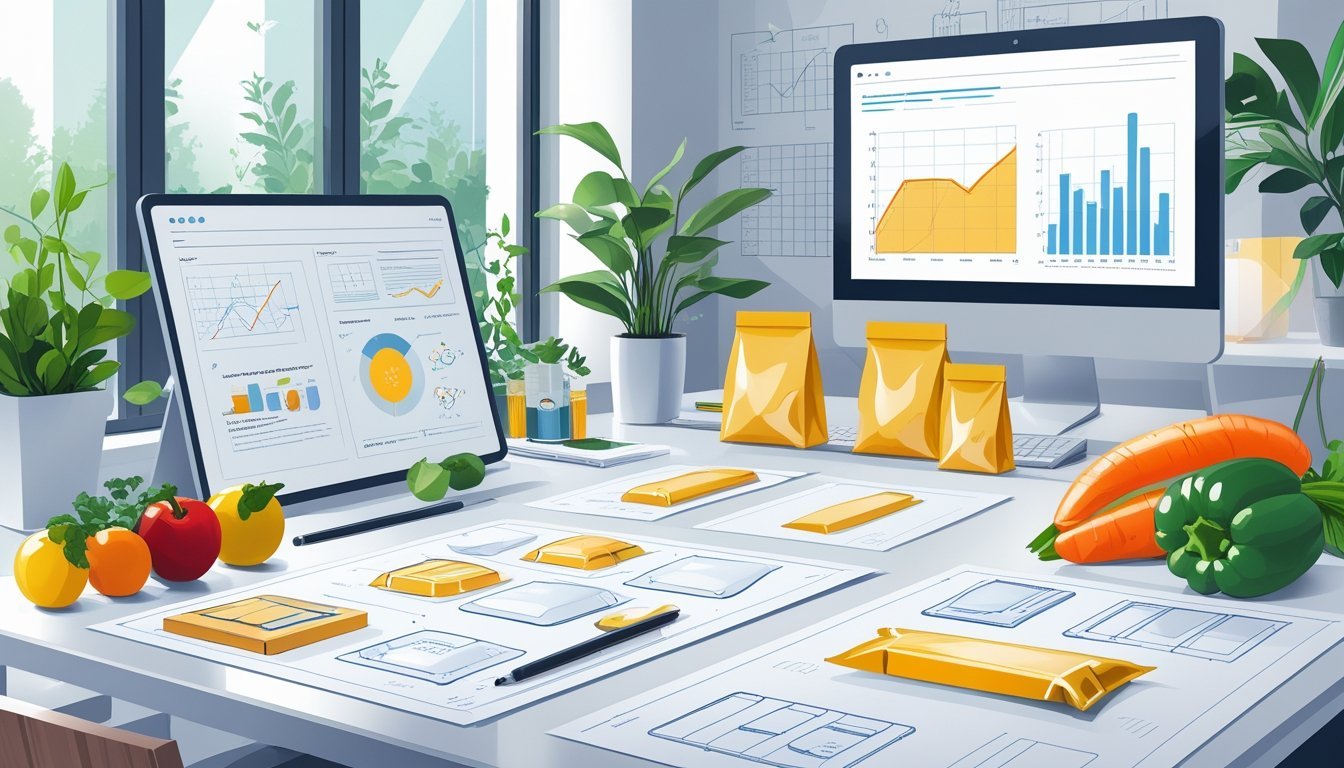
Advances in packaging design play a direct role in extending shelf life and preserving product quality. Recent projects demonstrate how targeted material choices and design innovation solve real-world freshness problems.
Coffee Packaging Solutions
Modern coffee packaging uses a mix of material science and engineering to keep products fresh. One-way degassing valves are often featured in high-quality coffee bags. These valves allow carbon dioxide from freshly roasted beans to escape without letting oxygen enter, minimizing oxidation and flavor loss.
Flexible multilayer laminates are commonly used to block light, moisture, and air. Brands have also invested in resealable zippers to prolong freshness after opening. Companies like Zenpack have delivered tailored solutions for specialty coffee roasters, optimizing both functionality and visual appeal. Sustainable films are gaining popularity, offering freshness with reduced environmental impact.
Table: Key Innovations
Feature Purpose One-way Valve Prevents oxidation, releases gas Multilayer Laminate Blocks moisture, air, light Resealable Closures Maintains freshness post-opening
Overall, innovative coffee packaging is about balancing protection, convenience, and sustainability.
Examples from the Food Industry
Effective food packaging across multiple segments adapts to product needs. Studies highlight cases such as ready-to-eat salads in modified atmosphere packaging (MAP), which replaces air with inert gases to slow spoilage and preserve texture.
Snack producers often use foil-lined plastics to block out moisture and UV rays, which is crucial for items like chips and crackers. Brands responding to consumer feedback have shifted from bright, youth-focused designs to cleaner looks that reflect organic or healthy ingredients (see Inland's case study).
Thermoformed trays with resealable films have improved shelf life for proteins like poultry and cheese. Some companies collaborate with laboratories to test and refine materials for improved barrier properties, as noted in packaging industry success stories.
These innovations show the diversity of approaches required to maximize freshness in food packaging.

