
Why Supermarkets Dump Perfectly Edible Food
The Hidden Reasons Behind Wasteful Practices
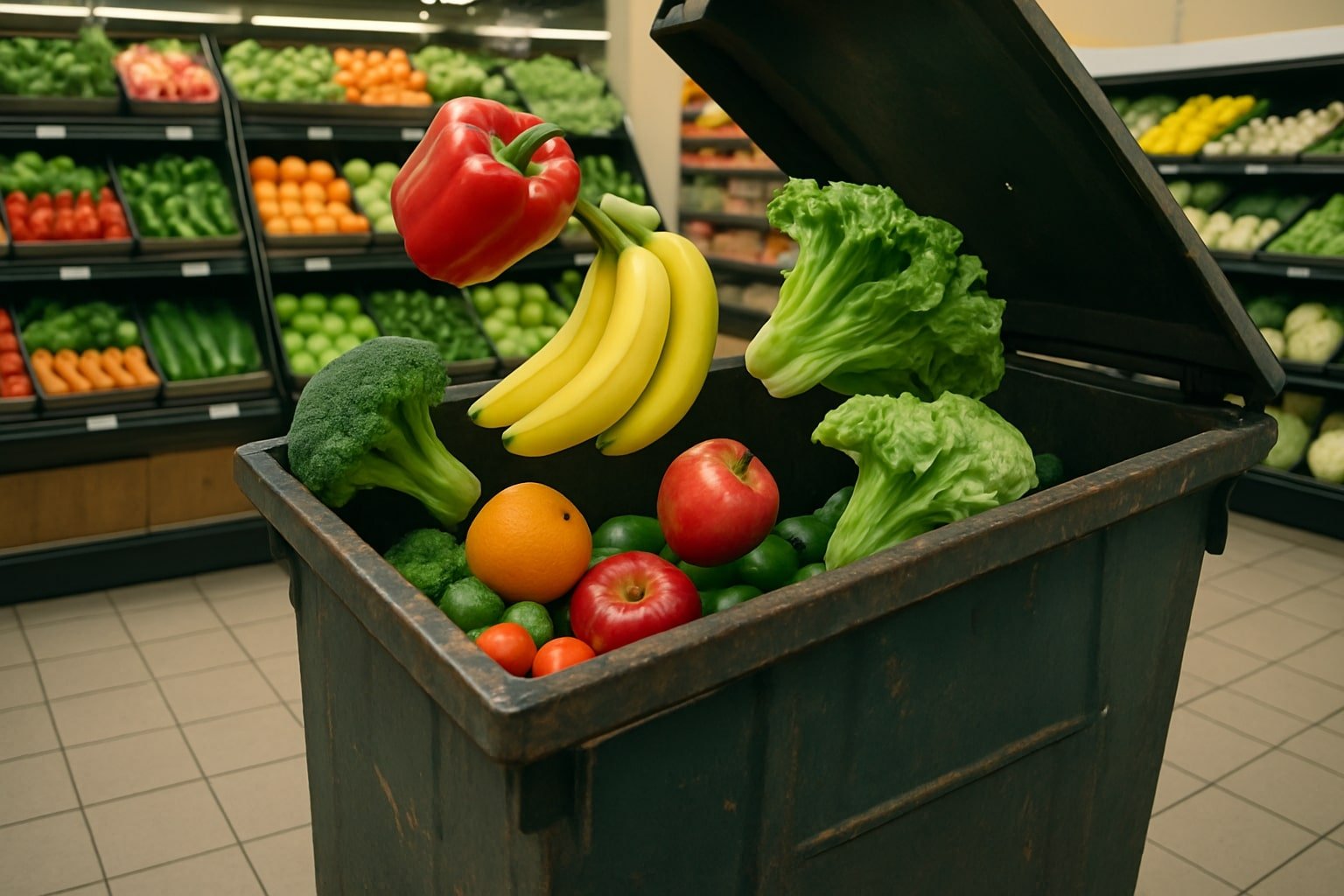
Supermarkets routinely throw away large amounts of food that is still edible. This happens mainly because of strict cosmetic standards, expiration date policies, and the desire to keep shelves looking fully stocked and attractive to customers. Even perfectly good fruits and vegetables are discarded if they have blemishes, odd shapes, or colors that don’t meet marketing expectations.
Many stores also dispose of food over minor packaging damage or simply because items have passed their sell-by dates, even when they're still safe to eat. Donation efforts can be limited by liability concerns and logistical challenges, meaning that food which could be consumed instead ends up as waste.
Understanding Supermarket Food Waste
Supermarkets in the United States and globally generate millions of tons of food waste each year. While much of this waste consists of items still safe and edible, various economic, operational, and regulatory factors drive disposal practices.
The Scale of Food Waste in Grocery Stores
Grocery stores and supermarkets contribute a significant portion to the food waste problem in America. Estimates suggest that these retailers discard 16 billion pounds of food annually in the U.S. alone.
This discarded food can account for about 2.5-4% of a store’s revenue lost to surplus, expired, or unsold items. Many stores do not track their food waste closely, making the scale difficult to quantify exactly.
Much of the waste comes from items like produce, baked goods, dairy, and prepared foods. Perishable items often make up the majority of the discarded products due to their short shelf life.
Supermarket Food Waste Versus Other Sectors
Supermarkets differ from restaurants, farms, and households in both the amount and reasons for their waste. For example:
Sector Key Waste Sources Typical Causes Supermarkets Unsold perishables, overstock Expiration dates, cosmetic standards Restaurants Plate waste, preparation Over-portioning, spoilage Farms Unharvested crops Market standards, weather Households Spoilage, leftovers Overbuying, misunderstanding dates
Retailers like supermarkets are unique because they handle large volumes and prioritize appearance and freshness. Strict cosmetic standards for fruits and vegetables, along with cautious labeling, separate supermarket food waste from the other sectors.
Causes of Edible Food Disposal
Several main factors drive supermarkets to dispose of edible food. First, strict “sell by” or “best by” dates lead to removal of perfectly safe products. Stores often discard food a few days before these dates to maintain a reputation for freshness.
Consumer expectations for appearance mean slightly blemished produce or goods near expiration are deemed unsellable. Overstocking to ensure full shelves also results in unsold inventory.
Legal concerns, donation logistics, and limited storage make redistributing surplus food challenging. In many cases, it is easier for stores to throw out excess food than to coordinate donation or discounted sales.
Why Edible Food Is Discarded
Significant amounts of edible food are thrown out due to strict label policies and aesthetic standards in the grocery industry. These practices often lead to food loss and waste, even when the products are safe and nutritious.
Expiration Dates and Food Date Labeling
Supermarkets regularly discard perfectly edible products because of confusion around food date labeling. Labels such as "sell-by," "use-by," and "best-by" are not always indicators of food safety. In most cases, these dates are recommendations by manufacturers for peak quality rather than strict safety deadlines.
The lack of standardized labeling leads stores to remove items as soon as they near these dates. While the USDA provides some guidelines, many states have different rules, and federal law does not require uniform expiration labels except for infant formula. This inconsistency results in supermarkets erring on the side of caution, discarding large volumes of food to avoid liability and ensure compliance.
Efforts such as the proposed Food Date Labeling Act seek to reduce confusion by creating clear national standards. Until such reforms are widely adopted, stores will likely continue to waste edible food before it truly spoils.
Imperfect Produce and Cosmetic Standards
Produce is often evaluated based on appearance rather than edibility. Grocery stores commonly reject fruits and vegetables that display even minor imperfections, such as blemishes, irregular shapes, or discoloration.
These cosmetic standards are driven largely by consumer expectations, but also by internal quality controls and supplier agreements. Even if the produce is fresh and nutritious, it may be discarded if it does not meet visual criteria.
The table below shows common reasons why edible produce is rejected:
Reason for Rejection Example Bruising Slightly dented apples Size/Shape Curved cucumbers Color Variation Unevenly ripened tomatoes
As a result, food loss and waste occur before products reach shelves, removing healthy options from the market solely because of their looks rather than their quality or safety.
Inventory Management and Overstocking Challenges
Accurate inventory management is a core part of supermarket operations, but missteps can result in excess stock and food waste. Overstocking is a persistent issue, especially for perishable goods, leading to the disposal of edible items.
Inventory Practices in Supermarkets
Supermarkets use inventory management systems to track stock levels and product shelf life. These systems aim to keep shelves full—particularly with high-demand perishable goods like produce, dairy, and meat—to meet customer expectations.
However, even with technology, predicting exact consumer demand is difficult. Seasonal trends, promotions, and sudden changes in buying habits all affect orders. Often, stores overestimate demand to avoid running out, resulting in unsold inventory as products approach expiration.
Dynamic pricing and markdowns are sometimes used to sell food nearing its sell-by date. Despite this, not all products are purchased in time, and many edible items are removed from shelves due to strict food safety standards or cosmetic imperfections.
Causes and Effects of Overstocking
Overstocking in the grocery industry mainly occurs when inventory orders exceed actual demand. Contributing factors include conservative ordering to avoid empty shelves, supplier bulk deals, and poor coordination with sales data.
When too much perishable inventory is on hand, spoilage rises, and the likelihood of food waste increases. Valuable shelf space is then occupied by goods nearing expiration, which makes rotating new stock harder. This also leads to higher disposal costs, lost revenue, and negative environmental impacts from landfill waste.
The use of improved analytics and inventory management software helps some supermarkets better predict demand and reduce overstocking. However, misalignment between projected and real-time sales still leads to edible food being dumped, particularly for short-life and highly perishable goods.
Regulatory, Safety, and Industry Pressures
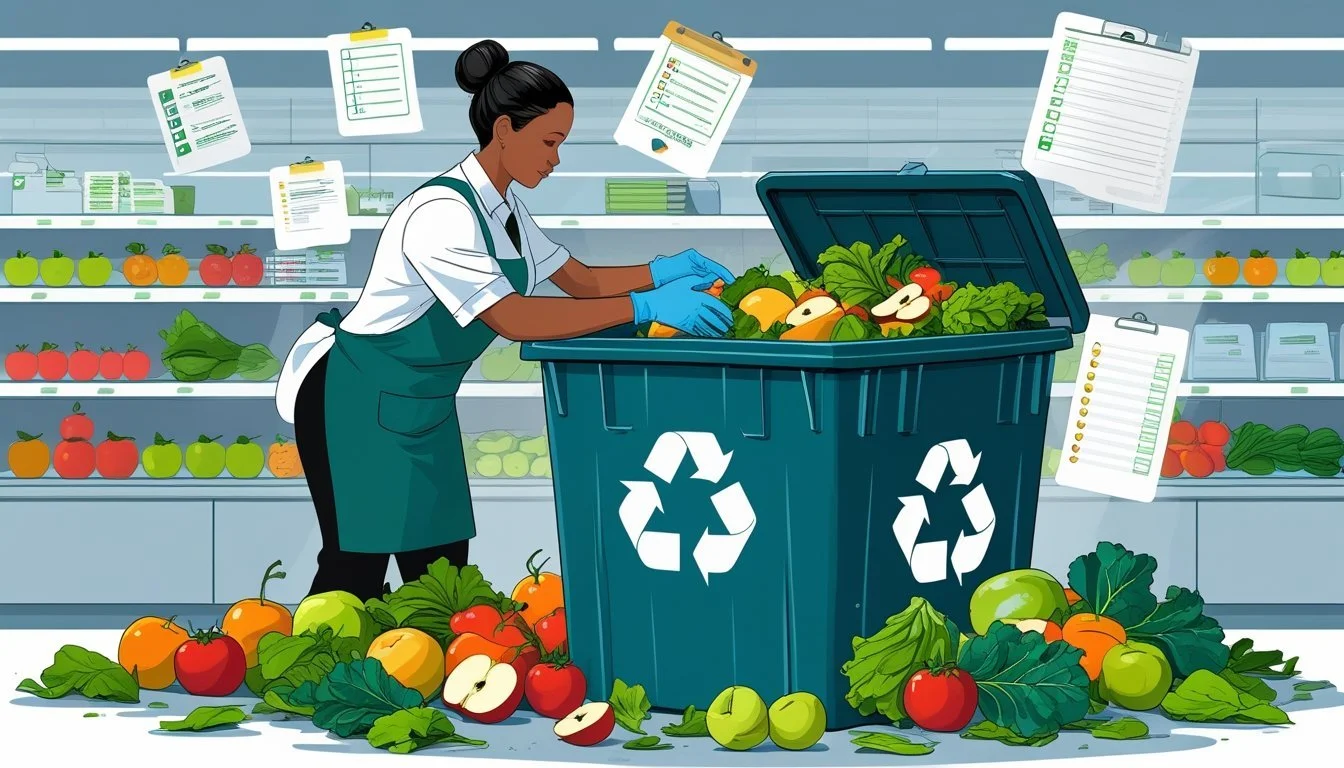
Supermarkets face strict food safety and legal requirements that directly affect what products can stay on their shelves. Combined with government rules and industry standards, these pressures result in the disposal of large volumes of edible food.
Food Safety Standards and Liability Concerns
Supermarkets are bound by both federal and state food safety standards. The USDA and FDA regulate how food must be handled, packaged, and labeled. These agencies require strict compliance to prevent foodborne illnesses.
Stores often toss food before it spoils due to expiration dates, which are sometimes based on quality, not safety. Many customers misinterpret these dates as a guarantee of freshness, so retailers act to avoid lawsuits or complaints. Potential liability for selling products perceived as unsafe leads many stores to discard edible items, even if they are still good.
Cosmetic standards also have an impact. Grocers reject fruits and vegetables with minor blemishes or irregular shapes because consumers expect perfect appearance. This focus on appearance, driven by industry competition, can lead to the disposal of nutritious food.
Federal and State Regulations
Different regulations at the federal and state levels further influence supermarket food waste. The Environmental Protection Agency (EPA) and United States Department of Agriculture (USDA) provide guidance on reducing food waste but compliance with local health codes may still force stores to remove items early.
The Farm Bill, implemented by Congress, includes some incentives for food donation and waste reduction, but loopholes and limited funding can restrict effectiveness. Nonprofits like the Natural Resources Defense Council (NRDC) advocate for policy changes that would help supermarkets donate more food safely.
Certain states have “Good Samaritan” laws that protect retailers who donate food in good faith. However, either lack of awareness or conflicting local rules can make supermarkets reluctant to participate. As a result, surplus but edible food often ends up in landfill.
Economic and Consumer Behavior Factors
Supermarkets routinely discard food that could still be eaten, largely due to the interplay between economic pressures and specific patterns in consumer behavior. Visual expectations, shopping habits, and pricing strategies all shape what stays on the shelves and what ends up as waste.
Consumer Preferences and Buying Habits
Many supermarkets remove products from display if they show minor blemishes or imperfections, even when the food remains safe and nutritious. Consumers often prefer items that appear fresh and flawless, especially produce, leading stores to prioritize aesthetics over actual quality.
This focus on appearance is driven by both cultural and psychological factors. For example, a significant number of customers avoid buying fruits or vegetables with spots or slight irregularities, reinforcing retailer behavior to reject such items before they are even put on display.
Buying habits further impact food loss. People tend to purchase more than they need, often influenced by promotions or bulk pricing, causing increased spoilage at home and in stores. When products are left uneaten on shelves due to overstocking, stores are forced to dispose of them once the expiration date approaches to maintain their reputation for freshness.
Pricing Strategies and Waste Reduction Tools
Traditional pricing does not always adjust as products near the end of their shelf life, often leading to unnecessary food waste. Items that are not selling quickly enough may remain at full price until it is too late to encourage sales, contributing directly to food loss.
Dynamic pricing is an emerging approach designed to address this problem. By lowering the prices of perishable goods as they approach their sell-by dates, supermarkets can stimulate demand and divert products from disposal. Some stores use markdowns or specialized apps that notify consumers of discounts on soon-to-expire food items.
These waste reduction strategies, when implemented effectively, benefit both the retailer and the environment. Lowering prices for goods close to expiry increases the likelihood of a sale, supports food supply efficiency, and helps meet sustainability goals across the food industry, including large chains like Whole Foods.
Environmental and Social Consequences
Supermarkets discarding edible food directly affects both the environment and vulnerable communities. The loss goes beyond wasted products, impacting climate, land use, and public access to nutrition.
Environmental Impact of Landfills and Greenhouse Gas Emissions
When supermarkets dispose of unsold edible food, most of it ends up in landfills. Organic waste decomposes anaerobically, releasing methane—a greenhouse gas over 25 times more potent than carbon dioxide.
Methane contributes significantly to global warming and undermines sustainability efforts. The entire food supply chain—from farming to shipping—requires resources like water, land, and energy, all wasted when food is thrown away.
Key facts:
Impact Details Greenhouse gases Methane emitted from rotting food in landfills Resource waste Loss of water, energy, and arable land Sustainability loss Reduces progress towards a sustainable future
Because food waste is a major component of landfill volume, reducing supermarket waste helps lower emissions and environmental harm.
Food Insecurity and Social Equity
While surplus food is thrown away, many people in local communities face food insecurity. Edible products that could feed families are instead discarded, creating a gap in social equity.
Charitable organizations and food banks sometimes receive donations, but much of the wasted food never reaches those in need. This inefficiency hinders efforts to ensure access to basic nutrition, especially for low-income households.
Food waste by supermarkets not only exacerbates hunger but also reflects broader issues of resource distribution and fairness. Addressing this gap is critical to building a more just and resilient food system.
Efforts to Reduce Supermarket Food Waste
Supermarkets have implemented several strategies to minimize the amount of edible food that goes to waste. These efforts focus on both recovering surplus food for human and animal consumption and diverting inedible waste from landfills.
Food Donation and Community Partnerships
Many supermarkets partner with organizations such as Feeding America and local food banks to donate edible but unsellable products. This process involves quickly identifying and redirecting items near their sell-by dates or with cosmetic imperfections but still safe for consumption.
Retailers are increasingly using software and inventory tracking systems to streamline donations and ensure that surplus food reaches those in need as efficiently as possible. These partnerships can benefit both communities and supermarkets, as donations can qualify for tax incentives and help reduce disposal costs.
Some states, including California and Washington, have passed laws requiring or strongly encouraging food donation from retailers. Companies like Kroger report significant portions of surplus food being sent to these organizations rather than to landfill or incineration. Collaborations with nonprofits and food rescue groups help ensure as much edible food as possible is put to productive use.
Composting and Recycling Initiatives
When food is no longer fit for human or animal consumption, supermarkets often turn to composting and recycling. Composting diverts food scraps from landfills, reducing methane emissions and producing material that can improve soil health.
Some supermarkets send inedible food waste to anaerobic digesters, which convert organic material into energy and fertilizer. Partnerships with waste management companies help supermarkets manage this process efficiently and in compliance with local guidelines.
Retailers are also separating recyclable food packaging from organic waste to increase sustainability. Supermarkets monitor and report on their composting and recycling rates, as seen in the efforts of major chains working to improve waste diversion. Tracking and transparency enable continual improvement in reducing overall food waste.
Legislation and Advocacy for Change
Efforts to reduce supermarket food waste in the U.S. are shaped by both new laws and the work of active advocacy organizations. These changes aim to clarify food donation rules and promote greater collaboration between retailers, nonprofits, and policymakers.
Key Laws and Initiatives Addressing Food Waste
Federal and state governments are addressing food waste through major legislative actions. The Food Date Labeling Act was reintroduced in 2021 to standardize date labels on food packaging, aiming to reduce confusion and prevent unnecessary disposal of edible food.
California leads with robust laws requiring grocery stores to donate the maximum amount of edible food, with penalties for noncompliance. Nationwide, the U.S. Department of Agriculture and the Environmental Protection Agency have launched the "2030 Champions" initiative, which encourages businesses to halve food waste by 2030.
The Food Donation Improvement Act made it easier for businesses to donate food by clarifying liability protections. These efforts help create a clearer path for supermarkets to redirect surplus food away from landfills and toward people in need.
Role of Advocacy Groups and Nonprofits
Nonprofits and advocacy groups are central to shaping food waste policies and supporting food recovery programs. The National Resources Defense Council (NRDC) researches and promotes changes in waste practices, pushing for broader adoption of standardized labeling and increased donations.
Organizations like Food Donation Connection help supermarkets implement food recovery programs and connect surplus food with hunger relief agencies. Local initiatives and food banks often rely on advocacy from groups and community volunteers to ensure donated food reaches those in need.
Collaboration between these entities leads to more food being rescued and distributed instead of discarded, addressing both environmental concerns and food insecurity. Their continued efforts build practical bridges between supermarkets and communities.
Educating Consumers and the Path Forward
Reducing supermarket food waste relies on informed shoppers and systemic changes within food systems. Clear communication and practical actions are key to helping consumers and retailers minimize unnecessary loss of edible products.
The Importance of Consumer Education
Many consumers misunderstand date labels on food, often discarding items that are still safe to eat. Date confusion is a major cause of avoidable waste in households across the United States.
Supermarkets respond to what people buy. Consumers typically select only unblemished, "perfect" produce due to retail standards and cultural expectations. This practice leads to unnecessary discarding of food that is perfectly edible but visually imperfect.
Initiatives that explain the difference between "best by," "sell by," and "use by" dates help shoppers make informed decisions. Educational campaigns by government agencies and non-profits use flyers, websites, and in-store signage to promote understanding.
Simple, clear guides about food safety, proper storage, and meal planning can help consumers reduce spoilage at home. Consistent messaging supports lasting behavior change and can shift purchasing habits to include more "imperfect" produce.
Building a Sustainable Future
Minimizing food waste is essential for environmental, social, and economic reasons. Supermarkets are increasingly adopting waste-reduction strategies, such as partnerships with food banks and tracking waste with digital tools.
Donation programs for edible, unsold products channel surplus food to organizations addressing hunger in local communities. California's food waste policy, for example, requires many supermarkets to donate surplus edible food rather than send it to landfills.
Retailers are exploring improved inventory management, better forecasting, and dynamic pricing to sell more products before expiration. Technology platforms help coordinate food rescue, logistics, and data collection.
Collaboration between retailers, policymakers, and consumers creates a foundation for a sustainable future. Effective consumer education, paired with retailer efforts, can dramatically minimize the amount of perfectly edible food that ends up as waste.

