
Cryogenic Freezing and Super Long-Term Food Storage
Revolutionizing Preservation Methods
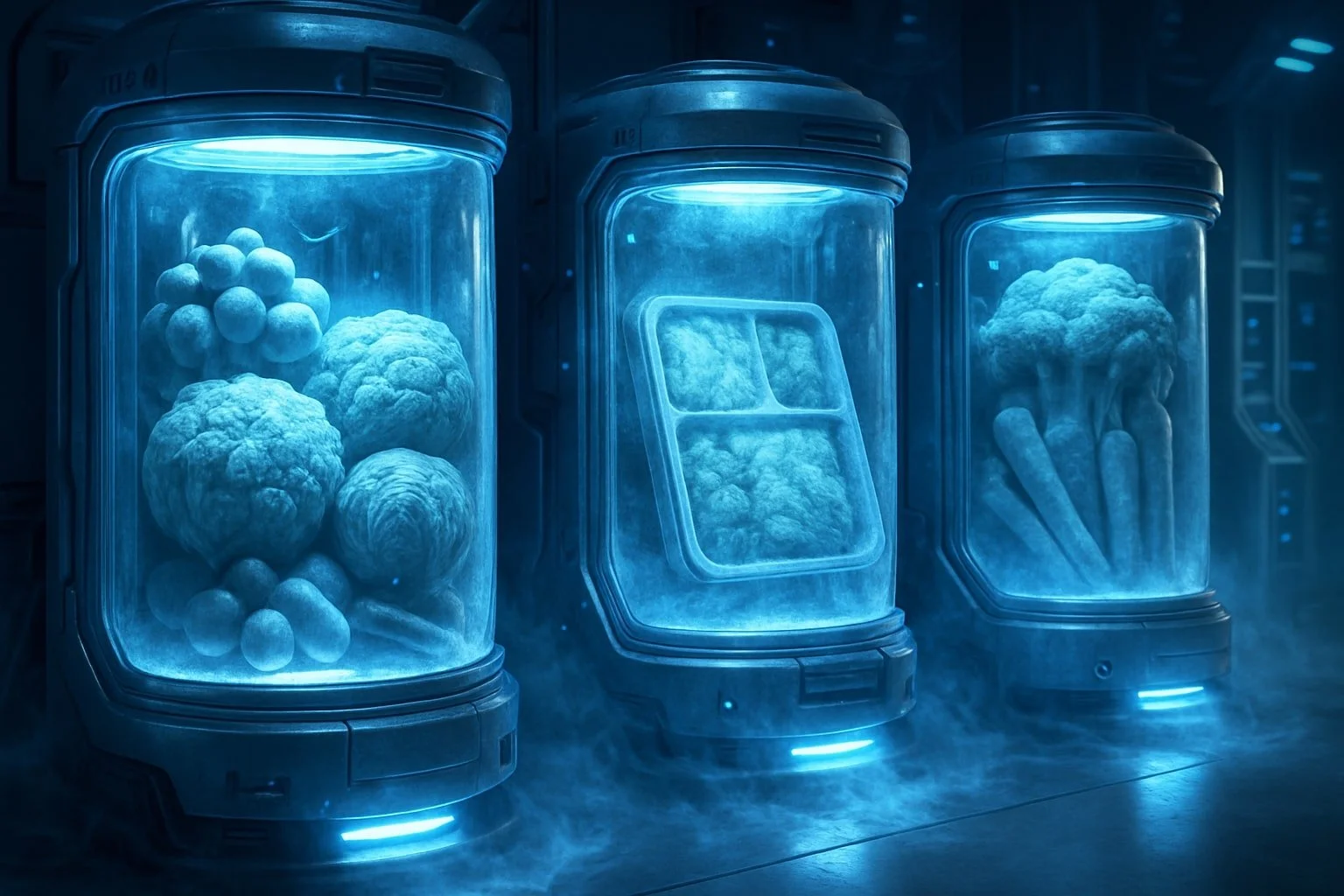
Cryogenic freezing is transforming how food can be stored for the long term by rapidly lowering temperatures with liquid nitrogen or carbon dioxide. This method preserves the original texture, taste, and nutritional content of foods while drastically slowing down microbial and enzymatic activity, making it a reliable option for super long-term food storage. It allows food industries and individuals to maintain quality over months or even years without added chemicals.
Unlike conventional freezing methods, cryogenic freezing achieves ultra-low temperatures much faster, minimizing ice crystal formation and protecting cellular structure. This process is widely used for meats, seafood, fruits, and ready-to-eat meals, where maintaining freshness and quality is essential. Readers interested in lasting food preservation methods will find that cryogenic freezing presents a promising and effective solution.
The Science of Cryogenic Freezing
Cryogenic freezing uses extremely low temperatures to quickly preserve food quality and extend shelf life. The process relies on efficient temperature control and rapid cooling to prevent damage often caused by traditional freezing techniques.
How Cryogenic Freezing Works
Cryogenic freezing involves exposing food to ultra-low temperatures, usually below -150°C (-238°F). This is achieved by applying cryogenic agents such as liquid nitrogen or liquid carbon dioxide directly to the food.
These agents absorb heat rapidly, resulting in a very fast freezing rate—often in just a few minutes. The speed of cooling forms small ice crystals inside the food, minimizing cell wall rupture and preserving texture and flavor.
Temperature control is strict throughout the process. Automated systems monitor both the cryogenic medium and product temperatures to ensure safe and thorough freezing.
Key Differences from Conventional Freezing
Conventional freezing methods operate at higher temperatures (around -18°C to -40°C) and cool food much more slowly. Slow cooling in traditional systems causes larger ice crystals to form, which can break down the structure of the food.
Cryogenic freezing, by contrast, uses incredibly fast cooling speeds and much colder temperatures, enabling foods to retain their natural moisture, color, and texture. The table below summarizes key distinctions:
Method Temperature Range Freezing Rate Effect on Food Cryogenic Freezing Below -150°C Minutes Small ice crystals, minimal damage Conventional Freezing -18°C to -40°C Hours Large ice crystals, more cell damage
Cryogenic methods also reduce surface dehydration and drip loss upon thawing.
History and Innovations in Cryogenic Freezing
Cryogenic freezing in food preservation began to see widespread adoption in the mid-20th century with advancements in industrial production of liquid nitrogen and carbon dioxide.
Early systems were manual, but innovation has led to automated tunnels and spiral freezers that allow for precise temperature control and efficient handling of large volumes. Recent developments include eco-friendlier cryogenic agents and improved energy efficiency.
Today, cryogenic freezing supports not just food preservation but also applications in pharmaceuticals, biotechnology, and transportation of biological samples, all leveraging the benefits of ultra-low temperature technology.
Benefits and Limitations of Cryogenic Freezing
Cryogenic freezing provides unique advantages in ultra-low temperature storage, but it is not without technical and economic drawbacks. Understanding how this method impacts shelf life, quality, nutrition, and process logistics is essential for food industry stakeholders.
Extending Shelf Life and Preserving Freshness
Cryogenic freezing leverages extremely low temperatures, often using liquid nitrogen or carbon dioxide, to rapidly reduce food temperatures. This swift freezing process helps prevent the formation of large ice crystals, which can damage cell structures and cause texture loss. As a result, foods retain their original appearance and taste more effectively compared to conventional freezing.
This method significantly extends the shelf life of perishable products by halting biological and microbial activities. The rapid process minimizes drip loss—loss of juices during thawing—which helps maintain moisture and firmness. Cryogenic freezing also reduces the risk of freezer burn, a common issue in mechanical freezing that leads to dehydration and textural changes.
Businesses often use cryogenic freezing for high-value foods such as seafood, premium meats, and specialty produce. These items benefit from an increased storage period without notable decline in sensory qualities.
Impact on Nutritional Value and Quality
Cryogenic freezing helps preserve the nutritional value of foods, particularly for sensitive vitamins and minerals. The process reduces nutrient loss because it freezes food so quickly that there is less time for degradation reactions to occur. This is especially important for fruits, vegetables, and other items where vitamin C and antioxidants are key selling points.
Product quality also tends to remain high. The minimal ice crystal formation prevents cell wall rupture, so foods upon thawing have better texture and flavor retention. For example, cryogenically frozen berries exhibit less mushiness and better color than those frozen more slowly.
However, while most nutrients and sensory properties are retained, certain products may still experience subtle changes in aroma or texture, depending on their composition and handling.
Limitations and Challenges
Cryogenic freezing does have notable limitations. The initial costs for cryogenic systems and the ongoing expense of liquid gases can be higher compared to traditional mechanical freezers. This may restrict adoption to specific markets or premium products.
Uniformity can also be an issue, especially with irregularly shaped or large food items, as the outer layers freeze much faster than the core. Strict process controls are required to ensure consistent results.
There are also logistical challenges related to storage, handling, and distribution. Specialized equipment and training are necessary to safely manage cryogenic materials. Additionally, increased energy use and potential environmental impact from refrigerants must be considered for long-term applications.
Key Factors Influencing Super Long-Term Food Storage
Effective super long-term food storage depends on precise control of environmental conditions, use of advanced packaging methods, and strict food safety measures. Understanding the main elements that impact quality and safety can help in choosing the best strategies for preserving food using cryogenic freezing.
Temperature and Freezing Rate Control
Maintaining ultra-low temperatures, often below -60°C with cryogenic techniques, is critical for halting enzymatic and microbial activity. Rapid freezing with liquid nitrogen or carbon dioxide minimizes ice crystal formation, protecting food texture and quality.
A fast freezing rate also reduces the time food spends in the temperature "danger zone" where spoilage organisms may thrive. This process helps retain nutrients, color, and flavor over extended periods.
Temperature fluctuations during storage can cause partial thawing and recrystallization. This can compromise food structure and safety. Continuous temperature monitoring and the use of reliable freezers are essential for long-term preservation.
Oxygen, Light, and Packaging Methods
Limiting oxygen exposure is a key factor in reducing oxidation and spoilage. Modified atmosphere packaging (MAP), which replaces most oxygen with inert gases such as nitrogen or carbon dioxide, can extend shelf life significantly.
Light can trigger photooxidative reactions, leading to nutrient loss and changes in flavor or color. Using opaque or UV-blocking packaging materials can help protect sensitive foods.
Advanced techniques, such as smart packaging, can include indicators that signal breaks in temperature or atmospheric control. Vacuum-sealing and multilayer barrier films also contribute to reducing moisture migration and oxygen permeability.
Microbial Activity and Food Safety
Cryogenic freezing drastically slows microbial activity, including bacteria, molds, and yeasts that cause food spoilage. However, some microorganisms may survive at low temperatures and become active if conditions change.
Food must be processed hygienically before freezing to prevent contamination. Monitoring for pathogens and applying good manufacturing practices (GMP) are essential to ensure safety.
Labeling packages with storage dates and safety indicators helps track food over long periods. High standards in handling, sanitation, and storage environment contribute directly to reduced risk of foodborne illness.
Technologies and Methods for Cryogenic Preservatio
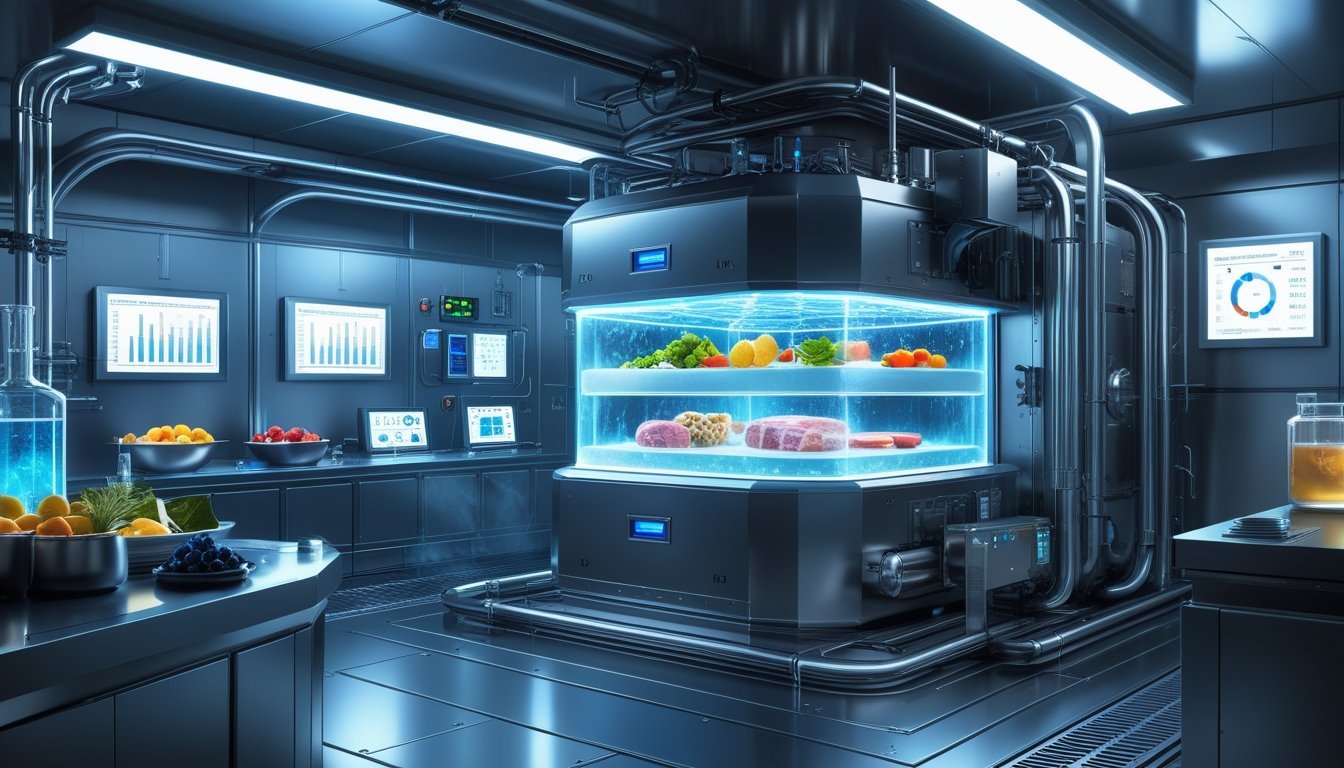
Cryogenic food preservation relies on rapidly freezing products at ultra-low temperatures and carefully controlling the storage environment. Key techniques include using specialized gases, creating barrier packaging, and removing water to extend shelf life while retaining food quality.
Liquid Nitrogen and Carbon Dioxide Applications
Liquid nitrogen and carbon dioxide are commonly used in cryogenic freezing due to their extremely low temperatures. Liquid nitrogen freezes foods almost instantly at -196°C, which helps form very small ice crystals. This rapid process minimizes cellular damage and maintains texture and nutritional value.
Liquid carbon dioxide offers a slightly higher freezing point but still achieves efficient rapid cooling. Both gases can be introduced directly into freezing tunnels or chambers. The process is often automated for efficiency and safety.
Below is a comparison table of common cryogenic gases:
Gas Freezing Point Key Uses Liquid Nitrogen -196°C Meat, seafood, produce Liquid CO₂ -78.5°C Bakery, ready meals
These technologies allow long-term storage with minimal quality loss and are widely adopted in export and industrial food sectors.
Vacuum Sealing and Modified Atmosphere Packaging
Vacuum sealing is a method where air is removed from the packaging, reducing oxidation and inhibiting microbial growth. Using a vacuum sealer, foods are enclosed in airtight plastic bags to extend shelf life. This method is frequently joined with cryogenic freezing for maximum preservation.
Modified atmosphere packaging (MAP) goes further by replacing air with specific gas mixtures, such as nitrogen or carbon dioxide, tailored for each food product. This adjustment controls moisture, slows spoilage, and protects flavors during cryogenic storage.
Vacuum sealing and MAP both serve as barriers against external contaminants. They significantly lower dehydration and freezer burn risks, making them vital steps in the cryogenic food preservation process.
Freeze Drying and Dehydration
Freeze drying is a dehydration technique that starts with cryogenic freezing. Food is first frozen, then subjected to a vacuum that removes water by sublimation—transitioning ice directly to vapor without passing through a liquid state.
This process allows foods to retain their original shape, texture, and nutrients better than conventional drying. Freeze-dried foods are lightweight, shelf-stable, and easy to transport or store for long periods.
Dehydration methods also include air-drying and oven drying, but freeze drying stands out for preserving delicate foods and active compounds. The combination of initial cryogenic freezing and controlled dehydration effectively extends the viable storage time for a wide range of products.
Applications to Different Types of Foods
Cryogenic freezing is widely used across the food sector for its ability to minimize cellular damage, preserve nutrients, and extend storage times. Its rapid cooling helps maintain product texture, flavor, and safety for various food categories.
Fruits and Vegetables
Cryogenic freezing limits ice crystal formation, preventing cell wall rupture in delicate items like strawberries and leafy greens. Rapid temperature reduction preserves vitamins and antioxidants, benefiting health-focused consumers.
Apples and other fruits can be quickly frozen, retaining their crispness and color far better than with conventional freezing methods. This technique helps reduce enzymatic and microbial spoilage, extending shelf life for months with minimal sensory loss.
Vegetable mixes stay vibrant and firm, and leafy greens avoid the water-soaked texture common in slower freezing processes. The method also helps mixed packs remain free-flowing and easy to portion.
Ready-to-Eat Meals and Beverages
For ready-to-eat meals, cryogenic freezing locks in moisture and flavor, often preventing the mushy texture that conventional freezing can cause in rice, pasta, and sauces. The speed of freezing enables foods to retain their structure and palatability when reheated.
Applications include frozen entrees, prepared breakfasts, and even desserts. Beverages such as smoothie blends and liquid broths benefit from uniform freezing that prevents separation of ingredients or change in mouthfeel.
Industrial production lines often use cryogenic tunnels and spiral freezers to freeze packaged items quickly. This helps maintain consistent product quality across large batches of frozen foods for retail.
Spices, Enzymes, and Specialty Products
Cryogenic processes preserve volatile compounds and enzymatic activity that can be lost at higher temperatures. Spices retain essential oils and flavors when frozen at extremely low temperatures, which is especially valuable for premium blends.
Enzymes used in food processing often require freezing to maintain stability and function during storage. Cryogenic freezing supports the preservation of sensitive specialty products, such as probiotics and nutraceuticals.
Spice powders and sensitive extracts can be ground or pulverized under cryogenic conditions to minimize thermal degradation. This results in a finer texture and more potent flavor, making cryogenic processing key for high-quality specialty food components.
Cryogenic Freezing in Food Processing
Cryogenic freezing uses ultra-low temperatures to quickly freeze food, retaining quality and extending shelf life. This method is widely utilized in the food industry and also supports specialized processes such as cryogenic grinding.
Integration with Traditional Food Processing
Cryogenic freezing is often combined with conventional processing methods to enhance efficiency and product quality. The use of liquid nitrogen or carbon dioxide allows food to be frozen rapidly at temperatures as low as -196°C, minimizing ice crystal formation and preserving texture.
Key applications include:
Meat and seafood: Prevents cellular damage and water loss.
Fruits and vegetables: Maintains color, flavor, and nutrients.
Ready-to-eat meals: Supports batch processing and maintains convenience.
This process is chemical-free, enabling food processors to meet safety and quality standards. Cryogenic freezing systems can be installed inline with existing production lines, making it adaptable for a range of products.
Cryogenic Grinding and Unique Applications
Cryogenic grinding is used to process foods that are sensitive to heat or are difficult to grind at room temperature. By chilling materials with liquid nitrogen before grinding, processors can achieve fine particle sizes without flavor or quality loss.
Examples of cryogenic grinding in food processing:
Herbs and spices: Prevents loss of volatile compounds.
Coffee and chocolate: Reduces clumping and stickiness during milling.
Nutritional supplements: Keeps active ingredients stable.
Beyond grinding, cryogenic technology supports unique food applications such as freeze-drying, where ice is sublimated to preserve structure and shelf life. These techniques offer controlled, high-quality results and can be customized for various industrial needs.
Quality and Safety Considerations
Cryogenic freezing preserves food by rapidly reducing temperature, directly impacting both the quality and safety of stored products. Managing both spoilage factors and handling protocols is critical for maintaining freshness and preventing safety hazards.
Preventing Food Spoilage and Freezer Burn
Cryogenic freezing quickly drops food temperatures, which helps maintain texture, flavor, and nutritional value. This rapid process reduces the formation of large ice crystals that can damage cell structure, resulting in less drip loss and improved texture after thawing. Food quality is preserved more effectively than with slower freezing methods.
Freezer burn is a risk during long-term storage. It often results in tough, dry spots and off-flavors. To minimize this, airtight packaging is essential, as it prevents moisture loss and limits oxygen exposure. For added protection, vacuum-sealing is strongly recommended.
Table: Freezer Burn Prevention Techniques
Method Effectiveness Notes Airtight Packing High Use thick, sealed plastics Vacuum Sealing Very High Removes air, best moisture lock Double Wrapping Medium Adds extra barrier
Foods with high water content and delicate textures should be checked regularly for changes, as quality can still degrade over time, even at extremely low temperatures.
Safety Protocols in Cryogenic Environments
Cryogenic freezing involves handling substances like liquid nitrogen or carbon dioxide at temperatures far below -100°C. Strict safety protocols are necessary to protect both workers and food products. Protective equipment, including insulated gloves and face shields, is required to prevent cold burns and frostbite.
Adequate ventilation is critical. If gases like nitrogen accumulate, they can displace oxygen and pose asphyxiation hazards. Facilities must incorporate gas detectors and alarm systems to monitor air quality and prevent accidental exposure.
Regular training on equipment handling and emergency procedures helps reduce risks. Any food safety protocols must also address cross-contamination by maintaining clean surfaces and monitoring for potential microbial contamination during processing.
Checklists and safety audits are helpful to ensure compliance with all storage and handling standards.
Environmental and Economic Aspects
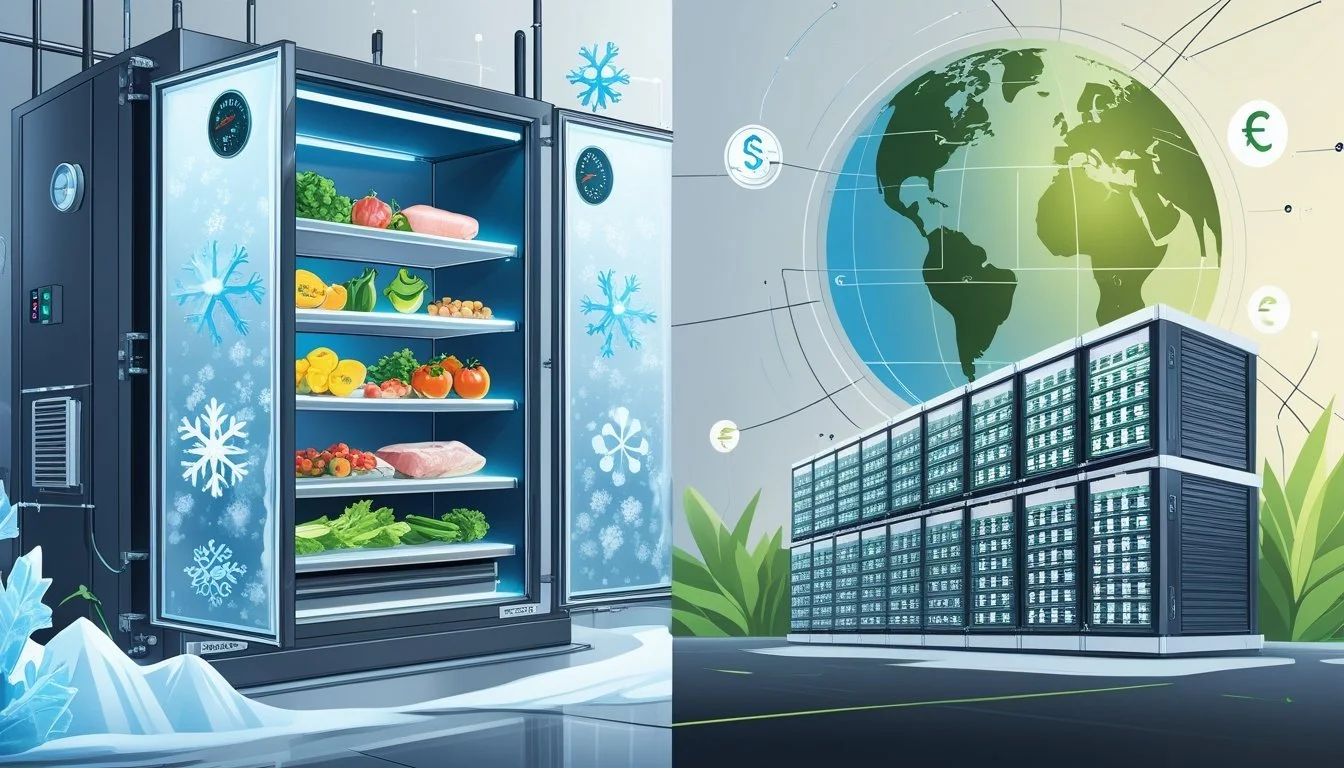
Cryogenic freezing offers advantages for food preservation but comes with notable energy use and environmental impacts. Considerations around cost, energy efficiency, and sustainability are crucial for evaluating its use in super long-term storage.
Energy Efficiency and Cost
Cryogenic freezing relies on extremely low temperatures, often below -150°C, using liquid nitrogen or carbon dioxide. These cryogens require substantial energy to produce and maintain, making operational costs higher than traditional freezing.
Initial investments in cryogenic systems can be significant, with expenses including specialized equipment and safety infrastructure. Ongoing costs depend on cryogen supply, energy prices, and system maintenance.
Potential cost savings arise from reduced product loss and improved food quality, as rapid freezing limits ice crystal growth. This leads to less spoilage and longer shelf life compared to conventional methods.
Efficiency improvements in cryocoolers and optimized process design can lower energy consumption and operational expenses. However, cost concerns remain an important consideration, especially at larger scales or for long-term storage needs.
Factor Cryogenic Freezing Traditional Freezing Start-up Cost High Moderate Operating Cost High (energy, cryogens) Lower Freezing Speed Very High Moderate Product Quality High Variable
Sustainability and Environmental Impact
The energy-intensive nature of cryogenic freezing contributes to greenhouse gas (GHG) emissions, particularly from producing and transporting cryogenic fluids. The environmental footprint is closely tied to the source of electricity or fuel used in cryogen production.
Per studies, both vapor compression and cryogenic systems have similar overall environmental impacts when total lifecycle emissions are considered. However, cryogenic systems can offer advantages in product preservation, potentially reducing waste.
Improving the energy efficiency of cryogenic processes is essential for minimizing environmental harm. Advances in cryocooler technology and alternative energy sources can aid in reducing emissions.
Sustainability initiatives focus on optimizing equipment, sourcing greener energy, and managing cryogen usage to balance preservation benefits with environmental responsibility.
Emerging Trends and Future Directions
Smart technologies and innovative preservation techniques are changing the landscape of cryogenic food storage. Advances focus on improving monitoring, safety, and the ability to maintain food quality over many years.
Smart Packaging and Monitoring
Smart packaging incorporates sensors and digital tools that track temperature, humidity, and product integrity in real time. These technologies help prevent spoilage by alerting handlers to fluctuations beyond safe limits or to possible package breaches.
Examples include RFID tags, time-temperature indicators, and QR codes for traceability. Data from these technologies can be integrated with supply chain management systems, allowing more precise inventory control and rapid response to problems.
Such monitoring streamlines compliance with food safety regulations and extends shelf life by ensuring optimal conditions are maintained. It also aids in reducing waste by providing actionable information about storage conditions and product history.
Innovations in Long-Term Preservation
Cryogenic freezing continues to evolve with new methods aimed at improving both quality and efficiency. Developments like controlled ice nucleation and faster freezing rates reduce cell damage and preserve the texture, color, and nutritional value of food.
Cryogenic techniques, especially those using liquid nitrogen or carbon dioxide, maintain ultra-low temperatures that inhibit microbial growth better than conventional freezing. Emerging machinery, such as multi-level impingement freezers, increase throughput while lowering space requirements.
Research is also exploring advanced protective coatings and modified atmosphere packaging to further minimize freezer burn and oxidation during years of storage. These innovations make it possible to store fruit, vegetables, and other products with minimal quality loss for extended periods.

