
Shelf Life Variance by Region: Comparing Product Longevity in Hot and Cold Climates
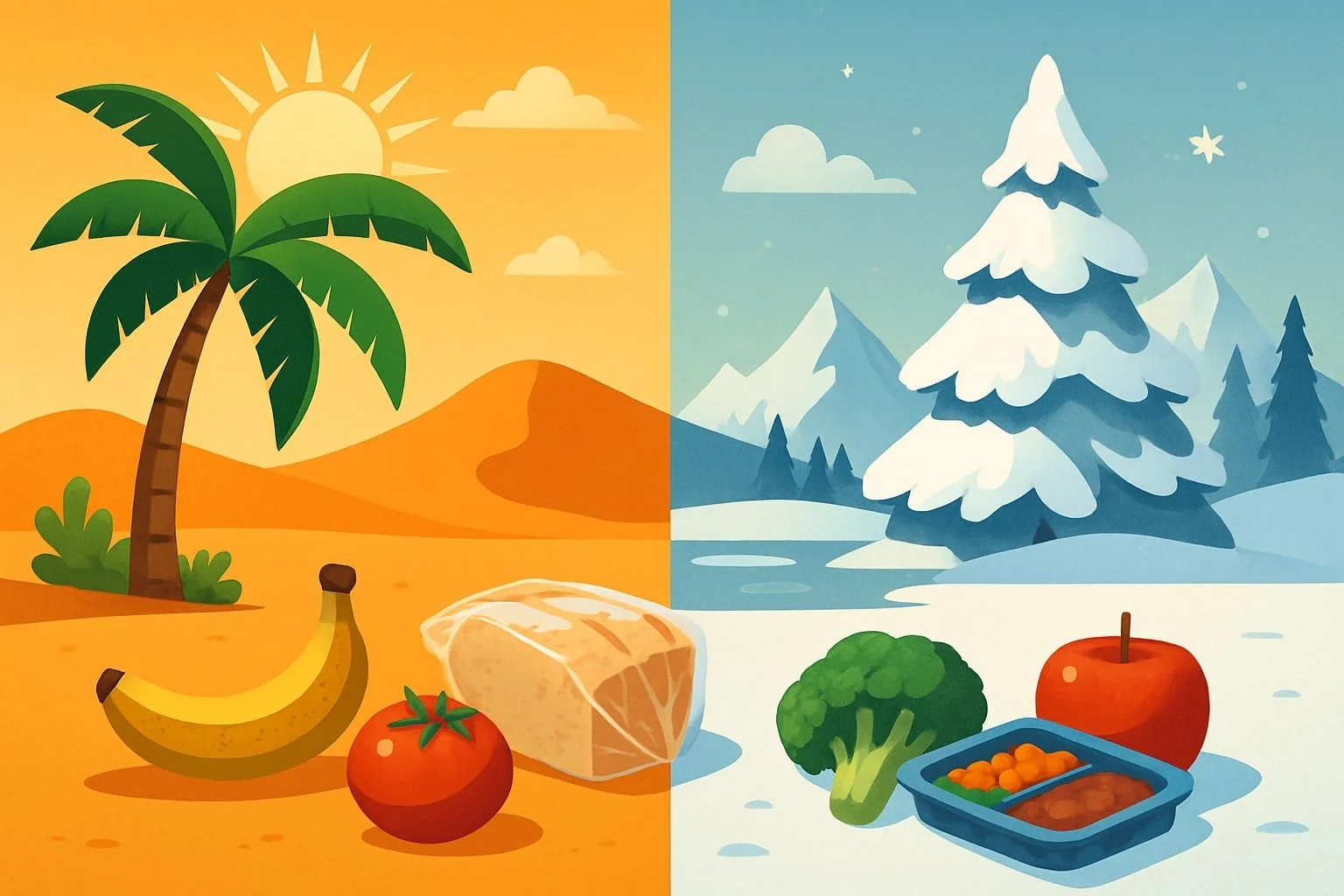
Shelf life varies significantly between hot and cold climates due to the direct impact of temperature and humidity on product stability. Warmer regions, such as those classified as Zone IVA and IVB, often see products deteriorating faster because heat and moisture accelerate chemical changes and microbial growth.
Colder climates tend to preserve foods and pharmaceuticals for longer periods, as lower temperatures slow down spoilage processes. Even modest reductions in storage temperature can extend the shelf life of sensitive goods by days or even weeks.
Understanding these regional differences helps producers set proper expiry dates and manage supply chains efficiently, ensuring that quality and safety standards are maintained worldwide. Readers interested in the practical effects of climate on everyday products will find actionable insights throughout this article.
Understanding Shelf Life Variance
Shelf life is a key consideration in the distribution and consumption of food products, particularly for perishable items exposed to a range of climatic conditions. Reliable shelf-life assessment helps manage spoilage risks, maintain quality, and ensure safety across regions with different temperatures.
Definition and Importance of Shelf Life
Shelf life refers to the period during which a food product maintains its expected quality attributes and remains safe to consume. This is determined by measuring how long the product can resist spoilage, preserve its intended taste, texture, color, and nutritional value.
Perishable food products often have shorter shelf-lives due to their sensitivity to environmental factors. Shelf life directly affects product safety and marketability. If a product deteriorates before reaching the consumer, it leads to increased food waste, economic losses, and possible health risks. Accurately defining shelf-life is essential for processors, retailers, and consumers to plan storage, transport, and usage effectively.
Factors Influencing Shelf Life
Several factors influence shelf-life, especially when comparing hot and cold climates. Temperature is one of the most significant—higher temperatures typically accelerate the rate of chemical and microbiological spoilage, shortening shelf-life.
Other relevant factors include:
Humidity, which can promote microbial growth and physical changes
Packaging effectiveness, which can limit or allow exposure to light, oxygen, and contaminants
Initial product quality, including freshness and hygiene at processing
The combination of these elements leads to variations in shelf-life across regions. In colder climates, lower temperatures slow down microbial activity and deterioration, often prolonging the shelf life of perishable food products. Conversely, hot climates can require stricter control methods and more robust supply chains to maintain quality until consumption.
Impact of Temperature on Shelf Life
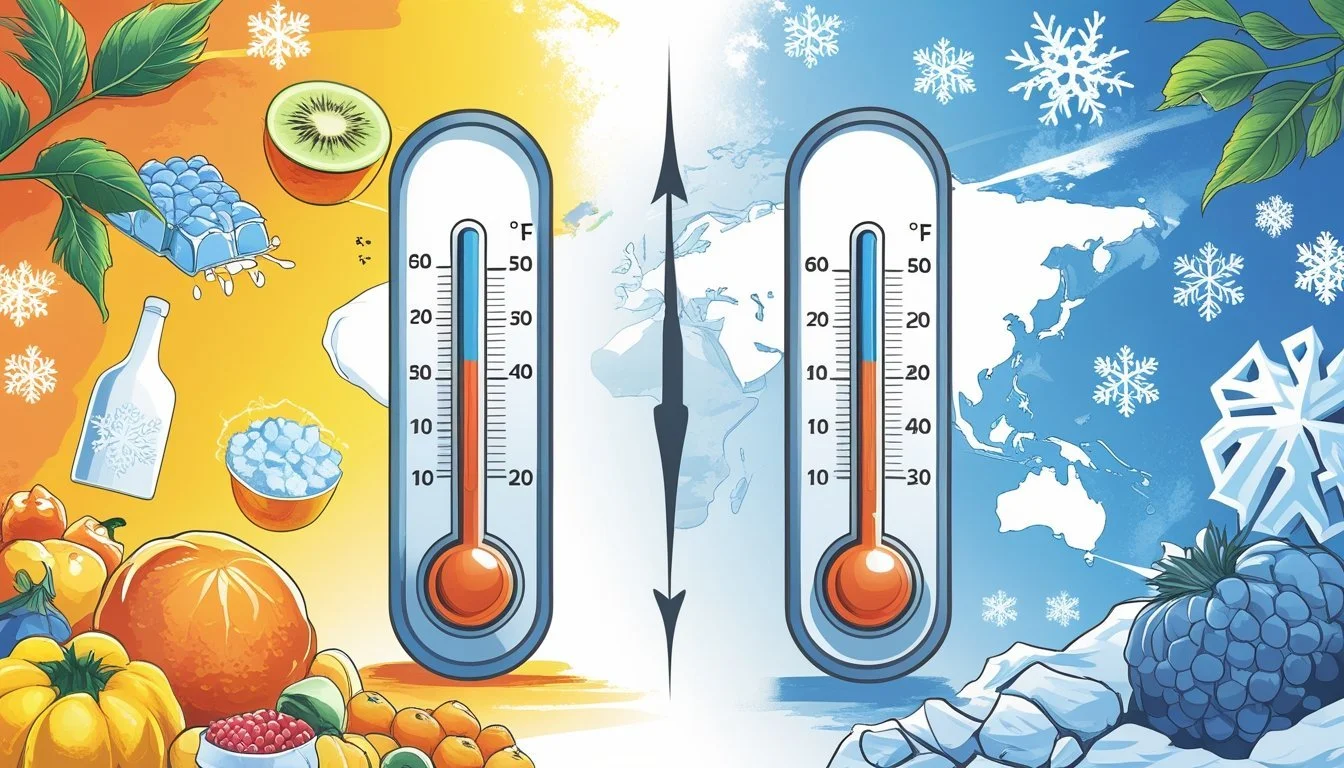
Temperature is a critical factor that determines how long food and pharmaceuticals remain safe and effective. Fluctuations in storage temperature directly accelerate or decelerate quality deterioration, affecting both product safety and consumer experience.
Role of Storage Temperature in Deterioration
Storage temperature strongly influences the rate of chemical and physical changes in products. High temperatures accelerate degradation of active ingredients in pharmaceuticals and promote microbial growth in food, which can cause spoilage. In contrast, lower temperatures slow down these reactions, extending shelf life.
The shelf life of many products is estimated using the Q10 temperature coefficient, which indicates that shelf life halves for every 10°C increase, or doubles for every 10°C decrease. For example, storing milk at 4°C instead of 8°C can significantly prolong its usability by several days.
Producers often control storage temperature within strict guidelines to reduce the risk of contamination and deterioration. Deviations from target temperatures can cause a product to lose quality or become unsafe much faster than labeled.
Effects of Temperature Variance on Food Quality
Temperature variance, especially during storage and transportation, impacts food quality and safety. Sudden temperature rises may encourage the growth of pathogens and speed up spoilage processes such as discoloration, texture loss, and off-flavors. Cold climates generally allow for longer shelf life due to slower biochemical reactions.
In hot and dry climates, the risk of quality loss increases as higher temperatures encourage oxidization, nutrient loss, and faster enzymatic activity. Some foods, like ready meals or fresh produce, are especially vulnerable to temperature fluctuations, losing taste or texture rapidly.
Food manufacturers use cold chain logistics to minimize exposure to unfavorable temperature conditions. Consistency in temperature prevents condensation and microbial growth, important for sensitive goods like dairy and meats.
Temperature Abuse and Its Consequences
Temperature abuse refers to conditions where products are exposed to temperatures outside recommended levels, even briefly. This can happen in retail, transport, or storage. Even a few hours at an elevated temperature can reduce shelf life by more than 16%.
Products subject to temperature abuse often show visible signs of spoilage sooner, and the risk of foodborne illness increases. Temperature records are monitored for many products to ensure they have not left the safe range.
Proper management of temperature throughout the supply chain is essential for preserving both food quality and safety. Maintaining continuous refrigeration and minimizing temperature fluctuations are among the best strategies to counteract the effects of temperature abuse.
Shelf Life in Hot Climates
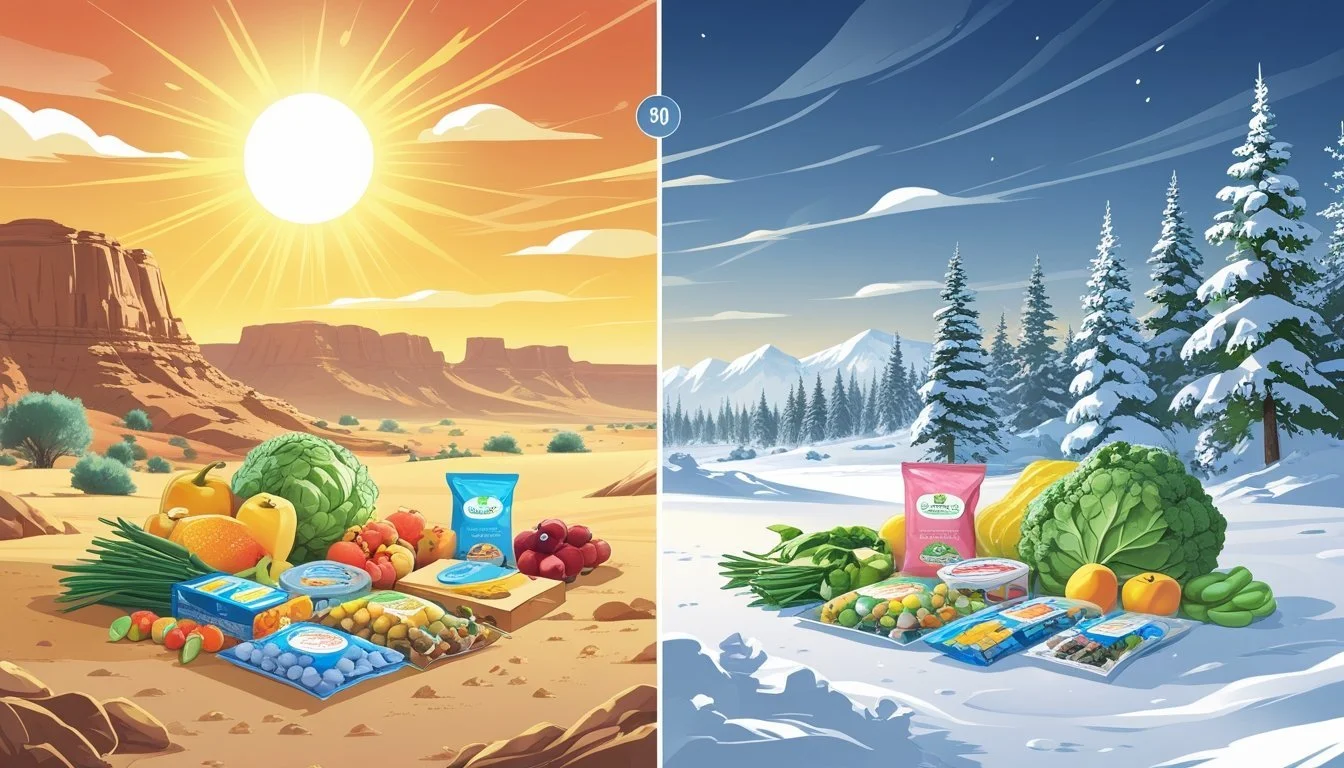
High temperatures in hot climates present significant challenges for maintaining the shelf life of perishable goods. The combination of increased microbial activity, sensory changes, and heightened food safety risks requires careful attention from producers and distributors.
Accelerated Spoilage and Microbial Growth
In hot climates, rates of spoilage and decay rise due to the rapid growth of microorganisms. Elevated ambient temperatures speed up the metabolism of bacteria, molds, and yeasts, leading to quicker deterioration of fresh foods such as fruits, vegetables, dairy, and meat.
Cold storage becomes both more necessary and more complicated under these conditions. For example, studies show that without temperature control, perishable foods may lose days or even weeks of shelf life compared to storage at optimal conditions (0–4 °C). Higher heat increases the risk of spoilage organisms multiplying before products even reach consumers.
Producers often rely on refrigeration, but supply chain interruptions or insufficient infrastructure in hot regions can result in short shelf life and higher food waste rates. Regular monitoring of storage temperature and humidity is essential to slow down microbial growth.
Impact on Sensory Characteristics and Freshness
The flavor, aroma, texture, and visual appeal of foods degrade faster in hot climates. Exposure to heat can cause wilting in produce, off-flavors in dairy or juices, and toughness or discoloration in meats.
Sensory quality losses occur alongside microbial spoilage, meaning food can appear or taste stale before becoming unsafe. For instance, milk stored above recommended cold conditions may develop sour flavors well before visible spoilage. Nutrient levels, such as vitamin C in vegetables, also decline faster at high temperatures.
Maintaining freshness requires controlling not just temperature but also humidity, since moisture loss contributes further to early sensory deterioration. Packaging designed for hot weather and insulated transport can help delay loss of quality in sensitive foods.
Challenges with Food Safety
Hot climates make it difficult to control the growth of pathogens, increasing the risk of foodborne illness. Bacteria like Salmonella and E. coli multiply much more quickly at elevated temperatures, raising safety hazards for products such as eggs, poultry, cooked foods, and dairy.
Ensuring strict temperature control in transit, storage, and retail settings is critical. Inadequate cooling leads to faster spoilage but also invisible threats, as harmful microbes can be present without visual warning signs.
Food safety regulations often require the use of cold chain logistics, but infrastructure gaps in some hot regions pose ongoing challenges. Without consistent refrigeration, even foods that look fresh can carry significant health risks. Regular food safety checks and consumer education about proper handling are vital for reducing foodborne illnesses in hot environments.
Shelf Life in Cold Climates
Cold climates slow the deterioration of many foods and products by lowering temperatures, which directly influences shelf life. Proper cold storage and effective refrigeration can help control spoilage, maintain quality, and reduce the risk of microbial growth.
Benefits of Refrigeration and Cold Storage
Refrigeration limits the activity of spoilage microorganisms and enzymes, helping preserve foods for longer periods compared to storage in warm environments. For perishable foods like dairy, meat, and fresh produce, maintaining temperatures close to 0°C markedly slows the rate of decay and prevents rapid loss of nutrients.
Cold storage also reduces the risk of oxidation, a chemical process that can damage fats and oils, leading to rancidity and off-flavors. Using reliable refrigeration systems allows food manufacturers and retailers to extend both expiry dates and the window for safe consumption.
Temperature management within the cold chain is crucial for keeping products within their designated shelf-life. Even short-temperature fluctuations can lower the remaining shelf life, emphasizing the importance of consistent cold storage throughout transport and retail.
Extension of Sensory Shelf Life
Sensory shelf life refers to the period during which food retains its expected taste, texture, odor, and appearance. Cold climates and effective refrigeration slow changes that affect these qualities. For fresh foods such as fruits, vegetables, and baked goods, maintaining low temperatures delays browning, loss of firmness, and staling.
Milk, ready-to-eat meals, and sandwich spreads can have their shelf life extended by days or even weeks if stored at 4°C instead of 8°C. This improvement isn't just about preventing spoilage; it also helps foods taste fresher and look more appealing for longer.
Proper temperature control in cold storage helps maintain oxidative stability. Minimizing exposure to heat prevents undesirable taste and odor development, which directly impacts consumer satisfaction.
Cold-Induced Quality Changes
While cold storage extends shelf life, some foods experience quality changes that may be negative. Chilling injury can occur in certain fruits and vegetables at low temperatures, resulting in texture changes or water-soaked spots. For some bakery items, refrigeration can accelerate staling due to changes in starch structure.
Repeated cycles of chilling and warming can also cause condensation, leading to moisture buildup and higher risk of spoilage or texture loss. Awareness of these risks helps businesses adjust their storage strategies for sensitive products.
Product-specific guidelines for optimum storage temperature are necessary to prevent these issues. Balancing refrigeration with proper humidity and packaging reduces cold-induced damage while maximizing shelf life and food preservation outcomes.
Comparing Shelf Life Across Regions
Shelf life differences between hot and cold climates come down to environmental exposure, impacts on perishable foods, and logistical challenges in transport and storage. Regional factors directly affect how long products remain usable and safe in distribution systems.
Environmental Conditions and Shelf Life Prediction
Temperature plays a key role in product stability. Higher average temperatures typical in hot regions accelerate chemical and microbial spoilage, shortening shelf life for many foods and medicines. In contrast, lower temperatures found in colder climates slow these degradation processes, often prolonging effective shelf life.
Humidity also influences shelf life. High humidity can cause mold, spoilage, or altered texture in fresh produce, packaged snacks, and pharmaceuticals. Dry, cold environments generally reduce moisture-driven spoilage.
Shelf life prediction relies on local climate data. Products stored in hot climates usually require more robust packaging, preservatives, or even modified formulations to withstand increased environmental stress. Stability testing protocols often account for the specific conditions expected in different regions.
Effects on Fresh Produce and Perishable Foods
Fresh produce is particularly vulnerable to temperature abuse during storage and distribution. Even short exposures to heat can speed up wilting, spoilage, and nutrient loss. Dairy and meat products are also sensitive, with shelf life dropping quickly if kept above recommended temperatures.
Producers and distributors in hot climates often utilize controlled-atmosphere storage, additional refrigeration, or fast movement through the supply chain to offset these risks. In colder climates, natural low temperatures can provide passive protection.
The table below compares shelf life examples:
Product Cold Climate Shelf Life Hot Climate Shelf Life Fresh Milk 7-10 days 3-5 days Leafy Greens 5-7 days 2-4 days Chicken 6-8 days 2-3 days
Transportation and Supply Chain Challenges
Transporting goods across long distances exposes products to varied climates. In hot regions, failures in cold chain logistics—such as refrigeration breakdowns—can reduce shelf life and increase food safety risks. This prompts a reliance on insulated containers, refrigerated vehicles, and monitoring technology.
Supply chain management in colder regions can focus less on temperature control but must still address risks like freezing or drying. Route planning and risk analysis differ by region to minimize environmental stress on products.
Effective shelf life prediction and product labeling depend on understanding these logistical and environmental variables. Producers adapt packaging, transportation duration, and storage strategies to region-specific requirements to maintain product quality and safety.
Quality Control and Monitoring

Accurate temperature management and vigilant quality control play a critical role in preserving shelf life across different climates. Variations in temperature directly affect food safety, product longevity, and overall freshness.
Temperature Monitoring and Data Analysis
Reliable temperature monitoring is central to managing shelf life, especially when transporting goods through hot or cold regions. Food products are often tracked in real time using digital sensors or IoT devices, which collect continuous temperature data during storage and transport.
Significant temperature excursions—even for a few hours—can result in marked decreases in shelf life. Data analysis allows companies to identify temperature fluctuations, address weak points in the supply chain, and maintain product integrity. Anomalies are flagged, and corrective actions can be quickly implemented.
Temperature reports are typically reviewed at each transfer point. These records help verify compliance with regulatory and industry standards, supporting traceability and preventing quality loss.
Role of Quality Control in Shelf Life Management
Quality control protocols are tailored to product characteristics and the specific risks of each region. In hot climates, extra measures—such as rapid cooling, insulated packaging, and timed delivery slots—help reduce exposure to high temperatures. Cold regions require protection from freezing and careful humidity regulation.
Scheduled inspections ensure compliance with pre-set standards for appearance, texture, and microbiological safety. Staff frequently sample products to confirm temperature consistency and overall condition.
Robust documentation supports shelf life claims and provides critical evidence in the case of quality disputes. Quality control teams adjust storage and handling practices as needed, ensuring that both perishable and frozen foods retain maximal shelf life.
Food Processing, Packaging, and Storage
The shelf life of food products is tied closely to how they are processed, packaged, and stored, with climate differences playing a significant role. Advances in packaging materials and processing methods can make a notable impact on preserving food in both hot and cold regions.
Innovative Food Packaging Solutions
Packaging acts as the first barrier against environmental factors that degrade food quality. In hot climates, packaging must limit exposure to heat, moisture, and oxygen to prevent rapid spoilage and microbial growth.
Active packaging uses materials that absorb excess moisture or oxygen inside the package, slowing spoilage rates. This is especially beneficial in humid or hot regions, where these factors accelerate food decay.
Modified atmosphere packaging (MAP) is another common solution. By adjusting gas levels within the package, MAP slows chemical and microbial changes, helping food retain freshness longer.
Below is a quick comparison of key packaging technologies:
Packaging Type Benefits Region Suitability Active Packaging Controls moisture/oxygen, slows spoilage Suited for hot/humid Modified Atmosphere (MAP) Preserves freshness, inhibits microbes Both hot and cold climates Vacuum Sealing Limits oxidation, extends shelf life Both climates, especially effective in hot regions
Optimizing Processing for Shelf Life
Processing methods greatly influence the durability of food under varying climate conditions. High-temperature processing like pasteurization and sterilization can kill spoilage organisms but may also affect food texture and taste.
Cold climate regions often rely on freezing or refrigeration during processing to keep food products stable for longer periods. In contrast, hot climate regions depend more on dehydration, canning, or ultra-high temperature (UHT) treatments to prevent spoilage when refrigeration is costly or impractical.
Proper packaging must be matched to the processing type. For example, dried foods require moisture barrier packaging, while foods that are thermally processed should be sealed to prevent microbial recontamination.
Handling and storage practices, especially in retail and household settings, also account for much of the food's usable shelf life. Continuous cold storage extends shelf life in cool regions, while quick, protective packaging after processing is critical in warmer areas.
Humidity, Ripening, and Product Changes
Food shelf life is influenced by environmental factors such as moisture in the air, biochemical processes inside the product, and the physical and sensory changes that develop over time. Warm and cold climates each present unique challenges that affect how foods age, taste, and look during storage.
Effect of Humidity on Shelf Life
Humidity plays a critical role in determining how long foods can be stored safely. High humidity, common in hot climates, encourages mold growth and bacterial activity, often leading to spoilage of perishable items like fruits, vegetables, and bread much faster.
In contrast, low humidity, typical in colder regions or dry storage environments, helps slow down microbial activity but can cause desiccation. This loss of moisture leads to products like leafy greens or baked goods becoming wilted or stale.
Maintaining optimal humidity during storage is necessary for preserving foods’ quality. Technologies such as humidity-controlled refrigeration and packaging that balances moisture can extend shelf life by reducing spoilage, weight loss, and changes in texture.
Ripening and Ethylene Production
Ripening rate is tightly linked to temperature and internal gases, especially ethylene, which acts as a natural plant hormone. Warmer climates accelerate ethylene production, speeding up ripening and, in turn, shortening shelf life for fruits like bananas, tomatoes, and avocados.
Cold environments slow down metabolic activity and ethylene synthesis, thereby slowing the ripening process. Controlled atmosphere storage, where levels of oxygen and carbon dioxide are managed, further reduces ethylene's impact and helps maintain freshness for longer periods.
Ethylene-sensitive products must be separated from high-ethylene producers to prevent premature spoilage. Effective management minimizes loss and preserves key vitamins and nutrients that degrade quickly once ripening accelerates.
Changes in Color, Flavor, and Texture
Color fading or browning, flavor loss or development of off-flavors, and changes in texture such as softening or drying are major markers of reduced shelf life. High humidity may cause food surfaces to become sticky or soggy, which can attract pathogens and impact taste and visual quality.
Vitamins like vitamin C degrade faster in the presence of heat and moisture. Cold storage helps foods retain their natural color and flavor longer, although extremely low temperatures may lead to textural damage, like freezer burn or tissue crystallization.
Key sensory qualities such as crispness in apples, firmness in tomatoes, or fragrance in spices often decline faster in hot, humid regions. Packing and storage practices that target optimal moisture and temperature help to minimize these changes and maintain the product's integrity.
Spoilage Microorganisms and Food Safety Risks
Microbial spoilage is a primary factor limiting food shelf life, especially in environments with temperature extremes. The activity of specific bacteria and the presence or absence of protective natural antimicrobials directly impact safety risks and spoilage rates.
Pseudomonas, Clostridium botulinum, and Listeria monocytogenes
Pseudomonas spp. are common spoilage bacteria, particularly in refrigerated foods. They thrive in moist, oxygen-rich environments and can cause off-odors, discoloration, and slime formation, especially in dairy, meat, and fish. Their growth is rapid at low temperatures, making them a problem even in colder regions.
Clostridium botulinum is an anaerobic, spore-forming bacterium that can survive harsh conditions, including heat. Its spores resist most standard food preservation methods, and it is especially hazardous in improperly processed canned foods. In hot climates, the risk of toxin production increases when foods are stored above safe temperatures, potentially leading to botulism.
Listeria monocytogenes can multiply at refrigeration temperatures and is associated with ready-to-eat and chilled foods. It poses a significant food safety risk because of its ability to persist in food environments and cause serious illness, particularly in pregnant women, the elderly, and immunocompromised individuals.
Bacterium Key Foods Affected Key Concern Pseudomonas Dairy, Meat, Fish Spoilage, Off-odors Clostridium botulinum Canned, Preserved Toxin formation Listeria monocytogenes Ready-to-eat, Dairy Foodborne illness
Role of Natural Antimicrobials
Natural antimicrobials such as salt, acids (like vinegar), essential oils, and plant extracts play a crucial role in extending food shelf life. They inhibit the growth of spoilage organisms and pathogens by lowering water activity or disrupting bacterial membranes.
For example, salt and sugar reduce available water (a_w) for microbes, slowing spoilage from bacteria like Clostridium botulinum. Vinegar and citric acid create acidic conditions that suppress bacteria sensitive to low pH, such as Listeria monocytogenes.
Essential oils from herbs (such as oregano or thyme) are used in some regions to further slow microbial growth. Their use can be especially important in hot climates where refrigeration may be limited. Incorporating these strategies allows food producers to manage safety risks and shelf life more effectively across different temperatures.
Mathematical Modelling and Shelf Life Studies
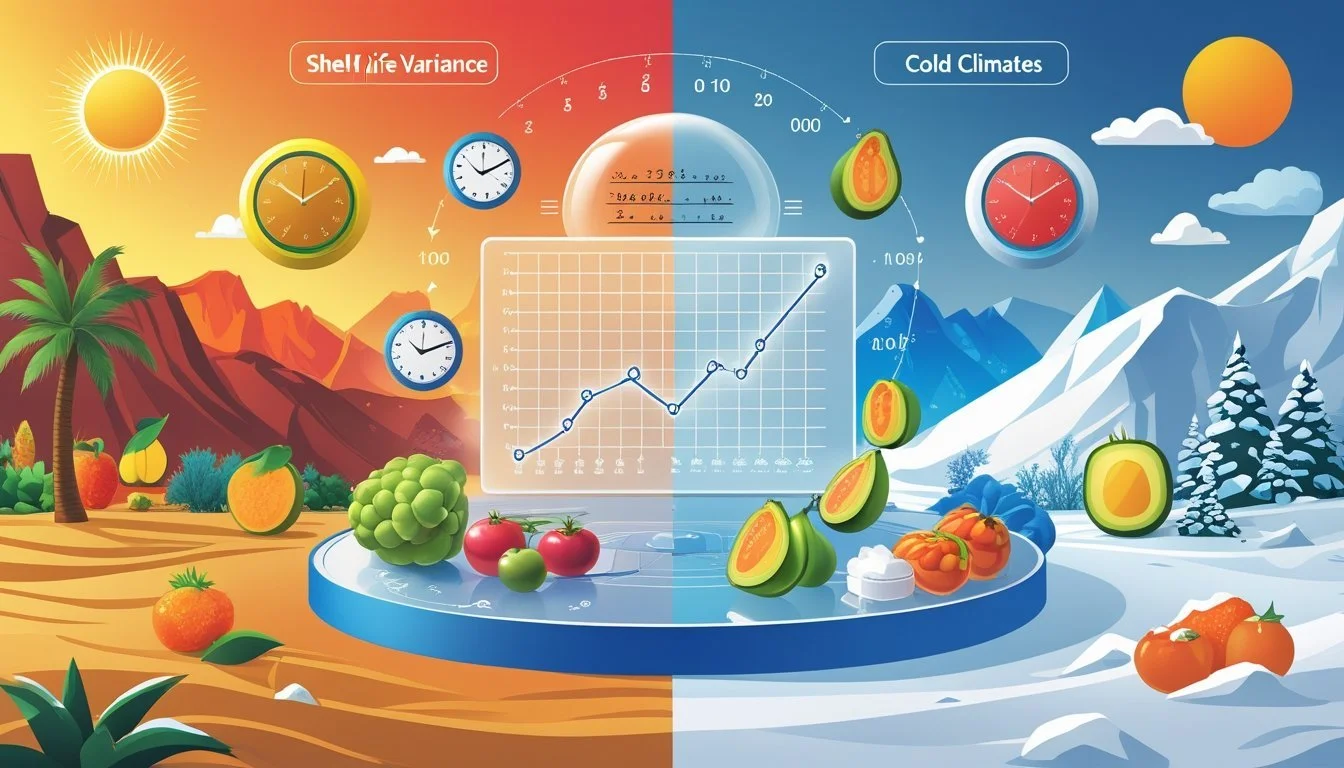
Researchers use mathematical modelling to predict how food degrades in different conditions. Shelf life studies often depend on quantitative tools to estimate quality loss, using both laboratory experiments and statistical models.
Kinetic Models and Mathematical Approaches
Kinetic models form the backbone of shelf life prediction. These models describe the rate at which food quality changes, often using equations that incorporate factors like temperature and humidity. A common model is the Arrhenius equation, which illustrates how temperature accelerates the rate of degradation in food systems.
Statistical approaches, including regression analysis, support these predictions by relating stability parameters to storage conditions. Predictive models allow for estimation not just at average conditions but also help determine percentiles such as the 90th, where only a small proportion of products might fall below standard before the end of shelf life. This approach provides a robust foundation for evaluating shelf life variance regionally, as it adapts to both hot and cold climates.
Accelerated Shelf Life Testing
Accelerated shelf life testing exposes products to higher than normal temperatures and sometimes increased humidity to simulate aging. This method quickly generates data about how a product might degrade over time, reducing the need for long-term studies. By measuring the rate of change in quality indicators, researchers can extrapolate realistic shelf life for a variety of climates.
The data from accelerated testing is then analyzed using kinetic and statistical models. The results can be adjusted for real-world storage conditions with mathematical corrections, yielding predictive shelf life estimates relevant for both hot and cold regions. This approach supports manufacturers in making distribution decisions based on reliable degradation data from shelf life studies.
Sustainability and Food Waste Mitigation
Shelf life has a measurable effect on both the amount of edible food wasted and the strategies that organizations develop to increase product longevity. Differences between hot and cold climates demand tailored approaches to address economic, environmental, and consumer challenges.
Impacts of Shelf Life Variance on Food Waste
Hot climates often lead to shorter shelf lives for many products due to accelerated spoilage rates and greater microbial activity. This results in higher rates of food waste, particularly for perishable items like dairy, fruits, and vegetables.
Cold regions benefit from naturally lower temperatures, slowing down spoilage processes and reducing waste. According to research and industry reports, extending shelf life has the potential to significantly reduce the absolute volume of waste, especially in warmer markets, where returns and unsold goods are higher.
A simple comparison highlights the impact:
Climate Avg. Shelf Life (perishables) Relative Food Waste Rate Hot Shorter Higher Cold Longer Lower
Improved packaging, cold chain logistics, and locally adapted preservation methods play essential roles in mitigating waste caused by shelf life variance.
Consumer Acceptability and Quality Perception
Consumer perception of quality is closely linked to visible freshness and expiration dates. In regions where temperatures are high, rapid decreases in perceived freshness can lead to products being discarded before they are actually unsafe or inedible.
Labeling and education can address misconceptions and reduce premature disposal. For example, clearer date labeling (“use by” vs. “best before”) and shelf life indicators can help consumers make informed decisions, reducing unnecessary waste.
Consumer surveys in both climates report that trust in product freshness increases with transparent shelf life communication. In colder regions, longer perceived freshness can allow more flexible purchasing and storage habits, indirectly supporting sustainability goals.
Role of Food Producers in Sustainability
Food producers influence food waste through innovation in preservation, packaging, and logistics. They respond to climatic challenges by adjusting shelf life expectations and investing in technology such as temperature management and food-safe additives, tailored for each region’s conditions.
Sustainability strategies often include developing smart packaging solutions that inform both retailers and end users about product freshness. Producers also collaborate with retailers to forecast demand more accurately, minimizing overproduction and unsold stock returns—two major sources of food waste highlighted in industry studies.
Investment in cold storage facilities, especially in hot climates, is a key intervention. Food producers who prioritize these areas contribute to both food waste mitigation and long-term environmental sustainability.

