
The Forgotten Science of Root Cellaring
Rediscovering Traditional Food Preservation
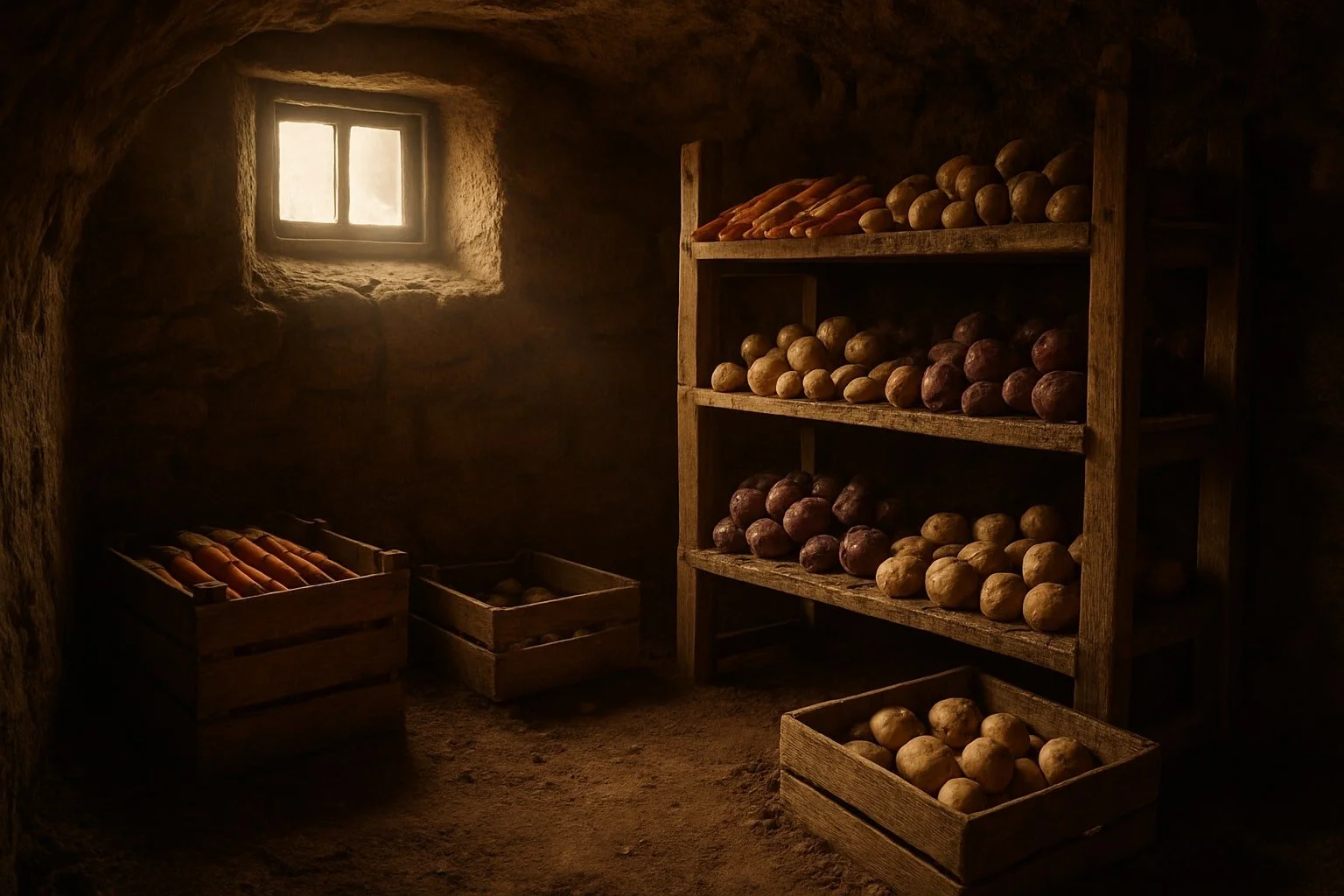
Root cellaring is a time-tested way to preserve fresh food by harnessing the natural cooling and insulating properties of the earth. Before modern refrigeration, many relied on underground storage to keep produce fresh for months, making it possible to enjoy harvests throughout the winter without electricity.
The forgotten science of root cellaring involves more than just burying vegetables underground. It is a careful balance of temperature, humidity, and ventilation that protects crops from spoilage. Properly managed cellars can maintain a steady environment ideal for storing everything from potatoes to apples.
Today, this practical method offers simple, low-tech food storage that reduces waste and supports self-sufficiency. Understanding the principles behind root cellaring can empower anyone to make the most of their harvests.
The Foundations of Root Cellaring
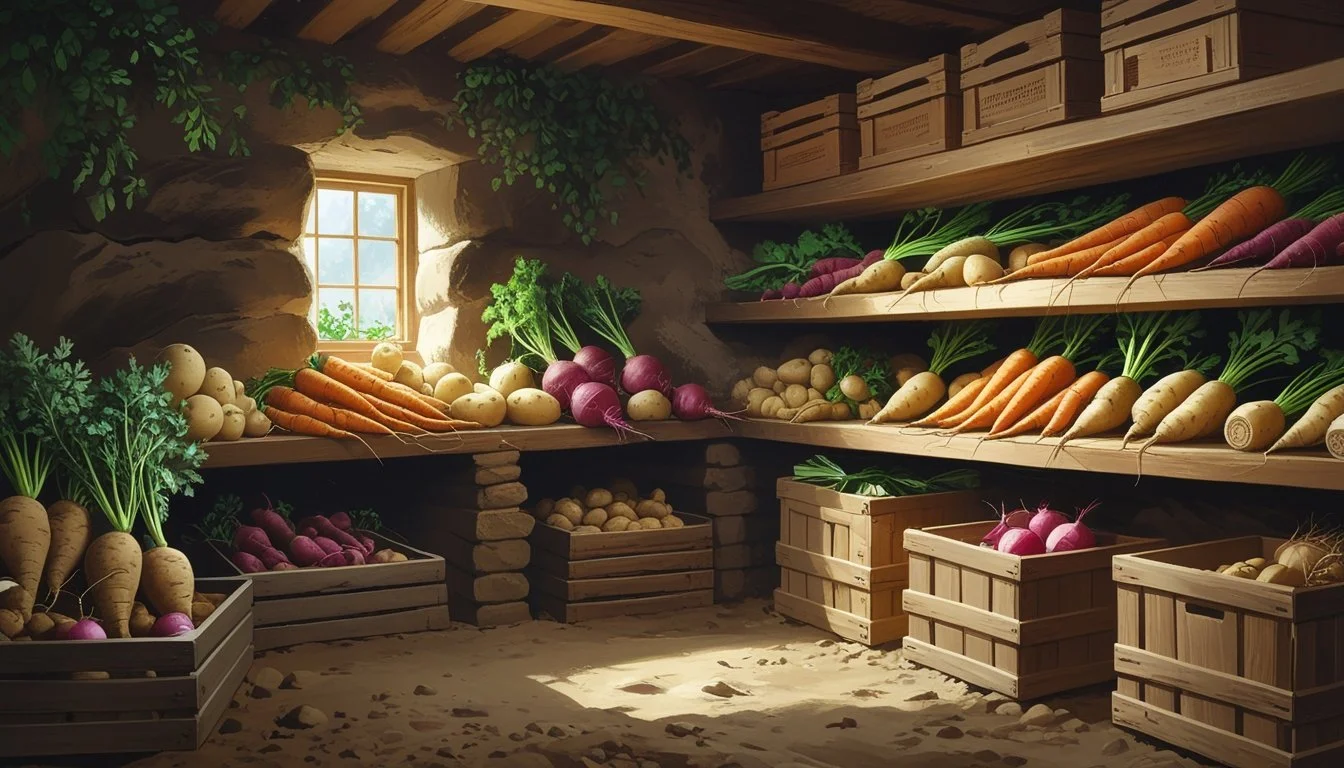
Root cellaring is based on proven methods for preserving food without modern refrigeration. Success depends on understanding both physical requirements and the historical context of these storage practices.
Core Principles of Root Cellaring
Effective root cellaring uses natural conditions to keep foods like potatoes, carrots, and apples fresh for months. The essential factors are temperature, humidity, and ventilation. A root cellar stays cool—usually between 32°F and 40°F (0°C to 4°C)—while maintaining high humidity (80–95%), important for reducing food dehydration and spoilage.
Site selection matters. Root cellars work best partially underground, where soil naturally insulates and stabilizes internal temperatures. Common construction materials include stone, concrete, or even earth, each offering natural insulation and moisture control.
Proper ventilation is critical. Fresh air prevents mold growth and helps control gases emitted by stored produce, like ethylene. Many traditional root cellars feature adjustable vents or dual doors to regulate airflow and temperature. With careful planning, root cellaring can extend the shelf life of harvested crops, reducing waste and dependence on artificial storage.
Traditional Knowledge and Cultural Heritage
Root cellaring is rooted in traditional practices that vary widely by region and climate. In Northern Europe, cellars were often built beneath homes to protect against freezing winters. In North America, settlers adapted designs to local soil and weather, sometimes incorporating dugouts or hillside storage rooms.
Generational knowledge shaped root cellaring techniques. Families passed down methods for layering straw over produce, separating crop types, and using specific containers like wooden bins or clay pots. Proper layout and storage order, such as keeping apples separate from potatoes, were guided by experience and observation.
Table: Cultural Adaptations in Root Cellaring
Region Key Adaptation Scandinavia Deep underground stone vaults Eastern Europe Straw-lined pits Rural US Hillside earthen cellars
Cultural heritage preserved not just ways to build a root cellar, but also when to harvest, cure, and store each crop. This traditional knowledge continues to inform modern approaches to long-term food storage and self-reliance.
How Root Cellars Work
Root cellars depend on principles of earth storage to keep produce fresh. Consistent temperature, ideal humidity, and the right airflow all play vital roles in slowing spoilage, maintaining texture, and inhibiting the growth of mold and bacteria.
Temperature and Humidity Control
Maintaining a stable temperature is central to the effectiveness of a root cellar. The earth acts as insulation, holding cellar temperatures between 32°F and 40°F (0°C to 4°C) even as outside temperatures change. These conditions slow the metabolic processes in stored produce, reducing sprouting and decay.
Humidity is equally important. Levels of 85% to 95% relative humidity are typically ideal for storing most root vegetables and fruits. High humidity helps to prevent produce from shriveling and losing moisture, while too much moisture can lead to rot. A hygrometer is often used to monitor humidity, and adding or removing water pans or damp sand can help regulate levels.
Here’s a simple breakdown:
Condition Ideal Range Effect on Food Temperature 32–40°F (0–4°C) Slows spoilage Humidity 85–95% RH Prevents drying, maintains texture
Natural Cooling and Ventilation
Root cellars use the natural insulating and cooling power of soil. Underground walls act as thermal buffers, blocking out heat in summer and cold in winter. This natural cooling stabilizes temperature without energy input.
Proper ventilation is necessary to manage internal moisture and gases. Many cellars employ two vents: an intake near the floor for cool air, and an exhaust near the ceiling for warm, moist air to escape. This passive airflow keeps air fresh and odors minimized. Vent pipes may be fitted with adjustable covers to fine-tune ventilation based on outside conditions.
Good ventilation helps dispel ethylene gas produced by ripening fruit and vegetables. Removing this gas slows the overall ripening and spoilage.
Air Circulation and Darkness
Effective air circulation reduces condensation and discourages mold growth. Storing crops on shelves or racks, rather than on the floor, allows air to move freely around them. Limiting clutter and spacing produce to avoid touching improves airflow.
Darkness is essential in root cellaring. Continuous exposure to light can trigger sprouting in potatoes and degrade the quality of stored vegetables. Most root cellars have no windows, or cover any openings to ensure a dark environment.
A dark, cool, and well-ventilated root cellar provides the right set of physical conditions for storing a wide variety of foods over the winter months. Using thermometers and hygrometers, monitoring airflow, and keeping stored produce out of the light are all key practices.
Designs and Construction of Root Cellars
Root cellar design depends on many factors, including climate, soil, intended use, and available resources. Building methods, material choices, and site location all greatly influence how effective and long-lasting a root cellar will be.
Types of Root Cellars
Root cellars fall into several main types, each suited to specific needs and landscapes. The three most common are:
In-ground cellars: Dug below the frost line and commonly built into hillsides for natural insulation and drainage.
Partially above-ground cellars: Raised partly above grade, often mounded with earth for extra insulation, suitable where digging deep is not practical.
Basement cellars: Constructed as a dedicated room within a house basement, using insulated, well-ventilated partitions.
Each type regulates humidity, temperature, and ventilation differently. In-ground designs excel in cold climates for stable, cool storage. Partially above-ground works where the groundwater table is high. Basement cellars are often easiest to access daily, especially in urban or residential settings.
Choosing Natural Materials
Traditional root cellars made use of local, natural materials for both sustainability and insulation. Common choices include:
Stone and brick: Durable, excellent for retaining cool temperatures, and resist moisture damage.
Earth: Clay, sand, and sod serve as natural barriers, regulating humidity and temperature.
Wood: Used primarily for framing or shelving but must be treated to resist rot in damp settings.
Moisture control remains crucial; natural materials absorb and release humidity, helping prevent spoilage. Builders often line walls or floors with gravel and include vent pipes to manage airflow. These choices reflect ancient practices where root cellaring was a necessity for preserving harvests through winter.
DIY Root Cellar Considerations
DIY root cellars offer flexibility in size, cost, and complexity but require attention to detail for safe, effective food storage. Site selection should avoid flood-prone areas and consider the direction of prevailing winds for ventilation.
Key construction steps include:
Digging below the frost line for better temperature control.
Creating sloped floors or drainage layers with gravel.
Installing adjustable ventilation pipes to control humidity and airflow.
Material sourcing should prioritize local, natural elements for insulation and longevity. Shelving and bins need to allow air circulation around stored produce. Monitoring internal temperature and humidity with affordable devices can further reduce the risk of spoilage and help refine the setup over time.
Food Preservation Techniques Beyond Root Cellaring
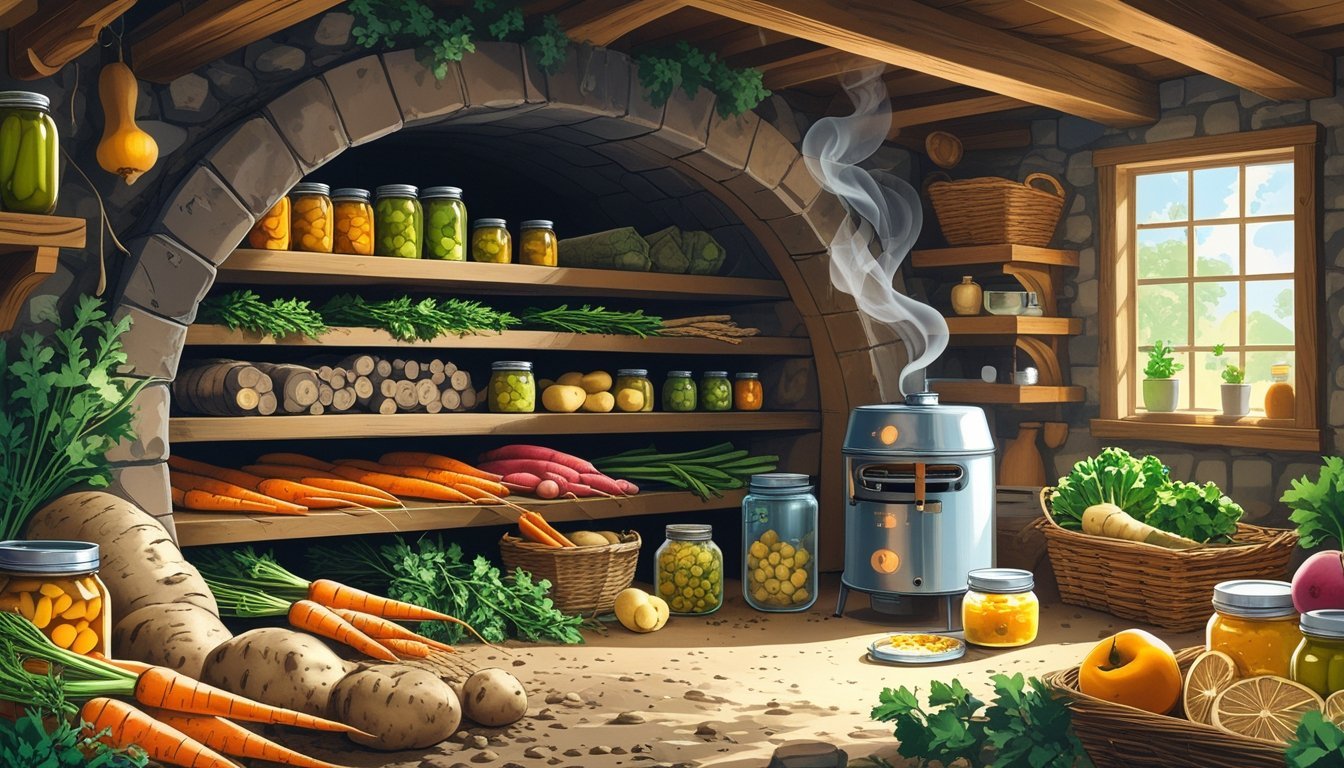
Traditional food preservation techniques such as smoking, fermentation, salt curing, and dehydration offer practical ways to store food without refrigeration. Each method uses specific processes to slow spoilage, retain nutrients, and add unique flavors.
Smoking and Fermentation
Smoking involves exposing food—mainly meats and fish—to smoke from burning wood. This process both dries the exterior and infuses antimicrobial compounds, reducing spoilage and providing a distinct smoked flavor. Hot smoking cooks the food and imparts immediate preservation properties, while cold smoking is used to slowly dry meats for longer storage.
Fermentation uses beneficial bacteria or yeasts to transform and preserve foods. Vegetables such as cabbage can be made into sauerkraut, while milk is fermented into cheese or yogurt. Fermentation not only extends shelf life but also boosts nutritional value by creating vitamins and probiotics. This method is commonly used for preserving dairy, vegetables, and some beverages.
Salt Curing and Dehydration
Salt curing draws moisture from food, reducing the likelihood of bacterial growth. Traditionally, salt has been used to preserve meats like ham, bacon, and fish. The process may involve covering the food in dry salt, or submerging it in a salt brine. The table below highlights common foods preserved by salt curing:
Food Type Common Examples Meats Salami, prosciutto Fish Salted cod, anchovy
Dehydration removes water from food using air, sun, or low heat. Dried fruits, vegetables, and jerky are popular examples. With moisture reduced, dehydration significantly slows spoilage. Food can be dehydrated using simple racks, solar dryers, or electric dehydrators, making this an accessible technique for many types of produce and meats.
Best Practices for Food Storage in Root Cellars
Proper food storage in root cellars requires careful attention to temperature, humidity, and crop condition. Success depends on understanding what each type of produce needs and how to protect it from spoilage and pests.
Storing Root Vegetables
Root vegetables like potatoes, carrots, beets, turnips, and parsnips thrive in cool, humid conditions. The optimal range is usually 32–40°F (0–4°C) with 85–95% humidity. High humidity prevents shriveling, while low temperatures slow spoilage.
Store vegetables unwashed with some soil still attached, as moisture loss is minimized this way. Trim leafy tops to half an inch, but avoid cutting into flesh, which can invite rot. Group similar crops together to help manage humidity—and keep potatoes away from apples, as the ethylene gas apples emit can cause sprouting.
For best longevity, layer root vegetables in bins filled with slightly damp sand or sawdust. This method separates the vegetables, reduces bruising, and keeps moisture even.
Preserving Fruits and Vegetables
Fruits need different conditions than most root crops. Apples and pears, for instance, store best between 32–40°F (0–4°C) at about 85–90% humidity. Some varieties last longer than others; late-season apples typically keep best.
Store fruits in single layers on shelves or slatted crates for airflow. Inspect fruit before storing—only undamaged, unbruised produce should go into the cellar, as a single bad apple can ruin a batch. Avoid placing fruits and vegetables in the same section; ethylene-sensitive vegetables can deteriorate if exposed to the gas from ripening fruits.
Leafy and tender vegetables (like cabbage or celery) should be stored with the roots in moist sand or soil. Regular inspection helps prevent loss from spoilage or rodent activity.
Long-Term Storage Tips
Long-term storage hinges on maintaining stable conditions. Temperature and humidity should be checked regularly using a thermometer and hygrometer. Ventilation is key—good airflow prevents mold and keeps gases from building up.
Protect food from pests by keeping storage bins off the cellar floor and away from walls. Use wire mesh screens to block rodents and insects, and seal any gaps or cracks in the cellar structure.
Keep a simple table or inventory of what is stored, its date of storage, and periodic inspection notes. This helps track usage and catch potential problems before they cause significant loss.
Produce Ideal Temp (°F) Ideal Humidity (%) Storage Method Potatoes 38–40 90–95 In bins, unwashed Carrots 32–40 90–95 In sand or sawdust Apples 32–40 85–90 On shelves, single Cabbage 32 90–95 Root in moist soil
Root Cellaring and Modern Sustainable Living
Root cellaring bridges traditional food preservation methods with today’s need for resilient and sustainable lifestyles. It allows individuals and families to maintain year-round food access and reduce reliance on mechanical refrigeration.
Food Security and Self-Sufficiency
Root cellaring provides a low-energy solution for storing produce such as potatoes, carrots, beets, and apples for several months. This technique protects against food spoilage during winter and supports healthy diets even when gardens are dormant.
Communities benefit from greater food stability and less dependence on supply chains with root cellars. This is especially valuable for rural households and those seeking protection against disruptions. With proper humidity and temperature control, produce stored in root cellars retains nutrients, texture, and taste well into the off-season.
By using root cellaring, families and small-scale farmers can plan for surplus harvests, prevent food waste, and buffer themselves against price shocks or shortages. This aligns with many core goals of sustainable living and modern self-sufficiency.
Homesteading Integration
For homesteaders, root cellars fit naturally into a broader system of sustainable food management. They serve as a key storage point alongside canning, drying, and fermentation methods. A simple table might look like this:
Preservation Method Best For Needed Resources Root Cellaring Roots, tubers Cool, humid space Canning Fruits, sauces Jars, heat source Drying Herbs, fruits Dry, airy location
Root cellars reduce the need for constant electricity, making them ideal for off-grid living. Homesteaders often design root cellars underground or in shaded areas to make use of stable temperatures.
Designing a cellar can be adapted to available materials and the local climate, which encourages resourcefulness. As more people turn towards permaculture and ecological farming, root cellaring is being revived as a reliable and cost-effective tool for year-round food storage.
Challenges and Limitations of Root Cellaring
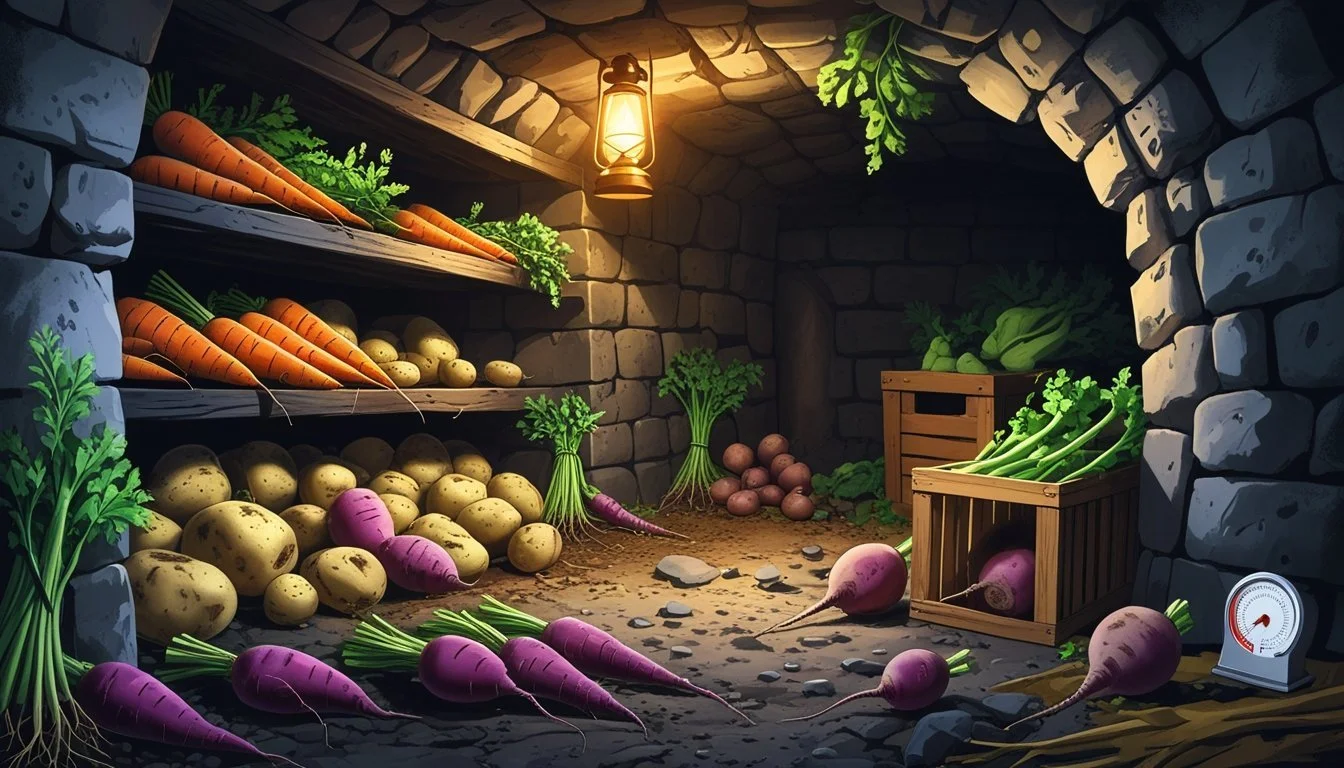
Root cellaring relies on natural processes instead of energy-intensive refrigeration, but it is not a universal solution. Success requires close attention to environmental conditions and regular maintenance to prevent spoilage and loss.
Environmental Factors
Root cellars depend on stable temperature and humidity for effective cold storage. Achieving the ideal range—typically 32–40°F (0–4°C) with 85–95% relative humidity—can be difficult, especially in regions with harsh winters or hot summers.
Air circulation and evaporative cooling are essential. Without proper ventilation, excess moisture leads to mold, while insufficient humidity can cause produce to dry out. Soil type, water table level, and surrounding structures all influence how well a cellar maintains its environment.
Seasonal changes may require adjustments, like shielding from freezing or opening vents for air flow. Flooding and pests are persistent risks, requiring careful site selection and periodic checks. Not every property or climate is suitable for traditional cellaring.
Maintenance and Upkeep
Even a well-designed root cellar requires frequent monitoring. Temperature and humidity must be checked regularly, using reliable thermometers and hygrometers. Spoilage can still occur, so produce should be rotated and inspected for rot, mold, or pests at least once a week.
Regular cleaning is necessary to control mold spores and pests like rodents. Wooden shelves or bins may need to be treated or replaced if they become damp or infested. Any failure in drainage, insulation, or ventilation can quickly compromise the cold storage environment.
Simple issues—such as broken doors or gaps—can have noticeable impact. Ongoing effort is essential to preserve the quality and safety of stored food, making maintenance a key limitation for those relying on cellaring for long-term storage.

