
How Industrial Drying Techniques Affect Longevity in Manufacturing Processes

The choice of industrial drying technique plays a direct role in determining the longevity and quality of products across sectors like food processing, pharmaceuticals, and manufacturing. The way moisture is removed from materials affects their stability, shelf life, and resistance to spoilage or degradation over time. Advances in drying methods have made it possible to better preserve not just appearance, but also the usability and safety of products long after they leave the production site.
Whether through traditional air drying, freeze drying, or newer technologies like spray freeze drying, each method offers unique impacts on how long a product retains its essential properties. Selecting the right drying technique is essential for manufacturers who aim to deliver items that last, meet regulatory standards, and satisfy customer demands for durability and quality.
Understanding Industrial Drying Techniques
Industrial drying plays a crucial role in improving product durability and performance. The specific methods and conditions used can alter moisture content, preserve material properties, and prevent defects.
Overview of Drying Processes
Industrial drying involves removing moisture from materials, often to enhance storage stability or prepare for further processing. This is typically achieved using heat, airflow, or reduced pressure.
Drying processes target various moisture types in the material, such as free, absorbed, and equilibrium moisture. Each kind affects how water is released during drying.
Precision in the method chosen is essential. The wrong technique can cause material degradation or incomplete moisture removal, leading to quality issues such as shrinkage, cracking, or shorter shelf life.
Types of Industrial Drying Methods
Several industrial drying techniques are commonly used, each suited for different materials and applications. Popular methods include:
Hot Air Drying: Uses heated air to evaporate moisture. It is simple and widely applied.
Vacuum Drying: Lowers pressure to reduce boiling point and speed drying, suitable for heat-sensitive products.
Freeze-Drying: Removes moisture by sublimation, preserving shape and structure, common for pharmaceuticals and food.
Osmotic Dehydration: Draws out moisture through immersion in solutions, maintaining nutritional qualities.
Industrial scale dryers—such as rotary, tunnel, or fluidized bed dryers—offer further flexibility. Each method varies in energy efficiency, process control, and impact on product quality.
Importance of Drying Conditions
Drying temperature, humidity, and airflow directly influence the effectiveness of the industrial drying process.
Precise control of these conditions prevents defects like warping, cracking, or discoloration, especially for sensitive materials like wood pellets and food items. Inadequate conditions may lead to incomplete drying, which can reduce product longevity and promote spoilage.
Optimized moisture removal increases energy efficiency and shortens processing times. Maintaining moisture at safe equilibrium levels helps preserve the integrity and usefulness of products during storage and transportation.
Key Factors Affecting Longevity in Drying
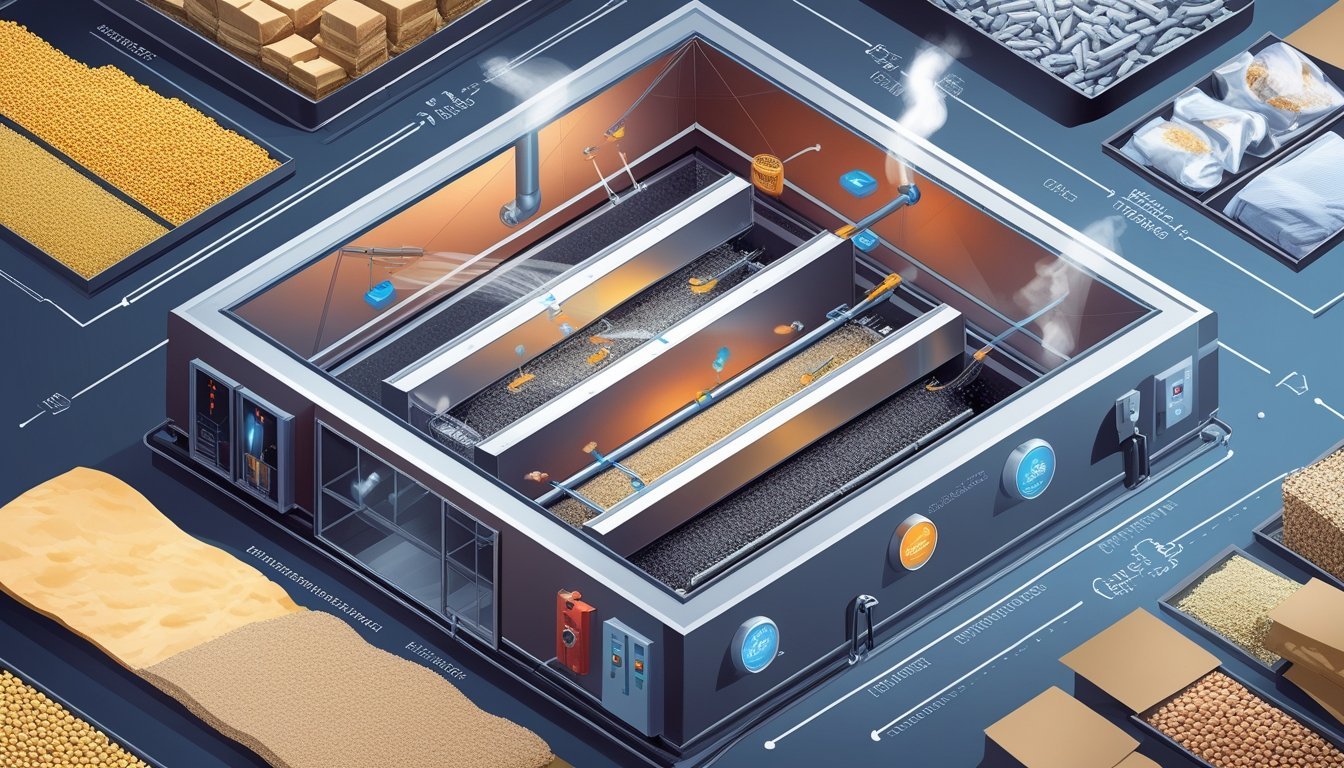
Achieving optimal longevity in industrial drying relies on controlling several specific variables. Moisture levels, product integrity, and even airflow all contribute to how well finished goods withstand storage and use.
Moisture Content and Product Quality
The initial and final moisture content of a product directly impacts its physical stability and shelf life. Excess moisture can lead to microbial growth, spoilage, and degradation, especially in food or pharmaceuticals. On the other hand, drying a product too aggressively may damage its structure or alter its essential properties.
For food products, careful moisture control is critical to preserve taste, texture, and safety. A low-moisture environment slows down oxidation and inhibits pathogens, supporting both product longevity and quality assurance. Many industries use moisture analyzers or weight loss tracking to determine when a batch reaches the optimal dryness point, balancing efficiency and quality.
Uniform Drying and Process Efficiency
Uniform drying ensures that every part of the product receives consistent exposure to heat and air. When drying is uneven, localized moisture pockets may persist, reducing overall shelf life and creating risk zones for spoilage or product failure.
Airflow patterns, temperature distribution, and particle size all play a role in achieving uniformity across the batch. Inconsistent drying often leads to reprocessing or increased energy use, cutting into process efficiency. Manufacturers deploy techniques such as rotating drums, vibrating trays, or adjustable airflow systems to minimize variability and protect product quality on a large scale.
Proper attention to these factors reduces energy consumption and maintains product specifications, supporting both operational goals and end-user satisfaction.
Comparison of Modern and Traditional Drying Methods
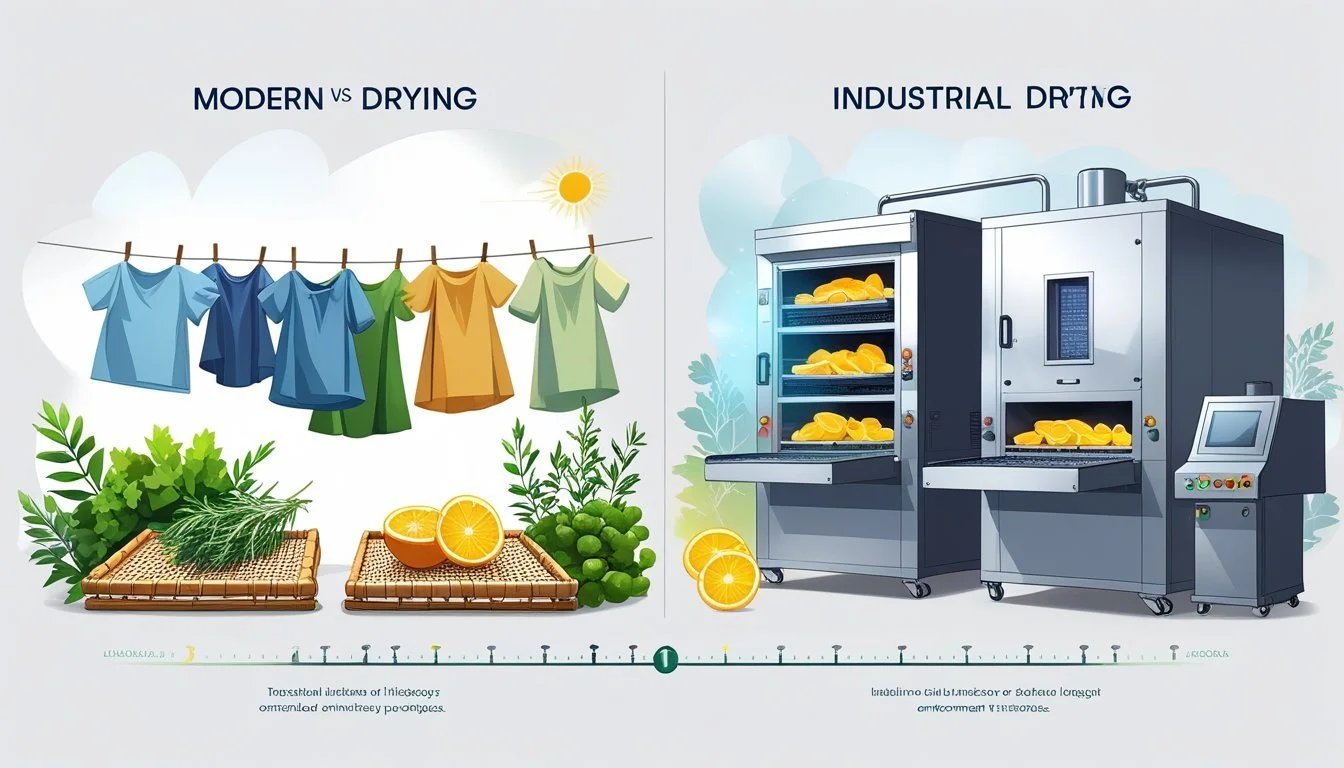
Traditional and modern drying techniques differ in energy efficiency, product quality, and their ability to preserve key compounds. The main distinctions lie in the type of equipment used and how new technologies improve control and consistency.
Traditional Methods vs. New Technologies
Traditional drying methods, such as hot air or contact drying, rely on simple setups and direct heat application. These approaches often result in uneven heating, long drying cycles, and higher energy consumption. Loss of volatile compounds and nutrients is common due to exposure to high temperatures.
Modern drying technologies include vacuum-microwave and heat pump drying. Vacuum-microwave drying uses low pressure and electromagnetic energy, significantly reducing drying time and better retaining flavor and nutrients. Heat pump dryers recycle exhaust air, making them more energy-efficient compared to conventional systems. Combined drying techniques, where two or more methods are integrated, show improved retention of volatile compounds and cost reductions.
A comparison is shown below:
Traditional Drying Modern Drying Energy Efficiency Low High Product Quality Variable More Consistent Nutrient Retention Lower Higher Equipment Cost Lower Higher (initial) Process Control Basic Advanced
Innovation in Drying Equipment
Recent innovations in drying technology focus on integrating temperature control, air flow feedback, and automation. Newer industrial dryers incorporate sensors and programmable logic controllers (PLCs) to maintain optimal drying conditions for extended periods.
Heat recovery in advanced equipment, such as heat pump dryers, allows for reduction in energy losses during operation. This makes the process more sustainable and cost-effective for industries with high drying demands.
Novel dryers combine traditional and modern features, enabling flexible operation modes based on product requirements. Equipment innovations also include enhanced safety features, better materials for corrosion resistance, and modular designs for easier maintenance and scalability.
Energy Efficiency and Sustainability in Drying Operations
Optimizing energy efficiency in industrial drying systems reduces operational costs and environmental impact. Sustainable approaches target reduced energy consumption, integrate advanced heat recovery technologies, and prioritize renewable resources.
Reducing Energy Consumption
Industrial drying processes often require significant amounts of energy, especially in sectors such as textiles, food, and chemicals. Reducing this energy use lowers both expenses and carbon emissions.
Key strategies include improving insulation, using variable speed drives, and automating drying controls to adjust parameters based on load and moisture content. Pre-treatments, like adjusting grain properties before drying, can decrease the required drying energy and improve product quality.
Tracking specific energy consumption (SEC) rather than ambiguous efficiency measures more accurately reflects true progress. Consistent monitoring allows operators to identify and address energy losses.
Heat Recovery Systems
Waste heat is a common byproduct in industrial dryers, but modern systems now recapture and reuse this energy to increase overall efficiency. Heat exchangers and recirculating air systems are frequently installed to recover thermal energy from exhaust streams.
These systems transfer the recovered heat back into the drying process, significantly cutting primary fuel consumption and utility costs. In some facilities, recovered heat is also used for space or water heating elsewhere in the plant.
The use of condensing units for moisture-laden air and integrated heat pumps further enhances recovery. Properly maintained heat recovery infrastructure dramatically increases total system energy efficiency.
Sustainable Industrial Drying Practices
Sustainability in industrial drying extends beyond energy efficiency by considering environmental and economic impacts. Key sustainable practices involve shifting to renewable energy sources, such as solar or biomass-powered dryers, and designing equipment to minimize emissions.
Lifecycle analysis is often used to assess the environmental footprint of drying operations, factoring in resource inputs, waste generation, and long-term durability of equipment.
Regular maintenance, recycling of process water, and upgrading to low-emission burners also contribute to sustainability. Adopting these practices helps industries move toward meeting environmental regulations and sustainability targets without sacrificing productivity.
Applications of Industrial Drying
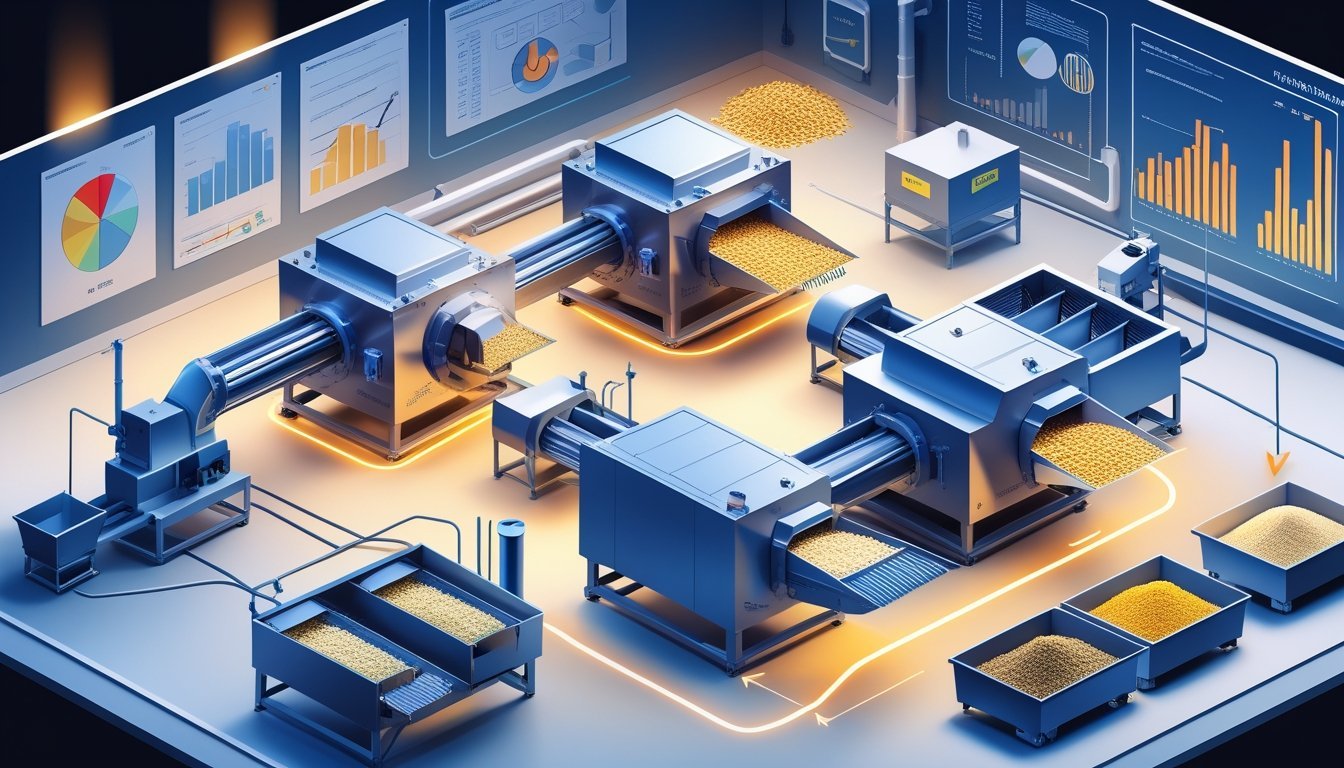
Industrial drying plays a critical role in sectors where product stability, quality, and shelf life are priorities. The selection of drying technique often determines how well a product retains its intended properties during storage and use.
Food Processing and Quality Retention
Drying methods in food processing are used to reduce moisture content, which inhibits microbial growth and extends shelf life. Techniques like hot air drying, freeze drying, and spray drying are commonly used depending on the food type and desired quality.
The rate and method of drying must be managed carefully. Rapid drying at high temperatures can cause nutrient loss, texture changes, and flavor degradation. In contrast, gentler methods such as freeze drying can better retain vitamins, antioxidants, and other sensitive components.
Maintaining food quality and safety relies on proper control of drying parameters. Manufacturers use industrial dryers to process products including fruits, vegetables, meats, and grains. Table 1 below summarizes typical applications:
Food Product Common Method Quality Factors Managed Fruits Freeze Drying Color, Vitamins, Texture Grains Hot Air Drying Moisture, Mold Prevention Dairy Powders Spray Drying Solubility, Flavor
Pharmaceutical and Chemical Industries
Effective moisture removal is essential for the stability, efficacy, and storage of pharmaceutical and chemical products. Many pharmaceutical compounds are sensitive to heat, so vacuum drying and freeze drying are widely used to prevent thermal degradation.
Precise control over temperature and humidity during drying helps maintain the potency of active ingredients and ensures uniform particle size. In chemical manufacturing, removing water or solvents is required to obtain pure, stable end products.
Industrial dryers are also used to prepare powders for tableting, dry granules for encapsulation, and process raw chemicals for further reactions. The choice of drying technique depends on the chemical compatibility, sensitivity, and physical requirements of the final product. Proper technique selection supports both regulatory compliance and product longevity.
Role of Equipment and Sensor Technology
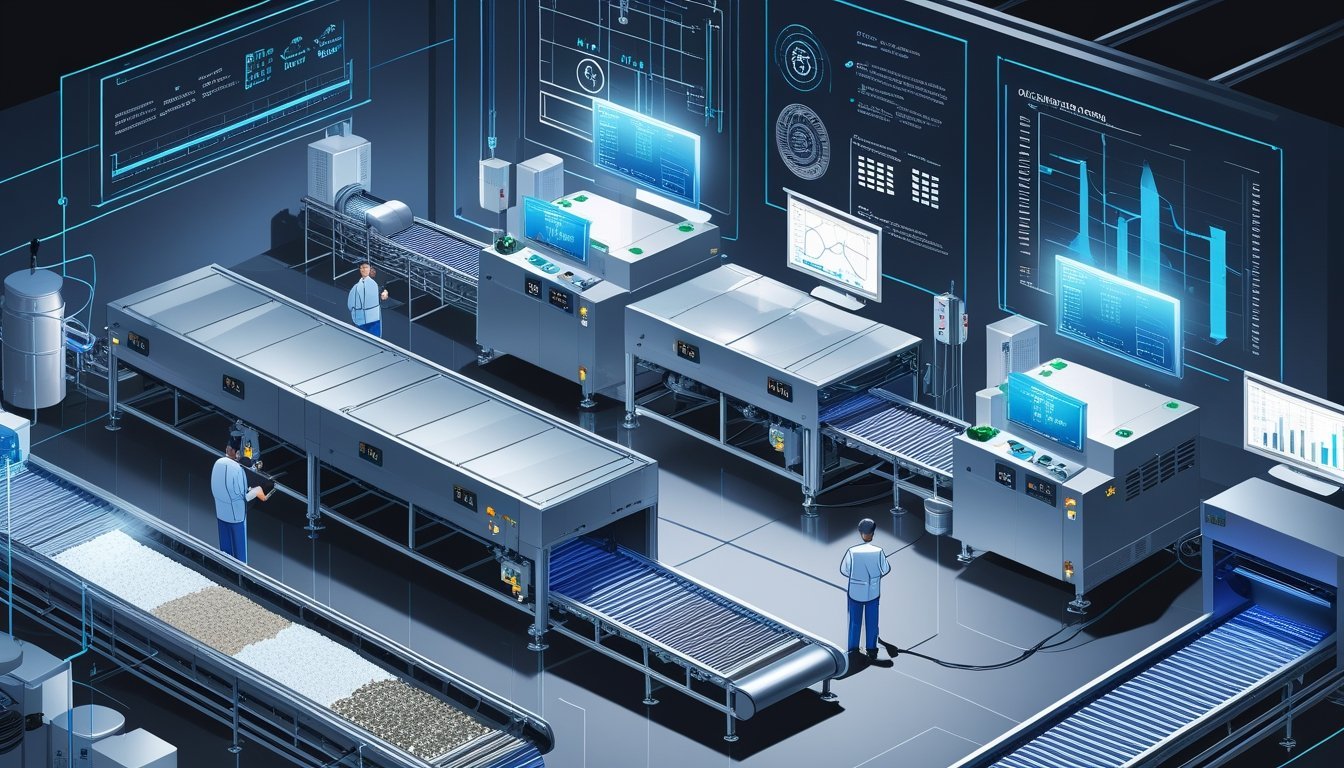
Modern industrial drying depends on both the choice of equipment and the integration of advanced sensors. These innovations directly impact efficiency, product quality, safety, and the lifespan of drying systems.
Advancements in Drying Equipment
Industrial drying equipment has evolved to handle a wide variety of products, including food, pharmaceuticals, and materials like wood or textiles. Current systems such as fluid bed dryers and rotary dryers allow for precise control over temperature and airflow.
Key benefits of advanced equipment:
More uniform drying, reducing uneven moisture distribution
Higher energy efficiency, often with decreased operational costs
Easier cleaning and maintenance, which extends equipment longevity
Manufacturers often select equipment based on the material’s moisture profile and the required throughput. Longevity is significantly affected by how well a dryer manages thermal and mechanical stress. Well-designed equipment prevents buildup, minimizes corrosion, and simplifies troubleshooting.
Integration of Sensor Technology
Accurate sensor technology is essential for real-time monitoring of critical parameters like temperature, humidity, and airflow in industrial drying equipment. Sensors ensure the drying process runs within optimal limits, reducing the risk of overheating and material spoilage.
Common sensor integrations include:
Temperature sensors for precise heat control
Humidity sensors for monitoring moisture content
Flow meters for regulating air or gas movement
By enabling automated feedback and process adjustment, sensors help avoid conditions that might cause premature equipment failure. Integration of nano- and micro-sensors is becoming more common, improving both energy consumption and consistency in drying, which further supports the long-term reliability of the system.
Process Control and Predictive Maintenance
Efficient industrial drying relies on the precise management of drying parameters and the preemptive handling of equipment issues. Both process control and predictive maintenance contribute directly to product quality, energy efficiency, and the longevity of key system components.
Process Monitoring and Control Systems
Modern drying lines are equipped with advanced process control systems that constantly monitor critical parameters like temperature, humidity, and product moisture content. These systems often use feedback loops such as PID (Proportional, Integral, Derivative) controllers to adjust airflow, temperature, and conveyor speed in real time.
Engineers analyze sensor data to detect deviations from setpoints and trigger corrective actions. For example, if real-time moisture sensors show product moisture rising above target levels, airflow or heat input is increased. This rapid adjustment minimizes thermal stress on the material and drying chambers, reducing wear on equipment.
Some facilities implement machine learning or model predictive control algorithms. These utilize historical and real-time data to predict system behavior and optimize performance, further protecting machinery and extending operational life.
Monitoring Parameter Typical Control Action Temperature Adjust heating elements Moisture content Regulate airflow/velocity Humidity Modify ventilation rates
Predictive Maintenance Strategies
Predictive maintenance uses continuous equipment monitoring and data analytics to forecast potential failures before breakdowns occur. Sensors track variables such as motor vibration, bearing temperatures, and fan speeds. When abnormal patterns are detected, maintenance teams intervene proactively.
This approach reduces unplanned downtime and extends the service life of drying equipment by preventing issues like belt misalignment or motor overheating. Predictive models integrate with process control systems, providing engineers with alerts and actionable insights.
Key predictive maintenance tools include:
Vibration analysis for rotating components
Infrared thermography for electrical parts
Oil analysis for gearbox health
By scheduling repairs based on data trends rather than fixed intervals, plants lower maintenance costs and maintain reliable, efficient operation of drying systems.
Specific Industrial Drying Techniques and Their Impact
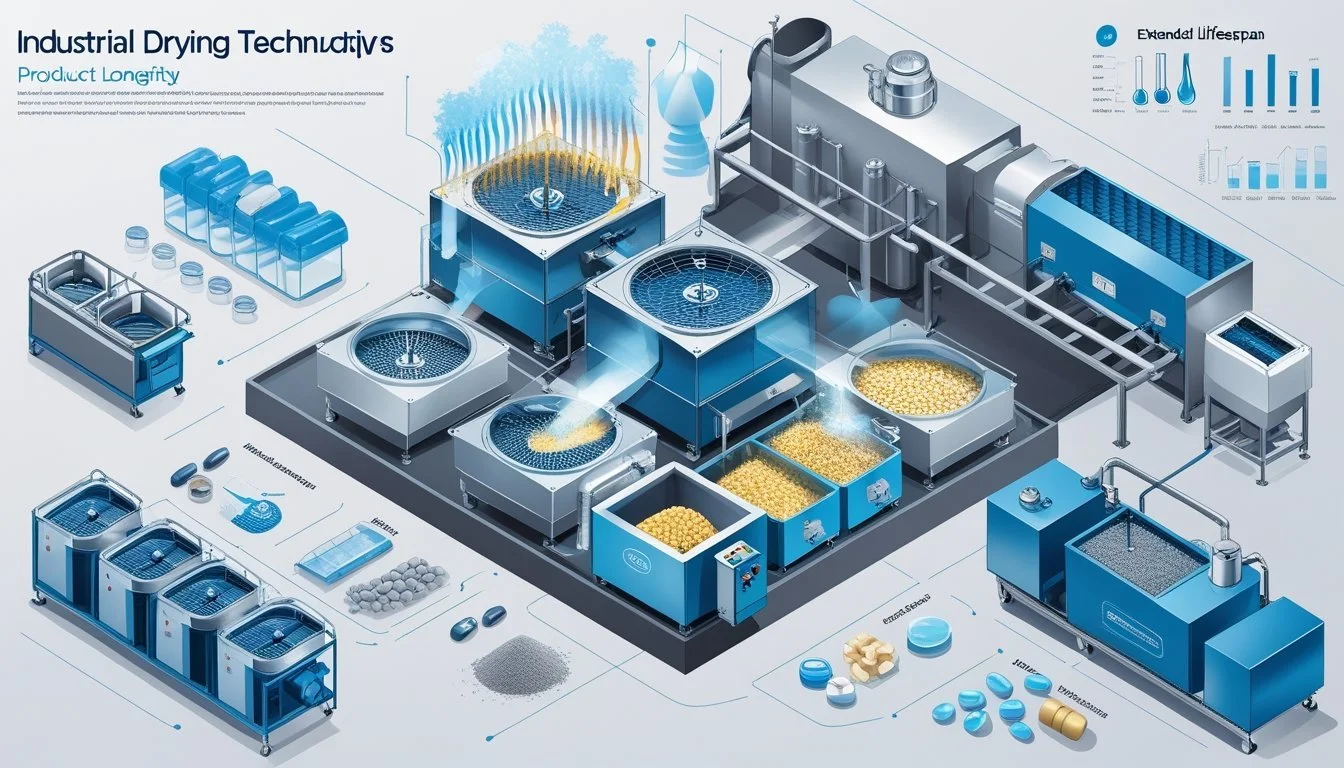
Each industrial drying method provides unique advantages and trade-offs for product quality, longevity, and efficiency. Factors such as moisture content, temperature sensitivity, and economic constraints guide the selection and performance of these drying approaches.
Spray Drying Benefits
Spray drying is widely used in industries like food, pharmaceuticals, and chemicals to produce powders with uniform quality. This method rapidly converts liquid into dry particles by spraying the feed into a chamber of hot air.
Key benefits include:
Fast processing: Reduces drying time, which helps minimize degradation.
Controlled moisture removal: Enhances shelf life by reliably reducing water content.
Product uniformity: Generates highly consistent particle size and flow properties.
Spray drying also improves flexibility, allowing manufacturers to dry various product formulations. However, high energy usage can increase operational costs, so it is most suitable for heat-stable materials where rapid throughput is needed.
Freeze Drying Versus Air Drying
Freeze drying, also known as lyophilization, removes water by freezing the product and then reducing pressure to sublimate the ice. Air drying uses heated airflow to evaporate water from the product surface.
Feature Freeze Drying Air Drying Rate Slow Fast Energy Use High Moderate to low Product Quality Preserves structure & nutrients May degrade sensitive compounds Longevity Excellent due to low moisture Moderate; higher moisture
Freeze drying maximizes longevity and quality, crucial for sensitive products like biologics or specialty foods. Air drying is more cost-effective but may negatively affect product stability and nutrient retention, especially if temperatures are not properly controlled.
Selecting the Right Technique
Choosing an industrial drying method involves evaluating the product’s moisture sensitivity, cost limits, batch size, and regulatory requirements. Materials prone to heat damage often require freeze drying to maintain structure.
For bulk, non-sensitive products, air drying and spray drying balance efficiency with lower costs. Manufacturers should also consider process flexibility, as some techniques handle a wider range of inputs and formulations.
Proper technique selection supports longevity by achieving the right moisture content without compromising product integrity. Best practices, such as optimizing air temperature and monitoring moisture removal, further enhance dryer performance and lifespan.
Compliance and Industry Standards
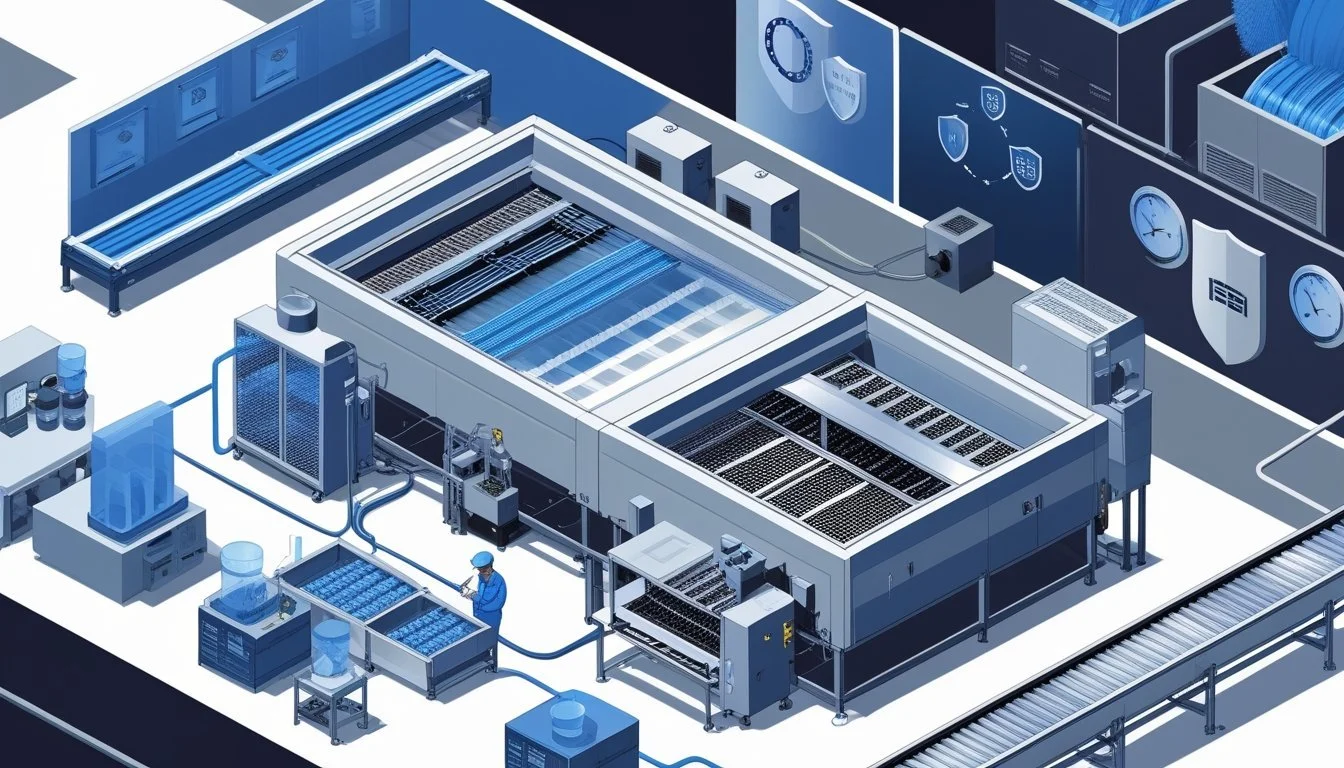
Strict adherence to established codes and standards in industrial drying operations plays a direct role in system reliability and product quality. Ensuring compliance helps reduce downtime, minimize hazards, and prolong equipment lifespan.
Quality and Regulatory Requirements
Industrial drying systems are subject to multiple regulatory and quality standards that govern their design, operation, and maintenance. Organizations must follow specific safety codes such as NFPA, OSHA, and local regulations, which outline fire protection, ventilation, and emergency procedures.
Compliance involves routine inspections, documentation, and scheduled maintenance. Manufacturers and facilities are required to verify that high-temperature environments, airflows, and controls remain within approved safety parameters. Noncompliance may result in fines, increased liability, and reduced production reliability.
Third-party audits and certifications are common in food, pharmaceutical, and wood industries. These processes ensure that drying equipment meets hygiene standards and does not compromise product integrity. Continuous alignment with current standards also promotes equipment efficiency and operational longevity.

