
How Global Logistics Reshape What Shelf Life Means in Modern Supply Chains
Global logistics have fundamentally shifted how companies define and manage the shelf life of their products. Supply chains today must account for longer transit times, stricter customer demands, and the need for more precise tracking of product age and quality. This means shelf life is no longer a static number printed on packaging; it’s a moving target shaped by transportation, storage conditions, and market expectations.
As goods travel farther and through more complex networks, businesses must customize shelf life strategies for different markets and customers. Meeting minimum required shelf life at delivery isn’t just about compliance—it directly impacts waste, cost, and customer satisfaction. Understanding these logistical influences can help companies reduce product losses and make smarter distribution decisions.
Understanding Shelf Life in a Globalized World
Shelf life is central to how food products are made, transported, and consumed worldwide. With global logistics, definitions and requirements for product perishability and minimum required shelf life now depend heavily on distance, market practices, and evolving technology.
Traditional vs. Evolving Definitions
Traditionally, shelf life referred to the period a product remained safe and of adequate quality under specific storage conditions. This definition centered on local or regional distribution, where transport times were short and storage requirements consistent.
Shelf-life used to focus mostly on basic factors: product composition, preparation, and packaging. Stores and distributors could rely on set expiration dates because products followed predictable paths through the supply chain.
Today, globalization challenges these assumptions. Food products may travel across continents and experience variable conditions. As a result, the understanding of shelf life must now account for longer, more complex distribution networks and interventions like climate-controlled shipping, which can extend—or compromise—the usable life of perishable products.
The Impact of Global Logistics on Shelf-Life
Global logistics play a direct role in how shelf life is determined and managed. Food products spend more time in transit, often crossing multiple climate zones with differing regulations and standards.
Key logistics factors affecting shelf life include:
Transit duration and delays
Quality and technology of storage (e.g., refrigeration, modified atmosphere packaging)
Handling stress and restocking times
Often, companies establish a minimum required shelf life at delivery to ensure retailers and consumers receive food in good condition. Enhanced logistics can extend effective shelf life, but any breakdown—like a missed refrigeration window—increases the risk of spoilage or reduced quality. As a result, logistics strategies now shape not just how long products last, but which markets they can viably reach.
Differentiated Shelf Life by Market
Shelf life is no longer a fixed measure but is adjusted according to the market of destination. High-income and urban markets may demand longer shelf life due to consumer expectations and slower sales turnover. Emerging markets or remote regions might accept shorter shelf lives if it means access to fresher products.
For example, regulations in the European Union may require more rigorous labeling or tracking of perishable goods than in other parts of the world. Companies often create region-specific packaging and labeling, optimizing for both transport conditions and end-market shelf-life requirements.
Globalization makes it essential to consider multiple shelf-life standards at once. Producers and distributors must understand the unique logistical, legal, and cultural frameworks of every region they serve, resulting in a tailored approach to managing product perishability across diverse markets.
Key Drivers of Change in Shelf Life
Shifts in global logistics and supply chain management have transformed how shelf life is determined and managed. Factors like purchasing habits, delivery expectations, and new order systems have directly altered storage and distribution practices.
Consumer Demand and Buyer Power
Modern consumers expect access to fresh products with longer shelf life, raising pressure on supply chains. High-frequency purchases, impulse buying, and demand for just-in-time fulfillment have increased the importance of maintaining inventory that meets quality standards.
Large retailers and foodservice chains exercise significant buyer power. They set stricter specifications for product freshness and enforce tight timelines for deliveries. This compels suppliers and logistics providers to optimize cold chain processes and invest in advanced monitoring technology.
Improved logistics enable faster shipping and real-time tracking. This lowers spoilage and helps meet buyer demands, allowing companies to offer longer shelf life while ensuring product safety and quality.
Changing Customer Requirements
Customer requirements are evolving beyond simple shelf life extension. There is growing emphasis on transparency, traceability, and accurate delivery of both planned and actual customer orders.
Distributors must adapt to strict packaging and labeling guidelines to comply with diverse market standards. Special handling for food safety or allergen management increases complexity, requiring more precise storage and transit conditions.
Regulatory pressure and customer preferences together shape logistical solutions. Companies use digital tools for monitoring temperature and expiration data, ensuring products arrive within their expected shelf life and meet targeted requirements for freshness and quality.
The Role of Global Logistics
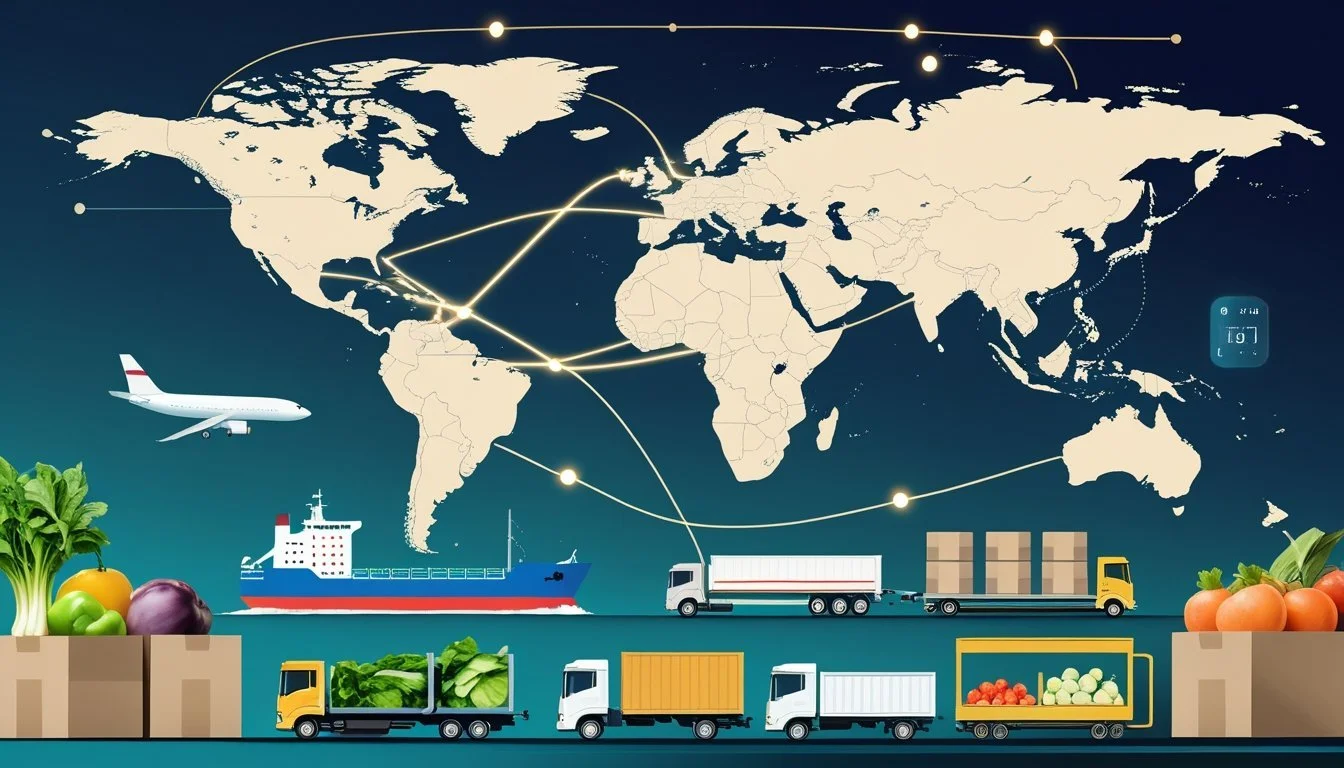
Global logistics directly impact shelf life by shaping how goods are stored, transported, and kept at optimal conditions. The path products take and the rules they encounter along the way determine how long items remain usable or saleable.
Distribution Network Complexities
A global distribution network involves multiple modes of transport, storage facilities, and handoffs. Every added step increases the risk of delays, temperature fluctuations, and exposure to damaging conditions. Perishable goods, like produce or pharmaceuticals, are particularly vulnerable if logistics are not tightly controlled.
Key logistics challenges include:
Maintaining a consistent cold chain
Minimizing dwell times at transfer hubs
Coordinating real-time shipment tracking
A robust logistics setup incorporates advanced technologies, such as IoT sensors for monitoring conditions and predictive analytics for route planning. Table 1 highlights the impact of distribution stages on product shelf life:
Stage Potential Impact on Shelf Life Port Handling Risk of delays/temperature shifts Long-Haul Transport Extended transit time Local Distribution Exposure during handling
The complexity of this network means shelf life is not purely a function of production date, but also of the distribution environment.
International Trade Policies and Tariffs
International trade policies and tariffs introduce additional hurdles in global logistics. Regulatory checks can slow shipments, leading to longer transit times and reduced shelf life for sensitive products.
Tariffs may force companies to adjust their production and distribution network to remain cost-effective. Some businesses opt for regional warehousing or change shipping routes to avoid higher duties or restrictive policies.
Documentation requirements and inspections at borders often result in unpredictable hold times. Logistics setups must plan for these scenarios, factoring in the shelf stability of each product type.
Working with customs brokers and leveraging free trade agreements can help mitigate some of these risks. However, the influence of trade policy remains a central consideration when designing any logistics strategy that affects shelf life.
Cold Chain Logistics and Perishable Product Handling
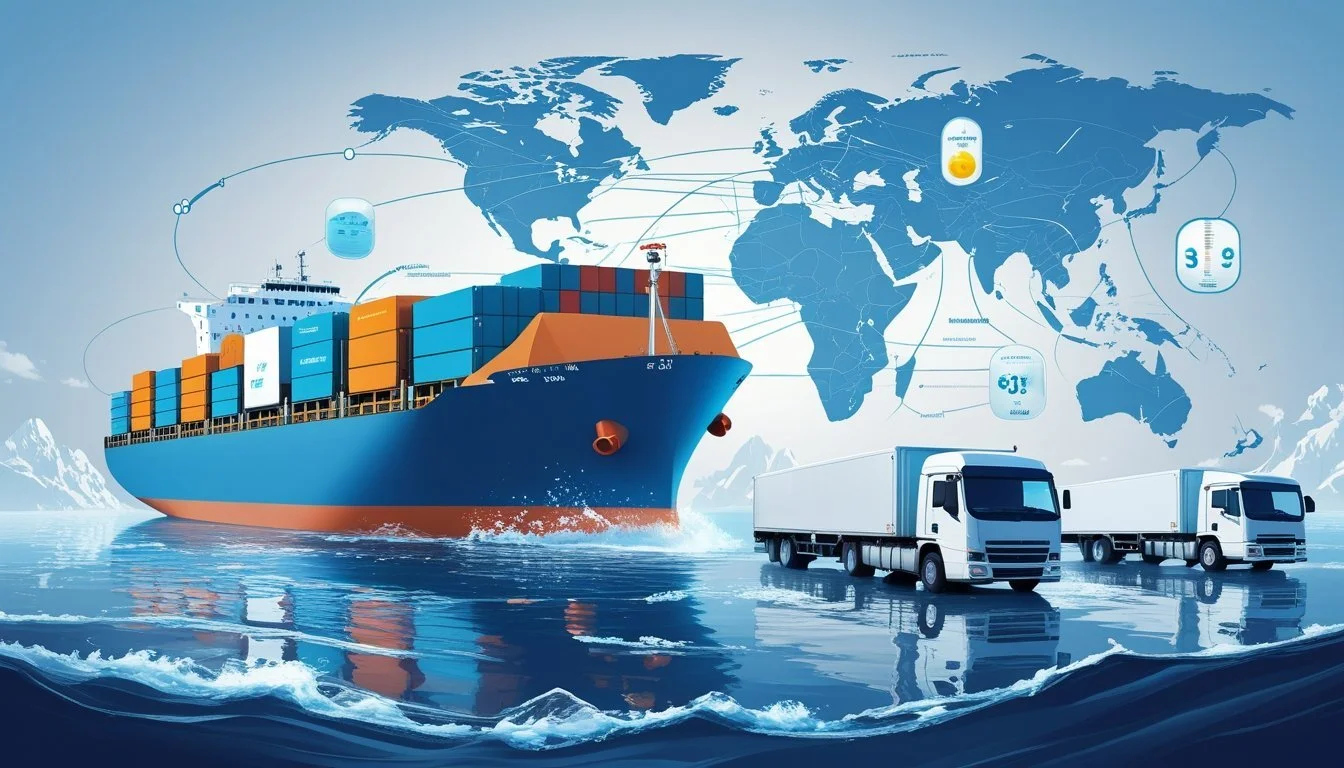
Maintaining the integrity of perishable products throughout transit relies on precise temperature management and careful oversight. These processes help limit spoilage, safeguard public health, and support global trade in food and pharmaceuticals.
Temperature Control and Real-Time Monitoring
Cold chain logistics depend on keeping products like meat, dairy, produce, and vaccines within strict temperature ranges at every stage—production, storage, transit, and delivery. Even minor deviations can quickly reduce shelf life and lead to spoilage.
Modern cold chain systems employ insulated containers, refrigerated trucks, and automated climate controls. Real-time temperature monitoring is now standard, using IoT sensors to continuously relay data to central management systems.
A typical cold chain monitoring setup includes:
Stage Temperature Range (°C) Monitoring Frequency Production 0–4 Continuous Transit 0–4 Every 5–15 min Storage/Distribution 0–4 Continuous Retail 0–5 Periodic (Daily)
This visibility helps logistics operators react immediately to temperature breaches, reducing losses and ensuring delivery of safe, high-quality goods.
Food Safety and Quality Control
Maintaining food safety and quality hinges on preventing microbial growth and chemical changes caused by inadequate temperature control. Cold chain standards are set by food safety authorities to reduce the risk of foodborne illnesses.
Quality control practices include:
Regular inspection of cooling equipment
Documentation of temperature data for traceability
Rapid response procedures for incidents (e.g., thermal excursions)
These protocols help minimize large-scale waste and public health incidents. For retailers and logistics providers, compliance with food safety regulations is mandatory, often verified through audits and temperature log reviews.
By prioritizing both temperature control and quality assurance, cold chain logistics protect consumer health and extend the marketability of perishable goods globally.
Technological Advancements in Shelf Life Management
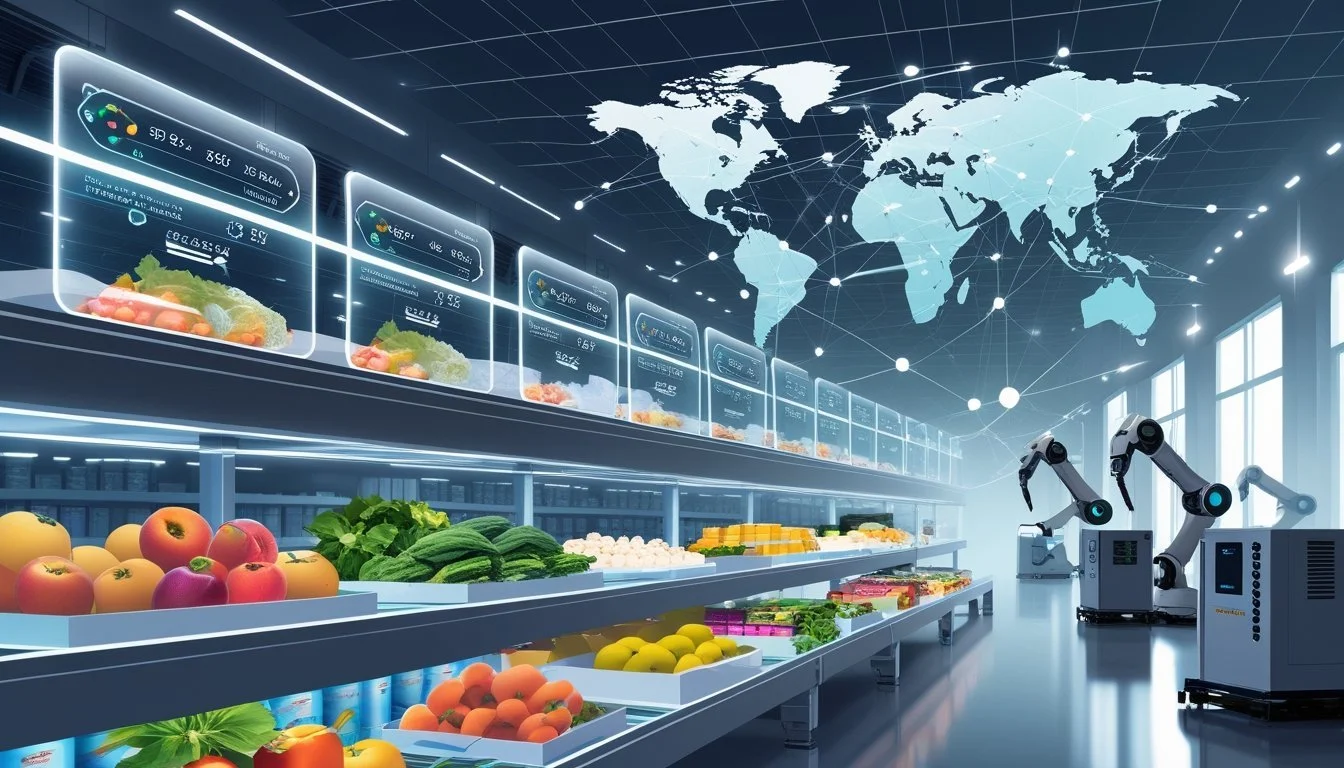
Advances in technology have significantly changed how food producers, logistics companies, and retailers manage and monitor shelf life. Key tools now include real-time monitoring devices, digital recordkeeping, and data-driven planning.
IoT and RFID for Traceability
The integration of IoT sensors and RFID tags into supply chain operations allows for continuous monitoring of environmental conditions such as temperature, humidity, and shock. This data is automatically recorded and transmitted along each step of the journey.
RFID (Radio Frequency Identification) systems provide unique identifiers for each product or batch. This ensures quick, precise tracking through every link in the cold chain. Problems, such as temperature excursions, can be detected and traced back to the specific point of occurrence, reducing waste and supporting accountability.
Key benefits include:
Instant alerts about unsafe temperature variations
Detailed product movement records
Automated compliance documentation
Blockchain and IT Solutions
Blockchain technology offers a decentralized ledger for recording every transaction and condition change in the supply chain. This increases transparency and prevents tampering or data loss. Each entry is time-stamped and immutable, providing verifiable history for regulators, suppliers, and consumers.
IT solutions built on blockchain platforms often include smart contracts that automate quality checks and trigger actions, such as recalls or expiration warnings, when certain criteria are met. This approach strengthens food safety, supports regulatory compliance, and enhances consumer trust.
Benefits include:
End-to-end traceability
Reduced administrative complexity
Improved ability to verify shelf life claims
AI in Shelf Life Planning and Execution
Artificial intelligence (AI) systems are now being used to predict and manage shelf life with greater accuracy. These systems analyze historical data, real-time sensor inputs, and external variables (like weather or transportation delays) to forecast when products will reach the end of their usable life.
AI tools can generate precise shelf life projections for each product batch. They also recommend optimal routing and storage strategies to extend freshness. In execution, AI-driven alerts can trigger actions to move or discount products that are approaching expiration, thus reducing both spoilage and lost sales.
Applications include:
Dynamic shelf life estimation
Proactive inventory management
Real-time decision-making support in the supply chain
Inventory Management and Efficiency
Companies use logistics to tightly control inventory flow and monitor shelf life, which helps reduce waste and costs. Streamlined supply chain decisions and precise delivery strategies allow organizations to maintain product freshness and maximize resources.
Planning Processes and Supply Chain Decisions
Inventory management today relies on real-time data and forecasting models to plan stock levels and distribution. For perishable goods, knowing the remaining shelf life is critical for supply chain decisions. Companies adopt first-in, first-out (FIFO) systems and automated replenishment methods to ensure timely turnover of products, minimizing spoilage and obsolescence.
Advanced supply chain planning considers storage conditions, transit times, and temperature control for each product batch. Efficient planning optimizes routing and storage, reducing the risk of overstocking or understocking. Smart logistics units track residual shelf life, giving supply chain managers actionable information to prioritize shipments and adapt to changes quickly.
Delivery Performance and Efficiency Gains
Modern logistics emphasize fast, accurate delivery to maintain product quality and meet customer expectations. Using inventory management systems, companies track the location, age, and condition of items at every step. This allows for rapid identification and movement of products approaching the end of their shelf life.
Data-driven delivery performance ensures that goods with the shortest shelf life are prioritized for the fastest shipping. Temperature-controlled transport and improved traceability lower spoilage rates and enhance overall supply chain efficiency. Companies can adjust delivery routes and schedules based on inventory status, reducing transit times and unnecessary handling.
Packaging Innovations and Solutions
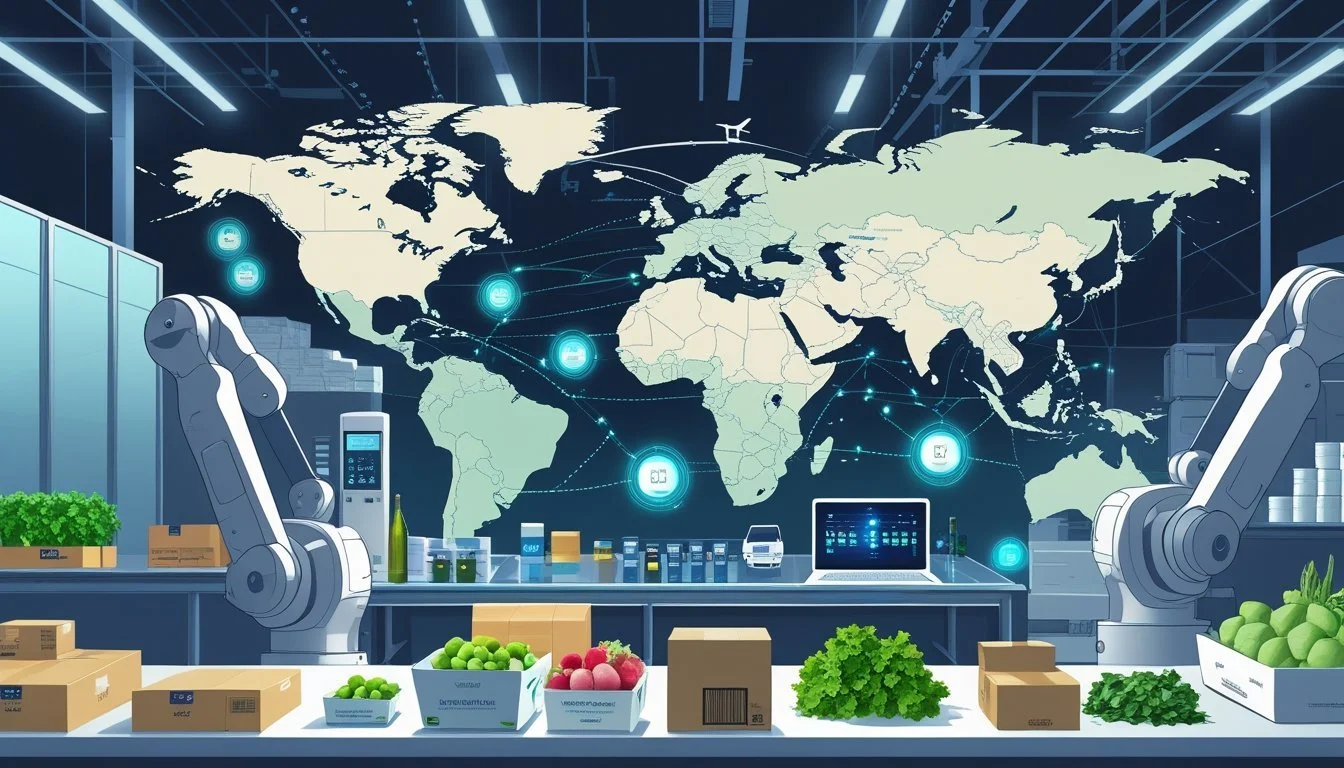
Advanced packaging solutions are redefining the concept of shelf life by integrating new technologies and materials. These changes are crucial as global logistics demand more durable, reliable, and smart ways to protect sensitive goods during transit and storage.
Modified Atmosphere Packaging
Modified atmosphere packaging (MAP) uses a controlled mix of gases such as oxygen, carbon dioxide, and nitrogen to slow spoilage and microbial growth. By adjusting the package’s internal atmosphere, this method reduces the rate at which food deteriorates.
MAP is widely applied in the food industry, particularly for perishable items like meat, dairy, and produce. The main benefits include longer shelf life, improved food safety, and reduced use of preservatives. Companies often rely on MAP to safely extend distribution times required in international shipping.
The effectiveness of MAP depends on accurate gas mixtures and high-quality barriers to prevent leaks. As shipping times increase, the importance of MAP continues to grow, enabling products to maintain freshness over long distances.
Developments in Packaging Industry
The packaging industry is investing in both smart and sustainable materials. Intelligent packaging, which may include sensors or indicators, helps track freshness, temperature changes, and potential tampering during shipping.
According to recent market projections, the global intelligent packaging market is expected to rise from USD 29 billion in 2025 to over USD 65 billion by 2034, reflecting increased demand and investment. Innovations also focus on sustainable materials to meet regulatory and consumer expectations, aiming to reduce waste and improve recyclability.
Other advances include antimicrobial coatings and active packaging, which absorb ethylene or moisture to slow spoilage. Together, these developments ensure that goods withstand extended journeys in global supply chains while minimizing quality loss.
Managing Raw Materials and Production Inputs
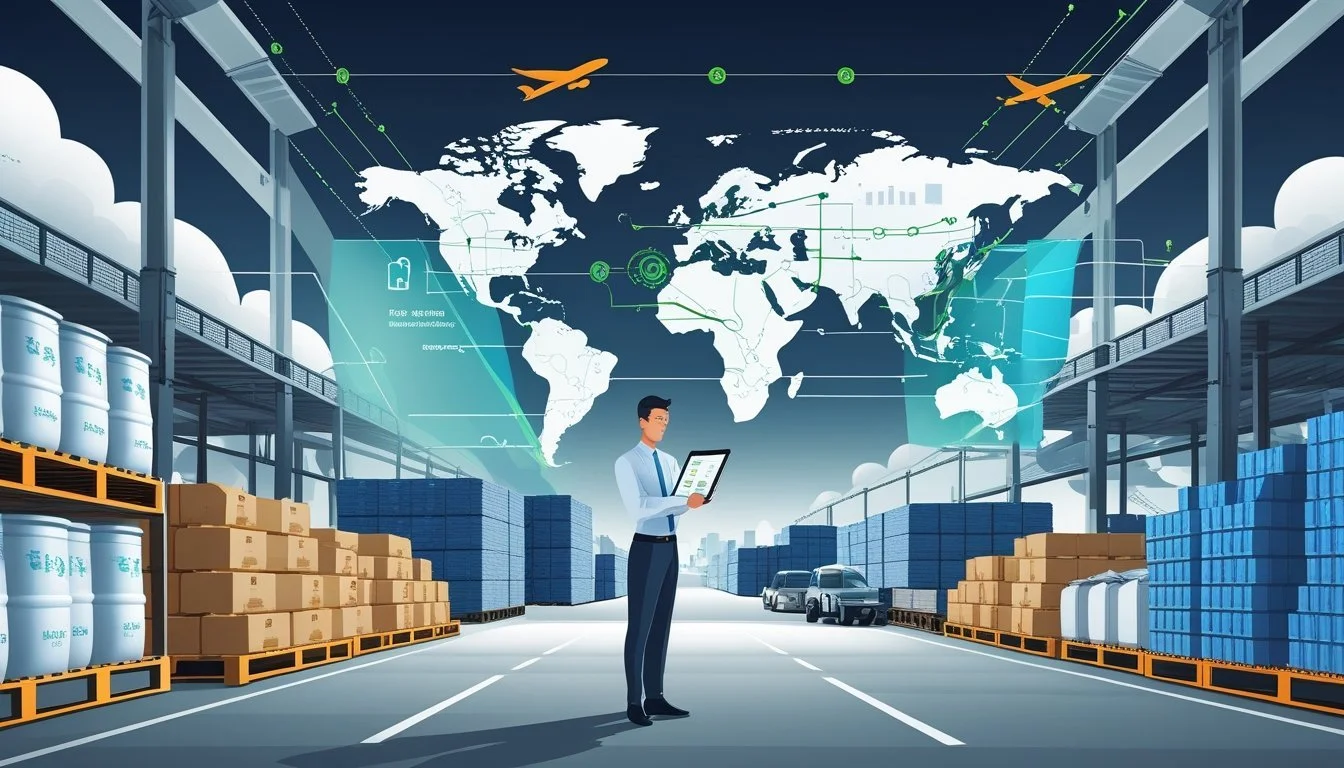
Global logistics have a direct impact on how businesses handle raw materials, especially as complexities increase with longer supply chains. Logistics decisions shape not only how materials are sourced but also how shelf life is managed at every stage.
Sourcing Raw Materials Globally
Companies often source raw materials from multiple regions to balance cost, quality, and availability. Delays in transport and customs can reduce the usable lifespan of perishable or sensitive inputs, such as foods, chemicals, and pharmaceuticals.
It is essential for supply chains to track and record material shelf life and expiration dates from the moment products leave suppliers. For example:
Material Type Typical Risks from Extended Transit Best Practices Fresh Produce Spoilage, reduced quality Use cold chain logistics Chemicals Degradation, safety hazard Time-stamped tracking Pharmaceuticals Inefficacy, regulatory violation Batch traceability
By aligning logistics timelines with the shelf life of each input, companies can reduce waste and maintain product integrity. Technology solutions like barcode scanning and automated alerts help teams monitor inventory status in real time, ensuring critical materials are used efficiently and compliantly.
Sustainability and Food Security in Global Supply Chains
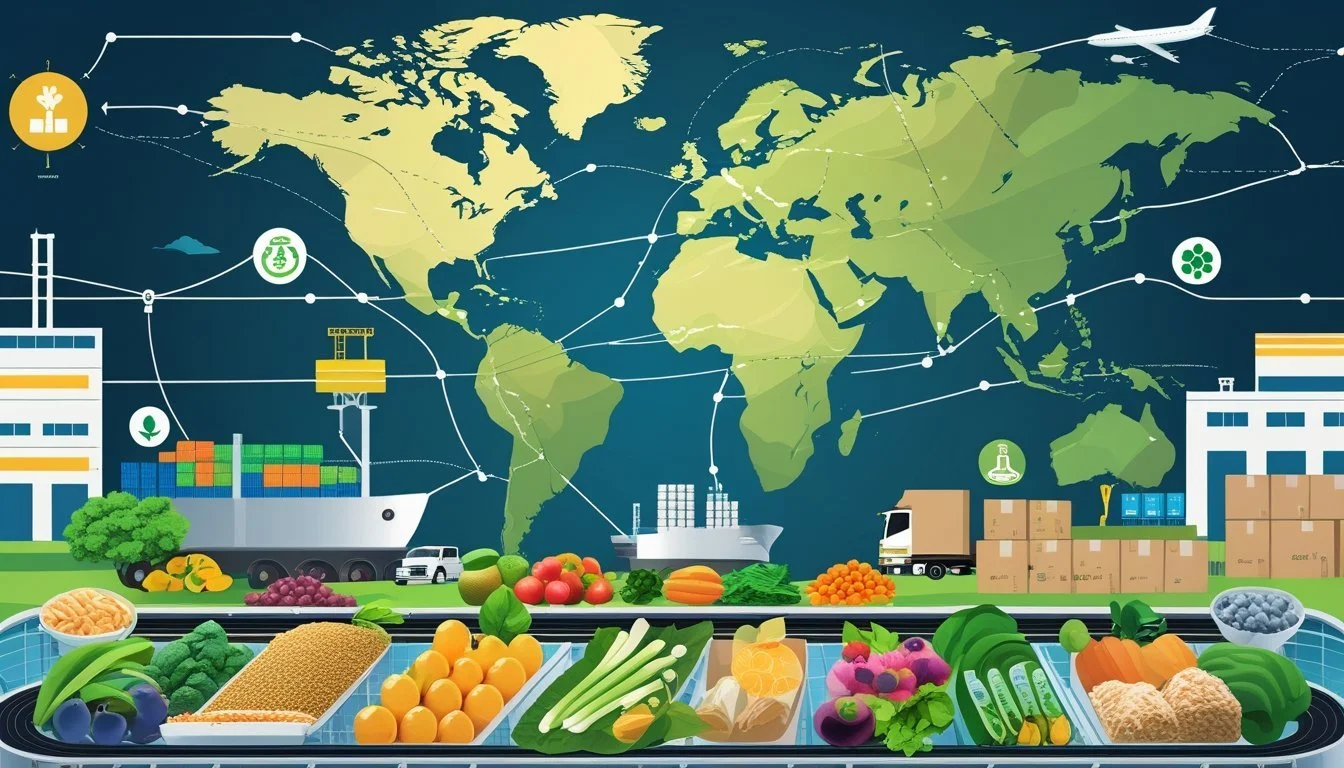
Global logistics challenge both the sustainability and reliability of food systems by exposing supply chains to environmental risks and new distribution demands. Climate shifts, transport networks, and international policies all influence what products reach shelves and how long they stay viable.
Impact of Climate Change
Rising temperatures, droughts, and unpredictable weather change the way food is grown, harvested, and transported. This directly affects crop yields and the shelf life of perishable goods.
Extreme events, such as floods or heatwaves, can disrupt transport infrastructure, creating delays and increasing spoilage rates. Cold chain logistics face new pressures as higher outdoor temperatures demand more energy for refrigeration, raising both costs and emissions.
Sustainable practices, such as optimizing routes and investing in climate-resilient crops, are gaining importance. Companies now monitor emissions data across supply chains and seek partnerships focused on reducing environmental impact through efficiency and innovation.
Ensuring Food Security
Food security depends on the consistent availability and accessibility of safe, nutritious food. Logistics networks must adapt to disruptions, natural disasters, and shifting consumer demands to ensure stable supplies.
Emerging technologies play a vital role. Blockchain provides traceability, while smart sensors monitor real-time conditions during transport, reducing waste and food loss.
Collaboration is essential: governments, NGOs, and private firms must coordinate to streamline customs procedures, invest in infrastructure, and strengthen regional storage capacity. Quick response systems for unexpected shortages help stabilize supply and protect vulnerable populations.
Dates and Labeling: Best-Before, Use-By, and Compliance
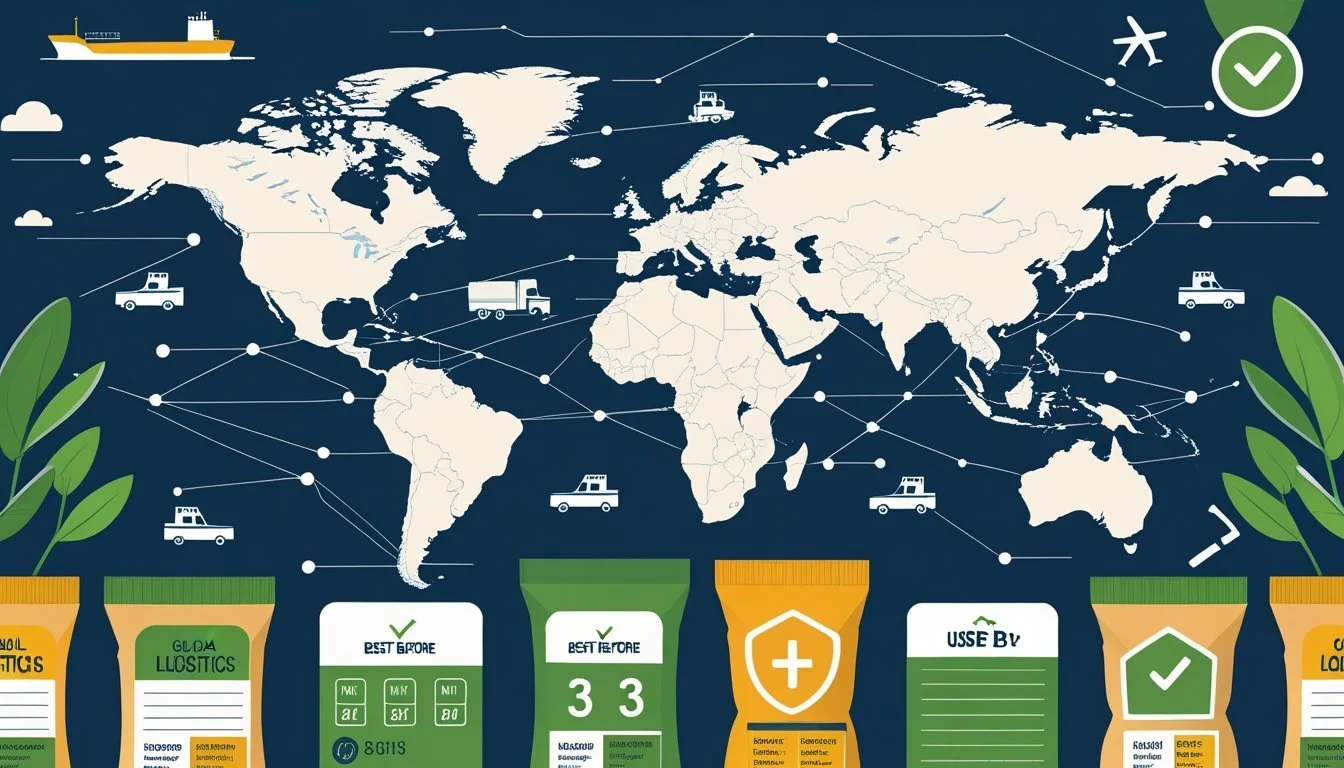
Clear food labeling is central to product safety and quality in global supply chains. The meanings and rules behind best-before and use-by dates differ by country, affecting how global logistics manage shelf life and compliance.
Regulatory Requirements Across Markets
Different regions regulate shelf life labeling differently, with two main date types—best-before and use-by. The best-before date refers to the period when the product retains its optimal quality but may still be consumed after this date if stored correctly. In contrast, the use-by date is linked to safety, especially for perishable foods; products are not recommended for consumption after this date.
Authorities like the EU and US FDA set strict rules for labeling, storage, and sale of food past these dates. For example, some countries require food delivered through e-commerce to retain a minimum percentage of its shelf life at the time of delivery—often between 30% and 45%. Compliance with these regulations ensures product safety and reduces the risk of recalls or legal penalties.
Future Outlook: The Evolution of Shelf Life in Global Logistics
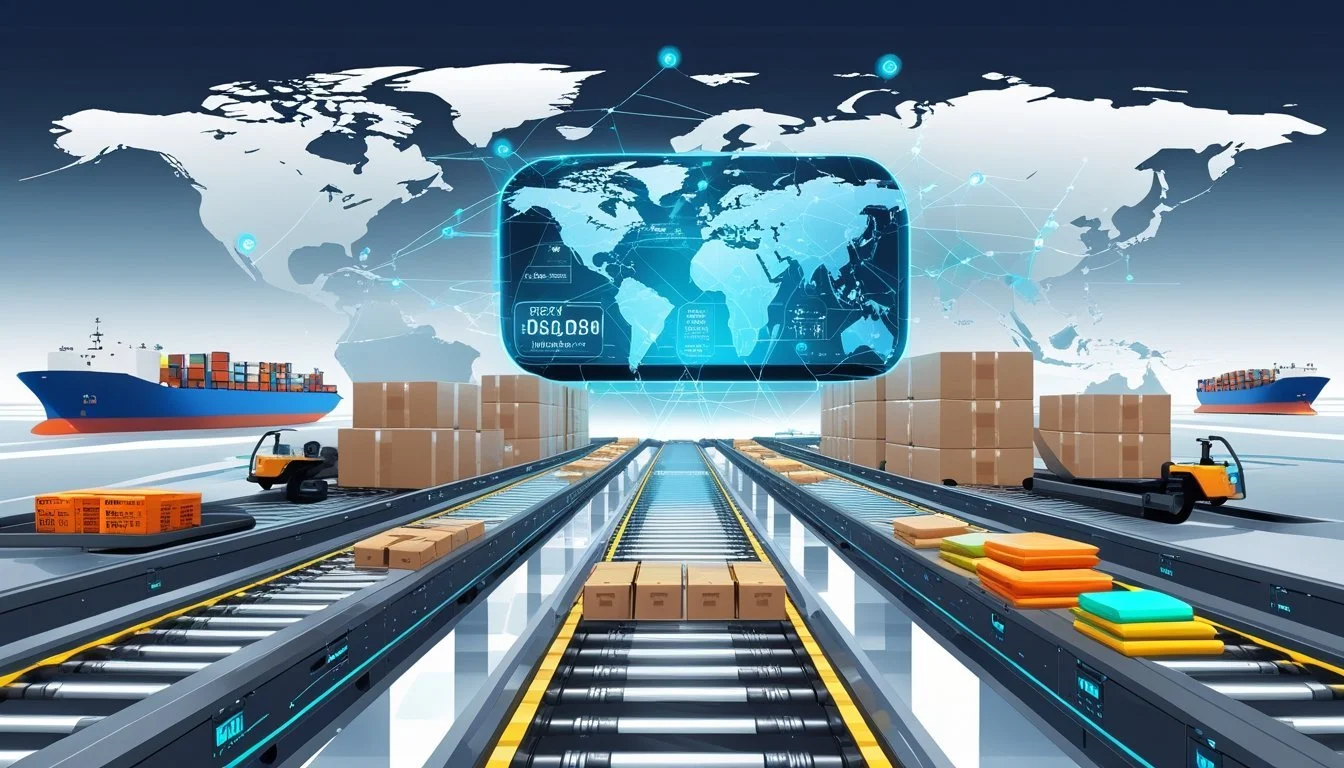
Shelf life standards are increasingly shaped by diverse logistics networks. As companies expand globally, they respond to varying lead times, storage conditions, and transport routes, each influencing how long products can retain quality.
Emerging technologies are driving improvements. Smart sensors and IoT-enabled packaging allow real-time monitoring of temperature, humidity, and handling. These tools help companies adapt shelf life requirements based on exact supply chain conditions rather than using static estimates.
Regulatory changes are also expected as import and export requirements evolve. Governments may introduce new guidelines for labeling and tracking, aiming to protect both consumers and markets as supply chains grow in complexity.
Table: Factors Affecting Future Shelf Life Practices
Factor Impact Logistics setup Varies shelf life across regions Technology Enables dynamic shelf life tracking Regulations Sets new standards and guidelines
Retailers and manufacturers are likely to collaborate more closely with logistics providers. This cooperation can optimize routes and storage, extending shelf life while reducing waste.
Consumer demand for transparency continues to push for advances. Companies may offer detailed shelf life data, accessible through digital labeling or QR codes, to meet expectations for information and safety.

