
Why Some Canned Goods Last 20 Years: The Science Behind Their Longevity
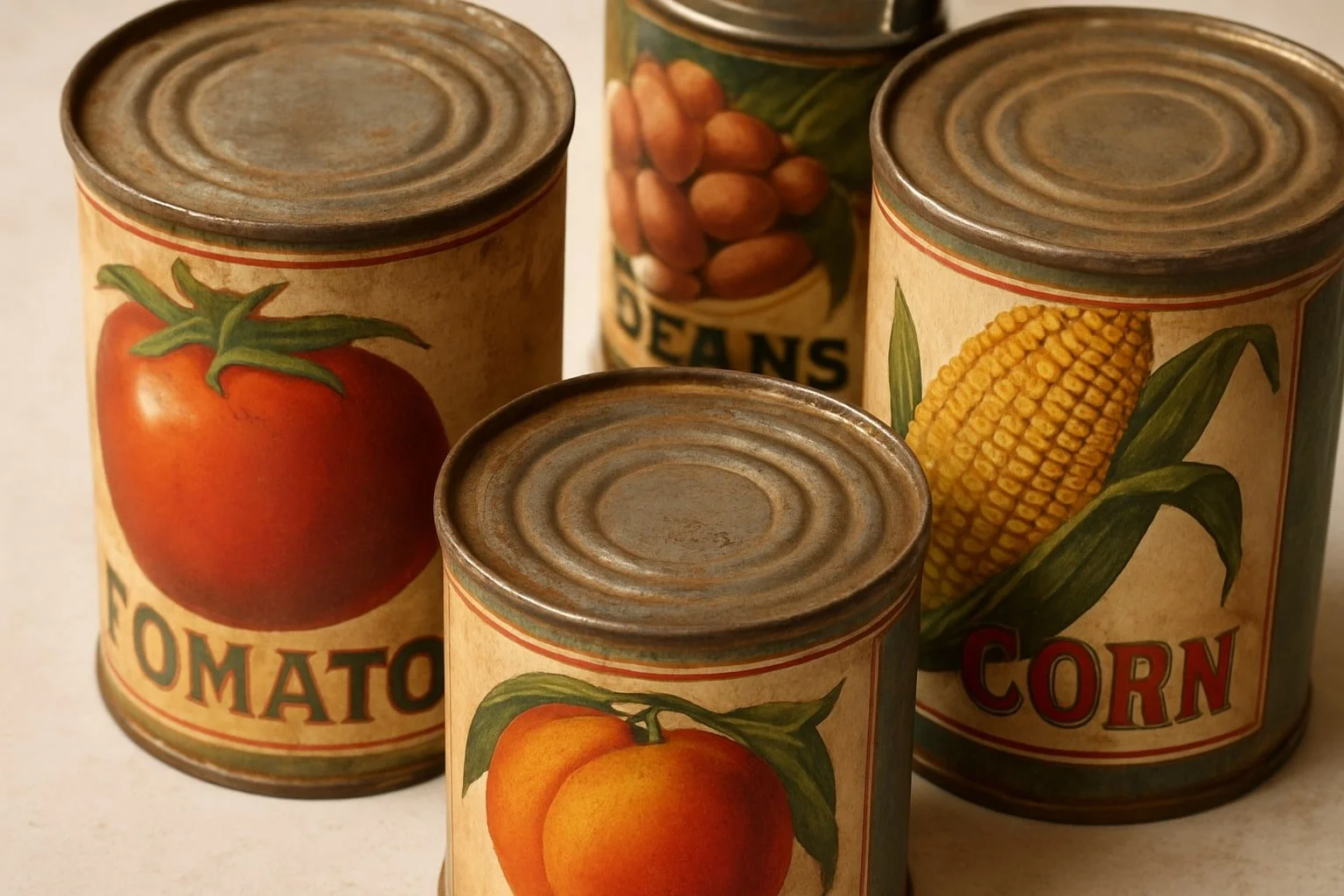
Some canned goods can last 20 years because the canning process removes bacteria and seals out air, keeping food safe as long as the can remains intact. Low-acid foods like meats and vegetables are particularly resistant to spoilage, often lasting several years past their printed dates. Proper storage conditions further extend shelf life, making some canned products surprisingly long-lived.
The secret behind these extended dates lies in both modern food safety methods and the natural properties of the foods themselves. Readers curious about how this preservation works, and what exactly makes some cans outlive others by decades, will find practical answers and useful tips throughout this article.
Understanding the Longevity of Canned Goods
Canned foods have gained a reputation for their remarkable shelf life, with some products lasting for decades. Key factors include the type of food, storage conditions, and the specific preservation methods used in commercial canning.
What Determines the Shelf Life of Canned Foods
The shelf life of canned goods depends on several important factors. The acidity of the food plays a major role: low-acid foods like canned meats, beans, and vegetables usually last much longer than high-acid items such as tomatoes or fruits.
Storage conditions are critical. Canned foods must be kept in a cool, dry environment, away from direct sunlight and sources of heat. Exposure to temperatures above 100°F can cause spoilage or shortened shelf life.
The integrity of the can is also vital. Dents, bulges, and rust can compromise the seal, allowing air or bacteria to enter. Intact, clean cans stored properly can remain safe and edible for many years.
Why Some Canned Goods Last up to 20 Years
Certain canned foods have been found edible and safe after being stored for up to 20 years. This extended longevity is most common with low-acid products like canned meats, soups, and vegetables.
These items benefit from minimal chemical reactions over time due to their low acidity. They are less prone to breakdown and loss of quality than higher-acid foods. Studies and real-world examples have shown that, under optimal conditions, canned foods like these can keep their taste, safety, and nutritional value for decades.
Key factors include a proper seal, lack of oxygen inside the can, and stable temperatures throughout storage. Products are generally still safe to eat if the can appears undamaged and has been stored well.
Role of the Canning Process in Preservation
The canning process is fundamental to the longevity of canned food. During canning, foods are placed into airtight containers and heated to a temperature that destroys microorganisms and inactivates enzymes that could cause spoilage.
This high-heat treatment, often called thermal processing, ensures that bacteria like Clostridium botulinum—which can be deadly—are destroyed. With a vacuum seal, new microbes cannot enter, making the interior a sterile environment.
Because of this, canned goods remain shelf-stable for years. The key features—hermetically sealed cans and effective heat treatment—prevent recontamination, preserving both safety and quality over long periods. Proper canning techniques directly lead to the extended shelf lives seen in many canned foods.
Factors Influencing Canned Food Shelf Life
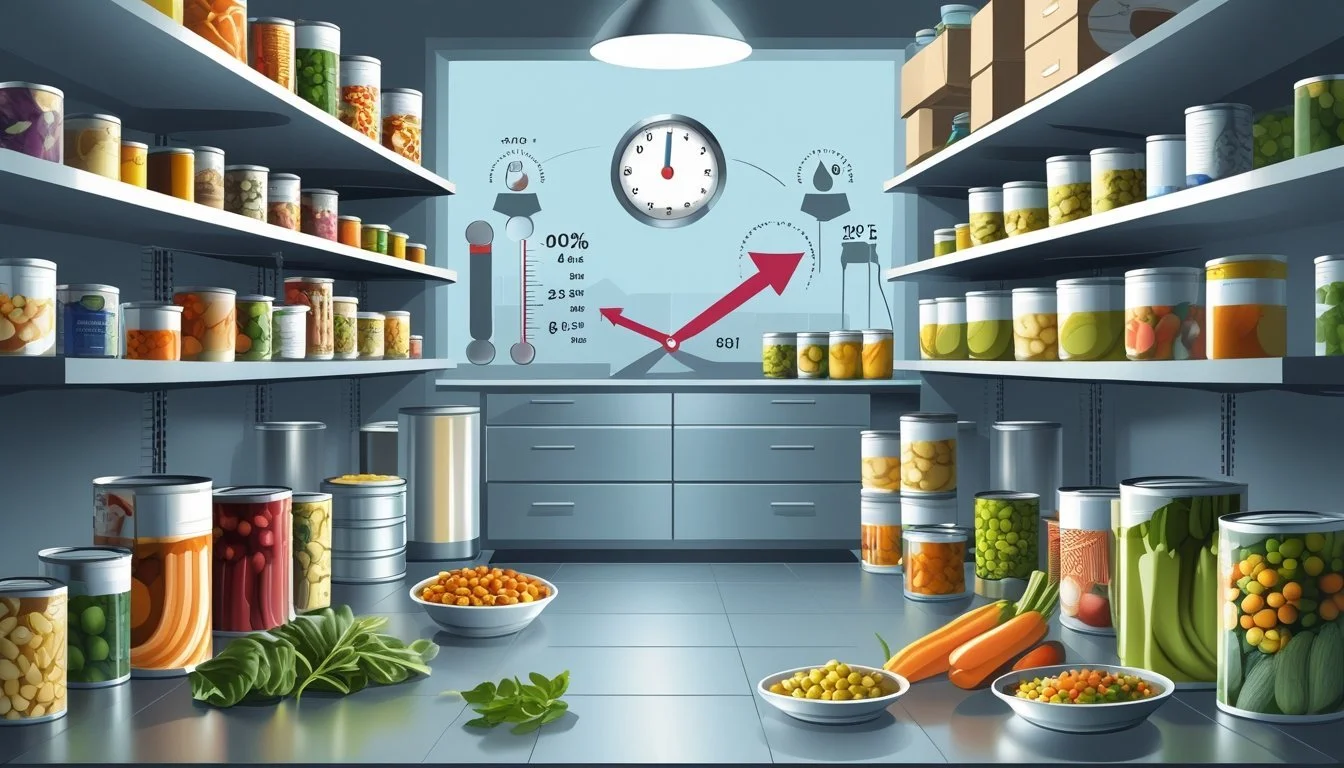
The shelf life of canned goods is affected by a combination of how the cans are stored, their physical integrity, and the specific type of food inside. Each of these factors plays a distinct role in determining whether food remains safe and palatable for years.
Impact of Storage Conditions
Storage methods greatly impact the longevity of canned foods. Cans kept in cool, dry, and dark environments last much longer than those exposed to heat, humidity, or direct sunlight. Fluctuating temperatures or damp storage spaces can accelerate can corrosion and compromise food safety.
Proper storage practices are crucial for any food stockpile. Keeping cans on shelves off the floor, away from stoves and water pipes, helps prevent temperature swings and moisture exposure. Consistent room temperatures—ideally between 50°F and 70°F—slow down the natural breakdown of contents.
A simple checklist for home storage:
Temperature: Maintain below 75°F (24°C)
Humidity: Store in dry conditions
Light Exposure: Avoid sunlight
Organization: Rotate cans using first-in, first-out
Importance of the Quality of the Can
The structural quality of the can directly protects its contents from external threats. Dented, rusted, or bulging cans increase the risk of contamination and spoilage, reducing shelf life significantly.
Modern cans are designed to be airtight and durable. However, poor handling during transport or stocking can weaken seams or generate microscopic holes. Once compromised, oxygen and bacteria can enter, causing food to spoil even in ideal storage.
It is essential to regularly inspect all canned goods within a stockpile. Any can showing signs of swelling, leakage, or severe corrosion should be discarded immediately. Intact cans with no visible damage are much more likely to remain safe for extended periods, sometimes two decades or longer.
Role of Food Acidity in Preservation
The acidity of canned food is a major factor in how long it can safely be stored. High-acid foods—such as tomatoes, citrus fruits, or fruit juices—break down faster and are generally safe for 1 to 1.5 years past their best-by date.
Low-acid foods, like vegetables, meats, and soups, can last 5 years or much longer if sealed and stored well. Lower acidity slows bacterial growth and minimizes chemical reactions that cause spoilage.
The following table shows common canned food types and their relative shelf life based on acidity:
Food Type Acidity Typical Shelf Life Tomatoes/Fruit High 1–1.5 years Vegetables/Meats Low 5–20 years Soups/Stews Low 5–20 years
Choosing more low-acid foods for a long-term stockpile is advised, but even they depend on good storage and can integrity for maximum shelf life.
Types of Canned Foods and Their Durability
The longevity of canned goods depends largely on the type of food, its acidity, and how it is processed and stored. Differences in shelf life can be significant, with some items retaining quality and safety for decades, while others degrade much faster.
Low-Acid vs High-Acid Foods
Canned foods are divided into two main categories based on their acidity: low-acid foods and high-acid foods. Low-acid foods, such as canned meats, vegetables, and beans, generally have a pH above 4.6. These products are less prone to spoilage from microorganisms and can often last 10-20 years if stored in a cool, dry place and the can remains intact.
High-acid foods, which include canned fruits, tomatoes, juices, and pickled products, have a pH below 4.6. The higher acidity helps prevent certain kinds of bacterial growth but also leads to faster degradation of food quality and taste over time. High-acid items typically last about 1-5 years past the best-by date.
Proper storage—away from moisture, heat, and direct sunlight—helps extend the shelf life of both categories. However, the best longevity is usually found in low-acid canned goods, which maintain their safety and edibility far longer than their high-acid counterparts.
Canned Meats and Fish
Canned meats and fish, such as Spam, chicken, beef, tuna, and salmon, are considered low-acid foods. Thanks to the canning process, which uses high heat to destroy microorganisms, these items can remain safe to eat for 10 to 20 years or even longer if stored properly. The nutrient and protein content stays relatively stable, even as flavors may gradually decline.
Canned meats are often packed with preservatives like salt, further inhibiting spoilage. Over time, slight changes in texture and color may occur, but sealed, undamaged cans of meat and fish have demonstrated remarkable durability in controlled studies. This makes them practical for long-term storage and emergency preparedness kits.
When using very old cans, the most important step is to check for signs of spoilage: bulging lids, rust, severe dents, or leaking. As long as the can is intact and shows no signs of compromise, the contents are usually safe.
Canned Vegetables and Fruits
Canned vegetables typically fall into the low-acid category. Examples include green beans, carrots, corn, peas, and potatoes. These items often last up to 20 years when stored in optimal conditions. Loss of texture is more common than dangerous spoilage, though flavors may fade over time.
Canned fruits are usually classified as high-acid foods due to their natural sugar and acid content. Peaches, pineapples, pears, and fruit cocktails generally maintain safety for 1-5 years past their best-by date but may lose taste and quality more rapidly. Acidic foods like tomatoes also fit this category and are best consumed within a few years of purchase.
For vegetables and fruits, best results come from keeping cans in a stable, cool environment. An easy-to-read table of typical shelf lives based on food type is shown below:
Food Type Acid Level Typical Shelf Life Canned Vegetables Low-acid 10-20 years Canned Fruits High-acid 1-5 years Canned Meats/Fish Low-acid 10-20 years
Evaluating Expiration and Spoilage
Canned goods have a reputation for lasting well beyond their expiration dates, but understanding spoilage and how to properly inspect cans is essential for safety. It is not only the printed date that matters, but also the condition of the can and evidence of spoilage.
Shelf Life vs Expiration Date
Manufacturers set expiration dates as guidelines for best quality, not strict safety cutoffs. Many canned foods remain safe and edible for years past these dates when stored in cool, dry conditions.
The shelf life depends on the food’s acidity, storage environment, and the integrity of the can. High-acid foods, like tomatoes or citrus, typically last 12–18 months past the date. Low-acid foods, such as meats and vegetables, can last three to five years and sometimes longer if the can stays intact.
Table: Typical Shelf Lives After Expiration
Food Type Shelf Life Beyond Expiration* High-acid foods 12–18 months Low-acid foods 3–5 years Meats/Fish 3–5 years
*if stored properly and cans remain undamaged
Signs of Spoilage in Canned Goods
Spoilage is not always visible at first, but there are key signs that canned food is unsafe. Bulging cans, leaking seams, or rust are warning signs of compromised seals that may have let in bacteria or air.
When opened, off-odors such as sour, rotten, or metallic smells indicate food spoilage. The presence of bubbling, foam, or unexpected cloudiness in the liquid also suggests bacterial growth. Discard any can with mold, color changes, or a foul smell, even if it is within the expiration date.
List of spoilage signs:
Bulging or swollen cans
Leaking, dented, or heavily rusted cans
Hissing, spurting, or foul odors upon opening
Unusual changes in color or texture
Mold or visible gas bubbles
How to Inspect Cans for Safety
Inspecting cans is a critical step before consuming any canned food, regardless of the expiration date. Start with a visual check for damage such as dents, punctures, severe rust, or swelling.
If the exterior appears sound, open the can and check for any odd smells using a brief smell test. Never taste food from a can that looks or smells bad. Examine the contents for cloudiness, gassiness, or changes to texture.
Discard any damaged or suspicious cans immediately. Proper inspection minimizes risks and helps ensure that long-stored canned goods are still safe to eat.
Food Safety Concerns and Risks
Canned foods are designed for long-term storage, but there are important safety considerations for anyone consuming products kept for years. The safety of canned goods depends on prevention of contamination and correct handling throughout their lifespan.
Botulism and Microorganisms
A primary food safety concern with canned goods is the risk of Clostridium botulinum contamination. This bacterium can produce the botulinum toxin under low-oxygen conditions found in sealed cans. Ingesting even a small amount can cause botulism, a potentially deadly illness.
Canning uses high heat to kill harmful microorganisms. However, if the process fails or a can is damaged, bacteria or spores can survive and multiply over time. Leaking, bulging, or rusted cans may allow bacteria or molds to enter. Symptoms of botulism may appear within hours to days of consumption and include trouble breathing, muscle weakness, and difficulty swallowing.
Major red flags for botulism risk include:
Swollen or bulging cans
Leaking seams
Dented or severely rusted cans
Mitigating Foodborne Illness Risks
Proper canning methods are the first line of defense against foodborne illness. Food industry standards require cans to be hermetically sealed and processed at temperatures high enough to destroy bacterial spores and other microorganisms.
Store canned goods in cool, dry conditions to maintain the integrity of the seal and prevent rust. Check expiration or best-by dates, but more importantly, inspect the can itself before consumption. Never use cans with signs of damage.
When opening a can:
Listen for a hissing sound (other than the standard vacuum release)
Discard any food with an unusual odor, color, or texture
Using these safety steps drastically reduces the likelihood of illness.
Safe to Eat: Evaluating Old Canned Foods
The U.S. Department of Agriculture advises that most shelf-stable canned foods are safe to eat indefinitely if the can is intact and undamaged. However, age can affect food's quality—color, texture, and flavor may deteriorate, even while safety is maintained.
Safe canned food checklist:
Factor Safe Unsafe Can condition Intact, rust-free Bulging, leaking, deeply dented Contents smell Normal Unusual, foul Appearance Unchanged Discolored, moldy Seal integrity Firm, no give Loose lid, popped seal
If any unsafe factors are present, the food should be discarded. When in doubt, it is always safer to throw the can away.
Nutritional Value and Quality After Long Storage
Canned goods provide a convenient source of essential nutrients, but their vitamin and mineral content, as well as overall food quality, can change during extended storage. Understanding which nutrients are most affected and how taste and texture evolve is useful for anyone relying on long-stored canned foods.
Retention of Vitamins and Minerals
Many minerals such as calcium, iron, and potassium are stable and remain present in canned foods for decades. They are not significantly lost during storage, even after many years.
However, water-soluble vitamins tend to degrade more quickly over time. Vitamin C is particularly sensitive; significant loss can occur within the first year and continues to decline with longer storage. Vitamin A—especially in vegetables like carrots—is more stable but still suffers some degradation.
Fat-soluble vitamins (A, D, E, K) generally last longer than water-soluble ones. The extent of nutrient retention also depends on storage conditions, with cool, dark locations slowing vitamin loss. Many canned goods still offer a useful amount of minerals and some vitamins decades after processing.
Nutrient Loss Over Time
The most rapid nutrient losses in canned goods usually occur during heat processing, rather than during storage. For example, up to 50% of vitamin C can be lost during canning itself.
Over decades, continued nutrient decline mostly affects sensitive vitamins. Vitamin C may drop below 10% of its original value after 10 to 20 years. Vitamin A and some B vitamins also decrease but in smaller amounts.
A summary table for approximate nutrient retention after 20 years at room temperature:
Nutrient Retention (%) Vitamin C <10 Vitamin A 20-40 Calcium, Iron, Potassium 80+
People depending on very old canned food for the bulk of their diet may need supplements to maintain adequate vitamin intake.
Changes in Food Quality and Taste
Texture and flavor in canned goods decline gradually over long storage. Even if the food remains safe, vegetables may become mushier, colors may dull, and flavors can flatten or develop metallic notes.
Meats fare better and often retain more flavor and texture due to their higher fat and protein content, though some dryness or loss of juiciness is possible. Fruits may darken and become syrupy over time. Strongly spiced or salted foods tend to mask flavor changes better.
Food quality is affected by temperature swings, exposure to light, and damage to the can, which can also hasten texture and taste decline. Most canned foods stored under stable, cool conditions remain palatable, but quality is never quite the same as freshly canned or recently produced items.
Best Practices for Storing Canned Foods
Properly storing canned foods extends their shelf life and maintains food safety. Specific strategies help prevent spoilage, loss of quality, and contamination, regardless of whether goods are home-canned or commercially produced.
Proper Storage Methods
Canned foods should be stored in a cool, dry place—ideally between 50°F and 70°F (10°C to 21°C). Excess heat can accelerate food degradation, while humidity can cause rust and compromise can integrity.
Light exposure should be minimal. Sunlight and artificial light can promote chemical changes within the can and cause fading in labels, which affects tracking expiration dates. Organized storage is essential; older cans should be placed at the front (“first in, first out”) for easy rotation.
Never store canned goods near sources of moisture, like under sinks or in damp basements. Elevated shelves or pallets help avoid water exposure in case of flooding. For easy storage, label all cans with both the purchase and expiration dates using a permanent marker.
Avoiding Damage to Cans
Damaged cans—including those that are dented, rusted, bulging, or leaking—are more likely to fail over time. Even small dents along seams may allow bacteria to enter, so these should not be used for long-term storage.
Cans should not be frozen. Freezing canned food can cause expansion, leading to seams that crack or burst and potentially spoil the contents. Avoid stacking heavy items directly on top of cans, as excess weight can create unseen denting or pressure points.
Inspect cans regularly for rust or corrosion, especially around the seams and lids. Store cans upright to minimize stress on seams and make it easier to spot leaks. Regularly remove any damaged or suspect cans to maintain safe storage conditions.
Storing Home-Canned vs Commercial Goods
Home-canned foods generally have a shorter shelf life than commercial goods, often about 1 year for optimal quality. High-acid foods like fruits or pickles may last 12-18 months, while low-acid vegetables and meats should be used within 12 months.
Label every home-canned jar and lid with the date of preparation and the contents using waterproof markers. Do not store home-canned foods in temperatures above 95°F (35°C), as this increases the risk of spoilage.
Commercially canned goods are designed for longer shelf life, sometimes remaining shelf-stable for many years if undamaged and unopened. However, all canned foods benefit from the same storage practices: cool, dry, and away from light. Always follow best-by or expiration dates where available.

