
How Cultural Norms Affect Perception of Food Freshness Across Different Societies

Cultural norms directly shape how people perceive food freshness, influencing everything from visual cues to sensory expectations. Across different societies, what is considered "fresh" can vary greatly due to shared beliefs, traditions, and food practices. Elements such as color, texture, and even the language used to describe freshness often reflect cultural standards rather than universal truths.
Social and cultural factors also play a key role in setting meal routines and rituals, which can change how individuals judge and value fresh foods. For example, in some cultures, recently harvested produce or just-caught seafood is essential to a meal, while in others, preservation methods are more highly prized. The norms and values of a community shape not only perceptions, but also buying habits and preparation methods, making food freshness a concept that is as cultural as it is physical.
Defining Food Freshness Across Cultures
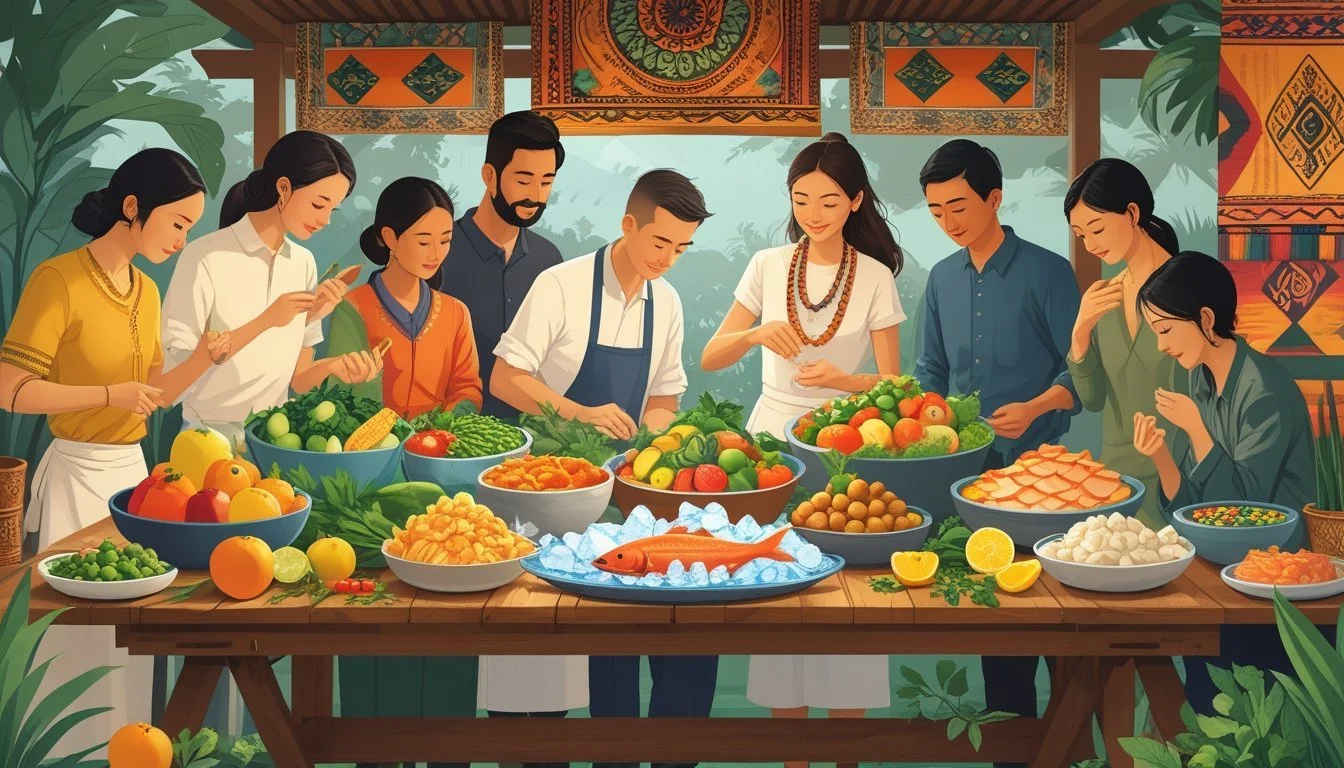
Food freshness is not universally defined; cultural norms, food systems, and sensory expectations play major roles. Various societies use different benchmarks, both measurable and perceptual, to judge what counts as “fresh.”
Objective Versus Subjective Interpretations
Freshness can be viewed through objective methods such as expiry dates, storage conditions, and time since harvest. In many industrialized countries, labeling standards and regulations strictly define when a product is considered fresh.
In other regions, interpretations are more subjective, influenced by traditions, history, and environmental factors. For example, in some Asian cultures, the sight of live seafood in markets is essential for signaling true freshness. Meanwhile, packaged foods in Western supermarkets are often seen as fresh if the package is unbroken and well within its sell-by date.
Table: Contrasting Approaches
Region Objective Freshness Subjective Freshness North America Expiry dates Appearance of packaging East Asia Live and whole Sensory cues: smell, color, texture Mediterranean Recent harvest Provenance and tradition
Role of Sensory Perceptions
Sensory cues—smell, sight, texture, and taste—play a powerful role in defining food freshness. Cultural tolerance for changes in these cues often varies.
For instance, in many European cultures, bright color and crisp texture in produce signal freshness, while a subtle aroma might be valued in cheeses or cured foods. Conversely, in Southeast Asian markets, a slightly stronger aroma in fish or fruit may still be considered acceptable.
Different food systems have shaped these boundaries. Regions with robust refrigeration and distribution expect longer shelf lives and may see minor changes in appearance as signs of spoilage. Others, relying on local sourcing, may prioritize taste and aroma over visual perfection.
Food Quality Standards Worldwide
Internationally, the criteria for food quality and freshness are shaped by both science and cultural norms. Standards set by agencies, such as the FDA in the United States or the European Food Safety Authority, focus on measurable traits like microbial count, maturity, and chemical composition.
However, not all countries or communities follow the same benchmarks. Local food systems and traditions strongly influence quality perceptions. For example, what is labeled as “fresh milk” in one country may be considered unsuitable for direct consumption elsewhere due to differences in processing or storage requirements.
List: Key Influences on Food Quality Standards
Government regulations and inspection processes
Traditional preservation methods (drying, fermenting)
Cultural values surrounding specific foods (e.g., raw versus cooked)
Climate and local access to transportation and refrigeration
Food freshness—while informed by technology and regulation—ultimately reflects deeper cultural values and sensory priorities ingrained within each society.
The Impact of Cultural Norms on Perceived Freshness
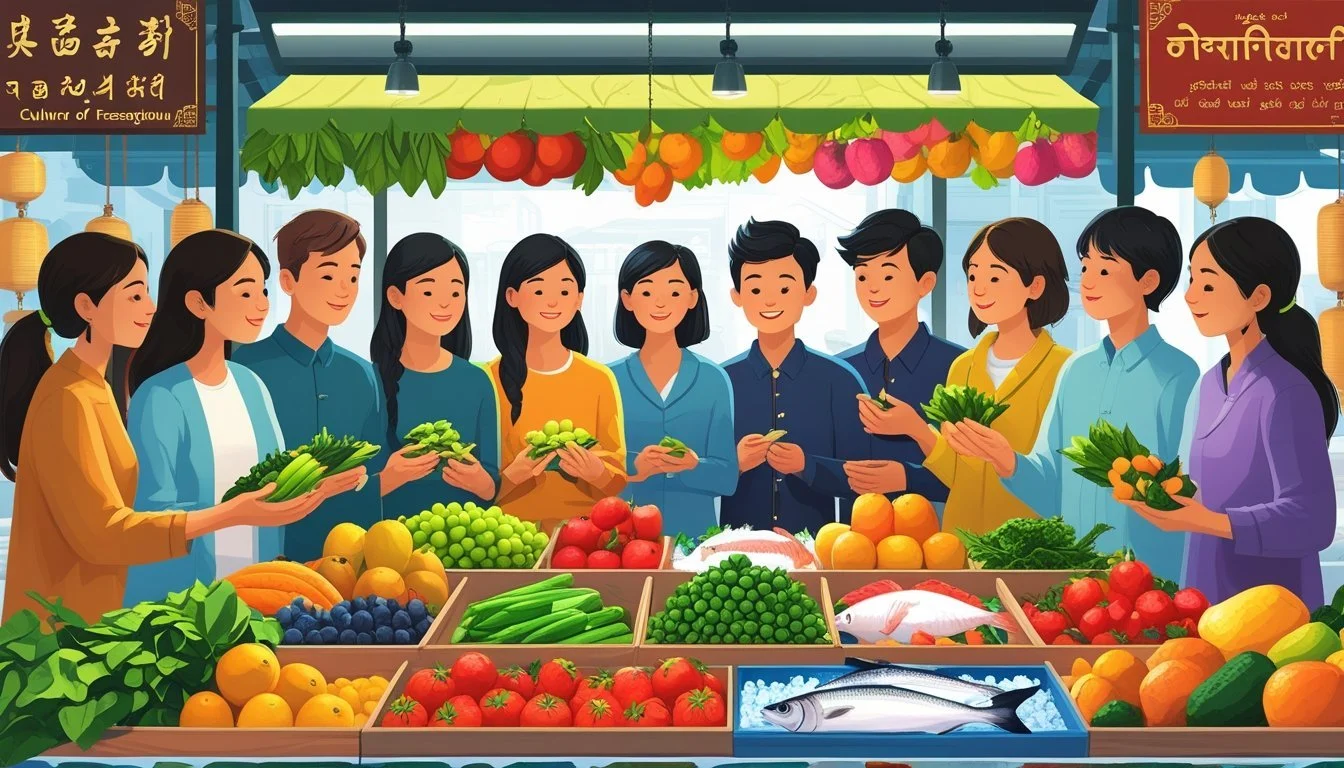
Cultural norms shape how people recognize, evaluate, and trust signs of food freshness. Perceptions of what counts as fresh are influenced by food-related practices, community expectations, and deeply rooted beliefs about food quality.
Influence of Food Culture on Acceptability
Food culture affects what individuals consider acceptable and appealing in terms of freshness. For example, in Japan, bright colors and crisp textures in produce are often seen as indicators of optimal freshness. In contrast, some Southern European cultures see pronounced ripeness, such as soft spots or a strong aroma, as signs that fruits are ready to eat.
Beliefs about storage and preparation methods may also vary by culture. Fermentation, drying, and curing—often valued in Korean or Mediterranean cuisines—challenge the idea that only recently harvested items are fresh. As a result, cultural context directly impacts which foods are chosen and seen as inviting.
Cultural Identity and Food Preferences
Cultural identity strongly guides both the perception and preference for certain freshness cues. People from different backgrounds may prefer foods that reflect traditional preparation, preservation, or presentation styles, even when those practices differ from global standards. For instance, cheese preferences can range from very fresh curd cheeses in some cultures to aged and mold-ripened varieties elsewhere.
Table: Examples of Cultural Food Preferences and Freshness Perception
Region Preferred Freshness Cue Example Food East Asia Crispness, vivid color Leafy greens Middle East Aroma, maturity Melons, tomatoes Northern Europe Minimal processing Smoked fish
Familial and community ties reinforce these preferences, making certain sensory qualities more desirable and influencing how freshness is judged.
Social Norms and Food Selection
Social norms, such as shared expectations and taboos, further guide choices related to food freshness. In some communities, it is customary to buy food daily to guarantee freshness, while others prefer preserving foods for extended use. These habits influence consumer behaviors in markets and stores.
Consumer choices are also affected by public opinion and visible behaviors. If the majority of a population places value on outward appearance, such as blemish-free produce, retailers adapt their offerings accordingly. This collective behavior ensures that social standards around freshness persist over generations.
Food Practices and Community Influence
Food practices are deeply connected to how communities prepare and distribute meals, shaping beliefs about what is considered fresh or acceptable. The ways individuals interact around food—whether through shared rituals or group values—can affect perceptions of food quality and influence culinary traditions.
Food Preparation and Sharing Rituals
Across cultures, specific rituals guide food preparation and sharing, signaling respect for both the meal and the participants. In some regions, preparing food in communal settings, such as markets or open kitchens, allows group members to witness freshness firsthand through smell, appearance, and immediate consumption.
The timing of preparation often plays a major role. For example, some cultures prioritize dishes made just prior to serving, associating immediate preparation with optimal freshness. Others may rely on preservation methods like fermenting or drying, which become normalized as fresh within their food culture.
Notable customs include:
Family-style serving, encouraging communal eating and shared trust in the food’s freshness.
Ritual inspection, where elders or hosts taste or observe food before it is served to others.
These practices foster a collective standard for recognizing and valuing fresh food.
Community Values and Affiliation
Community values shape definitions of freshness through shared beliefs and repeated behaviors. Group affiliation guides which foods are favored and how freshness is judged. Some cultures place a high value on seasonal, locally sourced ingredients, viewing them as inherently fresher.
Social norms influence decisions such as:
Where to purchase food (e.g., local markets vs. supermarkets).
Participation in food-related events that promote traditional, fresh dishes.
Membership in a particular community or culinary tradition often motivates individuals to adopt group standards, even if personal preferences differ. In this way, affiliation not only sustains specific food practices but also reinforces how freshness is socially constructed and maintained within that group.
Dietary Habits, Migration, and Foodways
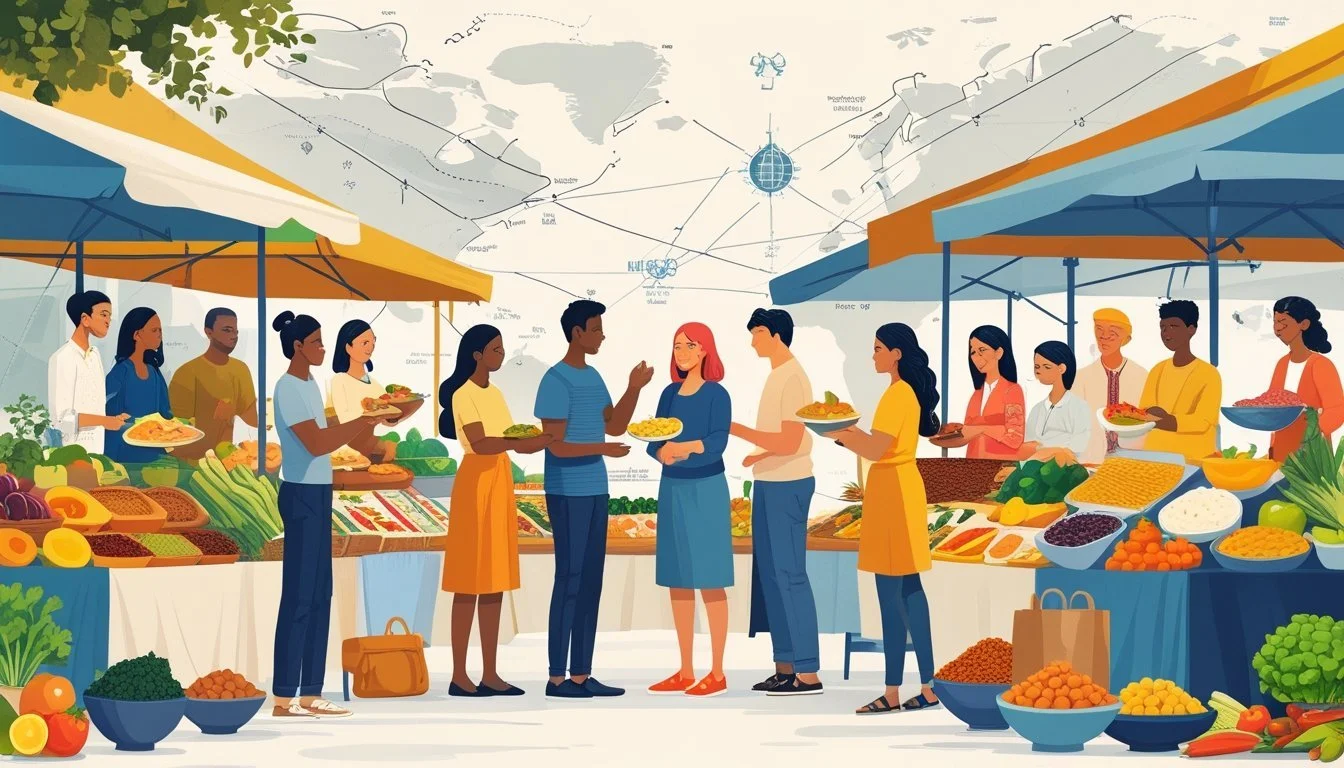
Food perceptions and eating behaviors are shaped not only by individual preferences but also by experiences with migration and cultural diversity. As people move and societies interact, traditional foodways are adapted, and dietary preferences evolve.
Migration and Adaptation of Food Practices
When people migrate, they often face a new food environment and unfamiliar ingredients. This transition leads to changes in dietary habits, as they balance retaining familiar practices with adapting to local cuisines.
Evidence suggests that after migration, there is frequently an increase in energy and fat intake and a reduction in carbohydrate consumption. Migrants may incorporate local foods into their diets, especially when traditional ingredients are scarce or expensive.
Adapting food practices can be both a practical and social process. Many families maintain traditional dishes as a way to preserve cultural identity, while others modify recipes to suit available resources or fit into new social norms. This process reflects ongoing negotiation between heritage and adaptation.
Diversity in Food Choices
Cultural and ethnic diversity expands the variety of foods available in communities. As different groups settle in new areas, they bring traditional ingredients and preparation methods, enriching the local food landscape.
In multicultural societies, groceries, markets, and restaurants often reflect a blend of food traditions. Fusion dishes emerge, combining elements from multiple cuisines in new ways. This can introduce new tastes and change perceptions of what is considered fresh or desirable.
Consumers exposed to varied food environments learn to appreciate a broader range of flavors, textures, and freshness indicators. Diverse food choices also influence what is seen as nutritious or appropriate for specific meals and occasions.
Cross-Cultural Dietary Preferences
Dietary preferences are shaped by cultural norms about flavor, appearance, and freshness. What one culture defines as a "fresh" vegetable or fish may differ from another's criteria.
Some cultures value visual cues like color and crispness, while others focus on taste or aroma. For example, fermented foods may be considered fresh and healthy in one tradition but viewed as aged or spoiled in another.
Understanding these cross-cultural differences matters, especially in globalized markets. Businesses that offer food products must consider local standards for freshness and cater to different cultural expectations to meet consumer needs.
Socioeconomic and Environmental Influences
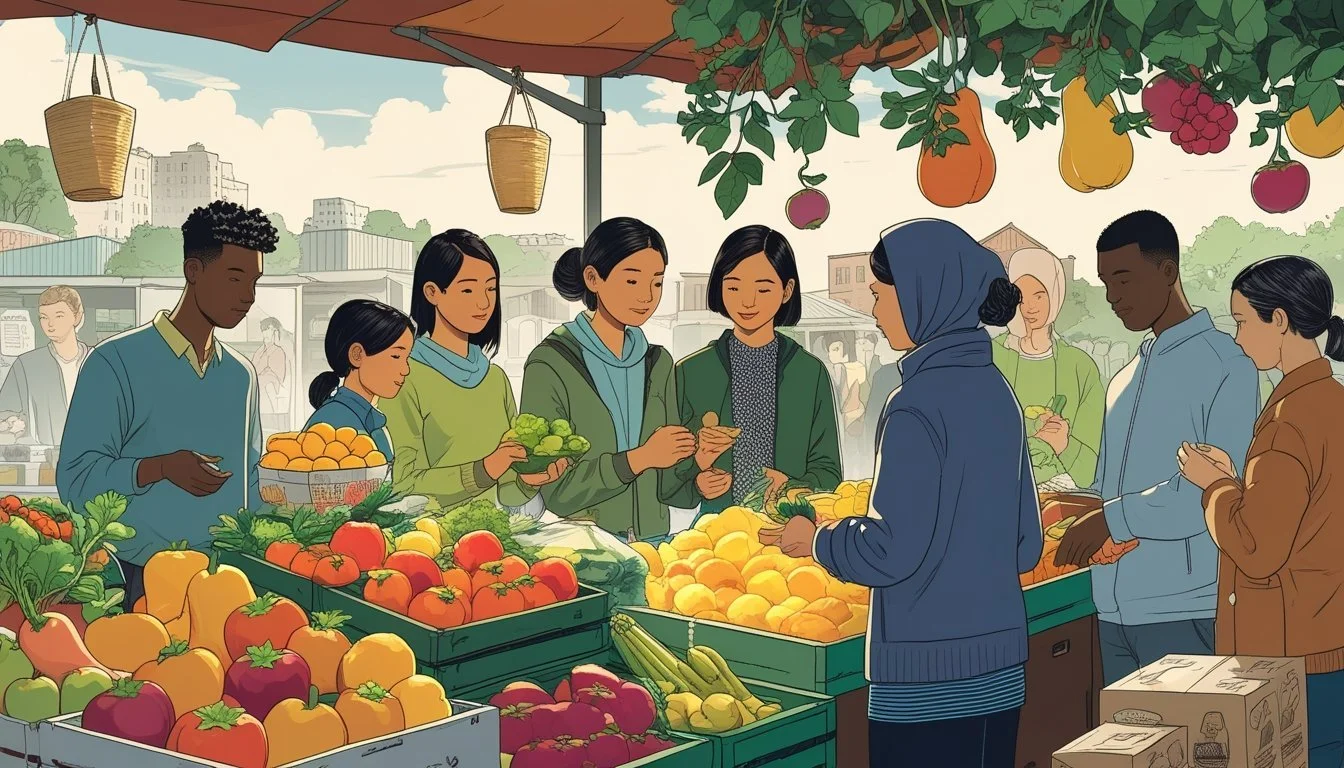
Economic status and local environment directly shape how individuals judge and access fresh food. Factors such as social class, community infrastructure, and concerns about food insecurity drive both availability and perceptions of freshness.
Socioeconomic Status and Food Choices
Individuals in higher social classes generally have more resources to purchase fresh food. They often live in neighborhoods with a wider selection of stores and farmer’s markets, allowing for greater choice and access to recent harvests.
In contrast, those with lower incomes may face challenges related to food security. Limited budgets frequently result in prioritizing shelf-stable or processed foods over more perishable options. Access may be further restricted by fewer supermarkets or high prices for fresh produce.
Food insecurity increases reliance on discount outlets or convenience stores, where food may be older. This impacts not just diet but also expectations; freshness becomes secondary to affordability. For many, the definition of "fresh" adapts to what is consistently available and affordable, thereby influencing societal standards.
Rural Communities and Freshness Perceptions
Rural communities present a distinct environment for assessing food freshness. In some areas, direct access to local farms or personal gardens provides opportunities to obtain freshly harvested foods at lower costs.
However, rural residents can also face distribution challenges due to long distances from larger grocery stores or limited transportation. Local stores may stock less frequent deliveries, so packaged goods may be more common, and definitions of freshness shift accordingly.
For communities with strong agricultural ties, freshness may be tied to seasonality and homegrown produce. Access differences related to economy and distribution infrastructure shape how residents perceive and prioritize freshness, with lifestyle factors playing a significant role. These realities mean that rural foodways often reflect both tradition and adaptation to environmental constraints.
Industry Dynamics and Globalization Effects
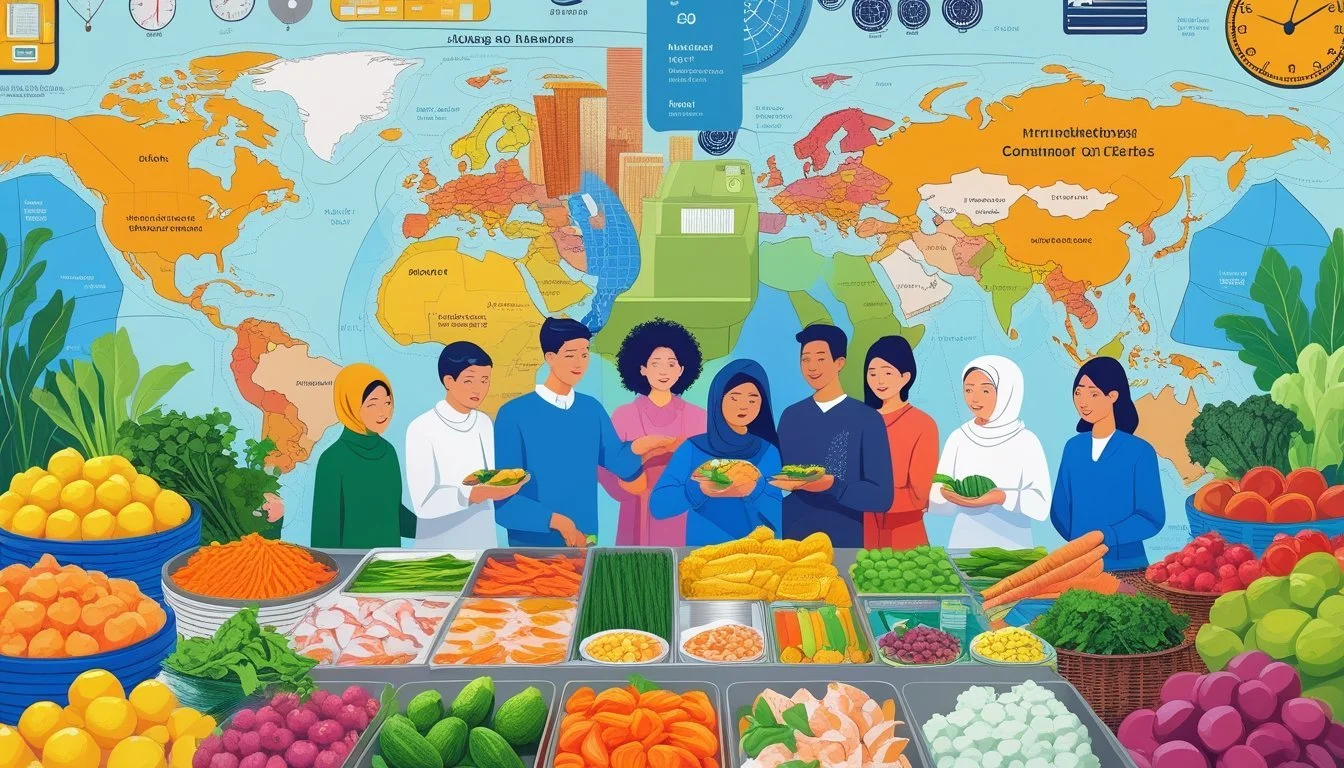
Cultural norms around food freshness are shaped by how the food industry operates, how goods are distributed, and how new technologies are adopted in different regions. Globalization continues to reshape these perceptions by introducing new foods and practices across borders.
Role of the Food Industry and Distribution
The food industry’s strategies for packaging, labeling, and distributing products directly impact consumer attitudes toward freshness. In many countries, “freshness” is closely linked to visible cues such as packaging dates, expiration labels, and clear packaging that displays color and texture.
Distribution chains differ widely. In areas with extensive cold storage and efficient transport networks, products may be considered “fresh” even after weeks in transit. By contrast, communities with shorter supply chains often prioritize foods sourced locally on the same day.
Example Table:
Region Typical Freshness Cue Main Distribution Method East Asia Appearance, time since harvest Local wet markets North America Expiry date, sealed packaging Supermarkets, extended logistics
Such industry-driven definitions influence how different populations evaluate freshness at the point of purchase.
Globalization and Changing Norms
Globalization brings diverse food products and consumer expectations into contact, often leading to evolving definitions of freshness. Traditional norms may blend with new influences, especially in cosmopolitan cities and border regions.
For example, sushi’s popularity worldwide has led many consumers to associate “freshness” with raw fish, even in cultures where this was not the norm. Some global fast-food brands have introduced standardized freshness measures, such as made-to-order labels, which alter local perceptions.
Consumers exposed to a variety of cuisines may prioritize different freshness signals, such as aroma, moisture, or packaging type, due to cross-cultural exposure. This blending sometimes causes tension with established cultural values but also fosters new food practices.
New Technologies Shaping Perception
Advances in food preservation and tracking technologies have transformed how consumers perceive freshness. Vacuum sealing, modified-atmosphere packaging, and blockchain-based traceability tools provide more data and visual assurance about food quality.
Food industry adoption of smart labels showing temperature history or time-since-packaging allows consumers to make informed choices based on objective criteria. For example, QR codes on packaging can reveal the entire journey of a food item from farm to shelf.
These innovations can strengthen trust in food supply chains, particularly in globalized markets where food products often travel great distances. However, reliance on technology can distance consumers from traditional freshness cues like smell or tactile feedback, shifting the basis for perception.
Health Implications of Freshness Perceptions
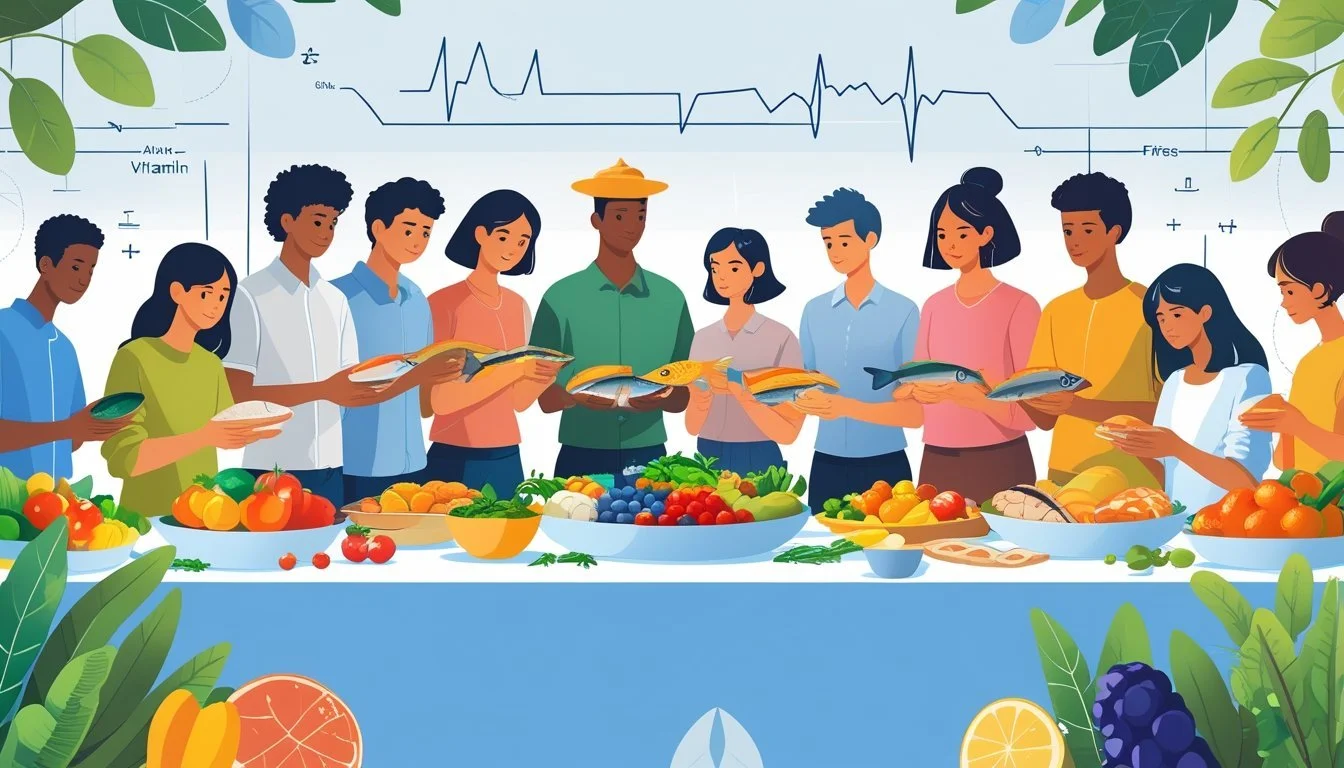
Cultural perceptions of food freshness can directly affect what individuals eat and how they assess the quality and safety of their diet. These perceptions play a role in nutrition, health behavior, and risk of foodborne illness.
Nutrition and Health Outcomes
Individuals from different cultures may prioritize freshness in distinct ways, shaping diet quality and overall nutritional status. In some cultures, freshly harvested or minimally processed foods are highly valued, which can increase consumption of fruits, vegetables, and other nutrient-rich items. This focus may help reduce risk factors for chronic diseases such as obesity, diabetes, and cardiovascular disease by promoting a balanced intake of vitamins, minerals, and fiber.
However, cultures where packaged or highly processed foods are still perceived as fresh may face increased health risks. Heavier reliance on these foods can mean higher levels of sodium, sugars, and unhealthy fats, contributing to poor nutrition and raising the likelihood of negative health outcomes. Freshness perceptions influence food choices that impact human nutritional needs and long-term well-being.
Food Safety and Consumer Behavior
Beliefs about what makes food fresh also affect food safety practices and consumer decision-making. Some cultures associate visual cues, such as bright colors or firmness, with freshness, while others consider production date or packaging information. These differences affect how individuals evaluate food quality at purchase and at home.
Incorrectly judging freshness can lead to unsafe consumption of spoiled foods or unnecessary food waste. For example, misunderstanding spoilage signs due to cultural beliefs may increase the risk of foodborne illnesses. Conversely, consumers who highly value sensory cues for freshness may engage in safer food handling but could also discard edible food prematurely, impacting both safety and sustainability.
Key Factors Influencing Food Safety Decisions:
Visual appearance (color, texture)
Expiration/production dates
Cultural guidance and food traditions
Sensory evaluation (smell, taste)
These factors together shape daily decisions that affect both individual health and public health outcomes.
Education, Policy, and Future Directions

Education, government policy, and sustainable food systems play crucial roles in shaping how individuals and societies perceive food freshness. These areas determine how sensory knowledge is built, how standards are set, and how ecological concerns are integrated into daily food choices.
Education and Sensory Training
Education on food freshness often starts at home and continues in schools. However, the role of sensory training in food-related education is growing as research shows that cultural background influences how taste, texture, and appearance are evaluated.
Specific programs now use tasting panels, comparison exercises, and cross-cultural studies to teach people to identify freshness. Such initiatives help consumers recognize sensory cues that may not be valued in their original culture.
Incorporating food science courses in school curricula allows students to learn objective measures—such as pH, color charts, and aroma profiles—in addition to traditional cues. This supports more accurate and less biased food freshness assessments.
Food Policy Approaches
Food policy impacts freshness perception by establishing guidelines for labeling, packaging, and shelf life. Regulatory agencies often set legal standards for “best before” and “use by” dates, but these may not align with local beliefs about what is truly fresh.
Countries may adopt different labeling systems based on cultural preferences. For example, some policies emphasize visual indicators while others focus on expiration dates. These differences can affect consumer trust in products and willingness to purchase.
Harmonizing food labeling across regions, or offering explanatory information on packaging, may help bridge cultural gaps in perception and support informed choices. Policy adjustments also address issues such as reducing food waste and protecting consumer health.
Sustainability and Food Systems
Cultural perceptions of freshness influence not only individual choices but also broader trends in sustainability and the ecology of food and nutrition. In some cultures, freshly harvested or minimally processed foods are preferred, which may support local farmers and reduce transportation needs.
Policies encouraging short supply chains and local food systems can align with cultural norms and boost sustainability. Consumer education campaigns may focus on the ecological impact of refrigeration, storage, and transport of foods.
Efforts to shift cultural attitudes toward seasonality and food lifespan can decrease food waste and enhance food system resilience. These policies and educational efforts help create a closer relationship between people, local ecology, and nutrition.
Conclusion
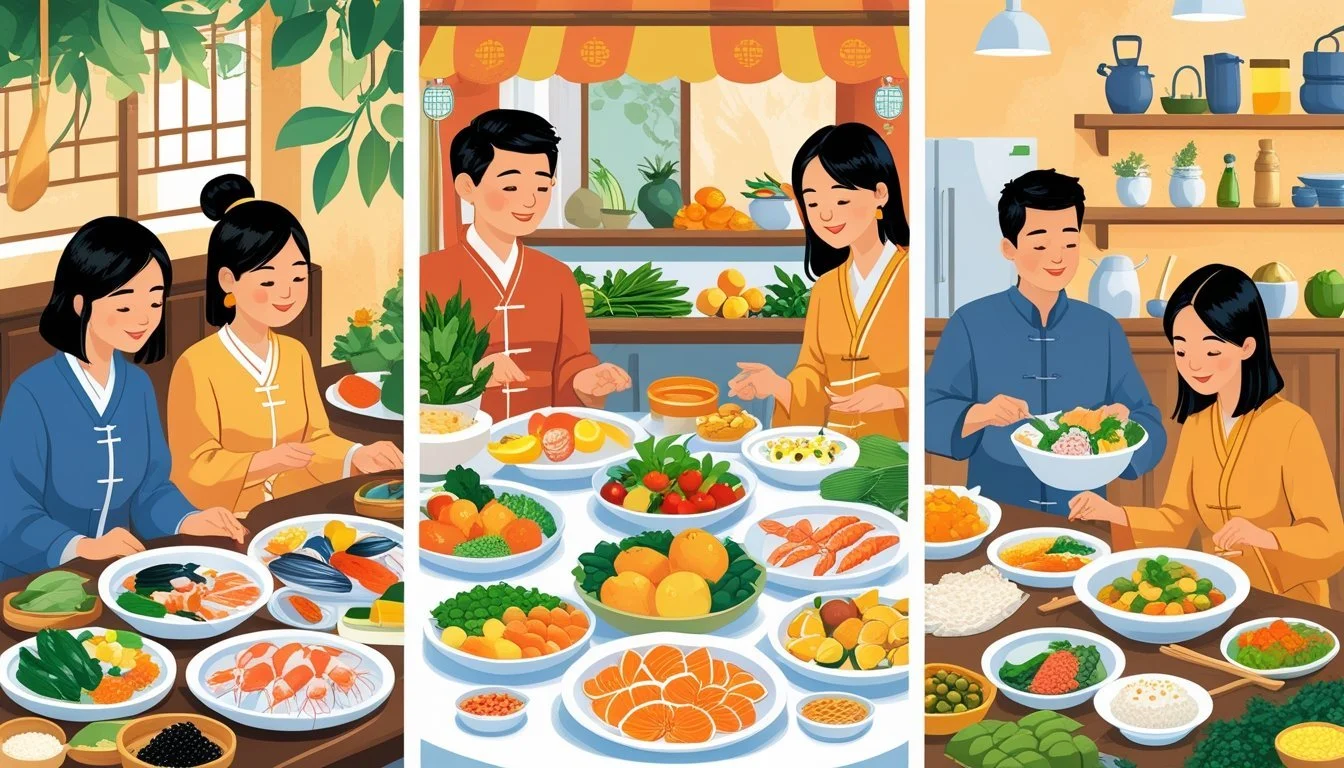
Cultural norms shape how people evaluate food freshness through values, traditions, and learned expectations. What one culture views as fresh, another might see as overripe or even unsafe for consumption.
Consumers from different backgrounds often use sensory cues such as color, smell, and texture differently. For example, some cultures prefer crisp vegetables, while others value softer ones, viewing them as more flavorful or mature.
Traditional beliefs, climate, and local food practices influence these preferences. In regions where refrigeration is common, high value is placed on cool, firm produce. In other areas, room temperature or sun-ripened foods are familiar and considered fresher.
Table: Examples of Cultural Differences in Food Freshness Perception
Culture/Region Common Freshness Indicator Example Food East Asia Bright color, firmness Leafy greens Mediterranean Aroma, slight softness Tomatoes North America Crispness, cool temperature Apples West Africa Full flavor, sun-ripened Plantains
Understanding these perspectives supports the development of products and marketing strategies that respect and address varying cultural standards. They also highlight the importance of context when discussing food freshness on a global scale.

