
Active Packaging: The Tech That Fights Spoilage and Extends Product Shelf Life
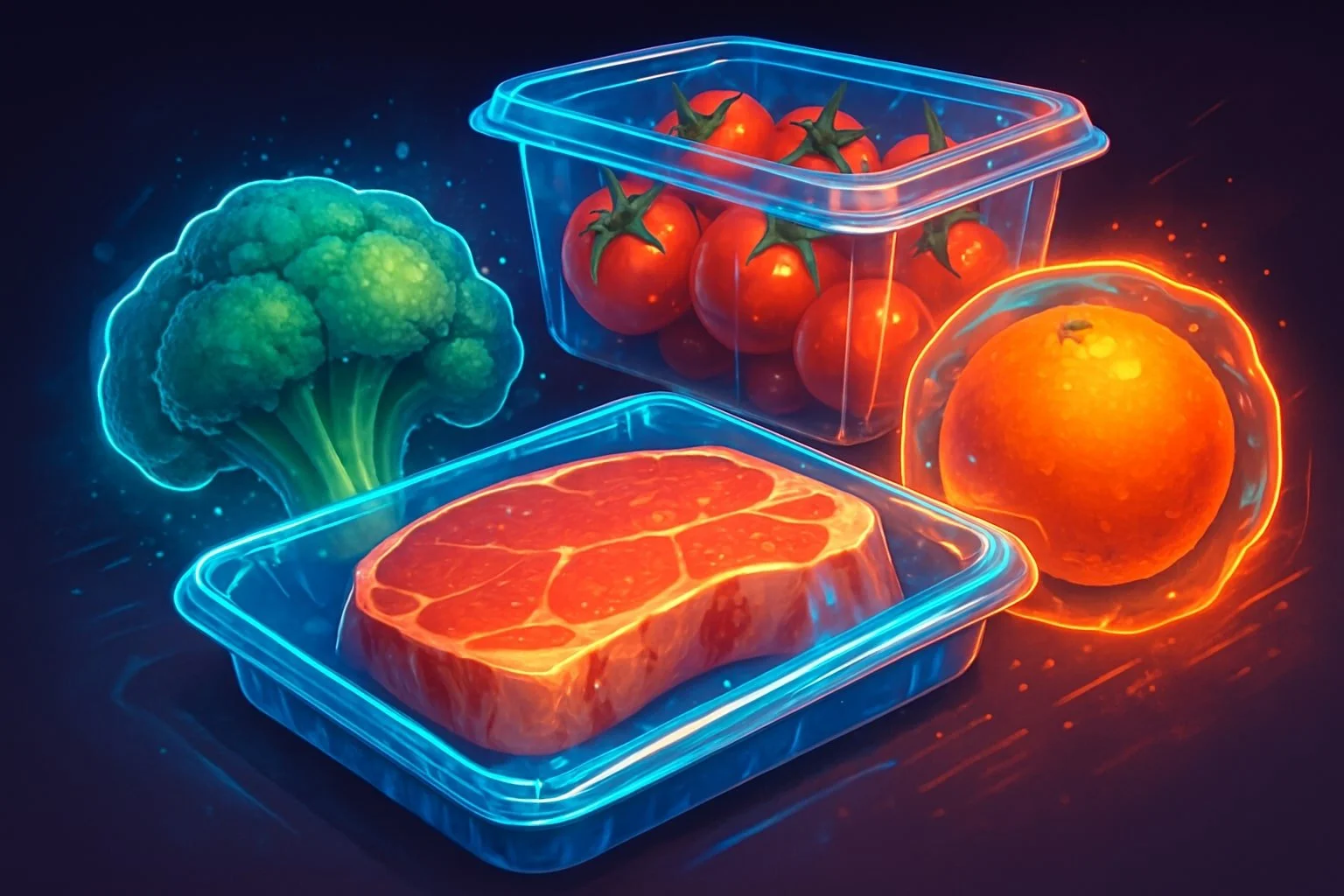
Active packaging uses modern technology to extend food shelf life and improve safety by interacting directly with the food and its environment. Instead of acting as a passive barrier, these packaging systems can absorb unwanted substances like oxygen, moisture, and even ethylene, or release preservatives such as antimicrobial agents to slow down spoilage.
Applications for active packaging are already reshaping the food industry. Meat, produce, and seafood often use these methods, including oxygen scavengers and ethylene absorbers, to help maintain freshness, color, and flavor. Enhanced by innovations like nano-materials, these solutions target common causes of spoilage and keep food safe for longer.
As the demand for fresher, safer food grows, active packaging technologies are becoming essential tools in modern food packaging. This shift is not only about keeping food edible—it’s about maintaining quality and reducing waste throughout the supply chain.
What Is Active Packaging?
Active packaging is a type of innovative packaging system designed to do more than just hold and protect products. It plays an active role in maintaining quality, extending shelf life, and improving food safety by interacting directly with the product and its environment.
Definition and Key Features
Active packaging refers to systems that incorporate functional components within the packaging material itself. These components can absorb unwanted substances or release beneficial agents, depending on the desired outcome.
Key features include oxygen scavengers, moisture absorbers, ethylene removers, and antimicrobial agents. For example:
Oxygen scavengers reduce oxidation in foods like snacks and bakery items.
Moisture absorbers prevent spoilage in dry foods.
Antimicrobial agents limit or inhibit the growth of bacteria.
Some packaging also integrates indicators for temperature or freshness, offering real-time information about product quality.
The primary aim is to maintain product safety, freshness, and appearance during storage and transport. Active packaging is commonly used for perishable foods, pharmaceuticals, and medical devices.
Difference From Traditional Packaging
Traditional packaging serves mainly as a passive barrier, physically separating the product from external factors like air, light, and moisture. It does not react to changes in the product or environment.
Active packaging, in contrast, is designed to interact with its contents and surroundings. It can reduce microbial growth, control gas levels, or manage humidity within the package.
This difference makes active packaging especially suitable for products where shelf life, freshness, and safety are critical. Standard packaging cannot perform these functions, so the use of active components marks a clear distinction between the two systems.
A simple comparison:
Feature Traditional Packaging Active Packaging Passive barrier ✔️ ✔️ Absorbs substances ❌ ✔️ (e.g., oxygen, moisture) Releases agents ❌ ✔️ (e.g., antimicrobials) Monitors freshness ❌ ✔️ (e.g., indicators)
How Active Packaging Fights Spoilage
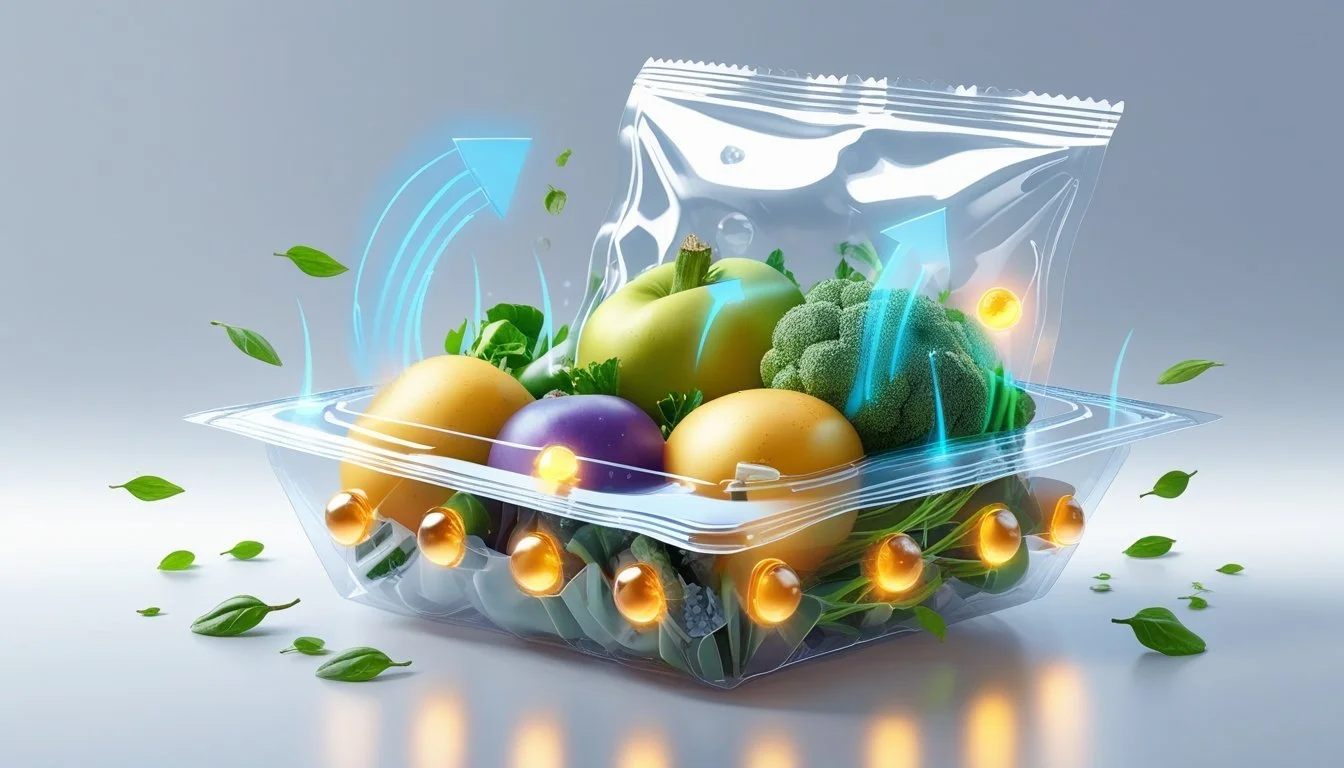
Active packaging uses built-in technologies that interact with food and its environment to limit factors that cause spoilage. Its focus on managing contamination, moisture, and oxygen extends shelf life while improving product safety and quality.
Preventing Microbial Contamination
Active packaging curbs microbial contamination through antimicrobial agents embedded within packaging films or coatings. These agents, like silver ions or natural extracts, reduce or inhibit the growth of bacteria, molds, and yeasts that lead to food spoilage.
In some systems, antimicrobial compounds are released slowly, ensuring prolonged activity. This technology is particularly beneficial for high-risk foods such as fresh meat, dairy, and bakery products.
Smart antimicrobial packaging can also respond to changes in the package environment, such as pH shifts that indicate spoilage. By actively controlling microbial load, these packages help prevent premature food waste and extend shelf life.
Controlling Moisture and Humidity
Moisture control is vital in preventing spoilage caused by mold growth or texture degradation. Active packaging uses desiccants or built-in moisture-absorbing pads to keep humidity at optimal levels inside the package.
For example, silica gel or calcium chloride can be used to absorb excess moisture. In baked goods and snacks, these solutions help maintain crispness and prevent sogginess.
By controlling water activity, active packaging reduces the likelihood of microbial spoilage. Proper moisture management also protects sensitive products, such as powdered foods, from clumping and caking.
Oxygen Management and Oxidation Prevention
Oxygen can accelerate spoilage by promoting microbial growth and triggering oxidation reactions in fats, oils, and vitamins. Oxygen scavengers (often iron-based sachets or films) are placed inside packaging to capture residual oxygen.
Modified Atmosphere Packaging (MAP) replaces the air in a package with protective gases like nitrogen or CO₂, further slowing down oxidation and microbial activity. This is especially useful for perishable foods like fresh produce, meats, and dairy products.
Proactive oxygen management helps to preserve color, flavor, and nutritional value. Products remain fresher for longer, leading to an extended shelf life and reduced food waste.
Types of Active Packaging Systems
Active packaging technologies help maintain quality, prevent spoilage, and extend shelf life in foods by controlling specific environmental factors inside the package. Each system is tailored to manage issues such as microbial growth, unwanted oxygen, and moisture buildup that can degrade product freshness.
Antimicrobial Packaging
Antimicrobial packaging incorporates substances that inhibit or kill bacteria, fungi, and other microbes on food surfaces. Antimicrobial agents—such as organic acids, enzymes, or natural extracts—can be embedded into the packaging film or applied as a coating. Some systems use sachets or labels that release these agents gradually.
This approach helps decrease microbial load and slow spoilage. For example, many fresh products like cheese, meat, and bakery items benefit from antimicrobial materials designed to target common spoilage bacteria or molds.
Regulation of the migration of the antimicrobial agent is crucial. Excessive release may affect the food, while too little may not provide enough protection. Developers choose agents based on food type and safety considerations.
Oxygen-Scavenging Packaging
Oxygen-scavenging packaging aims to remove or reduce oxygen within the container. This is useful for foods prone to oxidation, such as snacks, nuts, cured meats, and dried fruits. Oxygen absorbers often use iron powder, ascorbic acid, or other oxygen-reactive materials. These components can be integrated directly into the packaging film or added as packets.
Removing oxygen helps maintain color, flavor, and nutritional value in foods. It also slows the growth of aerobic microorganisms. Many oxygen-scavenging systems react with even trace amounts of oxygen that may seep in over time, providing ongoing protection.
Handling and placement of oxygen absorbers is a key consideration, as direct contact with the food is generally avoided. The amount of active material is matched to the oxygen content and package volume.
Moisture-Absorbing Packaging
Moisture-absorbing packaging manages the humidity inside food packages. Excess moisture can support bacterial or mold growth and degrade texture, especially in products like baked goods, dehydrated foods, or snack bars. Moisture absorbers typically use silica gel, clay, or calcium chloride as the active ingredient.
These absorbers are commonly used in small sachets or pads placed within the package but separate from the food. Advanced packaging films may also contain embedded desiccants.
Choosing the right moisture-absorbing system depends on the target water activity, temperature fluctuations, and the sensitivity of the food product. This approach helps maintain crispness and inhibits spoilage by reducing water available for microbial growth.
Ethylene and Food Preservation
Ethylene is a natural plant hormone that accelerates the ripening and spoilage of many fruits and vegetables. Managing ethylene levels during storage and packaging is a key strategy for extending freshness and reducing waste.
Ethylene Control Mechanisms
Ethylene accumulates in storage environments and triggers faster ripening, leading to premature spoilage, especially in sensitive produce like bananas, tomatoes, and avocados. Active packaging uses ethylene absorbers and scavengers to regulate this process.
Materials commonly used as ethylene scavengers include potassium permanganate, activated carbon, zeolites, and certain clays. These are incorporated into sachets, films, or liners placed inside packaging.
Control Method Description Potassium permanganate Oxidizes ethylene gas to less active compounds Activated carbon Adsorbs ethylene molecules onto its surface Zeolites & Clays Trap ethylene within porous structures
By lowering ambient ethylene concentrations, these systems directly slow down ripening and degradation. This supports longer shelf life without the use of synthetic chemicals or refrigeration alone.
Applications for Fruits and Vegetables
Ethylene control technologies are widely used for perishable fruits and vegetables. Produce such as apples, pears, kiwifruit, and leafy greens benefit from ethylene scavenging packaging during shipping and storage.
For example, shipping containers for avocados often use ethylene absorber sachets to extend transport times and reduce spoilage en route. In retail displays, cucumber packaging may include ethylene-absorbing films, maintaining freshness for consumers.
Regulations in some regions, such as the EU's food packaging guidelines, permit specific ethylene absorber materials, ensuring both efficacy and food safety. The use of these technologies contributes to reduced food loss across the supply chain.
Sensors and Real-Time Monitoring
Accurate, continual monitoring of food condition is essential in reducing spoilage. Emerging smart and intelligent packaging solutions use embedded sensors to provide actionable data about freshness and storage conditions.
Smart Packaging Technologies
Smart packaging technologies integrate sensors directly into packaging materials. These systems can detect environmental changes such as pH shifts, toxic gases, and spoilage indicators. Biosensors, for instance, identify pathogens like Salmonella or E. coli by tracking reactions at a molecular level.
Chemical and colorimetric sensors use dyes that visually change in response to oxygen or carbon dioxide levels. Examples such as freshness indicators and leak detectors offer clear, visible cues for consumers and supply chain handlers. Intelligent packaging also incorporates data carriers like RFID tags, QR codes, and barcodes to enable digital tracking and real-time status updates.
Key benefits include:
Immediate alerts for compromised food quality
Enhanced transparency for retailers and consumers
Reduction of unnecessary waste by pinpointing exact spoilage events
The use of these technologies helps address both safety and quality by offering real-time, data-driven insights.
Temperature and Humidity Sensors
Maintaining strict temperature control is crucial for perishable foods. Temperature sensors embedded in active packaging continuously track any fluctuations that could lead to spoilage. If products exceed safe ranges, some systems can trigger visual or electronic alerts.
Humidity sensors are also important, especially for items affected by moisture. These sensors monitor internal humidity levels, preventing problems such as mold growth or textural degradation in dry foods. By tracking both temperature and humidity, packaging can ensure foods stay in optimal condition from production through consumption.
Modern intelligent packaging often combines temperature and humidity data with digital monitoring. Data can be relayed via wireless systems, ensuring any breaches in safe conditions are flagged in real time throughout the supply chain. This real-time monitoring extends the effectiveness of temperature-sensitive transport and storage.
Shelf Life Extension and Quality Improvement
Active packaging uses technical advances like oxygen scavengers and antimicrobial components to directly influence food stability and safety. By precisely targeting spoilage mechanisms, these innovations help maintain the integrity, sensory quality, and shelf life of many food products.
Improved Product Quality
Active packaging delivers extended shelf life by controlling the interaction between food, packaging, and the environment. It often employs absorbing systems such as oxygen absorbers, moisture regulators, and ethylene scavengers to limit key spoilage factors.
An example is the use of iron-based sachets that remove oxygen from inside the package. By reducing oxygen, the chance of mold and aerobic bacteria growth drops significantly. This slows oxidation, which is a leading cause of rancidity in food items like nuts, dried fruit, and bakery products.
Active packaging also includes antimicrobial films that inhibit the growth of bacteria and fungi on the product surface. These films can incorporate natural compounds, like essential oils, or synthetic additives to tailor microbial control for each food type.
Active Packaging Type Targeted Spoilage Factor Common Foods Oxygen Scavengers Oxygen Baked goods, meats Moisture Absorbers Water vapor Snacks, dehydrated foods Ethylene Scavengers Ethylene gas Fresh produce, fruits
Organoleptic Properties and Freshness
Preserving organoleptic properties—such as taste, aroma, appearance, and texture—is another central goal of active packaging solutions. These systems help maintain color and crispness by slowing down chemical reactions and moisture changes.
For example, moisture-regulating films in crackers or chips keep them crunchy by absorbing excess humidity. Oxygen absorbers prevent browning in pre-cut fruits by lowering the oxidation rate, thus supporting natural color and aroma for longer periods.
Packaging that releases carbon dioxide or absorbs unpleasant odors limits flavor loss and sensory decline. Some films can even release antimicrobial agents to prevent surface mold, thereby reducing off-flavors and preserving the product’s original sensory profile.
With these targeted measures, active packaging ensures that foods not only last longer but also retain the freshness and quality that consumers expect when opening the package.
Reducing Food Waste With Active Packaging
Active packaging is playing a significant role in efforts to reduce food waste. Focused on preservation and reliability, this technology extends shelf life and helps both businesses and consumers make better use of food products.
Impact on the Food Industry
The food industry faces major losses from spoilage and waste due to product degradation. Active packaging uses oxygen scavengers, moisture absorbers, and antimicrobial agents to slow down these processes.
By maintaining optimal conditions inside packaging, products such as meats, dairy, and produce can remain fresh for longer periods. This reduces the frequency of discarded goods and offers a clear economic benefit for producers and retailers.
Manufacturers can track the performance of food in real-time with newer active packaging that includes time-temperature indicators. Such features allow better inventory management, help identify quality concerns early, and reduce the number of products thrown away unnecessarily.
Ultimately, less waste leads to lower costs, reduced environmental impact, and improved efficiency throughout the supply chain.
Consumer Trust and Acceptance
Consumers are increasingly aware of food waste and seek assurance about food freshness. Active packaging helps build trust by providing visual cues or sensors that indicate when a product is no longer safe or has lost quality.
Clear information on packaging—for instance, through freshness indicators—makes it easier for people to make decisions at home. This transparency can foster greater acceptance and encourage adoption of new packaging types.
Surveys often show that buyers are more willing to try new packaging solutions when these demonstrate real improvements in shelf life and safety. Demonstrating tangible benefits is key, as consumer acceptance depends on trust in both the technology and the brands using it.
Popular Active Packaging Materials and Technologies
Active packaging materials use scientifically engineered components to control moisture, oxygen, and spoilage reactions inside food packages. These solutions help maintain product quality and extend shelf life by specifically targeting major factors of degradation.
Enzyme-Based Systems
Enzyme-based active packaging utilizes natural or engineered enzymes embedded in films or sachets to neutralize spoilage agents. For example, oxidase and peroxidase enzymes can degrade residual oxygen, which slows down oxidation reactions that lead to rancidity, discoloration, and vitamin loss.
Some enzyme systems break down ethylene gas, a common trigger for premature ripening and senescence in produce. By targeting ethylene, these enzyme films help keep fruits and vegetables firmer and fresher for longer periods. Commercial enzyme-active packaging typically operates at room temperature and is often integrated with other technologies for broader antimicrobial and antioxidative effects.
Enzyme carriers include thin polymer films, pads, or coatings that are safe for food contact. The specificity of enzymes can minimize unwanted side effects, making these systems suitable for delicate foods such as fresh-cut fruits, baked goods, and certain dairy products.
Desiccants and Silica Gel
Desiccants are materials that absorb and retain moisture from the air inside packaging, helping to prevent mold growth and textural changes. Silica gel is the most widely used food-grade desiccant due to its strong adsorption capacity and safety profile.
Molecular sieves and activated carbon can also serve as desiccants in active packaging, each offering different pore sizes for targeted moisture or odor capture. Silica gel packets are often found in snack foods, dried meats, and supplements, protecting against clumping and spoilage caused by humidity.
Key advantages of desiccant packaging include easy integration into existing formats and low cost. Proper use can significantly increase shelf life and maintain product integrity, particularly in dry food categories or environments with fluctuating humidity.
Innovative and Sustainable Packaging Solutions
Modern packaging technology is shifting toward eco-friendly and efficient solutions. Biodegradable materials and enhanced sustainability practices are reducing both food waste and environmental impact.
Biodegradable Materials
Biodegradable packaging uses plant-based or natural polymers that can safely break down after disposal. Materials such as polylactic acid (PLA), made from fermented plant starch, and mycelium, derived from fungi, are being widely adopted.
These options help limit long-term landfill waste and reduce microplastics in the environment. Companies are increasingly turning to bagasse, a by-product of sugarcane, and seaweed-based films as alternatives to petroleum-based plastics.
A simple comparison of common biodegradable materials:
Material Source Notable Properties PLA Corn, sugarcane Compostable, transparent Mycelium Fungi Moldable, home compostable Bagasse Sugarcane pulp Heat-resistant, sturdy
The ability to maintain product safety and shelf life, while ensuring that packaging degrades predictably, is central to adoption.
Environmental Sustainability
Environmental sustainability in packaging focuses on minimizing resource usage, supporting recyclability, and decreasing greenhouse gas emissions. Sustainable packaging solutions include compostable containers, reusable materials, and systems designed for easy recycling.
Efforts such as lightweighting reduce the volume of packaging without compromising protection. Innovations like recyclable ketchup caps and edible food wraps demonstrate the trend toward integrating sustainability at every stage—material sourcing, production, use, and end-of-life.
Circular economy principles guide development, aiming for closed-loop systems where packaging is consistently reused or recycled. These strategies foster less waste and lower environmental footprints for both producers and consumers.
Challenges and Considerations
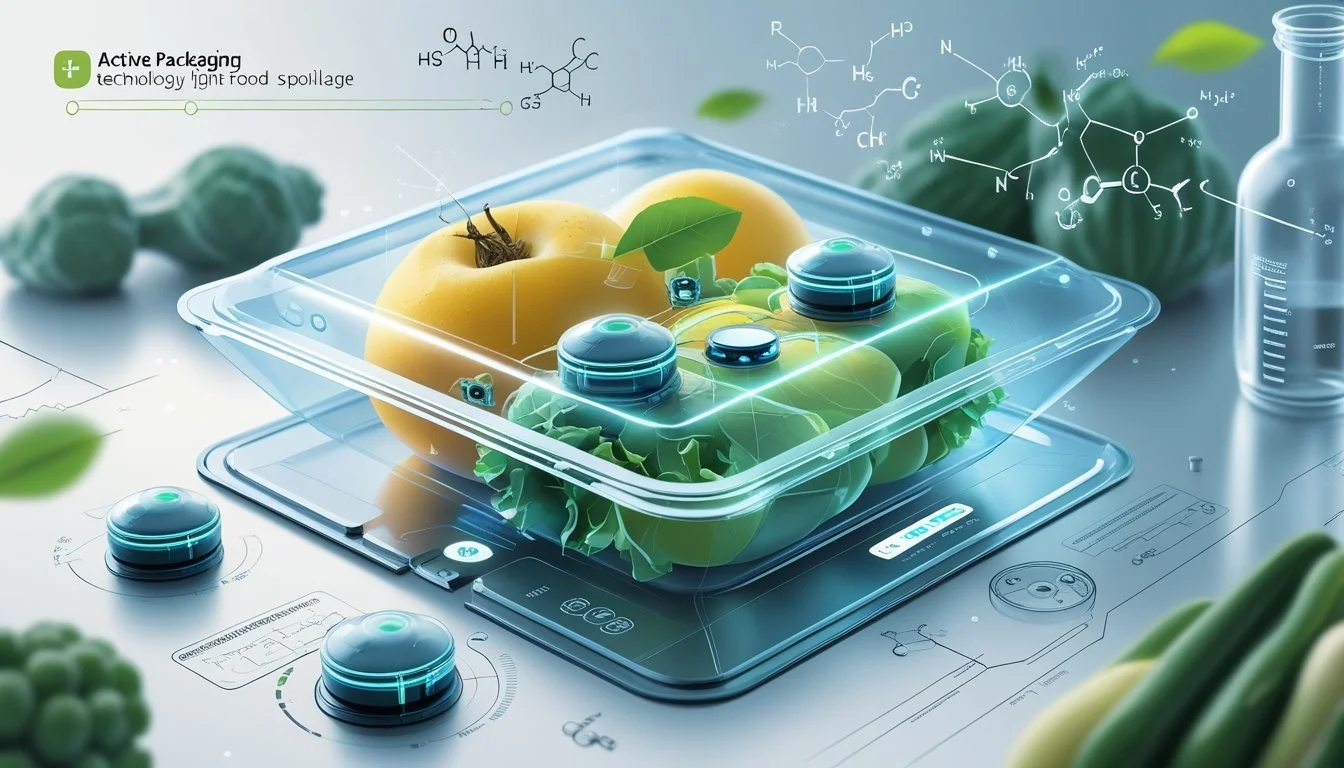
Active packaging introduces new concerns in food technology, especially around regulatory approval, material safety, and user trust. Ensuring product quality and food safety while meeting both legal standards and consumer expectations remains a key challenge for manufacturers.
Regulatory and Safety Issues
Strict regulations govern the use of additives and active agents in food packaging. Authorities require thorough documentation of the safety and migration potential of materials before approval for use with food products.
Food safety demands careful consideration of chemical interactions between packaging and the food it protects. Unintended by-products or excessive migration of active agents raise concerns about toxicity and long-term health effects.
Compliance with local and international standards, such as those from the FDA or EFSA, is mandatory. Manufacturers must also account for variations in regulations across different markets, especially for export products.
Key concerns include:
Proper labeling of packaging functions
Limitations on substance release rates
Risk assessments for new or novel materials
Neglecting these issues can lead to product recalls, damaged brand reputation, and legal repercussions.
Consumer Perception
Consumer acceptance of active packaging depends largely on awareness and understanding of its benefits and safety. Many people are wary of packaging that seems to "interact" with their food, fearing artificial additives or unfamiliar technology.
Transparency in labeling is crucial. Clear communication about how packaging extends shelf life or improves safety can build trust, especially if consumers see benefits like reduced spoilage or fresher products.
Some consumers remain skeptical despite proven safety. Education campaigns and third-party certifications (such as from safety agencies) can help address concerns and promote acceptance.
Factors influencing perception include:
Trust in food manufacturers and packaging brands
Prior experience with similar products
Clarity and sufficiency of product information
Overcoming skepticism is essential for market expansion and for realizing the sustainability and food safety benefits offered by active packaging solutions.
Future Trends in Active Packaging
Active packaging is shifting from basic containment toward smarter, more functional solutions. Advancements in nanotechnology and innovative packaging methods are driving applications that target longer shelf life and enhanced food safety.
Emerging Technologies and Nanotechnology
Nanotechnology is shaping the next wave of active packaging. Nanoscale materials, like silver nanoparticles and nano-clays, can provide antimicrobial protection and improve barrier properties against oxygen and moisture.
Key innovations include:
Nanosensors: Detect gases or spoilage markers in real time.
Nano-coatings: Reinforce packaging’s ability to block contaminants.
Intelligent labels: Signal when food quality is compromised.
These advances allow packaging systems to respond to environmental changes. Modified atmosphere packaging using nanoscale materials can maintain the optimal condition for perishable items, leading to fewer preservatives and longer shelf life.
Potential Developments in Packaging Systems
Future packaging systems are expected to incorporate more interactive and adaptive elements. Self-heating and self-cooling packs are being refined for meal kits and beverages, allowing temperature control without external appliances.
Active packaging will likely expand beyond oxygen and moisture absorbers. Innovations such as time-temperature indicators and CO₂ emitters will make tracking food freshness easier for both producers and consumers.
E-commerce and global food distribution are fueling demand for packaging that not only protects products during shipment but also maintains ideal storage conditions. Regulatory acceptance and cost reductions will play critical roles in deploying these new packaging solutions on a wide scale.

