
How Aging Affects Nutritional Content
Changes in Food Value Over Time

As people age, their bodies undergo changes that directly influence the way nutrients are processed and absorbed. Aging can lead to reduced absorption of key vitamins and minerals, decreased metabolism, and changes in taste and appetite, all of which can impact the overall nutritional content received from food. These physiological changes make it more challenging for older adults to meet their daily nutritional needs.
Some older adults face difficulties with nutrient intake due to a lower sense of taste and smell or reduced appetite, increasing the risk of deficiencies in calcium, vitamin D, vitamin B12, and other important nutrients. Understanding these shifts is essential for maintaining health and quality of life as the body ages.
Biological Changes in Aging That Affect Nutritional Content
Aging can alter how the body absorbs, processes, and utilizes nutrients. Key physiological changes include reduced appetite, shifts in muscle and bone mass, and modifications in digestive function, all of which may impact nutritional content and needs.
Decline in Appetite
A decrease in appetite, often called the "anorexia of aging," is common among older adults. Several factors contribute to this reduction, including hormonal changes, sensory impairments (such as diminished taste and smell), and decreased physical activity.
Social factors like isolation or depression may further reduce food intake, leading to lower calorie and nutrient consumption. Appetite loss increases the risk of undernutrition and can cause deficiencies in essential vitamins and minerals. Monitoring food intake and encouraging regular, nutrient-dense meals is critical for maintaining health in old age.
Changes in Muscle Mass and Bone Mass
After age 60, there is a gradual but consistent decline in both muscle mass (sarcopenia) and bone mass (osteopenia and osteoporosis). Loss of muscle reduces metabolic rate and physical strength, which can limit mobility. Bone mass decreases due to hormonal shifts—especially after menopause in women—raising fracture risk.
These changes affect dietary requirements for protein, calcium, and vitamin D. Adequate intake of these nutrients helps slow muscle and bone loss. Resistance training and weight-bearing exercises are also beneficial for preserving both muscle and bone health in older adults.
Digestive System Alterations
The digestive system undergoes various changes with age that can hinder nutrient absorption. Stomach acid production and enzyme secretion may decrease, affecting absorption of vitamin B12, iron, and calcium. Changes in gut motility can lead to constipation or discomfort.
Older adults might also develop conditions such as atrophic gastritis or lactose intolerance, which impact digestion and nutrient uptake. These alterations require dietary adjustments—choosing easily digestible foods, increasing fluid and fiber intake, and considering supplements as needed. Careful management helps preserve adequate nutritional status and supports overall health.
Impact of Aging on Nutrient Needs
Aging leads to changes in metabolism, digestive efficiency, and appetite. These changes can influence the body's ability to obtain, absorb, and utilize essential nutrients from a balanced diet.
Macronutrient Requirements
Energy needs decrease with age because of lower muscle mass and reduced physical activity. Older adults often require fewer total calories but need to prioritize nutrient-rich foods to meet their needs for good nutrition.
Protein intake becomes more important for maintaining muscle mass and function. The recommended daily intake can increase to 1.0–1.2 grams per kilogram of body weight for older adults, compared to the 0.8 grams per kilogram recommended for younger adults. Consuming high-quality protein sources like lean meats, fish, dairy, and legumes helps preserve muscle and supports immune function.
Carbohydrates should mainly come from whole grains, fruits, and vegetables to ensure adequate fiber intake. Dietary fiber is important for digestive health, which can decline with age. Fat intake does not need to be reduced significantly, but selecting healthy unsaturated fats over saturated and trans fats is encouraged.
Macronutrient Key Sources Notes Protein Lean meats, fish, legumes Supports muscle mass Carbohydrates Whole grains, fruits, veg Focus on high fiber Fats Olive oil, nuts, avocados Emphasize unsaturated fats
Micronutrient Absorption
Aging often impairs the absorption of certain vitamins and minerals. Stomach acid production may decline, which affects vitamin B12 absorption. Risk of deficiencies in vitamin D, calcium, magnesium, and potassium rises due to both absorption and metabolic changes.
Seniors should monitor intake of vitamin B12, vitamin D, and calcium in particular as these nutrients are essential for bone and immune health. Foods fortified with these nutrients or supplements may sometimes be necessary to reach recommended levels. Iron and zinc absorption can also become less efficient, especially in those with chronic conditions.
Including a variety of foods in the diet helps cover micronutrient needs. Consulting with a healthcare professional or dietitian can help identify and address specific deficiencies.
Hydration Challenges
Thirst sensation declines with age, which increases the risk of dehydration. Kidney function also decreases, making it harder for the body to conserve water and regulate electrolyte balance.
Seniors may need reminders or scheduled times to drink fluids even if they do not feel thirsty. Low-calorie beverages, water-rich fruits (like watermelon and cucumbers), and soups can contribute to daily hydration.
It's important to monitor for signs of dehydration, such as dark urine, dry mouth, and fatigue. Maintaining proper hydration supports digestion, cognitive function, and overall health in aging adults, and should be a part of any healthy eating plan.
Health Conditions and Nutritional Concerns in Older Adults
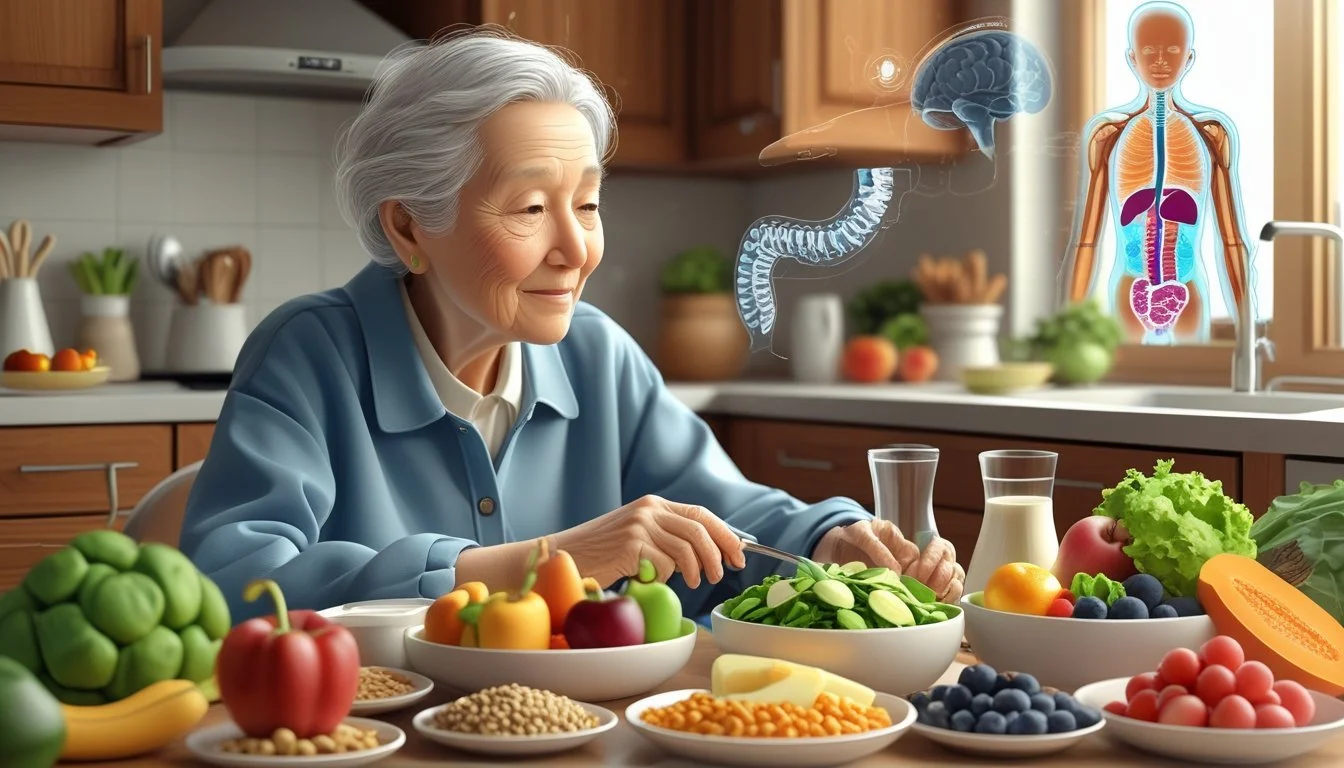
As people age, their risk of nutrition-related health issues rises due to changes in metabolism, physical function, and chronic disease prevalence. Challenges include difficulties in nutrient absorption, altered appetite, and a greater likelihood of developing chronic illnesses.
Malnutrition and Related Risks
Malnutrition is a significant concern for older adults and can result from a combination of physical, psychological, and social factors. Common causes include poor appetite, medication side effects, and difficulties chewing or swallowing. Cognitive decline and depression may also play a role by lowering interest in food or forgetting to eat.
Consequences of malnutrition include weakened immune function, muscle wasting, delayed wound healing, and an increased risk of falls. These complications can lead to longer hospital stays and greater dependency on caregivers. Limited mobility and reduced access to nutritious foods may further contribute to nutrient deficiencies.
To help prevent malnutrition, older adults should focus on nutrient-dense foods and regular meals, while healthcare providers should screen for risk factors like weight loss and functional decline. Addressing dental issues and ensuring convenient food options at home can make a significant difference.
Diabetes and Dietary Adjustments
The prevalence of diabetes rises with age, and effective nutrition management is essential for older adults living with this condition. Carbohydrate intake must be carefully controlled to help stabilize blood glucose levels. Emphasis should be placed on whole grains, non-starchy vegetables, and adequate fiber intake.
Meal timing becomes especially important to prevent both hyperglycemia and hypoglycemia. Some older adults may have reduced appetite or inconsistent meal patterns, which increases the risk of blood sugar fluctuations. Medications for diabetes also need to be considered when planning meals and snacks.
A practical approach is to limit added sugars and processed foods, increase lean protein sources, and choose healthy fats like those from fish, nuts, or olive oil. Monitoring blood sugar regularly helps to tailor dietary choices and maintain metabolic health.
Dementia and Eating Habits
Dementia affects both memory and executive function, which can interfere with regular eating patterns and nutrient intake. Older adults living with dementia may forget to eat, experience changes in taste, or struggle to recognize foods. Difficulty swallowing—known as dysphagia—may develop as dementia progresses.
Caregivers play a key role by providing structured meal routines and offering finger foods or easy-to-eat options. Adaptive utensils and modified textures can make mealtimes safer and more enjoyable.
Nutrient-dense snacks, appropriate hydration, and familiar foods help reduce the risk of malnutrition. Close monitoring for weight loss and dehydration is essential, as these issues can arise quickly in people with cognitive decline.
Lifestyle Factors Influencing Nutritional Content in Aging
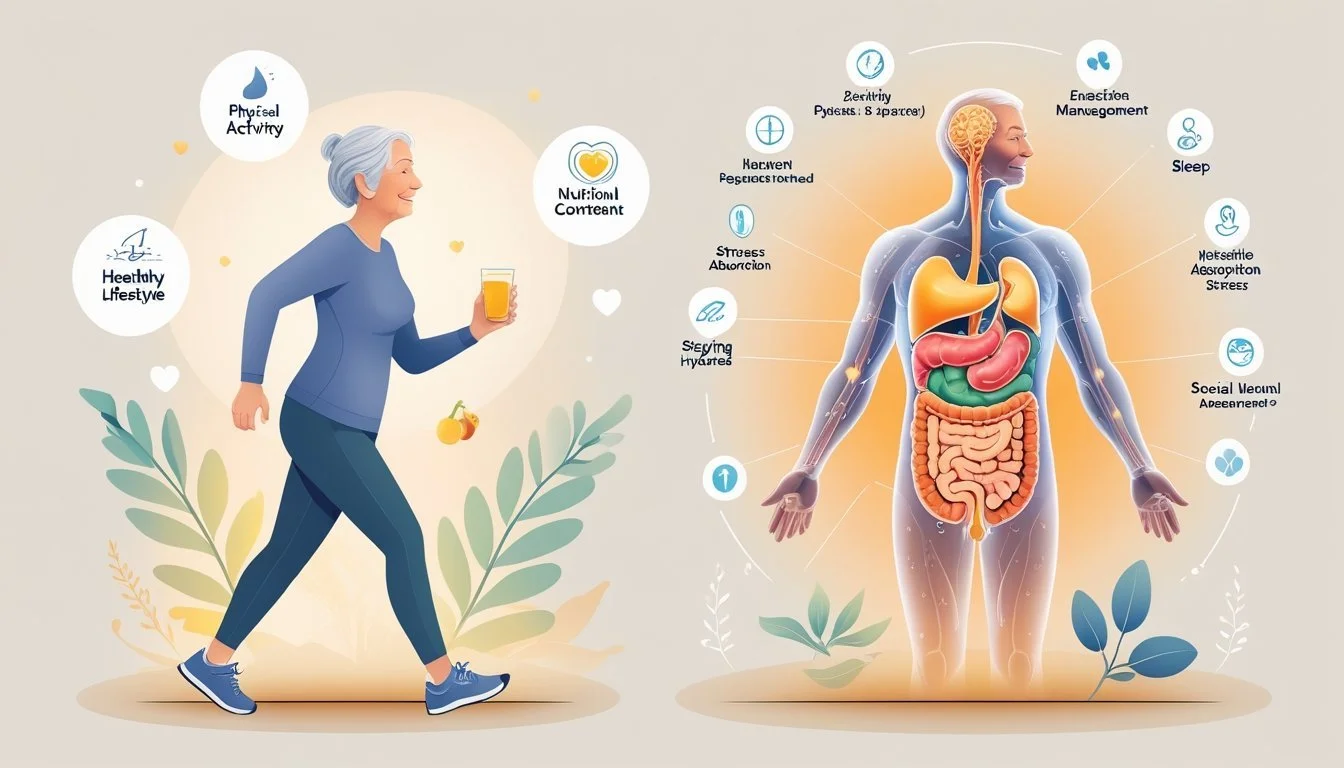
Diet quality in older adults is shaped by a combination of physical activity patterns and choices about what foods are consumed and how accessible they are. Changes in mobility, health status, lifestyle habits, and the food environment all play important roles in determining nutritional intake as people age.
Physical Activity and Exercise
Regular physical activity can help maintain muscle mass, support a healthy metabolism, and improve nutrient utilization in aging adults. Exercise increases energy expenditure, which can promote greater appetite and a higher intake of essential nutrients.
Sedentary lifestyles, however, are linked to loss of muscle (sarcopenia) and reduced caloric needs. When calorie needs decrease but micronutrient needs remain high, older adults may be at greater risk of deficiency.
Weight-bearing and resistance exercises are particularly effective at preserving bone density and preventing frailty. The type, frequency, and intensity of exercise are important—even moderate daily activity like walking or gardening can have notable benefits.
Physical activity also improves digestion and can enhance the body’s ability to absorb certain nutrients, such as calcium and vitamin D, further helping to maintain overall nutritional status in later years.
Food Choices and Accessibility
Food choices in later life are often influenced by health conditions, taste changes, dental health, and medications. Older adults may choose softer foods or avoid nutrient-rich options due to chewing or swallowing difficulties.
Accessibility is another key factor. Reduced mobility, limited transportation, or living alone can make it challenging to shop for and prepare healthy meals, leading to increased reliance on convenience foods, which often lack essential nutrients.
Economic constraints also affect food selection. Fixed incomes may lead to the purchase of lower-cost, lower-quality foods rather than fresh fruits, vegetables, and lean proteins.
Community meal programs, food delivery services, and support from caregivers can help improve nutrition by ensuring access to balanced meals. Promoting diverse, nutrient-dense food choices is central to maintaining adequate nutrition as individuals age.
Psychosocial Aspects Affecting Nutrition with Age
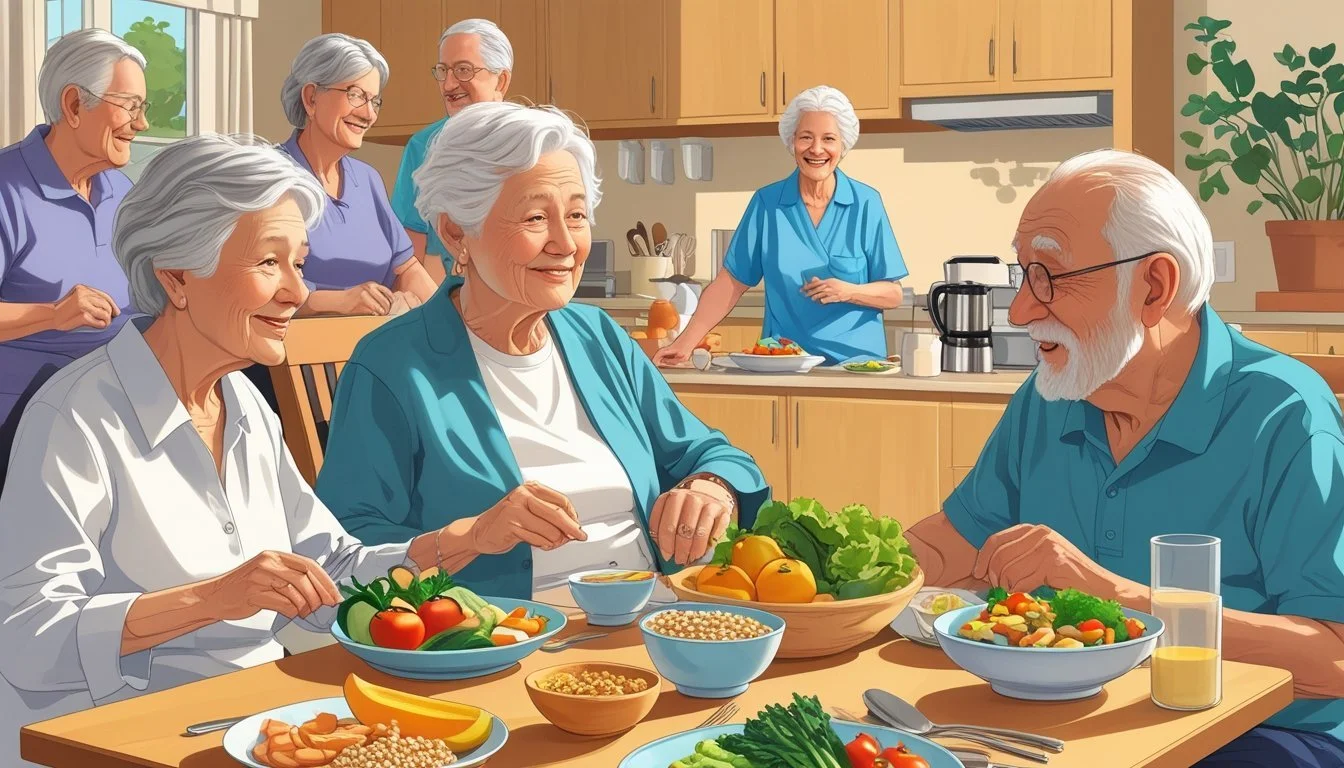
As people age, their mental and social environments increasingly influence how well they eat. Changes in mood, mental health, and everyday social connections often affect both appetite and food choices.
Depression and Loneliness
Depression and psychological loneliness are common among older adults and have clear links to poor nutritional intake. Older individuals with depressive symptoms frequently experience a reduced appetite and are more likely to skip meals or eat less nutritious foods.
Feelings of isolation can lead to a lack of motivation to prepare balanced meals or eat regularly. This can increase the risk of nutrient deficiencies and unintentional weight loss. Studies show that poor mental health, including chronic sadness and helplessness, correlates strongly with lower diet quality.
Moreover, depression often co-occurs with physical health problems, which can further complicate meal preparation or impact the desire to eat. Addressing mental health is important for maintaining adequate nutrition in aging populations.
Social Interaction and Mealtime Habits
Social interaction plays a significant role in promoting better eating habits among older adults. Eating with others often encourages people to eat more, make healthier food choices, and enjoy meals rather than viewing them as a routine task.
Those living alone or spending most meals alone have a higher risk of poor diet quality and reduced interest in food. Social settings—such as community centers, family gatherings, or meal programs—can improve both food intake and nutrient variety.
Key factors influencing these outcomes include:
Frequency of shared meals
Availability of social support around eating
Participation in group activities that involve food
Positive social environments make nutritious eating both more appealing and feasible for older people.
Strategies to Support Healthy Eating and Nutrient Intake

Maintaining a balanced diet with adequate nutrients is essential for older adults. Both daily food choices and the support available from others play important roles in achieving and sustaining good nutrition as people age.
Promoting Balanced Diets
A balanced diet for aging adults should include a variety of fruits, vegetables, whole grains, lean proteins, and low-fat dairy. Focusing on key nutrients, such as potassium, calcium, vitamin D, fiber, and vitamin B12, helps meet unique needs that arise with aging.
Limiting foods high in added sugars, saturated fat, and sodium can help reduce the risk of chronic illnesses. Choosing items with little or no added sodium, sugar, or unhealthy fats is encouraged.
Sample daily meal planning can support maintaining muscle mass and meeting caloric needs:
Food Group Daily Servings Example Choices Vegetables 2-3 cups Spinach, carrots, broccoli Fruits 1.5-2 cups Apples, oranges, berries Whole Grains 5-7 servings Oats, brown rice, quinoa Protein Foods 5-6 ounces Lean meats, beans, eggs Dairy 3 servings Milk, yogurt, cheese
Staying hydrated is also critical, as older adults may lose some sense of thirst. Water, milk, and unsweetened beverages are better choices than sugary drinks.
Community and Family Support
Family members and community resources are important for supporting healthy eating in older adults. Social connections can help encourage meal preparation, grocery shopping, and shared meals.
Meal delivery services, community meal sites, and group activities reduce barriers for those with limited mobility or access to food stores. Nutrition education programs and health professionals can offer guidance tailored to individual needs.
Family involvement may include helping prepare balanced meals, offering transportation to stores, or supporting attendance at community food programs. Consistent support increases the likelihood of maintaining a nutritious diet even when challenges arise.

