
The Psychology Behind Expiration Date Anxiety
Understanding Why We Worry About Product Freshness

Expiration dates are everywhere—from food in the fridge to medications in the medicine cabinet—and for many people, they become a daily source of stress. Expiration date anxiety often stems from the belief that consuming anything past its printed date poses an immediate risk to health or safety. This anxiety can feel overwhelming and may even lead to avoiding perfectly safe products simply because an arbitrary date has passed.
Research and expert discussions reveal that much of the anxiety surrounding expiration dates is psychological, not just practical. The presence of a date creates urgency and can trigger worry about making the "right" decision, especially when authority figures or packaging seem to warn against any risk. For some, this sense of threat is strong enough to influence everyday habits and increase anxiety at mealtimes or when taking medications.
Understanding why expiration dates cause anxiety can help individuals evaluate these fears more realistically and make more informed decisions. By exploring the roots and effects of this common worry, people can start to separate genuine health concerns from emotional responses shaped by social cues and marketing strategies.
Understanding Expiration Date Anxiety
Expiration date anxiety is shaped by a combination of psychological factors and daily experiences. This form of anxiety often leads to discomfort and stress when evaluating product safety and making decisions about use-by dates.
Definition and Core Features
Expiration date anxiety refers to persistent worry and stress about the safety, quality, or potential risks of using products—especially food and medication—past their posted expiration dates.
Key features include:
Repeated checking of labels or packaging
Fear of negative health consequences, even if risk is low
Discomfort over discarding items that may still be usable
These worries can manifest as intrusive thoughts about illness, contamination, or failing to meet safety standards. For some individuals, the anxiety is tied to negative expectations and a heightened sensitivity to potential harm, resulting in avoidance behaviors or rigid consumption patterns.
Common Triggers in Daily Life
A variety of everyday scenarios can provoke expiration date anxiety. Grocery shopping is a frequent trigger, especially when sorting through shelves for newer products. Home environments also pose challenges, such as deciding whether to eat leftovers or foods close to their best-by date.
Other triggers include:
Receiving warnings from media or authorities about foodborne illness
Unclear language or inconsistent labeling on packaging
Experiences of past food poisoning or product recalls
These situations can create confusion and amplify worry, further increasing feelings of stress and making day-to-day decisions around consumption more difficult for those prone to this form of anxiety.
Who Is Most Affected?
Expiration date anxiety can affect anyone, but is more common among individuals who are generally more anxious or have a family history of anxiety disorders. People with heightened health consciousness or a strong desire for control and certainty are also more susceptible.
Certain groups are at greater risk:
Parents and caregivers making choices for dependents
Individuals with food allergies or sensitivities
People with past negative experiences related to spoiled food or expired products
In these populations, anxiety about expiration dates can be stronger, resulting in routine feelings of discomfort or over-cautious behavior when faced with expiration-related decisions.
The Psychology Behind Expiration Date Anxiety
Many people feel discomfort and anxiety when faced with expiration dates. Specific psychological mechanisms such as fear of loss, intolerance of uncertainty, and perception of threat all contribute to these emotional reactions.
Fear of Loss and Change
Expiration dates often signal a clear deadline, prompting individuals to focus on what might be lost. This may include the potential waste of money, resources, or the loss of access to items they value. When something is close to expiring, people may experience fear tied to losing out, also referred to as "loss aversion."
Change is another major factor. Items transitioning from "usable" to "expired" can trigger unease, as the familiar status of the product shifts suddenly. This shift can make the consumer feel a lack of control, intensifying anxiety related to both loss and change.
Emotional Responses to Uncertainty
Uncertainty surrounding what happens after an item reaches its expiration date can heighten emotional discomfort. Many individuals interpret ambiguous date labels as a sign of risk, even if the actual danger is minimal. This uncertainty fuels anxiety, making it difficult to decide whether to keep or discard an item.
Emotions play a central role. Doubt and worry about potential health risks or making the wrong decision can leave people feeling unsettled. For some, the inability to know for sure if something is still "safe" leads to frequent second-guessing and avoidance behavior.
Threat Perception and Stress Response
Expiration dates can be subconsciously interpreted as warnings. This triggers a threat response, leading to increased vigilance and concern about potential harm. The body’s stress response may activate, contributing to feelings of tension and alertness.
These perceived threats can be physical, such as fear of illness, or psychological, like guilt about wasting food. Typical stress responses include checking dates repeatedly, discarding food early, or experiencing ongoing worry. Over time, these patterns may reinforce ongoing anxiety around expiring products.
Cognitive and Biological Factors
Expiration date anxiety is shaped by a combination of genetic influences, brain function, and life experiences. These elements interact to determine how individuals perceive and react to potential risks associated with consuming products near or past their expiration dates.
Role of Genes and Temperament
Genetic predispositions influence how a person responds to anxiety triggers, including worries about food safety and expiration dates. Studies indicate that certain genes related to neurotransmitter activity, such as serotonin and glutamate, are associated with heightened anxiety responses.
Temperament, often seen as a reflection of genetic and biological disposition, contributes to these responses as well. People who are dispositionally inclined toward caution or sensitivity are more likely to experience discomfort around perceived danger, like the idea of consuming expired food.
Physical state, including stress levels or illness, further influences baseline anxiety. Individuals who have a family history of anxiety disorders or naturally sensitive temperaments may find expiration date concerns more distressing and persistent.
Amygdala and Prefrontal Cortex Functions
The amygdala is a brain structure central to processing fear and perceived threats, including those presented by expired products. Activation of the amygdala can trigger the classic fight-or-flight response, resulting in emotional discomfort even when rational risk is low.
The prefrontal cortex, on the other hand, manages risk assessment and decision-making. Its ability to regulate fear signals from the amygdala is crucial in distinguishing between real and imagined dangers.
If communication between the amygdala and prefrontal cortex is disrupted, individuals may struggle to suppress unwarranted anxiety about expiration dates. Impairments or heightened sensitivity in these regions can lead to persistent worry, causing some to avoid products even slightly past their labeled date.
Early Experience and Development
Early life experiences shape how people interpret and respond to safety and uncertainty. For example, growing up in an environment where food safety is highly emphasized can establish a strong association between dates and danger.
Repeated exposure to warnings or negative outcomes related to spoiled food may reinforce persistent vigilance. Psychological vulnerabilities rooted in childhood, such as learning to equate permissiveness with risk, increase susceptibility to expiration date anxiety in adulthood.
An individual's development—including parental attitudes, education about food safety, and cultural norms—directly affects how their brain and emotions respond to perceived threats, setting the stage for future reactions to expiration dates.
Expiration Date Anxiety and Mental Health Disorders

Concerns about expiration dates can be distressing for some individuals and may be associated with certain mental health conditions. Understanding these connections helps clarify when everyday worry crosses into the realm of diagnosable anxiety disorders.
Distinguishing Anxiety Disorders
Anxiety disorders represent a category of mental health disorders marked by excessive, persistent fear or worry. They go beyond typical stress or day-to-day anxiety about events like food expiration or product safety.
Not all anxiety about expiration dates is classified as a mental health disorder. When the anxiety becomes persistent, intrusive, or disrupts daily functioning, it may suggest an underlying clinical problem.
Common symptoms include racing thoughts, physical tension, or avoidance behaviors related to perceived risks. Debilitating anxiety over harmless or minimal threats, such as eating just-expired food, may prompt further assessment for anxiety disorders.
Generalized Anxiety Disorder vs. Specific Phobias
Generalized Anxiety Disorder (GAD) involves ongoing, excessive worry about a wide range of topics, including health and safety. Those with GAD might fixate on expiration dates across different areas of life, worrying endlessly about possible negative outcomes.
In contrast, specific phobias are marked by intense fear toward a clearly defined object or situation. Someone with a specific phobia related to contamination or spoilage may panic at the thought of consuming expired food or using expired products, despite minimal actual risk.
These two anxiety disorders differ in scope: GAD is broad and persistent, whereas specific phobias are focused and triggered by particular cues.
Intersection with Panic and Social Anxiety Disorders
Panic disorder involves sudden, unexpected panic attacks. For some, anxiety about potential exposure to expired products can act as a trigger, leading to acute physical symptoms such as shortness of breath, heart palpitations, or dizziness.
Social anxiety disorder can interact with expiration date anxiety if a person fears judgment or embarrassment. For example, they might worry about serving expired food to others or being criticized for poor attention to detail.
Each disorder shapes the experience of expiration date anxiety differently, influencing both symptom severity and daily impact.
Behavioral Patterns and Coping Mechanisms
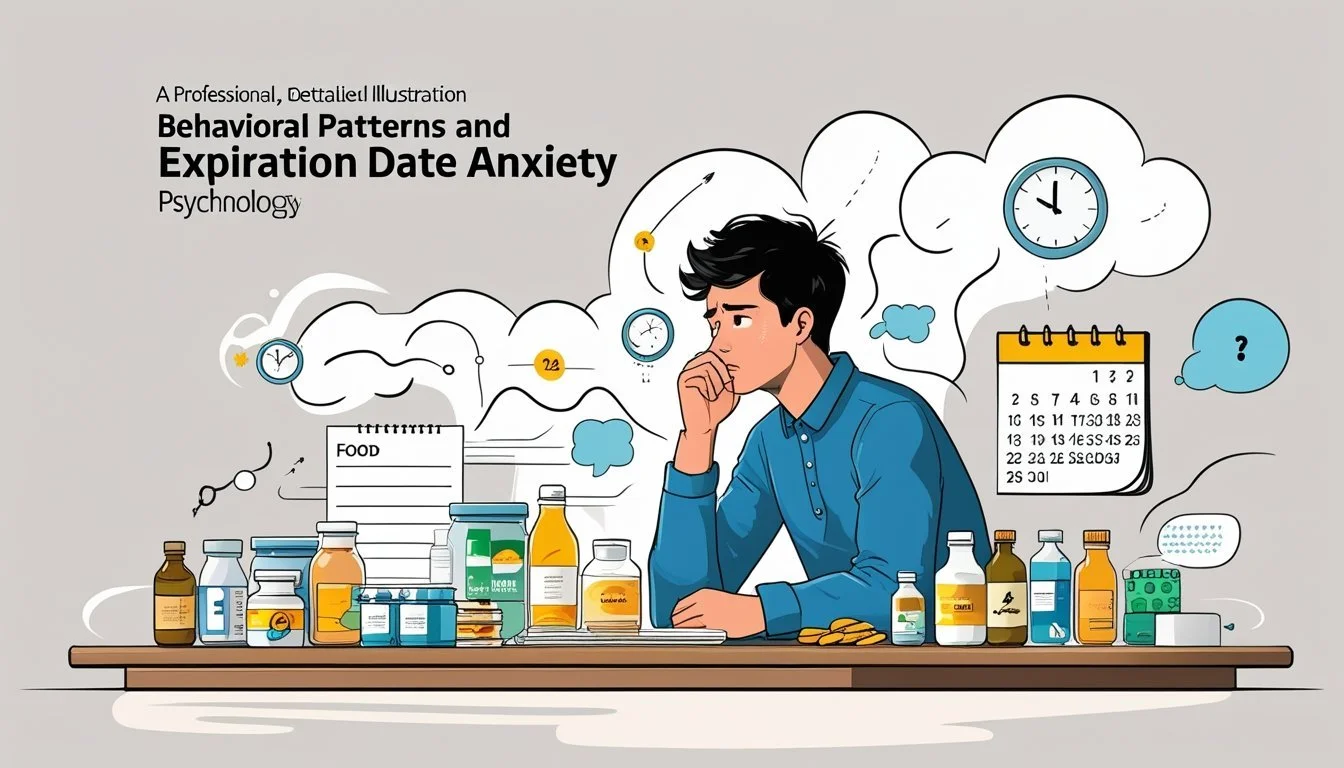
Expiration date anxiety leads to a range of behavioral responses that shape how individuals interact with food, household products, or medications. Certain coping strategies can help reduce stress, while other patterns may reinforce anxiety or make it harder to manage.
Avoidance and Safety Behaviors
People experiencing anxiety around expiration dates often develop avoidance and safety behaviors. Common forms include discarding perfectly safe items before their expiration date, excessive checking of labels, or avoiding the purchase of foods with soon-to-expire dates.
These behaviors are driven by a desire to reduce perceived risks of illness or harm. While avoidance may provide immediate relief from anxiety, it can reinforce the belief that risk is imminent, leading to a cycle where the individual becomes increasingly sensitive to minor threats.
Repeated avoidance may result in unnecessary food waste and financial cost, which can add to stress. Recognizing these patterns is essential, as overly cautious behaviors can sometimes become maladaptive, interfering with daily life.
Worry, Rumination, and Emotional Management
Anxiety about expiration dates can trigger persistent worry or rumination. Individuals may find themselves repeatedly thinking about potential negative outcomes, such as foodborne illness or wasted resources.
Common emotional responses include:
Fear of contamination or sickness
Guilt over wasted food
Frustration with decision-making
Managing these emotions often requires cognitive strategies. Cognitive restructuring and reappraisal techniques help challenge irrational fears and replace them with more balanced thoughts. Some people benefit from mindfulness practices to reduce repetitive worrying.
Behavioral experiments, like safely eating items slightly past their date, may help individuals test their beliefs and reduce anxiety over time.
Building Resilience and Adaptation
Overcoming expiration date anxiety relies on building resilience through adaptive coping strategies. Developing accurate knowledge about what expiration dates mean, and the actual risks involved, is key to informed decision-making.
Resilience-building methods include:
Gradual exposure to anxiety-provoking situations (e.g., using an item close to its date)
Learning about safe storage and food safety
Practicing stress-reduction techniques such as deep breathing or guided imagery
Treatment for persistent anxiety may involve cognitive-behavioral therapy (CBT), which focuses on restructuring anxious thoughts and modifying behaviors. Support from family or mental health professionals can further encourage adaptation and long-term coping success.
Social and Environmental Influences
Social and environmental factors can amplify expiration date anxiety by shaping how people view risks and process information about perishable items. Daily interactions, both online and offline, influence personal comfort levels, trust, and the perceived need for control.
The Role of Relationships and Conflict
Relationships and conflicts play a notable role in shaping expiration date anxiety. When people share homes, differences in risk tolerance and food handling can cause stress. For example, one person may be more cautious, discarding items before the expiration date, while another may see these actions as wasteful or unnecessary.
Frequent disagreements over what is "safe" to consume may lead to tension. These conflicts can reinforce or worsen existing anxieties, especially for those with sensitive personality traits. Social support often helps reduce anxiety, but ongoing relationship conflict may produce the opposite effect.
Research indicates that the social environment contributes to beliefs about safety and personal ability to make sound judgments. Exposure to repeated negative feedback or doubt from others can undermine an individual’s confidence in assessing whether something is truly expired or not.
Table: Common Causes of Interpersonal Conflict Over Expiration Dates
Cause Example Risk Tolerance Discarding milk before vs. after date Hygiene Beliefs Arguments on what "smells bad" means Food Waste Attitudes Debates about throwing away leftovers
Impact of Social Media and Privacy Concerns
Social media shapes how expiration date anxiety develops by amplifying stories and images about contaminated or spoiled foods. Trending topics and viral posts can quickly increase concern, especially when reports highlight extreme cases of foodborne illness. Social comparison also occurs, making some individuals worry about their own practices and judgments.
Privacy issues add to this anxiety. People who share food habits online can risk criticism or shaming, especially if they admit to using items past their expiration date. This scrutiny may pressure individuals to be more rigid or anxious about adherence to labeled dates.
Personality traits, such as sensitivity to social approval, can make some users more susceptible to these pressures. As a result, social media may both inform and intensify concerns, making it difficult for some to distinguish between necessary caution and exaggerated risk perceptions.
Management and Treatment Options

Managing anxiety around expiration dates involves a combination of evidence-based therapies, possible medication, and practical lifestyle changes. People may benefit from tailored interventions that target their specific worries and help them regain a sense of control and calm.
Addressing Anxiety Through Therapy
Therapy is a primary approach for treating anxiety related to expiration dates. Cognitive Behavioral Therapy (CBT) is commonly used to help individuals recognize and change patterns of thinking that contribute to excessive worry about safety, health, or contamination.
Therapists may encourage exposure techniques, guiding clients to challenge and reduce avoidance behaviors. Metacognitive therapy is another approach shown to assist by changing dysfunctional beliefs about worrying itself.
Psychoeducation is essential. By learning that anxiety is uncomfortable but not dangerous, individuals often experience relief and greater self-acceptance. Group therapy can also provide support and a sense of shared experience.
Medication and Alternative Approaches
Some people may require medication to manage persistent anxiety symptoms. Selective serotonin reuptake inhibitors (SSRIs) and other anti-anxiety prescriptions are options when therapy alone is not enough.
Healthcare providers will assess risks, benefits, and any potential side effects. Medications are often combined with therapy for best results.
For those who prefer non-medication routes, relaxation techniques such as mindfulness, deep breathing, or applied relaxation may assist in reducing overall stress and anxiety levels. Practices such as meditation or yoga also offer benefits for some individuals.
Lifestyle Adjustments for Better Mental Health
Daily habits play a significant role in managing anxiety. Regular exercise, consistent sleep patterns, and nutritious meals contribute to emotional resilience and lower baseline stress.
Limiting caffeine and alcohol can decrease symptoms of anxiety. Establishing routines around food storage and checking expiration dates in a systematic manner can create a sense of control during transitions, reducing uncertainty.
Maintaining social connections and seeking support from family or friends further strengthens mental health. Integrating self-care and stress-reduction practices into daily routines empowers individuals to cope more effectively.
When Expiration Date Anxiety Becomes Debilitating
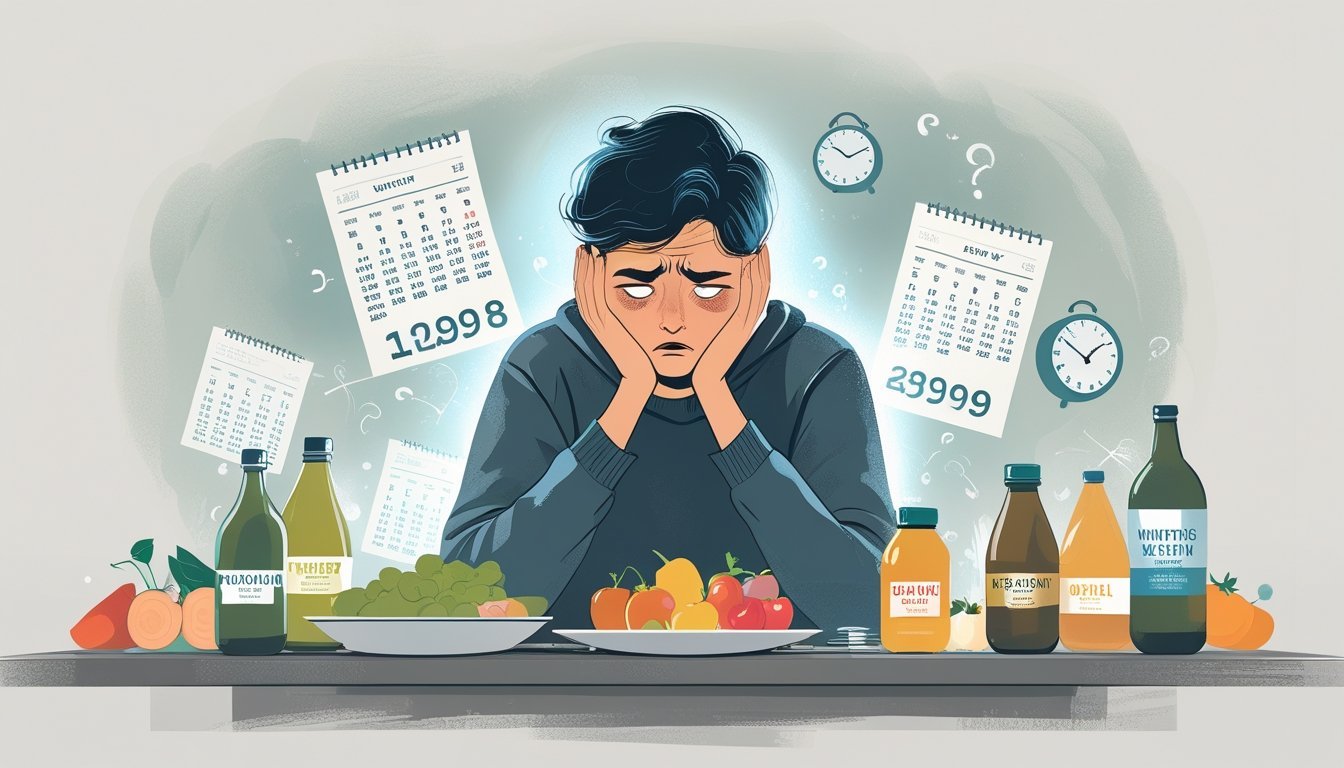
In extreme cases, anxiety about expiration dates goes beyond mild worry and begins to affect daily functioning. People may notice significant changes in both their mental state and physical state as the stress escalates.
Recognizing Severe Symptoms
Debilitating expiration date anxiety does not mimic simple nervousness. Instead, it presents persistent and uncontrollable worry over potential harm from expired products. This may include intrusive thoughts that linger even after rational reassurance, leading to excessive checking, avoidance of products, or seeking constant validation.
Common signs include an inability to stop thinking about expiration dates, difficulty sleeping, and preoccupations that interfere with eating or shopping. People may avoid certain foods, leave products unused, or repeatedly throw out items before their actual expiration to reduce their anxiety. These habits can take up a significant amount of time each day.
Severe anxiety may also result in withdrawal from social gatherings involving food or reluctance to trust others with food preparation. Some experience feelings of helplessness, frustration, or shame over their reactions, which worsens the cycle of anxiety and stress.
Key signs:
Compulsive checking or discarding of items
Disruption of daily routines
Persistent, distressing thoughts about safety
Panic Attacks and Physical Manifestations
Stress from expiration date anxiety can sometimes trigger panic attacks, which may develop suddenly without clear warning. These episodes include a range of physical symptoms such as a racing heart, shortness of breath, dizziness, sweating, or trembling. The person may feel an urgent need to escape or take drastic action, like abruptly discarding all questionable products.
Physical manifestations can persist even outside of obvious panic attacks. Chronic muscle tension, headaches, digestive problems, and fatigue can result from ongoing anxiety about food safety. It's not uncommon for individuals to report nausea or stomach pain when confronted with food they perceive as risky.
A table highlighting physical symptoms:
Symptom Description Rapid heartbeat Feeling of heart pounding Shortness of breath Difficulty breathing GI distress Nausea, stomach pain Trembling Shaking or muscle tension
Severe responses often interfere with daily life, leading to avoidance behaviors and a diminishing sense of control over one’s mental and physical state. Persistent physical symptoms may prompt people to seek medical attention, sometimes without realizing the root cause is anxiety.

