
Time-Temperature Indicators: How They Work to Ensure Product Safety and Quality
Time-temperature indicators (TTIs) are small devices or smart labels that visually reveal if a product has experienced conditions—specifically time and temperature—that may impact its safety or quality. By detecting and displaying any excessive temperature exposure over a period, TTIs help ensure products like food, pharmaceuticals, and medical supplies remain safe for use throughout their distribution and storage cycles.
TTIs use chemical or physical reactions that trigger a visible change, such as a shift in color or appearance. This makes it easy to spot if an item was exposed to temperatures outside of acceptable limits, offering a direct way to assess the product's history without opening packaging or relying solely on records.
For anyone managing perishable items, understanding how TTIs work is essential to maintaining quality and reducing waste. These indicators provide a practical layer of accountability in the supply chain, using clear visual cues that show whether products have stayed within recommended conditions.
What Are Time-Temperature Indicators?
Time-temperature indicators (TTIs) provide visual feedback on the temperature exposure history of products from manufacturing to the end-user. These devices are particularly important for products where both time and temperature directly affect quality, safety, or shelf life.
Definition and Purpose
A time-temperature indicator (TTI) is a small device or smart label designed to monitor and display the combined effects of temperature and elapsed time on a product. Unlike basic temperature indicators, TTIs account for both how hot or cold a product gets and for how long those temperature conditions persist.
The main purpose of TTIs is to ensure products—especially perishable goods—have not been subjected to conditions that would compromise their quality or safety. They use chemical or physical changes to show if exposure limits have been exceeded.
This visual monitoring helps manufacturers, retailers, and consumers make quick, informed decisions. TTIs are often seen as a quality assurance tool in the supply chain for temperature-sensitive products.
Types of Time-Temperature Indicators
TTIs come in several designs, each with unique features for different uses. Major types include:
Critical Temperature Indicators: Activate when a specific temperature threshold is crossed, regardless of duration.
Cumulative Indicators: Respond to both the intensity and duration of temperature exposure, providing a more complete picture of a product's history.
Partial History Indicators: Only record and display exposure within a specific temperature range or for certain time periods.
Most TTIs rely on reversible or irreversible color changes to signal their findings. The specific technology might involve polymer-based reactions, enzyme processes, or encapsulated chemicals. Each type is selected based on product requirements and monitoring needs.
Common Applications
Time-temperature indicators are widely used to safeguard the integrity of temperature-sensitive products. Food industries use TTIs for meat, dairy, seafood, and ready-to-eat meals to monitor freshness and prevent spoilage.
In the pharmaceutical sector, TTIs track vaccines, biologics, and medicines that degrade if stored outside recommended temperatures. Medical devices and reagents also benefit from TTIs to maintain efficacy and patient safety.
Other uses include monitoring chemicals, blood products, and lab samples during transportation. In all applications, TTIs help reduce waste and protect end-users by providing transparent, easy-to-read visual indicators of product handling.
How Time-Temperature Indicators Work
Time-temperature indicators (TTIs) visually show whether a product has been exposed to temperatures beyond safe limits. They use chemical or physical changes to provide users with a clear indication of the product’s thermal history.
Principles of Operation
TTIs are designed to monitor both time and temperature to provide a record of a product’s heat exposure. Most devices contain chemicals that respond to temperature by triggering a visible change, often a color shift.
The rate of reaction depends on activation energy, so higher temperatures accelerate the change, making the indicator faster. A visual indication of heat exposure, such as a shift from blue to red, helps users decide if a product has been compromised.
Some TTIs also include temperature sensors or incorporate diffusion-based mechanisms, where a colored fatty acid moves along a track depending on time and temperature. This hybrid system allows both accurate temperature measurements and easy interpretation.
Activation Methods
Activation methods for TTIs vary, but most are initiated just before shipping or storage. Some require manual pressing to break a seal, while others start automatically upon removal from refrigeration or when exposed to air.
This step is critical because it starts the chemical or physical process that monitors the product’s temperature history. Once activated, the TTI begins tracking thermal exposure in real time.
Manufacturers may use self-adhesive labels, stickers with embedded chemicals, or even electronic monitoring devices that log temperature data over time. Selection depends on the product, cost, and required accuracy.
End-Point and Continuous Monitoring
TTIs provide either end-point or continuous monitoring. End-point devices indicate if a specific temperature limit has been exceeded for a critical duration. They are typically single-use and provide a clear yes/no visual cue.
Continuous monitoring TTIs change gradually over time, often in the form of a color gradient or moving indicator. This allows stakeholders to assess the entire temperature control history and estimate remaining shelf life.
Some indicators include reference colors printed around the active area, making visual interpretation simple and reducing human error. These monitoring methods help ensure safety and quality throughout the supply chain.
Key Features and Technologies
Time-temperature indicators (TTIs) use different technologies to monitor and display exposure to temperature over time. Core features include mechanisms for tracking thermal history, methods for visually or digitally signaling temperature excursions, and differences in how they record or reset status.
Colorimetric Indicators
Colorimetric indicators are widely used for their simplicity and clear visual cues. These devices usually consist of a material or a chemical compound that reacts to temperature changes through a visible color change. The most common type incorporates a pH indicator or involves chemical reactions that produce irreversible shifts in color intensity.
Users can quickly assess whether a product has exceeded its safe temperature range just by looking at the indicator. For example, some film-based TTIs turn from one color to another as temperature abuse occurs, allowing for easy pass/fail decisions. These indicators are often calibrated to specific time-temperature profiles, making them suitable for food packaging or pharmaceutical shipping.
Advantages:
Low cost
Easy to interpret
No specialized training needed
Limitations:
Limited to preset thresholds
Can be affected by humidity or packaging materials
Electronic and Data Logger Systems
Electronic TTIs and data loggers provide advanced temperature monitoring, recording detailed thermal history over time. These devices use sensors to continuously measure and log data at regular intervals. Outputs may include digital displays, downloadable reports, or even wireless alerts for real-time management.
Unlike basic color indicators, data loggers allow for a review of exact temperatures and durations. This makes them useful in complex supply chains or for sensitive products such as vaccines and biologics. Some systems offer audible or visual alarms when critical thresholds are breached.
Notable features:
Precise temperature tracking
Data storage and retrieval options
Compatibility with analytical software
These monitoring devices usually cost more and require setup but offer superior data and control.
Reversible and Irreversible Indicators
TTIs are categorized as either reversible or irreversible, depending on how they record status.
Reversible indicators change color or display information only while in a specific temperature range. When conditions return to normal, they revert to their original state. This feature allows for repeated use, especially in applications needing constant monitoring, like laboratory refrigerators.
Irreversible indicators retain their signal even after the temperature returns to safe levels. They are designed for single-use scenarios where it's critical to know if a product was ever exposed to unsafe conditions. For example, an irreversible TTI will permanently change color after surpassing a temperature limit.
This distinction guides the choice of indicator based on intended application, sensitivity requirements, and whether a permanent record is needed. Various industries select between reversible and irreversible TTIs according to safety standards and risk profiles.
Applications in Food Safety
Time-temperature indicators (TTIs) play a critical role in food safety across packaging, transportation, and storage. By signaling temperature excursions, they help protect public health, comply with food safety regulations, and reduce spoilage in cold chain logistics.
Food Packaging and Labeling
TTIs are increasingly incorporated directly onto food packaging to provide transparent temperature history to suppliers, retailers, and consumers. This real-time information helps all stakeholders confirm if products have remained within safe temperature ranges during transit and storage.
For example, fresh foods like dairy, seafood, and meat often include TTIs on their labels. This practice is vital for products especially vulnerable to temperature fluctuations. Some TTIs are visually coded, changing color or appearance when a critical storage temperature is exceeded, making the system accessible and easy to interpret.
Manufacturers use TTIs to meet food safety regulations and support traceability. Visible temperature records on packaging reduce the risk of improper handling going unnoticed and help ensure compliance in the food industry. This system improves confidence in product quality and safety among distributors and retailers.
Preventing Foodborne Illness
TTIs directly support foodborne illness prevention by offering a visual indication if products have been exposed to unsafe temperature conditions. Foods like fresh produce, seafood, or ready-to-eat meals are at increased risk when stored above safe thresholds, as higher ambient temperatures promote pathogenic growth.
By indicating real-time temperature abuse, TTIs enable early identification of potential hazards. If a TTI shows a breach occurred, the affected product can be removed from the supply chain before reaching consumers.
This approach reduces the chance of bacterial contamination and supports food safety interventions. Cold chain logistics providers can act promptly if a temperature excursion is detected, strengthening efforts to protect public health.
Maintaining Food Quality
Food quality deteriorates rapidly if storage temperature is not carefully controlled, especially for perishable foods. TTIs help ensure that foods retain expected sensory qualities, such as taste, texture, and appearance.
TTIs also help retailers and consumers better understand remaining shelf life by indicating cumulative exposure to higher temperatures, not just elapsed time. This is particularly beneficial for products like fresh produce that can spoil quickly under improper storage.
By tracking actual storage and room temperature conditions, TTIs support dynamic shelf life management. Accurate monitoring leads to better inventory control, reduced food waste, and a consistent standard of freshness across the food supply chain.
Role in Pharmaceutical and Healthcare Industries
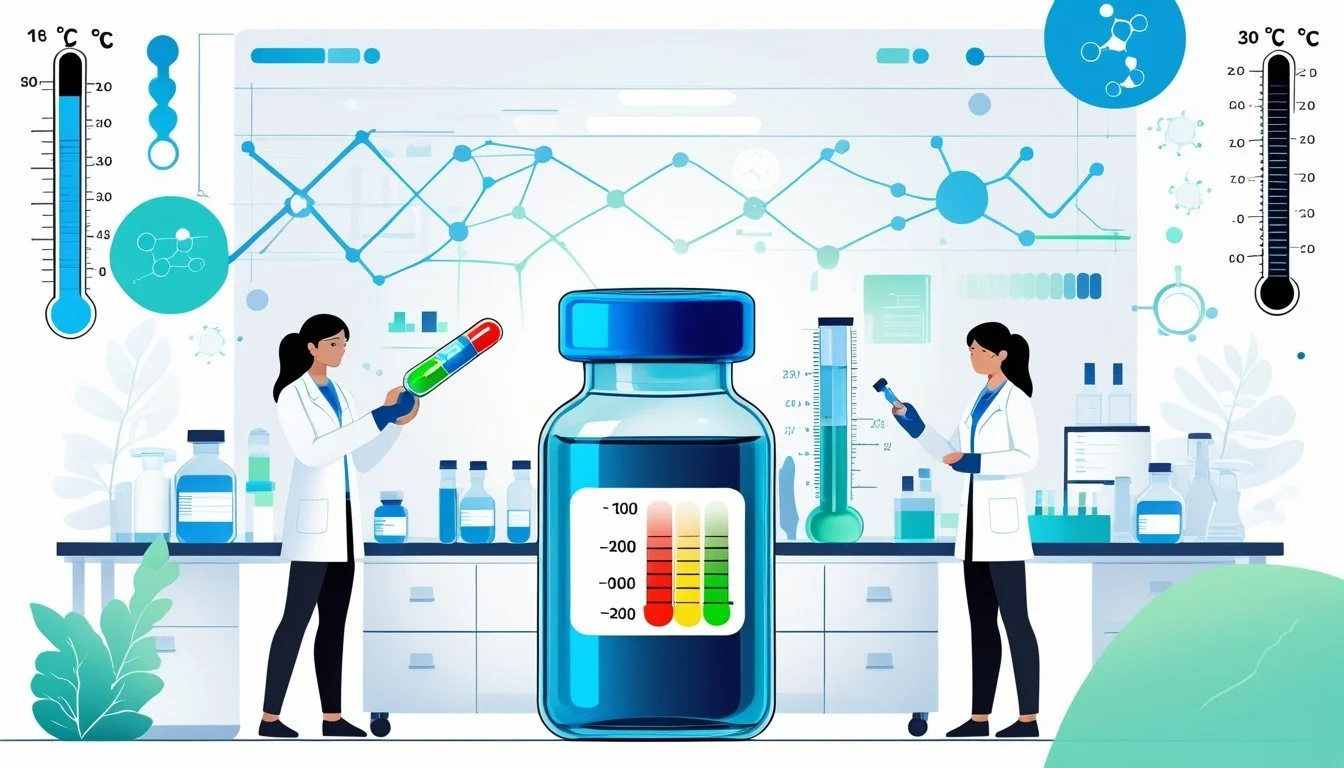
Time-temperature indicators (TTIs) play a crucial part in protecting the quality and efficacy of temperature-sensitive pharmaceuticals during all stages of storage and distribution. In healthcare settings, consistent temperature monitoring ensures that vaccines and medications remain safe and effective by verifying that proper cold chain conditions are maintained.
Ensuring Vaccine Potency
Vaccines are especially sensitive to temperature fluctuations. Many must stay within a narrow thermal range—such as +2°C to +8°C—to retain their potency.
TTIs provide continuous visual evidence of whether vaccines have been exposed to out-of-range temperatures during shipping or storage. This is essential for preventing the administration of ineffective doses.
For example, during the distribution of COVID-19 vaccines, temperature excursions could result in large quantities of lost product. Visual TTIs allow healthcare professionals to instantly verify if vaccines are suitable for use, supporting patient safety.
Pharmaceutical Supply Chain Monitoring
Pharmaceutical products like insulin, blood products, and biologics require strict temperature control. Any temperature breach can cause product degradation or spoilage.
TTIs function as an in-package tool to flag thermal exposure without the need for costly data loggers. This supports cold chain monitoring in diverse environments—from warehouses to last-mile transport vehicles.
Temperature indicators can be used in combination with digital tracking systems, providing quick assessment and supporting corrective actions when excursions occur. This layered approach minimizes the risk of compromised drugs reaching patients and helps optimize logistics efficiency.
Regulatory Compliance
Regulatory agencies such as the FDA and WHO require documented temperature monitoring for nearly all cold chain pharmaceuticals. Mapping studies and compliance records must demonstrate that products were stored and transported within specified temperature ranges.
TTIs provide a simple, cost-effective solution for meeting regulatory documentation requirements. When affixed to individual products or shipping containers, they offer clear evidence of compliance or non-compliance at each supply chain point.
Failing to use adequate temperature monitoring can lead to product recalls, regulatory penalties, or damage to a company’s reputation. Including TTIs helps ensure companies satisfy compliance mandates for temperature-sensitive pharmaceuticals.
Cold Chain and Logistics Integration
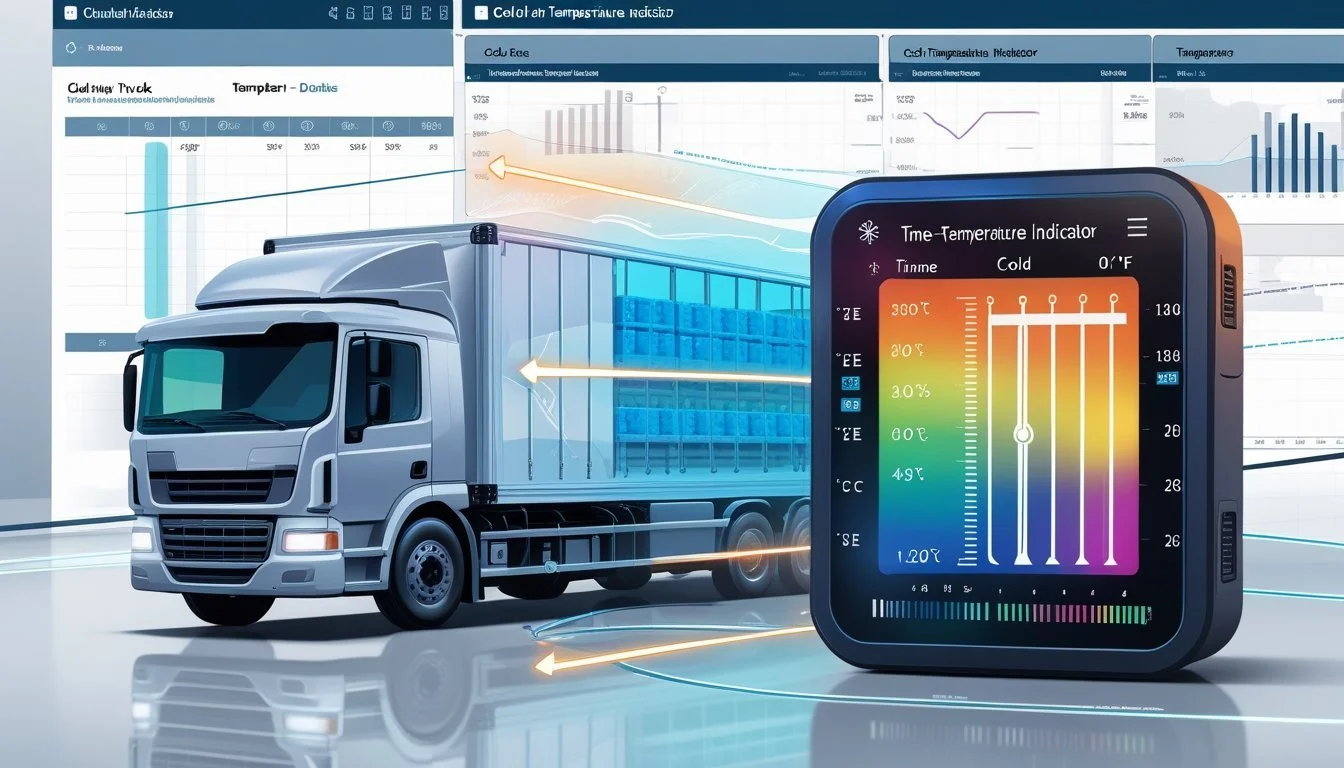
Efficient cold chain logistics rely on precise temperature control at every stage. Integrating monitoring tools like time-temperature indicators into supply chains reduces spoilage and helps ensure safety and quality for temperature-sensitive goods.
Temperature Control in Supply Chains
Temperature control is central to protecting products such as food, pharmaceuticals, and certain chemicals throughout the cold chain. Each product type often requires a specific temperature range—such as frozen, refrigerated, or controlled room temperature.
These requirements are maintained in every segment of the supply chain, from cold storage warehouses to shipping vehicles. Temperature excursions—periods when temperatures go outside accepted ranges—can quickly cause spoilage or reduce product efficacy.
To prevent such risks, supply chain managers employ sensors and monitoring devices at key control points. Regular documentation and immediate alerts help identify deviations before they compromise product safety.
Refrigerated Storage and Transport
Refrigerated storage uses insulated units, dedicated chambers, and advanced refrigeration technology to keep goods at their required temperatures. Walk-in coolers, freezers, and transport refrigeration units are common in cold chain logistics.
During transport, specialized refrigerated vehicles—often fitted with built-in temperature monitors—maintain the required conditions for goods. Familiar examples include refrigerated trucks and shipping containers for global trade.
Cold storage management involves not only maintaining adequate temperatures but also organizing product placement and transit schedules to reduce the risk of exposure during loading and unloading. These measures minimize the likelihood of temperature fluctuations and product loss.
Monitoring and Corrective Actions
Monitoring systems often combine digital data loggers, time-temperature indicators, and remote sensors to track temperatures in real time. Handlers are notified immediately if a temperature excursion is detected, allowing for rapid response.
Simple visual indicators like WarmMark or more advanced automated monitoring platforms are used depending on the scale and requirements. Handlers review continuous temperature records to confirm integrity upon delivery.
When deviations are detected, corrective actions can include adjusting storage temperature, rerouting shipments, or segregating potentially compromised items. Consistent monitoring and clear protocols increase accountability and prevent widespread issues within cold chain logistics.
Quality Control and Compliance
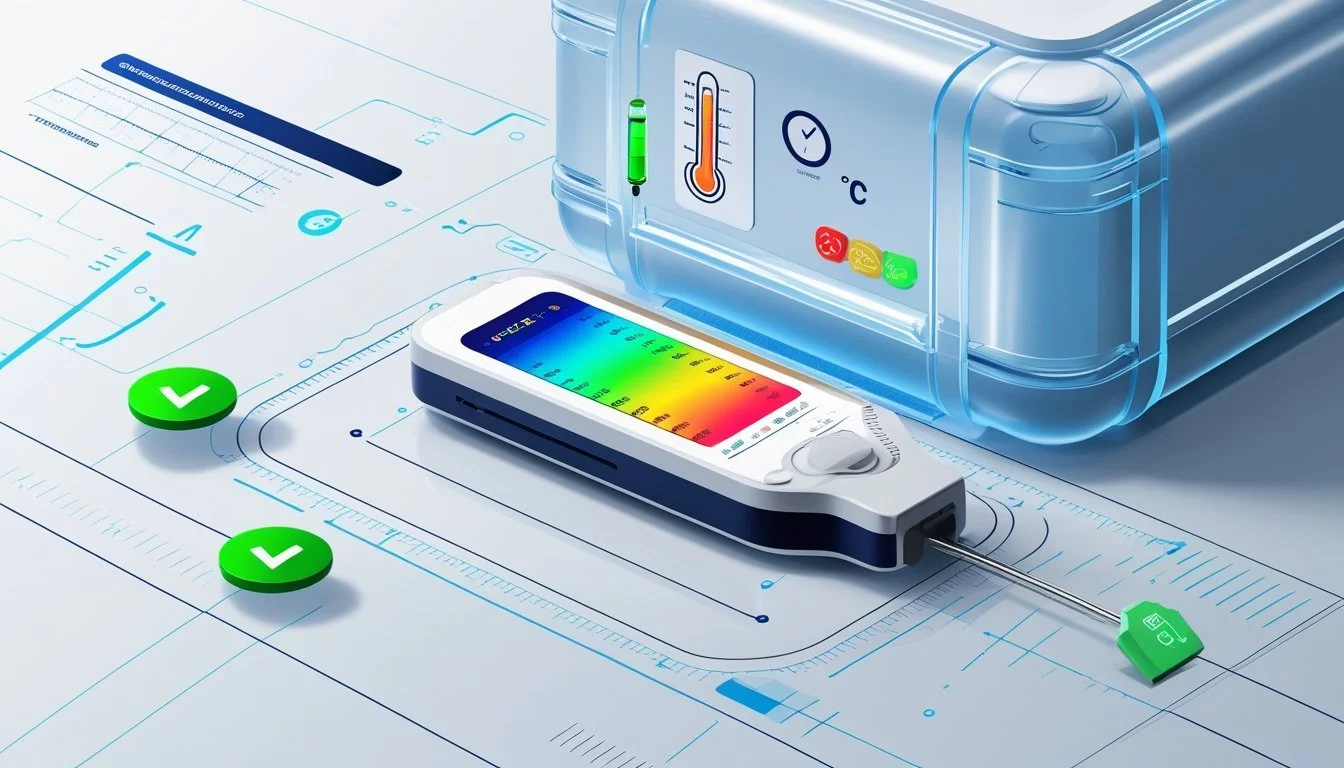
Time-temperature indicators (TTIs) support consistent quality control by revealing whether products have been exposed to improper storage conditions. These devices also help organizations maintain regulatory compliance by offering traceable and verifiable temperature records.
Meeting Industry Standards
TTIs are widely used to ensure that storage temperatures and transport conditions remain within required limits. Food, pharmaceutical, and biotech industries often rely on these tools to demonstrate adherence to strict regulatory compliance frameworks such as FDA, EU, or WHO guidelines.
To maintain quality control, TTIs are integrated into processes where monitoring temperature deviations is critical. For instance, vaccines and temperature-sensitive foods can be rejected if TTIs indicate excursions outside accepted ranges.
Key regulatory requirements include:
Documented proof of thermal history during storage/transport.
Immediate detection of temperature abuse.
Tamper-evident records.
Regulatory bodies require this evidence to validate claims concerning product safety and efficacy. By using TTIs, organizations can more easily pass audits and meet industry certification requirements.
Documenting Temperature History
TTIs continuously record the complete temperature history of a product throughout its lifecycle. This information gives companies the ability to track exposure to elevated or suboptimal temperatures for both short and extended durations.
Accurate thermal history records are often displayed in either color-changing indicators, digital logs, or rotating paper charts, depending on the specific TTI type. This data is vital for audits, investigations, and quality assurance processes.
Recording temperature history helps pinpoint the exact time and conditions of any temperature abuse. For supply chain managers, this supports root cause analysis and traceability. It also enables rapid response by isolating compromised products and maintaining the integrity of unaffected inventory.
Challenges and Limitations
Time-temperature indicators (TTIs) are valuable tools for monitoring product exposure to temperature over time, but they face several technical and practical challenges. These challenges affect accuracy, adaptability to different environments, and ease of integration into broader monitoring systems.
Accuracy and Reliability
TTIs may have limited precision in temperature measurements, especially near their thresholds. Small variances in calibration or manufacturing can impact their ability to reflect true temperature exposures.
Certain models rely on chemical or biological reactions that can be influenced by external factors. For example, slight changes in humidity or atmospheric pressure might affect the rate of color change or deformation. In addition, the response may sometimes lag behind actual temperature changes, leading to delayed or ambiguous results.
Quality control remains a hurdle, as inconsistencies between batches can lead to errors in critical temperature limit detection. As a result, false negatives or positives are possible, reducing confidence in the indicator's data.
Environmental Constraints
TTIs can be sensitive to environmental variables beyond temperature, such as light, moisture, or contaminants. Exposure to direct sunlight or high humidity can accelerate or alter the color change process.
Many TTIs perform optimally only within specific ambient temperature ranges. When used outside their designed parameters, indicators may become unreliable. The durability and shelf life of the indicator materials may also degrade under fluctuating conditions, undermining their intended function.
Product packaging and handling can further introduce errors, as improper placement or physical damage to the TTI may result in misleading readings.
Integration with Monitoring Systems
Integrating TTIs with digital temperature sensors or automated monitoring systems is not always straightforward. Most traditional indicators provide only a visual signal, making electronic data capture and remote monitoring difficult.
In many cases, there is no standardized protocol for connecting TTIs with cold chain management software or cloud-based systems. This limitation may require manual data logging, raising the risk of human error or data gaps.
The lack of interoperability with modern supply chain tracking technologies can limit the usefulness of TTIs in large-scale operations that require real-time temperature data and comprehensive record-keeping.
Future Directions and Innovations
New advancements in time-temperature indicators are focused on improving their precision, intelligence, and environmental impact. Efforts are underway to develop indicators that offer both higher functionality and reduced ecological footprint, using updated technologies and materials.
Smart Indicators
Smart time-temperature indicators are integrating digital technologies and IoT connectivity for more accurate monitoring of product conditions. These systems combine visual indicators, such as color-changing labels, with electronic components to continuously track temperature and time exposure.
Modern monitoring devices may include data loggers for real-time recording, and send alerts if thresholds are reached. Unlike basic visual or pH indicators, smart indicators often provide detailed records accessible through apps or cloud platforms.
A key trend is the use of printed electronics and advanced sensor materials, including those sensitive to specific chemical or biological changes. These offer clear, irreversible signals if safety has been compromised, helping ensure quality in industries like food, pharmaceuticals, and logistics.
Sustainability and Eco-Friendly Solutions
Environmental concerns are driving the development of TTIs made from biodegradable or recyclable materials. Manufacturers are focusing on reducing non-renewable components in both indicator substrates and sensing reagents.
Innovative eco-friendly solutions include indicators using natural dyes or non-toxic photochromic substances, which reduce chemical waste and facilitate safer disposal. Advances in ink and film formulations have enabled the creation of sustainable colorimetric and pH indicators.
The following table summarizes key sustainability goals in TTI development:
Focus Area Example Solutions Biodegradable materials Plant-based films, compostable inks Non-toxic chemistries Food-safe colorants, natural dyes Minimizing material use Thinner designs, less packaging
These developments are essential for meeting regulatory demands and consumer expectations for safer, greener packaging.

