Food Truck Laws Amarillo, Texas
Navigating Regulations for Mobile Vendors
Amarillo, Texas, maintains a specific set of regulations that govern the operation of food trucks within the city limits. These Mobile Food Establishments must adhere to the Texas Food Establishment Rules (TFER), which define a Mobile Food Unit (MFU) as a food service operation that's self-contained, designed for mobility, and may include various forms such as catering trucks, trailers, and push carts. Compliance is crucial for these businesses to ensure food safety and public health standards are met, aligning with state and local requirements.
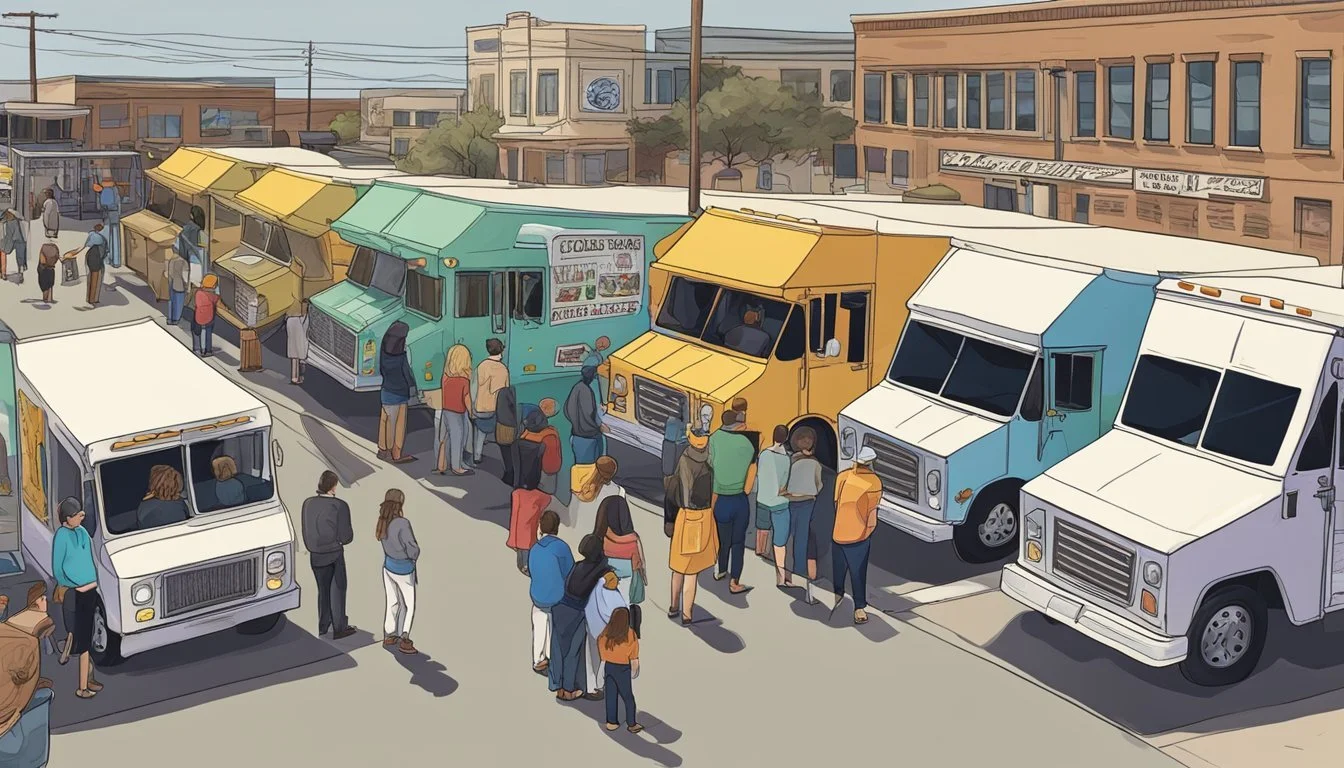
Before operating a food truck in Amarillo, proprietors must navigate through the permitting process, which includes meeting specific guidelines set forth by the Texas Department of State Health Services. This includes the submission of detailed plans of the unit, proof of proper waste disposal, and ensuring that the vehicle meets the standards set for mobility and containment. Given the variety of foods served and the unique dynamics of a mobile kitchen, these regulations are integral to operational success.
Operators must also consider the nuances of local codes, such as those specific to Amarillo, which may include restrictions on parking, zoning, and hours of operation. These local guidelines work in conjunction with state laws to create a comprehensive framework for food truck operations ensuring they serve the community effectively while upholding food safety protocols.
Starting a Food Truck Business in Amarillo

Before launching a food truck venture in Amarillo, one must navigate through various legal necessities, establish a unique brand identity, and set up the business entity correctly. This section will provide guidance on these fundamental steps.
Legal Requirements for Setting Up
In Amarillo, Texas, prospective food truck owners begin by completing the necessary application forms provided by the City of Amarillo's Environmental Health Department. This involves acquiring permits which adhere to the Texas Food Establishment Rules. The Texas Department of State Health Services also plays a critical role in ensuring that food trucks meet health and safety standards. Specific permits may include a health permit, food manager identification card, mobile food vendor permit, and in some cases, a fire marshal inspection certificate.
Permit Application Checklist:
Complete application forms
Obtain a health permit and food manager's card
Secure a mobile food vendor permit
Fire marshal inspection (if required)
Choosing a Food Truck Name and Brand
Choosing a fitting name and brand for the food truck is vital as it communicates the essence of the business to potential customers. The brand identity should reflect the cuisine, culture, and values of the food truck while standing out in the competitive market. Owners should ensure the selected name isn't already in use by performing a trademark search and registering the name to prevent any legal issues.
Brand Identity Components:
Unique and memorable name
Cohesive visual design (logo, color scheme)
Clear messaging that aligns with the food and ethos
Setting Up Your Food Truck Entity
To formally establish the food truck business in Amarillo, one must determine the type of business entity that best suits their needs, such as a sole proprietorship, partnership, limited liability company (LLC), or corporation. The process often involves registering with the Texas Secretary of State and obtaining an EIN (Employer Identification Number) from the IRS for tax purposes. Choosing the right structure is integral to the legal and financial organization of the food truck.
Business Entity Options:
Sole Proprietorship: Simple, not separate from owner
LLC: Limited liability, flexible taxation
Corporation: Increased complexity, separate legal entity
Registration Steps:
Register with the Texas Secretary of State
Acquire an EIN from the IRS
Health and Safety Regulations
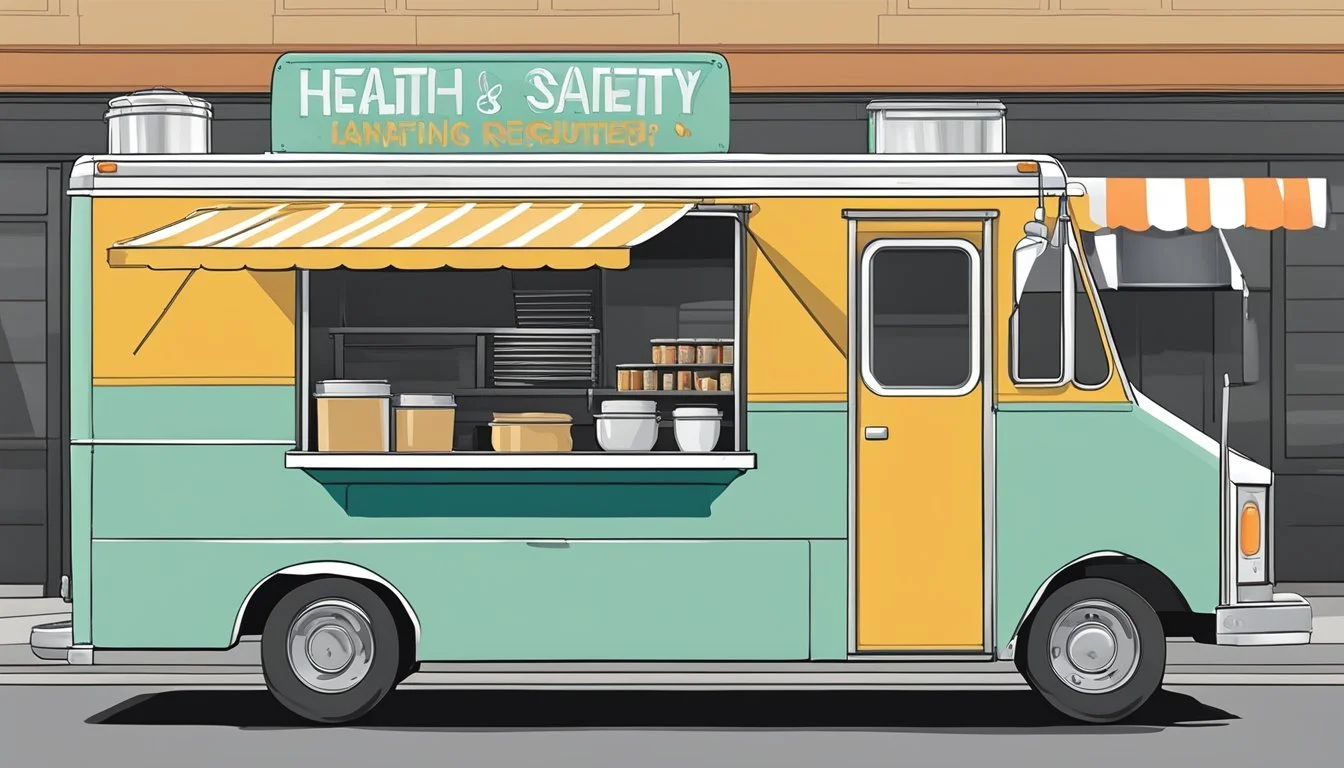
Food trucks in Amarillo, Texas must adhere to stringent health and safety regulations to ensure consumer protection and uphold public health standards. These measures are in place to mitigate risks associated with food preparation, handling, and storage in mobile food establishments.
Food Handler and Manager Certifications
In Amarillo, it is mandatory for all food handlers to obtain certifications proving their knowledge of proper food safety practices. Similarly, food managers must be certified to demonstrate their expertise in overseeing food operations. This ensures that all personnel are well-versed in the Texas Food Establishment Rules and are capable of maintaining high standards of hygiene and safety.
Inspection and Compliance
Food trucks undergo regular inspections to ensure compliance with state and local regulations. These examinations include checking the mobile unit’s facilities and equipment, along with the employees' adherence to safety standards. Failure to comply can result in penalties or closure. Ongoing compliance with the Texas Food Establishment Rules ensures that food trucks maintain the necessary health and safety standards.
COVID-19 Specific Regulations
Due to the COVID-19 pandemic, additional safety regulations have been introduced. Food trucks are required to follow enhanced protocols, such as enforcing social distancing, wearing masks, and frequently sanitizing surfaces. These measures are enacted to protect customers and staff from the spread of the virus, aligning with directives from health authorities.
Operational Guidelines for Food Trucks
In Amarillo, Texas, food trucks must adhere to strict guidelines that ensure safety and quality in food service. These regulations cover all areas of operation, from the preparation and cooking of food to the sanitation of the vehicles.
Cooking and Food Preparation
All food trucks in Amarillo must use commercial, food-grade equipment to prepare and serve food. They are classified as Mobile Food Establishments and need to maintain a kitchen that meets health and safety standards. Cooking equipment must allow for proper food handling and prevent contamination. Frequent health inspections ensure that food preparation areas are kept clean and food is cooked to the required temperatures.
Storage and Handling of Ingredients
Proper storage of ingredients is crucial for any food service operation. In Amarillo, food trucks must have adequate refrigeration to keep perishable items at safe temperatures. Dry storage areas must be secure and free from contaminants. To maintain quality and safety, they must organize their ingredients to prevent cross-contamination, keeping raw and cooked products separate.
Waste Disposal and Sanitation
Effective waste disposal and thorough sanitation are vital for maintaining a clean environment. Amarillo food trucks are required to have a plan for regular waste removal. They must also provide handwashing stations with soap, warm water, and single-use towels or air dryers. Surfaces that come into contact with food must be sanitized regularly, using a documented cleaning schedule. This ensures that the Retail Food Establishment aspect of the food truck maintains high standards of hygiene.
By following these operational guidelines, food trucks in Amarillo not only comply with the law but also ensure the safety and satisfaction of their customers.
Municipal Codes and Zoning Laws

In Amarillo, Texas, food trucks are subject to a plethora of municipal codes and zoning laws that govern where and how they can operate. These regulations are essential for maintaining public safety, health, and the general welfare of the community.
Parking and Location Restrictions
Under the city's thorough zoning ordinance, food trucks must adhere to specific parking and location restrictions to legally operate within Amarillo. They are typically allowed in designated commercial and industrial zones but may require a special permit to operate in other areas. These units must also respect local ordinance requirements regarding proximity to brick-and-mortar restaurants and adhere to particular distances from residential properties.
Signage and Advertisement
Signage and advertisement regulations are stipulated by Amarillo's ordinances to ensure the city's aesthetic and traffic safety is kept intact. Food trucks are permitted to display signs that are directly related to their business. However, they must avoid obstructing pedestrian and vehicular traffic or deviating from prescribed sizes and messages set forth by the local home-rule authority.
Noise and Operational Hours
The city codifies food truck noise levels to minimize disruptions in the area they serve. Operational hours are typically restricted to avoid late-night disturbances, often aligning with the community’s noise ordinance policies. Retail food establishments such as food trucks must comply with these regulations to ensure they don't negatively impact the surrounding neighborhoods.
Water and Utilities
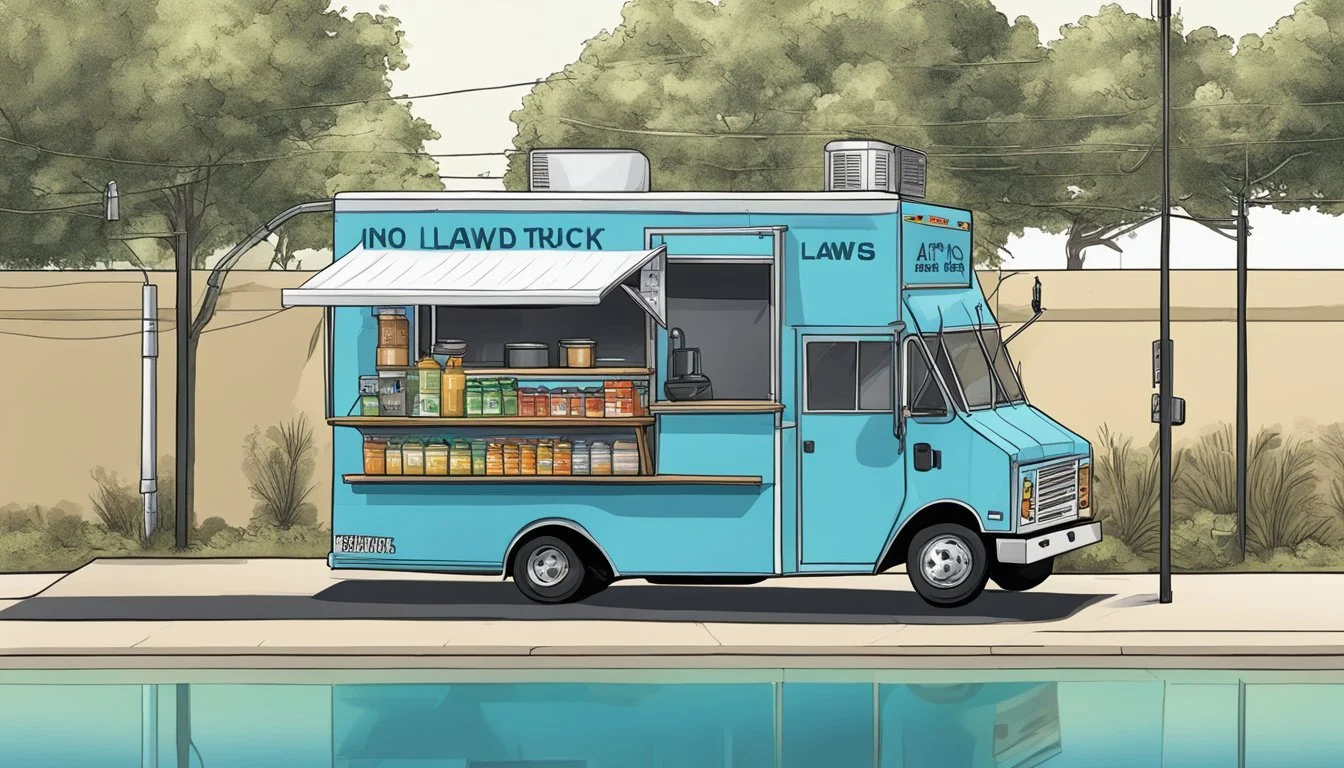
In Amarillo, Texas, food truck operators must comply with specific water and utilities regulations to ensure that their mobile food establishments function within the health and safety parameters set by the authorities. The city mandates that these businesses have consistent access to potable water and a safe, reliable power supply.
Access to Potable Water
Food trucks in Amarillo are required by the Department of State Health Services (DSHS) to have an adequate supply of hot and cold running water to ensure proper food handling and sanitation. This water must be easily accessible within the food truck and meet all standards for potable water, which implies that it's safe for drinking and food preparation. The systems providing this water must be contained and regularly inspected, aligning with the standards for self-contained food service operations.
Power Supply and Electrical Safety
A stable power supply is crucial for the operation of a food truck, with electrical safety being a paramount consideration. Food trucks must have well-maintained generators or connections to an external power source. All electrical installations should adhere to the local safety codes, and operators should ensure that their setup can handle the required load for their cooking and refrigeration equipment without risk of outages or hazards. Regular inspections often include checks for electrical safety to prevent any potential accidents or health risks.
Financial Aspects of Operating a Food Truck

Operating a food truck in Amarillo, Texas involves navigating the financial complexities specific to the business, such as taxation, accounting, and the management of payments and tips. Accurate financial management is key to the success and legal compliance of any mobile food establishment.
Taxation and Accounting
For food trucks selling in Amarillo, the Texas Comptroller plays a crucial role in the taxation process. Businesses must regularly report their earnings and pay sales tax on items sold. It's important that food truck operators maintain meticulous records of their income and expenditures. This involves detailed bookkeeping and, often, the assistance of a qualified accountant adept in food service businesses. The Comptroller's office provides resources and guidance for filing taxes correctly, ensuring food truck owners stay compliant with state tax laws.
Payment Processing and Tips
In today's market, food trucks must offer multiple payment processing options, including cash, credit cards, and mobile payments, to cater to customer preferences. Implementing a reliable payment system that swiftly processes transactions can enhance the customer experience. Additionally, trucks should have clear guidelines on tipping, whether built into the payment system or as a separate tip jar. Since owners and operators rely on these tips as an integral part of their income, transparency and ease of payment greatly benefit both staff and patrons.
Marketing and Promotion Strategies

Effective marketing and promotion strategies are crucial for food truck operators in Amarillo, Texas, to stand out in a competitive market. These strategies not only help in attracting customers but also in establishing a brand identity.
Building an Online Presence
A robust online presence is essential for food trucks to connect with their customer base. This includes setting up a professional website, which serves as the digital storefront, and active social media profiles where they can showcase their menu, location updates, and customer testimonials. Utilizing email marketing campaigns can keep patrons informed about new offerings and deals. It's important to use display advertising strategically to target local food enthusiasts.
Participating in Local Events and Festivals
Being actively involved in local events and festivals can significantly increase a food truck's visibility. Joining the National Food Truck Association provides opportunities for networking and participating in nationally recognized events. Food trucks should consider setting up a booth at local events to attract a crowd looking for quick, delicious eats. Roadside food vendors can capitalize on high-traffic areas during such events to maximize exposure.
Engaging with the Community
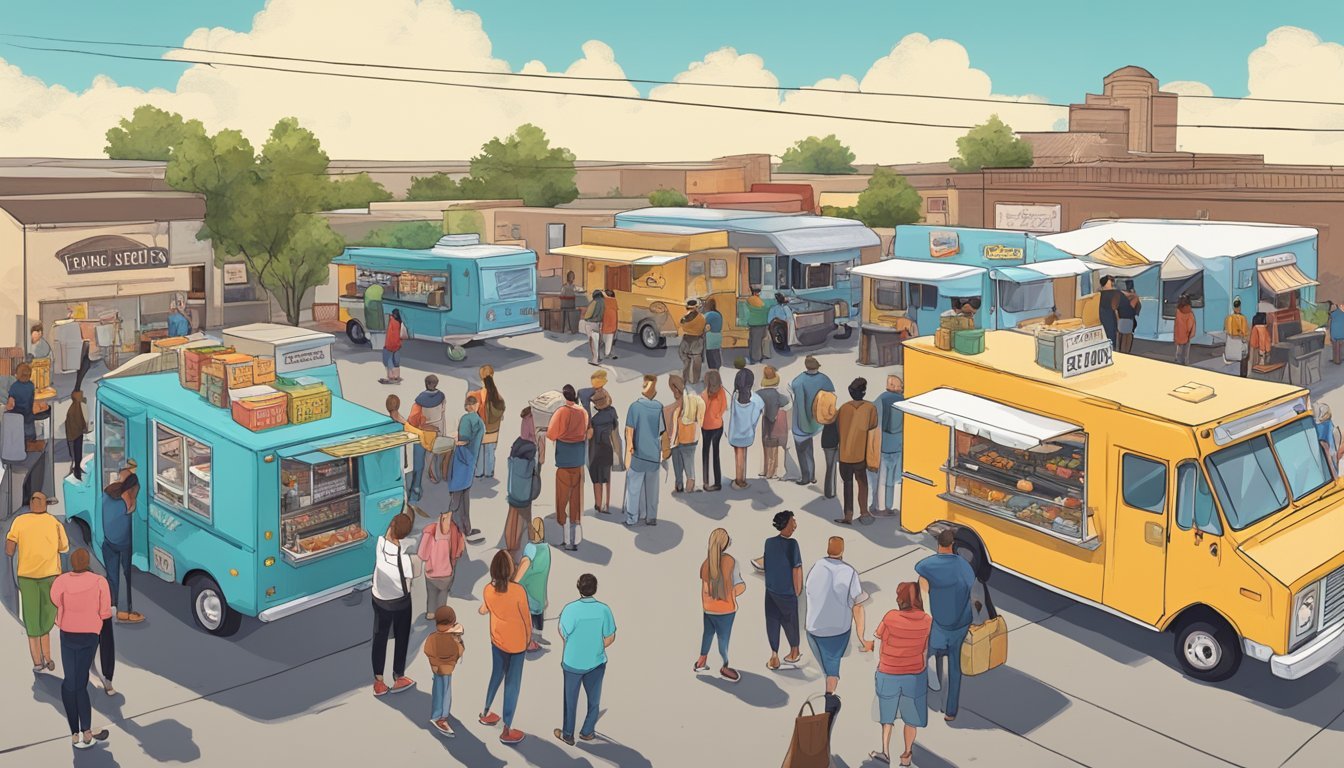
When operating a food truck in Amarillo, Texas, maintaining a positive relationship with the community involves not only delivering great food but also attentively managing customer interactions and adhering to local regulations.
Handling Customer Feedback
Food truck operators should see every piece of customer feedback as an opportunity for improvement and community engagement. Whether it's a suggestion regarding the menu or a compliment on the service, responding graciously can build a loyal customer base. Operators can display feedback mechanisms visibly in the service area, such as a comment box or contact information, ensuring that citizens have a direct line to voice their opinions or concerns.
Compliance with Noise and Traffic Regulations
To coexist peacefully within the community, it's essential for food truck operators to comply with noise and traffic regulations. This includes respecting local noise ordinances to avoid complaints and ensuring that the truck's location does not impede traffic flow. By following these guidelines, food truck owners demonstrate a commitment to the well-being of the community and can avoid unnecessary fines or disruptions to their business.
Ongoing Operations and Growth
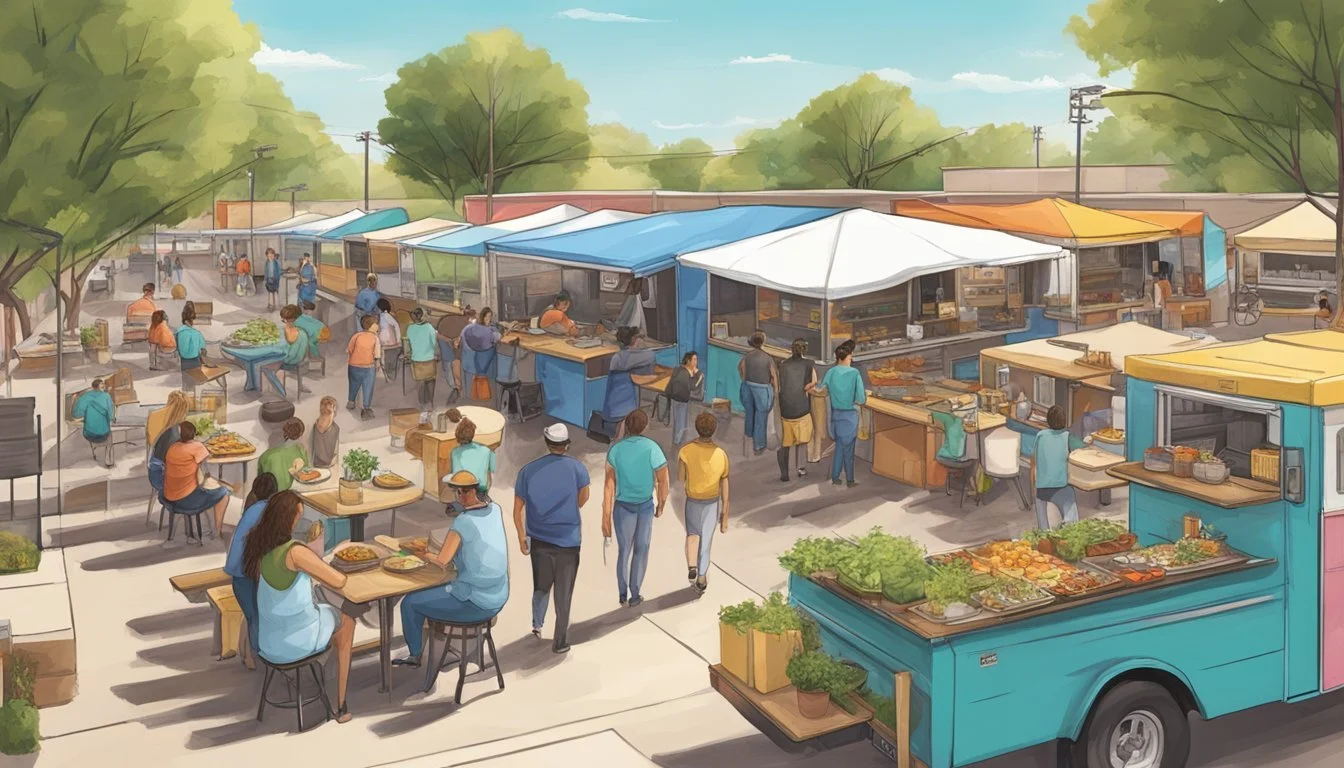
The food truck scene in Amarillo continues to thrive, bolstered by flexible regulations and an open attitude towards innovation. Operators must focus on consistent reevaluation to meet stringent standards and explore growth strategies.
Reevaluation of Menu and Services
Food truck operators in Amarillo often find that to maintain relevance, they must periodically reevaluate their menu. It is crucial to align offerings with customer preferences while adhering to the minimum standards set by local health codes. For instance, a central preparation facility could be utilized to ensure quality control across menu items. Adapting services may also involve incorporating technology for improved order efficiency.
Expanding Your Business
Expansion can take several forms, from acquiring additional trucks to securing a brick-and-mortar restaurant. Before expansion, owners should ensure their business model is successful and sustainable over time. Establishing a central preparation facility streamlines operations for multiple food trucks or a transition to a restaurant. Care must be taken to comply with Texas Food Truck Requirements—such as inspections and insurance—upon expansion.