Food Truck Laws Tallahassee, Florida
Navigating Regulations for Mobile Vendors

Food truck entrepreneurs in Tallahassee, Florida are part of a growing trend that brings innovative dining experiences straight to the streets. Navigating the regulations set forth by local governments ensures these mobile eateries can operate smoothly within the law. In Tallahassee, as in other cities throughout Florida, these mobile food establishments are subject to specific guidelines and requirements that aim to ensure both public safety and fair business practices.
Understanding the landscape of food truck laws in Tallahassee is vital for operators. They must adhere to the standards established by the Florida Department of Agriculture and Consumer Services, which oversee the safety and operational guidelines for mobile food units. Moreover, the recent legislation under the Occupational Freedom and Opportunity Act significantly impacted licensing for food truck businesses across the state, simplifying some aspects of the regulatory process.
Regulations in Tallahassee may also encompass location-specific rules, such as proximity to other restaurants, permissible operating hours, and designated zones for food truck operation. Compliance with these laws not only helps food truck owners avoid legal pitfalls but also fosters a healthy relationship with the community and local government, paving the way for the continued success of the food truck industry in the state capital.
Getting Started
Starting a food truck business in Tallahassee, Florida requires careful planning and compliance with specific legal requirements. The initial steps involve selecting a business structure, obtaining a tax ID, and registering the business name.
Choosing a Business Entity
The choice of a business entity has significant tax, liability, and operational implications for a food truck. In Florida, one can operate as a sole proprietorship, which is the simplest form but offers no personal liability protection. Alternatively, forming a Limited Liability Company (LLC) is popular among food truck owners due to its liability protection and tax flexibility. Those looking to start with a partner might consider a partnership for shared responsibilities and resources. For larger operations or those seeking investment, incorporating as a corporation could be beneficial. Each option should be carefully evaluated for its respective legal and financial responsibilities.
Obtaining an Employer Identification Number (EIN)
An Employer Identification Number (EIN) is a federal tax ID required for most business entities. This number is necessary for hiring employees, opening business bank accounts, and filing tax returns. Owners must apply for an EIN through the Internal Revenue Service (IRS) which can typically be completed online.
Registering the Business Name
Business name registration establishes the food truck's identity in the market. If the business is a sole proprietorship or partnership using a name other than the owner's personal name, it is necessary to file a "Fictitious Name" with the Florida Division of Corporations. For LLCs and corporations, the business name is registered when filing the respective formation documents. It's crucial that the chosen business name is unique and not already in use or trademarked by another entity.
Food Truck Licensing Requirements
In Tallahassee, Florida, operating a food truck involves several specific licensing requirements that must be met to ensure compliance with local and state regulations. These licenses and permits are vital for legal operation and include obtaining a business license, a food service license, mobile food dispensing vehicle permit, and other necessary permits and registrations.
Acquiring a Business License
To operate a food truck in Tallahassee, one must first obtain a business license. This is a general requirement for any business operating within the city limits. The process typically involves applying through the local city or county government offices. The specific office responsible for business licensing can vary, so it is crucial to consult the Tallahassee government website for the exact details and application process.
Food Service License
A food service license issued by the Florida Department of Business and Professional Regulation (DBPR) is required for food trucks. This assures that the food truck adheres to health and safety regulations. The license indicates that the food truck has met the standards set by the Florida Department of Business and Professional Regulation concerning food safety and sanitation.
Mobile Food Dispensing Vehicle Permit
Operating a food truck in Tallahassee requires a Mobile Food Dispensing Vehicle (MFDV) permit. This permit is also overseen by the Florida Department of Business and Professional Regulation. It specifically covers regulations regarding the mobility of food trucks and the unique operational challenges they present. Information on how to obtain this permit can be found on the DBPR's website.
Other Necessary Permits and Registrations
In addition to the specific licenses for operating the food truck, additional permits, such as an Employee Health Permit and a Seller's Permit, may be required. Registration with the Florida Department of Revenue for sales tax purposes is also necessary. These additional steps help ensure compliance with employment laws and financial regulations. Details can be typically located on the DBPR's website or through the Florida Department of Agriculture and Consumer Services.
Health and Safety Regulations
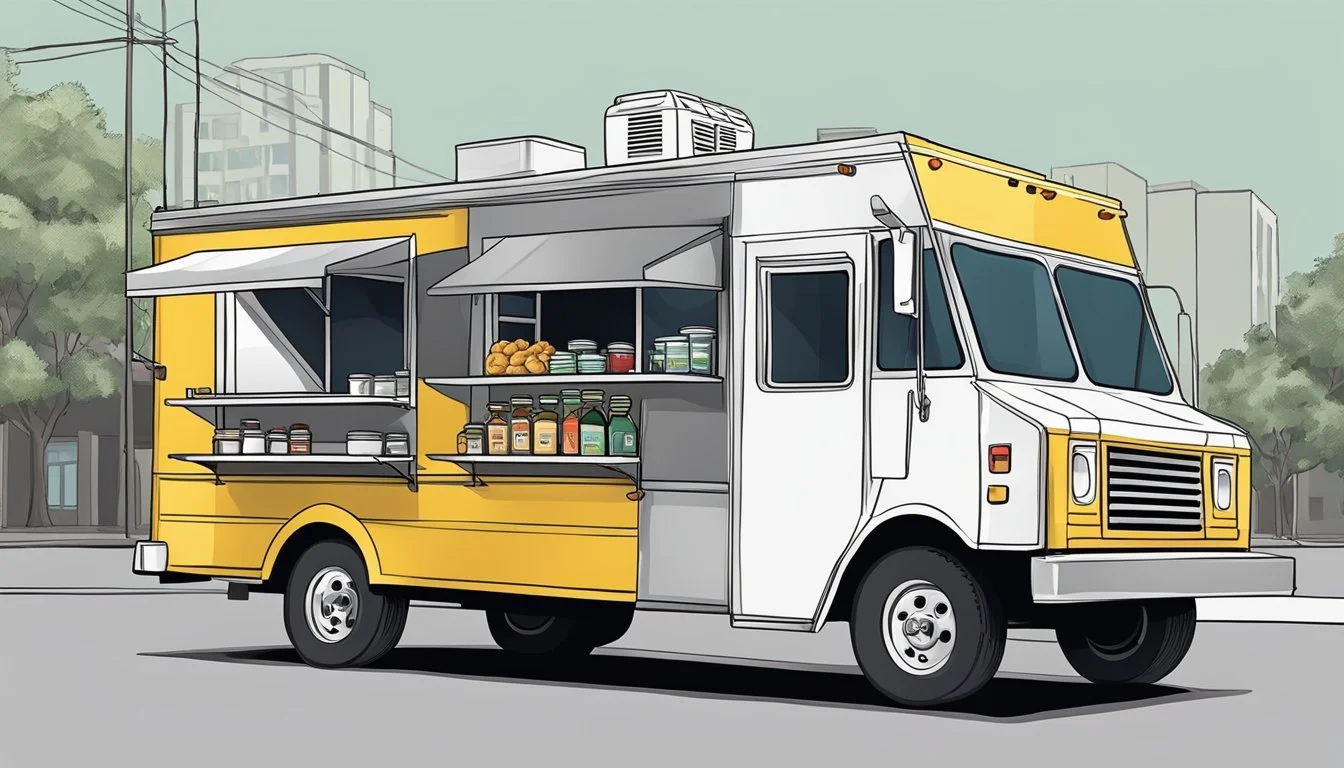
In Tallahassee, food trucks must adhere to strict health and safety regulations to ensure public welfare. These measures are primarily monitored by the Florida Department of Agriculture and Consumer Services and encompass food safety protocols and waste management.
Compliance with Florida Department of Agriculture
Food truck operators in Tallahassee are required to obtain a license from the Florida Department of Agriculture, ensuring their mobile food establishments operate within state health and safety codes. It is imperative for these businesses to undergo regular inspections to maintain their license and to adhere to the food safety guidelines prescribed by state laws.
Ensuring Food Safety
To safeguard public health, food trucks must follow comprehensive food safety regulations, such as proper food handling, temperature control, and sanitation practices. The provision of safe drinking water and the prevention of cross-contamination are integral components of these standards. Employees must also receive appropriate food safety training to recognize and mitigate health risks.
Proper Waste Disposal
Effective waste disposal procedures are enforced to minimize environmental and health hazards. Food trucks need to have a plan for the disposal of solid waste and wastewater, ensuring that waste is not disposed of in a way that could contaminate food, water, or surrounding areas. Compliance with solid waste regulations is critical, including the proper disposal of grease and other food by-products to protect Florida’s delicate water systems.
Location and Zoning
In Tallahassee, Florida, food truck operators must navigate local zoning laws to determine where they can legally conduct business. This includes understanding the complexities of municipal and county regulations regarding the operation and location of mobile food establishments.
Understanding Zoning Laws
Zoning laws in Tallahassee are designed to dictate what types of activities can take place in various parts of the city. These regulations ensure that areas are used for appropriate purposes that match the municipality's planning goals. For food trucks, these laws identify where mobile food vendors can operate. A significant part of these laws pertains to the percentage of revenue from alcohol sales and restrictions on food establishments, which can vary across different zoning districts. Operators must consult the Division of Food Safety under the Florida Department of Agriculture and Consumer Services for the specific requirements of mobile food establishments.
Selecting Appropriate Locations
When selecting a location for a food truck in Tallahassee, operators must obtain consent from the property owner. Food trucks are prohibited from operating in the public right-of-way. The address of the proposed location is crucial as it must comply with the local zoning categories. The City of Tallahassee provides guidelines on categories that affect the siting of a food truck. They must also consider the time and nature of their operation to ensure compliance with time-based restrictions that may apply to certain zones. It is important to operate within the established frameworks to maintain good standing with local authorities.
Financial Management

In the realm of food truck operations in Tallahassee, Florida, two critical components demand attention for financial sustainability: the correct handling of sales tax and a comprehensive understanding of various fees and taxes. Mismanagement in either can lead to significant legal and financial repercussions.
Handling Sales Tax
Sales tax in Florida is governed by the Florida Department of Revenue. For food trucks, it is essential to collect and remit sales tax on all taxable sales. The current state sales tax rate is 6%, but local jurisdictions may impose additional sales taxes. Food truck operators should register for a sales tax certificate and set up a process to track and report sales tax regularly.
Collect Sales Tax: Every sale is potentially subject to sales tax. Ensure the point of sale system is set up to apply the correct tax rate.
Remit on Time: Submit the collected sales tax to the Department of Revenue on a schedule—monthly, quarterly, or annually.
Understanding Fees and Taxes
Operating a food truck comes with various fees and taxes beyond just sales tax. Operators must understand the full scope, including:
Licensing Fees: Required to legally operate a food truck in Tallahassee.
Permit Fees: Specific event or location permits may be necessary.
Renewal Fees: Regular renewals of licenses and permits will incur fees.
Operators should also be aware that there are taxes on the purchase of tangible goods and services that they use to run their business, such as kitchen equipment and cleaning services. In Florida, businesses may also be subject to a commercial rental tax for the lease of the truck if it is not owned outright. Staying current with the Florida Department of Revenue on these regulations is imperative for compliance.
Insurance and Liability

Food truck operators in Tallahassee, Florida must navigate a range of insurance requirements and legal considerations to protect their business and assets. Proper coverage is not merely a regulatory formality; it is critical for financial security in the face of potential liabilities.
Securing Adequate Insurance
Every food truck business in Florida should maintain a Commercial Auto Insurance policy, as food trucks are classified as vehicles and the state mandates minimum coverage. This type of insurance typically covers property damage and bodily injuries resulting from accidents. Many providers offer policies with coverage limits that may range from the state minimum up to substantial amounts, such as $1 million in Combined Single Limit.
Protecting Against Lawsuits
The threat of legal action is a stark reality for any business, and food trucks are no exception. The owners should be proactive in obtaining General Liability Insurance to shield against lawsuits stemming from accidents or negligence claims. This coverage can help cover legal fees, settlements, and medical expenses. Given the nature of the food industry, a single lawsuit can be financially devastating without this safety net.
Operational Considerations

When it comes to operating a food truck in Tallahassee, Florida, maintaining the vehicle and equipment and managing a relationship with a commissary are fundamental. Both aspects are critical to ensure compliance with local regulations and to guarantee the safety and satisfaction of customers.
Vehicle and Equipment Maintenance
The upkeep of a food truck is vital for seamless operation. The vehicle, whether self-propelled or a towable trailer, should be regularly serviced to prevent breakdowns that could affect business continuity. This includes regular engine maintenance, tire checks, and ensuring all lights and signals are functioning. Equipment within the truck must be kept in excellent condition as well. Owners should have a routine for checking that all cooking appliances are functional and comply with health standards.
A well-maintained food truck is often a self-contained unit that includes water supply, refrigeration, and adequate waste disposal systems. Repairs should not be deferred as they can pose health risks or lead to longer downtimes.
Managing a Commissary
A commissary acts as a home base for food truck operations. In Tallahassee, food trucks are generally required to be associated with a commissary, a licensed commercial kitchen where they can prepare and store food safely. This is a requirement to ensure that all food offered is safe for consumption.
The commissary also provides space for the necessary repair of kitchen equipment and cleaning of the vehicle. Food truck operators must diligently manage this relationship, as it is crucial for the overall sanitation and supply chain of their mobile operation. All disposables and leftovers should be handled appropriately at the commissary, which typically allows for proper waste disposal apart from providing clean water supply and storage facilities.
Additional Business Operations

In Tallahassee, food truck operators can expand their business reach through engaging in catering and participating in events, but they must be diligent in adhering to local regulations, especially when it comes to serving alcohol.
Catering and Event Participation
Catering provides a significant opportunity for food truck businesses to generate additional income. When a food truck caters an event, it is crucial to tailor the menu to the client's needs while remaining consistent with the food truck's brand and capabilities. Participation in local events allows for increased visibility and a potential uptick in regular customers. Food trucks considering catering at aviation authority-managed locations like airports or at seaports must obtain proper permissions specific to those venues, which may differ from standard city regulations.
Navigating Local Regulations for Alcohol
When a food truck operator intends to serve alcohol, understanding and complying with Tallahassee’s local regulations is essential. They must secure an appropriate permit, which could include additional requirements if the service is happening within the vicinity of an airport or seaport, where regulations may come under both local and aviation authority jurisdiction. It is imperative that food truck businesses familiarize themselves with these nuanced legalities to ensure all operations are legal and above board.
Marketing Your Food Truck
Successful marketing strategies are vital for a food truck's visibility and customer engagement. Focusing on a strong brand identity and active consumer interaction can set a food truck apart in Tallahassee's competitive market.
Building Brand Identity
A food truck must establish a distinctive brand identity to create a memorable presence in Tallahassee. This involves choosing a unique name, a creative logo, and a color scheme that reflects the truck's personality and culinary theme. The menu should not only highlight signature dishes but also emphasize unique ingredients that make the brand stand out. For instance, sourcing local products can become part of the brand's story, appealing to consumers who value freshness and community support.
Engaging with Consumers
Engagement with consumers goes beyond face-to-face interactions during the sale of a meal. It includes maintaining an active presence on social media platforms where they share daily specials, upcoming locations, and behind-the-scenes content. In Tallahassee, a food truck can leverage local events and partner with businesses for cross-promotion, enhancing their outreach. Providing a memorable customer experience, such as quick service or a loyalty program, encourages patrons to return and share their positive experiences with others.
Legal Considerations

Operating a food truck in Tallahassee, Florida requires a clear understanding of the state-level statutes and an adherence to specific local government mandates. Legal compliance is paramount for mobile food vendors to successfully navigate the regulatory framework and mitigate legal risks.
Understanding Florida Statutes
Florida statutes define the operational ground rules for mobile food vendors. They must secure a Mobile Food Establishment Permit from the Florida Department of Agriculture and Consumer Services, indicative of adherence to the standards laid out in Chapter 500, Florida Statutes, and Chapter 5K-4, Florida Administrative Code. These documents cover food safety, vehicle requirements, and other operational guidelines. For example, mobile food vendors need to ensure their food truck is equipped with facilities for maintaining food temperature, proper waste disposal, and has a designated hand washing sink.
Compliance with Local Government Requirements
At the local government level, compliance with Tallahassee's regulations is crucial. The government has set forth additional requirements tailored to local public health and safety standards. These regulations might include specific parking restrictions, vending location permits, and adherence to the city's zoning laws, which dictate where food trucks may operate. It is incumbent upon food truck owners to remain informed about these rules through the city's official channels or risk incurring penalties or legal action for non-compliance.
Additional Resources

In navigating the specific legal terrain of Tallahassee's food truck industry, additional resources play a vital role. They offer crucial support, from associational networks to training programs, ensuring compliance with regulations set by entities like the Florida Department of Agriculture and Consumer Services.
Associations and Support Networks
Food truck owners in Tallahassee can benefit greatly from associations and support networks that provide guidance and advocacy. One such entity is the Florida Department of Agriculture and Consumer Services, which oversees regulations for mobile food establishments. This department is instrumental in understanding the legal requisites for operating a food truck, such as acquiring a food handler’s license and understanding health and safety standards.
Continuing Education and Training
Staying up-to-date with the latest industry standards is essential for food truck operators. Continuing education and training programs, often provided by or in conjunction with state departments such as the Florida Department of Agriculture and Consumer Services, are available to ensure that food truck staff maintain an active food handler's license and are informed on the most current food safety practices. These educational resources help ensure that food truck businesses remain compliant and competitive in Florida's dynamic food service landscape.