Food Truck Laws Peoria, Arizona
Navigating Local Regulations
Operating a food truck in Peoria, Arizona, involves navigating a series of regulations designed to ensure public safety and fair business practices. These regulations are an essential framework for the thriving food truck scene, which blends culinary innovation with the convenience of mobile service. As food trucks continue to gain popularity across the city, understanding and complying with the specific laws of Peoria is crucial for mobile food vendors.
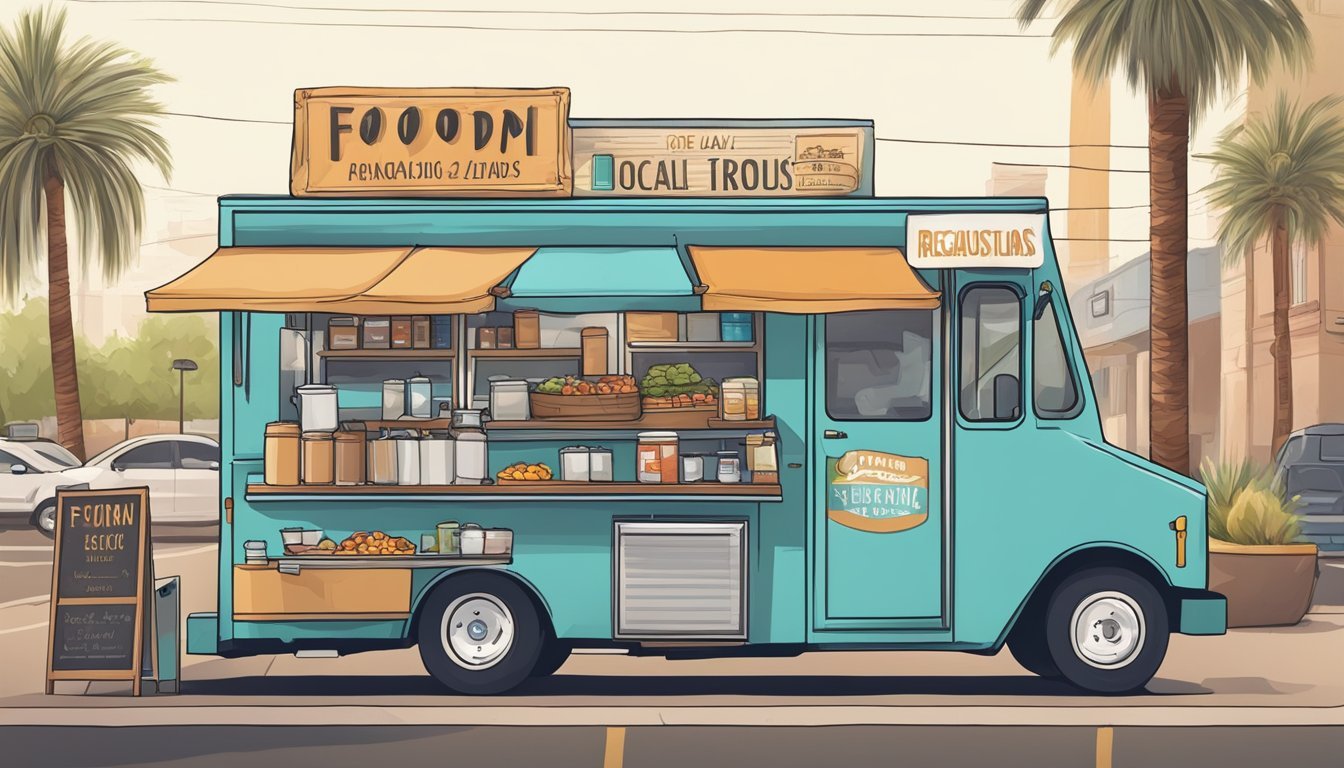
Peoria has acknowledged the growth in the mobile food industry by updating its rules on mobile units. These updates aim to address the unique challenges of operating a food service on wheels rather than a brick-and-mortar location. For entrepreneurs eager to tap into the food truck business, familiarizing themselves with the current regulations is the first step to launching a successful operation.
The city’s existing and newly updated food truck laws touch upon various aspects of mobile food unit operation, from permits and zoning restrictions to food safety and vendor conduct. Applicable permits and licenses are mandatory, reflecting Arizona's commitment to maintaining high standards in the food service industry. By adhering to these set guidelines, vendors can confidently serve the Peoria community, knowing that their business is both compliant and recognized by the city’s regulatory bodies.
Understanding Food Truck Regulations
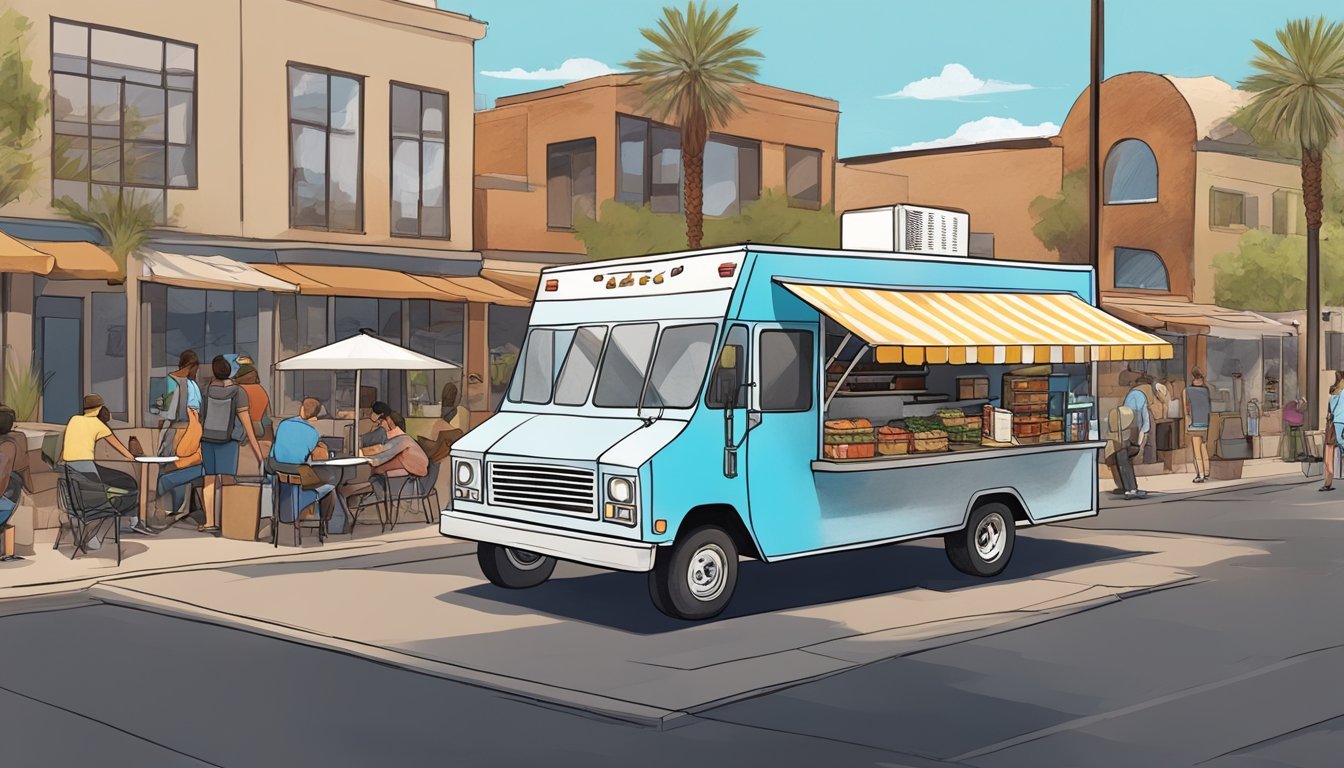
Navigating the legal framework for operating food trucks in Peoria requires a clear understanding of general requirements and specific local ordinances. These regulations ensure that food trucks operate safely and in compliance with the law.
General Food Truck Requirements
Food truck operators must adhere to various state and county regulations to run their businesses. A permit is paramount; it serves as formal permission to do business in the region. Food safety is non-negotiable, with operators expected to maintain high standards akin to brick-and-mortar restaurants. Compliance with food safety ordinances, tax laws, and Arizona's specific food truck regulations concerning vehicle safety, waste disposal, and public health is essential.
Permit and License: Obtain a statewide license for operation.
Inspections: Regular inspections by health departments are mandatory.
Insurance: Adequate coverage is imperative for risk management.
Compliance: Adherence to OSHA and local health department regulations is required.
Specific Ordinances in Peoria
The city of Peoria has its specific requirements for food trucks. To cater to the growing popularity of food trucks, Peoria has updated its rules to simplify processes for operators.
Zoning Laws: Operators must comply with the zoning codes stipulated by the city.
Location Restrictions: There may be specific areas where food trucks can or cannot operate.
Operating Hours: The city may impose restrictions on the hours during which food trucks can do business.
For food truck operators in Peoria, staying abreast of the latest requirements and regulations will aid in lawful and successful operation. Compliance not only ensures the continued viability of their business but also promotes food safety and community well-being.
Obtaining Necessary Permits and Licenses
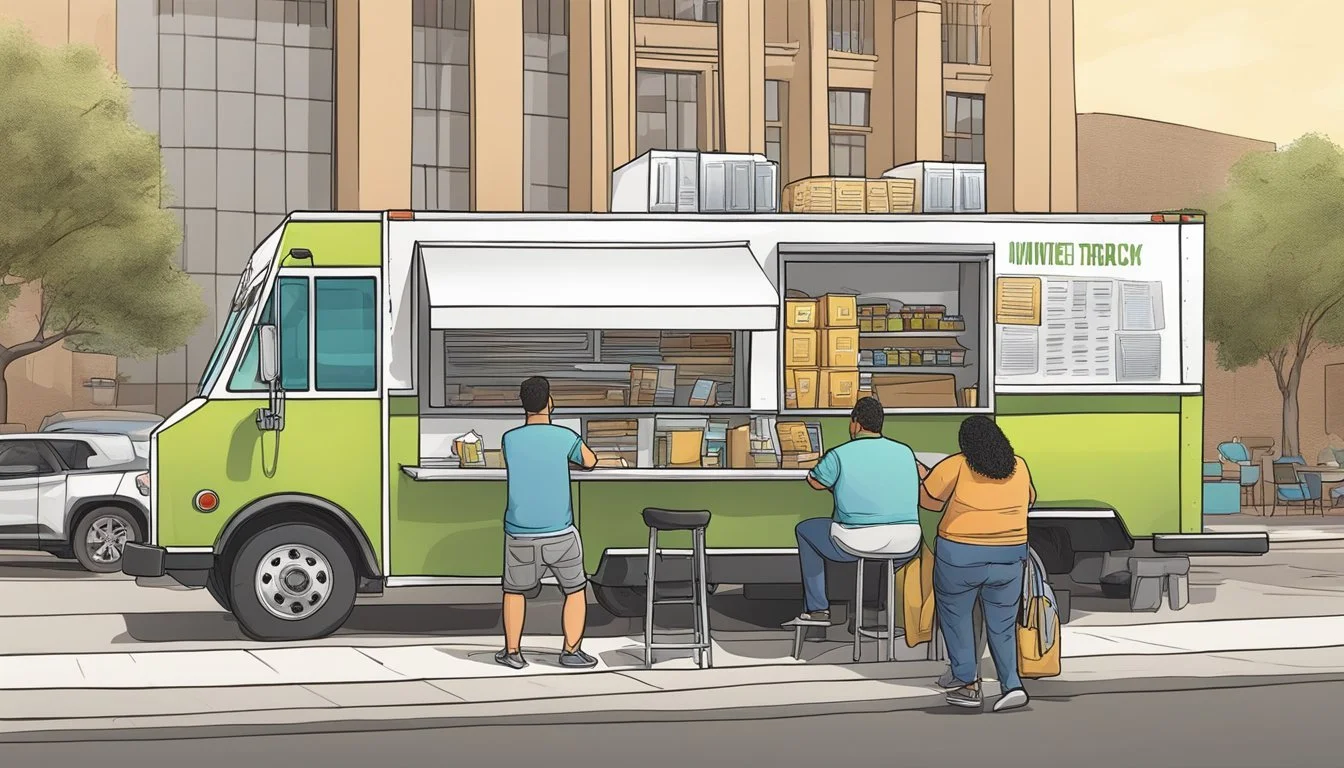
Operating a food truck in Peoria, Arizona, necessitates navigating a complex web of regulations to ensure compliance with local, state, and federal laws. Critical to launching a food truck business are the acquisition of proper permits, adherence to food safety standards, and fulfillment of tax requirements.
Business Licensing Process
Prospective food truck owners must apply for a business license via Peoria's Tax and License Division. A fee of $32.00 is required for the processing of the application. It is imperative to also check for additional permit requirements specific to food trucks, such as zoning permits.
Health and Safety Inspections
Food trucks are subject to health and safety inspections to ensure compliance with public health laws. Trucks must secure a mobile food establishment permit from Maricopa County, which involves inspections that cover the gamut of food safety ordinances, including temperature control and proper waste disposal.
Sales Tax and EIN Regulations
Food truck operators are obliged to collect and remit sales tax, necessitating a sales tax license. Additionally, they must obtain an Employer Identification Number (EIN) from the IRS for tax purposes. The EIN is also essential for opening business bank accounts, handling employee payroll, and potentially acquiring business insurance.
Insurances and Liability
In Peoria, Arizona, food truck operators must navigate the complexities of insurance requirements to ensure compliance and protection of their business. The adherence to proper insurance and liability measures is not only a legal mandate but also a business safeguard.
Separate Insurance Policies
Food truck operators in Peoria are required to maintain separate insurance policies that accord with both state and local regulations. These policies typically include general liability insurance, which can protect against various risks and accidents associated with the operation of a mobile food unit. In Peoria, a city that is updating its regulatory framework to support the growing food truck industry, it is imperative for operators to verify that their insurance coverage meets these evolving standards.
Operators must hold an insurance policy that covers any liabilities that may arise as a result of the business activities. Such an insurance policy should cover scenarios ranging from customer injury due to a slip and fall to foodborne illness outbreaks. Additionally, under new laws in Arizona, food trucks are obligated to procure a single state license that simplifies the regulatory landscape, potentially affecting the insurance process.
To comply with regulations, Peoria's food truck vendors should ensure their policies are valid, with sufficient coverage limits to meet county and city ordinances. These requirements are in place not only as a protective measure for consumers but also for the vendors to mitigate potential financial losses stemming from claims or suits.
Operating a Food Truck in Peoria
Operating a food truck in Peoria, Arizona, involves adhering to specific vehicle requirements, maintaining high standards of cooking and food handling, and comprehension of participation in special events. Regulations are straightforward and designed to ensure public safety and high-quality food service.
Vehicle and Equipment Standards
In Peoria, a food truck, or any mobile food unit, must meet rigorous vehicle and equipment standards. This includes compliance with the Maricopa County health codes for food trucks, ensuring the vehicle is designed and constructed for the efficient storage, preparation, and service of food. Regular inspections highlight the requirement for hot and cold holding equipment that maintain proper food temperatures in Arizona's climate. Additionally, all food trucks in Peoria must possess a valid annual event food establishments license.
Cooking and Food Handling
Strict cooking and food handling regulations are in place to protect Peoria's public health. Every food truck operator and employee working in Peoria must hold a valid food handler card, such as ServSafe certification, demonstrating knowledge of safe food preparation and serving practices. Cross-contamination is a key concern, with food trucks required to follow standardized protocols for food separation, cleaning, and sanitization.
Special Event Participation
Food trucks looking to participate in special events throughout Peoria must adhere to a specific set of requirements. These are designed to manage the temporary influx of food service options and ensure they are on par with year-round standards. The city's guidelines help facilitate the integration of food trucks into Peoria's vibrant scene of annual events, with conditions that may include acquiring additional permits or passing supplementary inspections.
By meeting these localized requirements, food truck operators can contribute to and thrive within Peoria's dynamic food scene.
Additional Legal Considerations
In Peoria, Arizona, food truck operators must navigate a complex framework of legal rules beyond basic licensing. Attention to zoning laws, business formation, and alcohol regulations is critical for compliant operation.
Zoning and Location Restrictions
Local zoning laws in Peoria play a significant role in determining where food trucks can operate. The city council has established specific areas where food trucks are allowed to do business. It's important for operators to understand these local zoning ordinances to avoid fines and ensure their food truck is in a legally permissible location.
Forming a Legal Entity
When starting a food truck business in Peoria, or anywhere in Maricopa County, creating a legal entity such as a limited liability company (LLC) is advisable for legal protection and legitimacy. This entity can shield a business owner's personal assets from any liabilities of the business.
Handling Alcohol Permits
If a food truck owner decides to serve alcohol, they must obtain the proper permits from the government. Navigating alcohol permits requires strict adherence to regulations, and it's often more complex than standard food service permits. Maricopa County maintains specific requirements for alcohol licensing, which must be followed closely to avoid legal issues.
Compliance and Best Practices
In Peoria, Arizona, food truck operators must navigate a series of rules and regulations to ensure their mobile food establishments are in line with both local and state-level standards. Adherence to these laws is crucial for maintaining the quality and safety of food, as well as fostering a positive relationship with the community and regulatory bodies.
Routine Regulatory Review
Food trucks in Peoria are subject to regular inspections to verify compliance with health and safety regulations. Operators should proactively review current standards to prepare for these evaluations. It's essential for mobile food vendors to stay updated with the latest regulatory changes, such as those discussed in the Peoria's plans to update rules on mobile units. Regular reviews help ensure that all food handler cards and permits are current and that any new updates to the code are implemented promptly.
Maintaining Food Safety Standards
To maintain high food safety standards, food trucks must have all employees complete a food safety training program. This program is instrumental in educating staff on proper food handling techniques and temperature control. Inspections will check for adherence to these practices, and consistent compliance can prevent health risks and potential penalties. A summary of food code updates, which could directly affect mobile food vendors, is available via Arizona Department of Health Services.
Engagement with Local Food Truck Community
Active engagement with the local food truck community is beneficial for staying informed and receiving support in matters of regulation. Collaboration with peers can lead to a unified voice in suggesting necessary updates or reviews of existing policies. Resources and information about mobile food establishments and their operations in Maricopa County can be found through local health departments, such as the one detailed on the Maricopa County website.
By mastering these compliance elements and maintaining best practices, food truck operations in Peoria will thrive in a dynamic industry.
Industry Insights and Case Studies
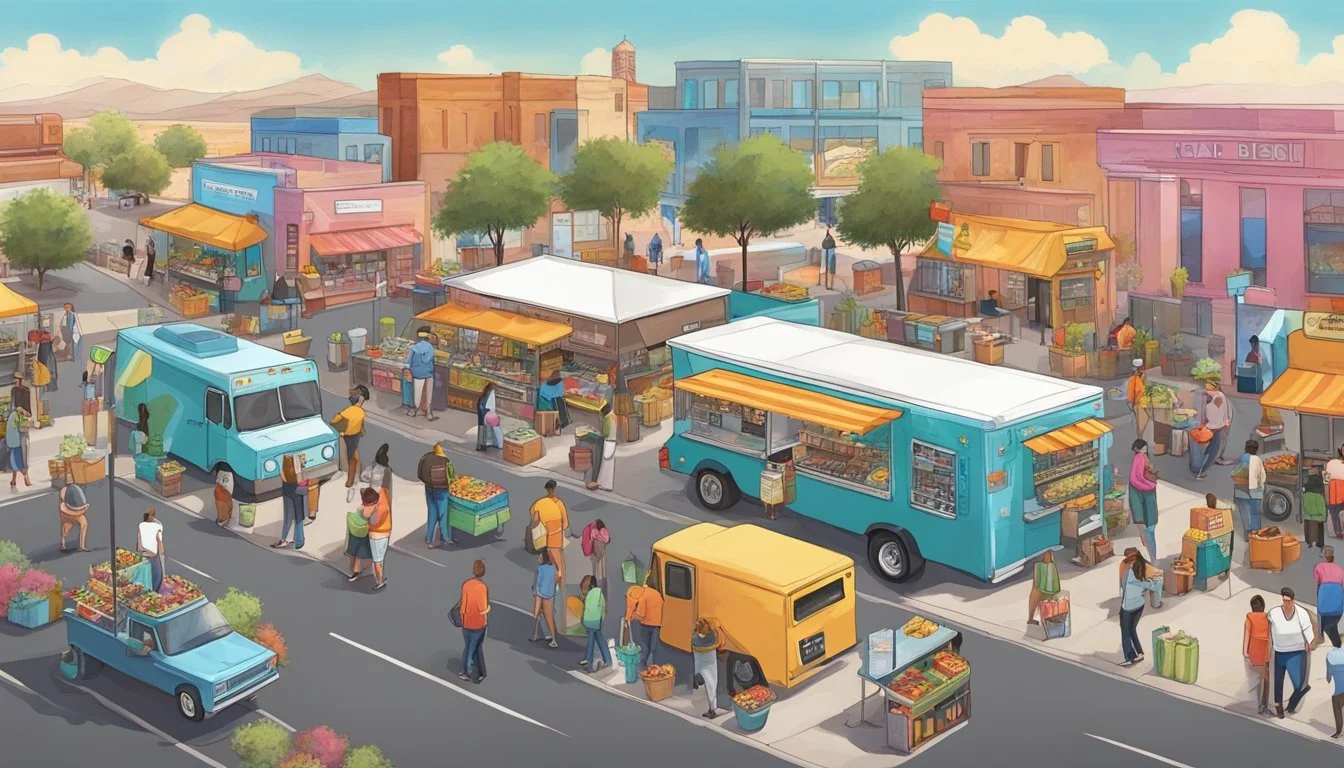
This section delves into the practical implications of food truck laws in Peoria, Arizona, showcasing real-world applications and drawing comparisons with brick-and-mortar establishments.
Success Stories from Local Vendors
In Peoria, Scottsdale, and other cities throughout Arizona, food truck operators have found success under burgeoning laws tailored to mobile food vendors. Mike Milligan, owner of Meatball's Meatballs, has seen his business thrive since these new regulations came into effect. By simplifying the licensing process, the city has fostered a more welcoming environment for food trucks. Entrepreneurs like Mike have not only seen a growth in sales but also report better compliance experiences due to consistent statewide rules.
Comparative Analysis: Food Truck vs. Traditional Restaurant
When comparing food trucks to traditional restaurants, the key differences become apparent in start-up costs, operational flexibility, and regulatory requirements. While restaurants deal with considerable overhead, food trucks in Arizona operate with the advantage of streamlined licensing. A food truck can frequently adapt to changing consumer trends and locations, whereas a traditional restaurant remains static. As such, the food truck industry in cities like Peoria provides an illustrative example of balancing regulatory practices with business agility.
Resources and Further Education

In Peoria, Arizona, operating a food truck requires compliance with specific health and safety regulations. For entrepreneurs in the mobile food industry, obtaining proper certifications and licenses is paramount to ensuring their venture is legally sound and poised for success.
ServSafe Certification Information
ServSafe is a food and beverage safety training and certificate program administered by the National Restaurant Association. The program provides training on food safety practices, aimed at ensuring that food service professionals understand how to handle and prepare food safely. In Maricopa County, food truck operators can benefit from being ServSafe Certified, as it demonstrates knowledge of food safety standards and practices that are crucial for the mobile food industry.
Certificate Name: ServSafe Food Protection Manager Certification
Enrollment: Accessible via the ServSafe website
Key Benefits:
Recognized by most jurisdictions
Covers essential food safety principles
Arizona Food Handlers License Details
Acquiring an Arizona food handler card is a fundamental requirement for food truck personnel in Peoria. This county license signifies that the holder has received training on proper food handling and sanitation techniques. Maricopa County and the state license mandate that individuals working with unpackaged food, food equipment or utensils, or food-contact surfaces obtain their food handlers card.
License Name: Arizona Food Handlers Card
Issuing Body: Approved by the state of Arizona and Maricopa County
Obtaining Process:
Complete training from an accredited program, such as those approved by Maricopa County.
Pass the requisite examination to prove comprehension of required food service safety protocols.
Learn More: Information can be found on the Maricopa County website.
Entities involved in the mobile food industry in Peoria should prioritize these certifications to maintain industry standards and ensure public health and safety.