Food Truck Laws Little Rock, Arkansas
Navigating Regulations for Local Vendors
Food trucks in Little Rock, Arkansas operate under specific regulations set forth by the city to maintain public health and ensure fair business practices. These regulations are designed to create a balance between fostering a thriving mobile food industry and addressing the concerns of brick-and-mortar restaurants, as well as managing pedestrian and vehicular traffic. Amendments to the local ordinances have been made to better define and accommodate the booming food truck sector, reflecting the city’s adaptability and support for this culinary trend.

The City of Little Rock recognizes the need for regulations that allow mobile food vendors to operate within a structured framework. This includes the issuance of various permits and licenses that a food truck operator must obtain before serving the community. These permits ensure that food truck operators adhere to health, safety, and zoning requirements, thereby safeguarding consumer interests while supporting local businesses.
Operators looking to launch a food truck also need to be aware of the state-level requirements in Arkansas, as noncompliance with these regulations can lead to penalties or closures. These state regulations work in tandem with local ordinances, creating a comprehensive set of standards that cover aspects such as food safety, employee health, and operational protocols for food trucks in Little Rock, adding another layer of oversight to this agile segment of the local economy.
Legal Framework for Food Trucks in Little Rock
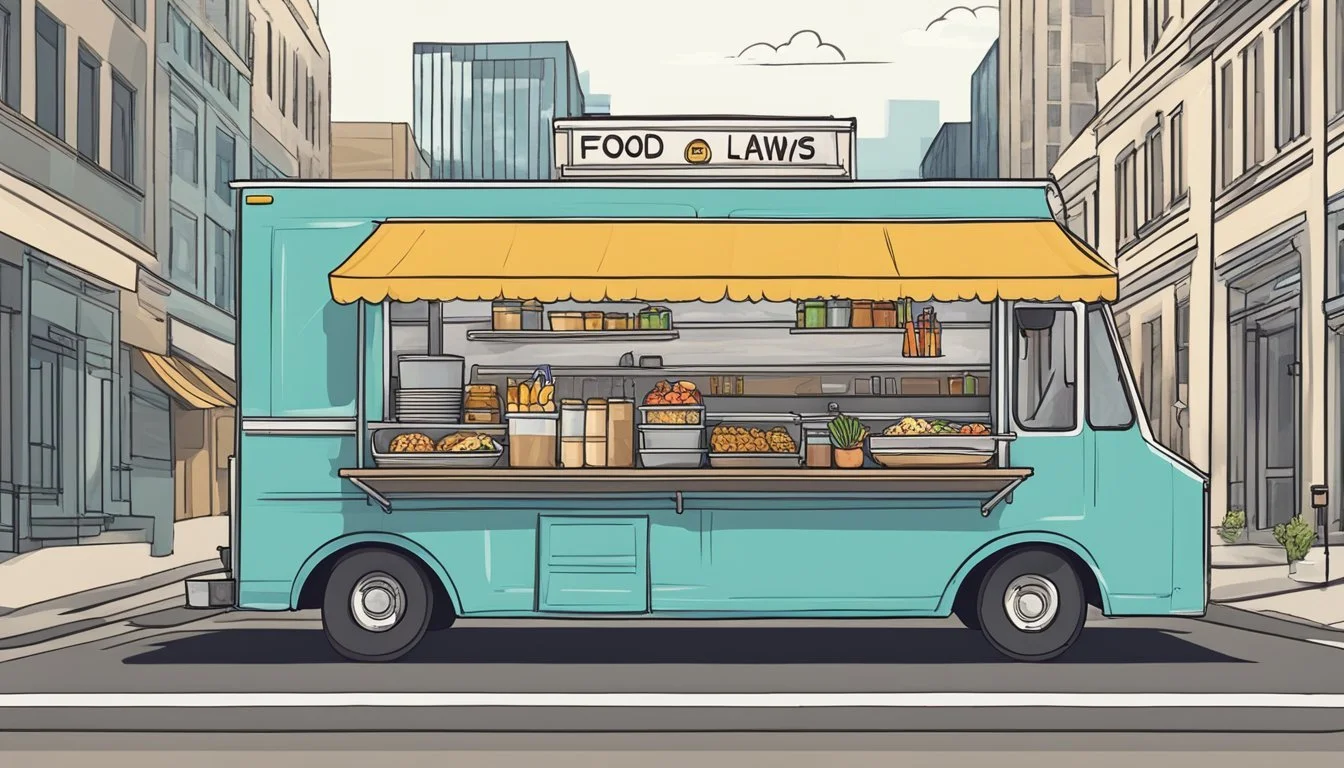
The city of Little Rock, Arkansas, has adopted specific regulations governing the operation of food trucks within its jurisdiction, incorporating state laws and local ordinances to ensure public safety and fair business practices.
Arkansas Food Freedom Act
The Arkansas Food Freedom Act allows for greater flexibility for small-scale food operations. It impacts food truck vendors by potentially reducing the regulatory burden, notably for those selling homemade foodstuffs. Integrating state-level public policy, food trucks in Little Rock must adhere to the Act's provisions while still following municipal health and safety standards.
Act 1040 of 2021
Act 1040 of 2021 further delineates regulatory aspects for mobile vendors in Little Rock. This Act modifies how food trucks interact with local requirements, including zoning and permits. It is essential for vendors to consult the Public Policy Center for detailed guidance on how this Act affects food truck operations in the context of Little Rock's unique legal landscape. Following Act 1040, it is clear that both Arkansas and Little Rock strive to balance entrepreneurial freedom with the need for regulation to protect consumers and maintain public health.
Permitting Process and Licensing Requirements

Navigating the legal landscape for food trucks in Little Rock, Arkansas involves understanding a structured process complete with various permits and licensing requirements. This section elucidates the general path and specific licenses necessary for mobile food unit operations within the city.
General Permitting Guide
Food truck operators must acquire a Mobile Food Facility Permit to ensure compliance with local health and safety regulations. To begin, prospective vendors should contact the local Environmental Health Specialist for inspection and plan approval. A Temporary Food Service Permit, which costs $5.00 per operational day, is required for short-term events and must be conspicuously posted within the food truck or temporary food establishment (TFE).
Specific Licenses for Food Trucks
In addition to general permits, food truck operators must secure several specific licenses:
Public Health Permit: This is a staple requirement for all food service entities to confirm adherence to proper food safety and handling protocols.
Seller's Permit: Essential for sales tax purposes, this permit allows the legal sale of food items to the public.
The Employee Health Permit is important to guarantee that all food handlers meet health standards laid out by the state of Arkansas.
Selling alcohol involves acquiring both State and City Liquor Licenses, contingent upon passing inquiries by the Arkansas Alcoholic Beverage Control and the City of Little Rock offices.
Operators should also familiarize themselves with the food truck laws and regulations in Arkansas to stay updated on any changes or additional requirements.
Health and Safety Regulations
In Little Rock, Arkansas, food trucks are subject to stringent health and safety regulations overseen by the Arkansas Department of Health. These regulations are in place to ensure food protection, environmental health safety, and to prevent foodborne illnesses.
Inspection Standards
The Arkansas Department of Health sets inspection standards that food trucks must meet to operate. The inspections assess the cleanliness and sanitation of the vehicle, proper food storage temperatures, and the presence of necessary food safety certifications, like ServSafe. The findings of an inspection can lead to required corrective actions or, if compliant, a passing grade, allowing operations to continue.
Food Safety Compliance
For food safety compliance, food truck operators are required to adhere to guidelines that mitigate the risks of harmful bacteria. This includes strict adherence to food handling procedures, maintaining clean surfaces, and ensuring all employees understand food protection measures. The regulations also stipulate that all food service employees receive certified food safety training to recognize and prevent the risks associated with foodborne illnesses.
Environmental Health Protection
The environmental health protection measures for food trucks in Little Rock are managed by the state's Environmental Health Service. These regulations encompass protocols for waste disposal, water supply sanitation, and the prevention of cross-contamination. It's crucial for food trucks to have established procedures for handling chemicals and waste to safeguard against environmental contamination.
Operational Guidelines for Food Trucks
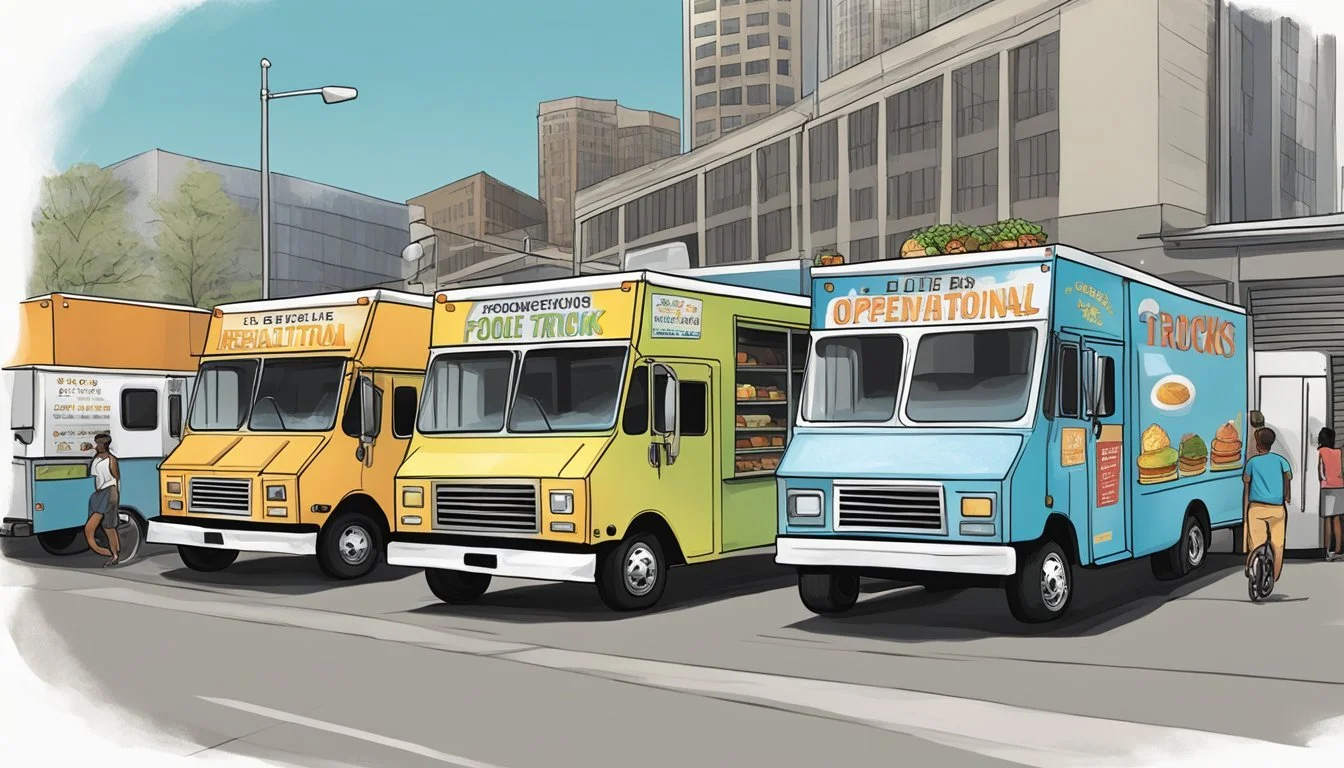
In Little Rock, Arkansas, food trucks must adhere to specific operational guidelines to ensure the safety and quality of food served to the public. These regulations encompass kitchen setup, equipment standards, and procedures for handling and storing food.
Kitchen and Equipment Standards
Food trucks in Little Rock must have a kitchen designed to prevent food contamination and equipped with the necessary tools to maintain food at safe temperatures. Kitchen equipment should include:
A sink for hand washing
Adequate surfaces for food preparation
Storage areas for clean utensils and equipment
All equipment should be made of materials that are easily cleanable and capable of withstanding the rigors of a working kitchen. It's imperative that food trucks regularly maintain their equipment to meet the guidelines for operating a temporary food service.
Handling and Storage of Food
Proper food handling and storage are pivotal for food truck operations. They must establish procedures that include:
Ensuring time/temperature control for safety (TCS) food products like meats and dairy are kept at safe temperatures to prevent bacterial growth.
Handling non-time/temperature control for safety food in a manner that reduces the risk of contamination.
Storing potentially hazardous foods away from non-hazardous items to avoid cross-contamination.
For both TCS and non-TCS foods, food trucks should implement effective pest control measures and maintain a high level of cleanliness to protect the health and safety of consumers.
Food Preparation and Service

In Little Rock, Arkansas, specific regulations are in place regarding food preparation and service for food trucks, ensuring safety and quality for both TCS (time/temperature control for safety) and non-TCS foods. Thorough understanding of these requirements is critical to operate within the legal framework.
Menu Items and Ingredients
Food trucks in Little Rock must abide by safety protocols, especially when handling meat and breakfast items where there's a high risk of contamination. Operators must source their ingredients from approved suppliers, maintaining records for health inspections. For drinks and prepackaged foods, there is a mandate to store them at correct temperatures to avoid spoilage and ensure customer safety.
Meat: Must be stored and cooked at proper temperatures–165°F for poultry and 145°F for beef and pork.
Breakfast Items: Often involve TCS foods like eggs, which require careful temperature control to minimize bacterial growth.
Drinks: Both hot and cold beverages need to be served at safe temperatures, particularly when involving dairy products.
Prepackaged Foods: Should be clearly labeled with ingredients and expiration dates to inform consumers and prevent foodborne illnesses.
Serving Non-TCS and TCS Foods
For food trucks in Little Rock, distinguishing between non-TCS food and TCS food products is a fundamental aspect of service. Non-TCS foods do not require temperature control for safety and have a lower risk of microbial growth. Examples include bread or whole, uncut fruits and vegetables. Conversely, TCS food products, such as dairy, cooked vegetables (how long do cooked vegetables last?), and rice, necessitate vigilant monitoring of temperature to prevent bacterial proliferation.
Non-TCS Food:
Bread, chips, and baked goods.
Should be stored in a dry and cool environment.
TCS Food Products:
Dairy, meats, and cooked foods.
Require consistent hot or cold temperatures to remain safe.
For catering events, food trucks must also comply with these guidelines, often necessitating additional equipment and protocols to manage a larger volume of food while maintaining appropriate temperatures. All food handlers employed by the food truck must demonstrate a clear understanding of these safety practices to ensure a high standard of food service. The Arkansas Department of Health provides further guidance on the details of these regulations.
Retail and Consumer Interaction

In Little Rock, Arkansas, food truck retailers must adhere to stringent labeling and presentation standards to ensure consumer safety and uphold liability protections. The attention given to these aspects is critical for maintaining trust and compliance in the mobile food retail space.
Labeling and Presentation
Retailers are responsible for accurate labeling of food products, a requirement that is strictly enforced by the state's health regulations. This includes the listing of all ingredients and potential allergens to protect consumers and make informed choices. Presentation extends beyond aesthetics—food trucks in Arkansas must display necessary permits visibly and ensure their menus reflect truthful and precise descriptions of their offerings. For details on specifications, one can review documentation provided by the Arkansas Department of Health through Food Protection FAQ.
Customer Health and Liability
The health of consumers is paramount in the food truck industry, and Little Rock's regulations reflect this priority. Retail food trucks are held to the same health codes as restaurants, which includes regular inspections and compliance with state health guidelines. Liability protection is also a critical component; businesses must take precautions to avoid foodborne illnesses and accidents. Failure to do so can result in serious legal repercussions. Retailers must be equipped with comprehensive liability insurance coverage to protect both the business and its customers in case of any health-related incidents.
Local Food Laws and Business Considerations
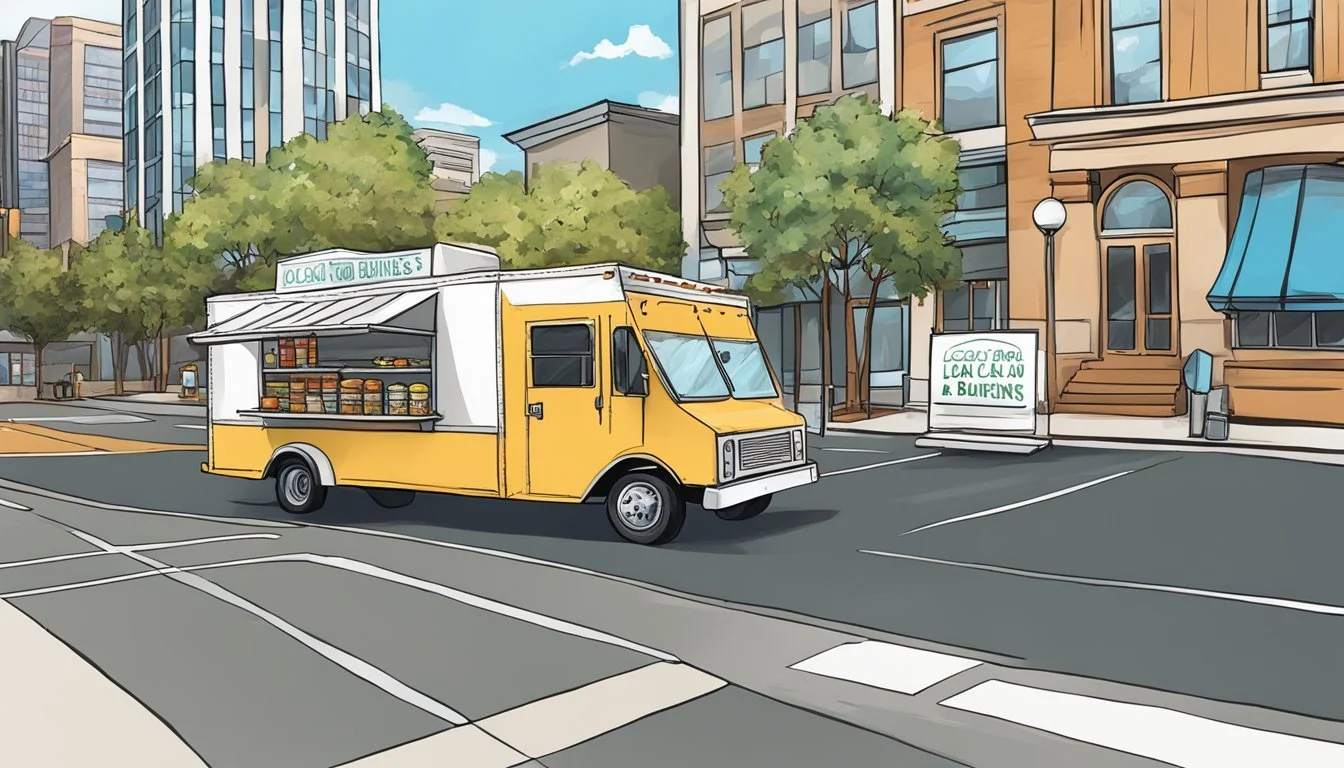
Navigating the legal landscape is crucial for food truck owners in Little Rock, Arkansas. They must adhere to specific laws related to homemade foods and commercial business operations to establish and maintain a successful enterprise.
Cottage Food Law Compliance
Under the Arkansas Food Freedom Act, certain homemade or cottage food items may be sold without a permit. However, there are strict limitations on what can be made and sold. For example, the sale of meat, poultry, seafood, and time/temperature control for safety (TCS) food products is prohibited under this Act. Food trucks must ensure that they do not sell any homemade food products that fall under these restricted categories if they are to comply with local cottage food laws.
Business Practices for Food Trucks
Operating a food truck in Little Rock involves several business practices that must align with local ordinances. Securing the correct licenses and permits is just the starting point. For instance, mobile food facilities require a valid Public Health Permit and Seller's Permit. If a food truck intends to serve alcohol, a Liquor License is also a necessity. Employees working on the truck must also obtain a valid Employee Health Permit to assure the Food Truck is in full compliance with health regulations. Food truck operators should remain current with Little Rock’s Code of Ordinances to avoid any legal complications.
In addition to licensing, commercial practices for food trucks in Little Rock necessitate a keen understanding of zoning laws. For example, the C-3 zoning classification details where mobile canteen units can operate. These businesses must also adhere to planning department regulations specific to mobile vehicles to prevent any violations that could result in penalties or shutdowns.
Food trucks should also have a certified food manager on board; the Arkansas Department of Health mandates a Certified Food Manager license for all businesses serving food, and this includes food trucks. Attaining this license involves passing a test after completing an approved food safety and sanitation course.
In sum, food truck operators in Little Rock must be diligent with compliance to both the Arkansas Food Freedom Act for cottage foods and the broader scope of business regulations governing mobile food services. This diligent adherence ensures that they can provide their services without legal interruption.
Supplementary Information

This section provides essential contacts and reference materials related to Food Truck Laws in Little Rock, Arkansas. It ensures that food truck operators can efficiently access the information and compliance requirements needed to conduct their business.
Resource Contacts and Fact Sheets
City of Little Rock
Phone: (501) 371-4510
Website: Little Rock Official Website
Fact Sheet: An updated ordinance guide for mobile canteen units is available outlining the permitted use within zoning classifications.
Phone: 1-800-462-0599
Website: Arkansas Department of Health
Fact Sheet: Comprehensive FAQs on food protection provide details on the requirements for food establishments, including food trucks.
Common Questions
Do I need a special license to operate a food truck in Little Rock?
Yes, specific licenses and permits are necessary, such as the Mobile Food Facility Permit and Seller’s Permit. Detailed information can be found on the food truck licenses and permits page.What food items are prohibited from being sold under the Arkansas Food Freedom Act?
The sale of meat, poultry, seafood, and certain time/temperature control for safety food products is prohibited. Clarification on the matter is available through the guide on what you can make and sell under the Arkansas Food Freedom Act.
By utilizing these resources, food truck owners can navigate the legal landscape and maintain compliance while operating in Little Rock, Arkansas.