Food Truck Laws Yonkers, New York
Navigating Regulations for Vendors
Operating a food truck in Yonkers, New York, comes with a specific set of regulations designed to ensure the safety and well-being of both vendors and customers. The City of Yonkers has established clear Owner/Operator Requirements for mobile food vehicles, which include compliance with fire safety measures supervised by the Yonkers Fire Department. These safety measures are not just recommendations but are enforced rules that, if not followed, can result in violations and fines.
In addition to municipal oversight, food trucks operating within New York state are also governed by food service regulations that are part of the New York State Sanitary Code, maintained by the New York State Department of Health. These statewide regulations cover a range of requirements, including permits necessary to operate and the expectation to live up to food safety standards. Some localities within the state, including Yonkers, might have additional, more specific regulations that food truck owners must adhere to.
Food trucks are subject to inspections and must receive proper certifications that confirm their adherence to the regulations. The Fire Code Enforcement Division of Yonkers provides information on the inspection process and can be a resource for food truck operators seeking to understand and meet the requirements. These regulations collectively help maintain public health and safety standards and are a key component for anyone looking to dive into the food truck industry within Yonkers.
Understanding Yonkers Food Truck Regulations
Navigating the regulations for food trucks in Yonkers, New York, involves understanding specific local codes, adhering to state health guidelines, and meeting fire safety requirements. This section elaborates on the key regulatory areas every food truck operator must address.
Local Health Departments and Food Safety
In Yonkers, food truck operators must comply with the New York State Sanitary Code particularly Subpart 14-1, Subpart 14-2, and Subpart 14-4, which governs various food service establishments. These regulations ensure the safety and hygiene of food services to prevent contamination and foodborne illnesses.
Subpart 14-1: General food service establishment requirements.
Subpart 14-2: Regulations specific to temporary food service establishments.
Subpart 14-4: Pertains particularly to mobile food service establishments and pushcarts.
Compliance with Subpart Regulations Compliance with the relevant subparts of the sanitary code is essential. Food trucks, being mobile food service establishments, fall under the jurisdiction of Subpart 14-4. This section outlines required practices, such as sourcing food from approved suppliers, maintaining equipment to prevent food contamination, and procedures for clean-up and hygiene.
Yonkers Fire Department and Safety Requirements The Yonkers Fire Department oversees the implementation of fire safety regulations. Food truck operators must adhere to fire prevention measures, which is crucial due to the use of cooking equipment. It is mandatory to have a clear understanding of fire codes and have all necessary firefighting equipment readily available within the food truck. Additional details on these requirements are enforced to prevent potential fires and ensure rapid response in case of emergencies, but they are not typically sold or published by the fire department; instead, operators typically need to meet specific criteria set out by the department.
Starting a Food Truck in Yonkers
Entering the food truck business in Yonkers involves legal considerations from choosing the appropriate business structure to securing the necessary permits and insurance. Adherence to specific regulations ensures that the food truck operates within the legal framework set by the city and state authorities.
Choosing a Business Entity
The first step in starting a food truck in Yonkers is selecting the right business entity. Entrepreneurs may opt for an LLC (Limited Liability Company), corporation, limited partnership, or a simple partnership based on their needs. An LLC can offer flexibility and protect personal assets from business liabilities.
Obtaining Necessary Licenses and Permits
To legally operate, a food truck in Yonkers must acquire several licenses and permits. The essential ones include a business license, a mobile food vending license issued by the city, and possibly additional permits if operating across different jurisdictions. Compliance with both city and New York State regulations is mandatory.
Getting IRS and State Tax IDs
Food trucks must register with the IRS to obtain an Employer Identification Number (EIN). Additionally, a Certificate of Authority for collecting sales tax in New York State is required. These identifications help in accurately reporting and paying federal and state taxes.
Insurance and Inspection
Carrying the right insurance is critical for food trucks to cover potential liabilities. Furthermore, regular inspections are compulsory to ensure food safety and vehicle operation standards are met. Compliance with these requirements helps in maintaining a reputable and legally sound food service establishment.
Day-to-Day Operations
Operating a food truck in Yonkers, NY, requires meticulous planning and adherence to regulations. Commissaries serve as the operational base for food storage and prep, while managing costs and navigating taxes and payroll are pivotal to a food truck’s success.
Commissary and Food Distribution
Food trucks in Yonkers must utilize a commissary—a licensed commercial kitchen—where they can safely prepare and store food. This space is critical for maintaining food safety, managing inventory, and handling ingredients. It enables the production of a consistent menu for distribution. The City of Yonkers provides guidelines for such facilities and their use.
Managing Operational Costs
Operational costs for a food truck in Yonkers encompass not only ingredients and cooking expenditures, but also fuel, maintenance, and commissary fees. Food trucks should keep track of these costs meticulously to maintain profitability. Regular review helps to adjust the menu or operation strategies to keep expenses within budget.
Handling Taxes and Payroll
Understanding and fulfilling tax obligations, including specific State of New York requirements, is crucial for food truck operators. Regulations & Permit Requirements enforced by the Bureau of Community Environmental Health and Food Protection detail tax laws relevant to food service establishments. Additionally, payroll for any staff must be managed accurately to ensure compliance with labor laws and proper distribution of wages.
Food Truck Licensing and Employee Certification
In Yonkers, New York, food truck entrepreneurs must navigate a series of stringent licensing requirements and ensure their employees are adequately trained and certified. Compliance with these regulations is critical for legally operating within the city.
Securing Food Vendor and Health Permits
To commence operations, a food truck owner must first obtain a Mobile Food Vendor License from the local health department. This involves passing an inspection that assesses compliance with food safety regulations. Additionally, a Health Department Permit is required, affirming that the mobile food establishment meets the sanitation standards set by the New York State Sanitary Code.
Mobile Food Vendor License: Get this from Yonkers' local health department.
Health Department Permit: Ensure your food truck passes the health inspection.
Documentation and adherence to proper waste disposal and temperature control for food storage are just a few of the criteria that will be scrutinized during inspection, as outlined by the New York State Department of Health.
Employee Training and Certifications
Employees must be trained in food safety practices, which is often validated through a ServSafe certification or equivalent. This training culminates in the issuance of a Food Handlers License, indicating their competence in maintaining food safety standards.
ServSafe Certification: A widely-recognized food safety training program.
Food Protection Manager Certification: Required for at least one employee on-site.
Some local regulations in Yonkers may go beyond state requirements, so it's crucial for mobile food vendors to contact the Yonkers Health Department directly for the most current information and guidance on employee certifications and training requirements. These can include specific instructions on employee health and hygiene practices as part of the overall food safety protocols mandated by the Government of New York.
Marketing and Customer Relations
In Yonkers, New York, food trucks are not only a culinary delight but a competitive business necessitating savvy marketing and strong customer relations strategies. Successful food truck operators understand that branding and interaction with customers are paramount for long-term viability.
Building a Brand and Marketing Strategy
Comprehensive branding for a food truck extends beyond a catchy name and logo; it embodies the values and experiences a food truck offers to its patrons. Food truck operators should develop a consistent aesthetic for their vehicles, packaging, and digital presence to foster brand recognition. Strategic use of social media platforms enables food trucks to reach a broader audience, announce locations, and promote daily specials effectively, driving sales and bolstering marketing efforts.
A key component of marketing in this niche involves participating in local events and festivals, as these gatherings can significantly increase visibility and introduce their offerings to new customers. Team members should be trained to embody and communicate the brand's message and values, ensuring that every customer interaction reinforces the brand identity.
Engaging with Customers and Collecting Feedback
Engagement with customers is not a one-off event but a continuous dialogue that shapes the food truck's offerings and services. Effective customer relations involve actively seeking out feedback through various channels, such as online surveys, suggestion boxes, or direct conversation.
Operators can leverage social media platforms for real-time engagement, responding promptly to customer inquiries and reviews, both positive and negative. The adoption of loyalty programs also serves as a tool for customer retention and incentivizes repeat business.
By analyzing customer feedback, food truck teams gain valuable insights into preferences and trends, which can guide menu development and improve overall service quality. In a market where tastes and competition evolve rapidly, the successful food truck is one that listens to its customers and adapts accordingly.
Event Participation and Special Permits
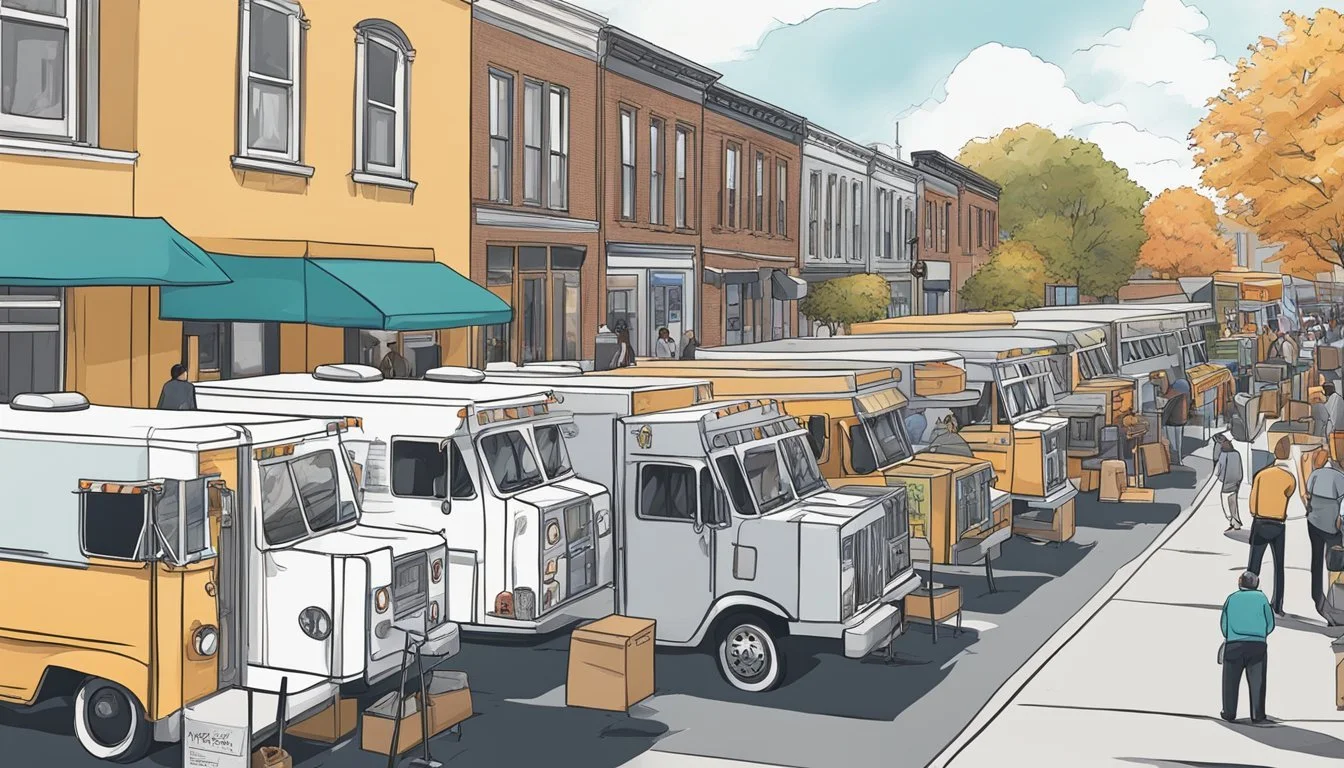
In Yonkers, New York, food vendors eyeing participation in special events such as fairs or school functions must adhere to specific regulatory requirements. This section outlines the permit navigation and rules for catering at these events.
Navigating Permits for Special Events
For any special event in Yonkers, food vendors need to obtain a Special Event Permit. An application fee is typically required, and additional costs may be incurred for city services. The Yonkers Special Events Review Committee (SERC) determines these costs, and event organizers must budget for them accordingly. It is necessary to be aware of any borough-specific or restricted area mobile food vending permits that could influence the operational scope of a food truck during such events.
Catering to Schools and Fairs
When servicing schools and fairs, different regulations may apply. A permit for selling food is required; this may involve coordination with county or state agencies on top of the city's regulations. For instance, vendors need to follow the guidelines set by New York State's Sanitary Code as maintained by the New York State Department of Health. Furthermore, insurance requirements such as Workers’ Comp and Disability Insurance might be prerequisites for obtaining a permit, especially if the service is temporary. Food trucks need to ensure compliance with these regulations to operate legally at school events and local fairs, where health and safety are of utmost importance.
Legal and Financial Considerations
When operating food trucks in Yonkers, NY, owners must be keenly aware of the legalities and financial obligations that come with the business, including complying with specific laws related to permits and alcohol sales. The financial repercussions of non-compliance can be significant and may include penalties, fines, or even revocation of permits.
Understanding Penalties for Non-Compliance
Food truck operators must adhere to New York's stringent health, safety, and operational codes to avoid penalties. Failure to comply with NYS ventilation requirements can lead to substantial fines and may even result in the suspension or revocation of business licenses. The penalties enforced for non-compliance vary significantly:
Existing businesses must have complied with laws by October 3, 2021
New businesses licensed on or after October 3, 2016, were required to comply immediately.
Non-compliance penalties could result in:
Fines: Varying based on severity and frequency of violations.
Suspension: Temporary halt on business operations until compliance is met.
Revocation: Complete removal of the right to operate within the city.
Handling the Sale of Alcohol
Selling alcohol introduces additional complexities for food truck owners. Permits are necessary for alcohol sales, and the failure to properly manage this aspect can have serious legal and financial repercussions.
Obtain a Mobile Food Vendor Alcohol License to sell alcoholic beverages.
Ensure compliance with all public health laws and local ordinances.
Operators who do not comply with the specific requirements for the sale of alcohol may face:
Fines: These are imposed for selling without a proper license.
Revocation: The consequence for repeated non-compliance could be the complete loss of the ability to sell alcohol or to operate the food truck entirely.
Managing legal and financial aspects carefully is paramount to a food truck's success in Yonkers, NY. Operators are urged to maintain comprehensive records and conform to all regulatory requirements to sustain their business operations effectively.
Food Truck Innovations and Trends

In Yonkers, New York, food trucks are leveraging cutting-edge marketing strategies and menu diversification to meet ever-evolving consumer preferences. They're also embracing new technology to enhance production and processing efficiencies.
Exploring New Markets and Menus
Food trucks in Yonkers are broadening their culinary horizons and tapping into new markets with innovative menus. They reflect a fusion of cultures and tastes, often introducing dishes that cater to health-conscious customers or those seeking gourmet experiences on the go. For example, food trucks might rotate their offerings of Vietnamese banh mi or falafel burritos, attracting a diverse customer base eager for new food and beverage options.
Adapting to Technology and Customer Trends
The adoption of technology is reshaping the food truck industry in Yonkers. Smart POS systems enable food trucks to streamline transactions and analyze customer data for optimizing menus and peak hours. Furthermore, social media platforms have become indispensable for marketing, enabling food trucks to engage directly with customers, announce new locations, and offer promotions effectively. This shift towards digitalization not only meets the demand of tech-savvy customers but also simplifies operations, from food production to customer service.