Food Truck Laws Durham, North Carolina
Regulations for Mobile Food Vendors
Operating a food truck in Durham, North Carolina, requires navigating a specific set of regulations to ensure compliance with state and local laws. Entrepreneurs who are keen to explore the vibrant street food scene must first acquaint themselves with the necessary permits and health codes designed not only to maintain public safety but also to foster a structured food service environment.
Among the first steps for starting a food truck in Durham is securing the proper food service permits. It is mandated by law to operate from an approved Shared-Use Kitchen, as residential kitchens do not meet state requirements. Prospective food truck owners must liaise with the Durham County Environmental Health Department for guidance on how to meet these and other health and safety standards. Additionally, understanding requirements around business licensing and food handling certification is crucial for legal operation within the city.
Overview of Food Truck Industry in Durham
Durham's food truck industry has flourished, becoming an integral part of the city's gastronomic landscape and a complement to traditional restaurants.
Rise of the Food Truck Scene
The food truck scene in Durham has witnessed a significant surge over the years. Initially emerging as a trend, it has now cemented itself as a staple within the local food industry. They offer a diverse range of cuisines and experiences and have become a fixture at various events and popular gathering spots across the city. Regulations in North Carolina require food trucks to adhere to specific standards, ensuring that they maintain a level of quality and safety comparable to brick and mortar restaurants.
Comparison to Brick and Mortar Restaurants
Food trucks in Durham provide a unique dining experience as opposed to their brick and mortar counterparts. While restaurants typically have a fixed location, food trucks are mobile and can reach customers at different locations, bringing the food to the people. This mobility means that food trucks can operate with lower overhead costs, although they must contend with different regulatory requirements, such as obtaining a Mobile Food Facility Permit. Despite being smaller operations, food trucks still uphold high standards of food safety and employee health, regulated by the same North Carolina Food Code Manual applicable to traditional restaurants.
Starting a Food Truck Business

Starting a food truck business in Durham, North Carolina involves careful planning and adherence to local regulations. Aspiring entrepreneurs must establish a legitimate business entity, obtain the necessary licenses and Employer Identification Number (EIN), and craft a comprehensive business plan.
Establishing a Business Entity
To start a food truck business, one must first decide on the type of business entity they wish to establish. Options include a Limited Liability Company (LLC), Partnership, or Sole Proprietorship. An LLC is often preferred due to its liability protection and tax benefits. In Durham, the creation of an LLC involves registering with the North Carolina Secretary of State and adhering to local regulations.
Business License and EIN Procedures
Acquiring a business license and EIN is essential for legal operation. The EIN serves as the federal tax identification number for the business and can be obtained from the IRS. The business license, signifying the legal right to operate a food truck in Durham, requires approval from both state and local agencies. This process includes ensuring compliance with health and safety standards and obtaining food service establishment permits.
Food Truck Business Plan Essentials
A solid business plan for a food truck must cover key components such as the menu, team, and strategies for success. The menu should reflect the unique offerings that set the business apart. Assembling a strong team is critical for operational efficiency, and a clear pathway to success requires setting realistic goals and understanding the market dynamics. Additionally, plans for obtaining permits and meeting local regulations are essential. Using these guidelines as reference points, food truck entrepreneurs can navigate the start-up phase with confidence.
Legal Requirements for Food Trucks
In Durham, North Carolina, food truck operators are required to navigate a complex array of legal requirements to ensure their businesses are operating within the parameters set by various regulatory bodies.
Understanding Local Zoning Laws
Local zoning laws dictate where food trucks may operate within the city. These regulations are enforced by the local government to maintain order and prevent disruptions. It is crucial for operators to become familiar with Durham's zoning regulations to identify designated areas where food truck vending is permitted.
Complying with Health and Safety Regulations
Food trucks in Durham must comply with health and safety regulations enforced by the Durham County Health Department. This includes regular inspections, adherence to food handling standards, and maintaining proper sanitation practices. The Department of Health and Human Services provides guidelines for achieving compliance with these standards.
Obtaining Necessary Permits and Licenses
Operators are required to obtain several permits and licenses before commencing operations. A comprehensive list of necessary permits, such as the Mobile Food Facility Permit and Business License, can be found on North Carolina food truck permit requirements. Securing these documents is mandatory and often involves a detailed application process.
Parking and Operational Regulations
Specific rules govern the parking and operations of food trucks in Durham. The local code outlines permissible parking locations and operational hours. Operators must obtain knowledge of these rules to avoid penalties and ensure that their business practices are in full regulation with city rules. These regulations are designed to ensure public safety and to minimize conflicts with brick-and-mortar establishments and traffic flow.
Food Truck Operations
Food truck operators in Durham, North Carolina are required to comply with specific regulations that ensure the safety and quality of food sold to the public. These regulations cover a range of areas from kitchen equipment to insurance requirements.
Kitchen and Cooking Equipment Standards
Food trucks must have the necessary equipment that meets state and local safety standards for cooking and preparing food. Equipment must be commercial-grade, able to maintain safe food temperatures, and must be regularly cleaned and maintained. In Durham, all mobile food units are required to use an approved Shared-Use Kitchen for food preparation.
Health Inspections and Food Safety
Each food truck is subject to regular inspections by the Durham County Environmental Health Department to ensure compliance with food safety regulations. Food truck owners must obtain a Food Service Establishment Permit and ensure that all employees hold a ServSafe or equivalent Food Protection Manager Certification to demonstrate knowledge of safe food handling practices.
Food Handling and Storage Procedures
Proper food handling and storage procedures are critical for food safety. Food trucks must have procedures in place for the safe handling of raw and cooked foods, and for the proper storage of food at recommended temperatures. This prevents cross-contamination and foodborne illnesses.
Insurance and Liability Requirements
Operators are required to maintain adequate insurance coverage to protect against liability claims. This includes, but is not limited to, general liability insurance and vehicle insurance for the food truck. Contacting a local insurance provider experienced with food truck businesses can help ensure that all bases are covered in terms of potential liability.
Financial Aspects of Running a Food Truck

Running a food truck in Durham, North Carolina involves careful financial planning. Owners must be keenly aware of the costs and expenses associated with startup and operation, as well as the various taxes and fees mandated by local and state authorities.
Understanding Costs and Expenses
Initial costs for starting a food truck can be substantial. These startup expenses include but are not limited to the cost of the truck itself, kitchen equipment, and initial inventory. Ongoing costs then factor in ingredients, fuel, maintenance, and staffing. A detailed Food Truck Startup Roadmap by the Durham Office of Economic & Workforce Development can provide prospective owners with a comprehensive cost breakdown.
Startup Costs
Food truck acquisition: Varies widely based on new or used status
Kitchen equipment: Can range from $20,000 to $50,000
Initial inventory: Dependent on menu
Operational Costs
Ingredients: Recurring and fluctuating expenses
Fuel: Subject to market prices
Maintenance: Regular and emergency repairs
Staffing: Salaries or wages
Navigating Taxes and Fees
Food truck owners must navigate an array of taxes and fees. This includes obtaining a business license and various permits required to operate. As indicated in a guide by Toast, these may encompass fees for a Mobile Food Facility Permit, Public Health Permit, Seller's Permit, and potentially a Liquor License if applicable.
Sales tax is another critical factor, as food trucks are required to collect and remit state and county sales taxes on all sales. The current combined sales tax rate in Durham, NC can be sourced from the North Carolina Department of Revenue.
License and Permit Fees: Cost varies by type but necessary to legally operate
Sales Tax: Percentage of the sale price collected from customers
In summary, financial discipline and a solid understanding of the fiscal requirements are crucial for the success of a food truck in Durham, NC. Careful management of costs, expenses, taxes, and fees will position a food truck for potential profitability and sustainability.
Special Considerations and Events
When operating a food truck in Durham, North Carolina, there are specific considerations to take into account, especially when catering to special events or navigating alcohol sales and regulations. Compliance with the county's health department requirements and obtaining the necessary permits ensures a smooth operation.
Catering for Special Events
Food truck operators must obtain a Mobile Food Unit Plan Review Application before catering special events in Durham. Special events often require additional permits and coordination with event organizers to adhere to local food service regulations. They must also ensure they have appropriate permissions for the event's specific location and adhere to any event-specific health guidelines.
Alcohol Sales and Regulations
Selling alcohol from a food truck in Durham entails strict adherence to North Carolina's alcohol laws and regulations. A separate Liquor License is mandatory, and food truck operators should familiarize themselves with the rules around sales and consumption on public versus private property. Compliance with county and state regulations, including age verification and hours of sale, is non-negotiable for all involved parties.
Additional Compliance and Best Practices
When operating a food truck in Durham, North Carolina, there are additional compliance measures and best practices to consider beyond the basic licensing requirements. Ensuring fire safety, maintaining the vehicle, and adhering to sanitation standards are crucial. Effectively marketing the business and managing customer relations can also significantly impact success.
Fire Safety and Vehicle Maintenance
Fire Safety: Food trucks in Durham must be equipped with fire extinguishers to handle potential fire hazards. It is important to have the right class of fire extinguisher on board and to ensure that staff is trained in its use.
Class K Fire Extinguisher: Specifically designed for kitchen fires, including those involving cooking oils and fats.
Regular Inspection and Maintenance: Extinguishers must be checked regularly to confirm they are in working order and have not passed their expiration date.
Vehicle Maintenance: Keeping the food truck in excellent working condition is vital for safety and compliance. Regular inspections will check the brakes, steering, suspension, electrical system, and exhaust system.
Annual Vehicle Inspection: A licensed inspector must conduct an inspection of the food truck at least once a year.
Adhering to Sanitation and Hygiene Standards
Sanitation: Protocols for cleaning and sanitizing food preparation areas are stringent, as regulated by the Durham County Health Department. Proper sanitation helps prevent foodborne illnesses.
Hygiene: Employees must follow good personal hygiene practices, such as regular hand washing and using gloves when necessary.
Labeling and Allergen Information: All foods must be properly labeled, and allergen information should be displayed prominently to protect customers with food allergies.
Marketing and Customer Relations
Marketing: To thrive in the competitive food truck marketplace, operators should consider innovative marketing strategies. This includes appealing branding, visibility on social media, and participation in local events.
Targeted Advertising: Reaching out to the ideal customer demographic and engaging with the community can generate brand loyalty and repeat business.
Customer Relations: Positive interactions with customers are paramount for a food truck's reputation. Feedback should be sought and taken seriously, and any issues should be addressed promptly to ensure customer satisfaction.
Dealing with Violations and Enforcement
Dealing with violations in the food truck industry of Durham, North Carolina, typically involves a clear understanding of the local code and penalties as well as the enforcement process. When food trucks fail to meet health and safety standards, they are subject to specific repercussions.
Common Code Violations and Penalties
In Durham, food trucks may encounter penalties for a variety of code violations, such as improper food handling and lack of proper sanitation facilities. Penalties can range from fines to suspension of the food truck's operation permit. For example, a violation for failing to keep food at the correct temperature could result in a fine determined by the regulatory authority. Repeat offenses or severe violations might escalate to permit suspension or revocation, as per the guidelines stated in the Food Truck Startup Roadmap - Durham, NC.
Food Truck Inspection Failures
If a food truck in Durham fails an inspection, it is often due to critical infractions that directly impact food safety. These failures could lead to a mandatory re-inspection, and in certain cases, an immediate shutdown until the issues are addressed. Enforcement actions are taken seriously to ensure public health is not compromised. For detailed examples of specific health and safety standards food trucks must adhere to, individuals can refer to the North Carolina Food Code Manual, which elaborates on the expectations and interventions following inspection failures.
Local Resources and Support for Food Truck Entrepreneurs
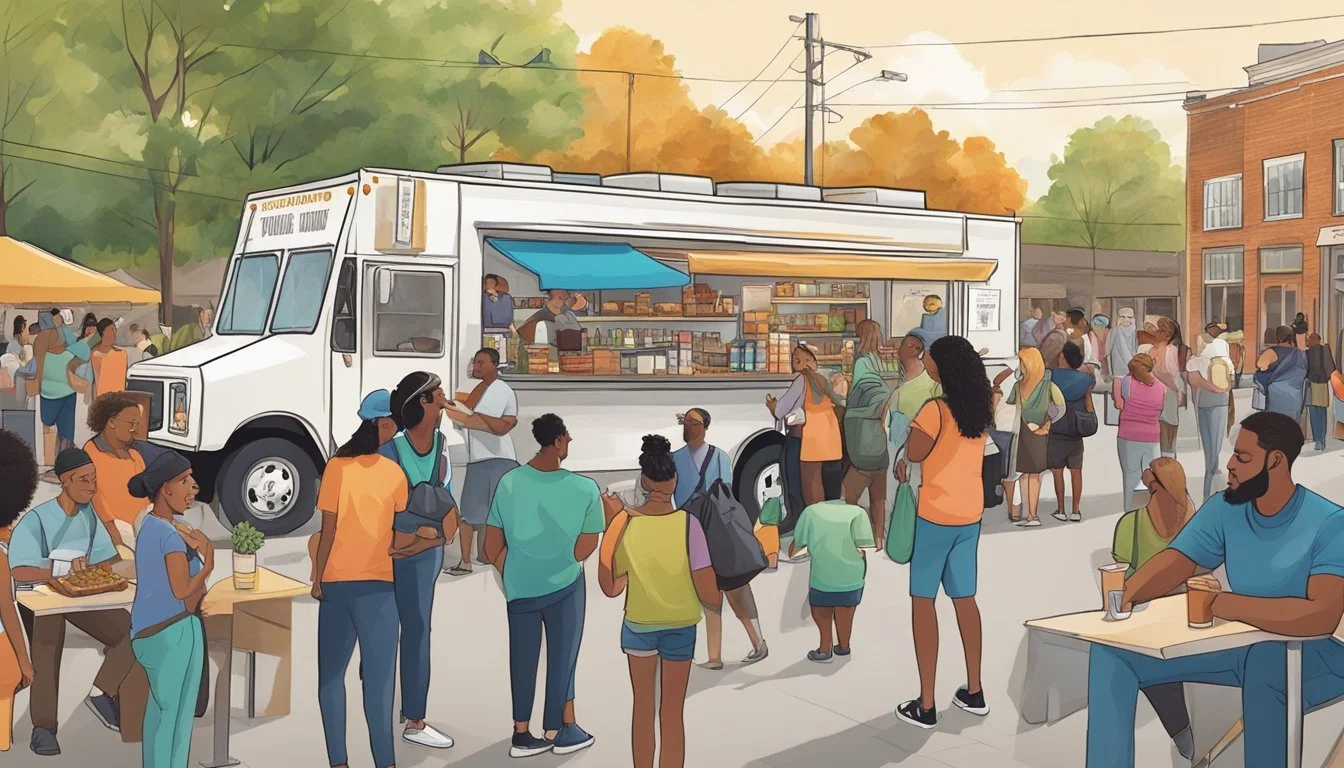
Food truck entrepreneurs in Durham, North Carolina, have access to structured guidelines and supportive resources to ensure their operations meet high standards while fostering their business ambitions.
Durham County Public Health Department
The Durham County Public Health Department plays a crucial role in maintaining public health standards for food trucks. They require food trucks to undergo a Mobile Food Unit Plan Review Application process, which includes a fee and ensures that at least one employee on the food truck team is a certified food protection manager. By following the guidelines set out by the Durham County Public Health Department, food truck operators can ensure they adhere to a high standard of food safety, integral to both entrepreneur success and customer satisfaction.
North Carolina Secretary of State and Business Resources
For food truck entrepreneurs who are starting their journey, the North Carolina Secretary of State provides essential business resources. It's here where entrepreneurs can find information on essential licenses, permits, and requirements needed to legally operate their mobile food enterprise in North Carolina. Resources available through the Secretary of State include details on business formation, regulatory compliance, and access to a plethora of other state-provided business services. These resources serve as a cornerstone for aspiring food truck owners to build their businesses on a firm legal foundation.