Food Truck Laws in Kansas
Your Comprehensive Guide to Regulations

Operating a food truck in Kansas comes with a specific set of guidelines that vendors must adhere to in order to run their businesses legally and safely. The state of Kansas mandates several licenses and permits that must be obtained before a food truck can commence operations. These include, but are not limited to, a business license, food safety permits, and adherence to local zoning regulations. Food trucks are not just a culinary enterprise but also a public health concern, which is why they are subject to strict food safety ordinances and regulations such as OSHA standards, proper waste disposal, and temperature control for food preservation.
Additionally, the state's regulations encompass the necessity for food truck operators to carry liability insurance, which safeguards both the business and its customers. Food trucks in Kansas also must comply with tax laws, public health laws, and vehicle operational standards. This structured regulation framework aims to ensure that food service on wheels operates smoothly within the legal bounds, guaranteeing the safety and satisfaction of patrons while also fostering a thriving food truck industry within Kansas.
Starting Your Food Truck Business in Kansas
Embarking on a food truck venture in Kansas requires a clear roadmap to navigate through the legalities and logistics. Entrepreneurs must carefully plan, secure funds, and obtain the necessary permits and licenses, amidst choosing the right vehicle and equipment.
Developing a Business Plan
A thorough business plan is essential for any food truck business. This document should outline the food truck's menu, target market, pricing strategy, and unique selling propositions. The Kansas Department of Agriculture can guide on food safety plans as part of the operational aspect. Entrepreneurs are encouraged to design a business plan that withstands competitive and regulatory scrutiny.
Choosing a Business Structure
Deciding on the business structure is a crucial step for food truck owners. Options like a Limited Liability Company (LLC) or a sole proprietorship impact taxes, liability, and ongoing compliance requirements. While an LLC can offer liability protection and flexibility, a sole proprietorship might be simpler for single-entity owners.
Securing Startup Capital
Obtaining startup capital can be achieved through loans, investors, or personal savings. Prospective food truck owners should calculate the total cost which includes the vehicle, equipment (such as a fire suppression system), and decor. Funding must also cover the necessary licenses and permits specific to food service businesses in Kansas.
Designing and Outfitting Your Food Truck
The design and outfit of a food truck must comply with Kansas regulations regarding mobile food units. The vehicle should be equipped with the necessary kitchen equipment, including proper refrigeration, cooking appliances, and a fire suppression system. Furthermore, the aesthetic aspects like the menu and cuisines should align with the brand and appeal to the intended audience.
Legal Requirements and Regulatory Complianct
Starting a food truck in Kansas entails understanding and complying with various legal requirements and regulatory frameworks to ensure the venture operates within the law. This encompasses obtaining necessary permits and licenses, adhering to food safety standards set by state and county entities, navigating the intricacies of local regulations, and managing sales tax and financial responsibilities.
Obtaining Necessary Permits and Licenses
Food truck operators must secure several types of permits and licenses before commencing business. A food truck license is essential, and the process typically involves an inspection to ascertain compliance with local codes. Furthermore, a business license must be obtained from the city or county where the truck will be operating. For those serving alcohol, a liquor license is an additional requirement. Entities such as the Kansas Department of Agriculture can provide guidance on licensing.
Meeting Kansas Food Safety Standards
The food industry is held to high safety standards to protect public health. In Kansas, food trucks must comply with the Kansas Food Code, which demands regular inspections for safety. Employees often need a food handlers permit and possibly a more advanced food protection manager certification. Ensuring employee health permits are in order is also a part of safeguarding public health. Resources like ServSafe offer food safety training vital for maintaining industry standards.
Navigating Local Regulations
Local regulations vary by city and county, affecting aspects of food truck operation such as zoning and hours of operation. It is imperative for food trucks to understand the specific rules that apply in their intended areas of business. These rules govern where trucks can be located and the times during which they can operate, having a significant impact on their daily operations.
Handling Sales Tax and Financial Obligations
Lastly, food trucks must manage their financial obligations, including the collection and remittance of sales tax. The Kansas Department of Revenue provides guidelines on sales tax requirements for food trucks. Properly handling these taxes is critical to the fiscal health of the business and remaining in compliance with state regulations.
Daily Operations of a Food Truck
The management of a food truck in Kansas encompasses a broad spectrum of activities which ensure compliance with regulatory standards and the smooth running of daily service. These tasks, crucial for food truck vendors, are categorized into sourcing materials, maintaining rigorous food safety protocols, and training staff adequately.
Sourcing Ingredients and Supplies
Food truck businesses in Kansas require a reliable network of suppliers to maintain a consistent inventory of fresh ingredients and supplies essential for their menu. Identifying local or regional suppliers that can deliver quality ingredients at a competitive cost fosters stability and can enhance the overall health of the venture. Trucks must be equipped to handle the transportation and storage of ingredients safely to meet health regulation standards.
Managing Food Preparation and Safety
The heart of the food truck operation is the preparation of the menu offerings. Vendors must meticulously organize their food preparation areas to maximize efficiency and ensure compliance with the Kansas Food Code. Proper food safety practices must be instilled among the personnel, often through established food safety training programs such as ServSafe. This includes maintaining correct temperatures, managing cross-contamination risks, and implementing effective cleaning procedures.
All individuals involved in food handling must possess a valid food handlers license to demonstrate their knowledge of safe practices. Additionally, adherence to the updated regulations which took effect in June 2023 guarantees both the safety of the food and the compliance with public health laws.
Employing and Training Staff
A thriving food truck needs a dedicated team comprising employees, cooks, chefs, and often a vehicle operator. These staff members must not only understand their respective roles but must also be trained in overarching food safety practices. It's important that each employee completes a food handlers course to ensure kitchen practices align with health and safety regulations. Regular employee health checks are vital to maintaining a safe food environment, thereby preserving the reputation and vitality of the business.
Marketing and Customer Engagement

Effective marketing and customer engagement are crucial for food truck owners in Kansas to attract and retain diners. A strong brand identity, coupled with strategic social media use, encourages patron loyalty. Gathering patron feedback is essential for service improvement, while participation in local events increases visibility.
Building a Brand and Online Presence
A food truck's brand reflects its identity and should resonate with its target audience. Brand elements include the logo, color scheme, menu design, and truck decor. An online presence, starting with a professional website showcasing the menu and cuisines, solidifies customer recognition. Utilizing strategies to boost the website's SEO can drive organic traffic and attract more diners.
Leveraging Social Media and Advertising
Social media platforms are indispensable for food trucks to reach new and existing patrons. Sharing mouth-watering photos of diverse cuisines and using targeted advertising campaigns can prompt engagement and visits. Platforms like Instagram and Facebook also enable food truck owners to update followers on location changes, special event permits, and new menu items, keeping the audience informed and interested.
Gathering Feedback and Improving Services
Feedback is a valuable tool for food truck owners to understand customer preferences and areas for improvement. Encouraging diners to leave reviews and comments provides direct insights into their experience. Food trucks should analyze this feedback actively to refine their offerings and enhance the overall culinary experience.
Participating in Local Events and Fairs
Attendance at local events and fairs is a strategic move for food trucks. By participating, they reach a larger crowd and immerse themselves in the community. Acquiring a special event permit can open the door to these opportunities, increasing brand exposure and allowing direct interaction with new and loyal patrons.
Expansion and Growth Strategies

As the food truck industry evolves, business owners in Kansas are finding innovative ways to scale and diversify. A comprehensive strategy involves tapping into catering opportunities, drafting scalable business models, exploring new cuisines, and considering franchising.
Exploring Catering and Event Opportunities
For food trucks, the ability to serve at private events and fairs can lead to substantial revenue increases. Obtaining a special event permit is essential for participating in local county fairs and gatherings. This ensures a steady stream of patrons and a chance to showcase a truck's menu to diverse audiences.
Planning for Scalability and Growth
For scalability, a well-crafted business plan is vital. It must include details on funding expansion, anticipated challenges, and strategies for sustainable growth. Food truck owners should consider if their current model can support multiple trucks or if adjustments are required to ensure operational efficiency at a larger scale.
Diversifying Offerings and Locations
Diversification can occur through expanding the menu to include various cuisines or by targeting different locations. At the county level, understanding the demographic can inform menu offerings, ensuring that they cater to the preferences of local patrons. It's critical to balance consistency with innovation to keep regular customers engaged while attracting new ones.
Franchising and Brand Expansion
Franchising enables successful food truck owners to expand their brand without bearing the full cost of new trucks and operations. It requires meticulous planning and a solid branding strategy to maintain quality and service standards. Franchising can provide a pathway to growth, but food truck operators must be prepared for the complexities of managing a franchise network.
Addressing Challenges and Setbacks
Food truck operators in Kansas face a myriad of challenges from the competitive landscape to evolving food safety guidelines. Each obstacle requires a strategic approach to ensure the long-term success and compliance of the mobile eatery venture.
Dealing with Competition and Market Saturation
In the dynamic Kansas food truck scene, competition is fierce. Vendors must distinguish themselves with unique offerings or niche markets to avoid the pitfalls of market saturation. For instance, food truck operators might focus on specialized cuisines not widely available in restaurants or convenience stores. Additionally, aligning with community events or partnering with local breweries and bars can provide an edge over competitors.
Navigating Changes in Regulations and Industry Standards
Regulatory shifts present ongoing challenges for food truck owners. Staying informed about updates, such as the most recent Kansas Food Code regulations, is crucial. It ensures that food trucks adhere to safe food handling consistent with grocery stores and restaurants, fostering a culture of food safety and public trust. Proactive compliance can also prevent costly penalties and setbacks.
Handling Foodborne Illnesses and Safety Issues
To mitigate the risk of foodborne illnesses, food trucks must implement and rigorously maintain food safety protocols. This includes temperatures controls for storage and thorough sanitation practices. Education on these methods is not just imperative for owners, but also for every employee, mirroring the stringent protocols of grocery stores.
Securing Insurance and Managing Liabilities
Food truck operators must secure comprehensive liability insurance to protect against unforeseen events. Tailored insurance policies cover a range of liabilities, from customer sickness due to foodborne illness to accidents associated with the operation of the vehicle. This coverage is imperative considering the potential financial impact of these liabilities on the business.
Resources for Food Truck Owners in Kansas
In Kansas, food truck owners can access a variety of resources designed to assist with compliance and operation in the food service industry. Two main types of resources are available: government agencies that provide regulatory guidance and professional associations offering support networks.
Government Agencies and Regulatory Bodies
Kansas Department of Agriculture: The primary regulatory body for food trucks, offering detailed information on licensing and safety requirements. They publish resources such as the Mobile Food Unit Licensing Guide to assist owners in navigating the regulations that govern mobile food establishments.
Kansas Department of Revenue: Essential for food truck owners seeking guidance on state tax laws and licensing. Their site offers tax registration services as well as resources on managing sales tax obligations.
Professional Associations and Support Networks
Professional associations provide a platform for networking, advice, and advocacy. Food truck owners in Kansas can join local or national associations, which may offer the following:
Educational resources
Industry news updates
Networking opportunities
These associations are invaluable for owners who wish to stay informed and connected within the mobile food vendor community.
Conclusion
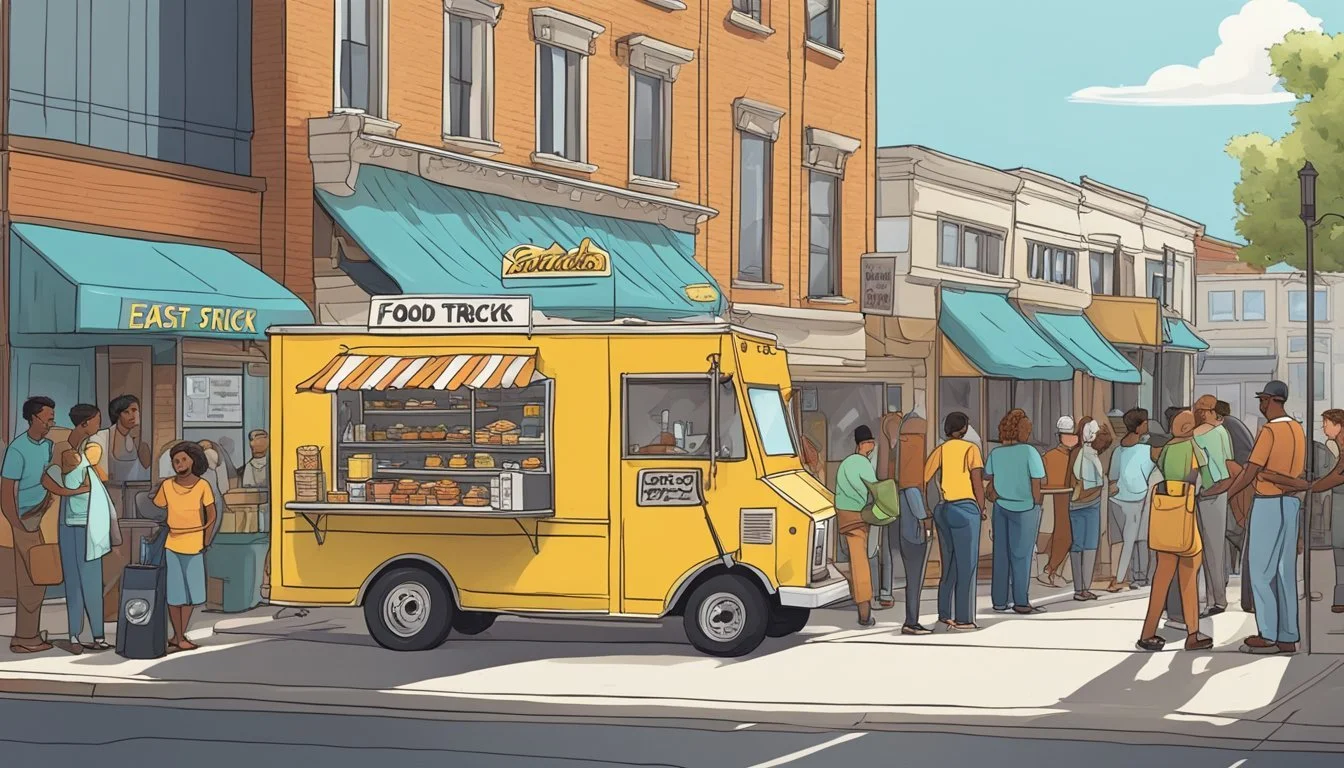
In Kansas, the food truck industry remains a viable option for entrepreneurs. Regulatory requirements are designed to ensure food safety and establish operational guidelines. Kansas entrepreneurs must navigate several layers of bureaucracy, obtaining necessary permits and adhering to health and safety regulations. Initiatives, such as the support from the Kansas Justice Institute, highlight a commitment to fair practices and the rights of mobile businesses.
Despite the procedural demands, the industry thrives due to its adaptability and the creativity of its stakeholders. Food trucks in Kansas are subject to constant changes, as laws evolve to better fit the community’s needs and promote growth. This dynamic nature requires operators to stay informed and compliant with the latest regulations.
Food truck entrepreneurs provide diverse culinary experiences while contributing to the local economy. They should be prepared for the rigors of compliance, but can expect a supportive environment as the industry continues to mature. The guidance available from various resources reflects a clear structure for the legal framework within which these mobile eateries must operate.
To sustain and grow a food truck business in Kansas, entrepreneurs should consistently check for updates in legislation and consider them opportunities for development rather than obstacles. The intersection of culinary arts and legal savvy marks the Kansas food truck industry as a noteworthy field for innovative individuals seeking to share their flavors with the world.