Food Truck Laws Kansas City, Missouri
Your Guide to Regulations and Compliance
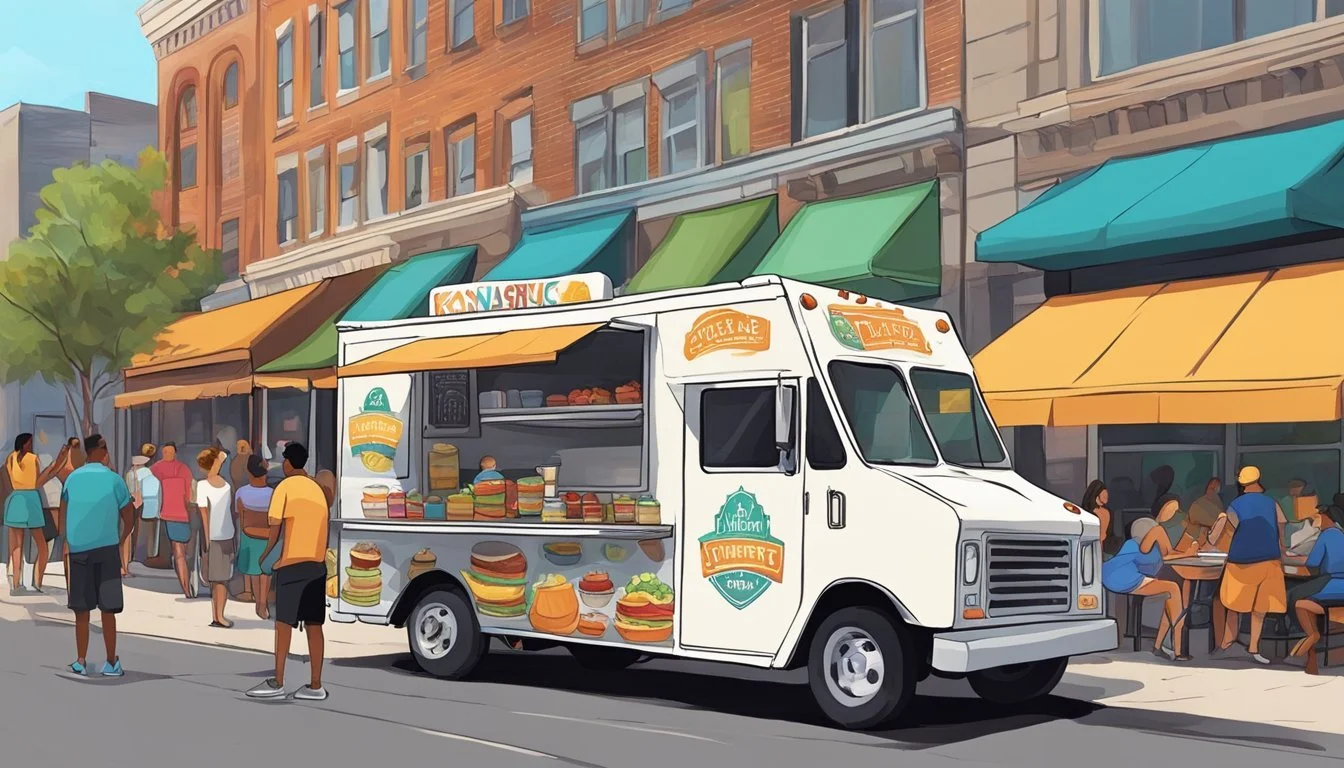
Food trucks have become a popular culinary phenomenon in cities across the United States, offering a wide range of dining options to foodies seeking quick, diverse, and often gourmet food on the go. In Kansas City, Missouri, the rise of food truck businesses has echoed this national trend, providing the community with an abundance of vibrant flavors and cuisines. The mobility of food trucks allows them to serve a variety of locations, catering to different crowds and events, thus creating a unique opportunity for entrepreneurs and chefs to share their culinary creations.
However, operating a food truck in Kansas City is governed by a series of specific regulations and laws to ensure public health and safety. These laws impact various aspects of the business from menu offerings to the truck's parking locations. Entrepreneurs must navigate through a range of required permits and licenses, which include obtaining a Food Establishment Permit, as well as compliance with food safety and handling protocols.
Maintaining adherence to these regulations is crucial for the successful operation of a food truck. Local ordinances in Kansas City are designed to foster a safe and thriving environment for both vendors and patrons. As such, food truck operators must be well-versed in the local laws and ensure that all necessary measures are taken to comply with Missouri food truck regulations, reinforcing a responsible and respected food truck community.
Establishing a Food Truck Business
Establishing a food truck business in Kansas City, Missouri, requires a clear understanding of the appropriate business structure and the necessary licenses and permits. Adherence to regulatory requirements is crucial for legal operation.
Choosing a Business Structure
The selection of a business structure is one of the first decisions to be made. Prospective food truck owners can choose from structures like a sole proprietorship, partnership, or a more complex limited liability company (LLC). Each offers varying levels of personal liability protection, tax implications, and regulatory obligations. For example, a sole proprietorship is simpler to establish but does not provide personal liability protection, whereas an LLC does offer this but requires more in-depth registration, potentially including obtaining an Employer Identification Number (EIN) from the IRS.
Licensing and Permits
To legally operate a food truck, several types of licensing and permits are crucial. First, a business license must be obtained from the city of Kansas City. Next, other specific permits, such as a food truck license and food business permit, are mandatory and can be obtained from the Kansas City Health Department. These permits ensure that the food truck meets all regulatory requirements and is compliant with health and safety standards.
Applicants must undergo a pre-inspection, which does not guarantee a permit but is a step towards ensuring all standards are met. Moreover, continuous compliance is necessary as permits such as the mobile food unit permit are subject to renewal, usually on an annual basis. The cost of these permits varies and can be located in the Food Establishment Fee Schedule.
Licensing and permit acquisition is a multi-step process involving a multitude of regulatory bodies like the local health department and, depending on sales, the Missouri Department of Revenue for sales tax registration. Each type of permit has associated fees and specific conditions that must be met to maintain legal operation within the city.
Location and Parking Regulations

Food truck operators in Kansas City must navigate a set of rigorous location and parking regulations designed to ensure both compliance and community integration. The city has established clear criteria that must be met, involving careful planning and adherence to specific ordinances.
Finding the Right Location
When selecting a location, food truck owners should consider visibility, foot traffic, and proximity to complementary businesses. They must verify that their chosen site aligns with Kansas City's public space usage policies. Engaging with city council members and planning departments early in the process can provide valuable insights into suitable locations that meet both business needs and local guidelines.
Parking and Zoning Laws
Parking regulations for food trucks in Kansas City are enforced to maintain the balance between business operations and public convenience. Operators should be aware of the specific parking and zoning laws which dictate where and when they can conduct business. Securing a spot often requires obtaining permits and may involve restrictions, such as distance from brick-and-mortar restaurants. Public works and city ordinances offer a framework for these regulations to protect both the interests of mobile vendors and the communities they serve.
Operational Compliance
When operating a food truck in Kansas City, Missouri, vendors must strictly adhere to the local health and safety regulations to ensure public welfare and sustainable business operations. Detailed compliance with the Health Department guidelines and timely inspections is mandatory for mobile food units.
Health and Safety Regulations
Kansas City food truck operators are required to obtain a Food Establishment Permit from the local Health Department, maintaining strict food safety standards. The Health Department expects food trucks to implement:
Proper temperature control for food safety
Appropriate waste disposal methods
Hygienic food handling practices
Adequate water supply for cleaning and food preparation
Reliable suppression systems for fire safety
Each element is a critical component in protecting both the public health and the integrity of the food truck.
Inspections and Mobile Food Compliance
Regular inspections are carried out by the Kansas City Health Department to enforce health and safety standards. Before starting operations, food truck vendors must:
Schedule and pass a pre-inspection to ensure readiness for service.
Ensure ongoing compliance, as health inspections can occur unannounced.
Inspections assess the overall health and safety measures within the truck, the adherence to food safety protocols, and the functioning of the suppression system to prevent fires. A permit is issued once a mobile food unit passes the inspection, but operators should be prepared for periodic re-evaluations to maintain operational status.
Financial Management
In managing a food truck in Kansas City, financial acumen is a must. Owners need to navigate the particulars of tax registration, comply with various tax obligations, and manage risks effectively through proper insurance. Each financial aspect influences startup and operating costs and can impact the sustainability of a food truck service.
Tax Registration and Obligations
Food truck operators in Kansas City are required to register for various taxes that relate to their service. Sales tax registration is fundamental and necessary for legal operation. They must understand and adhere to the local tax rates, which vary depending on the location of sales. (For more detailed information see Food Truck Laws, Requirements, and Regulations in Missouri)
Register for sales tax
Adhere to local tax rates
File taxes regularly
Some taxes are paid monthly, while others may be quarterly or annually. Keeping meticulous records of all transactions is critical, as they will need to account for sales tax collected and operating costs when filing.
Insurance and Risk Management
Selecting the right insurance policies is integral to managing risks associated with running a food truck in Kansas City. They must invest in several types of insurance to protect against a range of potential incidents, from vehicle-related damage to liability for customer injuries.
General liability insurance: Covers accidents and injuries to third parties
Property insurance: Protects against damage to the food truck itself
Worker’s compensation: Mandatory if the food truck has employees
These insurance policies contribute to the startup costs and affect the operating costs, but they preserve the long-term viability of the food truck business through risk mitigation. It’s important to compare services and find coverage that aligns with their unique business risks and budget constraints.
(For specific permit and inspection costs, see Kansas City’s Official Website for Food Permits)
Operators should not only seek to meet legal requirements but also optimize their financial management practices. Sound financial management is the cornerstone of a food truck's success in Kansas City.
Marketing and Outreach
Successful marketing and outreach are crucial for food truck operators in Kansas City, Missouri. They must navigate local ordinances, while also building a strong brand presence and engaging effectively with their community and customer base.
Building Brand and Community Relations
Food trucks in Kansas City must prioritize building a positive brand image and fostering strong relations with the community. This can be achieved by participating in local events and being proactive in networking. Community engagement helps food trucks to adhere to food truck requirements in Missouri, as they can receive up-to-date information on local laws and regulations that affect their operations. It also opens doors to collaborations with other local businesses and services, enhancing their reputation and reach within the area.
Marketing and Customer Engagement
Effective marketing strategies can significantly boost a food truck’s visibility and customer loyalty. Kansas City food truck operators should harness various marketing tools such as social media, local food apps, and email newsletters to keep their audience engaged. They must ensure their marketing efforts also educate customers on their services, compliance with food safety ordinances, and the quality of their culinary offerings. In doing so, food trucks create transparency and trust, which can lead to a larger and more dedicated customer base.
Expansion and Growth

Growing a food truck business in Kansas City, Missouri, involves both diversifying what is served and forming strategic partnerships. Operators who can navigate the complexities of the market and tackle expansion strategically tend to achieve growth and success.
Diversifying Menu Offerings
Food trucks achieve growth by refreshing and expanding their menu offerings. By sourcing new ingredients and incorporating innovative recipes, trucks can keep their menu dynamic and attract a wider customer base. This not just lures new clients but also maintains existing customers’ interest. For instance, incorporating locally sourced produce can enhance flavor profiles and cater to health-conscious trends.
Strategic Partnerships and Scaling Up
Partnering with local vendors and markets can lead to fruitful synergies that promote scaling up. Utilizing quality equipment and forming alliances with suppliers can streamline operations, possibly leading to bulk purchasing discounts and more consistent product quality. Food trucks that effectively scale up also consider investing in additional units or adopting new technologies to manage increased consumer demand efficiently.
Compliance with Specific Requirements
Running a food truck in Kansas City, Missouri, necessitates strict adherence to various regulations, including fire safety, health, and environmental standards. These ensure the well-being of both the operators and their patrons, as well as the preservation of public spaces.
Fire Code and Safety
Food trucks must comply with the fire code to ensure safety. They are required to undergo periodic inspections by the fire department to check for proper installation and maintenance of fire suppression systems. It's imperative that trucks have fire extinguishers on board and that all employees are trained in their use.
Health Department Special Requirements
The health department sets particular criteria for food trucks to guarantee public health. Food truck operators in Kansas City must secure a permit and pass a health inspection prior to serving food to the public. This includes verification of proper food handling practices, clean water availability, and waste disposal methods.
Environmental Impact and Sustainability
Operators must consider their food truck's environmental impact. The board responsible for environmental sustainability may require food trucks to follow specific waste disposal procedures to minimize litter and pollution. Furthermore, there might be incentives or guidelines to encourage the use of biodegradable or recyclable materials to lessen the impact on the environment and promote water conservation.
Employment Law and Labor Practices
In Kansas City, Missouri, food truck operators must navigate the intricacies of employment law and adopt labor practices that comply with both state and federal regulations. These laws influence the hiring process and how employees are trained and retained, which are critical for the sustainable operation of a food truck business.
Hiring Employees and Labor Laws
When a food truck employer in Kansas City decides to hire employees, they must obtain an Employer Identification Number (EIN) from the IRS. This number is essential for reporting taxes and other important legal documentation. Missouri's labor laws mandate that employers follow non-discriminatory hiring practices and ensure fair wages as outlined by both federal and state standards. Additionally, food truck operators must ensure that their staff secures a Food Handlers License, signifying their knowledge of safe food handling and sanitation practices—a pivotal requirement especially in mobile food services where food safety is paramount.
Employee Training and Retention
Effective employee training can directly influence the retention rates within a food truck business. Employers are encouraged to invest in comprehensive education and training programs that not only cover food safety and preparation but also customer service and operational tasks specific to the mobile nature of food trucks. This investment enhances employee competence and can lead to higher job satisfaction, which in turn aids in retention. By creating a positive work environment and providing clear paths for growth and advancement, employers stand a better chance at maintaining a dedicated and skilled workforce for their food truck operations.
Additional Considerations
In Kansas City, Missouri, ensuring compliance with the regulations specific to food labeling, alcohol permits, and understanding the local food truck scene are key to a successful mobile food enterprise. Operators should acquaint themselves with these nuanced rules.
Food Labeling Regulations
Food trucks operating in Kansas City are required to adhere to strict food labeling regulations. Labels must clearly display the net weight, ingredient list, and allergen information to inform consumers and comply with health department standards. This transparency builds trust and can potentially prevent legal issues related to mislabeling.
Alcohol Permitting and Restrictions
For food trucks interested in serving alcohol, it is critical to understand the necessary permits and restrictions. Kansas City mandates a specific alcohol permit for food establishments looking to vend alcoholic beverages. Food truck operators should navigate this process carefully, as it involves meeting additional regulatory requirements and adhering to designated operational hours and zones.
Understanding Local Food Truck Scene
It is essential for food truck owners to understand the peculiarities of the food trucks in Missouri landscape. Kansas City boasts a vibrant food truck culture, but it comes with competition and expectations for quality and service. Operators should conduct thorough research, such as attending local food truck events, to grasp what works and what doesn't within this dynamic community.
Resources and Support
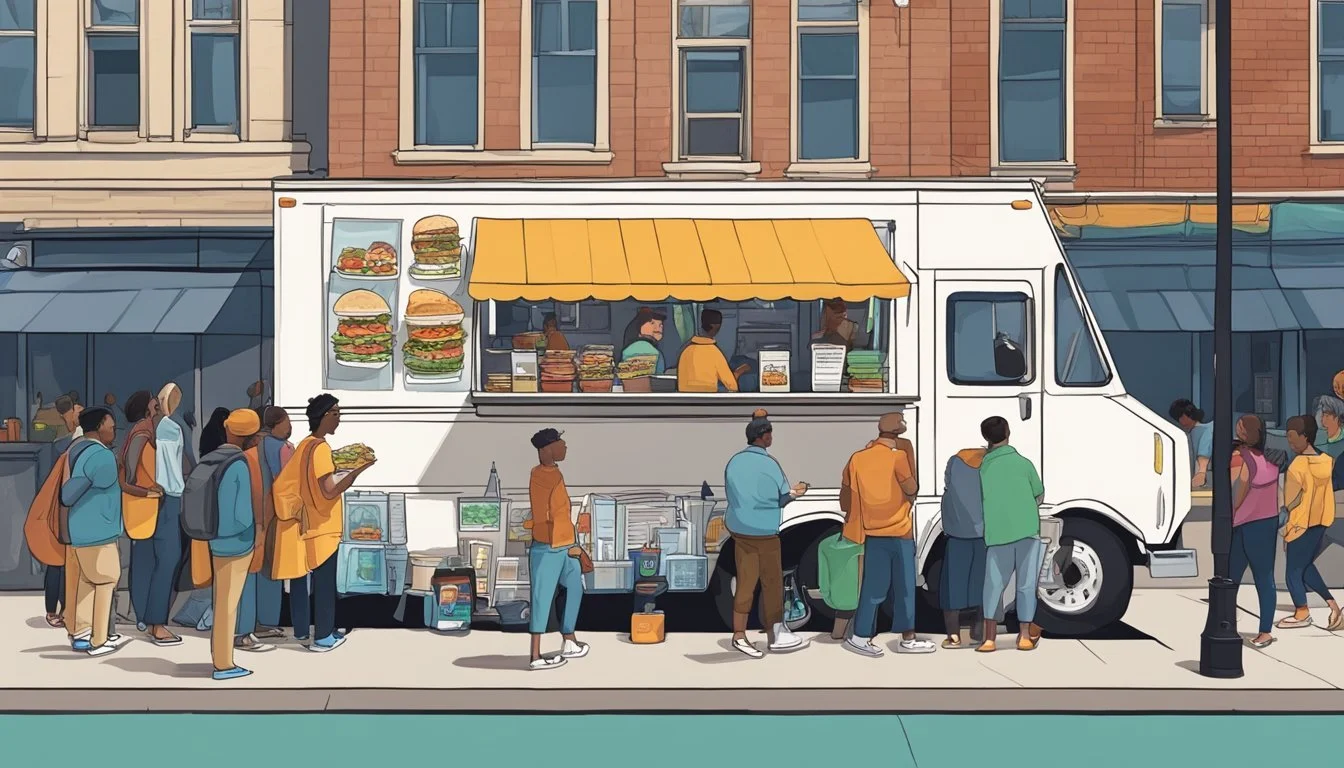
When starting or operating a food truck in Kansas City, Missouri, accessing the right resources and support is critical. These can range from consultations with city officials to taking advantage of networking opportunities with local associations. Knowledge of food truck law and engaging in appropriate education and training are essential for compliance and success.
City Officials and Food Truck Associations
City officials in Kansas City are key resources for understanding local food truck laws and permit requirements. The Kansas City, Mo., Health Department Environmental Public Health Program is a point of contact for food permit applications and queries related to health and safety regulations. Operators can schedule a pre-inspection with them which is a necessary step in the permitting process.
Food truck associations provide networking opportunities and advocacy for the interests of mobile vendors. They can keep food truck owners updated on any changes in local regulations and often offer services that help with the business aspects of running a food truck.
Education and Training Opportunities
A solid foundation in education and training is vital for maintaining high standards and staying compliant with regulations. Organizations such as the KC SourceLink provide workshops and classes aimed at supporting food businesses, including food trucks. They focus on helping entrepreneurs increase their capacity for food production and distribution.
Additionally, educational resources cover a range of topics, from food safety to business planning, assisting newer food truck owners in navigating the complexities of the industry. Formal training can be obtained through local culinary schools or small business development centers, which may offer specialized courses catering to the needs of food truck entrepreneurs.