Food Truck Laws in Oklahoma
Navigating Regulations for Mobile Vendors
Operating food trucks in Oklahoma requires adherence to specific regulations designed to ensure the safety and well-being of both the operators and the public at large. These regulations cover a broad range of requirements, from obtaining the necessary permits to ensuring proper food handling and sanitary conditions. Food truck owners must navigate through a series of legal prerequisites, including securing a mobile food facility permit, often equated to a business license for mobile food vendors, and ensuring every employee holds a valid food handlers permit.
In addition to the basic business licensing, Oklahoma food truck operators must also comply with local county health department standards. This compliance involves a thorough understanding of health and safety guidelines as delineated by the Oklahoma State Department of Health. Such guidelines include application processes for necessary permits, obtaining liability insurance, and regularly undergoing health inspections to maintain a mobile food vending license.
Each of these steps reinforces the legal framework within which food trucks in Oklahoma can operate effectively. By meeting these requirements, food truck operators are granted the legitimacy to serve the community, contributing to the vibrant and growing street food culture in Oklahoma. Careful consideration of these regulations not only protects the business but also assures patrons that they are receiving food that is both delicious and prepared in accordance with high safety standards.
Understanding Oklahoma Food Truck Regulations
Navigating the legal landscape is crucial for food truck operators in Oklahoma. Compliance with both state and local regulations ensures legal operation and prevents costly violations.
State vs. Local Regulations
In Oklahoma, food truck operators must adhere to state regulations set forth by entities such as the Oklahoma State Department of Health and the Oklahoma Department of Agriculture. State-level requirements generally cover health and safety standards. Conversely, local regulations pertain to municipality-specific zoning and operational rules. It's essential for food truck owners to comply with both to operate a legal mobile food establishment within the state.
Key Legal Requirements for Operation
To legally operate a food truck in Oklahoma, several key legal requirements must be fulfilled:
Licensing Requirements: Aside from a basic business license, food trucks often need to acquire a Mobile Food Unit Permit from their local health department.
Zoning Regulations: Each municipality may have distinct zoning rules that dictate where a food truck may be parked or operate.
Health Department Approval: Regular inspections by local health departments ensure adherence to food safety regulations.
Tax Commission Registration: Food trucks must also register with the Oklahoma Tax Commission for applicable sales taxes.
Operators should closely follow updates from relevant authorities, including the Oklahoma State Department of Health and local health departments, to maintain compliance with all statutory and regulatory changes.
Business Licensing and Permits
Operating a food truck in Oklahoma requires a thorough understanding and adherence to specific licensing and permit requirements. This ensures compliance with local laws and regulations, important for both safety and legal operation of the business.
Food Truck License and Permits
A Mobile Food Establishment Permit, commonly referred to as a food truck license, is critical for food truck operators in Oklahoma. In addition to this, vendors must obtain a seller's permit and a food handler’s permit for each employee to ensure everyone handling food meets safety training standards. The permits not only signify the legality of the food truck but also reflect adherence to health standards.
Health Department Approvals
Before hitting the road, food trucks must pass an inspection by the local health department to receive health licenses. These inspections scrutinize the truck’s food safety measures, including the presence and proper functioning of a fire suppression system. Compliance with these health standards determines the issuance of the Food Establishment Permit, which is mandatory for operation.
Business License and Entity Setup
Food truck operators must establish a legal business entity, often opting for a Limited Liability Company (LLC) for liability and tax reasons. A business license is required to operate legally within the state. Additionally, there may be various additional permits and fees associated with setting up the business, such as a liquor license in Oklahoma, if applicable. Operators must ensure proper insurance coverage and have secured payment systems to handle transaction processing.
Food truck operators in Oklahoma must navigate a range of licenses and permits, from ensuring food safety compliance to establishing a legally recognized business, each with its associated fees and inspections to uphold public safety and fair business practices.
Operational Guidelines and Safety
In the state of Oklahoma, operating a food truck requires adherence to a comprehensive set of operational guidelines and safety measures designed to protect public health and ensure the integrity of mobile food service. The Oklahoma State Department of Health provides regulatory oversight, and all food trucks must pass meticulous inspections and comply with the Oklahoma Food Code.
Health and Sanitation Standards
The health and sanitation standards for food trucks in Oklahoma are governed by the state's health department. Food trucks must have the necessary equipment to maintain proper food temperatures and must ensure the cleanliness and sanitary condition of all surfaces and utensils. This includes regular Health Department inspections to verify conformity with guidelines. All employees working in a food truck must have a Food Handlers License and be trained in good manufacturing practices.
Fire Safety and Vehicle Requirements
Food trucks are required to comply with fire safety regulations, which include installing a certified fire suppression system and maintaining proper ventilation. The vehicle must meet specific safety requirements and be outfitted with the necessary firefighting equipment. Ensuring fire safety is critical, and it is mandatory for food trucks to be inspected and have their systems examined routinely by professionals.
Food Safety and Handling
Adherence to food safety protocols is critical for food trucks. This entails implementing proper food handling techniques and understanding the labeling requirements outlined in the Oklahoma Food Code. Regular inspection and consistent manager training ensure food is stored, prepared, and served safely to the public. While food trucks in Oklahoma do not typically require a Liquor License, those that do must comply with additional state regulations governing the sale of alcohol.
Financial Aspects and Taxation
In the context of food truck operations in Oklahoma, financial success hinges on a comprehensive understanding of sales tax regulations and judicious management of operational costs.
Understanding Sales Tax Requirements
In Oklahoma, food truck vendors are required to collect and remit sales tax on all taxable transactions. To do this legally, they first need to obtain an Oklahoma Sales Tax Permit from the Oklahoma Tax Commission. Failure to collect sales tax or comply with filing requirements can result in substantial fines and penalties. Payment of collected sales tax must be submitted in a timely manner, with the frequency of filing determined by the volume of sales.
Managing Operation Costs
Running a food truck business entails various expenses ranging from permit fees to ingredient costs. It’s crucial for operators to track these costs meticulously to maintain profitability. Permit fees can include one-time costs for the initial permit and recurring charges for regular renewals. Additionally, understanding the breakdown of costs helps in setting appropriate prices to ensure that sales revenue exceeds the cost of goods sold and overhead expenses, thus avoiding financial strain.
Location and Zoning for Food Trucks
When starting a food truck business in Oklahoma, selecting a prime location and understanding local zoning laws are crucial for success. These factors ensure compliance with municipal regulations and can influence the food truck's accessibility to its target market.
Finding the Right Spot
A food truck owner must consider the foot traffic and visibility of their chosen location. Municipalities like the City of Tulsa and the City of Bixby may offer designated areas specifically for food trucks. These locations help ensure a steady flow of potential customers and provide a community atmosphere where multiple vendors can gather. Researching the market and identifying areas with high demand for food truck services is essential for a successful operation.
Adhering to Local Zoning Laws
Each city has unique zoning regulations that dictate where food trucks can operate. It is imperative to consult with the local municipality for the most current zoning laws related to mobile food units. Public health standards also come into play, as they are closely tied to the zoning permissions. For instance, proximity to schools, hospitals, or brick-and-mortar restaurants may be regulated. Compliance with local zoning laws protects food truck owners from fines and potential business disruptions.
Marketing and Growth Strategies
The competitiveness of the food truck industry in Oklahoma necessitates a strategic approach to marketing and growth. This includes leveraging a combination of brand development, targeted marketing efforts, and strategic business expansion.
Building Brand Awareness
For food truck vendors, establishing a robust brand is the linchpin for attracting and retaining customers. A cohesive brand strategy should involve a memorable name, a distinctive design for the truck, and a clear message that conveys the essence of the business. Resources such as social media are indispensable for brand building, offering a platform for engaging content that showcases their products and the unique experiences they provide. Food trucks may also participate in local events and festivals to increase visibility. Strategic partnerships with local businesses and producers can further accentuate brand presence in the market.
Expansion and Diversification
Diversifying the menu and exploring new locations are two pivotal strategies for business growth. Vendors often begin with a niche product offering but may expand their menu to include complementary items or limited-time offers to attract a broader customer base. Exploring new locations, such as partnering with local breweries or setting up at farmers markets, can expose the business to different demographics. Additionally, scaling up may involve adding more trucks or establishing a physical restaurant space. Utilizing data and feedback from marketing efforts can help pinpoint potential new markets and understand customer preferences to make informed decisions about expansion.
Complementary Licenses and Legalities

When operating a food truck in Oklahoma, securing the proper food selling permissions is just the beginning. Food truck owners must navigate additional licenses and legalities to fully comply with state and local regulations, such as alcohol licensing and other necessary approvals that pertain to specific ingredients and foods.
Alcohol Licensing
In Oklahoma, food trucks that plan to serve alcohol must obtain an Alcohol Licensing. A specific Liquor License is required, which is governed by the Oklahoma Alcoholic Beverage Laws Enforcement (ABLE) Commission. This process involves rigorous scrutiny, including reviews of the applicant's background. It's important to ensure that the sale of alcohol aligns with both state and local laws, as municipal ordinances can also affect operation.
Type of License: Determine the appropriate liquor license type based on the alcohol served (i.e., beer, wine, or spirits).
Application Process: Complete all necessary ABLE applications and await approval before serving any alcohol.
Other Necessary Approvals
Operating a food truck also involves adhering to several other approvals and permits:
Health Department Permit: Food trucks must pass a health inspection, which includes ensuring that ingredients such as meat and honey come from approved sources.
Fire Department Permit: Some localities require an inspection by the fire department, especially if the food truck has cooking equipment.
Vehicle Inspection: The Oklahoma Department of Environmental Quality requires an inspection of the food truck itself for safety standards.
When dealing with specific ingredients like meat, food truck owners should verify that their suppliers meet all safety standards and that they have all the proper documentation to prove it. Compliance with these regulations ensures the safety and quality of the food served to customers.
Remember, navigating through these legalities can be complex and time-consuming, but adherence is crucial for the successful operation of a food truck in Oklahoma.
Insurance and Liability in Food Truck Business
Operating a food truck business in Oklahoma involves navigating through various insurance and liability requirements to ensure compliance and safeguard against potential risks. Adequate insurance coverage is crucial for protecting the business, and understanding the associated liabilities can prevent costly legal issues.
Types of Insurance Coverage
Liability Insurance: An essential for any food truck business, liability insurance protects the owner from claims involving bodily harm and property damage. In Oklahoma, food truck operators are typically required to have a liability insurance policy that covers a range of incidents from accidents to foodborne illness claims. The specifics of the required insurance coverage can vary, but generally, a substantial coverage limit is recommended to ensure comprehensive protection.
Property Insurance: Protecting the food truck itself, along with the equipment and inventory inside, is the role of property insurance. This coverage helps recover the cost in case the property is damaged due to events like fires, theft, or vandalism.
Workers' Compensation: If a food truck business in Oklahoma has employees, workers' compensation insurance is mandatory. This type of insurance provides medical benefits and wage replacement to employees who are injured on the job.
Managing Risks and Liabilities
Developing Safety Protocols: Adherence to strict safety protocols can minimize the chances of accidents and health-related issues. Regular training for food truck employees on the proper handling of food and equipment is pivotal for reducing risks.
Health Standards Compliance: Food trucks must meet stringent health and safety standards mandated by the Oklahoma State Department of Health. Obtaining and maintaining the Mobile Food Unit Permit is a testament to a food truck's commitment to these standards.
Regular Inspections: To manage liabilities effectively, food truck businesses should regularly review and inspect their operations and facilities. Ensuring that all equipment is in good working condition helps prevent mishaps and demonstrates due diligence, an essential defense in case of legal claims.
In short, securing the appropriate insurance and managing liabilities are foundational steps for running a successful food truck business in Oklahoma. Government agencies, such as the State Department of Health, play a significant role in setting the requirements for operation, making it imperative for food truck owners to stay informed and compliant with current laws and regulations.
Environmental Responsibility and Waste Management
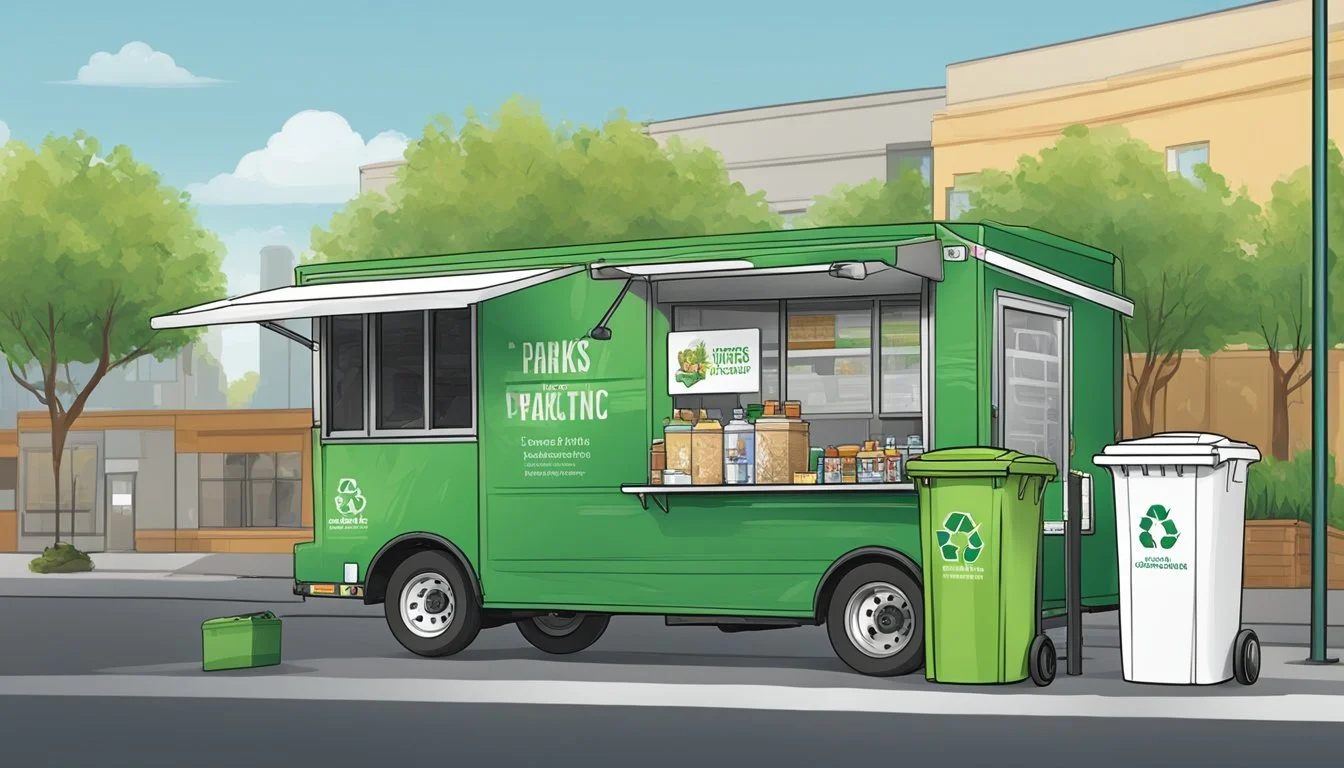
In Oklahoma, food trucks are subject to strict waste disposal regulations to mitigate environmental impact. Government agencies oversee the enforcement of these norms to ensure food service establishments uphold public health standards and environmental integrity.
Implementing Waste Disposal Protocols
Food trucks in Oklahoma must adhere to established waste disposal protocols. A central requirement is the presence of garbage containers within the establishment to manage waste generated from food preparation and consumption. These containers must be conveniently located and adequately sized to handle the waste volume produced. The importance lies in ensuring food waste and packaging materials do not contribute to environmental pollution.
Government oversight is crucial in this aspect, with state health departments providing guidelines on proper waste management practices. For example, details regarding the disposal of both food waste and organic waste from food establishments are outlined to prevent any improper handling that could lead to sanitation issues or environmental harm.
Additionally, food trucks are required to have approved facilities for washing utensils and equipment. This is to prevent wastewater from being improperly disposed of, as it may contain harmful contaminants. Regulatory compliance includes the use of stem-type probe thermometers to maintain food at safe temperatures, thereby reducing the likelihood of food spoilage and subsequent waste.
These measures underscore Oklahoma's commitment to environmental responsibility, engaging food truck operators as active participants in waste management efforts while acknowledging their role in maintaining community health and safety.
Appendix: Resources and Useful Contacts
When seeking guidance on mobile food establishments, multiple resources and government agencies are available to assist business owners in Oklahoma. They provide essential information on construction, equipment, and licensing requirements for food trucks. Below is a curated list of useful contacts and resources:
Government Agencies:
Oklahoma State Department of Health:
They issue regulations on food safety and operation standards for food establishments.
Website: Food Service Regulations
Oklahoma Tax Commission:
Responsible for business registration and tax permits.
Address: 2501 N. Lincoln Blvd, Oklahoma City, OK
Phone: (405) 521-3160
Useful Resources:
Mobile Food Establishments Construction Guide:
A comprehensive guide detailing the requirements for mobile food establishment construction and equipment.
Steps for Opening Mobile:
A checklist for starting a mobile food business includes contacts for other helpful agencies.
Food Truck Licenses and Permits:
An article detailing required licenses and permits for food trucks in Oklahoma, similar to those needed for restaurants.
Utilizing these resources can greatly streamline the process of starting and maintaining compliance for a mobile food business in Oklahoma.