Food Truck Laws in Tennessee
Regulations and Compliance Essentials

Operating a food truck in Tennessee involves navigating a series of regulations and requirements designed to ensure public safety and fair business practices. Tennessee's vibrant street food scene is supported by comprehensive laws that address everything from food safety to business licensing. Food truck operators must adhere to the regulations set by both the Tennessee Department of Health and the Tennessee Department of Agriculture, ensuring they maintain the standards set for mobile food establishments across the state.
Requirements for mobile food establishments are thorough and must be followed diligently. Operators are expected to obtain a permit from the Department of Health, which is vital to legally serve food to the public. This permit requires annual renewal, reflecting the continuous compliance with local health regulations. Specific laws govern various aspects of the operation, including proper waste disposal, food safety ordinances, and adherence to public health laws. Understanding and following these laws are crucial for the successful and legal operation of a food truck in Tennessee.
As the industry continues to expand, Tennessee's legal framework for food trucks evolves. The introduction of the Tennessee Food Freedom Act, effective July 1, 2022, marked a significant development for homemade food businesses in the state. This Act greatly benefits small businesses by allowing them to sell food products directly to consumers within Tennessee, simplifying prior food manufacturing regulations and boosting consumer choices. Compliance with current laws and staying abreast of legislative changes are both important for food truck entrepreneurs aiming to thrive in the local market.
Starting a Food Truck Business
When starting a food truck business in Tennessee, entrepreneurs must make crucial decisions on business structure, registration, and licensing to comply with state regulations. These foundational steps are essential to legally operate and achieve success.
Choosing a Business Structure
Selecting the appropriate business structure is a pivotal choice for food truck entrepreneurs. Limited Liability Companies (LLCs) are popular due to their flexibility and protection of personal assets. Sole proprietorships and partnerships are simpler to establish, but they offer less protection from business liabilities.
Registering the Business
After deciding on a structure, the next step is to register the business with the Tennessee Secretary of State. A food truck business needs a unique name, and if operating as an LLC, "LLC" or "Limited Liability Company" must be part of the name.
Obtaining a Business License
To legally operate, obtaining a business license is crucial. The process involves submitting an application to the local county clerk's office. Additionally, food truck owners should reach out to the Tennessee Department of Agriculture for specific requirements regarding mobile food establishments.
Understanding Tennessee Food Truck Laws

Operators must navigate a complex web of state and local regulations to legally run a food truck in Tennessee. Each jurisdiction may have its own rules, but they all aim to ensure food safety and fair business practices.
State Regulations and Permits
In Tennessee, obtaining the necessary state permits is the first step for food truck operators. This includes securing a state permit from the Tennessee Department of Agriculture's Consumer and Industry Services. These permits ensure that food trucks meet the necessary guidelines for food preparation, labeling, and sales. Information on the specific permits required can be found on the Mobile Food Establishments page.
Local Regulations and Compliance
Local jurisdictions may enforce additional regulations. For instance, food trucks in Murfreesboro must adhere to rules concerning operation zones and the frequency of appearances in particular areas. Details on these local regulations can vary and are often found on city webpages, as seen in the Murfreesboro ordinance review.
Health and Safety Inspections
Regular health and safety inspections by the local health department are mandatory to ensure public safety. These inspections review various aspects of the food truck's operation, including adherence to food safety procedures, proper waste disposal, and equipment maintenance. Safety standards, such as fire prevention requirements, are governed by health regulations, as outlined in the Nashville requirements for mobile food service establishments.
Operational Requirements for Food Trucks
The operation of food trucks in Tennessee is governed by a set of stringent regulations that ensure safety and compliance. These requirements affect the construction of the vehicle, food safety measures, and financial responsibilities.
Vehicle and Equipment Standards
Food trucks, as mobile food service establishments, must adhere to specific standards regarding their vehicle and equipment. The vehicle should be designed and maintained to prevent food contamination and preserve hygiene. Essential equipment, such as refrigeration units, must maintain proper temperature control to ensure that food is stored safely. This equipment must meet Tennessee's health codes, which is essential for safeguarding consumer health.
Food Handling and Safety
Food trucks must implement thorough food handling and safety protocols. Handlers are expected to have a proficient understanding of safe cooking temperatures, contamination prevention, and proper hygiene practices. Regular health inspections are conducted to ensure that mobile vehicles comply with Tennessee Department of Health’s food service rules and regulations, thus protecting consumers and promoting the reputation of businesses.
Sales Tax and Financial Obligations
Food truck operators in Tennessee are subject to sales tax and other financial obligations. Small businesses** are required to obtain the necessary permits related to sales tax and maintain accurate financial records. Adhering to these financial regulations is crucial for businesses to operate legally and contribute to the state economy. Sales and financial records must be meticulously maintained and available for governmental review.
Navigating Permits and Certifications
Operating a food truck in Tennessee requires careful attention to various permits and certifications. Entrepreneurs must navigate state and local regulations to ensure full compliance.
General Permit Application Process
Food truck operators must begin by applying for the Mobile Food Establishment Permit. This involves submitting a detailed application to the Tennessee Department of Agriculture. The permit application process typically requires submission of plans for the mobile unit, proof of inspection, and a menu for review. Businesses must secure this permit prior to operating on public and private property within the state.
Food Safety Certification
All mobile food establishments are mandated to have at least one employee with a valid Food Safety Certificate on staff. This individual is responsible for overseeing and implementing food safety practices. Certification is obtained through a Tennessee approved program, ensuring that proper food handling procedures and temperature control regulations are followed. Details on food safety regulations can be found on resources like the Food Truck Laws and Requirements in Tennessee.
Special Event Permits
For participation in special events, additional permits may be required. Food truck owners should contact the event organizer to determine if a Special Event Permit is needed. Requirements can include a separate application, fees, and adherence to specific guidelines set by event coordinators. Moreover, operators must comply with the state fire permit and local fire inspection regulations, which are crucial for the safety standards of mobile food businesses. Checking with the Tennessee Department of Commerce and Insurance for fire safety requirements is a key step in obtaining these permits.
Dealing with Legal and Practical Challenges
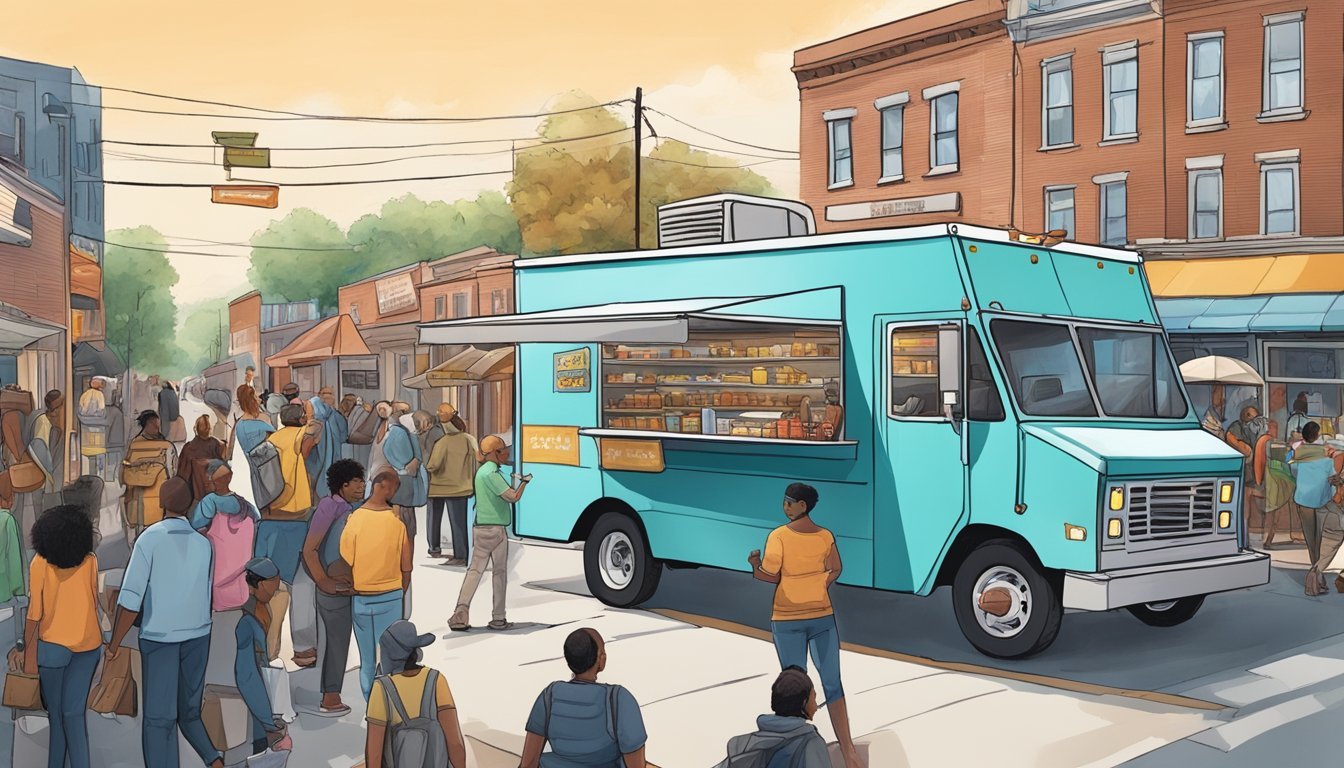
Food truck operators in Tennessee have encountered several challenges regarding state legislation and compliance with safety standards. The recent legal changes aim to mitigate these issues, providing a boost to both vendors and local economies.
Overcoming Redundant Regulations
The introduction of the "gold standard" state fire permit has been crucial in reducing burdensome and redundant regulations that previously hampered food truck mobility. This initiative, signed by Governor Bill Lee, empowers vendors to bypass the maze of local inspections, thus fostering greater economic opportunity for food truck businesses. Details of this law can be found in the announcement of New Tennessee Law Makes It Easier for Food Trucks to Be Mobile.
Addressing Fire Safety Standards
Compliance with fire safety standards is paramount for ensuring the well-being of both staff and customers. Tennessee's updated approach enables trucks to meet safety requirements without facing inconsistent enforcement across different jurisdictions. Food truck operators can now obtain a single state-level permit, reflecting the support from legislators for a streamlined, standardized system. For additional information on this streamlined process, visit the Mobile Food Establishments - Tennessee State Government page.
Improving Customer Relations
The success of any food truck business often hinges on its relationship with customers. The legal reforms have removed some logistical constraints, enabling vendors to focus on enhancing customer experiences. By addressing redundant regulations and ensuring compliance with fire safety standards, food trucks are more reliable and thus able to cultivate trust with their patrons. Operators like Jami Daniels Joe, owner of the Tennessee Cobbler Company, express excitement about the support from the state to streamline regulations, positively impacting operations across Tennessee. More about these impressions can be found in the article, New TN law makes it easier for food trucks to be mobile.
Influencing Food Truck Legislation
In Tennessee, recent legislative changes have been influenced significantly by advocacy and legal support from various entities, with aims to streamline regulations and ease the operational challenges for food truck entrepreneurs.
Industry Advocacy and Legal Support
Key players such as the Institute for Justice (IJ), a nonprofit law firm, have been instrumental in advocating for the interests of food truck owners. Meagan Forbes, the IJ's legislative counsel, has worked to address the complexities and restrictive nature of food truck laws. Her role often involves collaborating with legislators to draft receptive bills that reflect the growing needs of the mobile food industry.
Legislative Developments in Food Truck Laws
One of the significant legislative developments includes the enactment of a bill that allows food trucks to acquire a single, state-level "gold standard" permit, mitigating the need for multiple local fire inspections. This reform was signed into law by Tennessee Governor Bill Lee and marks a progressive shift toward reforming and streamlining regulations within the food truck sector. This law eases the process for food truck owners who previously faced time-consuming and repetitive compliance challenges at the local level.
Local Perspectives on Food Truck Operations
The local food truck scene in Tennessee reflects a diverse array of experiences from the entrepreneurs operating mobile eateries to the communities that embrace them. This section explores the challenges and triumphs of food truck operators as well as the collective response and support from local entities.
Food Truck Entrepreneurs' Experiences
Tennessee's food truck entrepreneurs, like those behind Tennessee Cobbler Company, navigate various regulatory landscapes, with cities such as Nashville and Knoxville presenting their own sets of local regulations. Jami Daniels Joe, an enterprising owner, has to contend with not just these local regulations, but the inherent logistical burdens that come with operating a mobile business. The introduction of a new law easing the process for food trucks to acquire statewide permits has been a welcome change, signaling state support and an understanding of these challenges. This law permits food trucks to operate with more mobility across municipal boundaries without the need for redundant inspections.
Community Impact and Local Support
The impact of food trucks on Tennessee communities extends beyond gastronomy. They bring a unique charm to local festivals and public gatherings, with entities like the Nashville Food Truck Association advocating for their interests. Local support is palpable, as communities recognize the value these small businesses bring. Whether it's a crowd gathered at a food truck rally or a single truck like Tennessee Cobbler Company appearing at a Knoxville neighborhood event, there's a tangible sense of support for these mobile entrepreneurs. This has galvanized efforts at various levels—from the state legislature to city councils—to streamline operations, reduce logistical burdens, and foster a more supportive environment for these local culinary adventurers.
Exploring Menu and Product Options

The menus and products offered by food trucks in Tennessee reflect diversity and creativity, ensuring a range of dining experiences for customers. Food truck entrepreneurs need to navigate state regulations while tailoring both prepackaged and fresh food offerings to their business model.
Creating a Unique Menu
A unique menu sets a food truck apart in the competitive Tennessee market. Operators should focus on a specialized selection of dishes, carefully chosen to showcase their culinary niche. Ingredients play a critical role in menu development, with an emphasis on local and seasonal availability to maintain freshness and cost-effectiveness. For instance, a food truck capitalizing on Southern cuisine might center its menu around Nashville hot chicken, using locally sourced poultry and spices.
Including Prepackaged and Fresh Foods
Balancing prepackaged and fresh food options can help food trucks cater to a broader audience. Prepackaged items like snacks and beverages offer convenience and longer shelf life, complementing the freshly prepared main dishes. Fresh foods, on the other hand, appeal to customers looking for quality and made-to-order meals. A savvy food truck might include Tennessee favorites such as barbecue pulled pork sandwiches, ensuring ingredients are fresh and locally sourced to maintain a high standard. Regulations from entities like the Tennessee Department of Agriculture determine standards for handling and selling both prepackaged and fresh options, and compliance is a must for all food truck operators.
Additional Considerations

When diving into the food truck industry in Tennessee, operators should give special thought to extending their offerings and crafting their brand. The inclusion of alcohol sales and the investment in marketing can play pivotal roles in the success of a food truck.
Incorporating Alcohol Sales
Alcohol Permitting: Obtaining a permit for alcohol sales can significantly increase a food truck's revenue potential. However, one must comply with the stringent requirements set by local Tennessee laws. These include holding a specific type of liquor license and adhering to required serving practices. Consideration must be given to the investment of time and resources necessary for obtaining and maintaining alcohol permits.
Investing in Marketing and Brand Development
Brand Presence: Effective marketing and brand development are essential for any food truck's success. In Tennessee's competitive market, a strong brand can differentiate a food truck from its competitors.
Consistent Branding: Utilize consistent fonts, colors, and imagery across all platforms.
Social Media Strategy: Develop an engaging social media presence to connect with customers and update them on locations and offerings.
Investing in a targeted marketing strategy can result in a recognizable brand that resonates with customers and sustains business growth.
Contact Information
For those interested in operating mobile food establishments in Tennessee, it's crucial to know the necessary contact details for compliance and to maintain good standing with regulatory bodies.
Reaching Out to the Right Authorities
To commence operations, a food truck owner must reach out to the Tennessee Department of Agriculture. Here's the contact information you'll need:
Email: For submitting the completed questionnaire and required documents: Mobile Food Establishments contact
Mail: For physical correspondence or documentation submission, use the following address:
Tennessee Department of Agriculture
Consumer and Industry Services
Attn: Food and Dairy
P.O. Box 40627
Nashville, TN 37204
The submission needs to be signed to affirm the accuracy and completeness of the information provided.
Maintaining Open Communication ll
Maintaining regular communication with the appropriate authorities is essential for a successful mobile food business. It ensures your food truck adheres to all required food safety ordinances, OSHA regulations, and other relevant laws. Keep records of all correspondences, whether it's electronic or via mail, as they might be needed for future reference.
It's advisable for food truck operators to ensure their contact information is up-to-date to prevent any lapses in receiving crucial regulatory updates or notices.