How to Cook with Tea for Unique Flavors
Culinary Secrets Unveiled
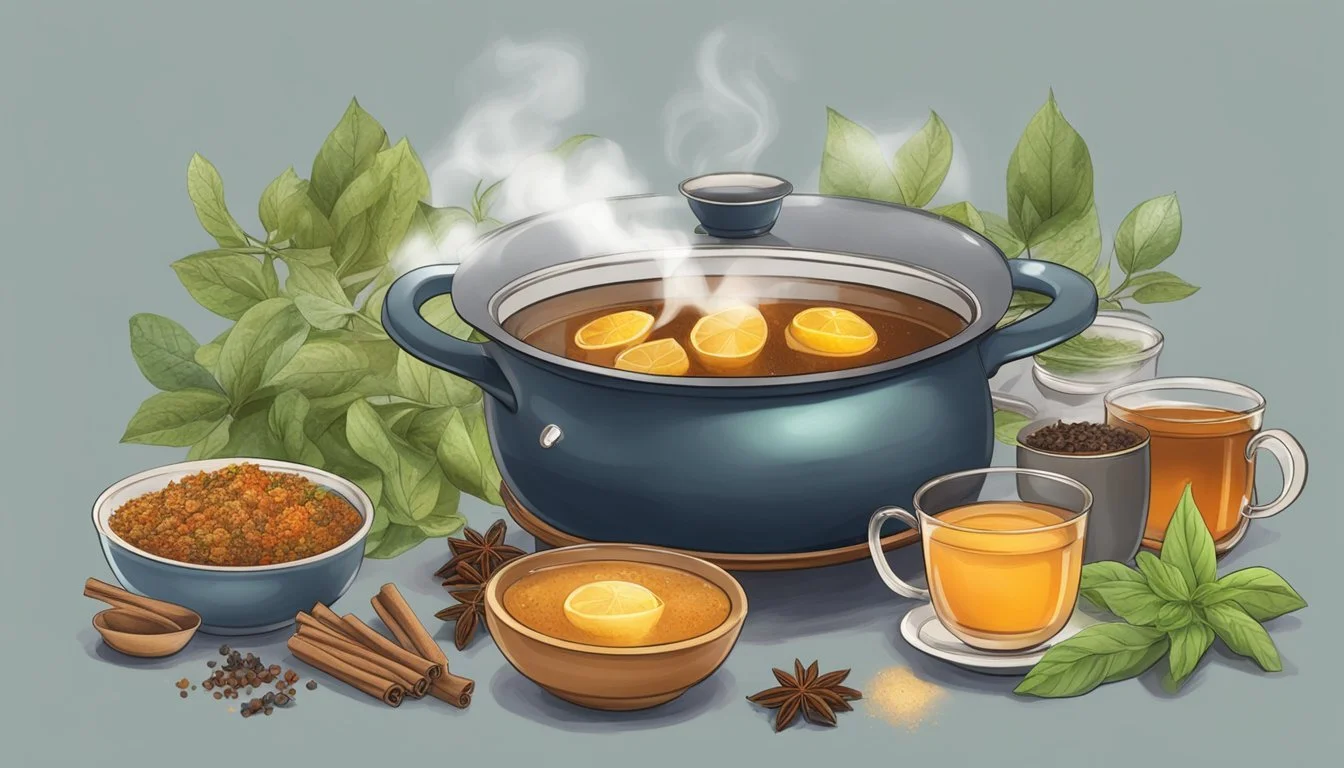
Tea, an ingredient commonly associated with steeping for a soothing drink, unlocks a treasure trove of flavors when incorporated into cooking. Its versatility is notable, ranging from subtle, floral notes to robust, smoky nuances, making it an innovative element in modern culinary practices. Chefs and home cooks alike are embracing tea as a way to infuse their dishes with distinct aromas and tastes, transforming ordinary recipes into extraordinary culinary experiences.
Incorporating tea into cooking is not merely a trend but a testament to its adaptability and the depth it brings to the palate. Brewed tea serves as an exceptional poaching liquid, where its essence permeates proteins and vegetables, creating delicately flavored poached dishes (What wine goes well with poached dishes?). Tea leaves ground into fine powders can be mixed into batters and doughs for baking, offering not just flavor but also the added health benefits associated with tea. This method elevates everyday baked goods with new, intriguing dimensions.
Tea's use extends beyond poaching and baking; it makes a fantastic rub or marinade for meats, introducing a complexity of flavor that simple spices or herbs alone cannot achieve. Dairy products like butter and cream infused with tea not merely incorporate a twist in taste but can also transform the visual appeal of a dish. Cooking with tea opens up a spectrum of creativity, allowing one to experiment and craft exceptional culinary creations that are as pleasing to the eye as they are to the palate.
The Basics of Cooking with Tea
Cooking with tea brings a sophisticated array of flavors to dishes, ranging from savory entrées to desserts. The process uses the leaves from the Camellia sinensis plant, which is the source of all true teas, including green, black, white, and oolong varieties, as well as herbal infusions. Tea doesn't just enhance taste; it also contributes health benefits due to its antioxidants, and depending on the variety, can be a source of caffeine or caffeine-free.
Understanding Tea Varieties
True Tea: Derived from Camellia sinensis. Includes green, black, white, and oolong teas.
Herbal Tea: Not from Camellia sinensis. Includes infusions from fruits, herbs, and spices. They are usually caffeine-free.
Each tea type offers a unique flavor profile:
Green Tea: Grassy and fresh.
Black Tea: Bold and robust.
White Tea: Delicate and slightly sweet.
Oolong Tea: Complex and varied, ranging from floral to smoky.
Essential Techniques for Infusing Tea
Infusion is the process of extracting flavors from tea leaves. This can be achieved by:
Steeping: Tea leaves or bags are soaked in hot liquid to release flavors.
Marinating: Ingredients are left to soak in tea-infused liquids to absorb the tea's flavors.
The steep time varies by tea variety, affecting the intensity of flavor extraction:
Green Tea: 2–3 minutes.
Black Tea: 3–5 minutes.
White Tea: 4–5 minutes.
Oolong Tea: 5–7 minutes.
Selecting the Right Tea for Your Dish
When choosing a tea for cooking, one must consider the dish's flavor profile and the desired impact on the recipe.
Savory Dishes: Oolong or black tea for a smoky depth.
Desserts: Green or white tea for a subtle, sweet note.
Marinades: Herbal teas can provide a wide range of flavors without caffeine.
Each tea interaction should complement the ingredients and enhance the overall taste without overpowering the dish.
Health Benefits of Tea in Cooking
Tea is lauded for its health benefits, which include a rich antioxidant content, potentially aiding in the reduction of oxidative stress. When used in cooking:
It can deliver these benefits in a flavorful way.
Depending on the choice of tea, the caffeine content can be managed.
Herbal teas often provide a caffeine-free option with varied healthful properties.
Incorporating tea into recipes is an effective way to infuse meals with both flavor and nutrients.
Applying Tea Flavors in Cooking
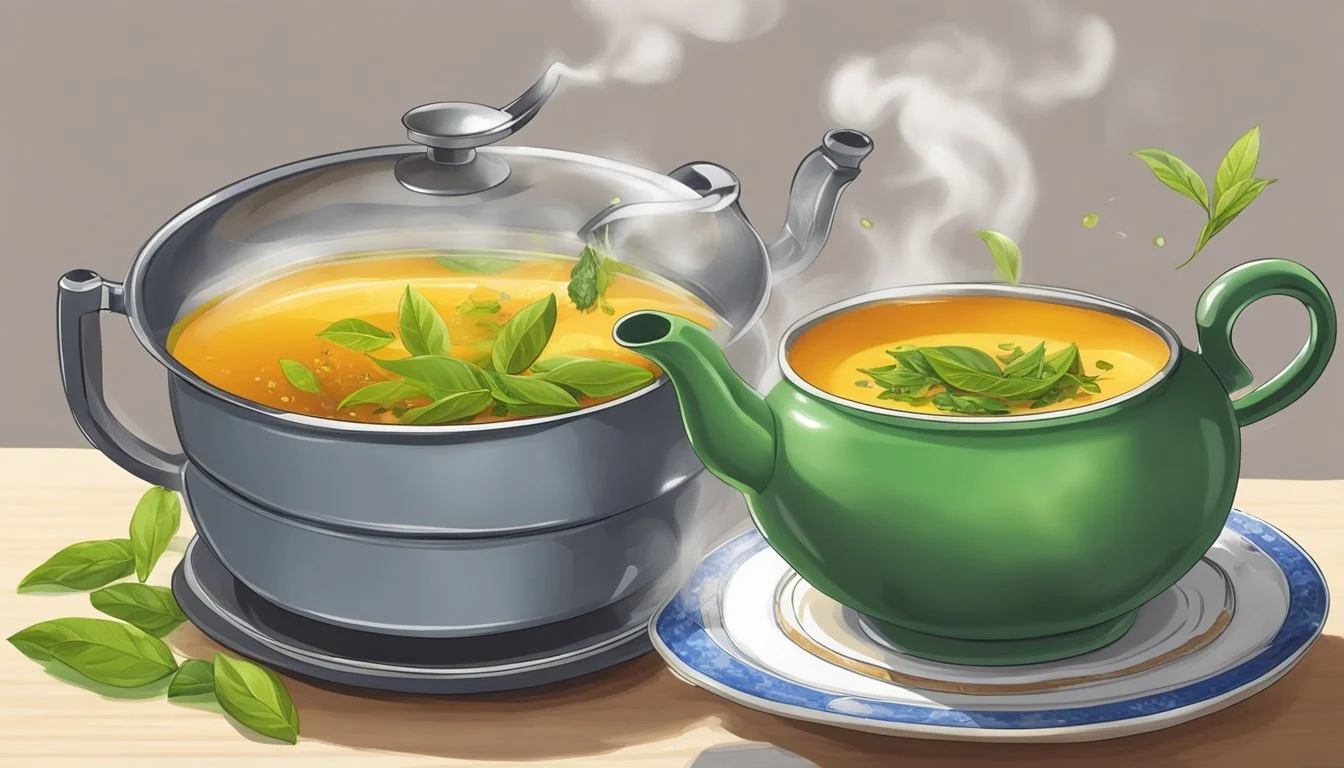
The inclusion of tea in cooking allows for a fusion of aromatic flavors, transforming traditional recipes into novel culinary experiences.
Infusing Tea into Baking
By incorporating tea leaves directly into baking recipes, one can infuse distinct flavors into simple confections. Tea leaves can be ground and added to cookie dough or cake batters, bestowing a subtle, yet distinct flavor profile. Tea butter, created by blending butter with tea leaves or powder, emerges as an innovative ingredient, particularly effective in recipes for shortbread or other butter-rich desserts.
Creative Ways to Use Tea in Savory Dishes
Tea offers a range of applications in savory cooking. Recipes can leverage the robust flavors of tea by using it as a rub for meats, or incorporating brewed tea into sauces to add complexity. Rice or beans can be cooked in tea-infused stock to subtly imbue them with flavor, and root vegetables can be roasted with a sprinkle of tea leaves, capitalizing on the tea's earthy tones.
Tea-Infused Dairy and Alternates
Infusing dairy with tea creates sweet and savory possibilities. Whole milk or cream can be steeped with aromatic tea leaves like chai spice, yielding a spiced milk tea which can be utilized in custards (how long do custards last?) or creamy desserts. Greek yogurt blended with green tea creates a tangy and refreshing twist, perfect as a standalone treat or as a component in layered parfaits.
Tea as a Poaching Liquid
Using brewed tea as a poaching liquid introduces a world of subtle flavors to otherwise simple dishes. Fish poached in green tea broth becomes tender and infused with delicate notes. Similarly, poaching in tea can impart nuanced tastes to poultry, complemented by an assortment of aromatics such as ginger and onions.
Advanced Cooking Techniques with Tea
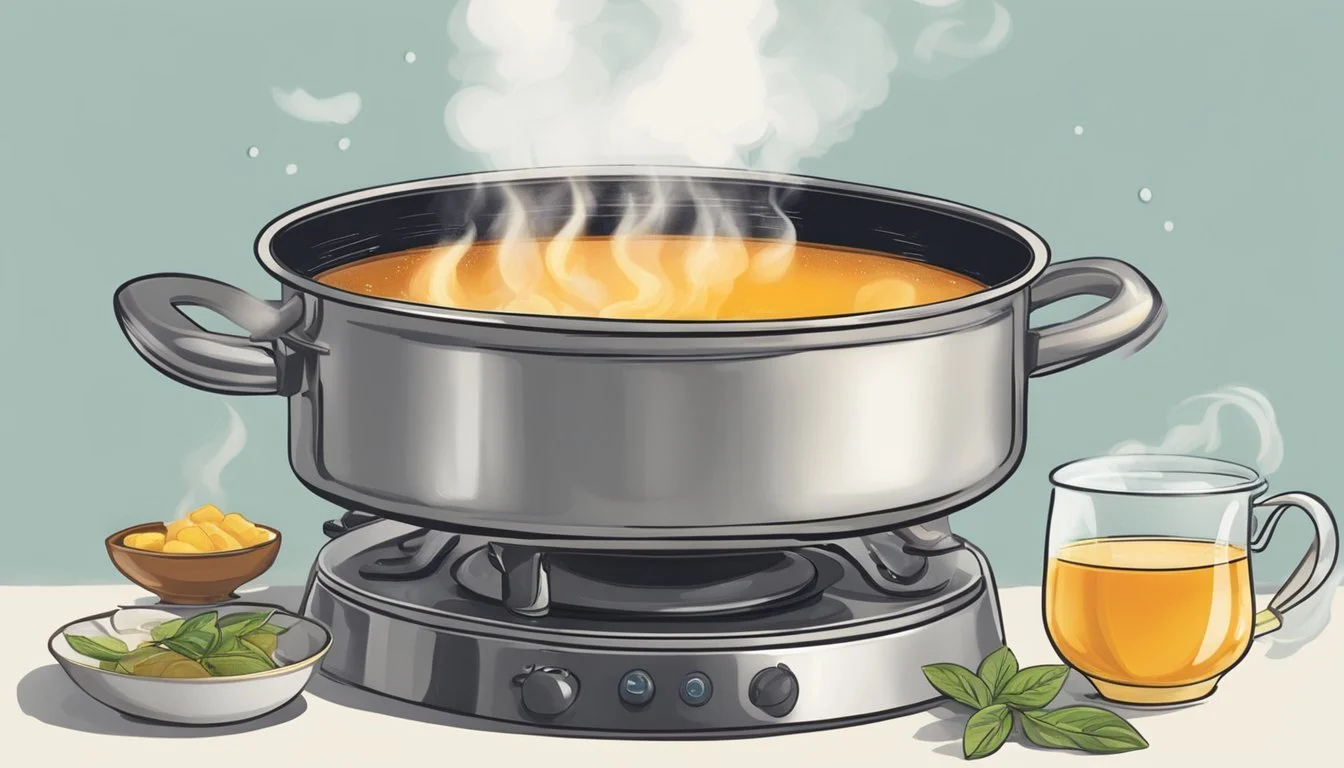
Incorporating tea into cooking can transform traditional culinary practices, elevating dishes with complex flavors and aromatic spices. The approach involves not only brewing but also blending, infusing, and integrating tea into the very essence of recipes.
Making Homemade Tea Blinds and Spices
One can craft unique seasonings by combining dry tea leaves with aromatic herbs and spices. For instance, finely ground green tea powder mixed with spices such as cinnamon, cardamom, and clove creates an original chai spice mix that can be used in various recipes to impart a nuanced flavor profile.
Tea-Infused Stocks and Broths
Infusing broths with tea is a method to impart subtle undertones to soups and sauces. One can steep lapsang souchong in a basic stock to incorporate a smoky flavor or let genmaicha, a blend of green tea and roasted rice, simmer in chicken or vegetable stock, adding an earthy depth.
Example of Tea-Infused Chicken Stock:
1 L chicken stock
2 tsp genmaicha tea leaves
Simmer for 30 minutes
Specialty Tea Desserts and Confectionaries
Beyond drinks and savory items, tea finds its place in sweet treats as well. Dessert recipes like panna cotta can be enhanced with infused cream; green tea powder mixed into ice cream bases provides a delicate flavor and color; and even popsicles gain an exotic twist with the addition of chai-infused syrups.
Green Tea Ice Cream Ingredient Highlight:
2 cups heavy cream
1 cup whole milk
3/4 cup sugar
2 tbsp green tea powder
By infusing these advanced cooking techniques, one can bring the nuanced flavors of tea to a variety of dishes, exploring new culinary landscapes.
Tea Pairings and Complementary Ingredients
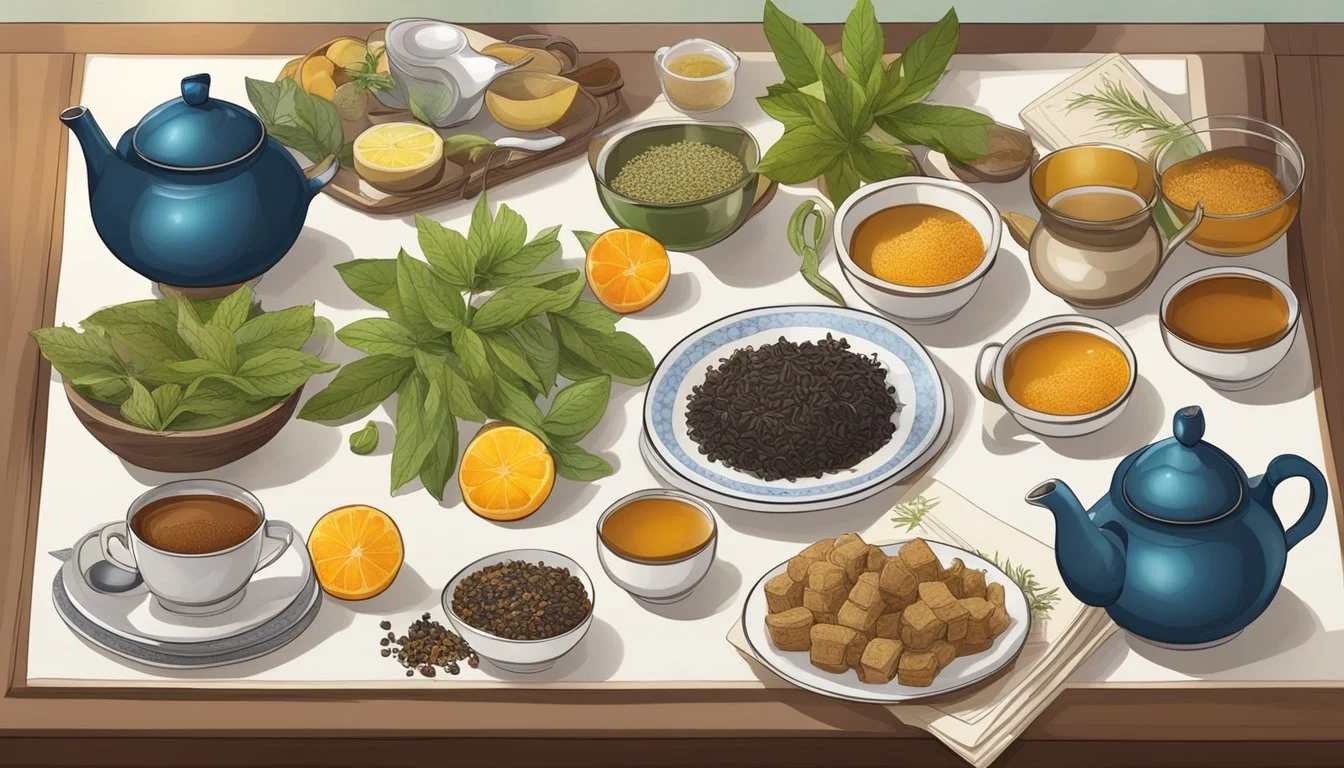
Cooking with tea introduces a symphony of flavors to dishes. When paired correctly, tea can enhance the taste of food, while herbs, spices, and fruit can accentuate the flavors of the tea.
Best Practices for Pairing Tea with Food
To optimize the complementarity between tea and food, one should consider the intensity and flavor profile of both. Black tea, with its bold and spicy undertones, pairs well with rich, savory dishes like meat pastas or chocolate desserts (What wine goes well with chocolate desserts?). Lighter teas, such as green tea, complement delicate flavors like salads, fish, or sushi (What wine goes well with sushi?) due to their gentle vegetal notes.
Assam tea: Rich breakfast foods, spicy dishes (What wine goes well with spicy dishes?)
Green tea: Lighter foods like salads, sushi
Incorporating Tea with Herbs and Spices
Herbs and spices can transform a basic tea into a complex flavor experience. For instance, combining black tea with citrus peels and spices like cinnamon and cloves results in a warm, zesty infusion. When crafting tea recipes, consider these harmonious pairings:
Fruit and Tea Combinations
The natural sweetness and tartness of fruit can be a perfect match for various teas, creating refreshing and aromatic sensations. Fruit teas, particularly those with a citrus or hibiscus base, gain complexity from the addition of spices like cinnamon or sweetness from fruits such as apples.
Citrus-infused teas: Complement with fresh fruit salads (how long do fresh fruit salads last?)
Apple cinnamon tea: Pair with warm pastries
Recipes and Applications
The versatility of tea extends far beyond the cup, emerging as a star ingredient in a variety of recipes. Here are ways to integrate tea into beverages, meals, and desserts, infusing unique flavors while maintaining the integrity of the original dish.
Beverages and Cocktails
When it comes to beverages, tea can be the base of refreshing cold drinks or a subtle twist in warm cocktails. For instance, cold brew tea is a summer staple, requiring only tea leaves and time to steep in cold water, usually overnight. Turn it into a tea latte by adding frothed milk or a non-dairy alternative. For an innovative cocktail, earl grey tea can be used to infuse gin, creating a distinguished flavor profile when mixed with lemon and honey for an Earl Grey Martini.
Breakfast and Brunch Tea Infusions
Tea can enrich the first meal of the day with its aromatics and flavors. A ginger tea recipe is not only a soothing beverage but can also be used to poach fruits for a flavorful breakfast. Incorporate matcha into homemade pancakes or waffles for an antioxidant-rich start to the day.
Main Courses and Sides
Tea leaves can add complex flavors to savory dishes as well. Smoke or steam proteins with tea leaves to give an aromatic edge; for instance, sweet tea can be used as a brine for barbecued chicken, enhancing tenderness and taste. Rice and quinoa can be cooked in brewed tea to subtly infuse these grains with flavor, while soba noodles stir-fried with chai spices offer a warm and comforting dish.
Tea-Infused Sweet Treats
In desserts, tea's versatility shines. Matcha powder is often used in baking due to its distinct color and taste, perfect for cookies or ice cream. An Earl Grey panna cotta is a sophisticated dessert option, with the bergamot flavor complementing the creamy texture. For a refreshing summer treat, fruit tea and sweet tea popsicles are easy to make and delightful to enjoy.
Conclusion
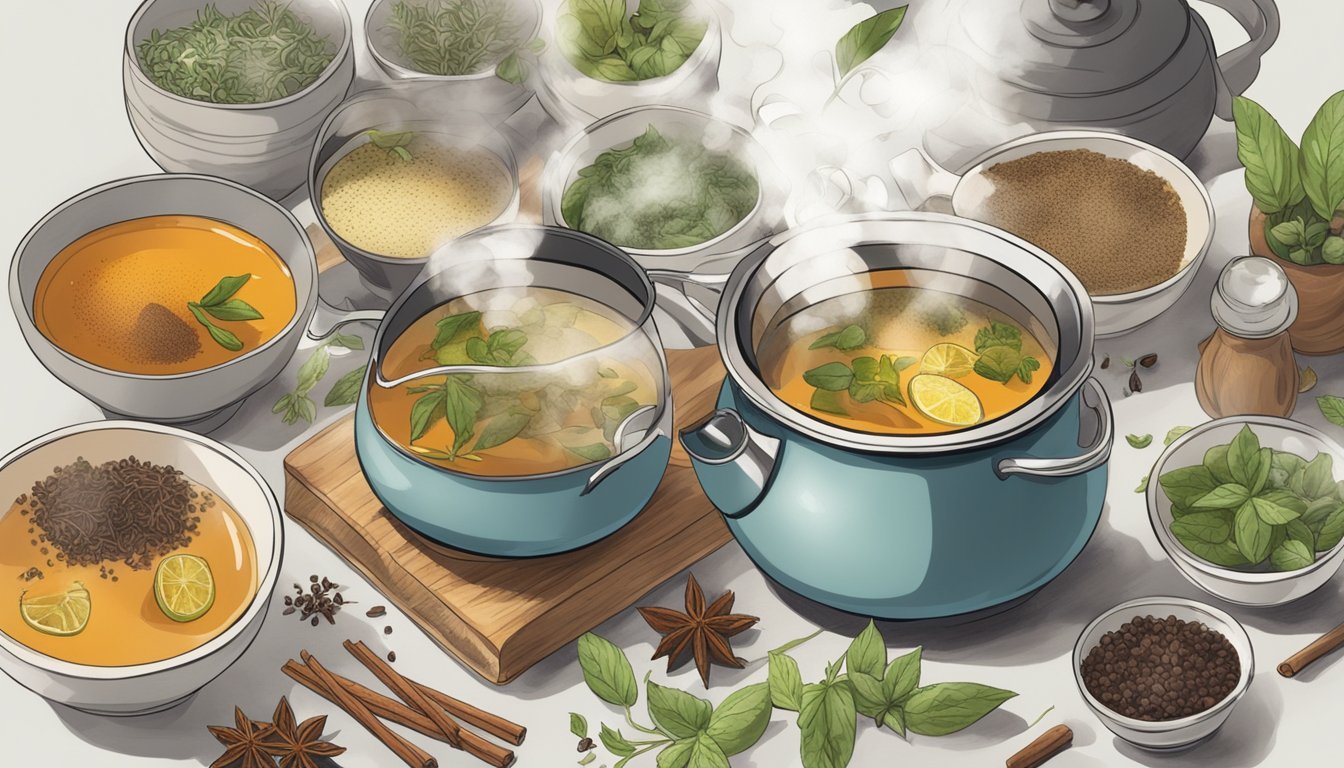
Cooking with tea offers home cooks an avenue for creativity and innovation in the kitchen. The infusion of this ingredient into recipes introduces an array of distinctive flavors, elevating everyday dishes to gourmet status. Tea, traditionally enjoyed on its own or as a complement to meals, transcends its role when utilized in cooking, imparting subtle or bold notes depending on the variety used.
Tea Selections & Pairings:
Green Tea: Ideal for marinades due to its delicate flavor; pairs well with seafood.
Matcha: Adds a vibrant color and grassy notes, perfect for baking doughnuts or incorporating into pastries.
Essential Tips:
Infusion Techniques: Steep tea leaves to flavor liquids like broths and creams.
Proportion Guidelines: Experiment with ratios, starting simple and adjusting for taste and balance.
Flavor Enhancement: Complement the tea's aroma with ingredients that highlight its unique profile.
By integrating tea into their recipes, cooks can achieve surprising and delightful tastes. The subtle nuances of tea can complement or boldly redefine a dish’s flavor landscape. With continued practice, incorporating tea into cooking can become second nature, providing endless possibilities for innovation at the dining table.