
The History of German Texan Candy Shops
A Sweet Tradition Explored
The intertwining of German culture with Texan heritage has yielded a rich tapestry of traditions, one of which is the art of candy making and confectioneries. German Texans, descendants of the immigrants who began settling in Texas during the 1830s, have long influenced the local palate with a variety of sweet treats. As these communities took root across Texas, they established businesses that included bakeries and candy shops, becoming an integral part of the state's cultural and culinary landscape.
Within the sphere of confectioneries, German Texans have maintained a commitment to traditional processes and recipes, which often reflect the craftsmanship and care characteristic of old-world methods. This dedication is mirrored by historical businesses such as Shane Confectionery, which, while not German in origin, aligns with the German emphasis on quality and artisanal skill in the production of candy.
The survival and evolution of German Texan confectioneries have not only preserved cultural heritages but also contributed to the broader storyline of Texas's development. These establishments often serve as local landmarks that tell the story of immigration, adaptation, and the fusion of cultures through the universal language of sweets.
Origins of German Influence in Texas
The history of German influence in Texas is closely tied to the establishment of confectioneries by German settlers, who ingrained their culture deeply within the state’s heritage, particularly in the Texas Hill Country.
German Settlers in Texas
German immigration to Texas began in significant numbers in the early 19th century, with many settlers arriving in search of economic opportunities and political freedom. They primarily settled in Central Texas, an area that came to be known for its picturesque landscapes and came to be often referred to as the Texas Hill Country.
Significant immigration waves: Began in the 1830s and continued throughout the 19th century.
Key regions settled: Central Texas, notably including areas such as Fredericksburg and New Braunfels.
Formation of Texan-German Communities
Settlements like Fredericksburg, New Braunfels, and others in the Texas Hill Country served as centers for German culture. These towns were strategically placed and grew rapidly, creating a network of tightly-knit German-Texan communities.
Fredericksburg: Founded by Prince Carl of Solms-Braunfels in May 1846.
Community bonds: German settlers were known for their strong community organization, which included mutual aid societies and cultural clubs.
Cultural Integration and Heritage Preservation
Despite being far from their homeland, German Texans maintained strong cultural ties, including the preservation of their language, customs, and festivals. Seasonal celebrations such as Easter and Christmas were occasions where German traditions were prominently displayed.
Cultural traditions: Included Easter fires, Christmas customs, and German-style confectioneries.
Heritage preservation: Many German Texans took pride in teaching the German language and heritage to younger generations, ensuring cultural continuity.
Development of German Texan Candy Shops
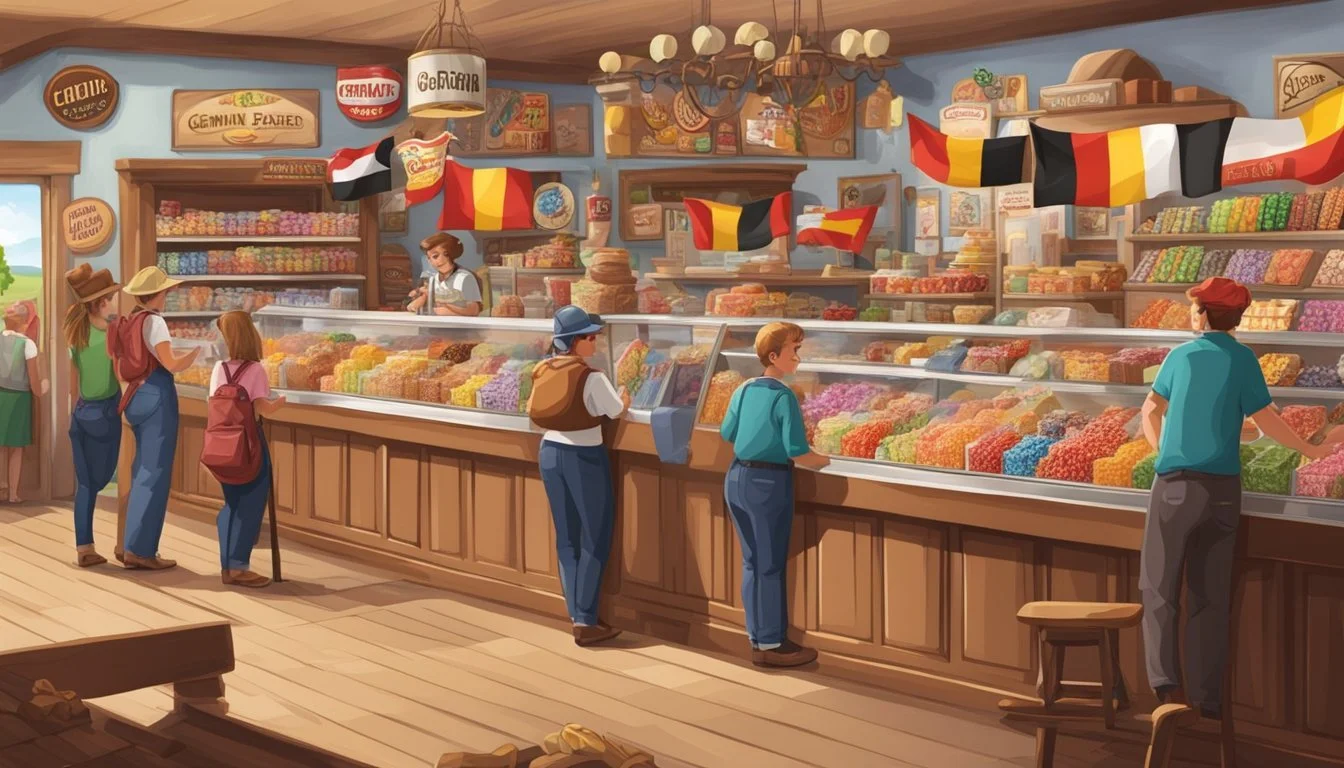
In Texas, German settlers brought their confectionery traditions, establishing candy shops that reflected their rich culinary heritage. These shops evolved, impacting local economies and preserving authentic German recipes, blending European techniques with Texan flavors.
Early Confectioneries and Sweet Treats
The earliest German Texan candy shops were an extension of the settlers' homeland traditions. Using authentic German recipes, these confectioneries often featured ingredients like apple, coconut, nuts, and buttermilk in their creations. A key treat was the praline, a confection made originally from almonds and caramelized sugar but adapted in Texas to prominently feature local pecans.
Cultural and Economic Influence on Candy Production
German Texan confectioneries thrived by integrating German chocolate techniques with regional ingredients. The economic influence of these shops grew as they catered to local tastes while introducing European flavors. Ingredients such as sugar, butter, and cream became staples in their candy production, solidifying the shops' status within local communities and contributing to the regional economy.
Preservation of Traditional Recipes
Despite the passing of time, German Texan candy shops have continued to preserve traditional recipes. Utilizing European methods such as liqueur praliné, these shops keep the essence of authentic German cuisine (What Wine Pairs Perfectly With German Cuisine) alive. The commitment to tradition is reflected in the careful crafting of chocolates and sweet treats, ensuring that original flavors like the distinct taste of German chocolate remain a part of Texas' diverse culinary landscape.
Architecture and Material Culture
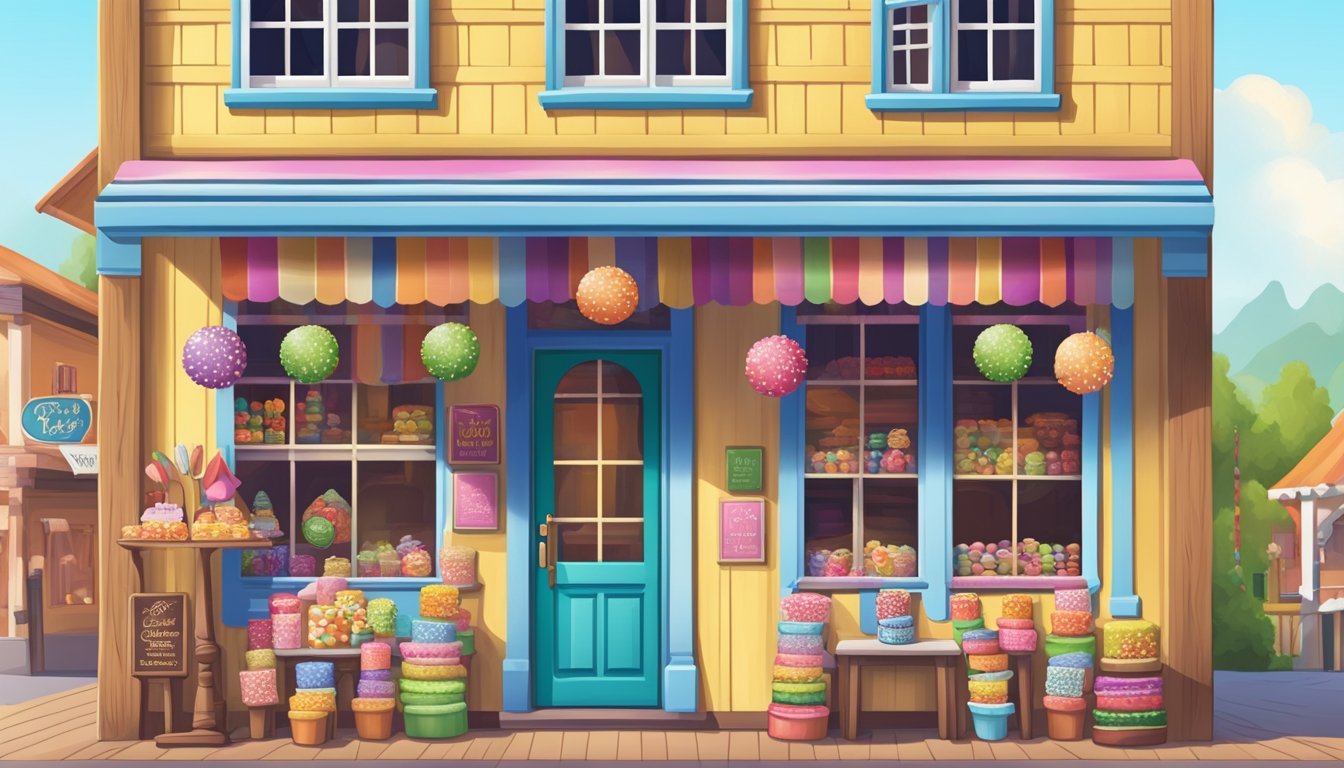
German Texan candy shops and confectioneries from the nineteenth century reflect a unique amalgamation of German architectural styles adapted to the Texan landscape. Preservation of these structures and their material culture offers insight into the daily life and commerce of early German Texans.
Design of German Texan Shops and Houses
German Texan shops and houses often showcased the Fachwerk construction, a traditional timber frame style notable for its durability and distinct aesthetic. The architecture typically involved a combination of wooden beams interlocked and filled with bricks or stones, a technique well-suited to both the warm climate and the available resources in Texas. Retail spaces, like confectioneries, frequently displayed large front windows, a feature that not only invited natural light but also allowed passersby to view the array of sweets and treats inside.
Artifacts and Decor in Confectioneries
Inside German Texan confectioneries, the decor and artifacts were a testament to their rich cultural heritage. Shelving and display cases, often featuring intricately carved wood, were prevalent to showcase the confections. Traditional decor might include:
Hand-painted signs and ceramic tiles: Indicating the names of sweets and prices.
Vintage scales and measuring tools: Essential artifacts for candy-making precision.
Artistic wall hangings: Such as embroidered tapestries or painted scenes from the homeland.
These elements of material culture served not just a functional purpose but also helped to create an immersive experience that celebrated German heritage.
Influence on Texan Cuisine and Local Customs
German immigrants have made significant contributions to Texan cuisine, particularly in the realms of confectionery and barbecue. Their culinary traditions have become entwined with local customs, creating a unique food heritage in Texas.
Integration of German Culinary Traditions
German Texans brought with them a variety of confectionery techniques and preferences that have since become staples in Texan candy shops. They introduced marzipan, a sweet made of sugar or honey and almond meal, and a range of pastries. The integration of these sweets into Texas culture is a testament to the German impact on local culinary practices.
Local Ingredients and Confectionery Techniques
Utilizing local ingredients like native pecans, German confectioners in Texas combined their time-honored techniques with readily available resources. This fusion gave rise to Texas pralines, a now-celebrated confection made with local pecans, caramelized sugar, and butter.
German Contributions to Texas Barbecue
In addition to sweets, German influence is present in Texas barbecue. German settlers introduced their sausage-making traditions, integrating beef, which was abundant in Texas, along with spices such as garlic, salt, and paprika. The result is distinct Texan flavors in smoked meats (What wine goes well with smoked meats?) that continue to be popular.
Texan Celebrations with German Flavors
Texan hospitality often sees the mingling of German flavors with local celebrations. At events like Wurstfest in New Braunfels, traditional German sausages are served alongside Texan barbecue, symbolizing the culinary melding that has taken place. These festivals celebrate not just the food but also the shared cultural heritage between Germany and Texas.
Impact of Historical Events on German Texan Communities
The historical trajectory of German Texan communities, particularly during the tumultuous periods of the World Wars and economic challenges, shaped the cultural identity and commercial activities, including the operations of candy shops and confectioneries.
Effects of World Wars on German Texan Identity
World War I: The outbreak of World War I subjected German Texans to prejudice and a pressured assimilation into American culture. The Anti-German sentiment during this time led to the suppression of German cultural expression. Outward displays of German heritage, including language and festivities, dwindled. This national scrutiny pushed many German-owned businesses, such as candy shops, to adopt a more Americanized profile, reducing the visibility of their German roots.
World War II: The impact of World War II on German Texans further intensified feelings of alienation within their communities. Many felt compelled to emphatically showcase their American patriotism in fear of persecution or ostracism.
World War Impact on German Texan Identity World War I Decline in visible German cultural practices World War II Increased American patriotism in public life
Economic Hardships and their Impact on Candy Shops
The Great Depression: The Great Depression brought widespread economic hardship to Texas. German Texan candy shops, along with other local businesses, faced significant challenges, including decreased consumer spending and shortages in ingredients or supplies. The emphasis on self-sufficiency during this period saw these businesses adapt by sourcing local ingredients or altering product offerings.
Post-War Economy: As the economy recovered post-World War II, German Texan candy shops experienced a resurgence. Owners capitalized on the renewed consumer optimism and the prosperity of the era to reinvest in their businesses. This period saw the introduction of new confections, often a blend of traditional German sweets and American tastes, reflecting the cultural amalgamation within the community.
Economic Event Impact on Candy Shops The Great Depression Decreased spending, adaptation to scarcity Post-World War II Economy Renewed investment, blending of traditions
Present-Day German Texan Legacy
In the tapestry of Texas history, German Texan candy shops and confectioneries are colorful threads that continue to enrich the state's cultural fabric. These establishments not only serve as custodians of tradition but also actively contribute to the local economy and cultural identity.
Surviving German Texan Confectioneries
German Texan confectioneries are treasured institutions in towns like New Braunfels and Fredericksburg, with some still in operation today. Their quality and commitment to preservation of recipes and techniques can be traced back to the European settlers who brought their confectionery customs with them. For example, Naegelin's Bakery in New Braunfels, established in 1868, is the oldest continually operating bakery in Texas, known for its traditional German treats.
Key establishments:
Naegelin's Bakery (New Braunfels)
Fredericksburg Fudge (Fredericksburg)
Role in Contemporary Texan Society and Culture
These confectioneries are not just places of commerce, but cultural hubs that celebrate the German Texan heritage. During festivities like the Wurstfest in New Braunfels, these shops become centers of activity. They showcase the region's customs and culinary delights, ensuring the legacy of Texas's early European roots remains a vibrant part of the community's identity.
Cultural Significance:
Festive focal points
Preservation of culinary heritage
Commerce and Tourism in Historical Shops
Historical candy shops and confectioneries in Texas play a pivotal role in the commerce and tourism of regions like San Antonio's high plains and East Texas. They draw visitors eager to experience authentic German Texan heritage in a shopping environment. These establishments not only offer sweets but also serve as informal museums, with many displaying photographs and artifacts from their storied pasts.
Tourist Highlights:
Location: San Antonio, New Braunfels, Dallas, and beyond
Role: Shopping destinations & informal museums