German Texan Culinary Schools and Cooking Classes
Gateway to Fusion Cuisine Mastery

In Texas, where diverse cultures blend seamlessly, German influences are particularly prominent in its culinary landscape. German Texan culinary schools and cooking classes offer both beginners and seasoned cooks an opportunity to explore this rich heritage. These educational experiences provide insight into the traditional cooking techniques from Germany as well as local Texan twists which have evolved over generations.
These classes often extend beyond mere cooking instruction, incorporating elements of German-Texan history and culture. They give students a holistic understanding of the cuisine they’re learning to prepare. Emphasis on hands-on learning and the guidance of experienced chefs ensures that attendants not only leave with new recipes but also with the skills to execute dishes to perfection.
Education and training at these schools cover a variety of German-Texan dishes, from hearty meats and sausages to delicate pastries, reflecting the breadth of the culinary arts in Germany. Participants learn to navigate the authenticity of German flavors alongside Texan ingredients, a fusion that has delighted palates for decades within the local community and continues to intrigue the culinary world at large.
History and Heritage
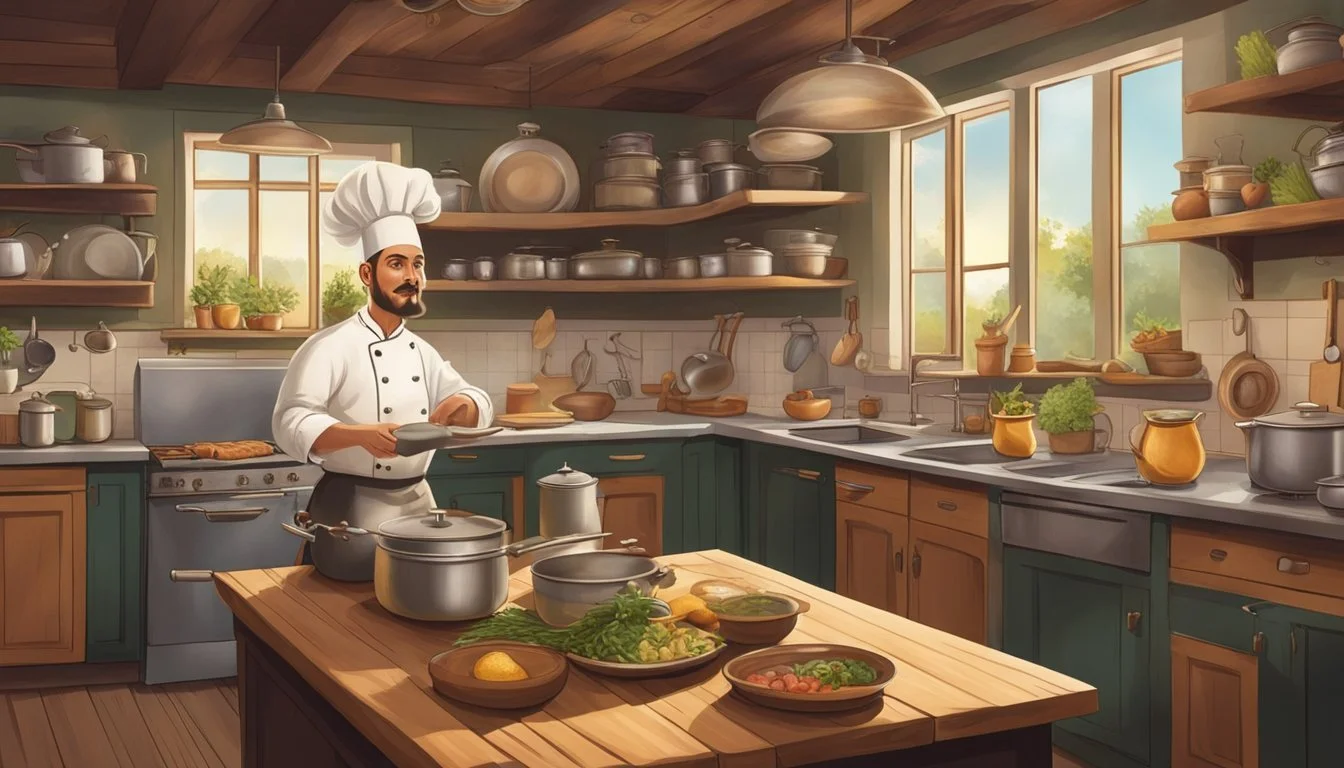
The legacy of German influence in Texas cuisine is a story of immigration and integration. In the mid-19th century, a significant number of Germans immigrated to Texas, bringing with them a rich culinary heritage that has since become entwined with local Texan flavors. These settlers established communities and their food traditions began to take root in Texan culture.
German-Texan Heritage Society holds a key place in preserving and promoting this culinary history. Located in Austin, Texas, the Society is not just a steward of traditions but an active educator through events and cooking classes.
Culinary Classes: They offer practical cooking seminars where participants can learn traditional German cooking and baking techniques.
German Texan foods have continued to influence the Texan culinary scene, showcasing the endurance of traditional German techniques and recipes. This culinary integration tells a broader story of the German influence on the cultural and social fabric of Texas. The heritage is not locked in the past; it is a living narrative, celebrated and evolved in modern culinary practices.
The impact is seen through the state-wide recognition of German-Texan cuisine, with communal events like the Wurstfest in New Braunfels. This festival, much like the efforts of the German-Texan Heritage Society, celebrates over a century of German presence in Texas, inviting thousands to partake in time-honored German festivities and, of course, the food that tells the tales of history.
Top Culinary Schools and Institutes
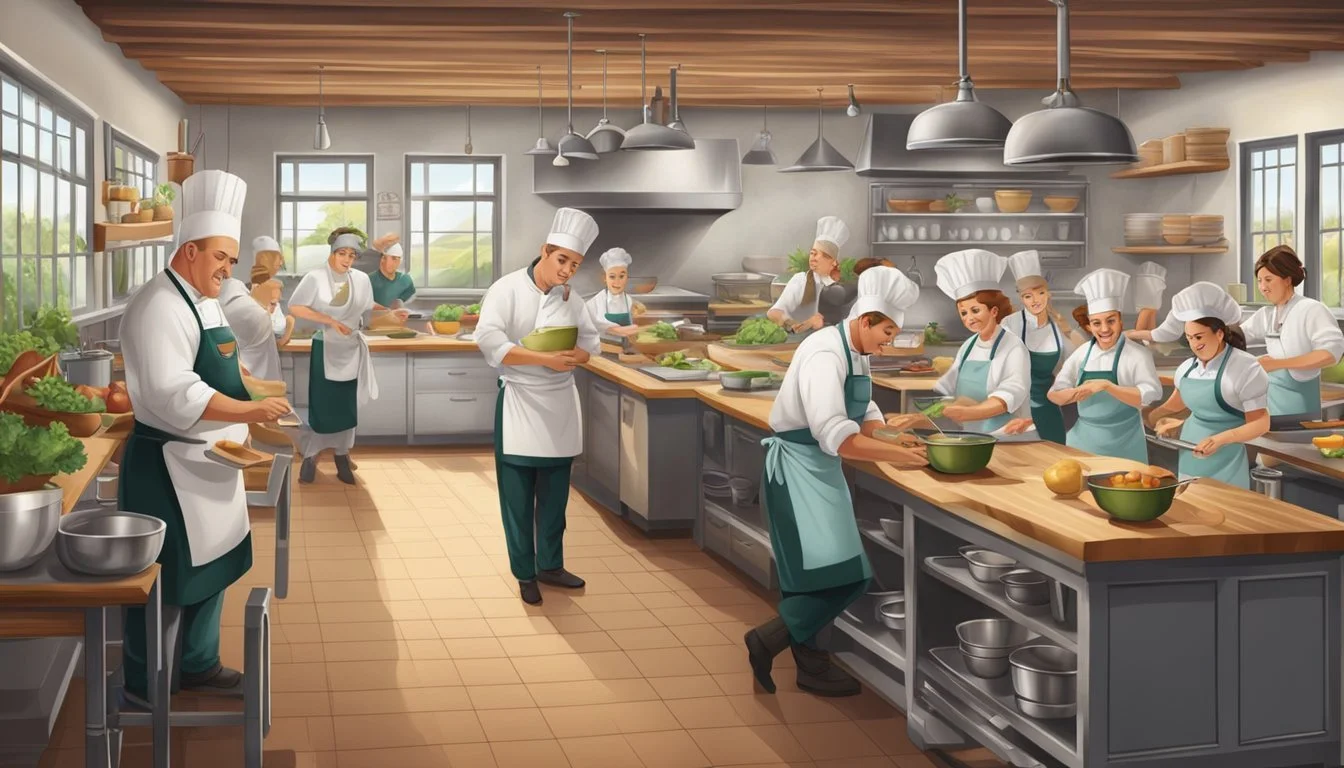
Germany is recognized for its high-quality culinary education, with a number of institutes offering comprehensive training and programs in the culinary arts. These institutions not only provide excellent education but also help promote a network of professionals in the industry.
Institute of Culinary Art
The Institute of Culinary Art (ICA), established in 2004, stands out among German culinary schools for fostering culinary excellence and networks. They offer a curriculum designed to inspire and educate, producing well-trained professionals who are ready to excel in the competitive culinary field.
ICA Academy
The ICA Academy complements its namesake with a robust offering of culinary programs, focusing on hands-on training and practical knowledge. They strive to provide a learning environment that nurtures talent and encourages innovation in the culinary arts.
Edelweiss Cooking School
At the Edelweiss Cooking School, students receive training that blends traditional techniques with contemporary culinary trends. The school prides itself on a curriculum that covers a wide spectrum of global cuisines and personalized instruction.
Taste Academy Cologne
Taste Academy Cologne offers a unique educational experience with a range of programs tailored to budding chefs and culinary enthusiasts. Their commitment to quality education ensures that students are equipped with the knowledge and skills needed to thrive in dynamic kitchen environments.
Specific Cooking Schools and Classes
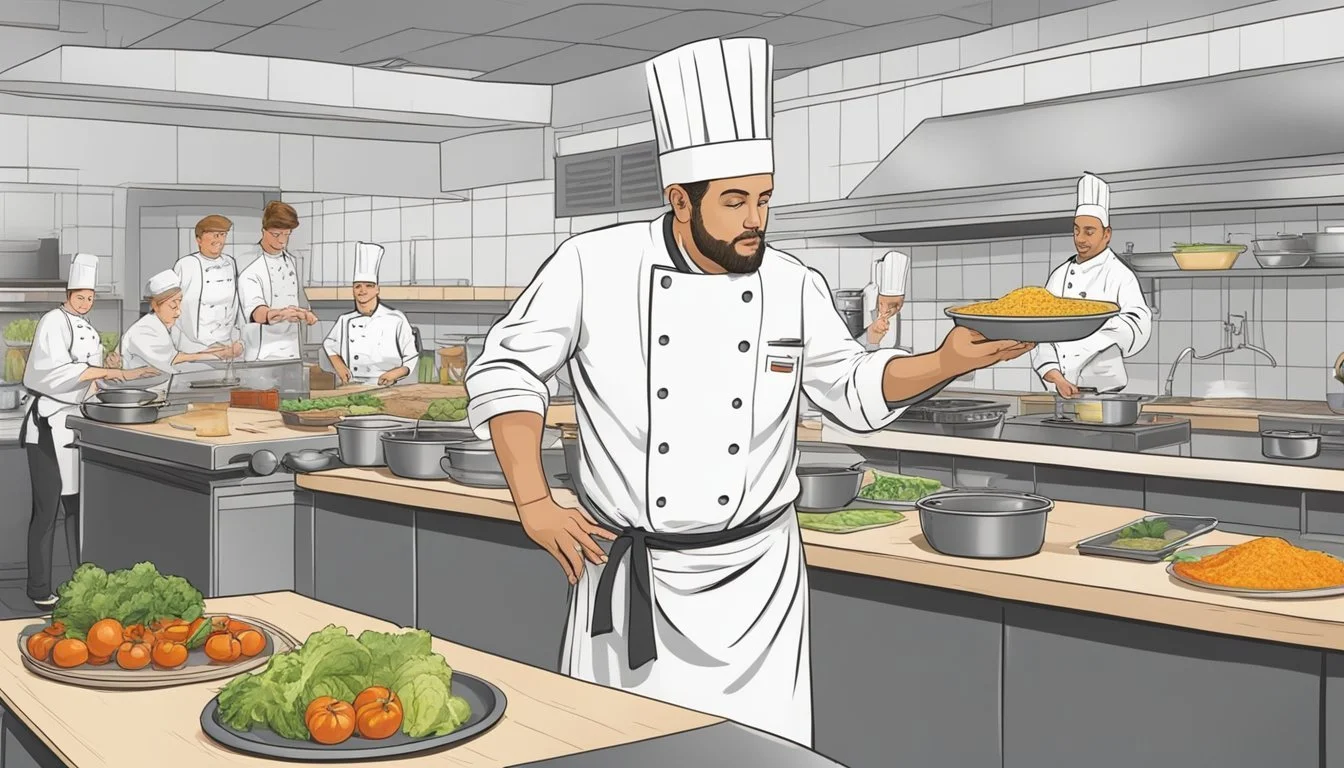
In Germany's culinary scene, cooking schools offer a blend of traditional and innovative classes, emphasizing local and international cuisines. Each school provides a unique learning environment tailored to expanding culinary skills.
Goldhahn Und Sampson
Location: Berlin, Germany
Courses Offered: International culinary classes and workshops
Goldhahn Und Sampson infuses its cooking classes with a global perspective, teaching a range of international cuisines in an interactive environment located in Berlin.
BP Cooking School Cooking Stuttgart
Location: Stuttgart, Germany
Specialty: A variety of cooking courses and culinary skill development
BP Cooking School in Stuttgart is a destination for aspiring chefs looking to refine their culinary techniques through hands-on classes.
Kochen Und Würzen In Berlin
Location: Berlin, Germany
Focus: German cuisine (What Wine Pairs Perfectly With German Cuisine) and spice usage
Kochen Und Würzen specializes in German cuisine, offering a deep dive into the use and impact of spices within traditional dishes, set in the heart of Berlin.
Italienische Mediterrane Kochschule In Munich
Location: Munich, Germany
Classes Offered: Italian and Mediterranean cooking
In Munich, the Italienische Mediterrane Kochschule celebrates the flavors of Italy and the Mediterranean with classes focused on regional dishes and techniques.
Café Kubitschek In Munich
Location: Munich, Germany
Experience: Pastry and dessert classes
Café Kubitschek is renowned in Munich for its pastry classes, offering students the chance to master the art of sweet treats and desserts.
Gekreuzte Möhrchen In Hamburg
Location: Hamburg, Germany
Course Range: Healthy and sustainable cooking
Gekreuzte Möhrchen pioneers healthy cooking in Hamburg, emphasizing sustainable practices and nutritious meals in their curriculum.
Curriculum and Courses

The curriculum of German Texan culinary schools and cooking classes is designed to provide students with a well-rounded education in various cooking techniques and cuisines. The breadth and depth of these courses ensure that graduates are proficient in both traditional and modern culinary arts.
Cooking Techniques and Cuisines
Courses at culinary schools in Germany and Texas cover a wide range of cooking techniques essential for any budding chef. These include, but are not limited to, knife skills, baking, grilling, and specific methods such as sous-vide cooking. Alongside practical skills, students explore global cuisines that may encompass French, Italian, and other European culinary traditions.
Knife Skills: Cutting, chopping, and presentation.
Baking: Bread making, pastry creation.
Grilling: Techniques for meats, vegetables.
Sous-vide: Precision temperature cooking.
Regional German and Texan Cuisine
Students delve into the regional cuisine of both Germany and Texas, studying the culinary history and integrating local ingredients into traditional dishes. Courses are specially crafted to teach the preparation of authentic German dishes like sausages and schnitzels, alongside Texan favorites such as smoked BBQ meats and Tex-Mex fusion.
German Dishes: Sausages, schnitzels, pretzels.
Texan Favorites: Smoked meats, chili, Tex-Mex.
Mediterranean and European Cooking
The curriculum extends to the broader Mediterranean region and European techniques, offering an understanding of Italian pasta making, French patisserie, and Austrian baking. These courses aim to refine students' culinary skills while providing a taste of the flavors that define Mediterranean and European cuisine.
Italian Pasta Making: Handmade pasta, sauces.
French Patisserie: Pastries, desserts, bread.
Austrian Baking: Strudels, tortes, breads.
Professional Opportunities
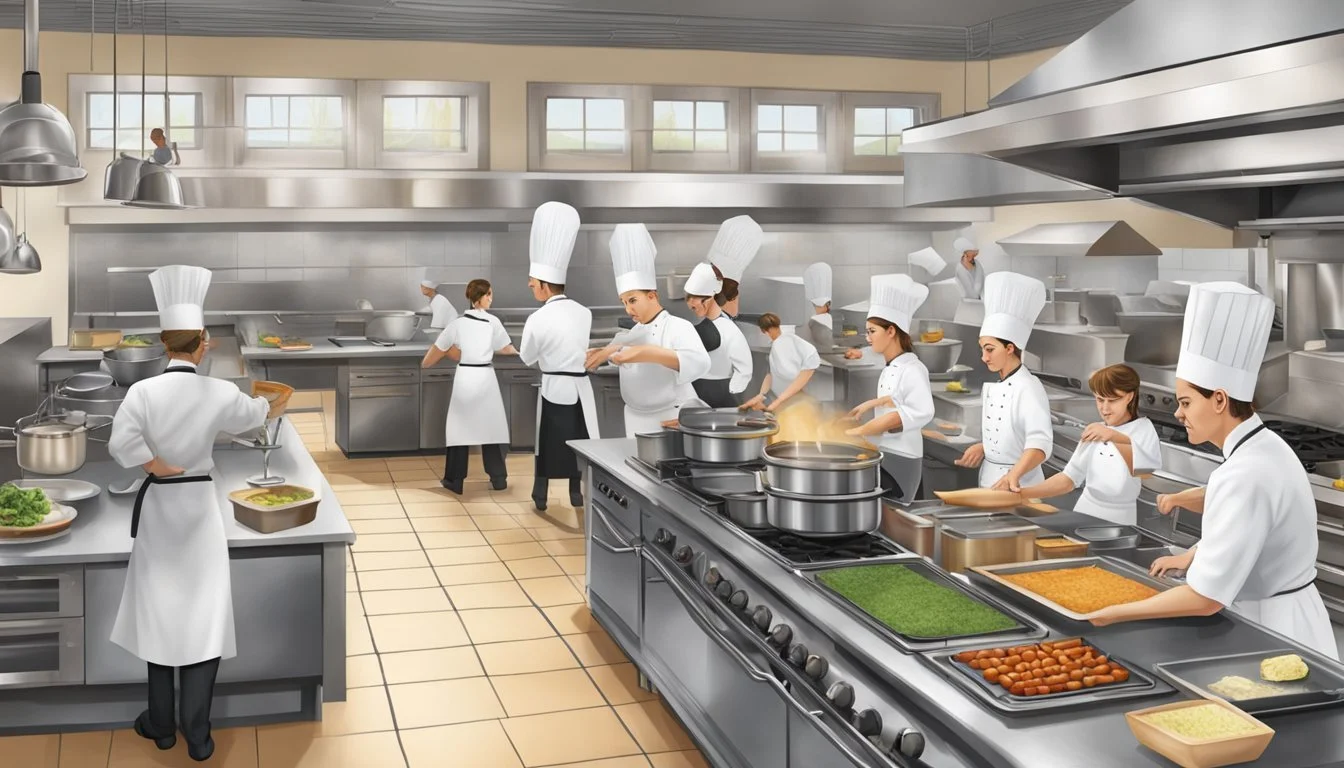
In the realm of German Texan culinary institutions, graduates are presented with a diverse range of career paths. From the bustling hospitality sector to educational roles and opportunities in the expansive global culinary scene, the demand for highly skilled professionals in gastronomy remains robust.
Hospitality and Catering
The hospitality industry continually seeks skilled labor, and professional chefs are at the forefront of this demand. They play a critical role in driving revenue and setting the standards for culinary excellence within hotels and catering businesses. Hospitality venues in Germany often seek chefs who can amalgamate local Texan flavors with German culinary traditions, creating a unique dining experience for patrons.
Chef Roles: Executive Chef, Sous Chef, Pastry Chef
Settings: Hotels, Restaurants, Private Catering
Chef Instructor and Education Careers
An alternative yet rewarding pathway is in culinary education, where chef instructors are pivotal agents. Chef instructors harness their experience to nurture the next generation of culinary talent. German culinary schools that blend Texan culinary styles offer a niche for chef educators who specialize in these cuisines, accommodating both English-speaking students and international enthusiasts.
Positions: Culinary Arts Instructor, Pastry Arts Teacher
Venues: Culinary Schools, Vocational Programs
Working in a Global Culinary Scene
Chefs with a background in German Texan gastronomy bring a unique flair to kitchens worldwide. The global culinary scene values diverse experiences, especially when chefs can infuse traditional German techniques with Texan ingredients and methods. These chefs not only contribute to the international kitchen landscape but also tend to be in demand in Germany and abroad.
Opportunities: International Chef Positions, Global Hospitality Brands
Competencies: Fusion Cooking, Multicultural Understanding
Practical Information
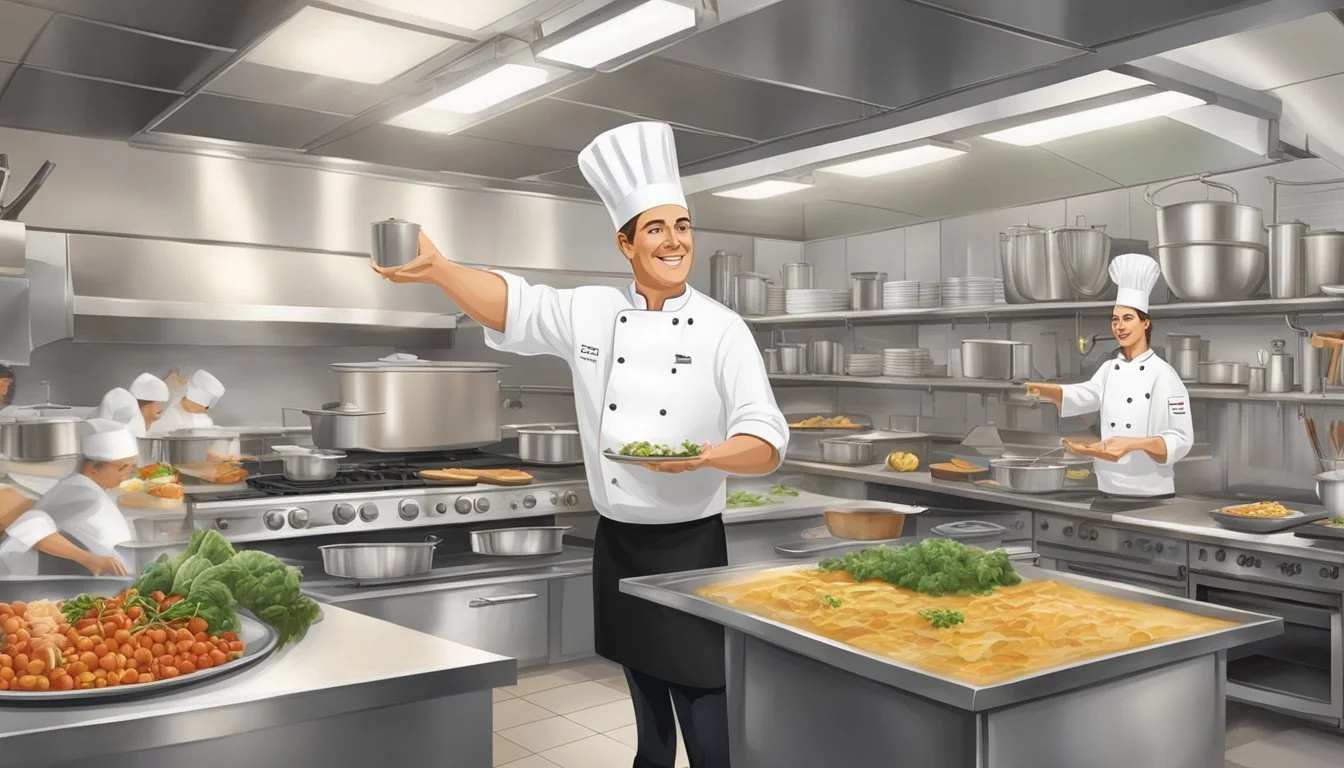
Prospective students looking for German Texan culinary education should consider several practical aspects. These include the cost of courses, accommodation options, and the variety of events and activities available to enhance their culinary journey.
Enrollment and Cost
Culinary schools, such as the Fischer & Wieser Culinary Adventure Cooking School, often offer a range of classes from pastry making to four-course meal preparations. Price for a single class can vary, but, for example, a child's class at the German-Texan Heritage Society (GTHS) is priced at $40 per child. Adults looking to enroll should check the respective school's schedule for the latest offerings and fees, as these can differ based on the level and duration of the program.
Accommodation and Living in Germany
For those traveling to Germany for culinary studies, managing accommodation and living expenses is crucial. Cities like Baden-Württemberg, home to culinary schools such as the one at Loerracher Str. 1, 79379 Muellheim, offer various lodging options. Students should budget for their stay, keeping in mind the cost of local food, transportation, and housing. Establishments and schools may provide resources or partnerships with local accommodation to ease the transition.
Events and Extracurricular Activities
Beyond the kitchen, students can immerse themselves in the culinary culture through events and extracurricular activities. Schools like GTHS host cooking and baking lessons, which often include cultural insights and tastings. In addition to scheduled classes, students may seek out food festivals, local tours, and cooking demonstrations to deepen their understanding of German Texan cuisine and further enrich their study abroad experience.
Culinary Exploration

In the engaging realm of German Texan culinary education, students immerse themselves in dynamic activities ranging from market visits to wine pairing and interactive cooking demonstrations. Through these experiences, they acquire a nuanced understanding of regional ingredients and the art of crafting authentic German Texan dishes.
Market Visits and Ingredient Selection
Participants begin their culinary journey with guided visits to local markets, such as the vibrant Wilmersdorf in Berlin. Here, they learn to identify and select high-quality ingredients essential for traditional German Texan cuisine. The focus on fresh, local produce ensures that dishes retain the authentic flavors that define the region's palate.
Key Elements of Market Exploration:
Discovering local and seasonal produce.
Understanding the importance of ingredient freshness and quality.
Wine and Beverage Pairing
An integral part of the culinary experience is mastering the pairing of dishes with the appropriate wines and beverages. A curated selection of Fredericksburg wineries provides ample opportunity for students to develop their tasting skills. They learn to discern the subtle nuances that make a wine complement a specific dish, enhancing the overall dining experience.
Essentials of Wine Selection:
Aligning wine characteristics with the dominant flavors of the dish.
Recognizing the cultural significance of Texan wines in culinary practices.
Cooking Demonstrations and Tastings
Cooking courses often incorporate live demonstrations by skilled chefs, where students witness the intricate techniques that bring German Texan dishes to life. These sessions are interactive, allowing participants to taste and evaluate their creations, fostering a deeper understanding of how each flavor profile contributes to the finished product.
Demonstration Highlights:
Technique-driven lessons, from baking pastries to preparing main courses.
Hand-on practice to refine culinary skills through tasting and feedback sessions.