The Influence of German Cuisine on Texas Food Trucks
A Culinary Fusion Unveiled
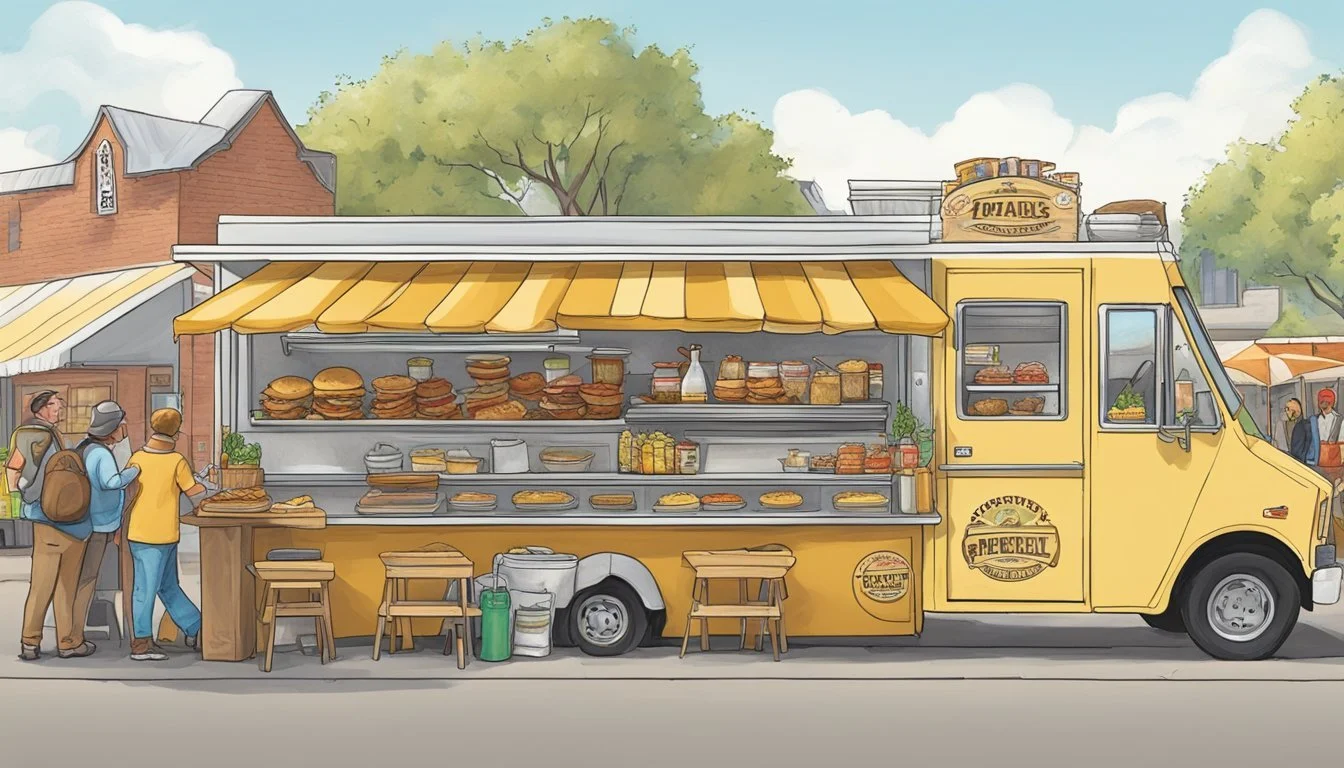
The confluence of German cuisine (What Wine Pairs Perfectly With German Cuisine) with the vibrant street food scene in Texas reflects a culinary evolution feasting on rich cultural heritage. With a history punctuated by the arrival of German immigrants in the 19th century, Texas has embraced and woven German gastronomic traditions into its food tapestry. The streets of Texas are now aromatic with the scents of sizzling sausages and freshly baked pretzels, echoing Germany's influence on Texan palates.
Street food in Texas owes part of its diversity to the Germanic roots that have been adapted to local tastes and ingredients, creating a unique fusion that tantalizes the adventurous foodie. Food trucks dotting urban settings and small-town enclaves serve inventive dishes that pay homage to traditional German fare while catering to the Texan love for robust flavors and hearty portions. This melding of cuisines showcases Texas's ability to absorb cultural influences and transform them into something distinctively Texan.
Amidst the colorful array of food trucks, the presence of German-inspired offerings reaffirms the enduring impact of Germany's culinary culture on Texas's food landscape. Whether it’s through the communal enjoyment of a brat on a bun during a bustling festival or a simple lunchtime indulgence in a schnitzel sandwich, the legacy of German cuisine continues to thrive in the Lone Star State's street food and enriches the gastronomic experience it offers.
Historical Context of German Influence in Texas
The wave of German immigration to Texas in the 19th century significantly shaped the state's cultural and culinary landscape. This section unravels the historical underpinnings that led to this influence.
Immigration and Settlement Patterns
German immigrants started arriving in Texas during the 1830s, drawn by land grants in Stephen F. Austin's colony. However, the most significant influx, known as the "Great Migration," occurred in the mid-19th century. By the 1850s, the German-born population in Texas has doubled, and by 1890, the Germans in Texas were particularly influential.
Primary Settlements:
Fredericksburg
New Braunfels
Boerne
Geographic Focus:
Texas Hill Country
Central Texas
These settlers established tightly-knit communities that maintained their cultural heritage.
German Impact on Texas Culture and Society
German settlers brought with them unique traditions, language, and festivities, which had a significant impact on the local Texan culture. They celebrated their heritage through various events and gatherings, with Texas having the largest festivity at the annual Wurstfest in New Braunfels.
Cultural Contributions:
Festivals (e.g., Wurstfest)
German food (sausages, pastries)
Architectural styles in historical districts
The influence permeated Texan society, creating a fusion that is evident to this day in local norms, arts, and particularly in the food scene.
Significance of Adelsverein and Immigration Promotion
The Adelsverein, also known as the Society for the Protection of German Immigrants in Texas, was instrumental in organizing the mass immigration of Germans to Texas. Their aim was to create new opportunities for Germans and to establish a "new Germany" in the United States.
Key Functions:
Organizing travel and settlements
Negotiating land purchases
Promoting immigration through incentives
Their efforts culminated in the establishment of the German belt in Texas, with a legacy that remains foundational to the German-Texan identity and profoundly impacted food culture, especially in the realm of street foods and food trucks today.
Culinary Fusion: Texas Meets Germany
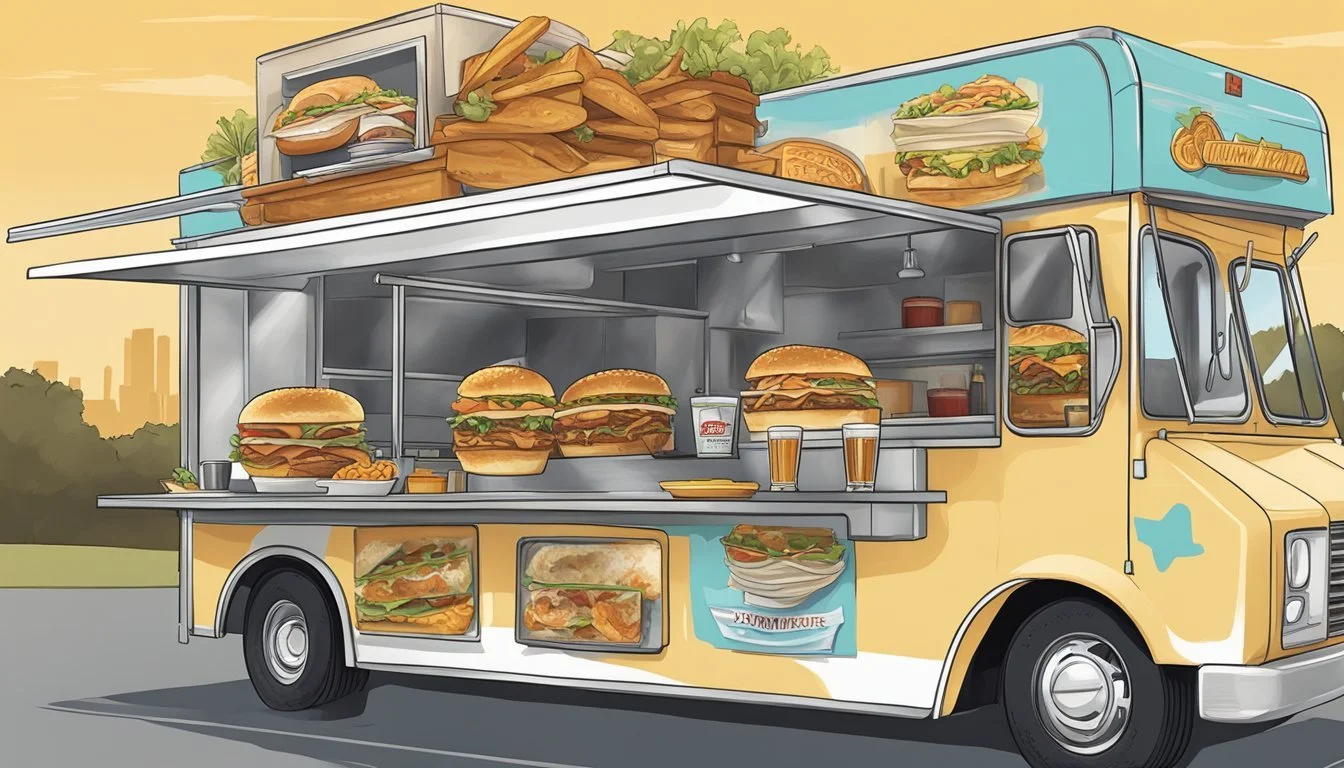
The infusion of German culinary traditions into Texan street food creates a distinctive yet familiar comfort food experience that blends the hearty flavors of Germany with the bold tastes of Texas.
Early German Culinary Traditions
German settlers arrived in Central Texas in the 19th century, bringing a repertoire of recipes that heavily featured meats such as pork, beef, and veal. Sausage making, a revered technique among German immigrants, became synonymous with Texan meats. Potatoes, another staple, found their way into dishes like potato salad, while bread, pretzels, and pastries such as strudel underlined the importance of grains in their diet.
Key Components:
Meats: Pork, beef, veal
Breads: Pretzels, strudel
Sides: Potato salad
Integration of German Food Into Texan Cuisine
With time, the robust German recipes were adapted to local tastes and ingredients, giving rise to a unique fusion known as Texan cuisine. Traditional German dishes like schnitzel were often served with a Texan twist, incorporating local spices and sides. Beers, a cornerstone of German culture, began to feature in Texan food trucks as a complement to the spicy, smoked flavors prevalent in local dishes.
Popular Fusion Dishes:
Schnitzel with Texas spices
German-style sausages with Texan barbecue sauce
Potato salad with a kick of jalapeño
Contemporary Street Food Representations
Today, food trucks and street food vendors showcase the successful marriage of these two cuisines, serving up dishes that are deeply satisfying to a wide audience. Meats remain central, with sausages and schnitzels being crowd favorites. Modern takes on German fare might include sausages served in a taco or topped with a spicy Texan slaw. Pancakes may be served with apple compote, embodying the fusion of German and Texan preferences for a sweet, hearty treat.
Texan-German sausage tacos
Beer-braised pork with spiced mustard
German pancake rolls with Texan fruit fillings
Food Trucks and Street Food Landscape
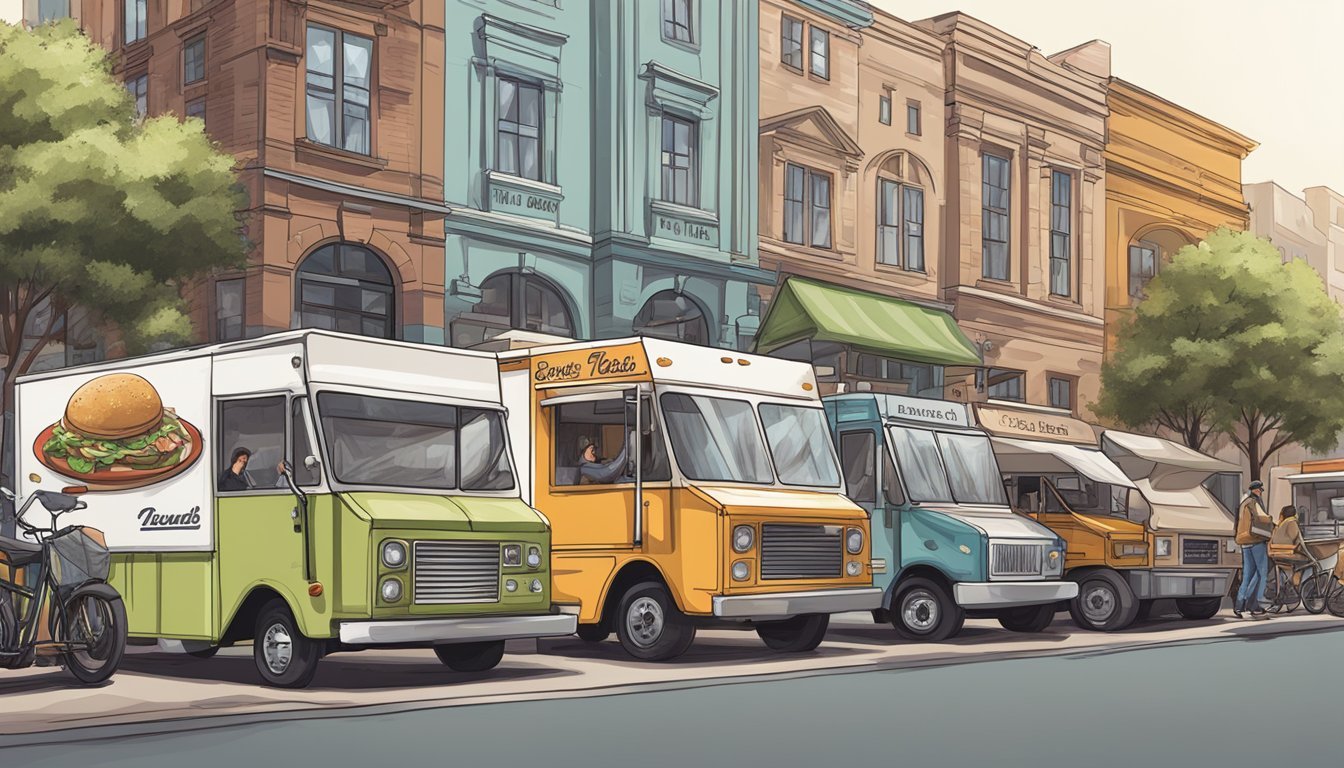
Texas' food truck industry has become a beacon of culinary innovation, blending the regional culture with German influences that trace back to early settlers. This evolution has turned street food into a staple of Texan cuisine in cities like Austin, San Antonio, and Dallas.
Rise of Food Trucks in Texas
The last decade has seen a notable development within the Texas food truck industry. Initially a novelty, these mobile eateries have grown into a flourishing component of the state's food culture. In urban centers such as Austin, food trucks are a unifying thread in the city's vibrant social fabric. Similarly, in San Antonio and Dallas, their popularity reflects a shift in dining preferences—a move towards more casual and diverse eating experiences.
German Influences on Modern Texas Street Food
Street food in Texas, particularly that served from food trucks, often showcases a fusion of traditional American and German cuisine. Sausages and pastries—hallmarks of German food—have been interwoven with Texan flavors to create unique offerings. In places like Austin, food trucks serve up German-inspired dishes with a Texan twist, mirroring the state's heritage and modern culinary trends. They not only honor the historical roots but also drive the continuous innovation within the industry.
Signature Dishes and Ingredients
The intermingling of German and Texan cuisines has given rise to distinctive street food items, each boasting robust flavors attributed to their unique ingredients.
German-Texas Fusion Dishes
Bratwurst Tacos: An inventive twist combining soft tortillas filled with sliced, grilled bratwurst, typically topped with sauerkraut and a smear of spicy mustard.
Schnitzel Bun: A Texan spin on the traditional German schnitzel, this dish features breaded and fried pork or veal, laid in a warm bun with lettuce, tomato, and a dollop of creamy mayo or tangy mustard.
Strudel Quesadillas: Infusing the flaky pastry into Tex-Mex cuisine, sweet or savory strudels are enveloped in a quesadilla, merging the crisp texture with melty cheese and various fillings, from apple to savory meat blends.
Core Ingredients in German-Texan Street Food
Meats: Predominantly featuring pork, beef, and chicken, these proteins are often marinated, smoked, or grilled to reflect traditional Texan cooking methods.
Sausages: A staple in German cuisine, varieties like bratwurst and knockwurst are common, served in buns or sliced in dishes.
Potatoes: Utilized in numerous forms such as potato salad, mashed, or roasted, potatoes are a filling component complementing the hearty meat dishes.
Sauerkraut and Mustard: These condiments are key for adding tang and heat, enhancing flavors in sandwiches and other handheld items.
Bread and Butter: Integral for dishes like schnitzel sandwiches, buttered bread serves as a simple yet satisfying base or side.
Beer: Often incorporated into cooking processes, like beer-batters, or served alongside meals to wash down the flavorful fare.
This fusion of German and Texan elements in street food has led to a culinary landscape that is endlessly flavorful and inviting, attracting food enthusiasts to these mobile kitchens.
Cultural Events and Their Gastronomic Impact
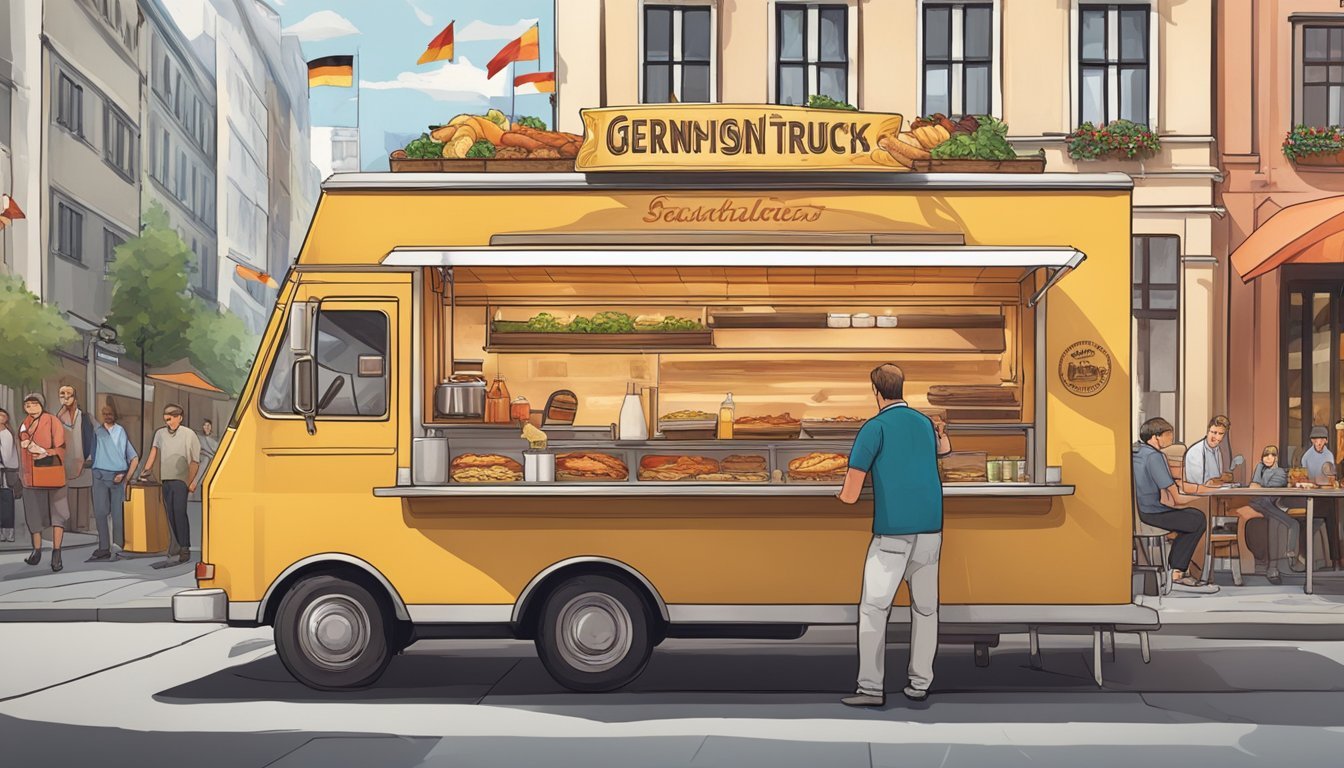
Texas food trucks and street food have been significantly influenced by German culinary traditions, particularly through various cultural events that celebrate German heritage and cuisine. These gatherings showcase traditional German food and beer, which have become staples in Texan street food culture.
Oktoberfest in Texas
Oktoberfest, a renowned German festival celebrated worldwide, holds a special place in Texas, especially within communities of German descent. Central Texas and the Hill Country, with their strong German heritage, often feature Oktoberfest celebrations that highlight food trucks offering traditional German fare. German sausages, pretzels, and sauerkraut are among the popular items. Local breweries also participate, serving a range of German-style beers, including both pilsner and lager, honoring the long-standing tradition of beer-making integral to Oktoberfest.
Other German-Themed Festivals and Gatherings
In addition to Oktoberfest, Texas hosts other German-themed festivals such as the Wurstfest in New Braunfels. This 10-day festival draws over 100,000 visitors who savor German food and beverages, supporting the food trucks and street food vendors that present an array of delicacies:
Bratwurst: A robustly flavored sausage spiced with marjoram and nutmeg.
Schnitzel: Breaded and fried cutlet, often an indulgence for festival-goers.
Beer: Essential to German culture, with local Texan breweries often contributing their own craft interpretations.
These events serve as a platform for cultural exchange, where the impact of German tradition on Texan cuisine is celebrated and continues to evolve.
Influence on Local Agriculture and Business
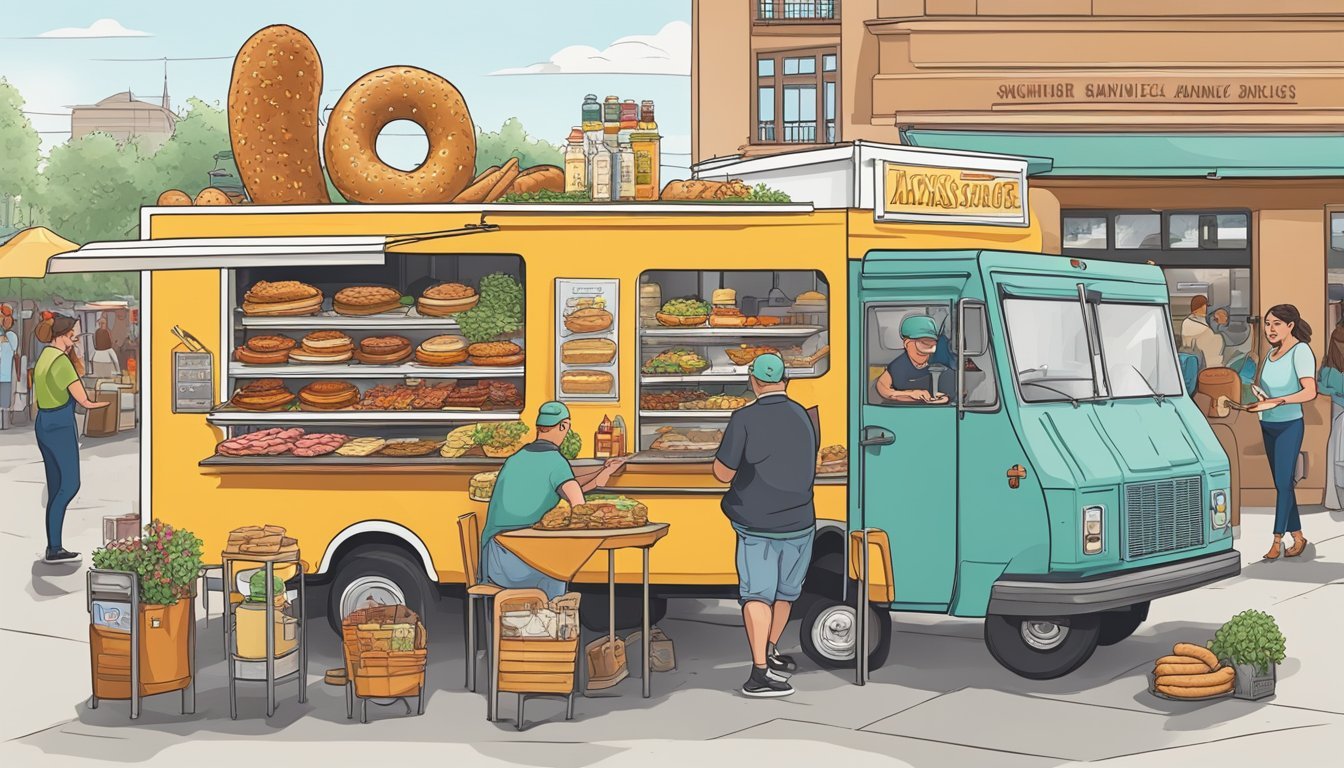
The German influence on Texan agriculture and food business sectors is a testament to the enduring legacy of the state's German settlers. They introduced sophisticated farming techniques and entrepreneurial skills that shaped local food production and commerce.
Local Food Production and German Techniques
Agriculture in Texas saw a significant transformation with the arrival of German settlers. They introduced crop rotation and the cultivation of barley, crucial for the brewing industry, which changed the landscape of local agriculture. German immigrants emphasized meat production, particularly sausage-making techniques, influencing Texan meat processing businesses. The town of Boerne, with its rich German heritage, stands as a symbol of how these settlers adapted their traditional agricultural practices to the Texan land, fostering a mix of German and local crops.
The Role of German Entrepreneurs in Texas
German entrepreneurs played a pivotal role in building local businesses, particularly food-related ventures such as breweries and meat markets. They were fundamental in establishing a network of food trucks and street food vendors, inspiring dishes with German roots adapted to Texan tastes. These businesses often incorporate visual elements of German architecture, preserving the aesthetic of traditional German homes and towns. The presence of German-influenced businesses reflects the integration of German traditions into the fabric of Texan communities and the broader culinary landscape.
Conclusion
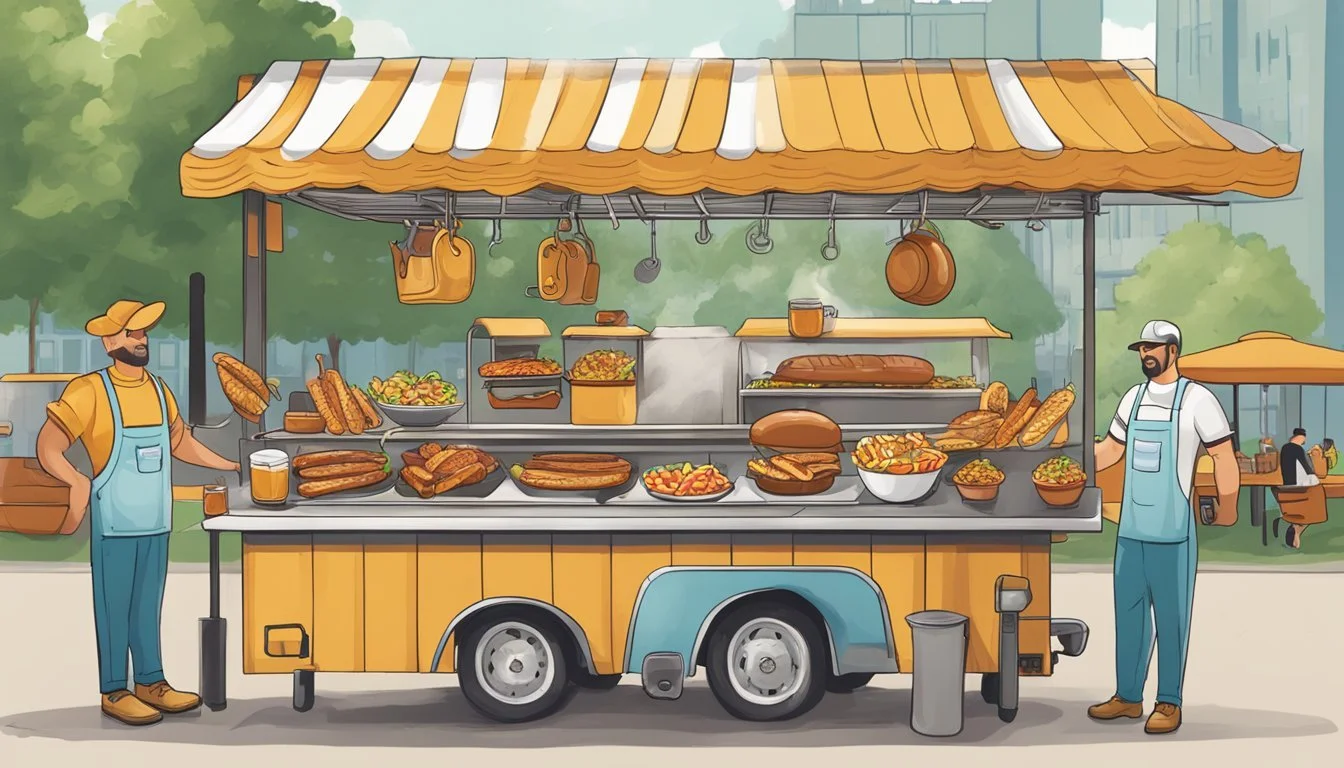
The fusion of German heritage and Texan culture has culminated in a unique culinary tradition present in Texas food trucks and street food venues today. They serve as a testament to the rich tapestry of cultural heritage that German immigrants have woven into the local communities. German cuisine—with its emphasis on meats, sausages, and robust flavors—has been skillfully integrated into Texan staples, contributing to a hybrid gastronomy adored by many.
Community Influence: German settlers have deeply influenced Texan food culture, with their culinary techniques and flavors becoming a mainstay.
Festival Inspiration: Events like Wurstfest highlight the enduring popularity of German-Texan culinary fusion, celebrating it within the community.
Food trucks pay homage to German traditions by offering items like bratwurst and schnitzel, artfully melded with Texan flavors to create new, exciting dishes. This culinary marriage showcases the mutual respect and appreciation between the two cultures, where food is a common language that connects people.
The presence of German flavors in food trucks and street fare is not merely a nod to historical connections; it's an ongoing, evolving story of cultural integration. Such culinary offerings underscore a shared value of heritage, where food is as much about identity as it is about sustenance. Food entrepreneurs continue to innovate while respecting the intrinsic qualities that make traditional German food so beloved.
In essence, Texas street food, enriched with German influences, celebrates the diversity and resilience of a culinary tradition that has spanned decades, adapting and thriving with each new generation.