German Texan Food Preservation Techniques
A Guide to Canning and Pickling Traditions
The culinary traditions of German Texans reflect a blend of cultural heritage and necessity, where food preservation techniques such as canning and pickling have become as much about maintaining their German roots as they are about practical sustenance. Developed through generations, these methods are not mere remnants of the past; they showcase the ingenuity of adapting Old World practices to the New World environment. Canning, a process of preserving food in airtight containers, exemplifies this synthesis. It's a practice that safeguards the flavors of homegrown produce well beyond their natural growing seasons, ensuring year-round availability.
Pickling stands out as another cornerstone of German Texan food conservation. This technique, which involves immersing foods in vinegar or brine, not only enhances longevity but also infuses the items with distinctive tart and spiced flavors typical of German cuisine (What Wine Pairs Perfectly With German Cuisine). These methods not only highlight a commitment to tradition and quality but also a respect for the bounties that their land provides. Food preservation, in the German Texan community, is both an art and an essential means of storage, allowing for a sustainable way of life closely tied to the seasons and the soil.
As the Texas climate can be as varied as the cultural tapestry of its settlers, food preservation has been key in managing the uncertainties of weather and harvests. The practice of canning, where foods are processed by heat before sealing to prevent spoilage, and pickling, with its acidic environment hindering bacterial growth, are essentials. These techniques exemplify how German Texans have historically managed their resources, ensuring that nothing from their fruitful harvests was wasted and creating a unique, region-specific food culture deeply rooted in both prudence and flavor.
Historical Context of Food Preservation in German Texan Cuisine
The tradition of food preservation in German Texan cuisine is deeply rooted in German heritage, melding with local customs to form a unique and enduring practice. These techniques primarily aimed at extending the shelf life of food and enhancing flavor profiles, have been pivotal in defining the region's culinary identity.
Influence of German Traditions on Texan Food Preservation Methods
German settlers brought with them a rich tradition of food preservation when they arrived in Texas. One of the most prominent methods was pickling, which relies on vinegar or a brine solution to both preserve and imbue foods with a distinct tangy flavor. The method was not only used for preserving cucumbers but also for various vegetables and fruits available in Texas, adjusting the preservation landscape according to local produce. Sauerkraut, a dish consisting of fermented cabbage, is a classic example of German food preservation that took hold in Texan cuisine, appreciated for its longevity and zest.
Key German Techniques:
Pickling with vinegar
Fermenting cabbage into sauerkraut
Evolution of Preservation Techniques from Early Settlements to Modern Practices
Since the establishment of German communities in Texas in the 19th century, food preservation techniques have evolved. Canning, initially a method for storing meat, fruits, and vegetables by the early settlers, has become a mainstream preservation technique practiced with modern equipment. Over time, local ingredients were incorporated, and traditional German recipes were adapted to Texan tastes, creating a fusion that enhanced the flavor and variety of preserved goods. From the original smokehouses of settlers preserving sausages and meats to contemporary kitchens canning jellies and relishes, the evolution is marked by innovation while maintaining the integrity of the original preservation goals.
Evolutionary Highlights:
From smokehouses to modern canning
Adaptation of German recipes with Texan ingredients
Principles of Food Preservation
The underlying principle of food preservation is to extend shelf life and ensure food safety by inhibiting the growth of spoilage-causing microorganisms and preventing food spoilage.
Preventing Spoilage and Growth of Microorganisms
Food spoilage is a complex process instigated by microorganisms such as bacteria, molds, and yeasts. These microorganisms thrive on the surfaces of food, leading to spoilage and potential food safety risks. To prevent spoilage and ensure food safety, various techniques remove or mitigate factors that promote bacterial growth, such as moisture, oxygen, and suitable temperature.
Temperature Control: Keeping food at temperatures that hinder microbial activity.
Acidity Adjustment: Creating an environment where harmful bacteria like Clostridium botulinum, which can cause botulism, cannot grow.
Moisture Reduction: Dehydrating food to prevent bacterial growth.
Chemical Additives: Using preservatives that inhibit the proliferation of bacteria.
The Science of Canning and Pickling
Canning and pickling are two preservation methods that apply scientific principles to ensure that foods are safe for consumption and can last for extended periods.
Canning involves placing foods in jars or cans and heating them to a temperature that destroys harmful microorganisms. This process creates a vacuum seal that prevents recontamination. The application of heat ensures that bacteria especially C. botulinum, known to cause botulism, are eliminated.
Key Steps:
Sterilize jars and lids to eliminate any existing contaminants.
Fill jars with prepared food, maintaining the appropriate headspace to allow for expansion.
Seal jars and heat to a specified temperature for a calculated duration.
Pickling requires submerging foods in a solution of vinegar or brine, which provides a high-acid environment where spoilage bacteria cannot survive. Pickling not only preserves but also imparts unique flavors.
Key Components:
By controlling these factors, German Texan food preservation techniques contribute to long-term storage and food security, maintaining nutritional value, and keeping traditions alive.
Canning Methods and Techniques
Canning preserves food by storing it in airtight containers, ensuring freshness for extended periods. German Texan culinary traditions include canning as a cornerstone preservation technique.
Water Bath Canning for High-Acid Foods
Water bath canning is optimal for preserving high-acid foods like fruits, pickles, and tomatoes. The procedure involves:
Filling sterilized jars: Pack prepared food into hot, sterilized glass jars, leaving the appropriate headspace to allow expansion.
Releasing air bubbles: Slide a non-metallic tool along the inside of the jar to release air bubbles, ensuring food safety and quality.
Sealing with lids: Wipe jar rims, place the lids on top, and secure the bands without over-tightening to allow air to escape and create a vacuum seal during processing.
To process, jars are placed in a boiling water canner, covered by at least one inch of water, and boiled for the time specified in a tested recipe.
Pressure Canning for Low-Acid Foods
Pressure canning is a must for preserving low-acid foods such as meats, poultry, and most vegetables. This method employs:
Applying correct pressure: After placing filled jars inside, lock the canner lid and vent steam before bringing the canner to the specified pressure.
Monitoring process time: Process at the correct pressure, as dictated by your altitude and the food being preserved, for safe and effective preservation.
Regulating pressure and temperature is critical since it ensures the destruction of dangerous microorganisms that thrive in low-acid environments.
Essential Canning Equipment and Uses
Proper equipment is key for successful canning. The primary items include:
Equipment Uses Glass Jars To hold and preserve food. Must be free of nicks and cracks. Lids and Bands Lids for sealing the jars; bands hold the lids in place during processing. Canner Either a water bath for high-acid foods or a pressure canner for low-acid foods.
Before and after use, all equipment, especially jars and lids, must be thoroughly cleaned and sterilized to maintain the quality and safety of the canned goods.
Pickling Processes and Variations
The preservation of food through pickling encompasses a range of techniques, each harnessing the power of acidity and seasonings to create an environment adverse to spoilage organisms. From brine and vinegar-based solutions to fermentation-driven methods, these variations yield a spectrum of flavors, textures, and longevity in preserved goods.
Brine and Vinegar-Based Pickling
Brine-based pickling uses a solution of water and salt to submerge foods, often relying on additional flavorings like herbs and spices to enhance the taste. This method typically requires the pickling liquid to be boiled and then cooled to a safe temperature before use. Vinegar-based pickling, conversely, depends on an acidic environment created by vinegar, which can be combined with salt, sugar, or a syrup to craft the desired flavor profile. Foods are submerged in this tangy solution, often after being briefly boiled to infuse flavors and ensure sterility.
Acidity level: Essential for preventing spoilage.
Flavor: Ranges from subtly salty to robustly tangy.
Fermentation in Pickling
Fermented pickles undergo a process where natural sugars are converted into lactic acid by beneficial bacteria, which functions as a natural preservative. This method typically takes longer, as the food must be stored at room temperature to allow fermentation to occur, followed by refrigeration to slow the process after the desired level of tanginess and flavor has been achieved.
pH level: Key indicator of sufficient acidity.
Flavor: Develops complexity over time.
Seasonings and Spices Commonly Used in Pickles
A diverse array of seasonings and spices is crucial in defining the unique taste of pickled products. Commonly, dill, garlic, cinnamon, and mustard seed create the classic profiles associated with German Texan pickles. The specific combination and quantity affect the overall flavor and can personalize a pickle to match regional or familial traditions.
Mustard seed: Adds a piquant edge.
Dill: Imparts a fresh, slightly anise-like flavor.
Cinnamon: Provides a warm, sweet note, often found in sweet pickles.
Garlic: Offers a robust, earthy dimension.
Through these varied pickling processes and the judicious use of seasonings, a palette of preserved flavors is achieved—each method and ingredient contributing to the culinary tapestry of German Texan food traditions.
Alternatives to Canning and Pickling
When considering preservation methods beyond canning and pickling, techniques such as freezing, drying, and the use of oils offer various benefits from extending shelf life to maintaining food quality.
Freezing Techniques for Preserving Quality
Freezing serves as an effective method to preserve the quality of food while extending its shelf life. To freeze produce, it's best to select fresh fruits and vegetables, wash and blanch them if necessary, and then freeze promptly to minimize the risk of freezer burn which can degrade texture and flavor.
Preparation: Blanching vegetables before freezing
Packaging: Using airtight containers or freezer bags
Storage: Keeping a consistent freezer temperature
Drying and Dehydrating Methods
Drying and dehydration are age-old methods of removing moisture from food to inhibit the growth of bacteria. Properly dehydrated foods offer a significantly extended shelf life and can be rehydrated to restore some of their original quality.
Techniques: Air drying, oven drying, or using a dehydrator
Foods: Ideal for fruits, herbs, and meats
Considerations: Ensuring complete dehydration to prevent spoilage
Utilizing Oils and Fats for Preservation
The use of oils and fats can create an anaerobic environment around food, which helps to prevent spoilage. It’s a technique that's especially good for preserving items that are fully submerged in the oil, such as cheeses and some vegetables.
Process: Submerging food in oils, often with herbs or spices for flavoring
Benefits: The oil can enhance the taste and tenderize preserved food
Shelf Life: Depends on the food type and storage conditions
Best Practices for Food Preservation Storage and Safety
Ensuring the safety and longevity of preserved foods requires attention to proper handling and storage techniques. This essential guide focuses on preventing contamination through sterilization and maintaining optimal quality with methodical labeling and storage practices.
Handling and Sterilization Techniques to Prevent Contamination
Sterilization of jars and equipment is paramount to prevent contamination and to ensure the safety of preserved foods. Jars should be sterilized in boiling water for at least 10 minutes and allowed to dry completely before use. Utensils and surfaces must be cleaned with hot, soapy water, then can be sanitized with a solution of one tablespoon of unscented bleach in a gallon of water.
When filling jars, ingredients should be handled with clean utensils and the jar rims wiped down to remove food particles that could hinder sealing. After processing, it's critical to ensure that jars have sealed correctly. Upon cooling, the center of the jar lid should be convex, indicating airtight sealing, which is crucial for preventing the growth of bacteria.
Proper Labeling and Storage for Long-Term Preservation
Labeling is a key step that should detail contents, the date of canning, and the expiration date. This helps in identifying the type of preserve and in tracking their shelf life, preventing the consumption of potentially spoiled food. Foods should be stored in a cool, dark place such as a pantry, away from direct light or heat sources.
Refrigeration is required for some preserved items, especially after opening. These should be kept in a refrigerator, at temperatures below 40°F, which effectively slows microbial growth. Non-refrigerated items still require a cool environment, ideally between 50°F and 70°F. Consistent temperatures help to maintain both food safety and quality.
For longer shelf life, storage in airtight containers is recommended, as they prevent the exchange of air that can introduce contaminants and cause spoilage. Regularly check your pantry and refrigerator for any signs of spoilage such as off smells or visible mold, and dispose of any compromised preserves to maintain a safe food environment.
Culturally Specific Preservation Recipes and Flavors
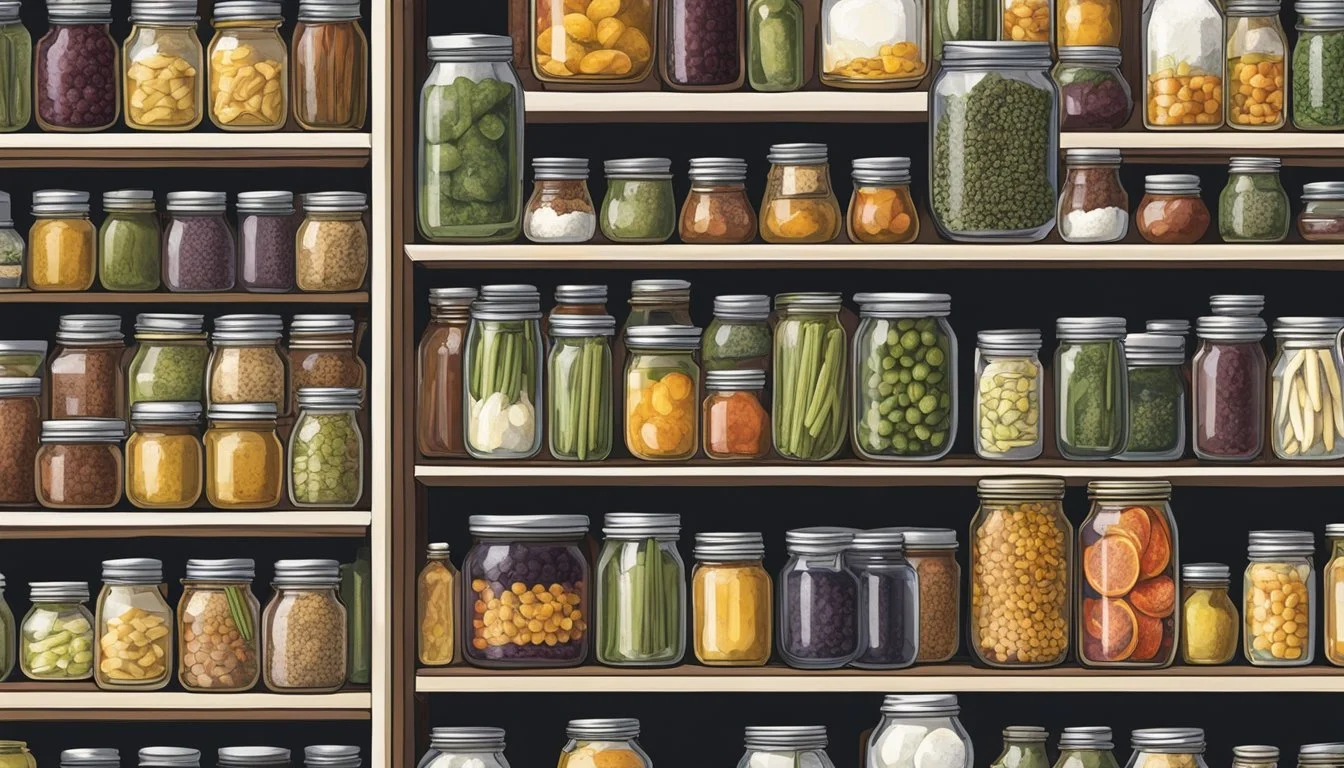
German settlers in Texas brought with them cherished recipes for canning and pickling. These recipes have been passed down through generations, retaining authentic flavors that have become a staple of the German Texan culinary heritage.
Traditional German Texan Recipes for Canning and Pickling
German Texans are known for their skill in preserving meats, vegetables, and fruits to ensure a year-round supply of food. Sauerkraut and pickles are two traditional preserved items, often made using time-tested recipes.
Sauerkraut: This dish is created by fermenting cabbage in its natural juice with salt, allowing it to develop its characteristic tangy flavor over several weeks.
Pickles: Cucumbers are submerged in a brine solution with vinegar, dill, garlic, and other spices to create a crisp, flavorful pickle.
Meats, particularly smoked sausages, also play a prominent role in the preservation tradition. These are often made with a mix of pork and beef and seasoned with a unique blend of spices before being smoked to perfection.
Preservation Method Foods Details Canning Jams, Jellies, Sauces Fruit preserves and sauces are canned with spices like cinnamon and cloves. Pickling Vegetables, Kimchi Adoption of kimchi reflects German Texan openness to new preservation methods.
Signature Spices and Flavors in German Texan Preservation
The distinct taste profiles in German Texan preserved foods are owed to a variety of spices and herbs crucial to their recipes.
Spices: Mustard seed, black pepper, and juniper are frequently used in meat preservation. They create robust flavors that withstand the test of time.
Herbs: Dill and coriander are staple herbs in pickling, imparting a fresh and complex taste to vegetables.
In the canning of jams, jellies, and salsas, fruit is often cooked down with sugar and spices until thickened, preserving the bold flavors of Texas-grown produce. German Texan sauces often feature a tantalizing blend of sweetness and spice, resulting in a flavor profile that is both rich and versatile.
In each jar and every smoked sausage, the preservation techniques of German Texans reflect a deep respect for their cultural roots and the flavors of their natural surroundings.
Nutritional and Health Aspects of Preserved Foods
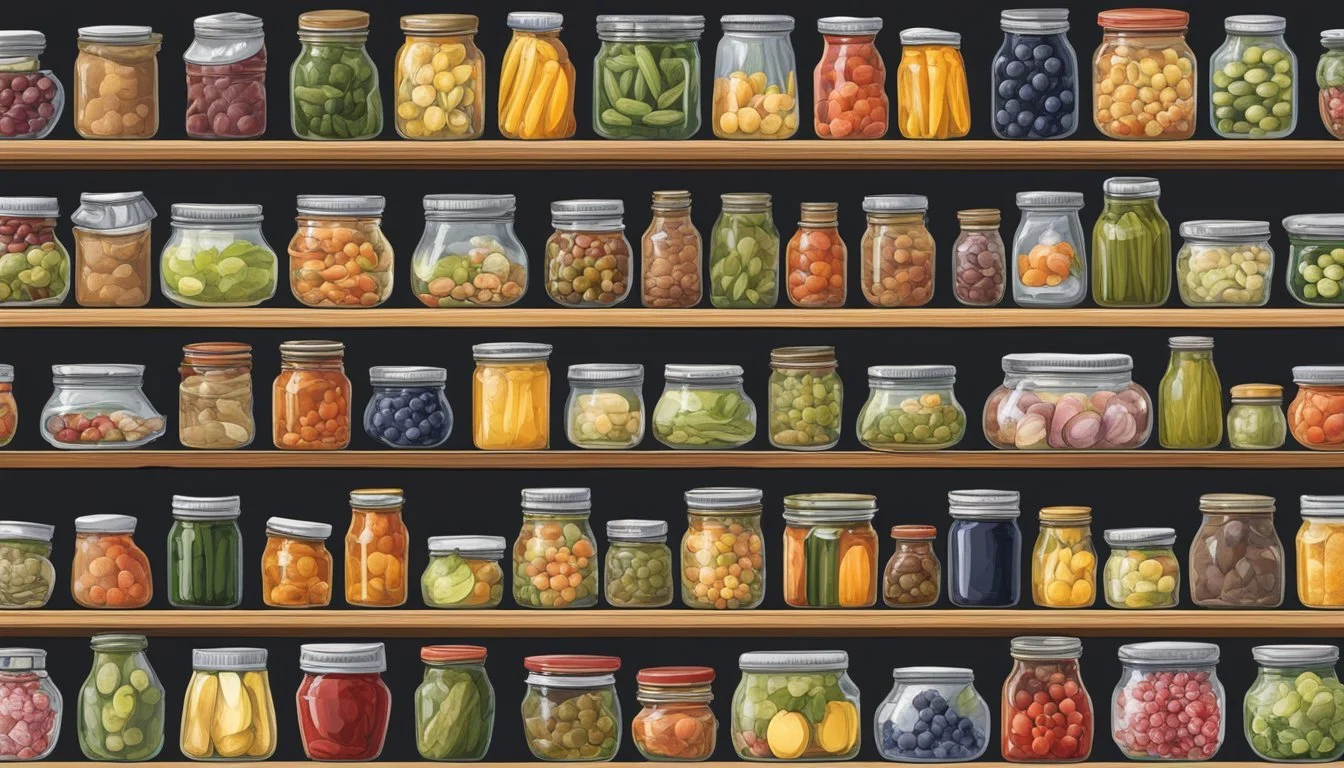
When preserving foods, the aims are to maintain their nutrition and ensure safety while enhancing flavor. The process can impact the nutritional value, and it is essential for home preservers to understand the interplay between preserving methods, taste, and nutritional integrity.
Impact of Preservation on Nutritional Value
Preservation techniques like canning and pickling can alter the nutritional profile of foods. Canning preserves the macro-nutrients of foods like proteins in dairy recommended in German Texan diets and vitamins such as those found in the B group, but some vitamins sensitive to heat, such as Vitamin C, can be reduced. The preservation process often involves high temperatures, which can degrade or destroy heat-sensitive nutrients, but on the upside, it also deactivates enzymes that can lead to spoilage and oxidation, helping to extend the shelf life of the food.
Safety Considerations for Home-Preserved Foods
Ensuring safety in home-preserved foods is paramount. Improper canning can lead to foodborne illnesses. Foods must be processed at the correct temperature and pressure, and for the proper duration, to eliminate harmful bacteria. For example, the canning process requires jars to not touch each other in the canner and to be vented properly. Additionally, acidity levels in pickled foods need to be high enough to prevent the growth of bacteria like Clostridium botulinum.
Balancing Taste and Nutrition in Preserved Goods
Preservation can influence the taste and savor of foods. While the aim is to retain the freshness and flavor of foods as much as possible, certain preservation methods can enhance the flavor. For example, pickling can infuse foods with new flavors, while still maintaining the nutritional integrity of the fresh food. Germans in Texas have adapted their traditional recipes to create unique preserved flavors using local ingredients, skillfully balancing the savor with nutrition.
Sustainable Practices and Reducing Food Waste
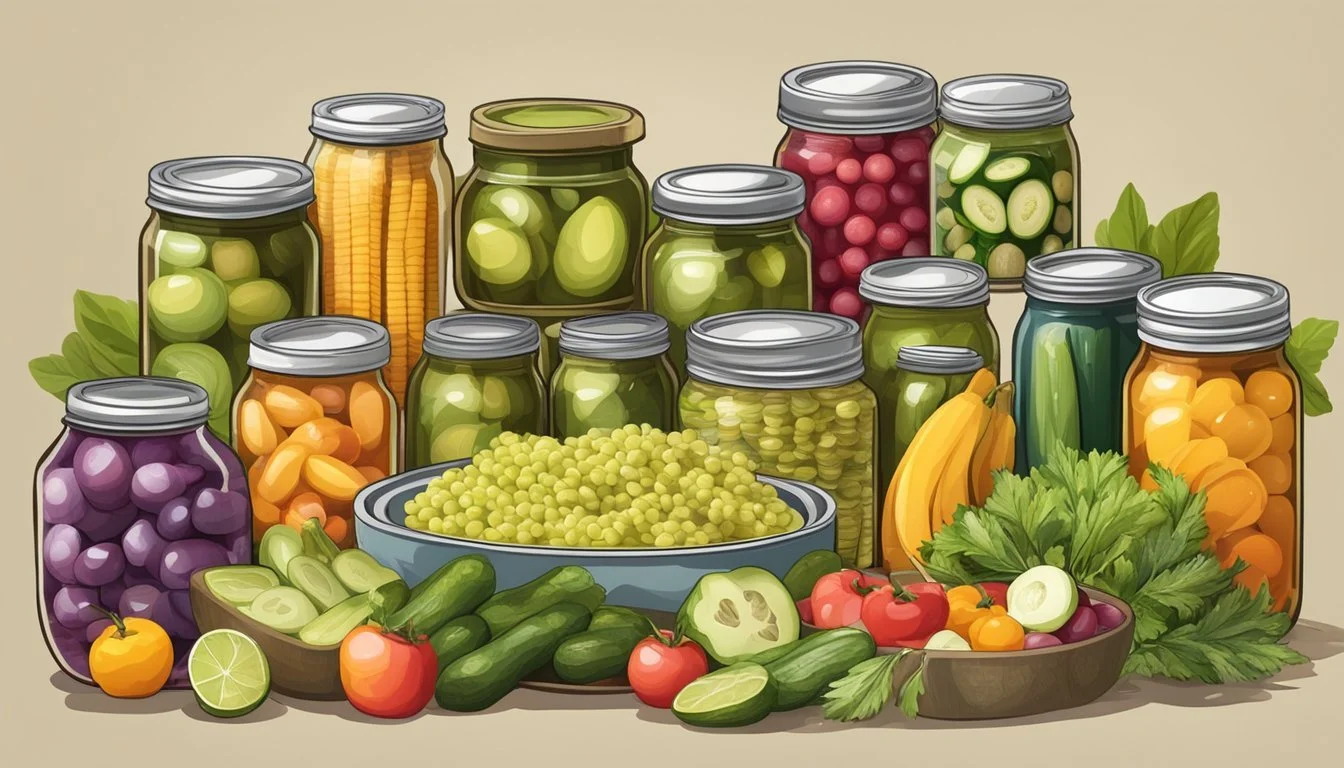
In German Texan communities, traditional food preservation techniques such as canning and pickling are imperative for sustainable practices that contribute to reducing food waste.
Using Seasonal Produce for Home Preservation
German Texans often turn to home preservation methods to make the most of seasonal produce. They typically harvest fruits and vegetables, like tomatoes, at their peak and preserve them through canning or pickling. This method not only secures a supply of food for the off-season but also ensures that the excess harvest does not go to waste.
Vegetables: Include a variety of greens, root vegetables, and cucumbers, which are commonly pickled.
Fruits: Apples and peaches are often canned, retaining their flavor and extending their shelf life.
Tomatoes: A versatile favorite, preserved as sauces or salsas, or simply canned whole.
Canning involves sealing produce in jars and heating them to destroy bacteria and enzymes that spoil food. Pickling, on the other hand, uses vinegar or brine to create an acidic environment that safely preserves the food.
Contributions of Preservation to Minimizing Food Waste
The techniques of canning and pickling directly impact food waste reduction in the German Texan community. By preserving seasonal produce, residents are able to limit the waste of overabundant crops. Jars of pickled vegetables (What wine goes well with pickled vegetables?) and canned fruits are customarily used throughout the year, especially during winter months when fresh produce is less available.
Tomatoes: Through canning, they reduce the loss of tomatoes which cannot be consumed immediately.
Seasonal produce: By preserving what's in season, the community maximizes their use and decreases the need for out-of-season imports.
These methods, passed down through generations, demonstrate a commitment to sustainability by effectively utilizing what the land provides and decreasing reliance on resources that contribute to food waste.
Conclusion
German Texan communities have long integrated traditional preservation methods into their daily lives, ensuring a sustainable way of maintaining food sources year-round. Canning and pickling, rooted in their cultural heritage, stand out as pivotal techniques passed down through generations.
Canning creates durable stores of fruits, vegetables, and meats, leveraging tightly sealed containers to extend shelf life.
Pickling harnesses the power of vinegar and brine to preserve a variety of foods, with flavors unique to the German Texan palette.
These methods contribute significantly to the local sustainability initiatives. The practices enable surplus from harvests to be conserved and reduced waste, echoing the community's commitment to eco-friendly approaches.
Moreover, the continuation of these food preservation techniques strengthens the community bonds. Sharing preserved goods and recipes reinforces a sense of identity and cohesiveness that is vital to the German Texan culture. The sharing of these methods with neighbors and through local markets not only bolsters the local economy but also ensures these culinary practices are not lost.
As they look to the future, German Texans uphold their cultural heritage while adapting to modern advancements. This ensures resilience in food preservation methods, allowing them to stand as an example of how cultural practices can harmoniously coexist with contemporary techniques for the betterment of the community and environment.