The Influence of German Cuisine on Texas State Fair Food
A Culinary Fusion Explored
Texas holds a renowned position on the culinary map for its unique fusion of flavors that tell tales of cultural exchange and adaptation. Among the most significant influences on Texan cuisine is the heritage of German settlers who, over the centuries, have woven their food traditions into the fabric of the state. At the heart of this gastronomic amalgamation are the fairs, where food stands as a symbol of cultural identity and community. The State Fair of Texas, in particular, has become an exhibition ground for the intermingling of German and Texan tastes.
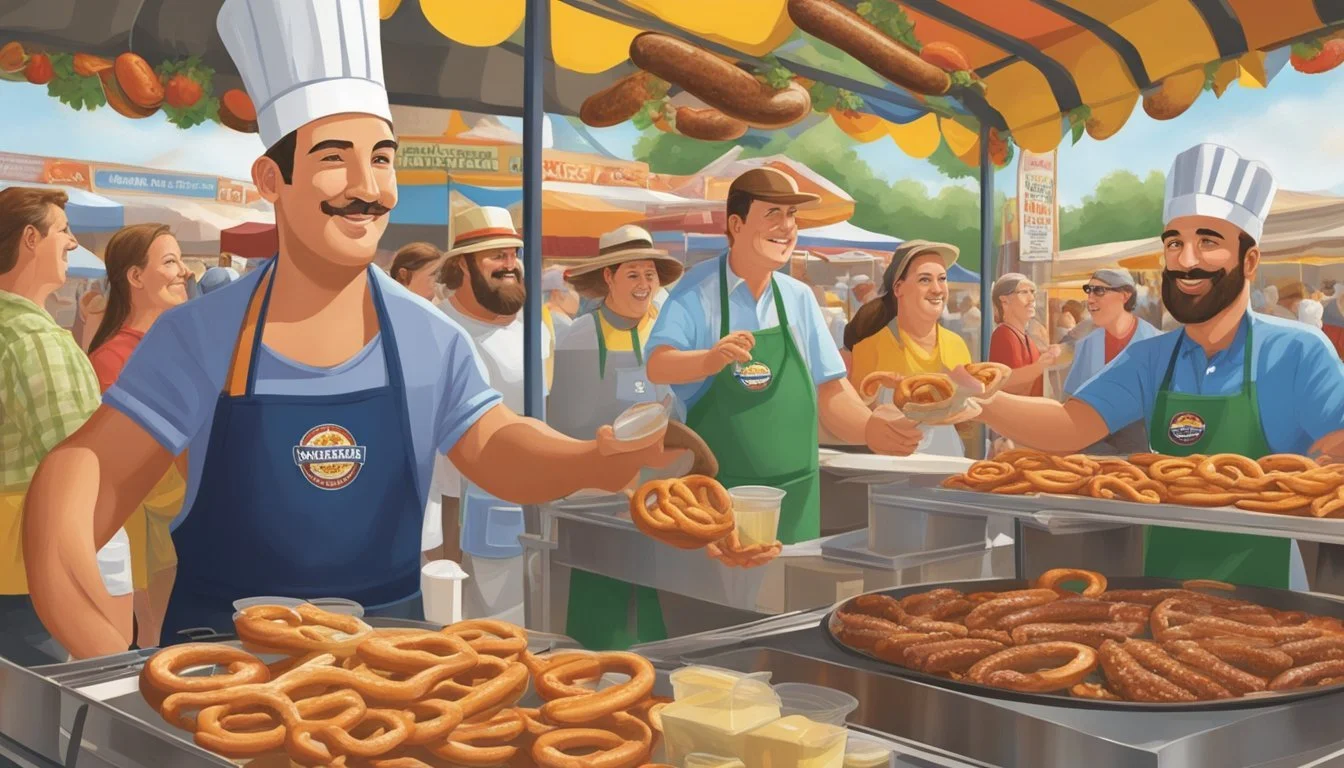
Sausage-making, brought to Texas by German immigrants, has left an indelible mark that is evident at the Texas State Fair. The practicality and flavors of these sausages have been embraced and adapted by Texans, demonstrating a culinary partnership that dates back to the 19th century. As participants in the State Fair, vendors showcase their inventive takes on classic German dishes, synonymously embracing Texan authenticity with each culinary creation offered.
The yearly event, with its Big Tex Choice Awards, sparks creativity among the vendors, catalyzing the fusion of Texan and German cuisines (What Wine Pairs Perfectly With German Cuisine). The competitive environment encourages exploration of new flavors, yet the German influence persists, drawing fairgoers to relish in familiar yet distinctively Texan adaptations of German classics. Through this dynamic and flavorful engagement, Texas State Fair food does not merely reflect the state’s culinary history but continues to shape it with every passing year.
Historical Context of German Influence in Texas
The German impact on Texas extends into various aspects of local culture, most notably in the cuisine. Prominently, German settlers established robust culinary traditions, significantly influencing the Texas food scene, especially with meats and sausages.
Early German Settlements in Texas
In the mid-19th century, German immigrants began settling in Texas, concentrating in regions like the Texas Hill Country. Towns such as Fredericksburg and New Braunfels were founded by these European settlers. They quickly adapted to the land, merging their traditional ways with regional influences. The people of these towns have maintained much of their German heritage, which is reflected in their social and culinary customs.
Culinary Traditions Brought by German Migrants
German migrants were instrumental in introducing a variety of meats and sausages, known as wurst, to Texas. Their culinary tradition emphasized not only baked goods but also a wide selection of meats, firmly rooting German cooking methods in Texas cuisine. Festivals like the annual Wurstfest in New Braunfels celebrate this heritage, featuring sausage, beer, and showcasing German culinary traditions on both regional and national stages.
Key Elements of German-Texan Cuisine
German settlers in Texas have left a profound impact on its fair food, combining robust German flavors with Texan flair to create unique culinary offerings. This section explores the distinct meats, breads, and accompaniments that typify this fusion.
Meats and Sausage Varieties
German influence on Texan fair cuisine is particularly evident in the variety of meats and sausages available. Bratwurst, a sausage made from pork, veal, or beef, is a staple of German-Texan cooking, often seasoned with subtle spices and herbs for a savory taste. Likewise, smoked sausage, incorporating a mixture of ground pork and beef with a pronounced smokiness, reflects traditional German techniques adapted to local preferences.
Common Sausages:
Bratwurst
Smoked Sausage
Pork
Beef
Chicken
Breads and Pastries in Texan-German Cooking
Bread and pastries serve as crucial components of German-influenced Texan fair food. Pretzels, salted and baked to a golden brown, are a handheld favorite. Sweet pastries like strudels filled with fruit or nuts, and kolaches with sweet or savory fillings, meld German tradition with local ingredients.
Popular Breads and Pastries:
Pretzels
Strudels
Kolaches
Cornbread
German Sides and Condiments
Condiments and sides of German origin enrich the flavors of Texan fair foods. Sauerkraut, tart and finely shredded, is often a condiment for sausages, while mustard varieties provide a piquant complement. Sides like potato salad, prepared with potatoes, hard-boiled eggs, and plenty of butter, offer a creamy counterpoint to the savory meats.
Key Condiments and Sides:
Sauerkraut
Mustard
Pickles
Integration into State Fair Food
The State Fair of Texas showcases a melting pot of culinary traditions, with German influences emerging prominently through deep-fried innovations and transformative dishes.
Transformative Dishes
The rich German heritage of Texas has seamlessly woven itself into the fabric of state fair food, with time-honored German cuisine being adapted to the fair's vibrant atmosphere. Bratwurst and schnitzels have become as much a part of the Texas fair as the classic corny dogs. These German staples have been transformed to suit the on-the-go eating style of fair-goers, often served as easy-to-carry variants, like schnitzel on a stick.
German-inspired turkey legs, a larger-than-life take on the humble poultry, offer a savory twist to the fair's selection. They resonate with Texas's love for hearty foods, providing a satisfying, hand-held dining experience that draws from the tradition of German meat-heavy dishes.
Deep-Fried Innovations
It's difficult to discuss the State Fair of Texas without mentioning its deep-rooted tradition of deep-frying everything in sight. German contributions like potato pancakes and deep-fried sauerkraut pay homage to the fusion of cultures, transforming simple German favorites into indulgent treats.
Fair vendors have taken it a step further, reimagining desserts with items such as deep-fried strudels, infusing a sweet and crisp element into every bite. Chicken fried steak, another fair staple, could arguably be seen as an extension of the German schnitzel, with its breaded and fried approach, indicating the breadth of German influence on Texas cuisine.
Contemporary German-Texan Restaurant Scene
Texas boasts a rich tapestry of cultures, and the German influence is particularly prominent in its restaurant scene. From family-run eateries to avant-garde fusion dining, German culinary traditions have been preserved and innovated across the state.
Family-Owned German Restaurants
In cities like Austin and Dallas, family-owned German restaurants offer a genuine taste of heritage with recipes passed down through generations. These establishments often serve classics such as schnitzel, sauerbraten, and a variety of wursts. Patrons value the authentic experience, which is frequently complemented by traditional German décor and local craft beers.
Austin: Scholz Garten, established in 1866, is renowned for its comforting German dishes and convivial atmosphere.
Dallas: Kuby's Sausage House combines a deli with a restaurant, offering handmade sausages and home-style German favorites.
Fusion and Gourmet Cuisine
German-Texan fusion restaurants have emerged, especially in metropolitan areas, where chefs blend German culinary techniques with Texan flavors. Gourmet restaurants are not uncommon, where traditional dishes are reimagined with a sophisticate twist.
Fusion Cooking Techniques: Incorporating smoking and barbecuing, indicative of Texan cooking, with German meats and spices has led to a unique and savory fusion that challenges the palate.
Gourmet German Restaurants: High-end establishments often experiment with locally sourced Texan ingredients, crafting dishes that are both familiar to the German palate and appealing to those seeking culinary innovation.
Example: In the heart of Texas, restaurants like Otto's in Fredericksburg offer gourmet experiences, serving up creative dishes like jalapeño-cheddar bratwurst or a schnitzel with a twist.
The Influence on Texas's Broader Culinary Landscape
Texas's cuisine reflects a unique symphony of flavors, prominently featuring the culinary mastery of German immigrants. These culinary practices have intricately woven German traditions into the fabric of Texas's food culture, particularly within BBQ and Tex-Mex dishes, ingredient choices, and in combination with other immigrant influences.
Impact on BBQ and Tex-Mex
German influence on Texas barbecue is profound, with beef brisket taking center stage. Brisket, slowly cooked using a German smoking technique, embodies the Texas barbecue spirit. In addition, Tex-Mex cuisine has been touched by German roots, evident in the meat-heavy dishes favored by Texans. The spicing and techniques found in Mexican cooking have melded with the meat preservation methods brought by German immigrants, resulting in a robust cuisine beloved across the state.
Adoption of German Ingredients and Methods
Ingredients: The adoption of German methods has greatly influenced the cooking techniques in Texas. Spices such as caraway and dill, once prominent in German cuisine, have found their way into Texas beef dishes and stews.
Beer: The proliferation of German breweries in the 1800s introduced beer into the Texan culinary scene, not just as a beverage but also used in cooking, such as beer-braised meats (What wine goes well with braised meats?) and beer-based barbecue sauces.
Techniques: German methods like sausage-making are now hallmarks of Texan food, with Texas offering a wide array of sausages, from traditional bratwurst to more localized adaptations laced with Mexican spices.
Crossover with Other Immigrant Cuisines
German cuisine in Texas didn't just merge with Tex-Mex; it also crossed paths with Czech and Native American culinary traditions. German and Czech immigrants shared many techniques and ingredients, which made their integration into Texan cuisine smoother.
Fusion Foods: For example, German potato salad has become a staple side dish at many Texas gatherings, benefiting from additional spices and flavors introduced by Mexican and other cuisines.
Czech Influence: Many of the pastries and baked goods found at Texas fairs, such as kolaches, have German and Czech origins. These treats blend the sweet and savory aspects of both cultures and have become beloved elements of Texan fare.
The different waves of European and Mexican immigration have created a culinary tapestry in Texas where German influence is distinctly present and continues to play a vital role in shaping the state's food identity.