German Texan Food Gifts and Souvenirs
A Guide to Unique Culinary Keepsakes
German Texan culture is a unique blend of traditions that have evolved from the deep-rooted German heritage in Texas. Known for its rich history and vibrant customs, this cultural amalgamation offers a plethora of food gifts and souvenirs that embody the spirit of both Germany and Texas. Specialty items range from authentic German clothing, such as Dirndls and Lederhosen, to delectable food items including traditional sausages and Bavarian pretzels, all reflecting the fusion of these two diverse heritages.
In the heart of Texas, stores like Kuckuck's Nest and German Specialty Imports cater to those seeking genuine German souvenirs and edible delights. They offer a wide selection of products from classic German steins, intricately designed cuckoo clocks, to a variety of hats and socks that portray the German Texan identity. With an understanding of the significance behind each item, these stores provide gifts that are not only souvenirs but also pieces of a collective history.
During festive seasons, the German Free School’s gardens in Texas transform into a traditional German Christmas Market, showcasing the most authentic German Texan atmosphere. Here, visitors can immerse themselves in the holiday spirit and find unique gifts, from handcrafted nutcrackers and wooden ornaments to the opportunity to gift a German language class. These markets and shops not only offer a slice of German culture but also strive to preserve and celebrate the heritage that has been a part of Texas for generations.
The Roots of German Texan Culture
The intertwining of German culture with Texan traditions can be observed through historical influence and immigration patterns which led to a unique blend that still thrives in areas like the Hill Country, Fredericksburg, and New Braunfels.
Historical German Influence in Texas
German history in Texas dates back to the early 19th century when German settlers began to establish communities within the state. These immigrants brought with them a rich tapestry of traditions and a distinctive cultural identity. The Hill Country region, in particular, saw a significant influx of German customs that manifested in architecture, music, and, notably, cuisine, which became an integral part of the cultural heritage of Texas.
Traditions such as the annual Wurstfest in New Braunfels highlight the enduring impact of German culture, celebrating with German food, beer, and music. This festival mirrors Germany's longstanding festive spirit and exemplifies how German Texans have preserved elements of their heritage.
German Immigration and Settlement Patterns
In 1845, German immigrants were led by Prince Carl of Solms-Braunfels to establish a town that would become known as New Braunfels. Soon after, areas such as Fredericksburg, founded by German nobleman Baron Otfried Hans von Meusebach, and Boerne, established by German author and publicist, Ludwig Börne, followed suit.
Fredericksburg: This town was named in honor of Prince Frederick of Prussia. It is renowned for its authentic German architecture and the preservation of German customs.
New Braunfels: Celebrates its German heritage through events like Wurstfest and retains many Germanic traditions.
Boerne: Despite its smaller size, has a distinct German influence visible in its community and cultural events.
The pattern of settlement in these areas was driven by the promise of land and economic opportunity, resulting in clustered German communities that acted as cultural strongholds. They became centers of German Texan culture not just by maintaining the traditions from their homeland but by integrating these into the broader Texan backdrop.
Traditional German Texan Foods
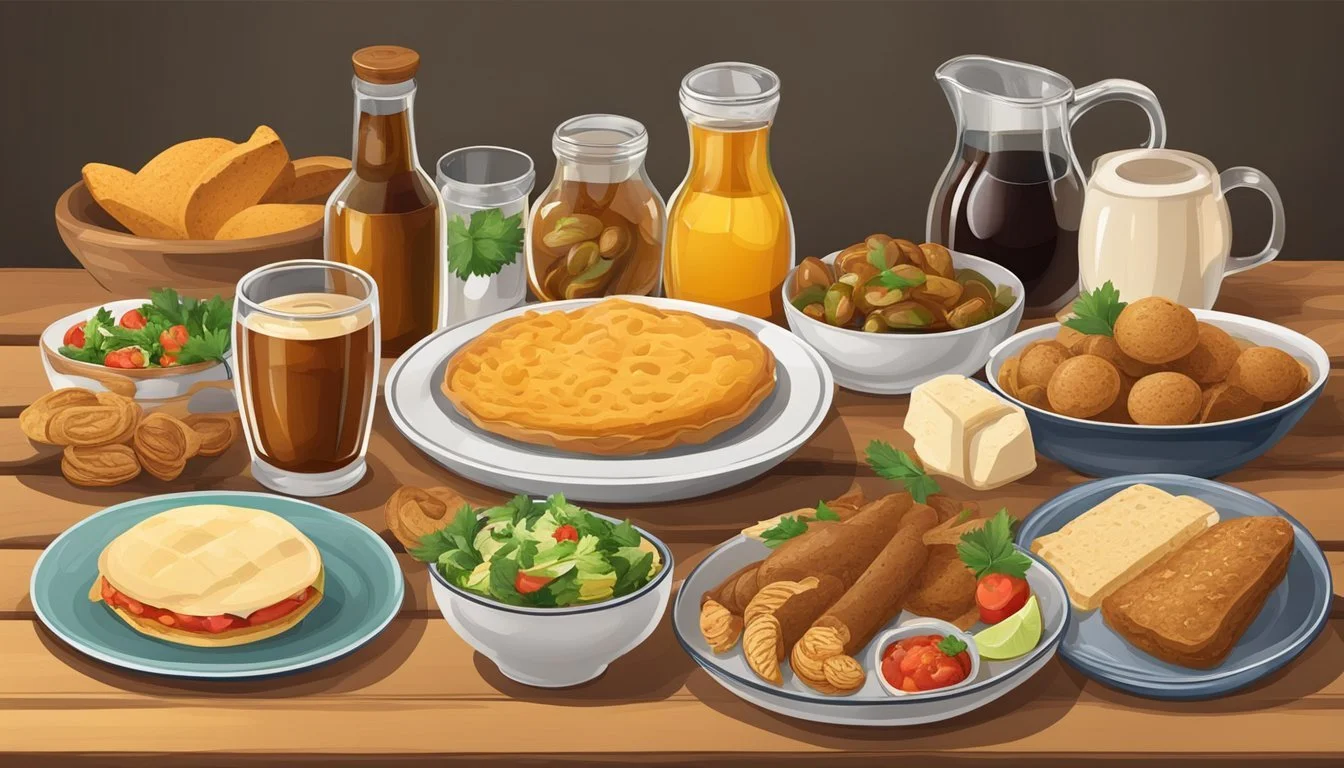
German Texan cuisine is a savory fusion that features a range of hearty dishes with unique spins on traditional German recipes. This flavorful meld of cultures indulges the palette with large portions of both meat and pastry-based items, often incorporating local Texan ingredients.
Iconic German Texan Dishes
Iconic German Texan dishes often center around sausage, particularly the loved bratwurst, with its rich blend of pork, herbs and spices. These sausages are a staple, enjoyed for their smoky and juicy texture. Sauerkraut, a fermented cabbage dish, frequently accompanies sausages, providing a tangy contrast that is well-loved in the region.
Pork: A mainstay in German Texan cuisine, pork is utilized in various forms, from smoked cuts to ground in sausages.
Chicken and veal: These meats are commonly found in dishes like schnitzel, breaded and fried for a crispy exterior.
Local Ingredients and Flavors
The culinary landscape of German Texan food is rich with local ingredients that complement traditional German flavors. Local spices and herbs intertwine with German cooking methods to create dishes that are distinct to the Texan palate.
Local spices: Incorporate Texan flare into German dishes, leading to a unique profile that differentiates German Texan food from its European counterpart.
German Bakeries and Restaurants
On Main Street, visitors can find an array of German bakeries and restaurants that serve authentic German Texan cuisine. These establishments typically offer a selection of freshly baked goods and traditional meals.
Strudel: A beloved pastry that comes in sweet and savory versions, often filled with fruits or meats.
Lebkuchen: A form of gingerbread, this treat is a festive, edible souvenir, showcasing spicy notes and a soft, cake-like texture.
Furthermore, German restaurants in Texas often feature ambiance and decorations that hark back to German heritage, fostering an immersive dining experience. These eateries are cornerstones in maintaining and celebrating the strong German influence on Texan culture and cuisine.
German-Texan Souvenir Shopping Guide
Exploring German-Texan regions offers a unique blend of cultures, and souvenir shopping is a delightful way to preserve those memories. This guide outlines prime locations and typical souvenirs that embody the German influence in Texas.
Shopping Hotspots in German Texan Regions
Fredericksburg and New Braunfels stand out as cultural heartlands for German-Texan heritage. Fredericksburg's Main Street is lined with boutiques selling authentic souvenirs, showcasing the town's German roots. One can find everything from traditional German attire to locally crafted items.
Fredericksburg
Location: Central Texas
Highlight: Over 150 shops along Main Street
Find: German-inspired Christmas ornaments, locally-made sausages
New Braunfels
Location: Northeast of San Antonio
Highlight: Historic downtown with German-themed shops
Find: Hand-painted beer steins, Texas-German recipe books
Typical German Texan Souvenirs
The fusion of cultures has given rise to unique souvenir items. Here are some typical German-Texan souvenirs to keep an eye out for:
Clothing: Look for traditional dirndl and lederhosen with a Texan twist.
Food Items: Smoked meats (What wine goes well with smoked meats?) and Texan-German cookbooks celebrate the fusion cuisine.
Home Decor: Handcrafted wooden signs that meld German phrases with Texan slang.
Fredericksburg in particular is known for its locally produced food items, such as peach preserves and pecan treats, which can also serve as tasty souvenirs. Meanwhile, New Braunfels offers a rich assortment of German-Texan items like quilts with traditional German patterns sewn with Texan motifs.
As travelers explore these regions, they are encouraged to seek out these authentic mementos to bring home a piece of the German-Texan experience.
Unique Gift Ideas with German Texan Flair
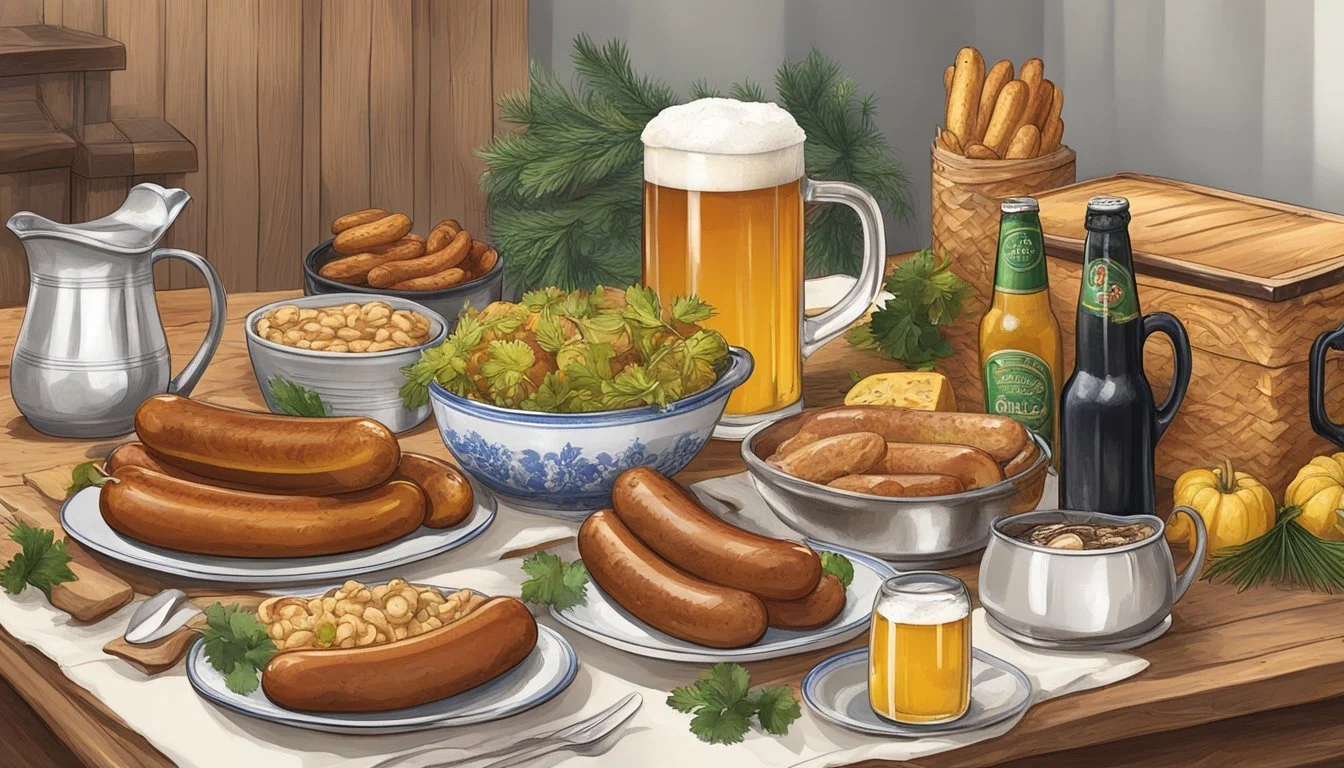
Exploring the German heritage of Texas combines a unique blend of old-world charm with Southwestern tradition. The gifts one can find or create capture the essence of both cultures, offering a memorable and distinct experience.
Custom and Hand-Crafted Gifts
Hand-crafted gifts bearing the German Texan signature merge skilled artisanship with cultural history. Custom Stein Mugs, tailored with intricate designs, serve as a perfect example. Each mug traditionally features German motifs and can be personalized with Texan symbols. One can also consider hand-painted Christmas Ornaments, reflecting traditional German Christmas customs like Advent calendars, but with a Texan twist incorporating state icons such as the Lone Star or bluebonnets.
Crafters at local Christmas markets often sell Wooden Cutting Boards made from Texas hardwoods and stamped or carved with German phrases or city names with historical significance, like Fredericksburg or New Braunfels.
Gifts for Special Occasions
For special occasions, more personalized German Texan gifts come to the fore. Christmas, especially, is a time when deeply rooted German Christmas Customs find their way into gifts. An Advent Calendar, made in Germany but filled with Texan delicacies such as pecan pralines or local honey, becomes an exceptional gift that counts down the days to Christmas with a nod to both heritages.
During weddings or anniversaries, gifts like a custom-engraved Wind Chime featuring German phrases alongside Texan symbols make for a melodious reminder of the couple's shared heritage.
By choosing items that embody the spirit of both German craftsmanship and Texan culture, one brings home a gift that is not only a piece of art but also a fragment of the rich tapestry that is German Texan heritage.
Celebrating Oktoberfest in Texas

In Texas, Oktoberfest is a time-honored celebration that showcases German heritage through festive events, traditional garb, and unique souvenirs. Visitors and locals alike immerse themselves in a cultural experience that highlights German culinary delights and folk traditions.
Oktoberfest Events and Traditions
Texas Oktoberfests draw crowds with lively celebrations that showcase German tradition in various cities throughout the state.
Live Music: Bands play traditional German music, often encouraging crowd participation with classic dances.
Authentic Food: The aroma of German sausages grilling is a staple, along with pretzels, schnitzel, and strudel.
German Beer: Local and imported German beers are served in steins, with special keg tapping events commencing the festivities.
Traditional Attire: Many attendees don lederhosen and dirndls, adding to the ambiance while servers may sport Alpine hats.
Family-Friendly Activities: Parades, games, and rides often feature, ensuring there's something for all ages.
Oktoberfest-Themed Gifts and Merchandise
Seeking mementos, shoppers find a selection of Oktoberfest-themes gifts and merchandise that embody the spirit of the festival.
Souvenirs include:
Steins: Collectible beer steins often featuring intricate designs and festival branding.
Clothing: Traditional outfits and accessories such as dirndls, lederhosen, and Alpine hats are popular.
Food Items: Packaged German treats like mustards, sausages, and mulled wine spice mixes.
Decor: Festive decorations, from Bavarian flags to themed tableware, allowing revelers to bring the Oktoberfest spirit home.
Traditional German Attire and Accessories
Traditional German attire reflects a rich tapestry of culture and history, particularly evident in the iconic Lederhosen and Dirndl. These garments are not just for Oktoberfest; they're worn at various festivals and events throughout Germany and have become sought-after souvenirs embodying German tradition.
From Lederhosen to Dirndl
Lederhosen, once workwear for the peasant class, these knee-length leather breeches have become synonymous with Bavarian culture. Men typically pair them with suspenders and a checkered shirt, respecting the outfit's rustic roots. Meanwhile, the Dirndl is the female counterpart, comprising a bodice, blouse, full skirt, and apron. Each piece of the ensemble is meticulously crafted, showcasing vibrant colors and elaborate patterns, and is representative of the wearer's region.
Accessories and Footwear
Accompanying the Lederhosen and Dirndl are traditional socks and hats, which add to the authenticity of the ensemble. The socks, usually in white or beige, often stretch up to the knee, while the hats can vary from alpine styles to the smaller, feather-adorned varieties.
When it comes to footwear, Birkenstock sandals are a standout. Known for their durability and comfort, these sandals have been in production since 1774. They contribute an element of practicality and style to the traditional attire and are a renowned German export.
Accessory Description Trachten Hats Often decorated with feathers or pins, these hats complement the traditional look. Birkenstock Sandals Known for ergonomic design and often paired with Lederhosen and Dirndl for a casual look.
Typical German Toys and Decor
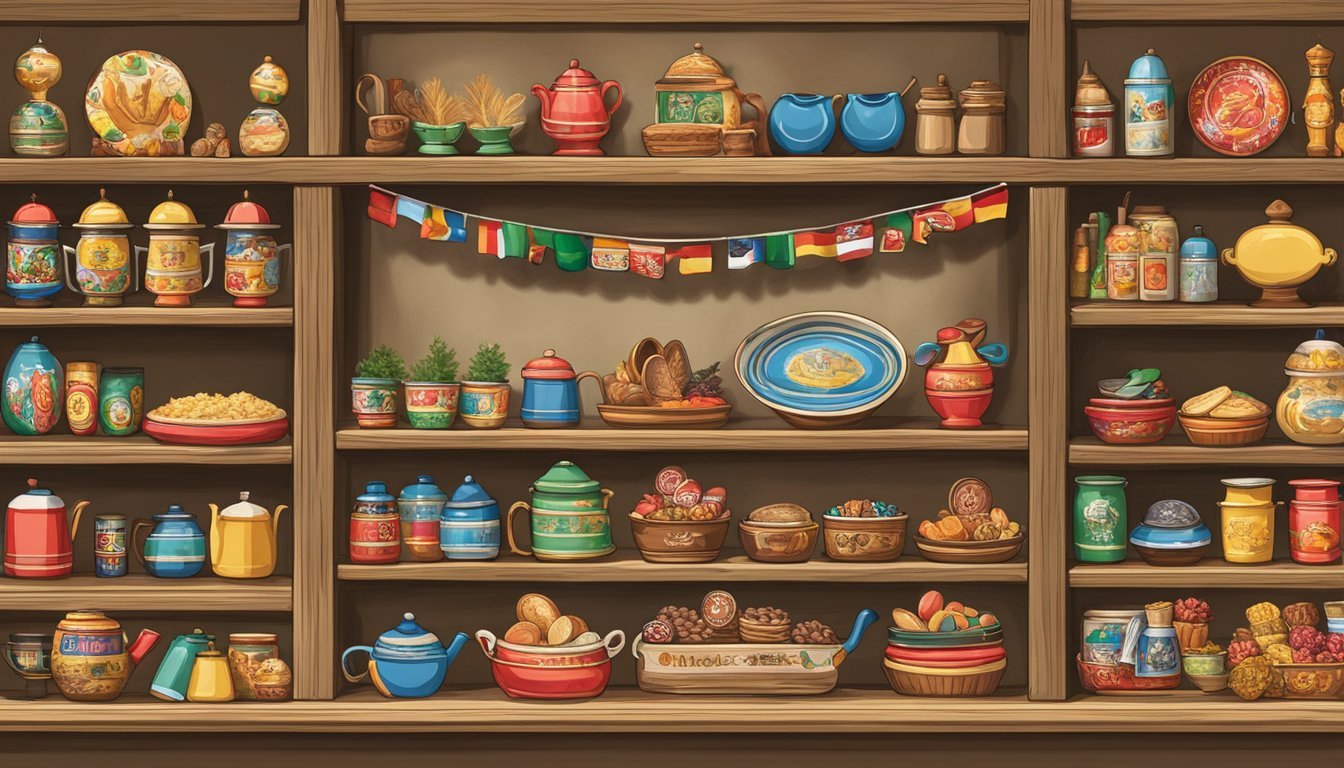
German craftsmanship is renowned for its quality and detail, particularly in toys and festive decorations. These items not only cater to whimsy and tradition but also serve as cherished gifts and keepsakes.
Toys for Children and Collectors
Nutcrackers: These ornamental figures made of wood, depict soldiers, knights, and kings. They hinge on a lever that 'cracks' a nut in the figure's mouth.
Steiff Toys: Renowned for their quality, Steiff Toys are collectible stuffed animals, including the iconic teddy bear. They usually bear the trademark "Button in Ear."
Wooden Toys: German wooden toys are durable and imaginative, designed to stimulate creative play. They range from puzzles to playsets.
Festive Decor and Ornaments
Christmas Ornaments: German Christmas markets are the source for exquisite ornaments. Glass baubles, wooden stars, and hand-painted figurines are common.
Decorative Items: From the incense-smoking figurines to the meticulously crafted Christmas pyramids, German festive decor is imbued with a sense of tradition and craft.
With productions from the Erzgebirge region, these items represent the pinnacle of German handicraft, often passed down through generations and gleaming with festive charm.
Authentic German Craftsmanship
German Texan gifts and souvenirs often marry the practicality of everyday items with the exceptional quality of traditional methods. They create products that are as robust in utility as they are rich in cultural heritage.
High-Quality German Crafted Goods
The standard for German craftsmanship sets a global benchmark, especially noted in Cuckoo Clocks and Beer Steins. Precision and attention to detail are hallmarks of these items. Crafted predominantly from the Black Forest, Cuckoo Clocks are renowned for their intricate woodcarvings and reliable mechanical movements. Beer Steins, on the other hand, are often made from Pewter or Porcelain, with a variety of styles reflecting regional differences and historical periods.
Cuckoo Clocks: Intricately carved designs, often showcasing scenes from nature or traditional folklore.
Beer Steins: Varieties including:
Pewter lids and porcelain bodies adorned with hand-painted motifs.
Limited edition steins that are prized by collectors worldwide.
Distinctive Artisan Work
Each piece of authentic German handicraft, whether a Hummel Figurine, a Steiff Toy, or Ritter Sport Chocolate, represents the unique flair of its Artisans. Hummel Figurines, born out of the artistic vision of Sister Maria Innocentia Hummel, are celebrated porcelain pieces with delicate expressions and gestures. Meanwhile, Steiff Toys embody high-quality plush toys, distinguishable by their signature "Button in Ear" trademark.
Hummel Figurines: Delicately painted porcelain figures, capturing whimsical childhood moments.
Steiff Toys: Plush animals that set the standard for lifelike and cuddly toys.
Famous German Brands
When thinking of German craftsmanship, the conversation is incomplete without mentioning iconic brands like Birkenstock Shoes and Crystal ware. Birkenstock shoes are comfort-focused, utilizing a contoured cork footbed that conforms to the wearer's foot. German Crystal, like that produced by Swarovski, is coveted for its precision-cut clarity and sparkling brilliance.
Birkenstock Shoes: Ergonomic design with durable leather uppers and a signature cork footbed.
Crystal: High-quality lead glass crystal, best displayed in items such as vases, glassware, and chandeliers.
Festive Treats and Delicacies to Take Home
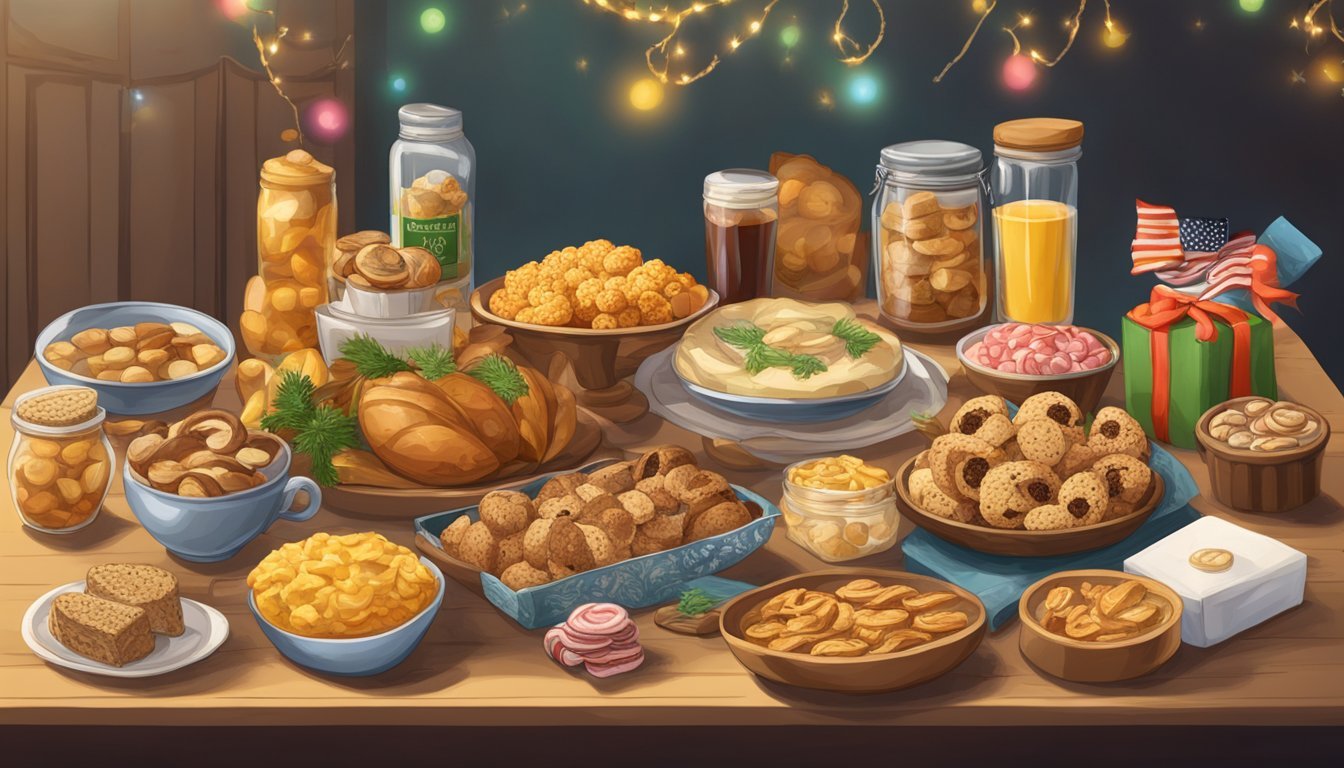
German Texan heritage offers a scrumptious fusion of cultures, particularly reflected in its festive treats and specialty beverages. They bring together the flavors of Germany and Texas, perfect for those looking to take home a piece of this unique culinary blend.
German Sweet Treats and Baked Goods
Lebkuchen: A staple in German confectionery, Lebkuchen are spicy gingerbread cookies often found in seasonal markets. They vary from simple, honey-sweetened cookies to elaborate, candy-coated hearts.
Black Forest Cake: Known as Schwarzwälder Kirschtorte in Germany, this indulgent dessert consists of layers of chocolate cake, whipped cream, and cherries. It’s a celebratory treat that offers a taste of Germany’s rich pastry tradition.
Chocolate: German chocolate is renowned for its quality. Festive treats like chocolate Santas or Easter Bunnies find their way into gift baskets, embodying the spirit of the holidays.
For those with dietary restrictions, there are also allergy-friendly versions of classic recipes available, ensuring everyone can enjoy these sweet treats.
Alcoholic Beverages and Specialties
German Tea: Aside from alcohol, German tea selections are an inviting gift choice. They often include a variety of herbal and fruit teas that are both comforting and refreshing.
Glühwein: A hot mulled wine, Glühwein is a Christmas market favorite. The warm beverage is infused with spices like cloves and cinnamon, and it captures the cozy essence of German winter traditions.
Feuerzangenbowle Set: This drink is not just about the flavor, but also the dramatic presentation. The set includes a bowl, tongs, and a burner to caramelize a sugarloaf soaked in rum, which is then dripped into mulled wine.
Many of these beverages are sold in beautifully crafted bottles or sets, making them aesthetically pleasing gifts as well as a taste experience.
The Significance of German Texan Heritage Sites
German Texan heritage sites serve as a testament to the rich cultural interweaving that has shaped the region. They provide a tangible connection to the traditions, festivals, and daily lives of Texas's German settlers.
Visiting Historical Locations
When one visits historical German Texan locations, they step into a world that preserves the architecture, language, and customs brought by German immigrants. The German Free School in Austin is an example, where the influence of German culture on local education is evident. Such sites offer not just a glimpse into the past, but they also act as educational resources for both members and visitors interested in the cultural history of German Texans.
Festivals and Cultural Celebrations
German heritage in Texas comes to life during various festivals and cultural celebrations throughout the year. The Oktoberfest and the St. Martin's Lantern Parade are significant events organized by the German-Texan Heritage Society. They highlight the German culture's enduring presence through music, food, and community gatherings. The largest of these is the Wurstfest in New Braunfels, attracting over 100,000 people to experience German Texan culture firsthand. These events present an invaluable opportunity for travel guides to showcase the fusion of German and Texan cultures, inviting travelers to not just observe but participate in longstanding traditions.