
5 Meal Prep Recipes Using Almond Meal
Easy and Nutritious Ideas

In the world of healthy eating and meal prep, almond meal has become an increasingly popular ingredient among home cooks and professional chefs alike. This finely ground product, made from raw almonds, offers a nutritious alternative to traditional wheat flour, packed with protein, fiber, and good fats. It's also a versatile staple in gluten-free and low-carb cooking, making it a valuable addition to any kitchen pantry.
Almond meal adds a subtly sweet, nutty flavor to dishes, enhancing recipes without overpowering them. It lends a moist texture and is ideal for creating dense baked goods, acting as a binding agent in meatballs, or providing a crispy crust for proteins. With its health benefits and culinary adaptability, almond meal is an excellent choice for those looking to diversify their meal prep routine with nutrient-dense ingredients.
The following meal prep recipes will demonstrate how almond meal can transform everyday cooking with its unique properties, including how it can be used to thicken sauces, fortify smoothies, or replace breadcrumbs. These recipes are designed to be straightforward, making weekday meals both easier and more enjoyable while maintaining a commitment to nutrition and taste.
Discovering Almond Meal
In the realm of health-conscious cooking and baking, almond meal has emerged as a versatile staple in the pantry. It's a gluten-free alternative to traditional flours, rich in protein and fiber, and favored for its low-carb profile.
What Is Almond Meal
Almond meal refers to ground almonds that have been processed with their skins on, resulting in a coarse texture. Unlike almond flour, its fine, blanched counterpart, almond meal maintains the nut's fiber content and natural oils, giving it a distinct texture and flavor. It's commonly used as a breading, for baking, or even as an additive to enhance nutrient density.
Almond Meal vs. Almond Flour
Although often used interchangeably, almond meal and almond flour have distinct differences:
Texture: Almond meal is coarser, while almond flour is finely ground.
Color: Almond meal has a speckled, brownish appearance due to the skins, as opposed to the pale, uniform almond flour.
Application: Almond flour is typically used for finer pastries and cakes, whereas almond meal suits robust, rustic dishes better.
Benefits of Almond Meal
Almond meal carries several nutritional benefits:
Gluten-Free: Ideal for those with gluten sensitivities or celiac disease.
Fiber: Each serving contains a significant amount of dietary fiber, necessary for digestive health.
Protein: A great source of plant-based protein, essential for muscle repair and growth.
Low-Carb: Lower in carbohydrates than traditional wheat flour, making it suitable for low-carb diets.
Versatile: Can be used in numerous recipes, from baking goods to crusts for meat or as a thickener in sauces.
Making Homemade Almond Meal
Preparing homemade almond meal is straightforward and efficient, offering a fresher, more cost-effective alternative to store-bought options. The two critical elements for success are the selection of high-quality almonds and the use of a capable high-speed blender.
Choosing The Right Almonds
To ensure the best outcome, one should opt for raw almonds. These almonds have not undergone any processing like roasting or salting, which can affect the texture and taste of the finished almond meal. It's ideal to use almonds that are fresh and of good quality to achieve a fine, even consistency in the meal.
Using a High-Speed Blender
The tool of choice for making almond meal is a high-speed blender. This type of blender can effortlessly grind the almonds into a fine powder without leaving large chunks. The process typically involves adding raw almonds to the blender and pulsing until the desired texture is reached. Users may need to stop periodically to shake the container or scrape down the sides, ensuring all almonds are finely ground.
Method:
Place raw almonds in the blender.
Pulse until almonds break down into fine meal.
Stop and shake or scrape sides as needed.
Continue blending to achieve uniform consistency.
Maintaining a balance between speed and control is essential; blending at too high a speed from the start can lead to uneven texture, while too slow might not yield the fine powder one expects from almond meal.
Storing Almond Meal
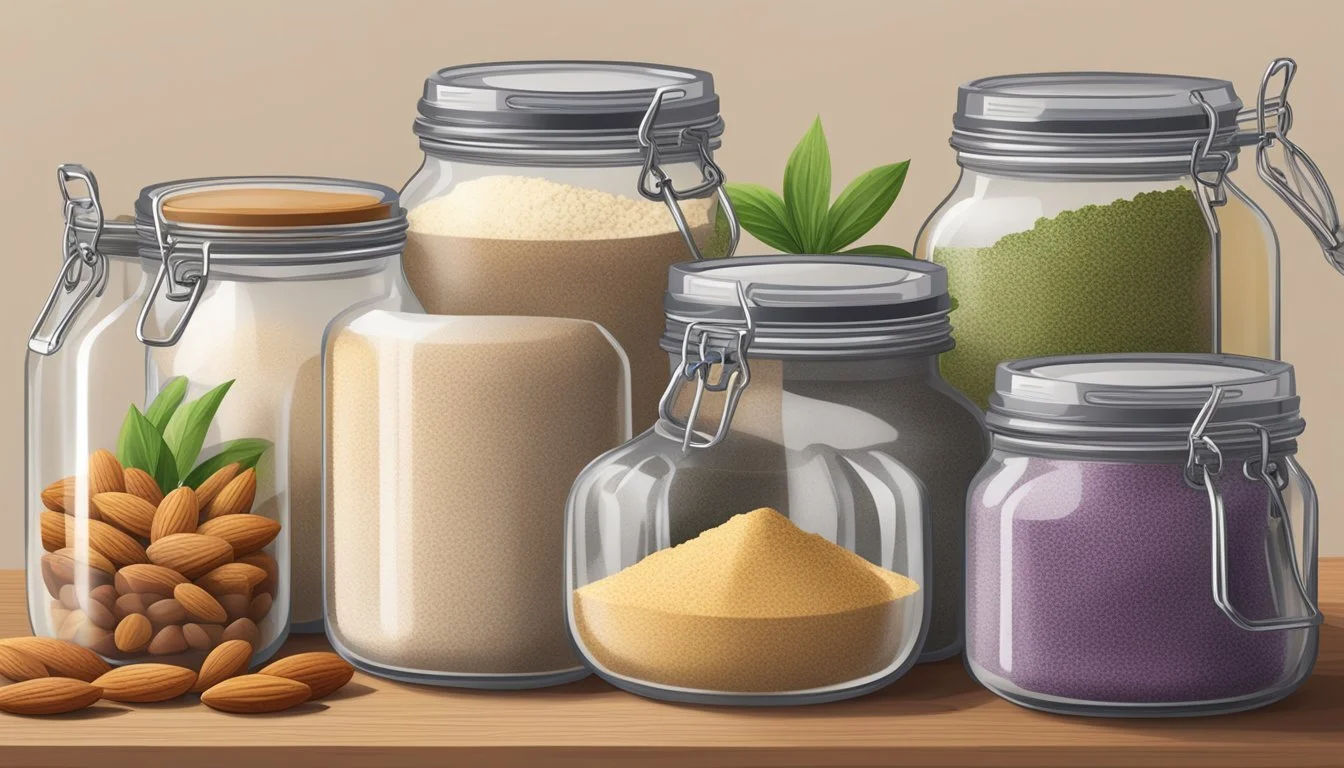
Proper storage of almond meal is crucial for maintaining its freshness and extending its shelf life, whether it's homemade or store-bought. The two main storage methods are in the pantry and in cooler environments like a refrigerator or freezer.
Pantry Storage
Almond meal can be stored in the pantry if it will be used relatively quickly. It should be kept in a cool, dark place away from direct sunlight to prevent the oils from going rancid. An airtight container is essential to prevent moisture and pests. Typically, almond meal can last up to one month in the pantry.
Refrigerator & Freezer Options
For longer-term storage, the refrigerator or freezer is recommended. In the refrigerator, almond meal should be placed in an airtight container or sealed plastic bag. This can extend the shelf life up to six months. The freezer offers the longest preservation, with almond meal staying fresh for up to a year when stored properly. Use a freezer-safe container or zip-top bag, squeezing out excess air to prevent freezer burn. When removing from the freezer, ensure the almond meal comes to room temperature to avoid any condensation before use.
Almond Meal in Baking
Incorporating almond meal into baking is a fantastic way to produce moist, flavorful, and gluten-free goods. It provides different characteristics than wheat flours, creating unique textures in cookies, muffins, scones, and cakes.
Benefits in Gluten-Free Baking
Almond meal has become a staple in gluten-free baking due to its nutritional benefits and the absence of gluten—a protein many people aim to avoid due to health concerns or dietary choices. Baked goods made with almond meal often contain more protein and healthy fats, which can help maintain satiety. Its fine, powdery nature creates tender crumbs in cakes and muffins while providing a rich, nutty flavor.
Baking Tips & Tricks
Successful baking with almond meal involves understanding its unique properties:
Hydration: Almond meal does not absorb liquid as wheat flour does, so recipes typically require less liquid.
Binding: Gluten-free recipes may require additional binding agents like eggs or xanthan gum to provide structure.
Leavening: Baking powder may be necessary to help products rise, as almond meal lacks the gluten needed for natural elasticity.
When baking with almond meal, monitoring the oven closely is advisable as products can brown quicker due to the higher fat content.
Swapping All-Purpose Flour for Almond Meal
Switching from all-purpose flour to almond meal can be challenging but rewarding. Here are specific guidelines for substitution:
All-Purpose Flour Almond Meal Additional Adjustments 1 cup 1 cup Reduce liquid by 25% Add 1 extra egg for binding Increase baking powder by 25% for lift
Remember, due to the lack of gluten, the end result will be denser and have a different texture. This swap works best for cookies, scones, and cakes that benefit from the meal's rich taste and moist crumb.
Meal Prep Recipes with Almond Meal
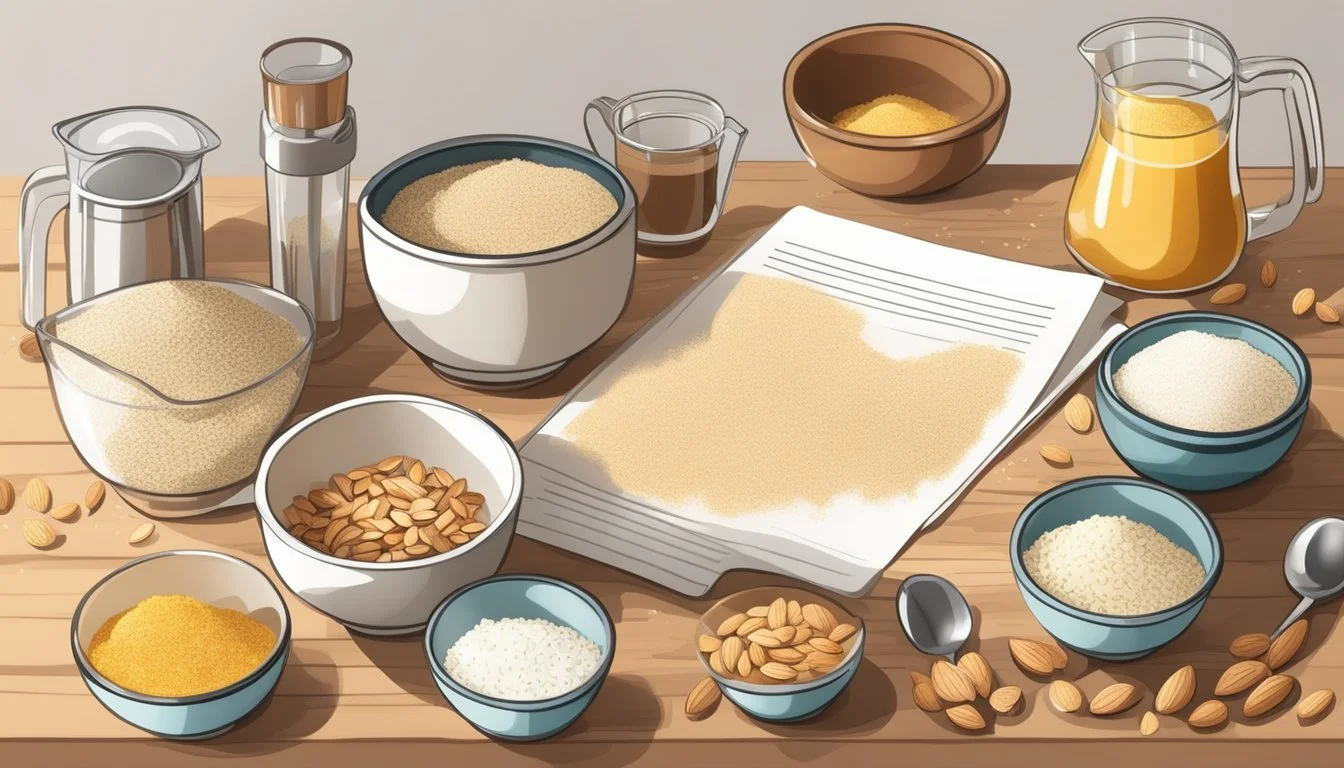
Almond meal is a versatile ingredient that can transform simple recipes into nutritious and satisfying meals. From savory entrees to sweet treats, these recipes showcase the range of dishes that can incorporate almond meal.
Vegan Almond Meal Pancakes
One can make vegan pancakes light and fluffy by utilizing almond meal as a primary ingredient. They can replace traditional flour, providing a source of protein and fiber. To enhance the pancakes, one might add a hint of vanilla extract and a choice of vegan milk to maintain the vegan integrity of the recipe.
Apricot Almond Muffins
Baked goods like Apricot Almond Muffins make for a delightful snack or breakfast option. The muffins can combine almond meal with diced apricots, lending a moist texture and fruity flavor. A standard mix of baking ingredients, such as baking powder and a pinch of salt, complements the almond meal and apricots.
Almond Meal Crusted Chicken
An almond meal crust offers a gluten-free alternative to traditional breadcrumb coatings for chicken. Combined with an array of herbs and spices, this preparation results in a savory, crunchy exterior for chicken breasts or tenders, perfect for a wholesome meal prep.
Gluten-Free Almond Meal Crackers
Crafting Gluten-Free Almond Meal Crackers is a straightforward process. This recipe usually includes mixing the almond meal with olive oil and seasonings of choice to create a dough. With a quick bake in the oven, these homemade crackers serve as an excellent gluten-free snack option.
Almond Meal Quick Breads
Quick breads featuring almond meal are an easy solution for a snack or a complement to a meal. These breads can be customized with add-ins like fresh or dried herbs, cheese, or olives for a savory loaf, while sweet variations might involve cinnamon or fruit. Almond meal gives these breads a moist and dense structure.
By utilizing almond meal in these recipes, one can prepare a range of delicious, health-conscious meals and snacks suitable for different dietary needs and preferences.
Additional Uses of Almond Meal
Almond meal proves to be a versatile ingredient beyond traditional baking. It offers a blend of texture and nutrition that can transform various dishes, adapting to roles that range from coatings to thickeners.
As a Bread Crumb Substitute
One can utilize almond meal as a healthier alternative to bread crumbs for a crispy crust. Its granular texture makes it ideal for coating fish, chicken, or pork. Mixing almond meal with a small proportion of panko can yield a crust that balances crunch with the unique nuttiness of almonds, enhancing both flavor and nutritional profile with added fiber.
Thickening Agent in Savory Dishes
Due to its fine texture, almond meal serves as an effective thickening agent in savory dishes, such as soups and stews. It imparts a subtle nutty taste while increasing the fiber content. When added to these dishes, almond meal blends in smoothly, thickening the liquid without altering the desired consistency.
Base for Grain-Free Granola
Almond meal can be a foundational component for grain-free granola. Combining almond meal with nuts, (What wine goes well with nuts?) seeds, and a binding agent like honey or syrup produces a granola that is crunchy and satisfying. One can incorporate dried fruit to create a sweet, chewy contrast to the crunchy nuts and seeds. This granola can be enjoyed as a cereal with milk, as a yogurt topping, or as a standalone snack.
Almond Meal for Special Diets
Almond meal serves as a versatile ingredient suitable for those adhering to specific dietary restrictions. It is particularly beneficial for low-carb and paleo diets due to its high fiber content, and its plant-based origin integrates well into vegetarian eating plans.
Low-Carb and Paleo Cooking
Almond meal is a low-carb alternative to traditional wheat flour, making it a go-to for individuals on carb-restricted diets. Paleo followers also embrace almond meal, as it is free from grains and processed ingredients. This nutrient-dense flour offers a source of healthy fats and fiber, contributing to the feeling of fullness and aiding in digestive health.
Key Attributes of Almond Meal in Low-Carb and Paleo Diets:
Low in carbohydrates
High in dietary fiber and healthy fats
Grain-free and gluten-free
Integrating into a Vegetarian Diet
Vegetarians often look to almond meal as a protein-rich flour substitute that can add a nutritional boost to meals. Given its plant-based nature, almond meal provides vegetarians with essential nutrients typical flours lack.
How Almond Meal Benefits Vegetarian Diets:
Protein: A valuable source for those cutting out meat.
Fiber: Helps maintain a healthy digestive system.
Versatility: Can be used in a variety of recipes from savory to sweet, making it easier for vegetarians to experiment with different meal preps.
Creative Almond Meal Enhancements
Almond meal can transform meal prep from mundane to exceptional with its versatile application in recipes. Here is how one can enhance almond meal by incorporating superfoods or by exploring sweet and savory flavor pairings.
Incorporating Superfoods
One can significantly boost the nutritional value of their almond meal by adding superfoods. Smoothies gain a rich, nutty flavor and a heartier consistency with a tablespoon of almond meal blended with fruits and leafy greens. For a fiber-rich additive, individuals may consider mixing almond meal with chia seeds or flaxseeds. These combinations not only enhance the texture but bring a wealth of omega-3 fatty acids to the meal.
Incorporating almond meal into yogurt can provide a satisfying crunch and protein boost. Combining it with acai berries or goji berries can increase the antioxidant profile of one’s breakfast or snack significantly.
Sweet and Savory Flavor Pairings
Almond meal's mild, nutty taste makes it ideal for both sweet and savory dishes. For savory recipes, mixing almond meal with olive oil, garlic powder, and a pinch of salt can create a delicious crust for meats or a topping for casseroles.
Sweet Pairings Savory Pairings Almond meal + maple syrup + vanilla extract Almond meal + olive oil + Herbs Almond meal + cinnamon + Honey Almond meal + tahini + Lemon Juice
For sweet options, almond meal can be married with maple syrup and a dash of vanilla extract to create delectable baked goods or a topping for oatmeal and pancakes. The inclusion of almond meal enriches the texture and imparts a subtle complexity to desserts and breakfast items.
Expert Tips on Almond Meal
Almond meal is a versatile ingredient in meal prep that can add nutrition and texture to a variety of recipes. Obtaining the right consistency and flavor is essential for maximum culinary benefit.
Achieving Finer Texture
To attain a finer texture with almond meal, one should start with the right kind of almonds. Blanched almonds, which are almonds with the skin removed, often result in a lighter color and a finer texture—qualities desirable for baking and cooking applications. When making almond meal at home, it's important to pulse almonds in a blender or food processor until they reach a fine powder-like consistency. To avoid turning it into almond butter, one must pulse in short bursts, check frequently, and give the machine a rest in between to prevent overheating.
Tip: Sifting homemade almond meal can separate larger pieces, which can be reprocessed to ensure a consistent fine texture throughout.
Optimizing Flavor
The flavor of almond meal is naturally nutty, and depending on the recipe, a cook might want to maintain that taste or aim for a more neutral flavor. When a subtler taste is preferred, one might choose blanched almonds, as the absence of skins can impart a more neutral flavor to the meal. This is particularly useful in recipes where the almond meal is not meant to overpower other ingredients.
Note: One should store almond meal in a cool, dry place or in the refrigerator to help preserve its flavor. If a recipe requires a toasted nuance, gently toasting almond meal in the oven before use can enhance its richness.
By paying attention to the type of almonds used and the processing method, cooks can ensure their almond meal enhances their meal prep with the desired texture and taste.
Interactive Learning

Interactive learning resources are invaluable for mastering meal prep recipes using almond meal. They offer visual aids and community engagement that can significantly enhance the cooking experience.
Video Tutorials
Video tutorials are a dynamic way of learning how to incorporate almond meal into meal prep recipes. Platforms such as YouTube present a wealth of instructional content, with chefs and home cooks demonstrating techniques step-by-step. One can observe the actual texture and color changes in almond meal during preparation, making it easier to replicate the dishes. The viewer can pause, rewind, and watch segments as often as needed to grasp the finer points of each recipe.
Social Media Inspiration
Instagram, with its focus on visuals, is an excellent source for culinary inspiration. Users can follow popular food bloggers and chefs who specialize in almond meal recipes to gain new ideas. They often share detailed recipe breakdowns within their posts or through Instagram Stories and Reels, providing quick and accessible guides. These social media influencers sometimes host live sessions where followers can ask questions in real-time, creating an interactive platform for learning and sharing tips on meal prepping with almond meal.
Planning and Preparation
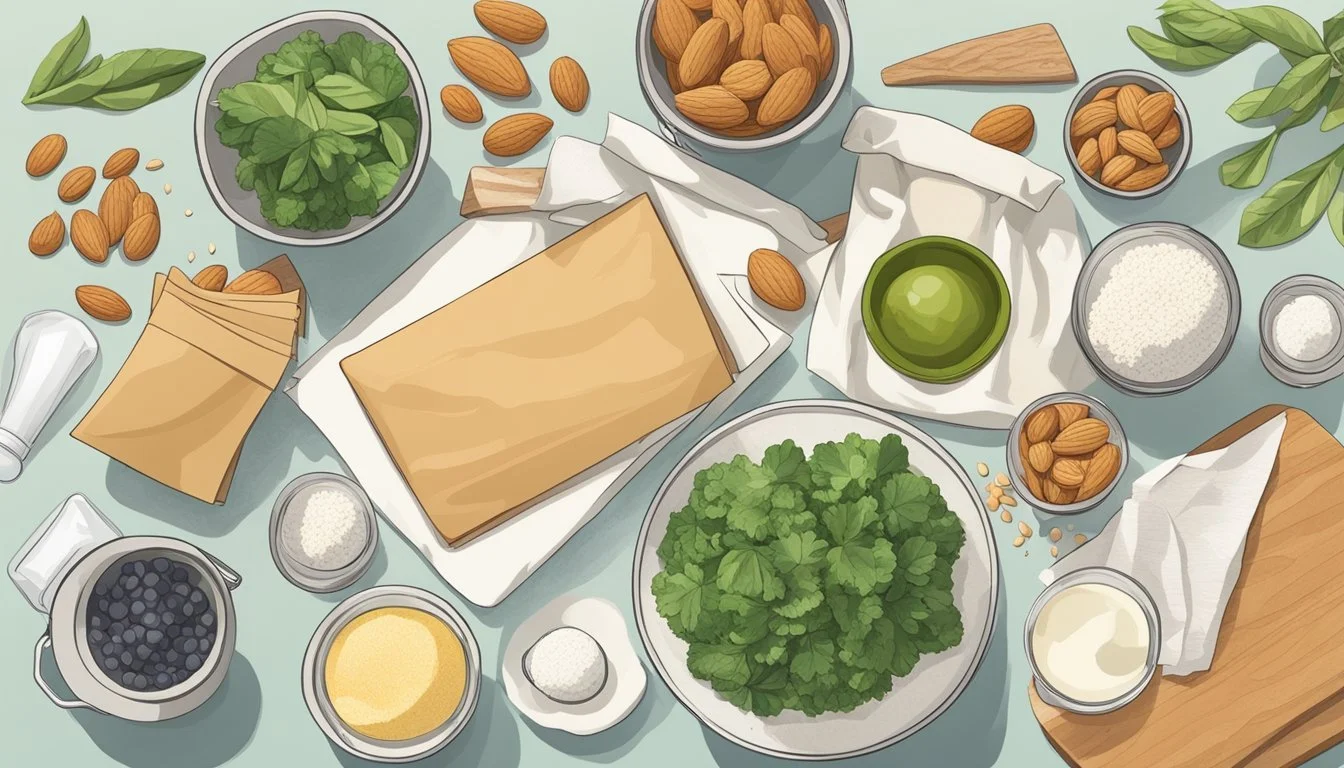
Meal prepping with almond meal is a wholesome approach to cooking that complements a variety of dietary requirements. Precise timing and adequate portions ensure a successful meal prep experience.
Estimating Prep and Total Time
Prep time: Typically ranges from 15-20 minutes. Almond meal’s fine texture makes it easy to mix and coat, reducing prep time.
Total time: Depends on cooking method; almond meal crust on proteins may add 20-30 minutes of baking, while almond meal in baking could extend total time by 30-45 minutes.
When incorporating almond meal, one can expect:
Recipe Component Estimated Prep Time Estimated Total Time Protein coating 5-10 minutes 25-40 minutes Baking mix-ins 10-15 minutes 40-60 minutes Breakfast items 10-20 minutes 30-50 minutes
Serving and Portion Advice
Servings: Almond meal recipes yield approximately 4-6 servings, ideal for individual meal prep.
Portion advice: Balance by including proteins, carbs, and vegetables for a satisfying meal.
For effective portion control:
Use scales or measuring cups for the almond meal: 1/4 cup per serving is a typical measure.
Proteins should be approximately 4-6 ounces per serving, ensuring that each portion is hearty.
Complement with at least half a cup of vegetables to round out the meal.
Proper planning and accurate proportions of almond meal enhance both flavor and nutrition, optimizing meal prep efforts for a productive week ahead.

