
7 Meal Prep Recipes Using Sunchokes
Quick, Nutritious Options for Busy Weekdays
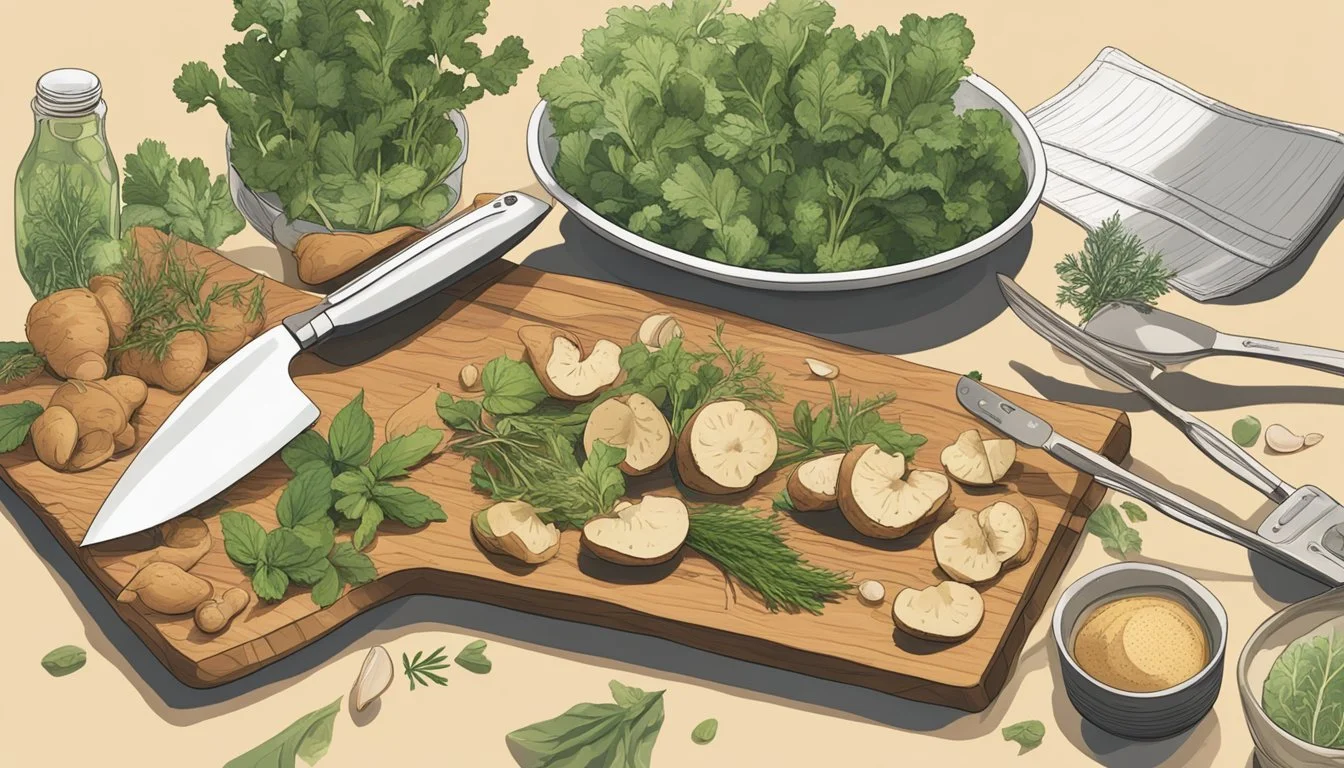
Sunchokes, also known as Jerusalem artichokes, are a versatile root vegetable that offer a wealth of nutrition and a unique flavor to any dish. These tubers are rich in iron, potassium, and a prebiotic fiber called inulin, which makes them a healthy addition to weekly meal preps. Their mildly sweet, nutty taste and a texture similar to that of a potato allows sunchokes to easily adapt to a variety of recipes, from soups and salads to roasted side dishes.
Meal prepping with sunchokes can be a creative way to incorporate more vegetables into one’s diet. They can be used as a lower-starch alternative to potatoes and other root vegetables, adding variety and nutritional value to meals. Since sunchokes can be eaten raw or cooked, their flexibility makes them ideal for batch cooking and using throughout the week.
The key to successfully including sunchokes in meal prep is understanding how to prepare them. Their thin, ginger-like skin does not necessarily require peeling, saving time and effort. Cooking methods such as roasting, boiling, or sautéing can all be effective, depending on the recipe. Whether one opts to make a sunchoke-infused alfredo sauce or a crunchy inclusion in a salad, these tubers are bound to become a staple for those looking to enrich their meals with flavor and nutrition.
Understanding Sunchokes
Sunchokes, also known as Jerusalem artichokes, are a tuber rich in nutrients and offer versatility in culinary applications. This section explores their nutritional profile and different varieties available.
Nutritional Benefits
Sunchokes are esteemed for their high fiber content, particularly containing a type of fiber known as inulin, which supports digestive health. They are also a good source of iron, vital for blood health, and potassium, which is crucial for heart function and muscle contractions. Additionally, sunchokes offer a modest amount of protein and vitamin C, contributing to their overall nutrient density.
Fiber: Supports digestion and can aid in controlling blood sugar levels.
Inulin: A prebiotic fiber that enhances gut health.
Iron: Essential for oxygen transport in the blood.
Potassium: Helps maintain normal blood pressure and muscle functions.
Protein: An essential building block for the body's tissues and muscles.
Vitamin C: Important for the immune system and skin health.
Sunchoke Varieties
While sunchokes may not boast a wide array of varieties like some other vegetables, there are still a number of cultivars that vary slightly in taste and appearance. Each variety has a unique quality, whether it's the tuber's color, size, or texture. The consistency of different varieties can range from crisp and nutty to smooth and creamy when cooked.
White Fuseau: Known for its elongated shape and smooth texture, excellent for purees.
Red Fuseau: Offers a similar shape to its white counterpart but with a reddish hue to the skin.
Stampede: A more knobby variety with a robust flavor, making it suitable for roasting or frying.
Selecting and Storing Sunchokes
When preparing sunchokes, one must ensure they are choosing the best ones and storing them correctly to maintain freshness. This will guarantee the sunchokes remain flavorful and firm for a variety of meal prep recipes.
How to Choose the Best Sunchokes
Selecting high-quality sunchokes begins with examining their skin and firmness. One should look for sunchokes that have a firm texture, as this indicates freshness. The skin should be smooth with minimal bruising or blemishes. Sunchokes are typically harvested in the fall and can be found fresh into the winter months, making this the optimal time to purchase them for the best quality.
Proper Storage Techniques
To store sunchokes effectively, one needs to create an environment that mimics their natural storage conditions in the ground. Place sunchokes in a cool, dry area if they will be used within a few days. For longer storage, they can be kept in a refrigerator's crisper drawer, wrapped loosely in a paper towel to absorb any excess moisture. To extend their freshness, store them in a container or plastic bag with some holes for ventilation. Remember not to wash sunchokes until right before use to prevent premature spoilage.
Preparation Basics
Proper preparation of sunchokes sets the stage for a variety of tasty and healthful meals. It is critical to properly clean and peel them as well as take measures to prevent oxidation, which can affect both the color and taste of this vegetable.
Cleaning and Peeling
Sunchokes should be thoroughly washed to remove any soil clinging to their knobbly surface. They can be scrubbed using a vegetable brush under running water. To peel or not to peel is often a personal choice, as the skin is edible. However, for a smoother texture in your meal prep recipes, peeling may be preferred. For peeling, a paring knife or a vegetable peeler works effectively.
Steps to Peel Sunchokes:
Scrub the sunchoke under cool, running water.
Gently peel off the skin, taking care not to remove too much of the flesh.
Rinse peeled sunchokes to remove any residual dirt.
Peeling is especially recommended for recipes that require a more refined texture, such as purées or soups.
Preventing Oxidation
Sunchokes tend to oxidize and change color when exposed to air, much like apples. To prevent this, peeled sunchokes can be placed in acidulated water—a mixture of water and a small amount of an acidic substance such as lemon juice or vinegar.
Acidulated Water Mixture:
1 quart of water
1 tablespoon of lemon juice or vinegar
Once peeled, they should be dropped into the acidulated water to keep their color consistent and fresh. This technique ensures that sunchokes retain their appealing appearance until they are cooked.
Cooking Techniques
When preparing sunchokes, the cooking technique can transform the tuber's earthy flavor and texture. Choosing the right method—whether roasting, boiling, or frying—can elevate meal prep to create diverse and flavorful dishes.
Roasting Sunchokes for Maximum Flavor
The method of roasting sunchokes is straightforward and brings out their natural sweetness. Preheat the oven to 425° Fahrenheit (220°C) and toss the sunchokes with olive oil, salt, and pepper. Spread them in a single layer on a baking sheet, ensuring they do not overlap. It typically takes about 20-30 minutes for the sunchokes to become golden and tender. Their roasted edges provide a satisfying crunch.
Creating Crispy Sunchoke Chips
To achieve crispy sunchoke chips, slice the sunchokes into thin pieces of approximately ¼-inch thickness. Toss with olive oil and thyme, and season with salt and pepper. Bake in a preheated 425° Fahrenheit oven on a parchment-lined baking sheet for about 30 to 35 minutes, flipping halfway through. The result should be evenly cooked, crisp chips.
Boiling and Steaming Methods
Boiled and steamed sunchokes offer a softer texture suitable for mashing or purees. For boiling, immerse the sunchokes in a pot of water and cook until they're crisp-tender. Alternatively, sunchokes can be steamed using a steamer basket over simmering water for a similar duration. Both methods typically require about 20 to 30 minutes depending on the size of the pieces. Season with salt and pepper during cooking to infuse flavor.
Frying for a Golden Crunch
Frying sunchokes can create a delightful golden exterior and a tender interior. In a large skillet, heat a generous amount of olive oil over medium heat. Add sliced sunchokes, ensuring not to overcrowd the pan, and fry until they're browned on both sides, taking about 4-5 minutes per side. Drain on paper towels and serve warm with a sprinkle of salt for a crunchy snack or side.
Recipe Ideas
Sunchokes, also known as Jerusalem artichokes, are versatile root vegetables that can be prepared in various ways to create delectable and nutritious meals. The following recipes highlight their nutty flavor and adaptability.
Roasted Sunchokes with Herbs
To create a simple yet flavorful side dish, one can roast sunchokes with a medley of herbs. Toss the sunchokes in olive oil, minced garlic, thyme, rosemary, and sage. Spread them on a baking sheet and roast until golden brown, enhancing their natural sweetness with the savory depth of the herbs.
Creamy Sunchoke Soup
For a rich and comforting soup, blend boiled sunchokes until smooth and integrate with cream to achieve a velvety texture. Adding aromatics like garlic and fresh parsley will impart a subtle layer of flavor. Season with salt and pepper to taste, and serve with a sprinkle of parmesan to garnish.
Sunchoke and Potato Mash
Combining mashed sunchokes and potatoes makes for a delicious twist on the classic mashed potatoes. Boil equal parts of each until tender, then mash with butter, cream, and seasonings. The inclusion of sunchokes adds a delightful nuttiness to the dish, making it an intriguing alternative to traditional mash.
Air Fryer Butter and Herb Smashed Sunchokes
For a crispy, yet tender snack or side, one can cook smashed sunchokes in an air fryer. After boiling the sunchokes, gently smash them and coat with melted butter, parsley, and garlic. Air-frying will give them a satisfying crunch, which can be further enhanced by sprinkling grated parmesan over the sunchokes midway through cooking.
Seasoning and Flavor Enhancements
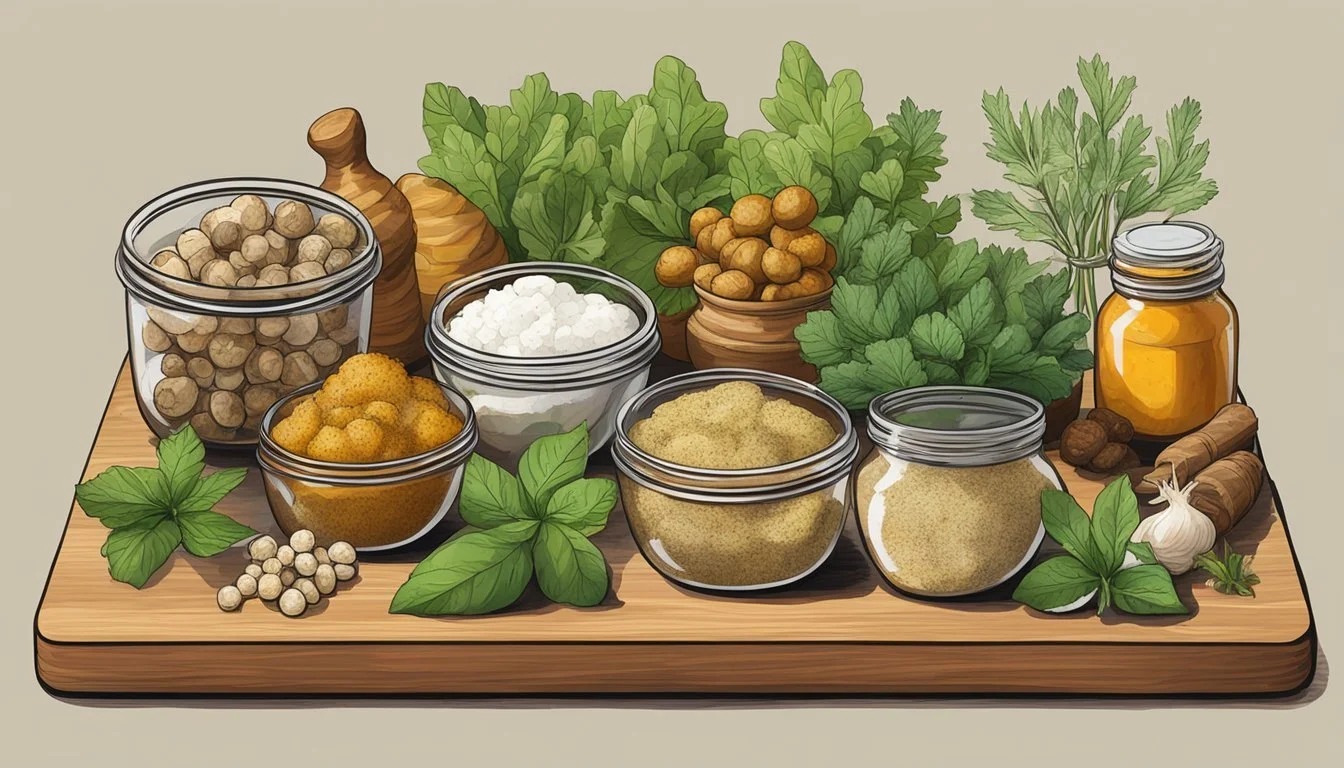
In preparing sunchokes, proper seasoning is essential for enhancing their unique nutty flavor. This section will explore how to use salt and pepper effectively, which herbs pair well with sunchokes, and the benefits of incorporating citrus for added freshness.
Optimal Salt and Pepper Usage
Proper seasoning with salt and pepper is crucial to achieving the full flavor potential of sunchokes. They respond well to:
A pinch of salt before roasting to draw out moisture and concentrate the flavor.
Freshly ground black pepper added just before serving to maintain its pungency and add a slight heat.
Using Herbs to Accentuate Nutty Tones
Herbs can bring out the inherent nutty flavor of sunchokes without overpowering it. Effective choices include:
Thyme: A few sprigs can be tossed with sunchokes during roasting.
Rosemary: It pairs well with root vegetables, lending an earthy touch to the dishes.
Herb Pairing Tips:
Use fresh herbs rather than dried for a more vibrant taste.
Chop them finely to ensure even distribution of flavor.
Incorporating Citrus for Freshness
The addition of citrus, particularly lemon juice, can elevate the natural flavors of sunchokes. Here is how to incorporate it:
A drizzle of lemon juice on roasted or boiled sunchokes adds a vibrant zing.
Including zest offers an aromatic brightness and cuts through the richness.
Citrus Usage Instructions:
Squeeze a quarter of a lemon over the sunchokes just before serving.
Zest should be sprinkled sparingly to avoid overpowering the dish.
Health Considerations and Dietary Tips
When incorporating sunchokes into meal prep recipes, one should be mindful of the macronutrient content and be aware of their potential to cause digestive sensitivity in some individuals.
Managing Macronutrients in Sunchoke Dishes
Sunchokes, also known as Jerusalem artichokes, are low in calories but high in carbohydrates. They have minimal fat content and are devoid of saturated and polyunsaturated fats, as well as cholesterol. These root vegetables are a source of inulin, a type of fiber that helps regulate blood sugar levels. When preparing sunchokes, it is essential to consider their impact on the dish's overall macronutrient profile:
Calories: Sunchokes are a low-calorie ingredient, beneficial for calorie-conscious diets.
Carbohydrates: They predominantly consist of carbohydrates, including fiber, which could affect individuals on a low-carb or ketogenic diet.
Fat: Sunchokes contain negligible amounts of fat, making them suitable for low-fat diet plans.
When crafting recipes, one can balance the meal by adding proteins or healthy fats to ensure a well-rounded nutritional profile.
Understanding Potential Digestive Sensitivities
Although sunchokes are nutritious, they can cause stomach discomfort in some individuals due to their high inulin content. Inulin is a prebiotic fiber beneficial for gut health but may also lead to gas or bloating in sensitive persons:
Inulin: Acts as a prebiotic fiber that may cause gas or bloating.
Stomach Discomfort: Individuals with a sensitivity to inulin should moderate their intake of sunchokes to prevent digestive issues.
Sodium and Sugar: Sunchokes are naturally low in sodium and sugar, making them a heart-healthy choice.
Cooking methods may influence the digestibility of sunchokes; therefore, experimenting with different cooking techniques, such as roasting or boiling, can help reduce the potential for digestive upset.
Serving Suggestions and Pairings
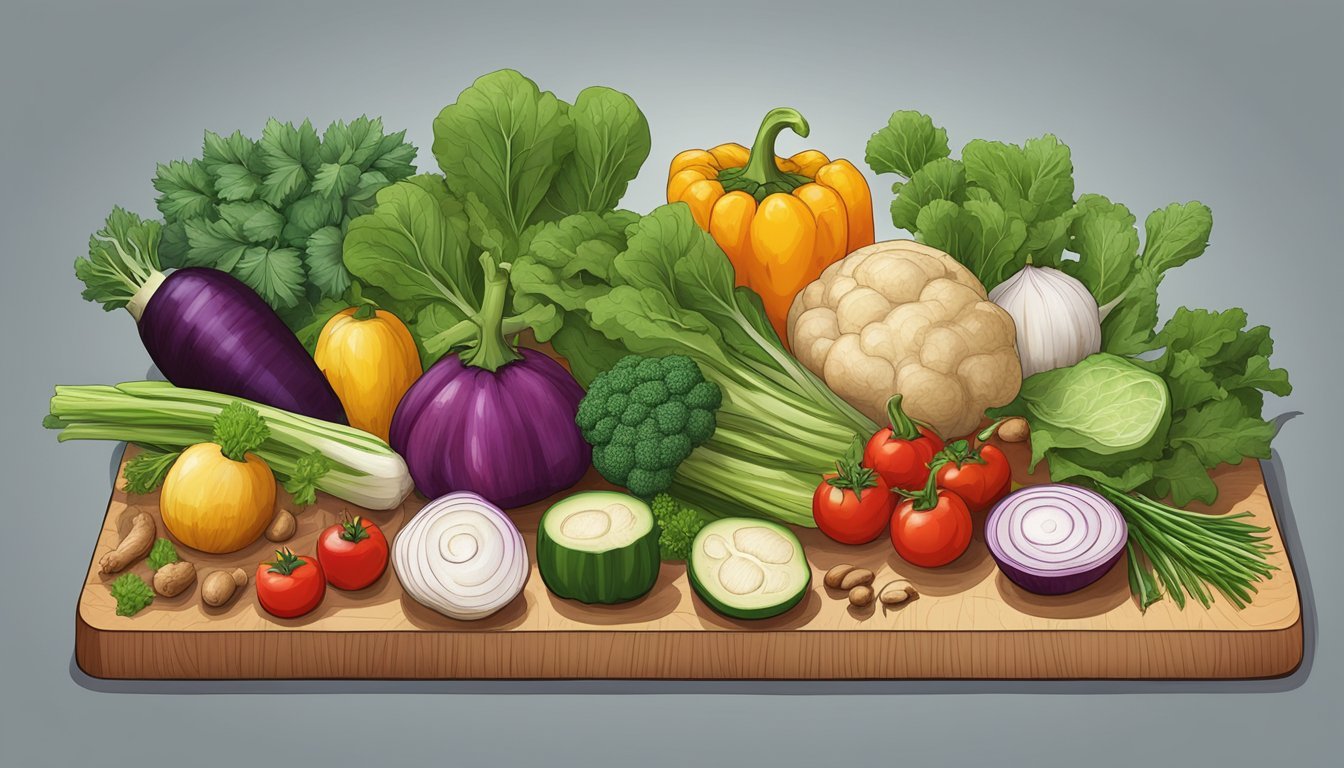
Sunchokes, with their nutty flavor and versatile texture, are wonderful additions to various meal preparations. They can be featured in both side dishes and main courses, offering a distinctive taste that pairs well with a myriad of ingredients.
Side Dishes to Complement Sunchokes
Sunchokes excel as a side dish, often roasted or mashed to bring out their earthy flavor. They harmonize with a range of seasonings and other vegetables.
Mashed Sunchokes: Blend sunchokes with potatoes, add a dash of fresh herbs such as rosemary or thyme, and finish with a drizzle of olive oil for a flavorful mash.
Sunchoke and Vegetable Medley: Combine roasted sunchokes with other root vegetables like carrots and beets, seasoned with garlic and a hint of citrus to enliven the palate.
Main Courses that Pair Well with Sunchokes
In main dishes, sunchokes contribute a satisfying depth of flavor. They can be incorporated into hearty soups or served alongside protein-rich foods for a balanced meal.
Protein Pairings: Sunchokes coordinate well with meaty textures. Serve them with roasted chicken (What wine goes well with roasted chicken?) or grilled steak, accentuating the main dish with their subtly sweet and nutty undertones.
Sunchoke Soup: Create a creamy sunchoke soup, incorporating ingredients like leeks and vegetable stock, and garnish with crispy sunchoke chips for added texture.
Sunchoke Handling and Cutting Techniques
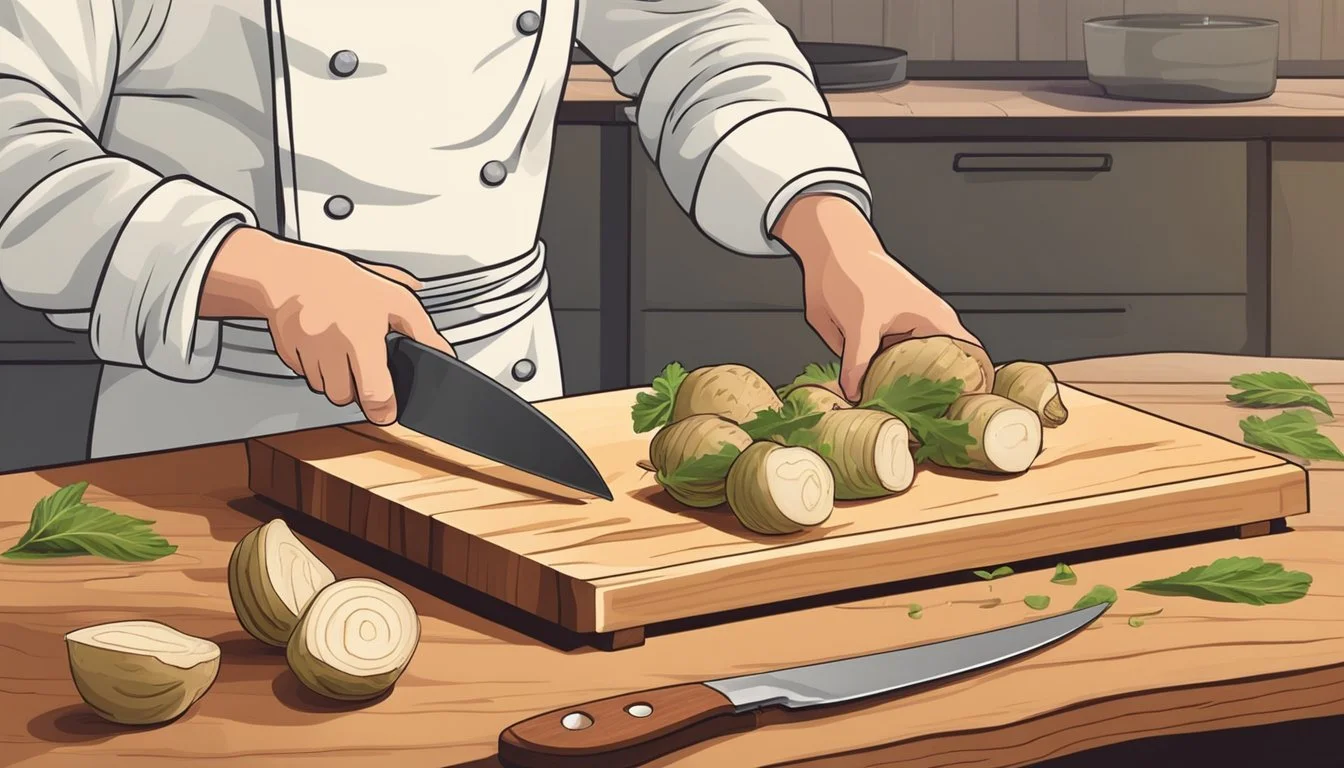
Before they start cooking with sunchokes, also known as Jerusalem artichokes, individuals should know the proper techniques for handling and cutting these tubers. Proper knife skills are essential for efficient and safe cutting.
Wash and Prep: First, chefs should thoroughly clean the sunchokes under cool running water to remove dirt. Since sunchokes can have irregular shapes, it’s important they are stable on the cutting board to prevent the knife from slipping.
Peeling (Optional): Peeling sunchokes is a personal preference. Their skin is edible, though some recipes may recommend peeling for texture. If peeling, a vegetable peeler works best.
Cutting Techniques:
Slices: For recipes requiring thin, even slices, such as chips or adding to salads, chefs should use a sharp knife to create 1/8 to 1/4 inch slices.
Dicing: For soups or mash, sunchokes can be cut into small, uniform cubes. This ensures even cooking.
Coins or Strips: For roasting, one might cut the sunchokes into coin-shaped pieces or strips. They should be consistent in thickness to ensure they roast evenly.
Cut Type Thickness Knife Technique Slices 1/8 to 1/4 inch Use a slicing motion with a sharp knife, keeping fingers tucked. Dices 1/2 inch cubes Cut slices first, then stack and make a series of vertical and horizontal cuts. Coins/Strips 1/4 inch Cut vertically down the sunchoke for coins, or create strips by cutting lengthwise.
Safety: Individuals should always be attentive when handling knives. They should keep fingertips curled away from the blade and use a claw grip to hold the vegetable.
Conclusion: By mastering these cutting techniques, anyone can handle and prepare sunchokes with confidence and ease, leading to a more enjoyable cooking experience.
Tips for First-Time Sunchoke Cooks
When beginners embark on the journey of cooking sunchokes, it's essential to grasp some fundamental best practices. A sunchoke, also known as a Jerusalem artichoke, is versatile and can be a delightful addition to your meal prep arsenal. Here are a few tips to ensure a successful experience:
Selection and Storage
Choose firm, blemish-free sunchokes.
They should be stored in a cool, dry place and used within a week.
Preparation Basics
Wash thoroughly: Sunchokes have a knobby surface that can trap dirt.
Peel or not: Peeling is optional but recommended for a smoother texture.
Prevent discoloration: To keep them from browning, place peeled sunchokes in water with a splash of lemon juice.
Cooking Techniques
To boil: Add them to salted boiling water and cook until tender, approximately 10-12 minutes. Size affects cooking time, so test individual pieces with a fork.
To roast: Cut into even slices, toss with oil, salt, and pepper, and roast until golden brown.
To sauté: Slice pre-boiled sunchokes and cook in olive oil over medium heat until browned, about 20 minutes, seasoning as they cook.
Flavor Pairing
Sunchokes pair splendidly with herbs like rosemary and thyme.
They complement earthy flavors (What wine goes well with earthy flavors?) such as garlic, and root vegetables, and work well in purees or mashed, similar to potatoes.
Final Touches
Prior to serving, they can be refreshed with a drizzle of olive oil or a sprinkle of freshly chopped herbs.
Keep these tips at hand, and they will guide any beginner through the initial venture into cooking sunchokes with confidence and ease.

