
How to Meal Prep for a Nutritarian Diet
Efficient Strategies for Plant-Based Planning
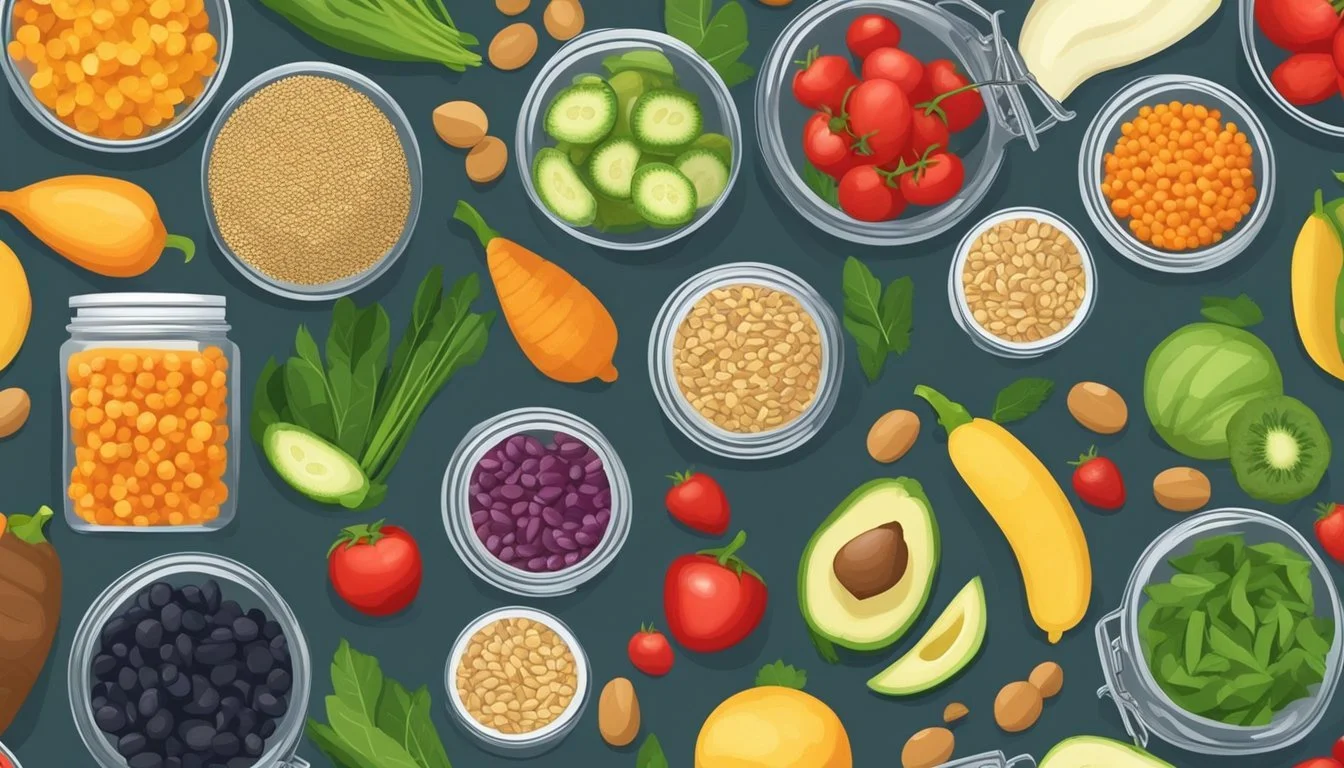
Embarking on a nutritarian diet, championed by Dr. Joel Fuhrman, requires a strategic approach to meal prep that emphasizes nutrient-dense foods. The nutritarian diet is designed to maximize the intake of vitamins, minerals, and antioxidants while promoting a healthy weight and overall well-being. Ensuring a diverse selection of raw and cooked vegetables, fruits, beans, legumes, nuts, and seeds is central to this diet. Meal prepping according to nutritarian principles means having a plan that accommodates the goal of consuming these whole food groups daily, with attention to quantity and balance.
Successful meal prepping on a nutritarian diet involves a systemized routine that simplifies the process of incorporating a variety of nutrient-rich foods. One method is to adopt a batch cooking approach, where larger quantities of staple ingredients are prepared ahead of time for use throughout the week. This not only saves time but also encourages adherence to the diet by having ready-to-eat, healthful options at hand. Vegetables can be washed and chopped for salads or cooked dishes, while beans can be pre-cooked and stored for inclusion in meals at a moment's notice.
A daily salad is a cornerstone of the nutritarian diet, often accompanied by generous portions of greens and other colorful veggies to ensure adequate consumption of fiber and phytochemicals. Emphasis is placed on limiting the intake of starchy vegetables, grains, and raw nuts to specific portions to maintain optimal nutrient density relative to caloric intake. By prepping ingredients in advance and planning meals that align with these guidelines, individuals can effectively maintain a nutritarian lifestyle.
What Is a Nutritarian Diet?
The Nutritarian diet is a health blueprint that aims for nutritional excellence, pioneered by Dr. Joel Fuhrman. It underscores the importance of foods with high nutrient densities — the ratio of nutrients relative to calories. Followers of this diet prioritize the consumption of whole, plant-based items that provide abundant vitamins and essential nutrients with relatively low caloric content.
Key Components of the Nutritarian Diet:
Vegetables: They form the base of the diet, particularly leafy greens, which are rich sources of minerals, antioxidants, and fiber.
Fruits: A variety of fruits contribute to an array of vitamins and phytochemicals, supporting overall health.
Legumes: Beans, lentils, and other legumes are highlighted for their protein content and their role in promoting satiety.
Nuts and Seeds: Included for their fats, these are essential for absorption of fat-soluble vitamins, brain health, and cell functions.
Whole Grains: Consumed in moderation, they are a source of additional fiber and nutrients.
This dietary approach encourages one to 'Eat to Live', rather than living to eat, focusing on the nutritive value of foods rather than simply caloric content. The Nutritarian diet also discourages processed foods, added sugars, and excessive salt, supporting the body’s natural processes and reducing the risk of chronic diseases.
Emphasizing healthy eating habits, the Nutritarian diet lends itself well to meal prepping, where individuals can prepare and plan their meals around these nutrient-dense guidelines, ensuring their dietary choices are aligned with their health goals.
Benefits of a Nutritarian Diet
A Nutritarian Diet focuses on high-nutrient, plant-based foods that can lead to substantial health benefits. This diet prioritizes fruits, vegetables, legumes, seeds, and nuts, which are all rich in vitamins, minerals, and antioxidants. Such a dietary approach can have a positive impact on weight management, with many finding it aids in natural weight loss due to the emphasis on low-calorie, nutrient-dense foods.
Cardiovascular Health: By incorporating healthy fats and reducing intake of processed foods, individuals may see a decrease in cholesterol levels, contributing to a lower risk of heart disease. The diet's plant-based nature supports a healthy blood pressure range, potentially reducing the risk of hypertension.
Blood Sugar Control: The restriction of processed grains and sugars also helps in regulating blood sugar, which is beneficial for those managing diabetes.
Cancer Prevention: High intake of fruits and vegetables has been correlated with a reduced risk of certain cancers. The phytochemicals found in these food groups are known for their role in prevention.
Longevity and Aging: With the focus on nutrient-dense foods, a Nutritarian Diet might influence longevity and promote healthy aging by reducing the risk of chronic diseases and by providing nutrients that can mitigate age-related cellular damage.
It should be noted that while research points to these benefits, individual experiences may vary and it’s important to tailor dietary practices to one’s specific health needs. Consulting with a healthcare provider is advisable when making significant dietary changes.
Essential Components of a Nutritarian Diet
The Nutritarian Diet emphasizes nutrient-dense, plant-based foods while limiting animal products and processed items. It's designed to optimize health by providing a rich spectrum of vitamins, minerals, and phytochemicals.
G-BOMBS: Greens, Beans, Onions, Mushrooms, Berries, Seeds and Nuts
Greens: Leafy vegetables like kale and spinach offer high doses of fiber and phytochemicals.
Beans: A staple for fiber and protein, they support digestive health and blood sugar control.
Onions: Rich in flavonoids, they contribute to a strong immune system.
Mushrooms: Valued for their anti-cancer properties and high in vitamins.
Berries: The best source of antioxidants among fruits, aiding in cellular repair.
Seeds and Nuts: Packed with healthy fats, particularly omega-3 fatty acids, and essential nutrients.
Additional Nutritarian Foods
Fruits: A variety of other fruits beyond berries should be consumed for their vitamin and mineral content.
Vegetables: A broad spectrum, especially cruciferous ones, provides extensive nutrients.
Whole Grains and Legumes: Integral for fiber content and maintaining a feeling of fullness.
Avocado: A source of healthy fats and helps absorption of other nutrients.
Foods to Avoid
Meat, Dairy, and Eggs: Consumption of these animal products is limited or avoided.
Processed Foods: This category, along with added sugars, salt, and oils, should be minimized.
Understanding Nutrient Density
Nutrient density is the ratio of nutrients compared to the calorie content of food. Nutritarian Diet focuses on food with high nutrient density, meaning more vitamins and minerals per calorie.
Smart Supplementation
Supplementation may be necessary to fill any nutritional gaps left by a plant-based diet, focusing on nutrients like B12, D3, and omega-3s.
Hydration Options
Water: The primary source of hydration.
Juices: Limited to those without added sugars or preservatives.
Coffee: Can be consumed in moderation, without creamers or sweeteners.
Natural Flavors and Spices
Herbs and Spices: Used to enhance flavor without adding sodium or sugar.
Tomatoes: Can be utilized in sauces and dressings as a natural flavor enhancer.
Navigating Occasional Indulgences
While the diet promotes healthful eating, occasional treats like dark chocolate or a dessert sweetened with honey or fruit may be acceptable within the context of an overall nutrient-rich diet.
Setting Up Your Nutritarian Kitchen

A Nutritarian kitchen focuses on whole, nutrient-dense foods, requiring an organized system for both pantry and refrigeration to streamline meal prep. Here's how to set up your kitchen for success on a Nutritarian diet.
Organizing the Pantry
A well-organized pantry starts with clearing out non-compliant foods and dedicating space to Nutritarian essentials. Use clear containers and labels for easy identification. Prioritize placement based on food categories with an emphasis on whole grains, beans, seeds, nuts, and legumes.
Grains: Stackable containers holding quinoa, brown rice, and rolled oats.
Legumes: Bins for various dried beans and lentils.
Seeds and Nuts: Small, airtight containers for chia seeds, flaxseeds, walnuts, and almonds.
Meal Prep: Designate a section for prepped dry ingredients and mixtures for the week.
Having a visual shopping list posted in the pantry ensures restocking focuses on Nutritarian essentials and supports meal prep planning.
Stocking the Fridge
The fridge should be stocked with a range of nutrient-rich fresh produce. Plan sections for preserved or pre-made meal components and group similar foods together.
Fresh Fruits: Designated bins for apples, berries, and citrus fruits.
Leafy Greens: Crisp drawer filled with kale, spinach, and mixed greens for salads.
Vegetables: Organized space for an array of colorful vegetables, emphasizing variety for nutrient intake.
Meal Prep: A reserved shelf for batch-prepped dishes for easy grab-and-go access during the week.
Regularly check the fridge to ensure freshness and reduce waste, aligning with the Nutritarian ethos of eating the highest-nutrient foods.
Essential Equipment and Tools
The right equipment can make meal prep more efficient and enjoyable. Stock essential tools that support a Nutritarian lifestyle.
Blenders and Processors: For smoothies and dressings using fruits, vegetables, and nuts.
Quality Knives: A set for chopping and preparing a variety of produce.
Cookware: Durable, non-stick pots and pans for oil-free cooking.
Keep tools within reach and maintain them well to facilitate a seamless cooking experience.
Meal Planning and Prep Strategies
Crafting a comprehensive meal strategy is crucial for adhering to a Nutritarian diet, which emphasizes nutrient-dense, whole foods. The following strategies focus on optimizing meal preparation to maintain a balanced diet rich in vegetables, fruits, beans, nuts, and seeds.
Creating a Weekly Meal Plan
To stay on track with the Nutritarian diet, one should allocate time each week to develop a meal plan that incorporates a variety of colorful vegetables, fiber-packed fruits, and sufficient plant-based proteins. A structured meal plan might look like this for each day:
Breakfast: A smoothie with spinach, berries, flaxseeds, and almond milk.
Lunch: A large salad with mixed greens, chickpeas, avocado, and an assortment of vegetables.
Dinner: Steamed kale, a quinoa and lentil pilaf, and a side of fruit.
Batch Cooking and Storage Techniques Batch cooking is an efficient way to prepare multiple Nutritarian meals at once. Key techniques include:
Cooking legumes in large quantities to use as a protein source throughout the week.
Steaming a variety of greens to quickly add to any meal for enhanced nutritional value.
Storing pre-cooked meals in clear, airtight containers that portion out servings appropriately.
Prepping Whole Food Snacks
For convenient snacking, plan for natural, nutrient-rich options such as raw vegetables with hummus, fresh fruit, and a limited amount of raw nuts and seeds. Pre-portion these snacks into small bags or containers to control serving size and ensure readiness.
Planning for Eating Out
When eating away from home, researching Nutritarian-friendly restaurants or menu options in advance is key. Look for dishes rich in vegetables, lean on healthy fats from nuts and avocados, and opt for whole food choices, avoiding heavily processed items. Consider carrying a small container of nuts or seeds to supplement meals if necessary.
Example Nutritarian Recipes
Embarking on a nutritarian diet involves emphasizing meals rich in nutrients, mostly from plant-based whole foods. These recipes are designed to align with the principles of maximizing nutrient intake through vegetables, fruits, beans, nuts, and seeds.
Breakfast Ideas
For breakfast, one can start the day with a nutrient-packed green smoothie. This might consist of:
1 cup of leafy greens like spinach or kale
1/2 cup mixed berries for natural sweetness and antioxidants
1 tablespoon of ground flaxseeds or chia seeds for omega-3 fatty acids
1 cup of almond milk or water for blending
Alternatively, a nutritarian might opt for a bowl of oats topped with a handful of nuts and fresh slices of fruit like apples or bananas.
Lunch Selections
Lunch can feature a variety of salads loaded with vegetables. An example could be:
Mixed greens such as arugula and romaine
Slices of colorful bell peppers and cherry tomatoes
A good source of protein like 1 cup of chickpeas or other legumes
Homemade dressing made from blended orange juice, balsamic vinegar, and a sprinkling of nutritional yeast
Nutritious Dinners
For dinner, a nutritarian might prepare a stir-fry brimming with vegetables like broccoli, carrots, and mushrooms, complemented with 1 cup of tofu for protein, seasoned lightly with soy sauce, garlic, and ginger. Another dinner option includes a hearty bean soup filled with kidney beans, lentils, chard, and celery, seasoned with herbs like thyme and bay leaves for flavor.
Healthy Desserts
Dessert in a nutritarian diet typically revolves around fruit due to its nutrient density. A simple dessert could just be a colorful fruit salad including the likes of mango, kiwi, and berries. For a more indulgent yet healthy option, blend frozen bananas into a creamy ice cream substitute, optionally garnished with a sprinkle of cinnamon.
Tips for Staying Committed to the Nutritarian Lifestyle
Adopting a nutritarian diet by Dr. Joel Fuhrman requires more than just a desire for weight loss—it's a commitment to consistent and healthy eating. It involves navigating cravings and social settings, establishing a support network, using available resources effectively, and potentially incorporating a detox program to reinforce the diet's principles.
Dealing with Cravings and Social Pressure
Understand Triggers: Recognize the situations and emotions that trigger cravings. Keep nutritarian-friendly snacks on hand to prevent falling back into old habits.
Social Strategies: Be prepared with explanations for your dietary choices to gracefully handle social events. Advocate for your health by suggesting nutritarian-friendly venues or offering to bring a dish.
Building a Support Network
Community Membership: Join online communities or local groups that follow the nutritarian lifestyle. Sharing experiences can provide motivation and accountability.
Family Involvement: Involve household members by preparing meals together, ensuring that everyone understands the importance of sustainable, healthy eating.
Leveraging Resources and Books
Consult "Eat to Live": Dr. Fuhrman's book "Eat to Live" offers recipes and science-backed insights. Use it as a foundational guide to meal planning.
Further Reading: Expand knowledge through a range of resources like Dr. Fuhrman's "Eat for Life" to stay informed on the latest nutritarian practices.
Considering a Detox Program
Structured Transition: For those new to the nutritarian lifestyle, a guided detox program can provide a structured start, which might be helpful in adopting the diet's principles more robustly.
Reinforce Habits: Periodic participation in detox programs can help reinforce the commitment to nutrient-dense, plant-rich eating by resetting taste preferences away from processed foods.
Addressing Common Challenges and FAQs
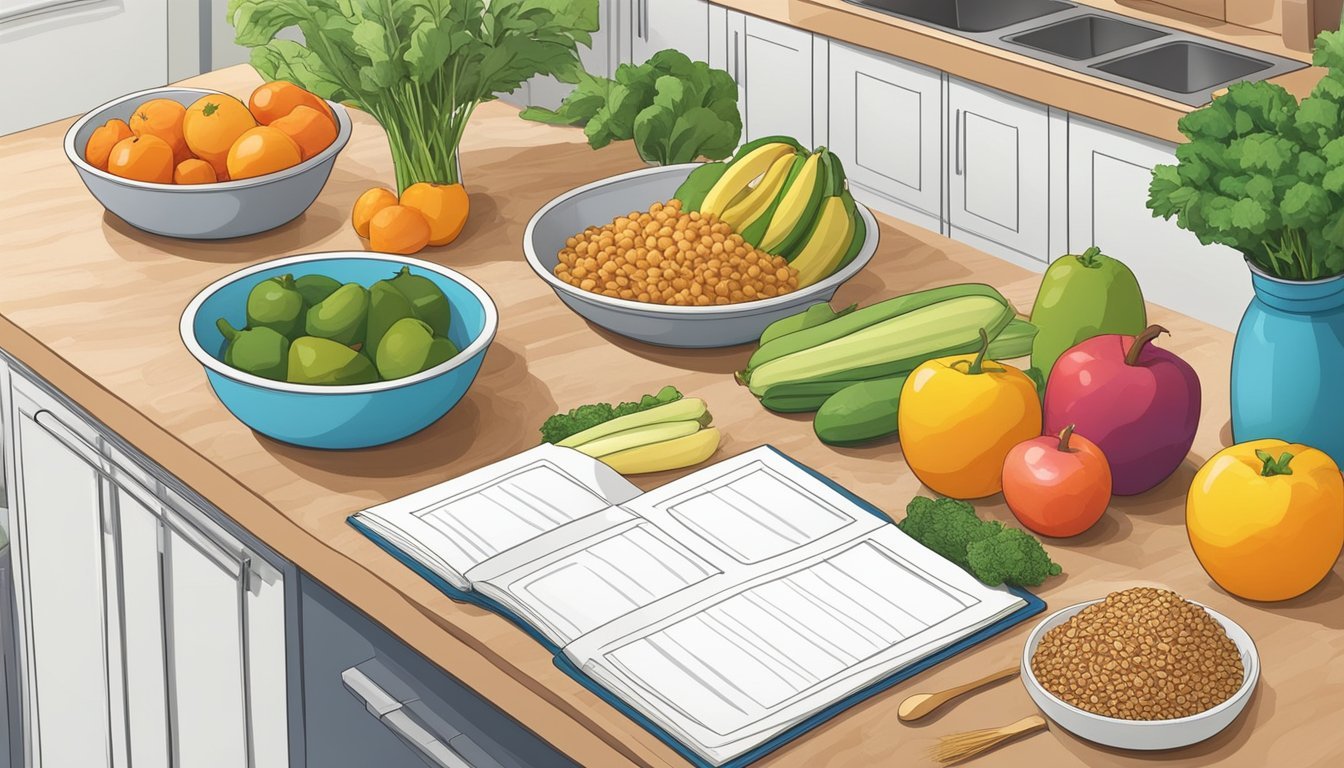
Embarking on a nutritarian diet invites questions and challenges, especially concerning weight-loss plateaus, managing pre-existing conditions, traveling, and finding the right ingredients. The following subsections aim to provide clear answers and strategies for a smoother journey on the nutritarian path.
Handling Weight-Loss Plateaus
Individuals often experience weight-loss plateaus after initial success on a nutritarian diet. Persistent adherence to consuming high-nutrient, whole foods is crucial. If weight loss stalls, re-evaluating portion sizes and ensuring a diverse intake of vegetables, fruits, beans, seeds, and nuts can help reignite progress. Additionally, incorporating regular physical activity can aid in overcoming plateaus.
Adapting to a Nutritarian Diet with Pre-existing Conditions
Those with chronic illnesses, such as heart disease or diabetes, may need to tailor the nutritarian diet to their specific needs. For instance, patients with diabetes should monitor their fruit intake to manage blood sugar levels. Gluten-free options are plentiful in the nutritarian diet, catering to those with gluten sensitivities or celiac disease. Consulting with a healthcare provider is recommended to ensure the diet aligns with medical advice and supports overall health.
Navigating a Nutritarian Diet While Traveling
Maintaining a nutritarian diet while traveling requires planning. Individuals can research plant-based and vegan dining options beforehand or opt to stay in accommodations with kitchen facilities to prepare their own meals. Travelers might pack non-perishable nutritarian snacks like nuts and dried fruits (What wine goes well with nuts and dried fruits?) to stay on track during their journey.
Sourcing Nutritarian Ingredients
Finding the right ingredients is fundamental for adhering to a nutritarian diet. The diet emphasizes natural, whole foods, which can be sourced from local farmers’ markets, health food stores, and increasingly, conventional supermarkets. Individuals seeking organic and non-GMO products should look for certified labels to ensure quality and adherence to nutritarian principles.

