
Meal Prepping for Yogis
Plant-Based Recipes for Optimal Nutrition
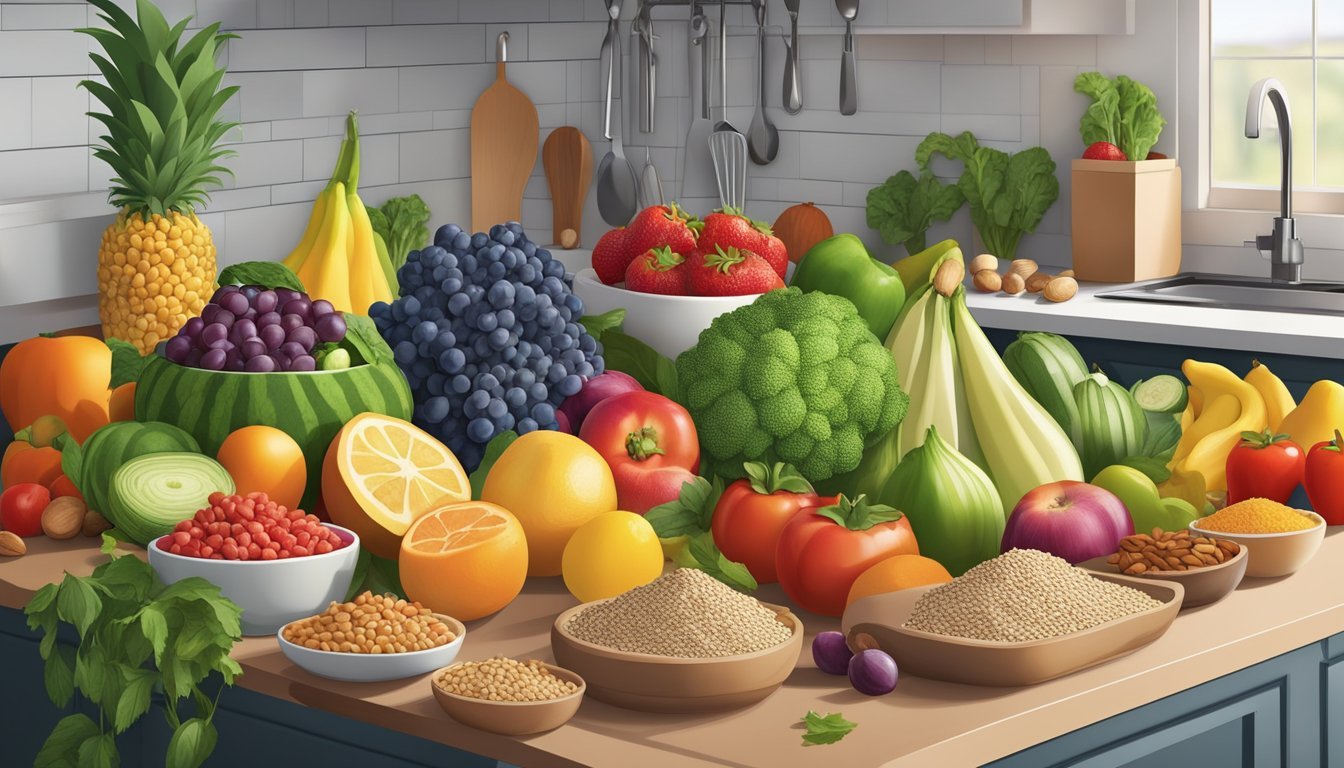
Meal prepping is a practical approach to maintaining a balanced diet, especially for yogis who aim to align their nutritional needs with their physical and spiritual practices. The philosophy behind yoga advocates for a mindful way of living that extends beyond the mat, encompassing how one nourishes the body. A plant-based diet, rich in nutrients, optimizes health and supports the heightened awareness and connection that yoga promotes.
By focusing on nutrient-rich recipes through meal prepping, yogis can ensure they have access to nourishing foods that fit their active lifestyle. The preparation of meals in advance streamlines the process, saving time and making it easier to resist less healthy, convenience foods. Plant-based meals, particularly those high in protein, can provide the energy necessary to sustain a rigorous yoga routine while also delivering essential vitamins and antioxidants for recovery and wellbeing.
In designing meals for a yoga-centric lifestyle, key components like proteins from legumes, complex carbohydrates from whole grains, and a variety of fruits and vegetables are foundational. These ingredients not only contribute to overall health but also support a sustainable and ethical way of eating. Meal prepping with these plant-based options allows for a varied diet that can be adapted to individual nutritional requirements, ensuring that each yoga practitioner can personalize their food intake to support their unique path.
Understanding Plant-Based Diets

In a plant-based diet, the importance lies in getting a wide range of nutrients from vegetables, grains, beans, and legumes. This section will explore the components and advantages of such a diet.
Essentials of Plant-Based Nutrition
Protein: Despite popular belief, a variety of plant-based sources can meet protein needs. They include beans, lentils, and soy products like tofu. Grains such as quinoa (What wine goes well with quinoa?) and buckwheat are also protein-rich.
Fat: Healthy fats are necessary for overall health and can be found in nuts, seeds, and avocados. These sources provide essential fatty acids and help in the absorption of fat-soluble vitamins.
Vitamins and Minerals: Plant-based diets are high in vitamins like C and E, folate, potassium, and magnesium. Leafy greens and almonds, for instance, are good sources of calcium. Nutritional yeast and fortified plant milks often provide vitamin B12.
Antioxidants: Abundant in a plant-based diet, antioxidants from fruits and vegetables, like berries and leafy greens, combat oxidative stress.
Benefits of Plant-Based Eating
Health Benefits: Adopting a plant-based diet can contribute to a healthy lifestyle by promoting a healthier weight, reducing inflammation, and lowering the risk of chronic diseases such as type 2 diabetes and heart disease.
Environmental Impact: A plant-based diet is generally regarded as more sustainable than diets high in animal products due to lower greenhouse gas emissions and reduced land and water use.
Nutritional Needs: When well-planned, a plant-based diet can meet all nutritional needs, providing adequate protein, essential fats, vitamins, and minerals for yogis and non-yogis alike.
In summary, a diet centered around plant-based ingredients supports a sustainable, healthy lifestyle and provides all the necessary nutrients needed for optimal health.
Meal Prepping Basics

For individuals practicing yoga, aligning their diet with their holistic lifestyle is essential. Meal prepping ensures a consistent intake of nutritious plant-based foods that support their well-being.
Getting Started with Meal Prepping
Initiating meal prep involves planning meals for the week and gathering all necessary ingredients in one shopping trip. This approach decreases food waste as practitioners use all ingredients throughout the week's meals. Batch cooking is a popular method among yogis where they cook large portions of staple foods such as grains or legumes, to be utilized in various meals. This process also ensures that no food goes bad before being used.
Example of a Simple Batch Cooking Plan:
Grains: Quinoa, Brown Rice, Millet
Legumes: Chickpeas, Lentils, Black Beans
Vegetables: Kale, Broccoli, Bell Peppers
Meal Prepping Strategies
Effective meal prepping strategies include preparing and storing dishes that will remain fresh throughout the week. Yogis often prioritize the use of whole, unprocessed foods to maintain a diet that is as natural as possible. When planning meals, one should ensure a variety of nutrients by including a balance of complex carbohydrates, healthy fats, and plant-based proteins, which can easily be obtained from legumes, nuts, and seeds. When storing prepped meals and leftovers, proper sealing and refrigeration are crucial to preserving their freshness and minimizing the risk of spoilage.
Meal Plan Sample:
Monday: Quinoa salad with chickpeas, cucumber, and tahini dressing
Tuesday: Stir-fried brown rice with mixed veggies and tofu
Wednesday: Lentil soup with kale and whole grain bread slices
Enabling yogis to stay nourished with minimal day-to-day cooking time, meal prepping can significantly contribute to a yogi's disciplined and health-focused lifestyle.
Creating a Balanced Meal Plan
A balanced meal plan for yogis emphasizes the inclusion of diverse, whole food options and precise portioning to ensure all macro and micronutrients are sufficiently covered. Maintaining a consistent schedule for nutrient timing is also crucial for maximizing the benefits of a yogic lifestyle.
Incorporating Diversity in Meals
Diversity in meals is essential for a well-rounded plant-based diet, as it ensures a wide range of vitamins, minerals, and antioxidants are consumed. Key staples of a varied meal plan should encompass whole grains such as quinoa, oats, buckwheat, and brown rice. These grains provide not only a feeling of fullness but also deliver essential nutrients like fiber, iron, and zinc.
Fruits and vegetables: A colorful variety ensures a broad spectrum of nutrients.
Nuts and seeds: Almonds, chia seeds, and flaxseeds contribute healthy fats and proteins.
Legumes: Beans and lentils are great sources of plant-based protein.
Portion Control and Nutrient Timing
Portion control plays a pivotal role in managing calorie intake while still receiving the necessary nutrients. A yogi's meal should be calibrated to their individual energy needs, taking into account their activity levels.
Breakfast: A wholesome start with oats or quinoa-based porridge, topped with fruits and seeds.
Lunch and Dinner: Half the plate filled with vegetables, one-quarter with whole grains, and the rest with protein-rich legumes.
Nutrient timing involves aligning food intake with the body's circadian rhythms, optimizing nutrient absorption, and supporting the body's natural processes.
Pre-Yoga: Light snacks like fruit or nuts to provide quick energy without heaviness.
Post-Yoga: Balanced meals to replenish energy stores and aid in muscle recovery.
Building a Plant-Based Pantry

A well-stocked pantry is the backbone of any kitchen, and for yogis who follow a plant-based lifestyle, certain staple ingredients and flavor-boosting herbs and spices are essential for nutritious and delicious meals.
Staple Ingredients for Every Yogic Kitchen
The yogic kitchen thrives on a varied selection of whole grains, seeds, and healthy fats that serve as the foundation for a multitude of recipes. A shopping list for these staples should include:
Whole Grains: quinoa, brown rice, millet, oats
Seeds: chia, flax, pumpkin, sunflower
Healthy Fats: avocados, nuts, and a variety of nut butters like almond butter
Oils: olive oil for dressings and low-temperature cooking, coconut oil for high-heat dishes
These ingredients are not only rich in nutrients but also provide the body with necessary energy and satiety, which aligns with the yogic principles of mindful eating and overall well-being.
Herbs and Spices for Flavor Enhancement
Flavor is key in any kitchen, and the use of herbs and spices can transform a simple dish into something extraordinary without relying on processed additives. Some of the must-have seasonings include:
Turmeric and black pepper (commonly paired for their synergistic health benefits)
Cumin, coriander, and paprika for a warm depth
Cinnamon and nutmeg for a hint of sweetness
Fresh herbs like basil, cilantro, and parsley to add brightness to dishes
These herbs and spices not only enhance the taste of food but also contribute various health benefits, thereby supporting the yogic lifestyle focused on holistic health and mindful nutrition.
Plant-Based Protein Sources
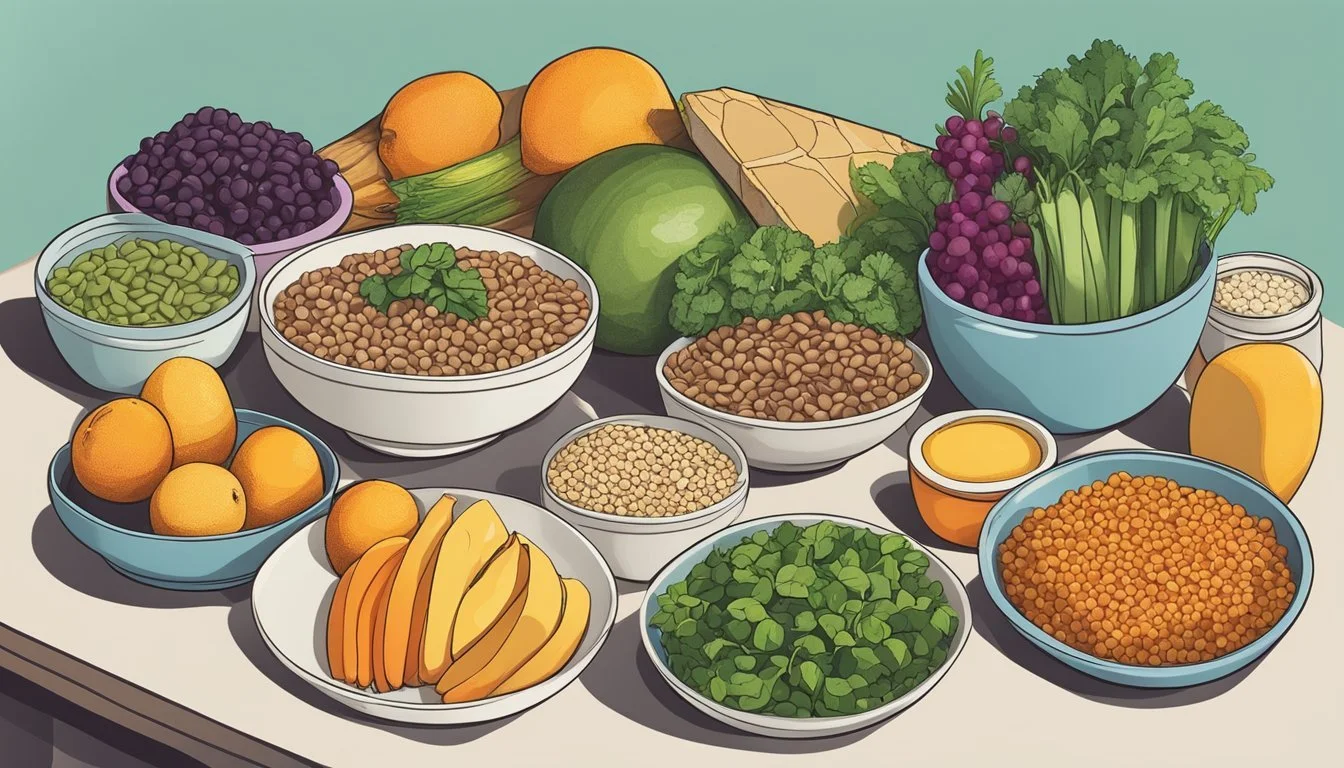
This section dedicates attention to the variety of proteins available to yogis who adhere to a plant-based diet, focusing on high-protein options suitable for meal prep.
Exploring Plant-Based Proteins
Beans and Legumes: They are a staple in the plant-based diet, offering an abundance of protein and fiber. For example, chickpeas contain about 15 grams of protein per cup, making them ideal for hearty stews and salads.
Quinoa: A pseudocereal that serves as a complete protein, quinoa offers approximately 8 grams of protein per cooked cup. It is a versatile base for meals, pairing well with a wide range of flavors and ingredients.
Tempeh: Made from fermented soybeans, tempeh is a dense, chewy plant protein that can provide around 20 grams of protein per 4-ounce serving. It absorbs flavors well, making it a perfect component for marinated dishes.
Nuts: A source of healthy fats and protein, nuts can be used in meal prep as toppings or blended into sauces. Almonds, for instance, provide around 6 grams of protein per ounce.
When planning plant-based meal prep, incorporating a variety of these protein sources ensures that meals are not only satisfying but also nutritionally complete. A mix of beans, quinoa, tempeh, and nuts can contribute to a high-protein, diverse menu throughout the week.
Recipe Collection
The recipes outlined here prioritize plant-based ingredients, aimed at delivering high nutritional value and great taste to support a yogi’s lifestyle. These meals are designed to be prepared in advance, ensuring ease and efficiency throughout the week.
Energizing Breakfasts
For a morning boost, one can start with Overnight Oats: a mixture of oats, chia seeds, almond milk, and a hint of maple syrup. For an added twist, top with fresh berries or sliced banana. Another robust option is a Vegan Breakfast Bowl chock-full of sautéed kale, quinoa, avocado, and pumpkin seeds, drizzled with a lemon-tahini dressing.
Nourishing Lunches
Lunchtime calls for satisfying Grain Bowls and hearty Salads. Assemble a bowl with brown rice, black beans, roasted sweet potatoes, and fresh greens, complemented by a zesty lime vinaigrette. Alternatively, a vibrantly colored kale salad tossed with sliced almonds, quinoa, and a lemon-garlic dressing makes for a nutritious meal.
Wholesome Dinners
Dinnertime brings warmth with Lentil Soup and depth with Curries and Stews. A lentil and vegetable soup, simmered with tomatoes and aromatic herbs, serves as a comforting dish. For more complexity, a chickpea curry combined with coconut milk and spices, or a vegetable stew with hearty chunks of sweet potato and eggplant offer a satisfying end to the day.
Quick Snacks and Sides
Snacks are essential for maintaining energy levels. Small portions of Hummus with Crudité or a handful of mixed nuts provide quick, nutrient-rich options. As a side, two cups of plain popcorn or a modest serving of 70% dark chocolate satisfy the need for something both light and indulgent.
Plant-Based Substitutes
In the context of yoga practices, which often encourage mindfulness and a harmonized living with nature, yogis may opt for plant-based alternatives to conventional dairy and eggs, aiming to maintain a balanced and nutrient-rich diet without the use of animal products.
Alternate Sources of Dairy and Eggs
When planning vegan meals, one may find ample plant-based substitutes that can mimic the role of dairy and eggs, both in texture and nutritional content. For dairy, soy, almond, and oat milks are popular choices, and they come enriched with calcium and other vitamins. Meanwhile, vegan cheeses made from nuts or soy can offer the creaminess and melt that dairy cheese does. For substitutes for eggs, flaxseed or chia seed mixed with water can create a binding gel suitable for baking. Yogis can also use silken tofu or mashed banana for moisture and binding in recipes.
Dairy Alternates:
Milk: soy, almond, oat
Cheese: cashew-based, almond-based
Egg Alternates:
Binding: flaxseed meal + water, chia seed + water
Moisture: silken tofu, mashed banana
Gluten-Free and Allergy-Friendly Options
For those with gluten sensitivities or allergies, incorporating gluten-free options into meal prep is essential for maintaining a comfortable and health-conscious diet. Some of these options include quinoa, buckwheat, and rice flours for baking, which are inherently gluten-free and can replace wheat flour in recipes. Other gluten-free staples such as legumes, seeds, and whole grains not only provide texture variety and an earthy flavor to vegan meals but are also packed with proteins and nutrients. It's important to ensure cross-contamination is avoided by using clean utensils and appliances when preparing gluten-free food.
Gluten-Free Staples:
Flours: quinoa, buckwheat, rice
Proteins: legumes, seeds
With these plant-based substitutes, yogis can confidently enjoy a diverse range of meals, knowing they align with both their dietary needs and their ethical choices.
Smart Shopping and Food Prep Techniques
Maximizing the benefits of plant-based nutrition begins with smart shopping and efficient food preparation techniques. By focusing on these elements, yogis can ensure their meals are nutrient-rich and aligned with their practice.
Efficient Grocery Shopping
One begins by creating a detailed grocery list, considering the week's meal prepping plan. Such planning reduces time in the store and ensures no essential ingredients are overlooked. Shopping lists should categorize items by grocery store sections, such as produce, grains, and refrigerated goods. For longer-lasting freshness, relying on food storage containers that are both airtight and BPA-free is crucial after shopping. They incorporate an organized kitchen, which in turn, facilitates a more streamlined food prep process.
Kitchen Tools: Ensure that your kitchen is equipped with a high-quality knife set, cutting boards, and measuring cups and spoons for precision.
Cookbooks and Apps: Utilize cookbooks or apps for meal suggestions and accurate ingredient lists.
Advanced Food Preparation Methods
With the right kitchen tools in place, one can incorporate advanced food preparation methods to further simplify the meal prep process. Batch cooking and pre-assembling meals are two methods that save time and ensure a ready supply of nutritious meals. They can pre-cook batches of legumes and grains, being diligent to rinse and replace their soaking water every 12 hours, as recommended for optimal nutrient absorption.
Grains and Legumes: Soak and cook in large quantities before storing in portioned containers.
Vegetables: Wash, chop, and store in clear containers for quick assembly during the week.
Adhering to these techniques transforms meal prep into a less daunting and more efficient task, leading to wholesome, plant-based meals that support a yogi's lifestyle.
Reducing Food Waste

Effective meal prepping for yogis involves not only creating plant-based, nutrient-rich recipes but also implementing strategies to minimize food waste. Through sustainable cooking practices and proper food storage, individuals can establish healthy habits that benefit both the environment and their wallet.
Sustainable Cooking Practices
To reduce food waste in the kitchen, yogis should always 'shop' their fridge and pantry before purchasing new groceries. They can plan their meals around what they already have, especially focusing on produce that may soon go past its prime. They should:
Inventory regularly: Keeping a routine check of what's already at home helps avoid unnecessary purchases.
Buy only what’s needed: A careful shopping list that aligns with the meal plan helps prevent over-buying.
First in, first out: Use older items before newer ones to ensure nothing is forgotten and goes to waste.
Compost: Scraps can be composted to create nutrient-rich soil for gardening.
Storing and Reusing Leftovers
Proper storage extends the life of meals and makes it easier to use leftovers creatively. Yogis should:
Use airtight containers to store leftovers, keeping them fresh for longer.
Label and date meals to track how long they've been stored.
Schedule leftover days in the meal plan to ensure that all food is eaten.
Leftover ingredients can be repurposed into new meals. For example, a lone sweet potato can be roasted and added to a salad, or leftover grains can become part of a hearty buddha bowl.
By adhering to these guidelines, yogis can prepare mindful, plant-based meals while also honoring the principle of Ahimsa, preventing harm to the environment through conscientious food use.
The Yogic Perspective
Incorporating meal prepping into a yogi's routine aligns with the principles of self-care and mindful living, creating a nourishing balance that supports a healthy lifestyle and regular yoga practice.
Aligning Meal Prepping with Yogic Principles
For yogis, meal prepping is more than just a convenience; it's a way to ensure nutritionally balanced meals are available, aligning with the concept of Ahimsa (non-harm) by choosing plant-based ingredients that respect all forms of life. This approach can support weight loss by controlling portions and reducing the temptation to consume fast food. Meal prepping can serve as a keystone habit, encouraging beginners in their journey towards a healthy lifestyle while providing seasoned practitioners with more time for their practice, enhancing flexibility both in their bodies and schedules.
Convenience: Meal prepping saves time throughout the week, making it easier to maintain a balanced diet.
Weight loss: Proper portion control through meal prepping can help manage caloric intake.
Mindfulness and Eating Habits
Mindfulness in eating begins with the conscious selection of ingredients and extends to the act of eating itself. Yogis can enhance the connection with their food by preparing it with intention — a practice that increases awareness and satiation. They benefit from slowing down and appreciating the textures, flavors, and nutritional value of their food, which can discourage overeating and reliance on processed food options.
Mindful Selection: Choose whole, unprocessed foods to maximize nutritional benefits.
Intentional Eating: Sit down for meals without distractions, savoring each bite to enhance the eating experience.
Practical Tips for Beginners

For those new to meal prepping, focusing on simple techniques and addressing common concerns sets the foundation for sustainable and healthy eating habits. The goal is to balance convenience with nutrient-rich meal ideas tailored for yogis.
Simple Steps to Start Meal Prepping
Gather Essential Tools: Beginners should equip their kitchen with a few basic tools for efficient meal prepping. They'll need a set of durable containers, preferably glass for easy reheating and cleaning, a good set of knives, and a cutting board.
Create a Meal Plan: Those starting out should plan their meals for the week, including snacks, to ensure a variety of nutrients and flavors. Beginners can follow a basic structure:
Breakfast: Oatmeal bowls with fruits, chia seeds, and nut butter.
Lunch: Avocado toast with whole-grain bread, tomato slices, and mixed greens.
Dinner: Lentil soup with a side of garlic-bread.
Snacks: Veggie sticks with hummus or fruit slices with almond butter.
Batch Cooking: Beginners can choose one day a week to cook in bulk, focusing on plant-based staples like grains, legumes, and batches of roasted or steamed vegetables.
Portion and Store: Once the food is prepared, they should portion out meals into individual containers and store them in the refrigerator or freezer as appropriate.
Troubleshooting Common Challenges
Time Management: Beginners often worry about the time investment. They should start small, perhaps prepping meals for a couple of days instead of a full week and gradually build up as they get more comfortable.
Variety in Diet: To prevent boredom and ensure a range of nutrients, beginners should mix and match ingredients throughout the week. Using different spices and herbs can also revitalize similar ingredients in a new way.
Ingredient Prep: Washing and chopping ingredients right after grocery shopping saves time during the week. If storage space is a challenge, using space-efficient storage solutions and prioritizing perishables can help.
By approaching meal prepping with these practical tips, beginners can confidently create a routine that supports a yogic lifestyle through convenient and nutritious food choices.

