
8 Meal Prep Recipes Using Great Northern Beans
Easy and Nutritious Ideas
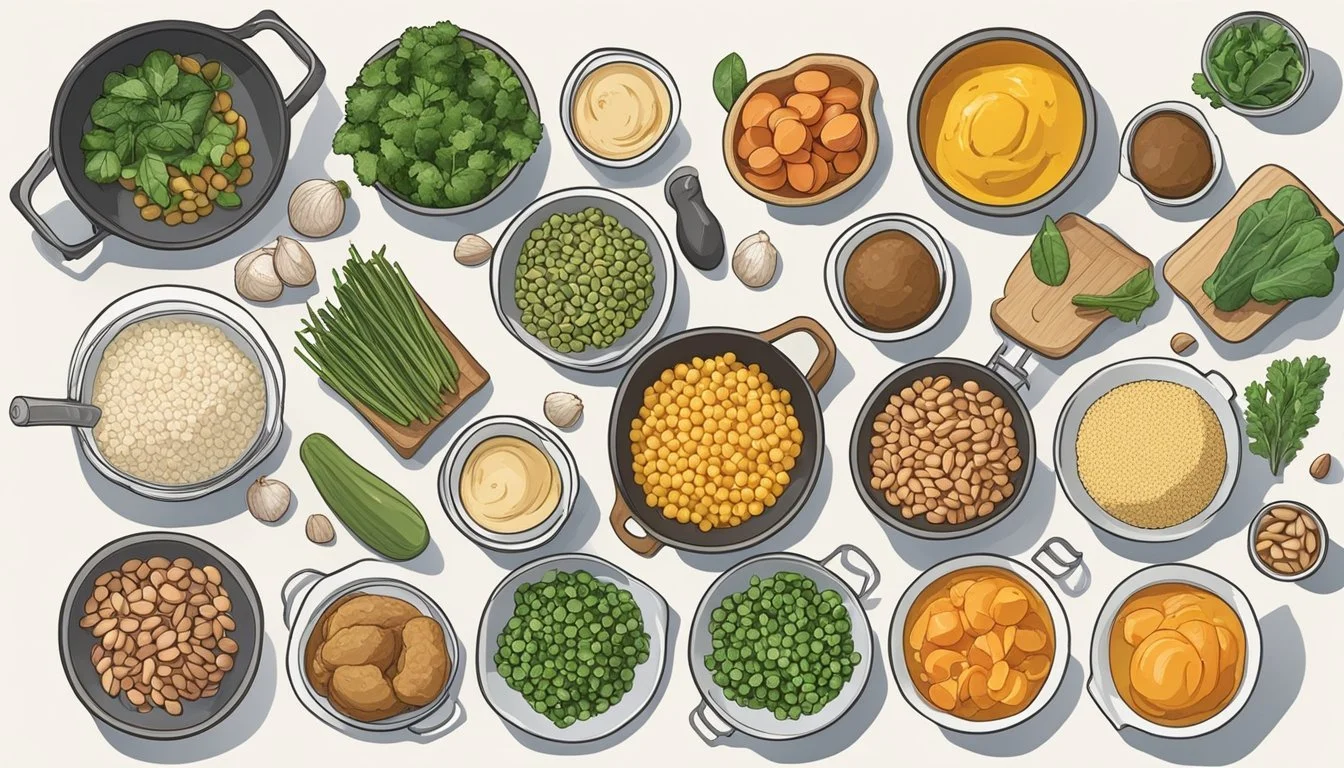
Great Northern beans are an incredibly versatile legume, mild-flavored and firm in texture. They make for an invaluable asset in any meal prepper’s arsenal, providing both a healthy source of protein and fiber. Their capacity to seamlessly integrate into a variety of dishes allows them to be a staple for those looking to prepare meals ahead of time. Whether used in soups, stews (What wine goes well with stews?), salads, or sides, these beans hold their shape and texture well, making them a reliable ingredient for large batch cooking.
Integrating Great Northern beans into meal prep recipes ensures that each meal is not only nutritious but also satisfying. With these recipes, the beans are transformed into comforting soups, hearty chilis, and even mixed into flavorful sides. This collection of meal prep recipes showcases the inherent adaptability of Great Northern beans, providing a range of options from the conveniently simple to the delightfully complex.
Essential Ingredients for Great Northern Bean Recipes
Creating delicious and nutritious meals with great northern beans involves a variety of essential ingredients. They work together to enhance the natural flavors of the beans while ensuring a balanced nutritional profile.
The Basics: Beans and Legumes
Great Northern beans are the cornerstone of these recipes; however, incorporating other legumes like kidney beans, navy beans, and cannellini beans can add variety and texture to the meals. These beans are high in fiber and serve as an excellent source of nutrients.
Beans to consider:
Great Northern Beans
Kidney Beans
Navy Beans
Cannellini Beans
Adding Flavors with Aromatics
Aromatics like onion and garlic are crucial for building the foundational flavors in these meal prep recipes. They should be sautéed in quality olive oil to release their aromatic properties, which significantly enriches the taste of the dishes.
Key Aromatics:
Onion (yellow, white, or red)
Garlic
Olive Oil
Herbs and Spices for Depth
Herbs and spices infuse the dishes with complexity and depth. Essential seasonings include salt and pepper for basic seasoning, while fresh or dried herbs such as rosemary, thyme, and sage add nuanced flavors.
Herbs and Spices to consider:
Salt
Black Pepper
Rosemary
Thyme
Sage
Protein Choices for Hearty Meals
To make the meals more filling, various proteins can be incorporated. Bacon, sausage, chicken, chili variations, and ham are popular choices, making these dishes hearty and satisfying.
Proteins to add:
Bacon or Sausage
Chicken (breast or thigh)
Ham (cuts or bone)
Chili (meat-based or vegetarian)
Vegetables for Nutritional Balance
Vegetables like carrots, celery, tomatoes, spinach, and kale not only add a spectrum of colors but also contribute essential vitamins and minerals. They also complement the beans' texture and should be included for a well-rounded meal.
Vegetable Additions:
Carrots
Celery
Tomatoes (fresh or canned)
Leafy Greens (Spinach, Kale)
Peas (for added texture and sweetness)
Preparation Techniques for Great Northern Beans
Preparing Great Northern Beans properly is essential for their culinary versatility in meal prepping. This section covers soaking and cooking the beans, leveraging kitchen appliances, and tips for meal prepping.
Soaking and Cooking Beans
Soaking Great Northern Beans is the initial step in their preparation, significantly reducing cook time. Beans should usually be soaked overnight, which requires planning ahead. For a quicker method, they can be brought to a boil and then left to soak for an hour off the heat. Cooking generally follows this soak; for instance, simmering soaked beans on the stove can take approximately 60 to 90 minutes until tender.
Utilizing Kitchen Appliances
Kitchen appliances can greatly expedite and simplify the cooking process. A slow cooker can cook Great Northern Beans on low heat setting for 7-8 hours or on high for 4-5 hours, without needing a pre-soak. An Instant Pot can prepare beans even more rapidly, often in less than an hour. Moreover, neither appliance requires constant attention, making them ideal for meal prep.
Meal Prepping Tips
When meal prepping with Great Northern Beans, consider their total time from preparation to the table. Using canned beans can be a time-saver, as they are precooked and only require heating. Whether using canned or dried beans, they can be cooked in bulk and stored in the refrigerator or freezer in meal-sized portions. This ensures a quick and nutritious addition to a variety of meals throughout the week.
Recipe Selection: Diverse Dishes with Great Northern Beans
Great Northern Beans serve as a versatile foundation for a variety of meal prep recipes. Their mild flavor and creamy texture lend themselves well to soups, stews, casseroles (What wine goes well with casseroles?), and even salads.
Comforting Soups and Stews
Great Northern beans make a base for hearty soups and stews. With a Great Northern Bean Soup, one can relish a blend of simmered beans and aromatic spices for a robust flavor. Vegetables like carrots and celery often accompany these soups, with herbs like rosemary enhancing the taste. Italian Pasta Fagioli Soup typically combines these beans with pasta, creating a rich Italian experience in a bowl.
Recipe Ideas:
Great Northern Bean Stew: Incorporate a medley of garden vegetables alongside lemon zest for a refreshing twist.
White Chicken Chili: Utilize Great Northern Beans with chili powder and spices for a hearty chili that’s both flavorful and satisfying.
Hearty Casseroles and Chili
Casseroles offer a substantial and comforting meal where Great Northern beans can shine. They absorb flavors well, making them ideal for layering with cheeses, meats, and vegetables. A prime example is a casserole dish that combines the beans with a creamy sauce and a crunchy topping for a delightful contrast of textures.
For chili lovers, a six-bean chili that features Great Northern beans is not only hearty but also packed with protein. It can be kept meatless for a fiber-rich option or cooked with ground meat for extra heartiness.
Refreshing Salads and Sides
Great Northern beans are not limited to warm dishes. They can be a refreshing component in salads, contributing substance and pairing well with a tangy vinaigrette dressing. For a simple side dish, tossing Great Northern beans with a light lemon dressing and fresh herbs can complement any main course.
Recipe Options:
Bean Salad: Combine cooked Great Northern beans with crisp vegetables and a zesty lemon-based dressing.
Crock Pot Great Northern Beans: This simple side dish slowly cooks the beans with spices for a deeply flavorful result.
Customizing and Enhancing Flavors
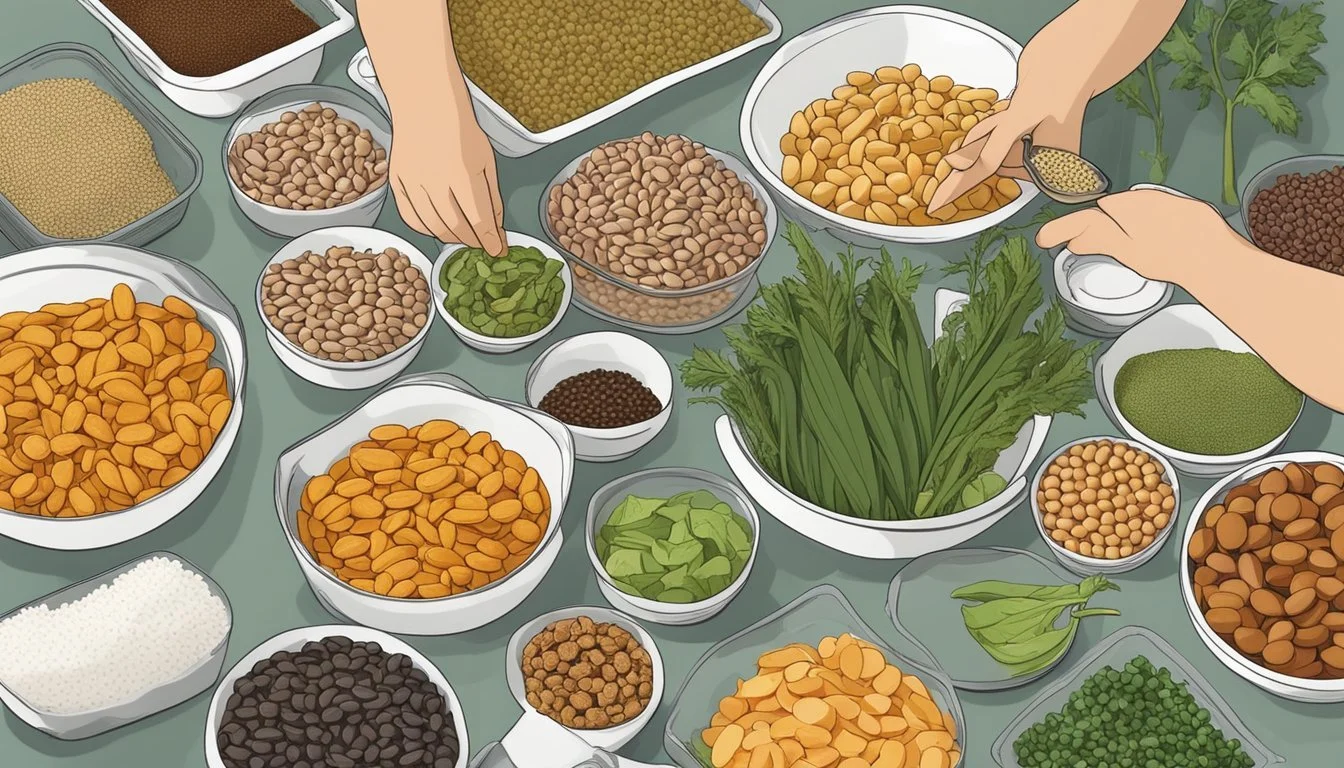
Great Northern beans are a versatile ingredient, ideal for meal prepping due to their neutral flavor and creamy texture. One's culinary imagination can thrive by incorporating an array of herbs and spices to craft dishes that appeal to diverse palates.
The Art of Seasoning
A robust seasoning base can catapult Great Northern beans from bland to vibrant. Starting with a classic combination of salt and pepper establishes an essential flavor foundation. To infuse complexity, cooks often integrate earthy cumin, aromatic bay leaves, and a touch of oregano. For those favoring a bit of warmth, red pepper flakes create a gentle heat that resonates through the beans without overwhelming the dish.
Herbs and Spices Impact on Flavor Garlic Powder Adds a subtle, pungent kick. Fresh Thyme Contributes a slightly lemony and earthy undertone. Rosemary Offers a distinctive, pine-like aroma. Basil Provides a sweet, peppery essence.
Incorporating fresh herbs like fresh thyme and rosemary during the last moments of cooking preserves their delicate oils and maximum flavor potential.
Accompaniments and Toppings
The addition of accompaniments and toppings can enhance both the texture and taste of Great Northern beans. A drizzle of olive oil before serving adds a smooth richness and can help to tie together the flavors of the added herbs and spices. Citrus, like a squeeze of lemon juice, can brighten the dish, especially when utilized in cold bean salads. For hot dishes like soups or beans cooked in a crockpot, basil or oregano serves as a fragrant garnish, contributing fresh layers of flavor.
Here is a list of possible toppings to elevate the beans even further:
Crispy onions for a pungent crunch
Fresh herbs (e.g., basil, parsley) for aromatic freshness
Grated cheese such as Parmesan for a salty, umami element
Toasted breadcrumbs or nuts for additional texture
By carefully selecting the right combination of seasonings and toppings, even a simple dish of Great Northern beans can be a satisfying and flavorful experience.
Health Benefits and Nutritional Information
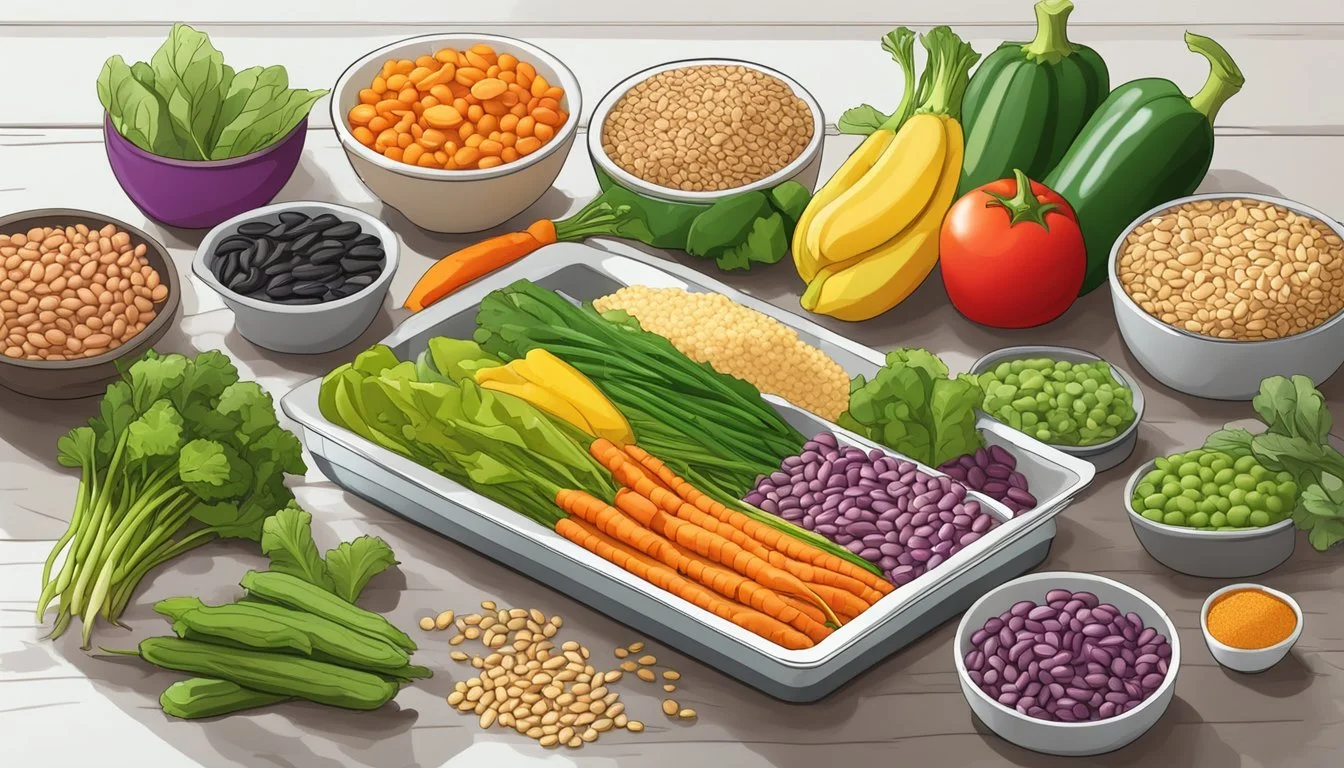
Great Northern Beans are a nutritious choice for meal prepping, offering an excellent source of dietary fiber and protein, as well as a variety of macro and micronutrients essential for maintaining good health.
Understanding Dietary Fiber
Great Northern Beans are rich in dietary fiber, providing approximately 7 grams of fiber per 100-gram serving. Fiber plays a critical role in digestive health, helping to:
Maintain regular bowel movements
Lower cholesterol levels
Control blood sugar
Protein in Great Northern Beans
These beans also serve as a healthy plant-based protein source, with about 8.3 grams of protein per 100 grams. Including Great Northern Beans in meal prep recipes can:
Support muscle repair and growth
Keep one feeling full and satisfied
Provide a weight management advantage due to their satiating effect
Macro and Micronutrients
Great Northern Beans contain important macro and micronutrients that contribute to overall health. They are low in fat and contain significant amounts of key vitamins and minerals. Here's a snapshot of their nutrition:
Calories: 118 kcal per 100 grams
Carbohydrates: 21 grams
Comprising mainly complex carbohydrates, which are a steady source of energy
Micronutrients:
Iron, for healthy blood cells
Calcium, for bone health
Potassium, for muscle and nerve function
They have a low glycemic load, making them ideal for blood sugar management.
Serving Suggestions for Great Northern Bean Dishes
Great Northern beans are versatile and can be paired with a variety of breads, grains, and side dishes to create a well-rounded meal. Whether it's adding a satisfying crunch or enhancing the beans’ creamy texture, the right accompaniment can elevate your bean dishes.
Pairing with Breads and Grains
Great Northern beans pair well with a variety of breads and grains, providing a balance of textures and flavors to any meal.
Cornbread: A classic pairing, cornbread offers a sweet and soft contrast to the savory flavors of Great Northern beans.
Crusty Bread: For a satisfying crunch, serve your beans alongside a slice of crusty bread, perfect for sopping up any delicious broth or sauce.
Quinoa: This nutrient-dense grain makes a hearty addition to a bowl of beans, absorbing flavors while adding its own nutty profile.
Farro: The chewy texture of farro complements the creaminess of Great Northern beans, especially in soups or stews.
Pasta Fagioli Soup: Integrating Great Northern beans into this classic Italian soup adds a rich element and keeps it authentic.
Grain/Bread Dish Suggestions Cornbread Crock Pot Great Northern Beans Crusty Bread Simple Bean Salad with Red Onion Quinoa Bean and Quinoa Salad with Parsley Farro Farro and Great Northern Bean Soup Pasta Pasta Fagioli with Great Northern Beans
Side Dishes to Complement the Main Course
The right side dish not only complements the main, but can also round out the nutrition profile of your meal.
Potatoes: Whether roasted or mashed, potatoes make a filling side that pairs effortlessly with the heartiness of Great Northern beans.
Green Onions and Parsley: A sprinkle of chopped green onions or parsley over a bean dish can brighten flavors and add a pop of color.
Roasted Broccoli: The crispness of roasted broccoli adds textural contrast and an earthy component to bean dishes.
Red Onion: Adding thinly-sliced red onion brings a sharp crispness that punctuates the milder taste of Great Northern beans.
Side Salad: A light side salad with a tangy vinaigrette offers a refreshing counterpoint to the rich, creamy beans.
Side Dish Benefits Potatoes Complements creaminess and adds heartiness. Green Onions/Parsley Adds freshness and a pop of color. Roasted Broccoli Provides textural contrast and earthy flavors. Red Onion Introduces a sharp, crisp quality. Side Salad Offers a refreshing, tangy counterbalance.
Storage and Reheating Tips
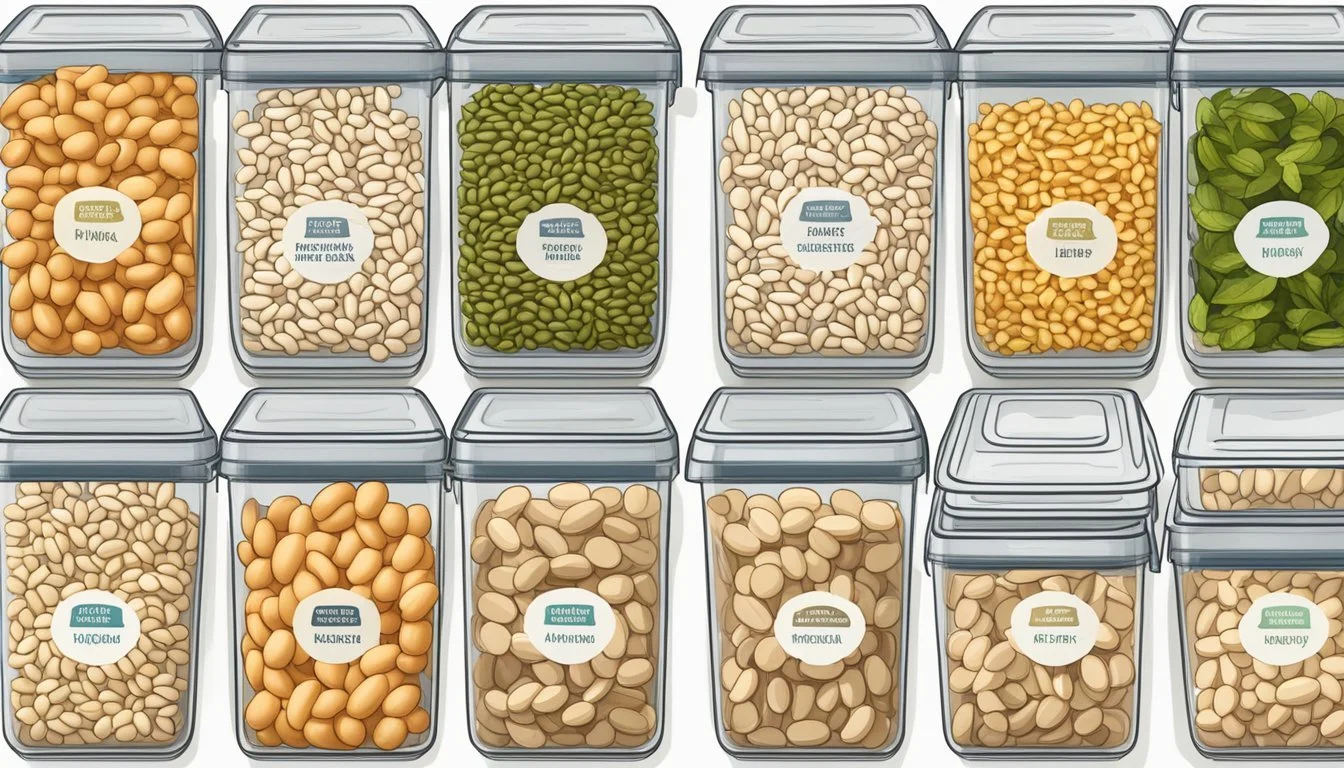
When it comes to meal prep involving Great Northern beans, storing and reheating are key steps to ensure that leftovers retain their taste and nutritional value. Proper storage and reheating methods can significantly affect the quality and safety of the prepared meals.
Storage:
For refrigerator storage, one should:
Cool down the cooked beans before refrigerating to prevent bacterial growth.
Use airtight containers to maintain freshness and avoid the absorption of other flavors and odors.
Label containers with the date of storage to keep track of freshness.
For longer-term storage, freezing is an option:
Divide into portion-sized containers for easy thawing.
Freeze promptly after cooling.
Defrost in the refrigerator overnight when ready to eat.
Follow these tips to reheat Great Northern bean dishes safely and effectively:
Microwave: Use a microwave-safe container, cover with a microwave-safe lid to retain moisture, and stir periodically to ensure even heating.
Stove: Transfer beans to a pot and reheat over medium heat, adding a splash of water or broth as needed to prevent drying.
Oven: Place beans in an oven-safe dish, cover with foil, and reheat at 350°F until hot throughout.
Remember to thaw frozen beans in the refrigerator before reheating. Always ensure that leftovers reach an internal temperature of 165°F to ensure food safety. It is advised to consume refrigerated bean dishes within 3-4 days and frozen ones within 2-3 months for optimal quality.
Frequently Asked Questions About Great Northern Beans
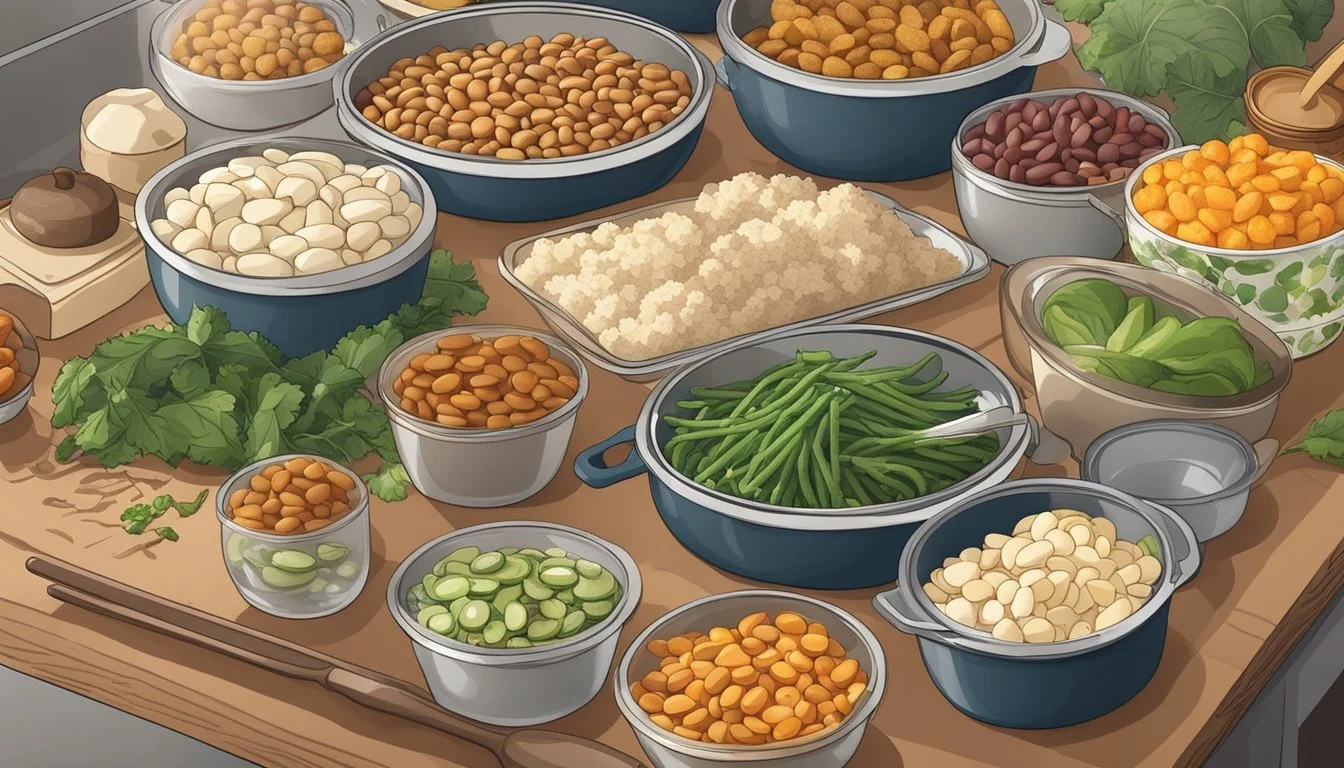
Great Northern beans offer versatility and nutrition for meal prepping. Below are specifics on selecting quality beans and avoiding mishaps in their preparation.
Choosing the Best Beans
When selecting Great Northern beans, one often encounters a choice between dried and canned beans. Dried beans typically require overnight soaking followed by a cooking time varying from 1 to 2 hours. They are prized for their texture and absence of added sodium or preservatives. Canned beans, on the other hand, offer convenience as they are precooked and can be used immediately after rinsing, which helps reduce their sodium content. Here's a quick guide:
Soak overnight.
Cook for 1-2 hours or until tender.
Canned Beans:
Can be used immediately in recipes.
Avoiding Common Cooking Mistakes
To get the best out of Great Northern beans during cooking, it's essential to avoid common mistakes.
Dried Beans: Ensure beans are soaked adequately to reduce cooking time and improve digestibility. Overcooking can lead to mushy beans; use a timer to prevent this.
Canned Beans: Always rinse thoroughly to avoid any metallic taste and to reduce the sodium content. Mixing canned beans with fresh ingredients can enhance their flavor profile without the need for prolonged cooking.
Conclusion: The Versatility of Great Northern Beans
Great Northern beans stand out as a versatile staple in kitchens for their mild flavor and firm texture. They are a chameleon in the culinary world, taking on the flavors and spices of the dishes they are incorporated into. These beans serve as the foundation for a variety of recipes, ranging from comforting soups to robust salads.
In meal prep, they are particularly valuable. They can be transformed into a Mediterranean-inspired dish, mixed with herbs and olive oil for a refreshing side, or mashed into a creamy spread for sandwiches and wraps. Their ability to absorb flavors makes them ideal for batch cooking, as they can be seasoned in numerous ways throughout the week.
Furthermore, Great Northern beans are both nutritious and satisfying, providing essential protein and fiber for a well-rounded diet. With an array of preparation methods available, from slow cookers and stovetops to Instant Pots, these beans can be effortlessly adapted to fit different lifestyles and dietary requirements.
The recipes one can create with Great Northern beans are indeed delectable. Whether one seeks a simple bean side dish, a hearty stew, or a light bean salad, these beans are up to the task. Their ability to play a starring or supporting role in dishes underscores their adaptability in the culinary arts.
Ultimately, Great Northern beans are an excellent choice for those who desire delicious, healthy, and varied meal options.
Additional Resources and References
For those looking to expand their culinary repertoire with great northern beans, several online resources offer a variety of recipes that highlight the bean's versatility.
Insanely Good Recipes has a collection titled "13 Best Great Northern Bean Recipes," which includes simple yet flavorful dishes that can be prepared in a crockpot.
Happy Muncher provides a list of "12 Canned Great Northern Beans Recipes," demonstrating how to transform canned beans into everything from soups to main dishes. Their format includes convenient cooking times and easy preparation steps.
A detailed Great Northern Bean Soup recipe can be found on The Feathered Nester blog, guiding readers through the process of making a hearty bean soup with ingredients like ham, carrots, and celery.
The Taste of Home website offers creative ideas in an article titled "The Best Ways to Use Great Northern Beans." Among the featured dishes is a six-bean chili perfect for cold weather.
For a twist on traditional chili, Salty Side Dish presents "Easy White Chicken Chili with Northern Beans," a recipe blending the creaminess of dairy with the robust flavors of green chilies and northern beans.
These resources serve as a starting point for anyone looking to prepare meals in advance using great northern beans. Recipes are suitable for a range of cooking devices, from stovetops to slow cookers. Enthusiasts can expect meals that are not only hearty and nutritious but also easy to prepare.

