
Your Essential Guide

Embarking on a low-lectin diet stems from the intent to alleviate digestive issues and reduce inflammation. This dietary approach is highlighted in Dr. Steven Gundry's book, "The Plant Paradox," which posits that certain plant proteins known as lectins may contribute to gut distress and conditions such as irritable bowel syndrome. Adhering to a lectin-free diet involves meticulous planning to avoid foods high in lectins, which includes wheat, corn, rice, legumes, and nightshade vegetables.
Meal prepping on this diet requires focusing on lectin-low foods to create a meal plan that supports gut health and overall wellbeing. Planning meals ahead of time ensures not only adherence to the dietary guidelines but also makes it convenient to maintain this lifestyle without the risk of consuming lectins inadvertently. Essential to this are leafy greens, certain non-nightshade vegetables, pastured meats, and specific oils such as olive or avocado oil.
The effectiveness of the lectin-free diet is attributed to its promotion of food choices that limit exposure to these controversial proteins. It encourages the consumption of nutrient-rich, whole foods while excluding those that may cause adverse effects in some individuals. By doing so, proponents of the Plant Paradox diet report improved health markers and a reduction in the symptoms associated with inflammatory conditions.
Understanding Lectins

In approaching a low-lectin diet, it's essential to recognize what lectins are, their health implications, and their role, particularly in the context of the Plant Paradox Diet.
What Are Lectins?
Lectins are a type of protein found in various foods, especially in grains, legumes, and nightshade vegetables. They serve a protective function in plants, acting as a deterrent against predators such as insects. Despite the presence of lectins in many food sources hailed as healthy, they remain indigestible to humans.
Effects of Lectins on Health
The impact of lectins on human health is complex. While some studies suggest that lectins may contribute to negative health effects such as digestive issues and inflammation, they also play a role in regulating the immune system and cell functionality. High intake of lectins can potentially lead to problems such as weight gain, autoimmune conditions, and irritable bowel syndrome. For individuals with existing gut health issues, consuming foods high in lectins could exacerbate symptoms and interfere with the gut lining.
The Role of Lectins in the Plant Paradox Diet
The Plant Paradox Diet posits that foods high in lectins contribute to a variety of health problems, including autoimmune conditions and inflammation. The diet advises the removal or significant reduction of lectin-rich foods to alleviate the purported associated health risks. Advocates for the diet often report improved digestive health and a reduction in symptoms related to inflammatory conditions.
Fundamentals of a Low-Lectin Diet
Adopting a low-lectin diet requires understanding which foods to integrate into your meal prep and which to omit. Below are the specifics to help streamline your food selection process.
Foods to Include
Vegetables: Focus on leafy greens and other non-nightshade vegetables. These are low in lectins and form the foundation of a low-lectin diet.
Leafy greens (e.g., spinach, kale, Swiss chard)
Cruciferous vegetables (e.g., broccoli, Brussels sprouts, cauliflower)
Celery, garlic, onions
Fats and Oils: High-quality fats are essential for a balanced low-lectin meal plan.
Olive oil: A staple for cooking and dressings
Avocado oil: Versatile for both cooking and salads
Proteins: Sources of protein should be chosen carefully, avoiding those high in lectins.
Pastured chicken
Wild-caught seafood (e.g., salmon, sardines)
Grass-fed meats
Nuts and Seeds: Certain nuts and seeds are low in lectins and make for a nutrient-dense snack or meal component.
Walnuts, pecans, macadamia nuts (avoid peanuts)
Seeds like flaxseeds, sesame seeds, and hemp seeds
Foods to Avoid
Steering clear of high-lectin foods is paramount when meal prepping for a low-lectin diet.
Grains and Legumes: These are typically high in lectins and should be limited or avoided.
Wheat, corn, rice
Beans, lentils, soybeans
Nightshade Vegetables and Dairy: Some individuals may be sensitive to lectins in these categories.
Nightshades: tomatoes, potatoes, eggplants
Dairy products: especially those from grain-fed animals
In essence, the focus should be on whole foods, primarily vegetables, quality proteins, and healthy fats, while high-lectin foods like grains, legumes, and certain nightshades are avoided.
Meal Planning Strategies

Efficient meal planning is crucial for adhering to a low-lectin diet. One must consider cooking methods, recipe selection, and budgeting to maintain a healthy and sustainable eating plan.
Creating Your Meal Plan
To begin, individuals should select recipes that align with the plant paradox diet, focusing on phase 2 and phase 3 to ensure a diverse range of permitted foods. A weekly meal plan might include:
Monday: Grilled chicken with lectin-free vegetable stir fry
Tuesday: Mixed green salad with olive oil dressing and wild-caught seafood
Wednesday: Crockpot braised beef with pressure-cooked vegetables
Thursday: Lentil-free vegetarian chili (What wine goes well with vegetarian chili?)
Friday: Cauliflower rice with grilled tempeh and a side of leafy greens
Ingredients should rotate to prevent monotony, ensuring that meals remain interesting and appetizing.
Shopping Tips
When shopping, individuals should prioritize fresh, seasonal produce and certified organic meats to comply with a low-lectin meal plan. Budget considerations dictate the importance of purchasing items in bulk where possible, such as:
Seeds and nuts (in lieu of grains)
Organically-raised pasture meats
Seasonal fruits and vegetables
Reading labels ensures that items like sauces and condiments comply with low-lectin standards, as many store-bought options contain high-lectin ingredients like certain seeds and grains.
Prepping in Batches
Batch cooking is a time-efficient strategy that aligns with meal prep principles. Designating a single day to cook and assemble meals for the week can streamline the diet maintenance process. Foods that store well when prepped in batches include:
Proteins: Cooked and portioned chicken, beef, or fish
Vegetables: Steamed or roasted, ready to be reheated
Base meals: Soups, stews, and casseroles that can be portioned into containers
Persons adhering to a low-lectin diet may find batch cooking promotes discipline and ease in sticking to their diet, while also accommodating a busy lifestyle.
Cooking and Preparation Techniques
When embarking on a low-lectin diet, specific cooking and preparation methods are utilized to minimize lectins in foods such as beans, lentils, nuts, and seeds. These techniques include safe cooking methods, soaking and sprouting, as well as the use of pressure cookers.
Safe Cooking Methods
For a low-lectin diet, certain safe cooking methods are essential to ensure that potentially harmful lectins are reduced. Cooking beans and lentils thoroughly can deactivate many of the lectins found in these foods. Boiling them until they are completely cooked and soft is particularly effective, as lectins are water-soluble and heat-sensitive.
Boiling: Cook beans and lentils at a high temperature for at least 15 minutes to denature the lectins.
Baking: Use an oven preheated at a proper temperature (usually above 350°F or 175°C) to bake items like nuts and seeds.
Soaking and Sprouting
Soaking and sprouting are traditional techniques that can decrease the lectin content in grains, beans, nuts, and seeds. By initiating the germination process, sprouting can reduce the levels of lectins as the seed shifts its composition for growth.
Soaking: Soak beans, lentils, nuts, and seeds in water for several hours or overnight, ideally in warm water. Drain and rinse thoroughly before cooking.
Sprouting: After soaking, keep the items in a moist environment for a few days to encourage sprouting. Rinse regularly to prevent mold growth.
Using Pressure Cookers
Pressure cookers are increasingly recommended for cooking low-lectin foods. The high-pressure environment combined with the heat can effectively inactivate lectins in foods like beans and rice, making them safer and easier to digest.
Pressure Cooked Beans: A pressure cooker can cook beans and lentils faster and at higher temperatures than boiling, further reducing lectin content.
Pressure Cooked Rice: Cooking rice in a pressure cooker can help reduce its lectin levels, compared to conventional cooking methods.
Recipes and Meal Ideas
When transitioning to a lectin-free diet, the focus is on incorporating high-quality proteins, a variety of vegetables, and using lectin-free baking alternatives. The following meal ideas demonstrate how to creatively assemble lectin-free foods into delicious and healthy recipes for any time of the day.
Breakfast
For the first meal of the day, one wants options that are both nourishing and satisfying. A recipe to consider is a Lectin-Free Seed and Nut Granola, using a variety of seeds such as pumpkin, sunflower, and chia, mixed with almonds, and sweetened with monkfruit. Another breakfast idea is Almond Flour Pancakes, served with a dollop of coconut yogurt and fresh berries, seasoned with a pinch of sea salt to enhance the flavor.
Lunch
Lunches on a lectin-free diet can be both flavorful and filling. Leafy Greens Salad with Grilled Chicken is a go-to option, packed with fiber and protein. Toss together spinach, arugula, and romaine, topped with herbs like parsley and cilantro, along with slices of warm grilled chicken. Another lunchtime recipe is the Turkey Taco Bowl, with ground turkey seasoned in taco spices, alongside tomatoes, bell peppers, onions, and served over a bed of lettuce for a low-calorie meal.
Dinner
Dinner is a time to unwind with a more hearty and substantial dish. Baked Salmon with Roasted Vegetables is a great lectin-free dinner choice, the salmon providing a healthy dose of protein and the vegetables seasoned with a mix of herbs and spices. Another enticing dinner is a Cauliflower Rice Stir-Fry, utilizing cauliflower as a rice substitute, stir-fried with a selection of vegetables such as broccoli and bell peppers, and seasoned with coconut oil and sea salt.
Snacks
Healthy snacking is essential to keep one's energy up and avoid lectin-laden temptations. Recipes for lectin-free snacks include Crispy Kale Chips, baked with olive oil and sea salt, and Avocado Egg Salad using hard-boiled eggs mixed with avocado for a creamy, satisfying snack full of healthy fats and fiber.
Considerations for Specific Diets
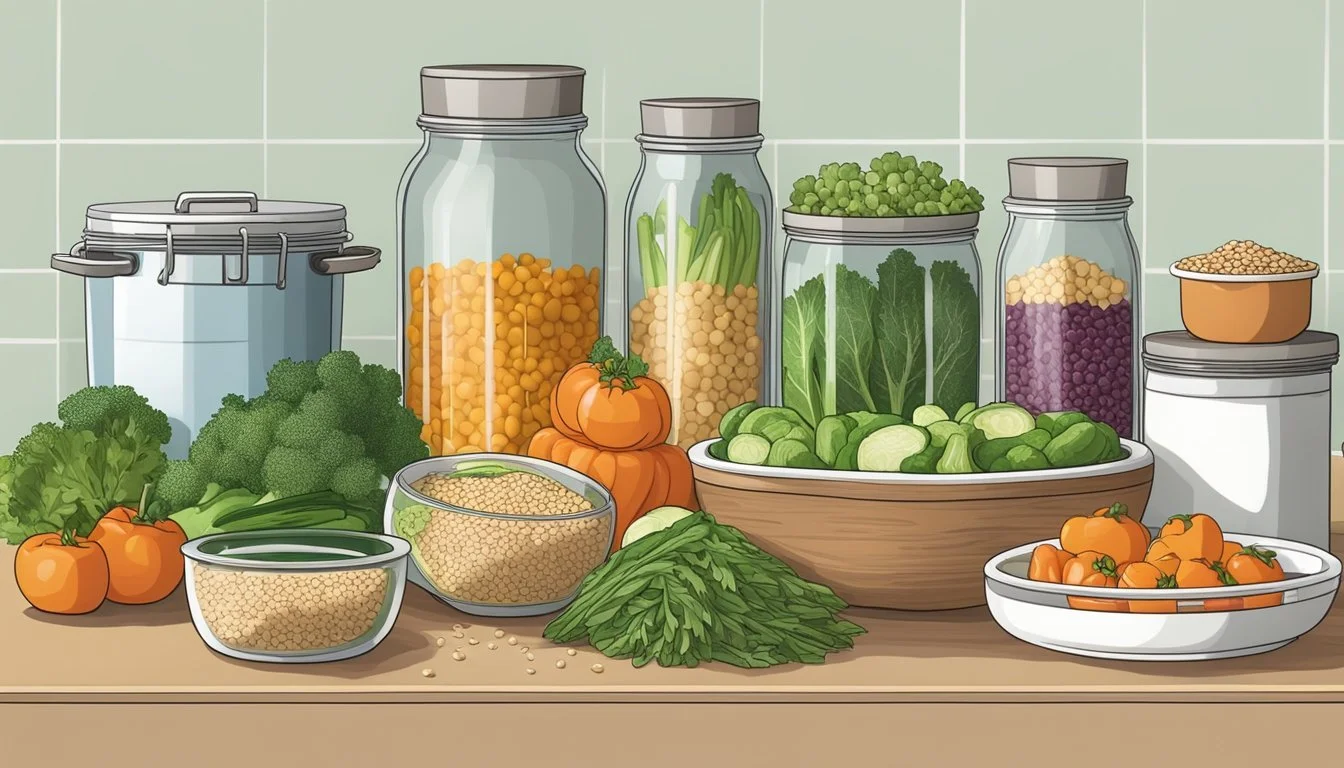
When meal prepping for a low-lectin diet, it is crucial to consider dietary restrictions and preferences. This includes ensuring a diverse range of nutrients while adhering to vegan, vegetarian, or gluten-free requirements, as well as incorporating meats and seafood strategically.
Vegan and Vegetarian Options
For individuals following a vegan or vegetarian low-lectin diet, the focus is on consuming plant-based foods that are naturally low in lectins. These options may include:
Leafy greens: spinach, kale, and romaine lettuce
Non-nightshade vegetables: asparagus, garlic, and onions
Nuts and seeds: (in moderation) almonds, hemp seeds, and macadamia nuts
Incorporating Meat and Seafood
Those adding meat and seafood to their low-lectin meal prep should select high-quality sources. The recommended choices include:
Pastured meat: such as chicken and buffalo, cooked thoroughly
Wild-caught seafood: especially fatty fish like salmon for their omega-3 content
Eggs: preferably from free-range chickens
Gluten-Free and Dairy-Free Choices
Individuals with sensitivities to gluten and dairy can make adjustments to accommodate their needs:
Gluten substitutes: opt for lectin-free grains like millet and sorghum
Dairy alternatives: replace traditional dairy with products derived from goat or coconut milk
Supplementing Your Diet
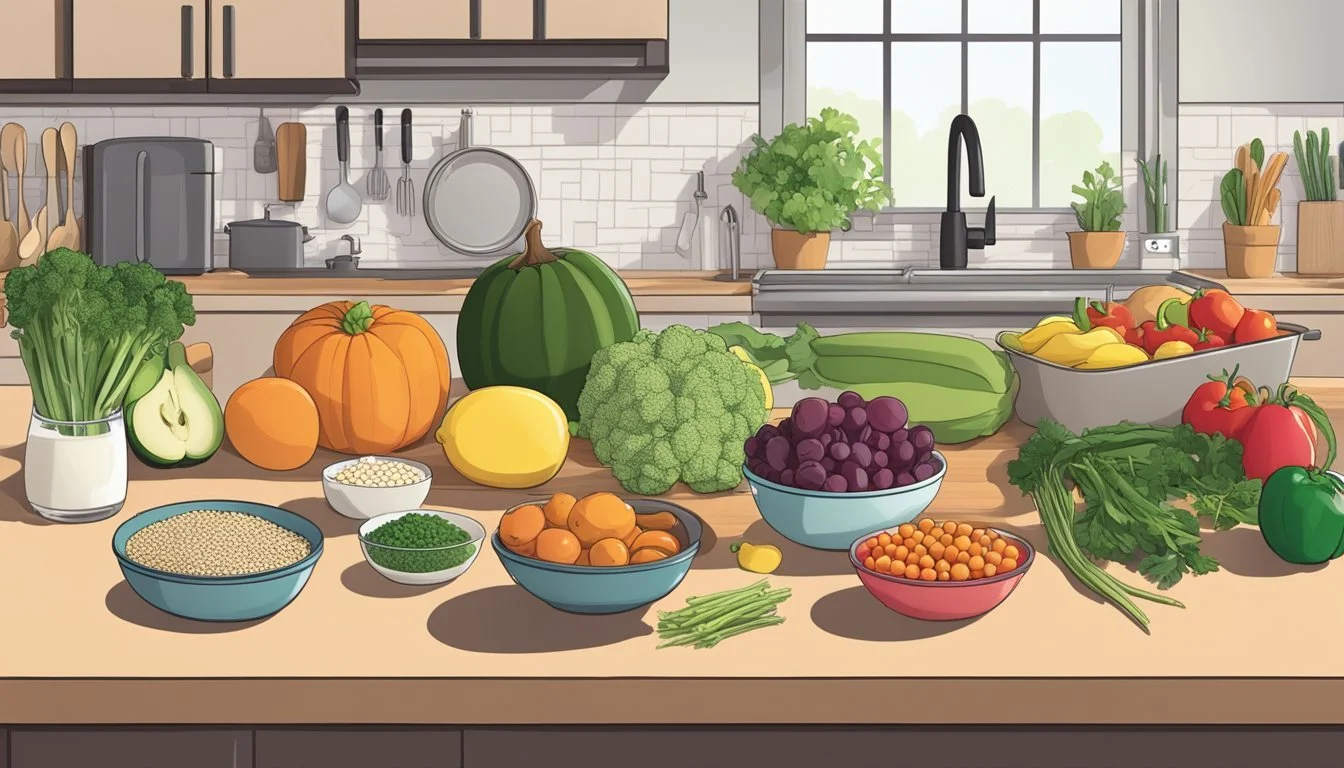
When embarking on a low-lectin diet, individuals must ensure adequate nutrition by selecting sources rich in essential vitamins, minerals, and beneficial fats. Supplements may play a crucial role in filling any nutritional gaps.
Vitamins and Minerals
A well-structured low-lectin diet involves a variety of foods to provide necessary vitamins and minerals. Here are specific nutrients to focus on, along with low-lectin food sources:
Vitamin C: Found in leafy greens and other vegetables like cauliflower.
Vitamin D: Can be obtained from egg yolks and wild-caught fish.
Vitamin E: Present in nuts and seeds such as almonds and sunflower seeds.
Calcium: Available in broccoli and dark leafy greens like kale and spinach.
Zinc: Eggs and seeds such as pumpkin seeds are good sources.
Magnesium: Nuts like almonds and certain seeds can provide magnesium.
Supplementary vitamins and minerals should be considered, especially if dietary restrictions limit intake of the above foods.
Healthy Fats and Oils
Integrating healthy fats and oils is paramount to a low-lectin diet for overall health and nutrient absorption. Preferred oils include:
Olive oil: A staple for cooking and dressings, it's high in monounsaturated fats.
Avocado oil: Excellent for high-heat cooking, rich in oleic acid and vitamins.
Healthy fat sources like nuts and seeds not only offer nutritional value but also enhance satiety. Consider almonds, walnuts, and hemp seeds. Dark chocolate, with a cocoa content of 72% or greater, is another beneficial treat that contains antioxidants and can be lectin-free. It's important to prioritize quality and check for added ingredients that may be high in lectins.
Sustaining a Low-Lectin Lifestyle
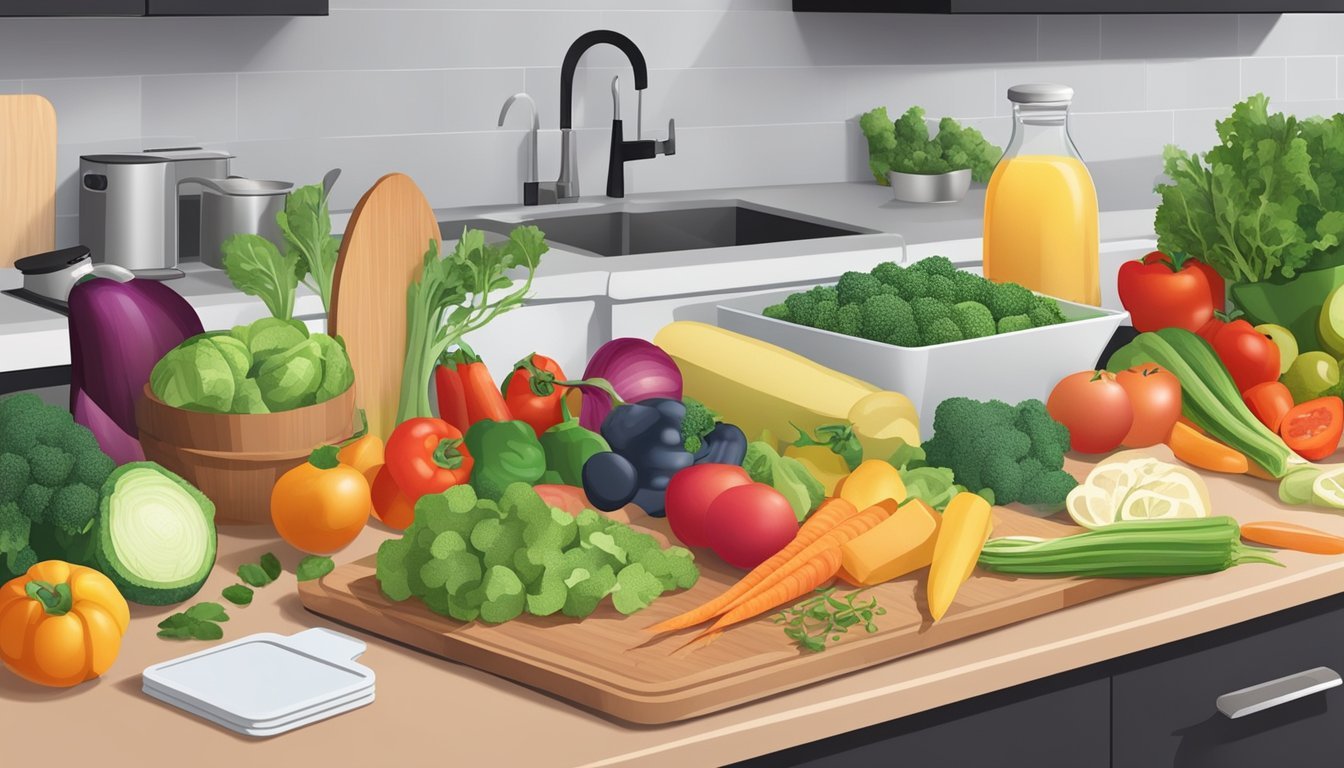
Adopting a lectin-free diet can lead to health benefits such as weight loss and reduced inflammation, but it requires a well-thought-out approach to maintain it effectively, especially considering budget constraints.
Long-Term Tips
Variety in Meal Planning: A successful low-lectin diet hinges on the diversity of ingredients. Those on the diet should focus on incorporating leafy greens, cruciferous vegetables, and select fruit while avoiding grains like wheat, corn, and rice; legumes such as beans and peanuts; nightshade vegetables; and certain dairy products.
Bulk Purchases of Approved Foods: To adhere to a budget, purchase lectin-free staples like olive oil and certain nuts in bulk. This not only saves money but also ensures that the ingredients needed for the Plant Paradox diet are readily available.
Regular Monitoring: Keep track of progress, including any changes in weight or inflammation markers, to stay motivated and make necessary dietary adjustments.
Dealing with Social Situations
Advance Planning: When attending social events, planning ahead is key. One can offer to bring a dish that aligns with the lectin-free guidelines, ensuring there will be something suitable to eat.
Clear Communication: It's important to communicate dietary preferences clearly but politely when dining out or at a friend's place. Many restaurants cater to special dietary requirements if they're informed in advance.
Support Networks: Seek support from online or local communities following a lectin-free lifestyle for advice, especially when facing challenges in social settings.
Potential Challenges and Solutions

Embarking on a low-lectin diet brings several obstacles, such as handling cravings for restricted foods, navigating social situations, and maintaining the diet on a budget. Each challenge has a practical solution that can help maintain a healthy lifestyle without compromising enjoyment or financial stability.
Dealing with Cravings
When an individual reduces their intake of high-lectin foods, cravings for familiar staples like bread, pasta, and beans can arise. To combat these cravings:
Substitute with Low-Lectin Alternatives: Replace wheat flour with almond or coconut flour for baking. Spiralized vegetables can stand in for pasta noodles, and cauliflower rice is a great substitute for grains.
Fiber-Rich Foods to Curb Appetite: Increase the intake of fiber-rich, low-lectin foods such as leafy greens. These may help stabilize blood sugar levels, which can reduce cravings for sugar and carbohydrates.
Managing Social Pressure
Social events can be challenging for those on a low-lectin diet, as they often feature foods high in lectins like whole grains and legumes.
Plan Ahead: Bring your own low-lectin dish to gatherings, or eat beforehand to avoid temptation.
Communicate Dietary Preferences: Confidently explain your dietary choices to peers to mitigate pressure and find support.
Budget-Friendly Tips
Maintaining a low-lectin diet can seem expensive, but there are ways to make it more budget-friendly:
Buy in Bulk: Purchase staple items like nuts, seeds, and non-perishable low-lectin foods in bulk to save money in the long run.
Seasonal Produce: Opt for fruits and vegetables that are in season to get the best prices and add variety to your diet.
By implementing these targeted strategies, individuals can navigate the challenges of a low-lectin diet and sustain a healthy lifestyle while potentially aiding in weight management and reducing digestive issues associated with anti-nutrients.
Monitoring Your Progress

When one adopts a low-lectin diet, monitoring progress is essential to ensure the diet is conducive to their health goals, which may include reducing inflammation, mitigating digestive issues, or managing an autoimmune condition. Tracking changes and making informed adjustments are key to maintaining a gut-friendly regimen.
Tracking Symptoms
One's body provides feedback through symptoms. Individuals should keep a daily log of their digestive health, noting any changes in symptoms such as bloating, abdominal pain, or irregular bowel movements which may be associated with irritable bowel syndrome. It is also useful to observe changes in:
Inflammation: Mark any decrease in chronic pain or swelling.
Weight: Document weight fluctuations, as unexpected weight loss or gain may occur.
Overall Well-being: Note levels of energy and any other changes in physical or mental health.
This daily tracking can be structured in a simple table:
Date Digestive Symptoms Inflammation Weight Overall Well-being MM/DD/YYYY Description Description Number Description
Adjusting Your Diet Over Time
Personalized adjustments are crucial, as every individual's body responds differently to dietary changes. If persistent or new symptoms arise, it may be necessary to further reduce lectin consumption or to reintroduce certain foods gradually to assess tolerance. Observing how one's body reacts can guide these adjustments.
For those with a specific focus on autoimmune conditions or weight loss, consulting a healthcare provider can provide additional insight into necessary dietary modifications based on one's unique physical responses to food and changing health needs.
FAQs on Low-Lectin Eating
What are lectins?
Lectins are a type of protein commonly found in plants that can bind to cell membranes. Some diets, notably the Plant Paradox diet, suggest that certain lectins can be anti-nutrients, which may affect the absorption of other nutrients and potentially lead to digestive discomfort.
Why eliminate lectins from the diet?
Individuals may choose a lectin-free diet to address digestive issues or to attempt to improve their overall health. The diet involves reducing intake of high-lectin foods like grains, legumes, nightshade vegetables, and some nuts and seeds.
What foods are high in lectins?
Common high-lectin foods include:
Grains: Especially wheat, barley, and corn
Legumes: Beans, lentils, and peanuts
Nightshade vegetables: Tomatoes, potatoes, eggplants, and peppers
Certain nuts and seeds: Mainly cashews and peanuts
How can one prepare meals on a low-lectin diet?
Meal planning is crucial for a low-lectin diet. It involves choosing lectin-free or low-lectin vegetables, fruits like berries, and incorporating alternative protein sources such as pastured chicken and wild-caught seafood. Cooking methods like pressure cooking can reduce lectin content in foods that contain them.
Can I eat carbohydrates on a lectin-free diet?
Yes, but focus on carbohydrates from low-lectin sources such as sweet potatoes, millet, quinoa, and certain fruits.
Is it necessary to avoid all legumes and grains?
Not all legumes and grains have high levels of lectins. For example, certain beans can be safer if pressure cooked, which greatly reduces their lectin content.
Are there lectin-free recipes available?
Yes, there are numerous lectin-free meal plans and recipes available, including options for vegetarians, vegans, and those on a keto diet. Recipes range from soups and salads to stir-fries and noodle bowls.
Conclusion

Adopting a lectin-free diet hinges on meticulous meal planning and preparation. Individuals seeking to minimize their dietary lectin intake can effectively manage their meals by focusing on lectin-low foods and preparing them in advance. Meal prepping for this diet, as suggested by the Plant Paradox diet, involves selecting the right recipes and ingredients to ensure each meal aligns with the dietary guidelines.
Key Components
Selection of leafy greens
Use of specific oils such as olive and avocado oil
Inclusion of lectin-free proteins like pastured chicken and wild-caught fish
When meal prepping, individuals should consider a variety of recipes that incorporate these elements, each tailored to different tastes and preferences, ensuring a rounded and enjoyable meal plan. The use of herbs and spices—excluding red pepper flakes—can enhance flavor without adding lectins.
Tools for Success:
Comprehensive lectin-free food list
Weekly meal planner with varied ingredients
Emphasis on fresh, non-processed foods
It is essential for people to consult with a healthcare professional before embarking on a lectin-free diet. A structured approach to meal planning encourages adherence to the diet, effectively making it a sustainable and healthy lifestyle choice. By equipping themselves with the right knowledge and resources, individuals can navigate the lectin-free diet with ease, optimizing their health with minimal stress.
Disclaimers and Considerations

Before embarking on a low-lectin diet, it is crucial to recognize that individual results may vary. Individuals with autoimmune conditions, prone to inflammation, or experiencing digestive issues may see improvements by reducing high-lectin foods. Such diets often emphasize consuming more leafy greens, certain nuts, and herbs and spices, while avoiding whole grains, certain legumes, and nightshade vegetables.
It is essential to consult a healthcare provider, especially for those with complex health conditions like irritable bowel syndrome (IBS). They can assess any potential risks and determine whether a low-lectin diet aligns with the individual's health goals.
A balanced low-lectin meal plan should incorporate:
Fruits: Appropriate fruits low in lectins.
Proteins: Pastured or organic meats and wild-caught fish.
Fats: Healthful fats such as avocado oil and olive oil.
High-Lectin Foods to Limit or Avoid Alternative Low-Lectin Choices Whole grains Millet, sorghum Beans and legumes Pressure-cooked beans, sweet peas Nightshade vegetables Leafy greens, broccoli Seeds and nuts Blanched almonds, macadamia nuts
Weight management is another consideration. While some may experience weight gain or loss, outcomes will depend on caloric intake and food choices within the low-lectin framework. Monitoring serving sizes and ensuring a variety of nutrients will aid in maintaining a balanced diet.
Lastly, while reducing lectins may be beneficial for some, it shouldn't undermine the intake of diverse and nutrient-dense foods. Proper meal preparation and a structured meal plan can support adherence to a low-lectin diet and contribute to overall well-being.

