Community Supported Agriculture (CSA) in Huntsville, AL
A Guide to Local Farm Partnerships
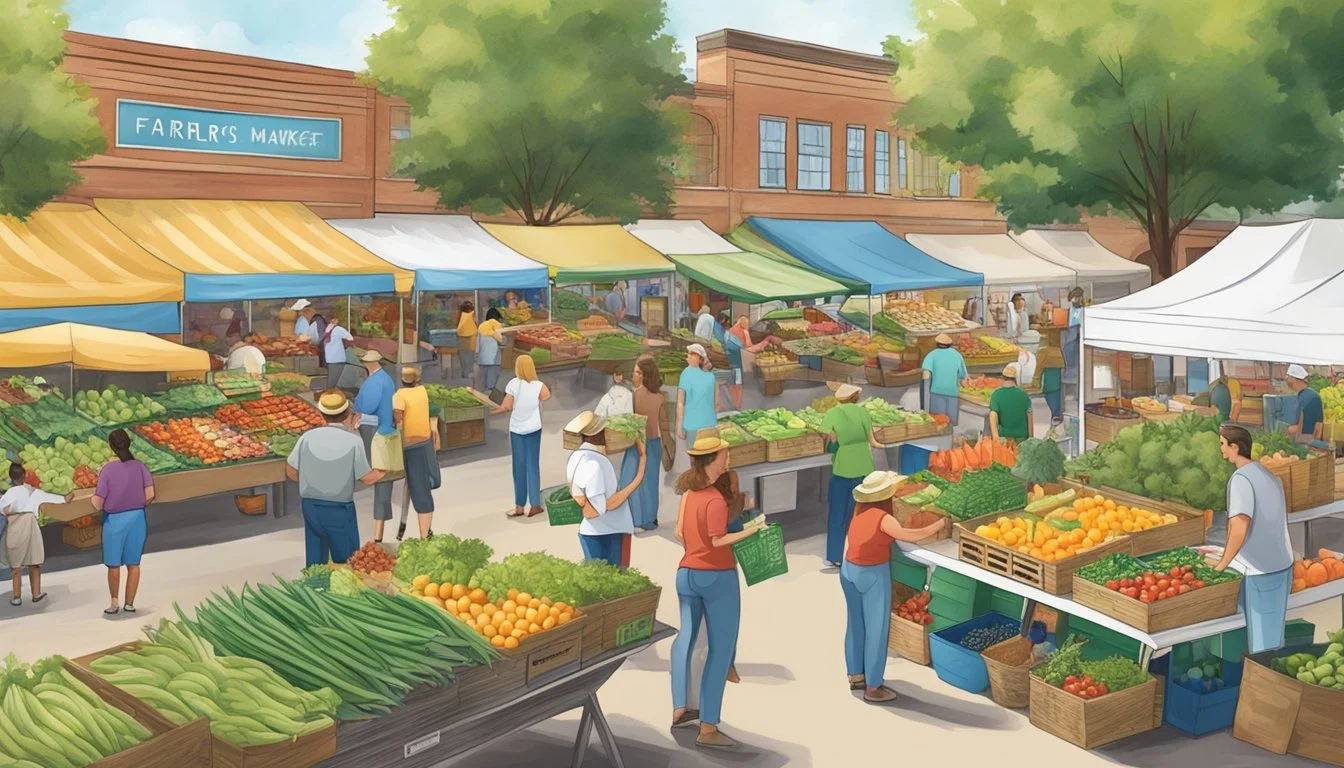
Community Supported Agriculture, commonly known as CSA, represents a growing movement in Huntsville, Alabama, where consumers buy into local farms and, in return, receive a share of the harvest throughout the farming season. This model creates a symbiotic relationship between local farmers and community members, fostering a closer connection to the source of their food. By investing in CSAs, residents of Huntsville support not just the production of fresh, locally-grown produce, but also contribute to the sustainability of their local farm economies.
In Huntsville, the concept of CSA is adapted to suit the community's unique agricultural landscape, including a variety of options ranging from heirloom vegetables to farm-fresh eggs. CSA members typically receive a weekly or biweekly box of seasonal produce, which they can pick up at designated locations. This direct farm-to-table distribution ensures that people get the freshest possible ingredients while also providing farmers with a reliable income stream.
The city's enthusiasm for local produce is evident in the diverse CSA programs available. Huntsville boasts everything from traditional CSA farm-shares to more specialized offerings like veggie plant CSAs. These initiatives not only underscore a commitment to sustainable agriculture but also reflect Huntsville's dedication to fostering a robust local food culture. Through CSA participation, Huntsville's residents actively contribute to the health and vibrancy of their agricultural community.
Overview of CSA
Community Supported Agriculture (CSA) has become an integral part of the local food movement in Huntsville, AL, providing residents with fresh, organic produce while supporting local farmers. By purchasing a subscription, members share in both the bounty and risks of agricultural production.
Concept and History
Community Supported Agriculture is a system where consumers support a local farm by purchasing shares, or subscriptions, in advance of the growing season. Inherited from European and Japanese concepts, CSA began to take root in the United States in the 1980s. This model allows farmers to receive upfront capital to cover anticipated costs and consumers to become directly invested in the local farming operation. The history of CSA in Huntsville mirrors the broader expansion of this movement across Alabama, encouraging sustainable agriculture and fostering community relationships.
Benefits of Joining a CSA
By joining a CSA, members receive numerous advantages:
Fresh, Organic Produce: Subscribers often have access to high-quality, seasonal produce that may be certified organic or grown using environmentally friendly practices.
Community Engagement: CSA members directly engage with their local food system, getting to know the farmers and the story behind their food.
Economic Stability for Farmers: Contributions from members can provide stability for farmers, reducing the financial risks associated with weather and market fluctuations.
Health and Environmental Impact: Local food systems encourage diverse crops and help reduce carbon footprint through shorter transportation distances.
Individuals in Huntsville have the opportunity to join various CSAs, each offering their unique array of products such as traditional vegetable boxes or specialized items catering to veggie plants for garden enthusiasts.
CSA Operations in Huntsville, AL
Community Supported Agriculture in Huntsville, AL, connects consumers with local farms, offering fresh harvests through memberships. Residents have access to seasonally available produce, often including organic options, while supporting local farmers throughout the growing season.
Local CSA Farms
Huntsville's CSA landscape is dotted with farms like The Orange Tomato and Henry's Family Farm. At these farms, members can get a variety of produce items including heirloom tomatoes, peppers, and beans. Heron Hollow Farms also offers CSA services, ensuring Huntsville residents have a bevy of options for local, fresh produce.
The Orange Tomato focuses on veggie plants for local gardeners.
Heron Hollow Farms, operated by Liz & Will Doonan, is known for its bi-weekly home deliveries.
Henry's Family Farm provides organic produce and is involved in local farmers markets.
Membership and Subscription Details
Memberships to these CSAs are diverse and provide residents with flexibility in how they receive their produce.
The Orange Tomato offers garden packages for home growers.
Heron Hollow Farms requires appointments for CSA delivery and operates year-round.
Henry's Family Farm features biweekly deliveries of organic produce, with subscriptions available for different quantities and types of produce items.
Seasonality and Produce Availability
The produce available through Huntsville CSAs is subject to Alabama's growing seasons, meaning the offerings change throughout the year.
In spring and summer, members might enjoy white cherry tomatoes and striped peppers.
During the autumn and winter, offerings may include hearty vegetables suitable for colder weather.
CSAs like Henry's Family Farm often have a presence at local markets such as Oakwood Farmer Market and Green Street Market, where seasonal produce is directly available to the public.
Types of Produce and Products
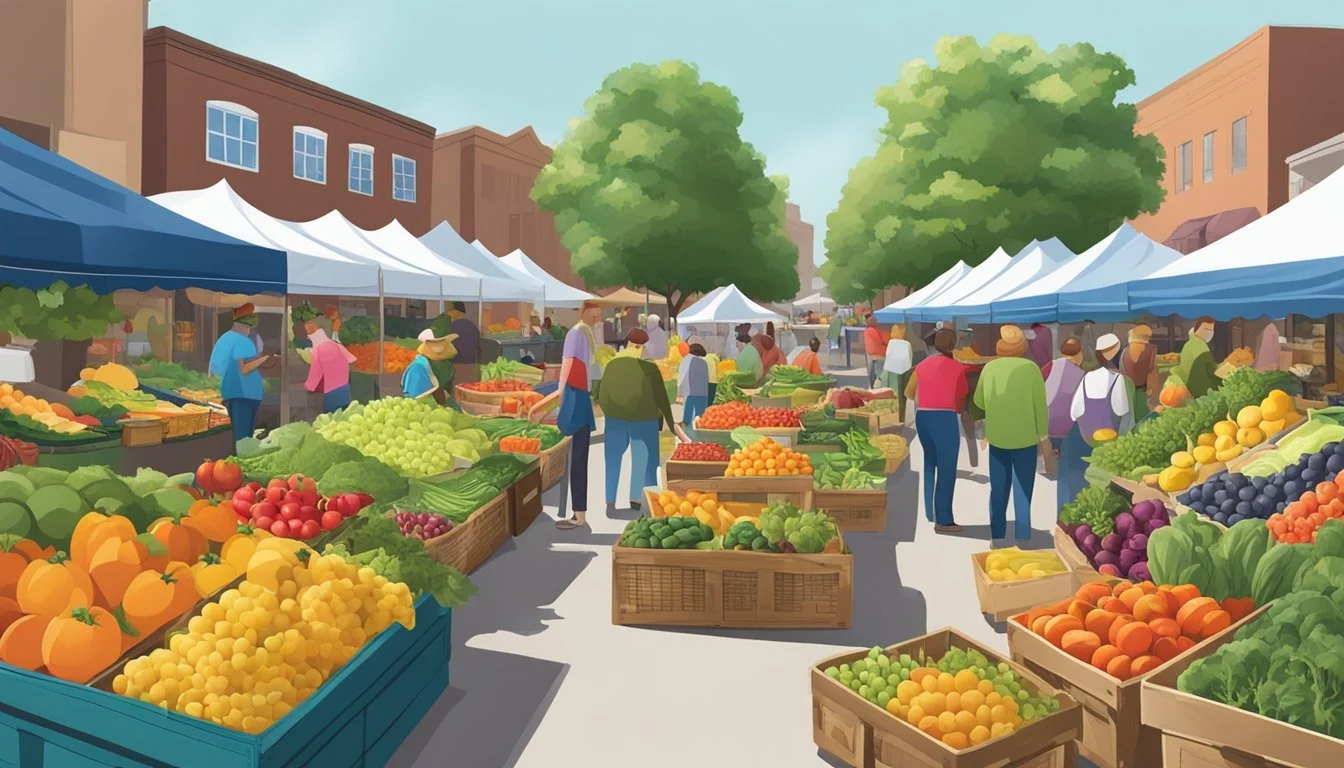
Community Supported Agriculture (CSA) in Huntsville, AL, offers a diverse range of farm-fresh products. Subscribers can expect a variety of vegetables and fruits, along with other specialty items delivered or available for pick-up throughout the season.
Commonly Offered Vegetables
CSAs in Huntsville typically provide a broad selection of vegetables. Patrons can enjoy seasonal rotations that may include:
Tomatoes: heirloom varieties like Mortgage Lifters
Peppers: from sweet bell to striped varieties
Beans: such as yardlong beans
Corn: fresh and perfect for grilling
Cucumbers: crisp and refreshing
Lettuce: various types for salads
Squash: both summer favorites like zucchini and winter squash
Okra: a Southern staple
Peas: including varieties like sugar snap or English peas
Fruits and Specialty Crops
Alongside vegetables, fruit offerings and specialty crops are common. Members might find:
White cherry tomatoes: a sweet, unusual variety
Fruits: depending on the season, including berries and orchard fruits
Greens: nutrient-dense options such as kale and spinach
Herbs and Teas: for culinary use and brewing
Additional Farm Products
More than just fruits and vegetables, Huntsville CSAs offer a variety of local farm products:
Eggs: fresh from the farm, often from free-range chickens
Meat: selections of locally raised and processed meats
Honey: natural and locally sourced
Baked Goods: including breads and pastries from farm ingredients
Cut Flowers: for brightening homes with natural beauty
Pick-up and Delivery Options: for convenient access to fresh produce
Bushels: available in different sizes to accommodate individual or family needs
By participating in a CSA, Huntsville residents can enjoy fresh, locally grown, and seasonal products while supporting their local farming community.
Logistics of CSA Distribution
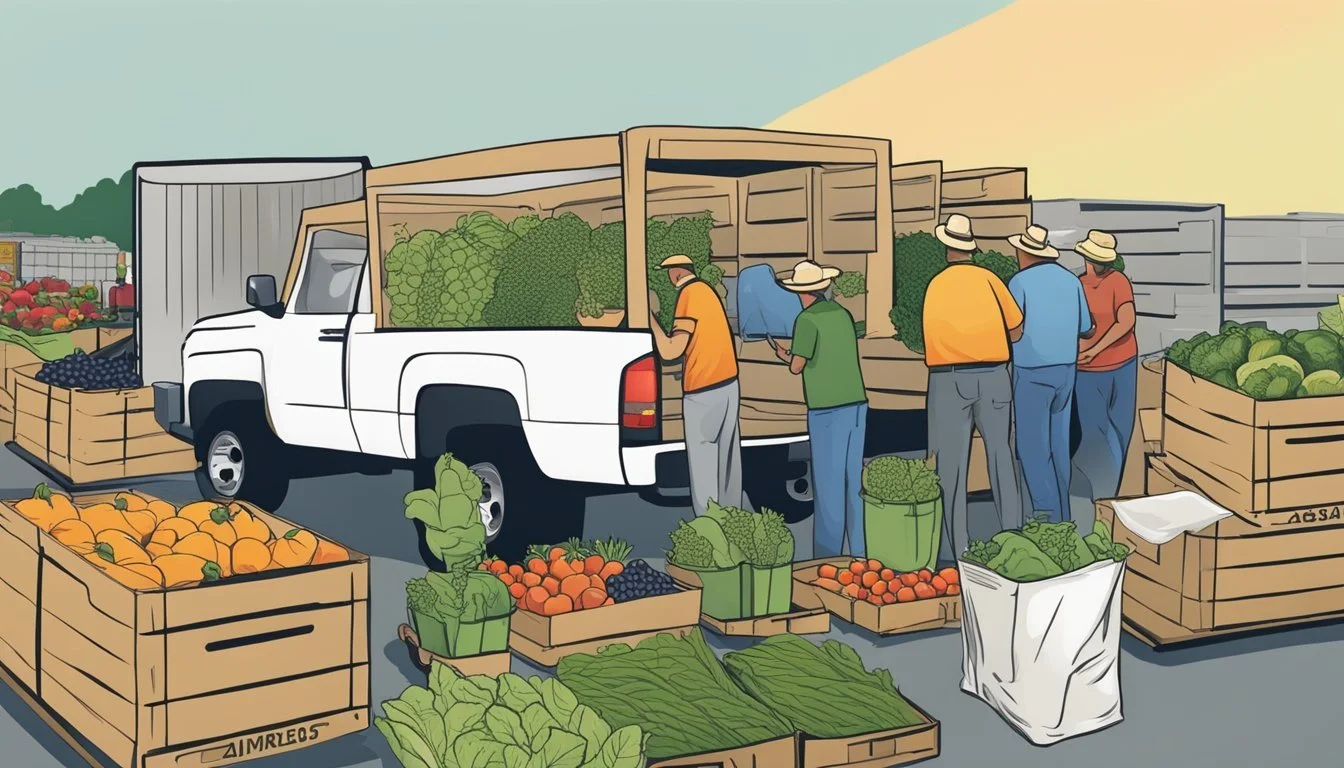
Community Supported Agriculture in Huntsville provides residents with fresh, local produce through thoughtfully organized distribution systems. Subscribers benefit from flexible collection and delivery options tailored to accommodate the rhythm of community life.
Collection and Delivery Options
CSAs in Huntsville offer various pick-up locations such as farmers' markets and designated spots central to the community. For instance, Henry's Family Farm attends the Oakwood Farmer Market on Fridays and the Green Street Market on Thursdays, providing convenient opportunities to collect CSA subscriptions. Members may receive notifications of availability and pick-up times, ensuring that they can plan their schedules accordingly.
Some CSAs also offer delivery services directly to subscribers' homes or workplaces, amplifying the convenience factor. These deliveries are typically arranged on a recurring weekly or bi-weekly basis, in line with the harvest schedule. This method of distribution ensures that fresh produce reaches members with minimal delay, maintaining quality and freshness.
Packaging and Contents
Produce in a CSA is usually distributed in boxes of standardized dimensions. A half bushel box is often 13" x 13" in size with a depth of 6 1/16", whereas a full bushel measures 17 ½" x 17 ½" with a depth of 7 1/16". These dimensions might differ slightly between CSAs but serve as a general guide. When members collect or receive their CSA box, they can anticipate a mix of items available that week based on seasonal availability and harvest.
The contents of a CSA box evolve throughout the growing season, with each delivery designed to reflect the best of current harvests. Early season boxes may contain leafy greens and herbs, while mid-season might bring a vibrant array of tomatoes, peppers, and beans. By connecting directly with the local agriculture, CSA members enjoy produce at its peak ripeness and nutritional content.
Economic Aspects of CSA
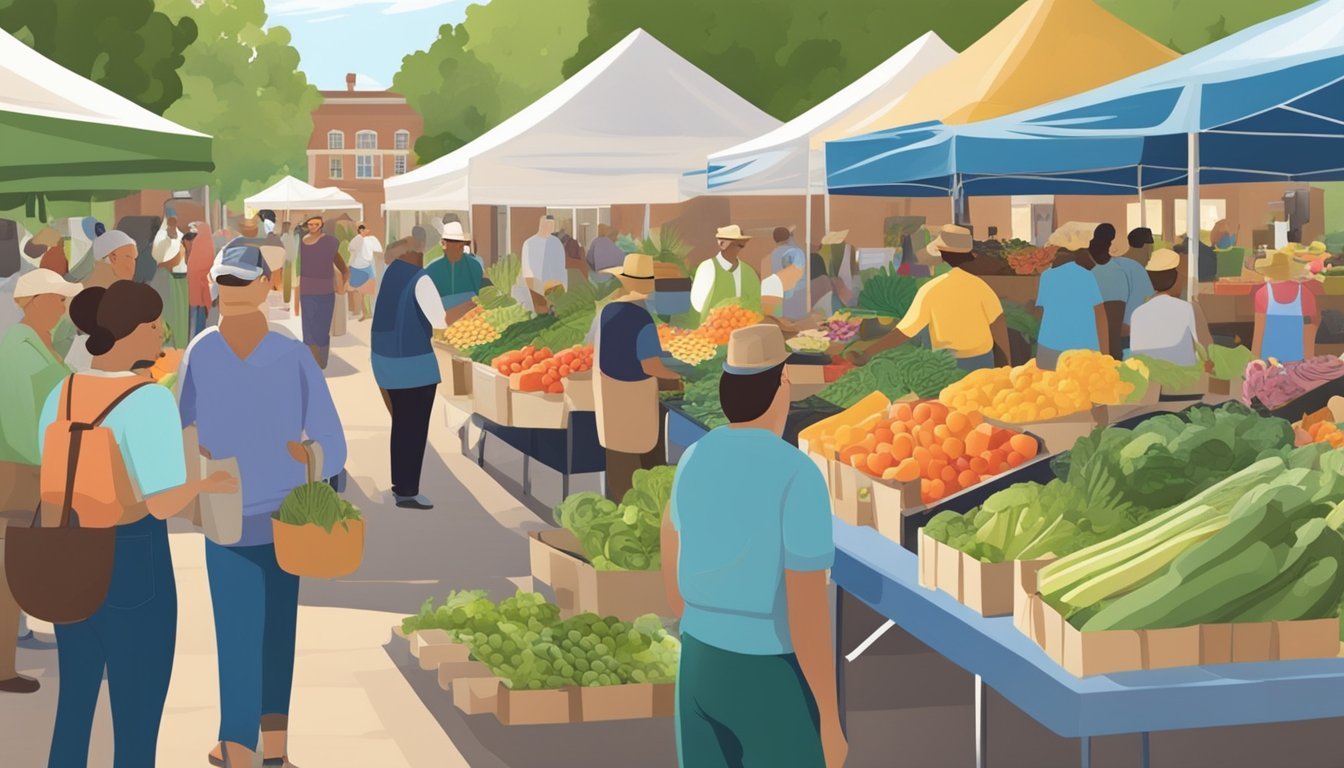
Community Supported Agriculture (CSA) in Huntsville offers members economic benefits and impacts local agriculture by altering traditional food purchasing dynamics. CSA can affect household food budgets and the local economy differently than typical grocery store transactions.
Cost Analysis
CSAs operate on a subscription-based model, where members pay upfront for a season's worth of produce. This cost is typically delineated at the beginning of the growing season and varies by CSA. For example, one might encounter a half bushel CSA box with set dimensions provided at a fixed price, while a full bushel box would be priced higher, due to the larger volume of produce. Members receive weekly or bi-weekly shares of produce throughout the harvest season. This upfront payment supports the farm's operational costs early in the season and helps stabilize farm income.
Subscription Costs:
Half Bushel Box: Typical dimensions 13" x 13" x 6 1/16" (price varies)
Full Bushel Box: Typical dimensions 17 ½" x 17 ½" x 7 1/16" (price varies)
Comparisons with Traditional Grocery Shopping
When comparing CSA costs to traditional grocery shopping, it is important to consider the freshness and sourcing of produce. While grocery stores offer produce with a range of pricing, CSA members typically receive fresher, locally sourced products. The prices of CSA shares may be competitive with, or sometimes higher than, grocery store prices; however, CSA produce often comes with added benefits such as organic or heirloom varieties not typically found in supermarkets.
Price Comparisons:
Item CSA Price Grocery Store Price Organic Tomatoes Part of share Priced per pound Heirloom Varieties Included in share Often higher priced or unavailable
By subscribing to a CSA, households directly support local farmers, which can foster a more resilient local economy. This direct-to-consumer model reduces the middlemen and associated costs that might otherwise be found in traditional grocery shopping.
Community Impact
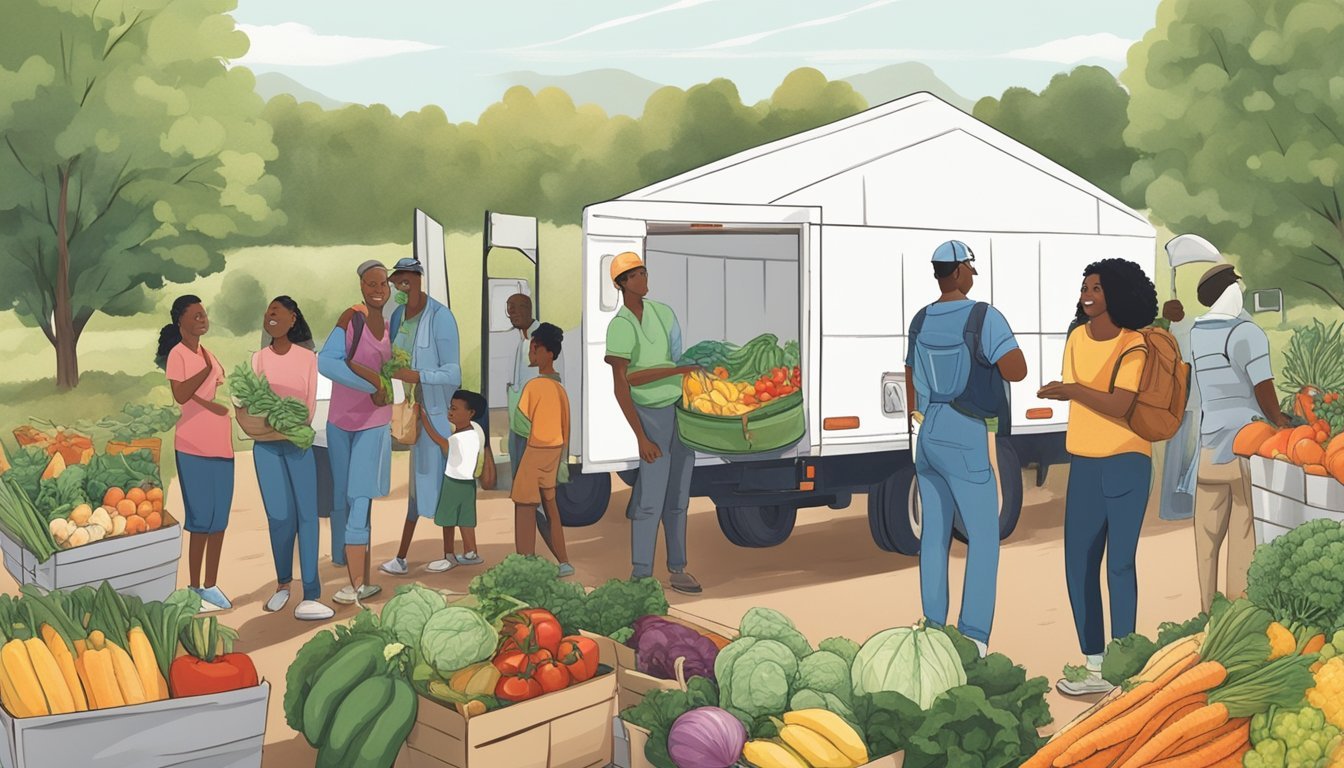
Community Supported Agriculture (CSA) in Huntsville significantly impacts the local community, from bolstering regional agriculture to fostering stronger community bonds and contributing to environmental sustainability.
Support for Local Agriculture
Local CSAs, such as The Orange Tomato and others in the region, ensure that Huntsville's farmers receive direct support from community members. These engagements provide a reliable income stream for farmers, mitigating the uncertainties of fluctuating market prices. Community members can purchase fresh produce like heirloom tomatoes and yardlong beans directly from local businesses.
Environmental Benefits
By sourcing food locally through CSAs, Huntsville residents help reduce the carbon footprint associated with long-distance transportation. Additionally, many local farmers employ sustainable farming practices that contribute to soil health and biodiversity, making CSAs a catalyst for environmental stewardship in the area.
Building Community Connections
CSAs in Huntsville, like those compiled by Rocket City Mom, forge connections between farmers and community members. They go beyond mere transactions by creating spaces where people can engage directly with those who grow their food at venues such as farmers' markets. This fosters a sense of community and strengthens the local economy by keeping money within the area.
Challenges and Considerations
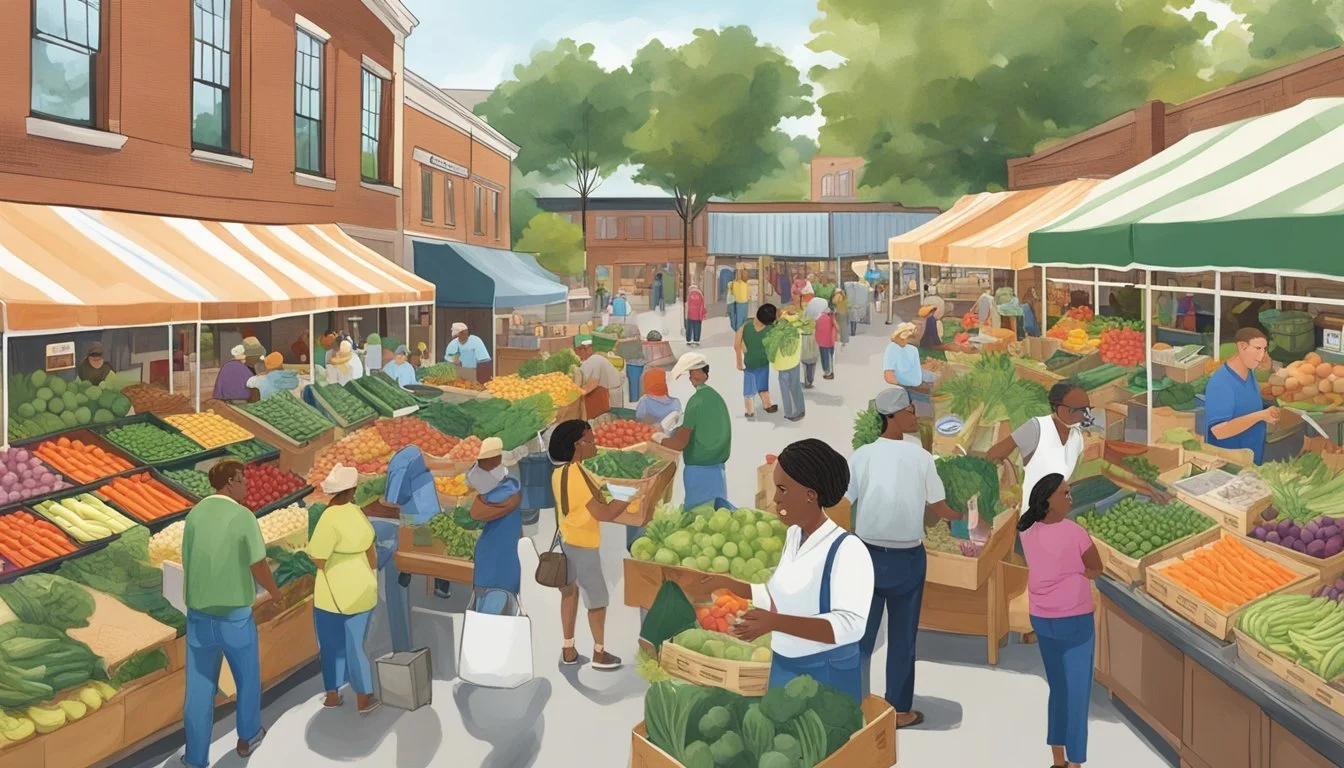
Engaging in Community Supported Agriculture (CSA) in Huntsville, AL, involves navigating certain challenges and adjusting to important considerations. Stakeholders must be aware of the risks and responsibilities inherent to the CSA model to ensure a thriving partnership between farmers and community members.
Weather and Crop Risks
CSAs in Huntsville face the inevitable risk of weather unpredictability, which can lead to crop failures or lower yields. Farmers must engage in careful planning and employ agricultural best practices to mitigate these risks where possible. Furthermore, investments in labor and infrastructure to combat extreme weather conditions, such as irrigation systems during droughts or protective coverings for frosts, are essential for resilience.
Commitment and Expectations
Members of a CSA must recognize the level of commitment required to support their local farmers. This includes the understanding that they share in the risk of crop production. Expectations should be managed with clear communication outlining possible fluctuations in product availability. It's vital for members to recognize the value of labor and the impact of their financial support on the farm’s planning and operations.
How to Join a CSA in Huntsville
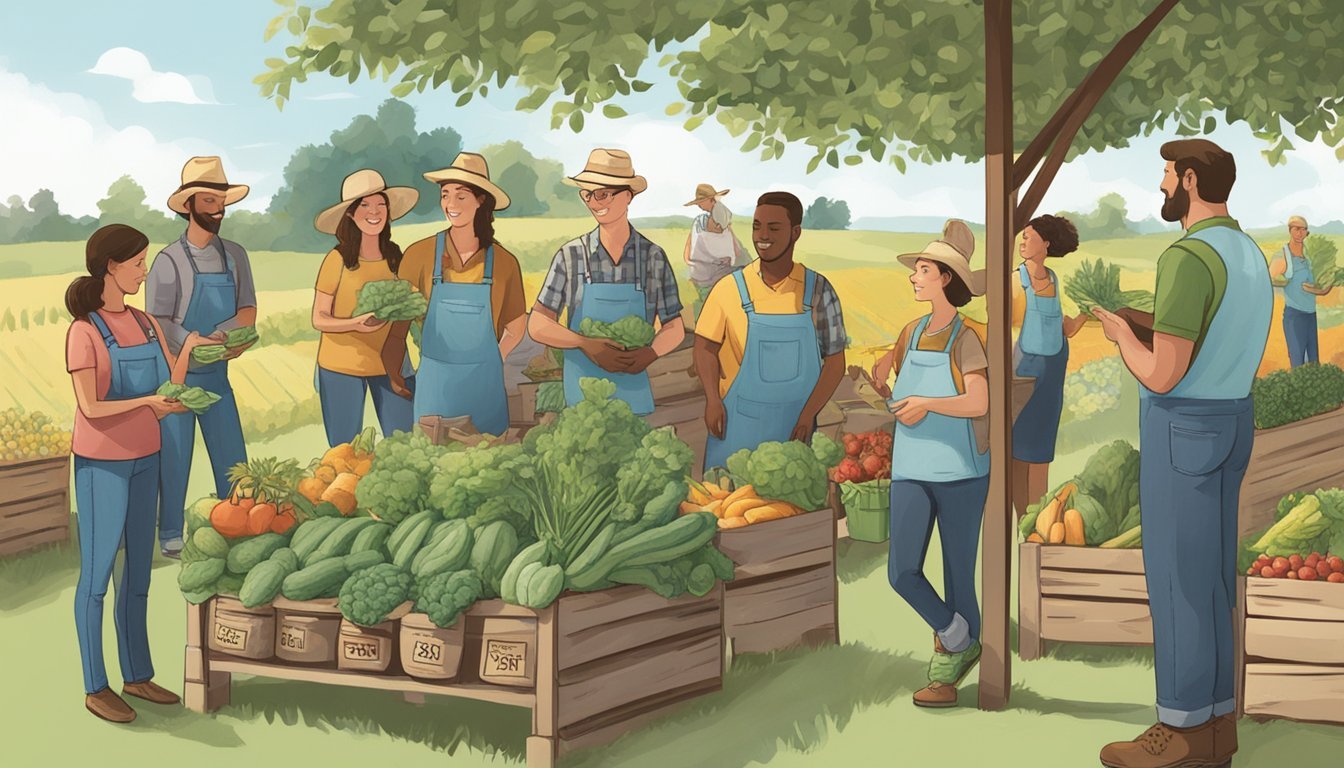
Joining a Community Supported Agriculture (CSA) program in Huntsville allows residents to access fresh, local produce directly from farmers. This section will guide you through selecting a CSA, understanding the sign-up process, and recognizing member responsibilities.
Choosing the Right CSA
When selecting a CSA in Huntsville, potential members should consider the types of produce offered, the cost of shares, and pick-up locations. CSAs such as The Orange Tomato and Huntsville Farm typically provide a variety of seasonal vegetables. Members must assess which CSA aligns with their preferences for organic produce, heirloom varieties, and additional offerings like eggs or dairy. They must also consider the convenience of pick-up sites and any additional community events hosted by the CSA.
Review different CSA options in Huntsville, evaluating their plant offerings and share sizes.
Confirm the CSA's pick-up locations and schedule align with your availability.
Sign-Up Process
To become a member of a CSA in Huntsville, interested individuals should contact the CSA directly. Communication can typically be initiated through the CSA’s website, via a "Contact Us" page, or by phone. Most CSAs require members to fill out a registration form and pay for their share in advance of the growing season.
Reach out to the CSA via their provided contact information to inquire about membership.
Complete the registration form and submit payment according to the CSA's guidelines.
Member Responsibilities
Members usually commit to a full season and share the risk with the farmer, understanding that crop yields may vary due to weather or other factors. Additionally, members are often encouraged to participate in CSA events and volunteer opportunities, fostering a closer connection to their food and the local farming community.
Agree to a seasonal commitment and understand the shared risks of farming.
Engage with volunteer opportunities to support the CSA and enjoy the benefits of community involvement.
Supporting Local Agriculture Beyond CSA
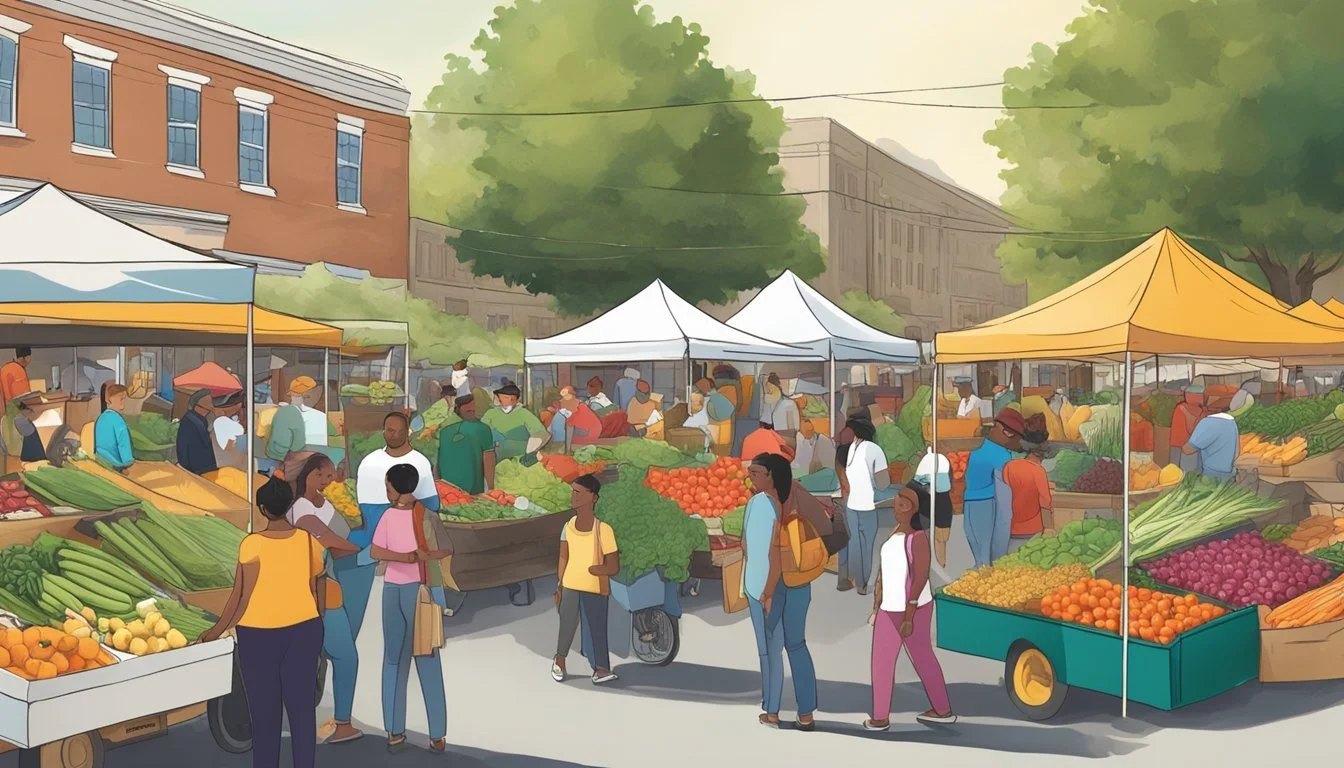
While Community Supported Agriculture (CSA) is an excellent way to support local farmers in Huntsville, other avenues also contribute to a robust agricultural community. These methods provide alternate means of connecting consumers with fresh, local produce.
Shopping at Farmers Markets
Farmers markets in Huntsville are seasonal havens for fresh, local produce that often extend beyond what a traditional CSA might offer. They not only facilitate face-to-face interactions between consumers and growers but also foster a deeper understanding of local food systems. The following are prominent markets where Huntsville residents can source locally-grown food:
Greene Street Market at Nativity: Open May through October, offering a vast selection of fruits, vegetables, meats, and baked goods from local farmers.
Madison City Farmers Market: Known for a wide variety of organic and sustainable produce, open from April to November.
By shopping at these venues, customers can support local agriculture on a week-by-week basis, providing a consistent market for local farmers' goods.
Promoting Local Farms on Social Media
Social media platforms are powerful tools for amplifying the reach of local farms. They can create awareness about the benefits of supporting local agriculture and inform consumers about market dates, special events, or new product offerings. Residents of Huntsville can take simple actions to aid their favorite farms:
Share updates from local farms' social media profiles to increase visibility.
Post about experiences at farmers markets and tag the respective farms.
Use hashtags like #HuntsvilleLocal and #FarmToTable to connect with broader conversations about local agriculture.
Such online advocacy not only helps to promote individual farms but also spreads the ethos of supporting local agriculture, complementing traditional Community Supported Agriculture efforts.
Additional Information
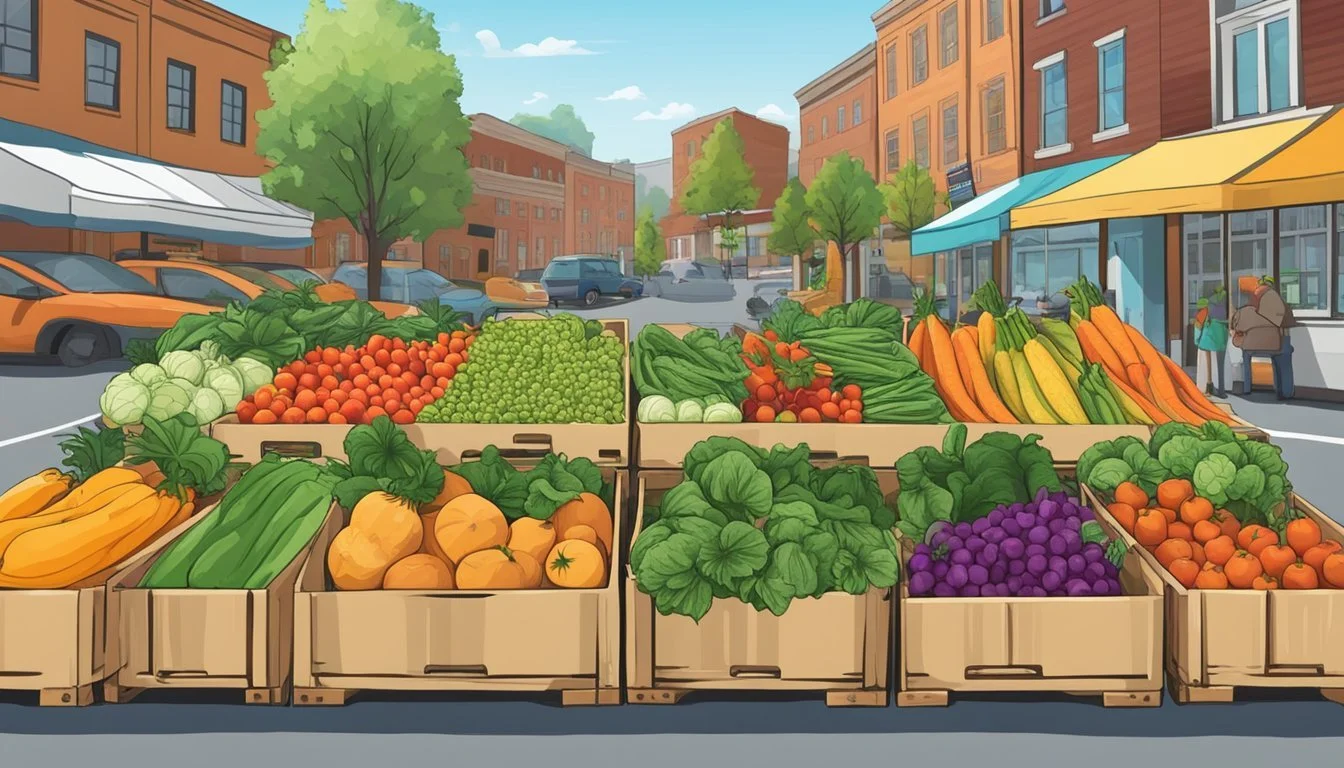
In Huntsville, AL, Community Supported Agriculture programs facilitate a wealth of knowledge and culinary exploration. Individuals seeking to broaden their understanding of sustainable farming and cooking with fresh, local produce will find ample resources.
Educational Resources
CSAs in Huntsville offer educational initiatives that allow members to gain insight into the farming process. Henry's Family Farm, for instance, is known to engage the community with on-site visits at local farmers markets such as MidCity Farmers Market and Oakwood Farmer Market. These venues serve as platforms where individuals can learn about crop rotation, organic farming practices, and the seasonal nature of produce directly from growers.
Local Farmers Markets:
MidCity Farmers Market: Sundays, 1-3pm at 5909 University Blvd.
Oakwood Farmer Market: Fridays, 12-4pm at 5001 Adventist Blvd NW.
Recipes and Cooking Tips
A significant benefit of joining a CSA is the access to a variety of fresh ingredients paired with imaginative recipes. For example, The Orange Tomato CSA shares unique plant varieties like striped peppers and heirloom tomatoes, which can be integrated into regional dishes for an Alabama twist. Subscribers often receive newsletters with cooking tips and seasonal recipes, ensuring that they can make the most out of their boxes each week.
Recipe Inspirations:
Striped Peppers: Stuffed with quinoa and black beans
Heirloom Tomatoes: Sliced for Alabama-sized BLTs
These subsections provide members with resources to not only understand where their food comes from but also how to incorporate it into nutritious and delicious meals.