Community Supported Agriculture (CSA) in Huntington Beach, CA
A Guide to Local Harvests

Community Supported Agriculture (CSA) embodies a model of food distribution that strengthens the connection between Huntington Beach residents and local farmers. This agricultural framework allows consumers to subscribe to the harvest of a particular farm or group of farms, usually receiving a weekly or bi-weekly share of produce. The CSA model not only supports local agriculture but also encourages sustainable farming practices and provides community members with access to fresh, seasonal food.
In Huntington Beach, CA, the interest in CSA has blossomed, reflecting a wider national trend that advocates for healthier eating habits and greater food consciousness. Local farms offer a range of CSA shares that might include vegetables, fruits, and sometimes additional farm products. This direct-to-consumer approach fosters a relationship of mutual support where consumers get to understand where their food comes from, and farmers gain a reliable market for their crops.
Understanding CSA
Community Supported Agriculture represents a critical partnership between the community and local agriculture. It's a system that strengthens the bonds and provides tangible support to farmers by consumers.
Definition and Principles
Community Supported Agriculture (CSA) operates on a simple yet profound premise: consumers purchase "shares" from local farmers, thus becoming members of the CSA. These shares usually consist of a weekly or bi-weekly delivery of fresh, seasonally-appropriate agricultural products, commonly fruits and vegetables. The core principles behind CSA are to foster local economic growth, support sustainable farming practices, and develop a connected community. Membership in a CSA implies commitment, where both farmer and consumer share the risks and benefits of food production.
History of CSA in the U.S.
The CSA model emerged in the United States during the 1980s, influenced by European and Japanese concepts that sought to unify food producers and consumers. It was a response to a growing desire for fresh, local food, and an alternative to the large-scale, industrialized food system. The first known CSAs in the U.S. started simultaneously in Massachusetts at Indian Line Farm and the Temple-Wilton Community Farm in New Hampshire. Since then, the model has spread across the country, with thousands of CSA farms providing fresh produce to local communities and fostering relationships between consumers and their food sources.
Benefits of Joining a CSA
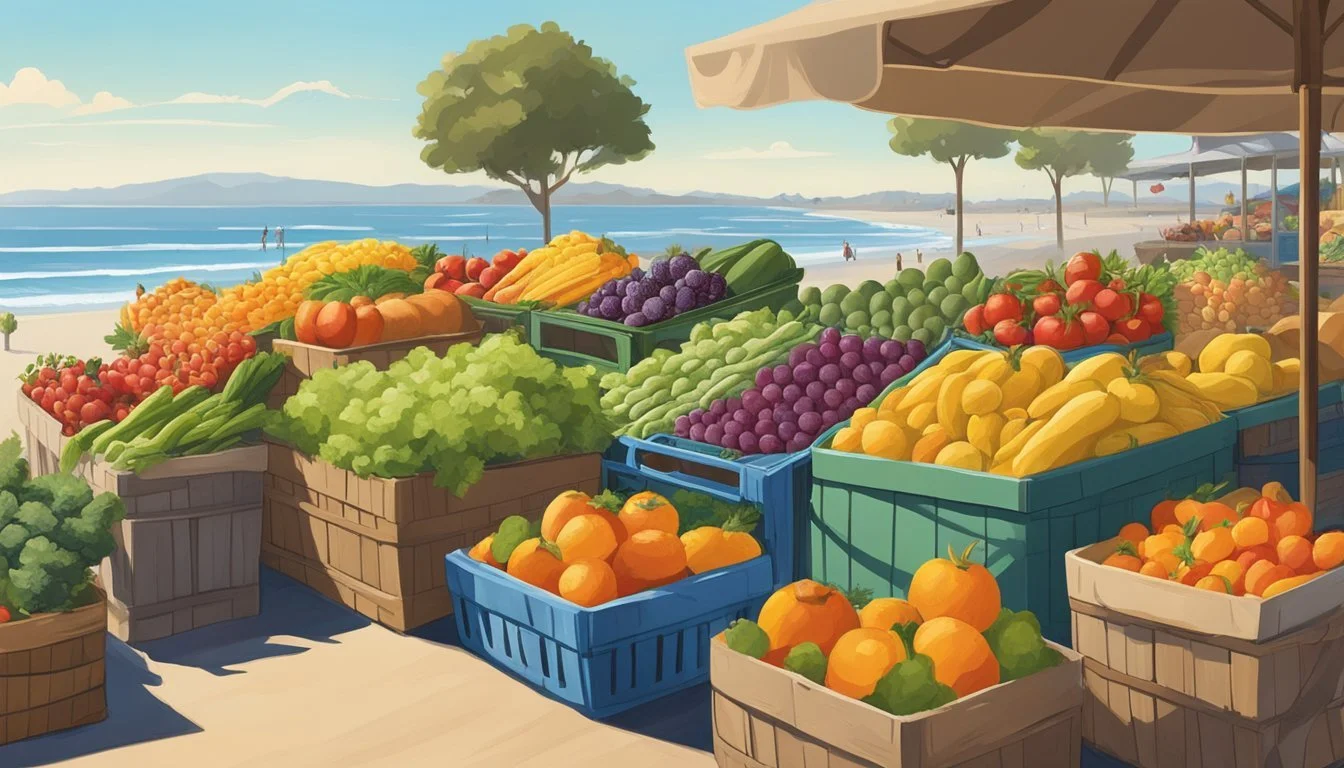
When residents of Huntington Beach join a Community Supported Agriculture (CSA) program, they gain access to fresh, local produce while supporting the local economy. These subscriptions also offer notable health and nutrition benefits and contribute positively to environmental sustainability.
Fresh, Local Produce
Members of a CSA typically enjoy a variety of fresh fruits and vegetables throughout the growing season. This produce, often organic, is sourced directly from nearby farms, ensuring that it arrives at their tables fresher than what might be found at a typical grocery store. The locality of the food reduces transportation times, keeping produce nutrient-rich and flavorful.
Supporting Local Economy
By participating in a CSA, consumers directly support their local farmers and economy. The upfront payment model gives farmers a reliable income source and helps cover the initial costs of farm operations. This, in turn, helps nurture a robust community and cultivates a connection between growers and consumers in Huntington Beach.
Health and Nutrition Benefits
Healthy eating is a standout benefit of joining a CSA. The seasonal vegetables and fruits provided in the shares encourage diverse and nutritionally balanced diets. Moreover, CSA produce is often grown with fewer pesticides and chemicals, contributing to better overall health.
Environmental Impact
CSA programs in Huntington Beach emphasize sustainable food systems. By offering local food, these programs minimize the carbon footprint associated with long-distance transport. CSA practices promote biodiversity and soil health, playing a crucial role in creating an environmentally sustainable community.
How CSA Works
Community Supported Agriculture (CSA) in Huntington Beach, CA, engages members and farmers in a relationship that benefits both. Members receive fresh, local produce through subscriptions, and farmers gain financial security.
The Role of Members
In a CSA model, members, often referred to as shareholders, provide financial support to a local farm at the start of the growing season. This upfront investment allows farmers to plan and manage their crop production more efficiently. In return, members get a share of the harvest throughout the farming season, usually on a weekly or bi-weekly basis.
Shares and Subscriptions
CSA shares are essentially portions of the farm's produce allocated for members. A typical share might include a variety of vegetables and possibly other farm products. Members commit to a subscription that often spans the growing season, paying in advance for their shares. This subscription model provides farmers with upfront capital to cover initial agricultural costs.
Distribution Methods
Distribution of CSA shares to members is typically handled through predetermined delivery methods. Members either pick their shares up at a local drop-off point in Huntington Beach or, in some cases, a delivery service might bring shares directly to the member's home. Distribution is carefully timed, often on a weekly basis, to ensure the freshness and quality of the produce.
By adhering to these structures, CSAs in Huntington Beach offer members access to high-quality, local produce, while supporting farmers and promoting a sustainable food system.
CSA Farms in Huntington Beach
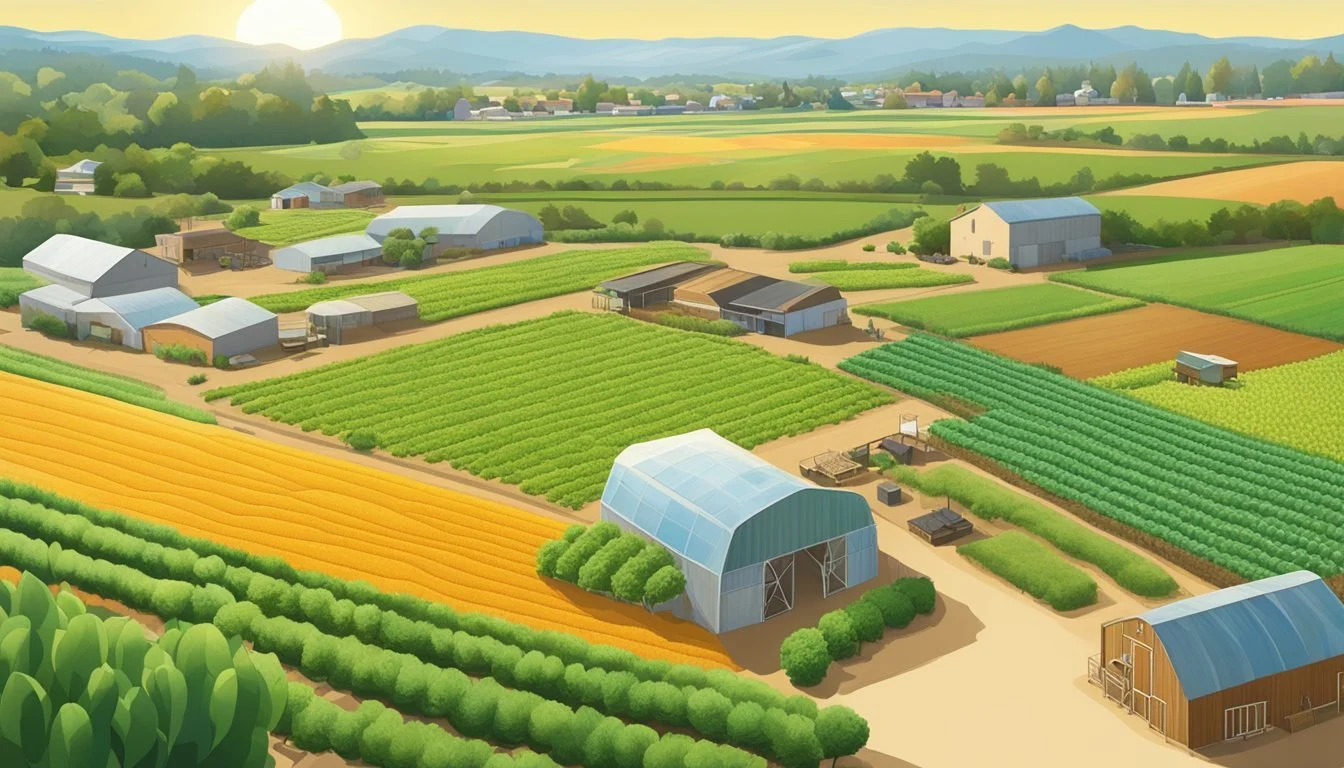
Community Supported Agriculture is a thriving practice in Huntington Beach, with local farms such as Tanaka Farms leading the way in providing fresh, locally grown produce to the community through CSA programs. Local CSA networks also play a pivotal role, fostering connections between consumers and a variety of local farms.
Tanaka Farms
Tanaka Farms offers a rich selection of farm products as part of its CSA program. They use innovative approaches to sustainable farming, ensuring that members of their CSA receive the freshest seasonal produce. By participating in their CSA, consumers directly support local agriculture and receive a weekly bounty of fruits and vegetables harvested at peak flavor and nutritional value.
Local CSA Networks
Local CSA networks operate as aggregators of multiple local farms, providing a comprehensive directory of CSA options available to Huntington Beach residents. These networks enhance the access to a diversity of locally grown goods, from traditional vegetables to unique farm products that might not be found in regular markets. CSA innovation networks are vital in promoting the various farm offerings and connecting consumers with the abundance of local food directories, simplifying the search for CSA programs that best suit individual preferences and needs.
Through CSA programs, Huntington Beach cultivates a strong relationship between local farmers and the community, ensuring a future of sustainable, locally sourced food for all its residents.
Membership and Costs
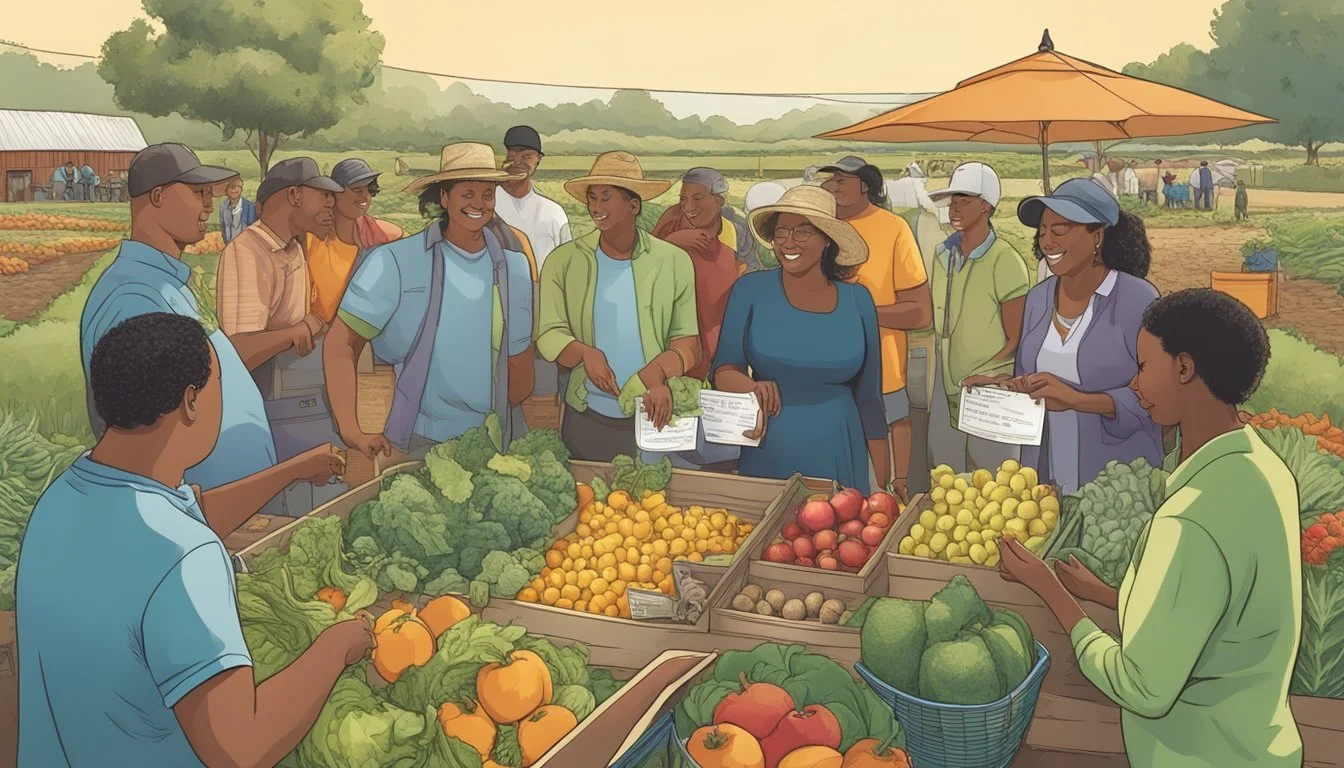
In Huntington Beach, the membership and costs associated with participating in a Community Supported Agriculture (CSA) program vary by farm, but they all focus on building a relationship between local farms and community members who support agriculture through upfront membership fees.
Fee Structures
Most CSA programs in Huntington Beach operate on a prepaid subscription model where members pay for a season's worth of produce in advance. This fee supports the farm's operations upfront, thereby allowing farmers to plan their crop production more effectively. There are generally two types of fee structures found in local CSA programs:
Flat Fee: A single payment that covers the entire season. It may vary depending on the size of the share the member chooses.
Installment Plan: Members may have the option to pay in installments, often on a monthly basis, although this might include a small administrative surcharge.
Typical Costs:
Small Share: Ideal for individuals or small families.
Large Share: Suitable for larger families or those who consume more produce.
Here’s an example of what CSA box prices might look like:
Share Size Fee Small Share $300 - $500/season Large Share $500 - $700/season
Understanding Membership Levels
Membership levels often align with the size of the produce box a member receives, which is determined by the number of items or the volume of produce.
Individual/Couple:
Smaller portion sizes
Fewer varieties
Family:
Larger portions
More variety to meet the needs of a family
Some CSA programs may offer additional membership benefits, such as:
Exclusive farm events for members.
Additional farm products like eggs, dairy, or meats at a discounted rate for members.
It's important for potential members to understand that the relationship with the farm is seasonal and typically requires a commitment that spans the length of the growing season, although some farms may accommodate more flexible arrangements.
Choosing a CSA Program
When selecting a CSA program in Huntington Beach, CA, one should carefully consider farming practices and share types to align with their needs and values.
Evaluating Farming Practices
Choosing a CSA with farming practices that resonate with an individual's values is crucial. Consumers should inquire about organic certification or sustainable farming techniques to ensure they are supporting eco-friendly agriculture. Farms may offer a variety of seasonal produce, including vegetables, fruit, and citrus like grapefruit, which are grown with a commitment to environmental stewardship.
Determining Share Types
CSA programs typically offer different types of shares, which may include a standard farmer's choice box or a customizable box. A standard box often contains a variety of seasonal produce, while customizable options may allow the inclusion of other items such as meat, flowers, and even artisanal products. Subscribers should consider their household size and eating habits to decide on the share type that best suits their needs.
Farmer's Choice Box: Contains a pre-selected assortment of fresh, seasonal items.
Customizable Box: Allows members to select their preferences, which may include:
Fresh vegetables and fruit
Organic options
Locally-sourced meat
Specialty items like citrus or flowers
CSA and Community Engagement
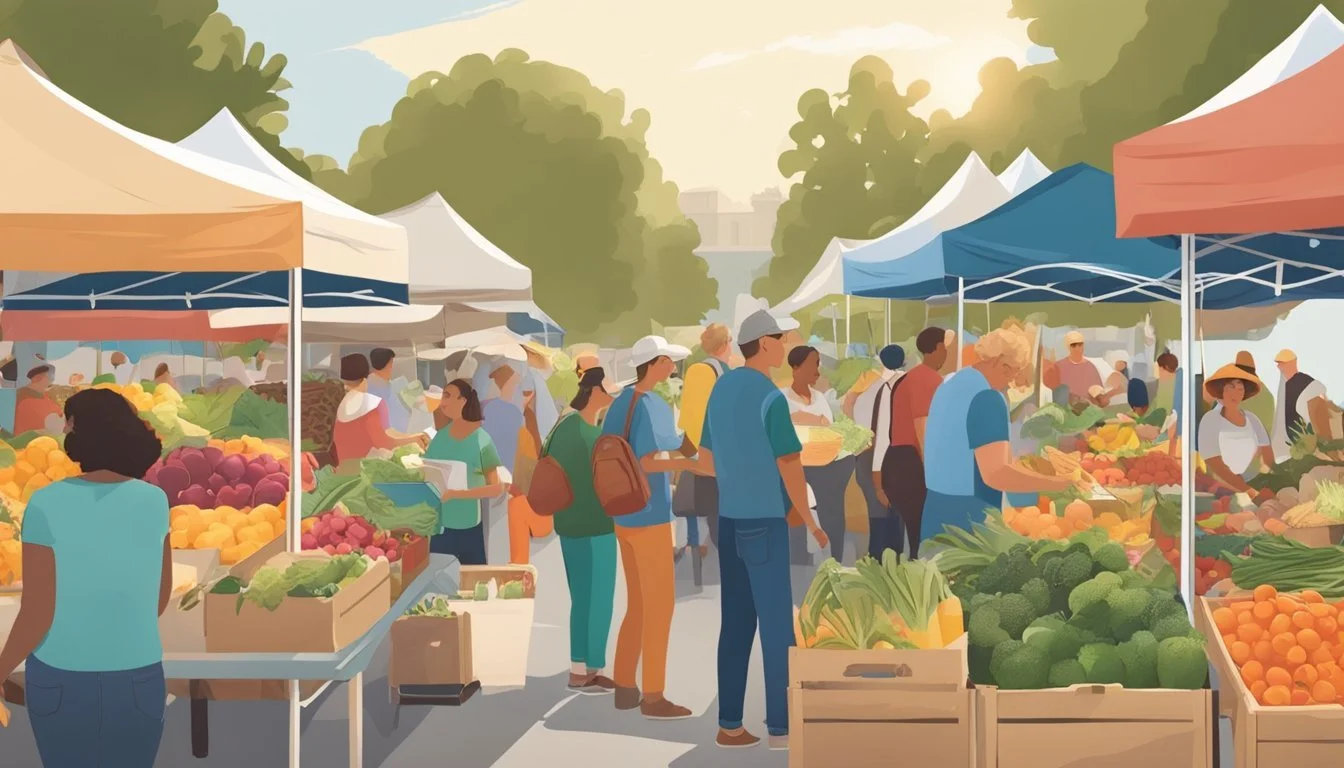
Community Supported Agriculture in Huntington Beach strengthens the bond between farms and local residents through various initiatives aimed at fostering collaboration and learning.
Fostering Community Relationships
CSA programs in Huntington Beach cultivate a network of partnerships, connecting local farmers directly with community members. By buying shares of a farm's harvest in advance, residents support the agricultural community financially, while farmers gain a predictable income stream. This symbiotic relationship enhances community relationships and ensures mutual support.
Educational Programs
Educational efforts are integral to CSA programs in Huntington Beach. Farms may collaborate with local schools or community centers to provide hands-on learning experiences. These programs often include discussions on nutritional values, sustainable farming practices, and the importance of local food systems, fostering a well-informed community.
Events and Volunteer Opportunities
Several events are typically on the calendar for CSAs in Huntington Beach, such as farm visits, harvest festivals, and cooking demonstrations, which encourage community participation. Volunteer opportunities allow community members to engage in farm operations, deepening their understanding of agriculture and further knitting the community fabric.
CSA Marketing and Growth
In Huntington Beach, CA, Community Supported Agriculture has employed strategic marketing techniques and formed valuable partnerships to enhance growth and support local food systems.
Marketing Strategies
Community Supported Agriculture (CSA) groups in Huntington Beach capitalize on the city's affinity for fresh, locally-sourced produce by employing targeted marketing strategies. Data analytics are utilized to track consumer preferences and adjust product offerings accordingly. They connect with customers through social media platforms and farmers markets, using these as vital tools for outreach and engagement. Additionally, CSAs integrate APIs with their websites to provide real-time updates on share availability, making the subscription process seamless for customers.
Partnerships and Expansions
CSAs in Huntington Beach have thrived through forming partnerships with local businesses and restaurants, positioning themselves as pivotal components of the community's food systems. They collaborate on initiatives to bring CSA shares as part of employee wellness programs, fostering a culture of health and a stable customer base. Expansion efforts are often backed by findings from research on consumer food purchasing behaviors, guiding CSAs to make informed decisions about new collection points and share varieties.
Economic and Social Impact
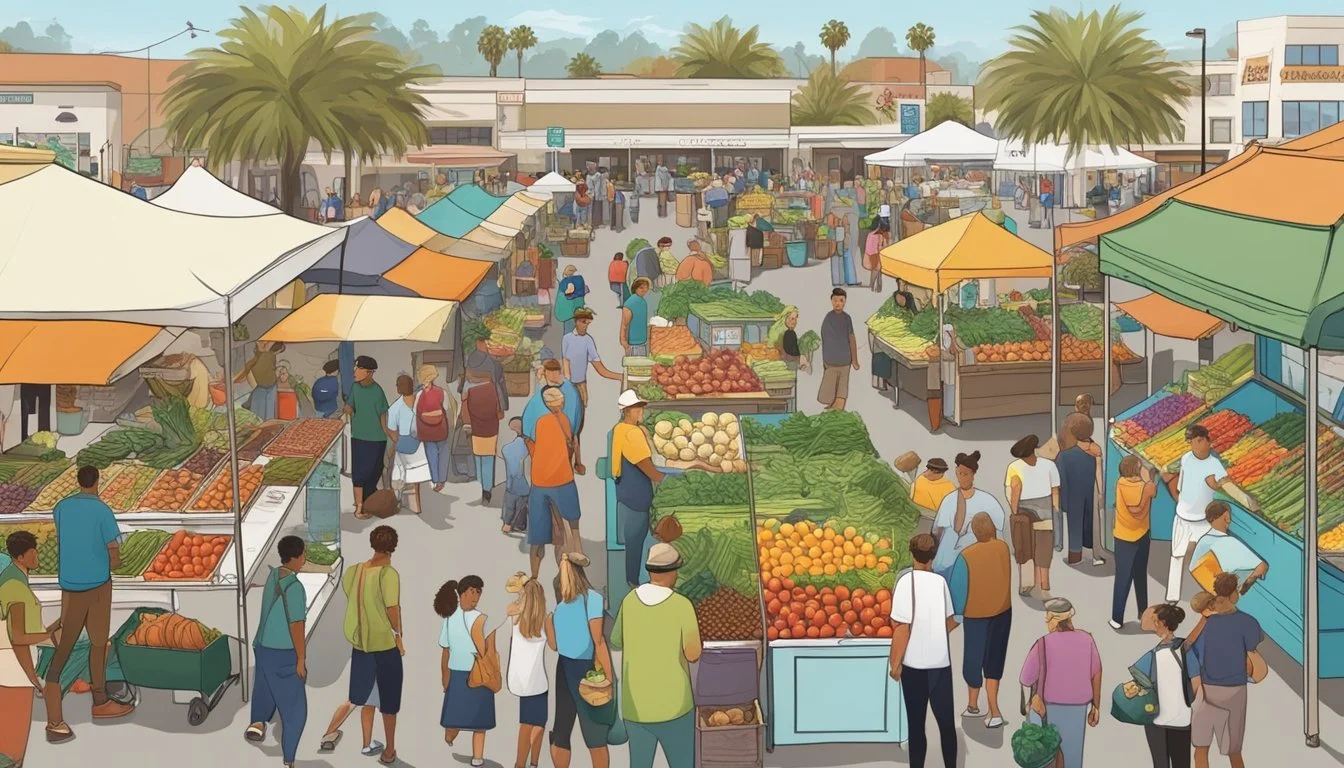
Community Supported Agriculture (CSA) in Huntington Beach has an influential role in fortifying local food systems and supporting urban agriculture. Its impact is not limited to the inclusion of low-income households but extends to the economic vibrancy and health of local communities.
Contribution to Local Food Systems
CSAs in Huntington Beach actively contribute to the local food system by fostering closer connections between residents and the sources of their food. They encourage economic investment in local agriculture, which translates into better support for local farmers and increased access to fresh, healthy food options. This direct-to-consumer approach not only bolsters the local economy but also helps in reducing the carbon footprint associated with long-distance food transport.
Support for Low-Income Households
By integrating SNAP (Supplemental Nutrition Assistance Program) benefits, CSAs become more accessible to low-income households in Huntington Beach. This broadens the reach of nutritious food choices for those who might otherwise struggle to afford them. The inclusion of economic incentives and subsidies for CSA memberships ensures that all community members, regardless of income, have the opportunity to participate in and benefit from local food systems.
The Future of Urban Agriculture
CSAs represent a pivotal element in the future of urban agriculture in Huntington Beach. They not only serve as a testament to a community's ability to support sustainable and healthy food production, but they also provide a base for economic resilience and social well-being. As urban agriculture continues to evolve, the role of CSAs as incubators for innovation and community engagement is both inevitable and invaluable.
Trends and Innovations
In Huntington Beach, CA, Community Supported Agriculture (CSA) programs are evolving through new business models and incorporating advanced technology to enhance their operations, data management and to better serve the community.
New CSA Models
CSA programs in Huntington Beach have begun to diversify their offering beyond the traditional pre-season investment model. Farmers are implementing multi-farm CSAs that aggregate produce from several growers, thereby offering a broader array to consumers and fostering cooperative interactions among local farmers. This adaptation leads to resilience and sustainability within the Huntington Beach CSA community. Some CSA programs are also offering more customizable shares which allow members to have a say in the produce they receive, thereby reducing waste and increasing customer satisfaction.
Another emergence is the CSA Innovation Network, a platform sharing best practices and innovations in the CSA movement. By participating in this network, Huntington Beach CSAs stay at the forefront of agricultural trends, ensuring they adapt to changing market demands.
Technology and Data Utilization
The role of technology and data has become pivotal for CSAs in Huntington Beach. The adoption of software management tools helps streamline operations from member subscriptions to distribution logistics. Furthermore, data collected on consumer preferences and buying patterns is analyzed to optimize share contents and improve farm yields.
The integration of Application Programming Interfaces (APIs) enables real-time updates for members about the status of their shares and product availability. They can select or modify their orders, providing a level of flexibility and personalization previously unavailable.
According to the U.S. Department of Agriculture (USDA), access to accurate data and research is crucial for the success of CSA models. By participating in national programs and utilizing available data, Huntington Beach CSAs continuously refine their practices and contribute valuable information to the communal agricultural knowledge base. This symbiotic relationship ensures that the CSAs function efficiently and remain relevant in a competitive market.
By leveraging these trends and innovations, Community Supported Agriculture programs in Huntington Beach meet the needs of today's consumers while maintaining their commitment to sustainable farming practices.
Challenges and Considerations
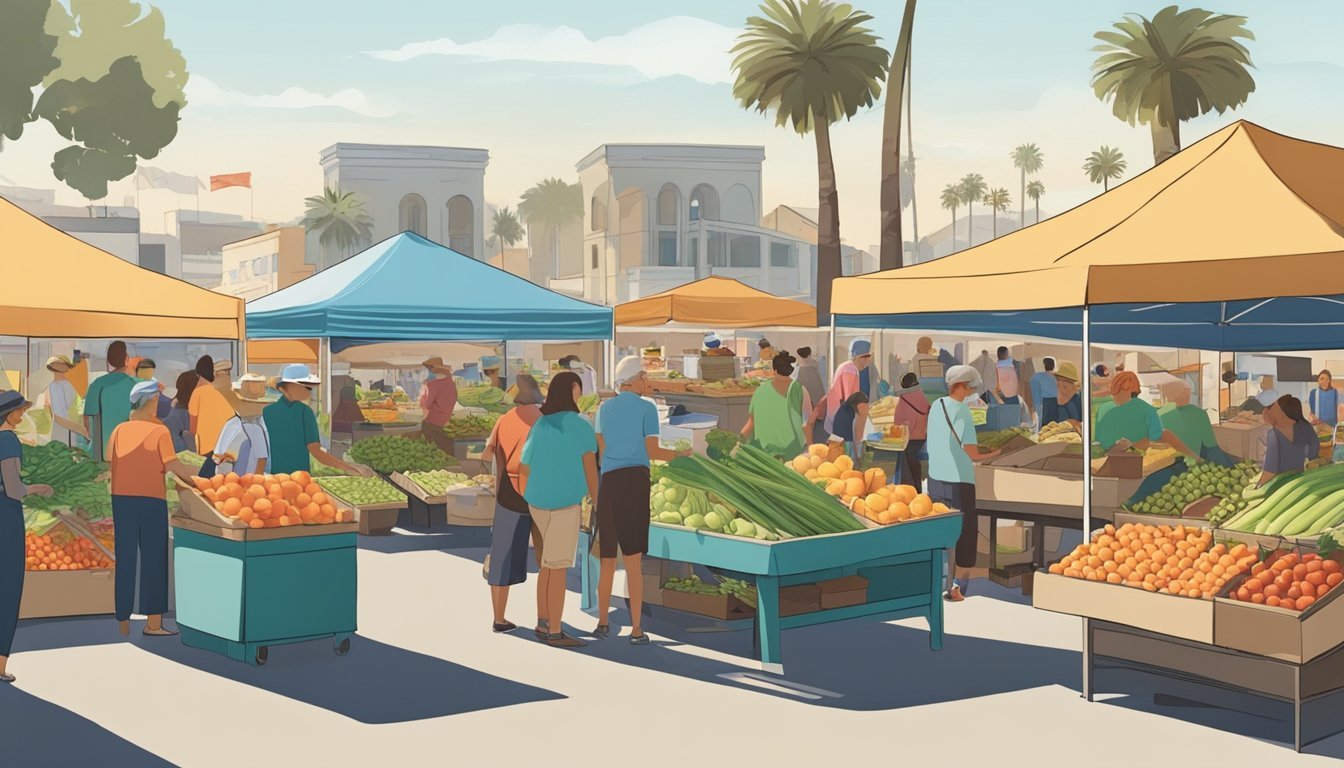
Community Supported Agriculture in Huntington Beach faces several obstacles that are critical for both the growers and community members to consider. These challenges relate directly to the viability and stability of the CSA model in the region.
Weather and Crop Risks
Weather volatility is a significant factor impacting crop production in Huntington Beach. CSAs operate with the understanding that shareholders share in the risks associated with farming, including those presented by weather:
Unpredictable weather can cause crop failures or reduced yields.
Droughts can lead to water restrictions and impact crop growth.
Shareholders must be aware that their membership implies a shared risk where they may receive less produce during poor weather conditions.
Member Retention and Engagement
Maintaining a stable membership base is essential for the sustainability of a CSA. It is vital to foster strong relationships and continual support:
Engagement strategies such as member events, farm visits, and volunteer opportunities can enhance the sense of community and connection with the farm.
Clear communication about the benefits and responsibilities of being a CSA member, including the shared risk, is essential to managing expectations and retaining members.
In the CSA model, continual support from the community and an ongoing commitment from members serve as the backbone for its success in Huntington Beach.