Community Supported Agriculture (CSA) in Hartford, CT
Thriving Locally-Sourced Food Solutions
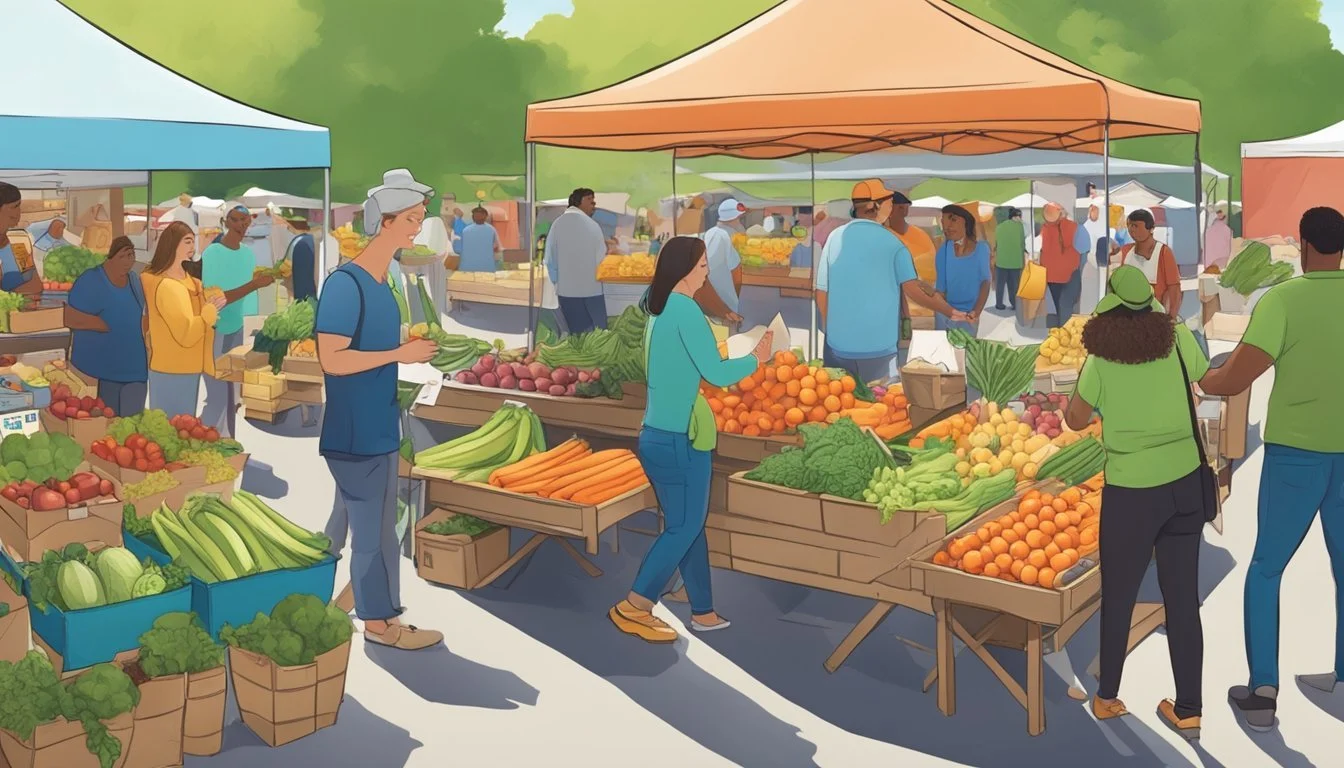
Community Supported Agriculture, commonly known as CSA, constitutes a significant segment of Hartford, Connecticut's local food system. This model of farming and distribution is predicated on a partnership between regional farmers and community members. By purchasing CSA shares, consumers in Hartford invest in local agricultural operations at the beginning of the growing season. This upfront commitment provides farmers with a reliable source of income and mitigates some of the inherent risks of farming such as weather fluctuations and market volatility.
In Hartford, CSA subscribers typically receive a weekly or biweekly allotment of fresh produce throughout the farming season. This not only allows consumers to enjoy seasonally fresh vegetables, fruits, and other farm products, but also fosters a more sustainable food system by reducing the food miles associated with long-distance transportation. CSA programs in Hartford are known to start distributions in the late spring, with some, such as George Hall Farm, offering pickups directly at the farm for a more engaged consumer experience.
The diversity of CSA options in Hartford caters to a myriad of preferences and needs, with programs often including a wide range of produce selections. Programs may also vary in terms of pick-up locations, offering convenience to members across different parts of the city. Some farms even provide customizable share boxes or "market-style" pickups, giving individuals the agency to select their preferred produce from available weekly harvests. Through this model, Hartford's community-supported farms not only supply fresh, locally-grown food, but also reinforce the social and economic fabric connecting the community with its agricultural roots.
Understanding CSA
Community Supported Agriculture (CSA) represents a system where consumers invest in local farms, securing a portion of the harvest and fostering a sustainable economic model for farmers. This approach benefits both the food producers and consumers in Hartford, CT, and beyond.
Defining CSA
CSA refers to a food distribution model that allows consumers to purchase a share of a farm's anticipated harvest. Typically, members pay in advance for weekly deliveries of locally grown produce. This system creates an investment in the success of local farms and reinforces the link between the production and consumption of food.
History of CSA in Connecticut
CSA in Connecticut has grown from a grassroots movement to a well-recognized way of supporting local agriculture. Originating in Europe and Japan, the CSA concept was introduced to the United States in the 1980s and has since flourished in Connecticut. Hartford has seen an increase in CSA programs, aiming to connect farmers directly with members who are invested in local, sustainable agriculture.
Benefits to Consumers and Farmers
CSA membership comes with a multitude of benefits for both consumers and farmers:
For Consumers:
Guarantee of fresh, health-conscious produce straight from the farm.
A deeper understanding of environmental impacts and the seasonality of food.
For Farmers:
A secured income through pre-season investment by consumers.
An ability to plan ahead knowing they have a dedicated customer base.
Community Supported Agriculture in Hartford, CT, is more than just a economic transaction; it signifies a commitment to health, sustainability, and the strength of the local community.
How A CSA Works
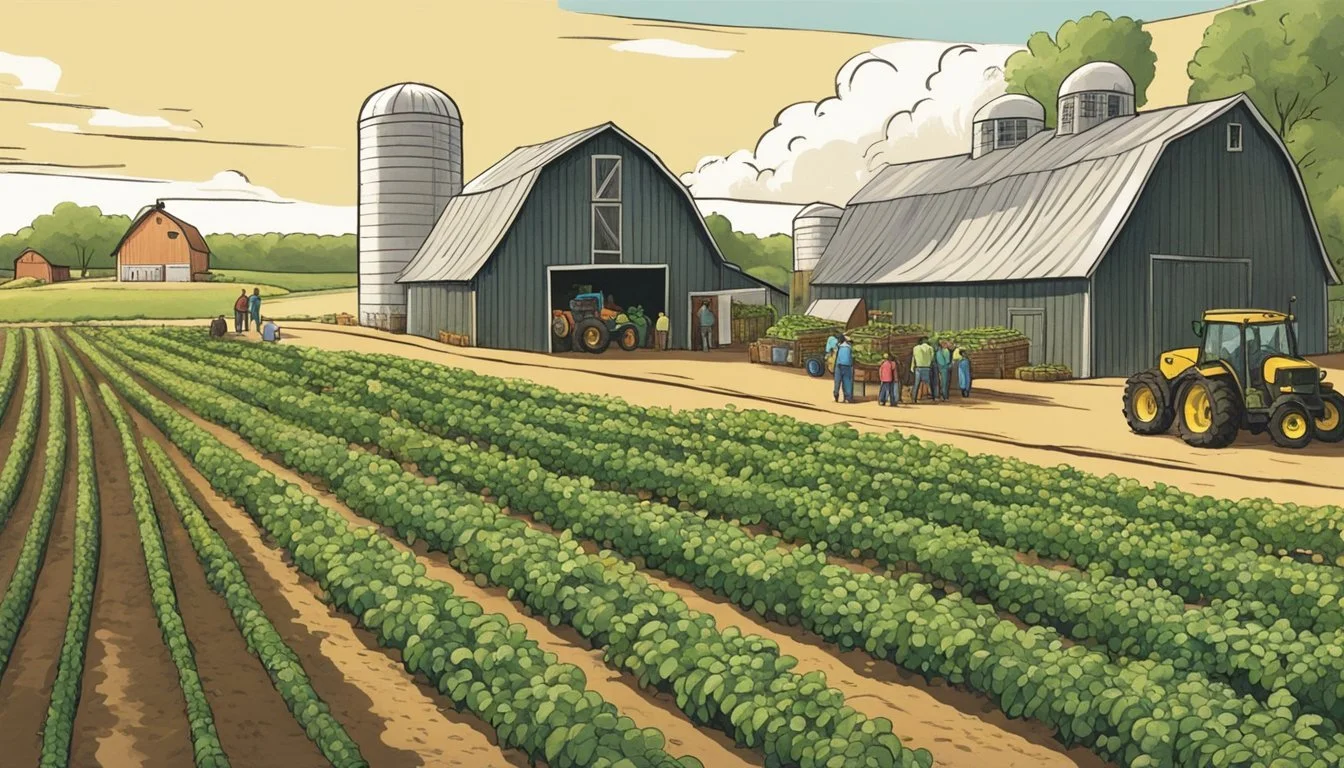
Community Supported Agriculture (CSA) programs in Hartford involve a system where consumers buy memberships to receive a portion of the farm's output throughout the growing season.
CSA Membership and Fees
Memberships to a CSA require an upfront fee, which serves as a payment to the farm for a seasonal share of the produce. The payment is typically made before the harvest season begins, usually by mid-June. Many farms offer a discount to those who sign up early or commit to full-season memberships.
Types of Shares
CSAs often offer different share sizes, usually split into Full Shares and Half Shares. A Full Share is designed to meet the vegetable needs of a family, while a Half Share might be suitable for individuals or smaller households. Members pick up their shares at designated times, which contain a variety of produce picked at the peak of freshness.
Seasonality and Production
The harvest season generally runs from June through October, aligning with the local growing period. Production is highly dependent on seasonality, and members receive shares that reflect the farm's current harvest, ensuring a supply of seasonal, freshly picked produce. During the peak season, starting mid-June, members get a regular supply, typically on a weekly basis, directly from the farms with whom they have memberships.
What to Expect from a CSA Share
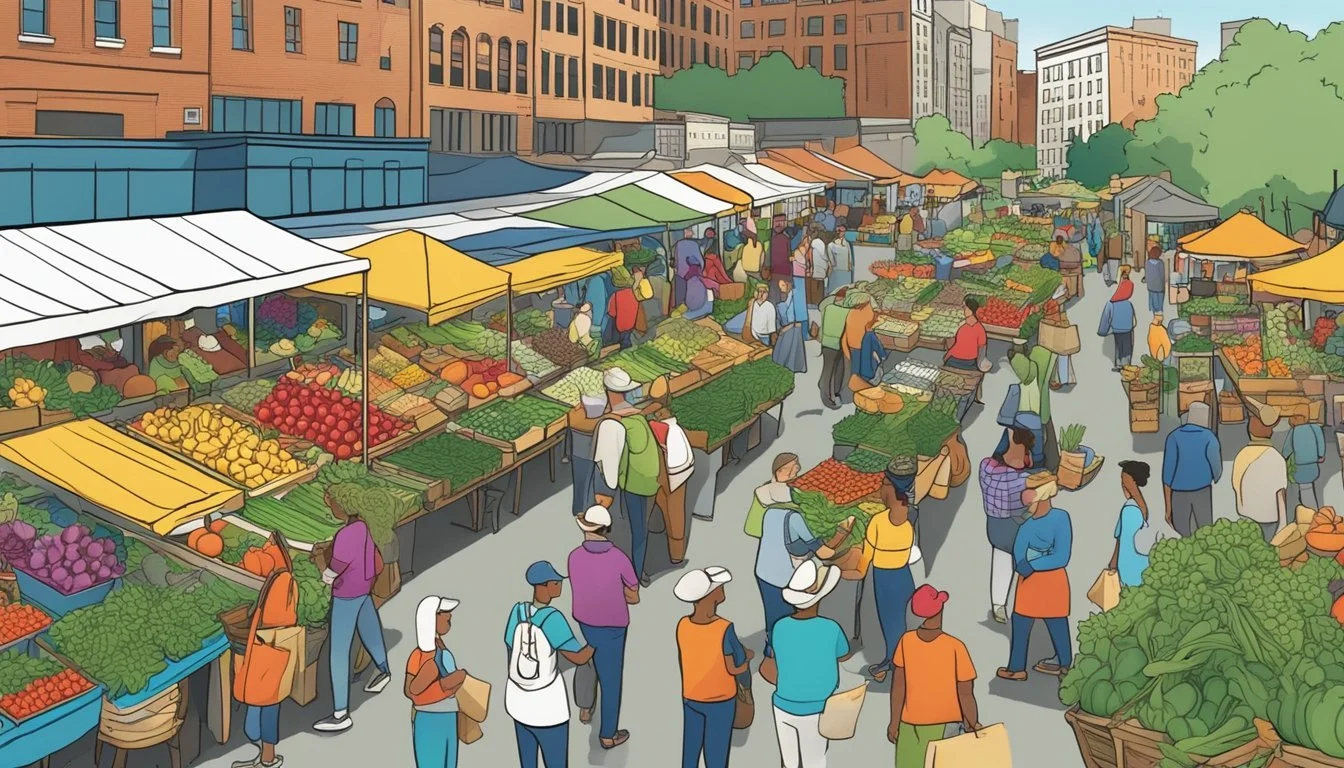
A CSA share in Hartford, CT, provides an array of farm-fresh goods directly tied to the seasonal harvest. The contents can vary, but there are two primary categories of products you'll typically find in your share: produce and other farm products.
Typical Produce
When you subscribe to a CSA, expect to receive a variety of vegetables and fruits grown by local farmers. In Hartford, depending on the season, your share might include:
Vegetables: staples like tomatoes, leafy greens, root vegetables, and culinary favorites such as corn.
Fruits: A selection of seasonal fruits can range from berries in the summer to apples and pears in the fall.
The assortment reflects the harvest, ensuring members get the freshest produce available.
Other Products Offered
CSA shares are not limited to just fruits and vegetables. Farms may offer additional items such as:
Eggs: Often included are fresh eggs from the farm's chickens.
Meat: A variety of meats from the farm's livestock could be part of the share.
Dairy: Some CSA shares provide local dairy products.
Honey: Natural honey harvested from the farm's bees may be included.
Flowers: At times, decorative flowers are part of the mix, right from the farm's fields.
Furthermore, CSA shares may contain recipes or tips for using the farm's produce, allowing for a holistic farm-to-table experience. Payment for these shares typically happens before the harvest season, supporting the farm's operations upfront.
The Role of CSAs in the Local Economy
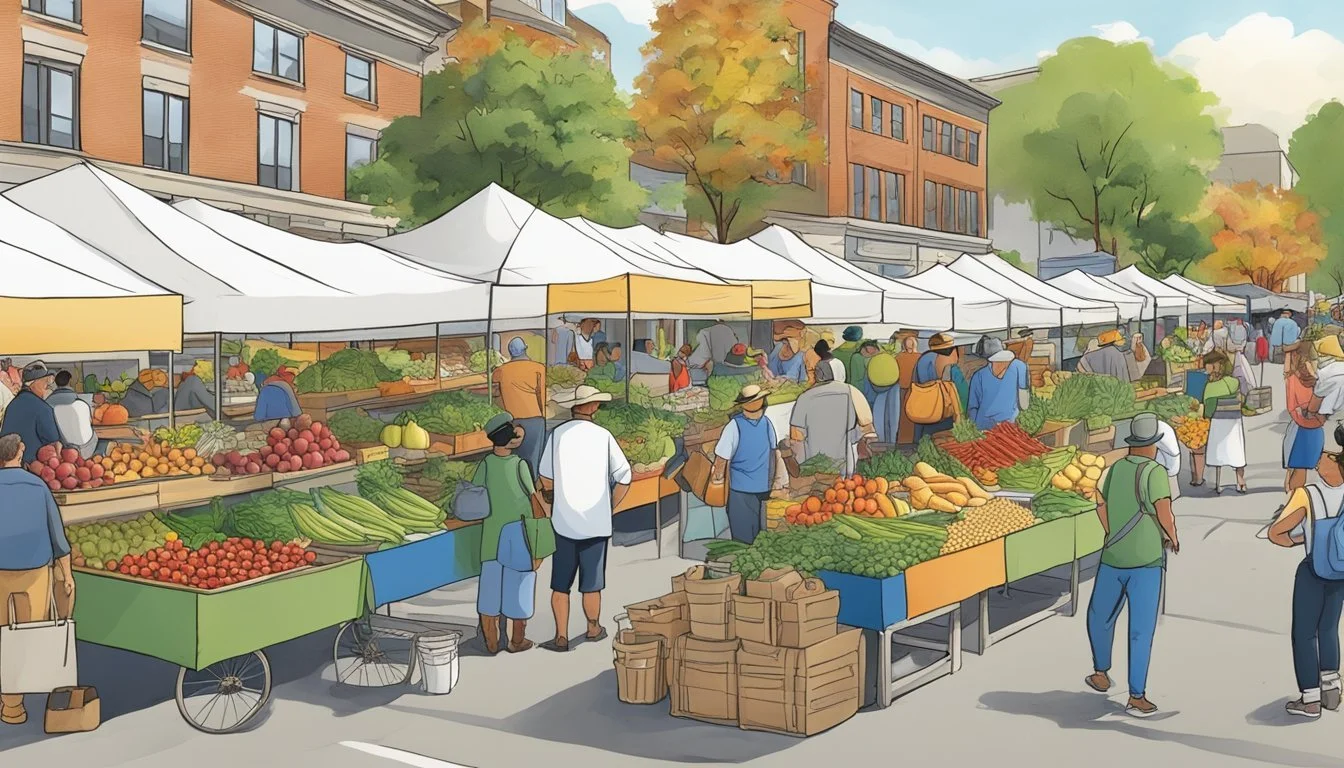
Community Supported Agriculture (CSA) plays a pivotal role in strengthening Hartford's local economy by directly benefiting small-scale farmers and impacting local financial dynamics.
Supporting Local Farmers
In Hartford, CT, CSAs serve as a crucial economic lifeline for local farmers. By ensuring a steady market for CT Grown produce, these programs allow farmers to plan ahead, mitigating the financial uncertainty often associated with agriculture. Subscribers to a CSA provide pre-season income through membership fees, which contribute to the farm's operating expenses and seed purchase. This model reduces the marketing costs and time involved, enabling farmers to focus on sustainable farming practices.
Pre-season Revenue: Members' upfront payments help cover early season costs.
Marketing Advantages: Reduced need for advertising due to direct sales.
Strengthened Farmer-Consumer Relationships: Commitment from community members fosters a supportive network.
Economic Impact on the Community
CSAs have a wider economic impact on the Hartford community beyond supporting local farmers. By circulating money within the local economy, CSAs contribute to the financial health of the region. Small businesses and other local enterprises benefit from this financial recirculation, often termed the "multiplier effect."
Local Economic Multiplier Effect: Money spent on CSA memberships stays within the community and is reinvested in other local businesses and services.
Job Creation: Increased stability for farms can lead to more employment opportunities within the community.
Community Engagement: Regular CSA events and pickup locations can bring people together, fostering community bonds and encouraging local spending.
Through the Community Supported Agriculture model, Hartford's economy is seeing tangible benefits – from bolstering the livelihoods of local farmers to supporting the broader economic framework within the community.
Choosing the Right CSA in Hartford
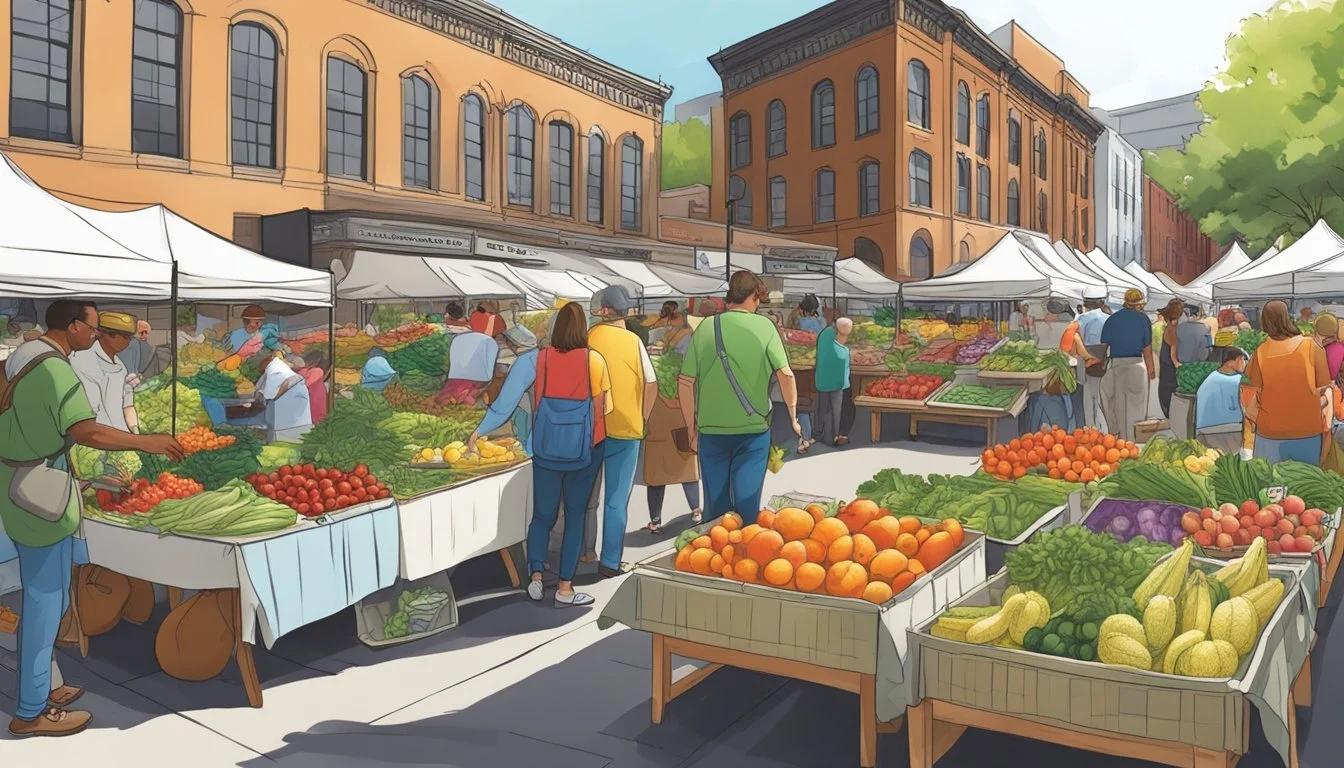
When selecting a Community Supported Agriculture (CSA) program in Hartford, Connecticut, it's essential to consider factors like location, produce variety, and farm practices. Making an informed decision ensures a satisfactory CSA experience.
Factors to Consider
Location and Accessibility: Choose a CSA with convenient pickup locations or delivery services. Hartford-area residents have the luxury of choosing from various local farms.
Produce Variety: Consider the range of fruits and vegetables offered. Look for CSAs that include your preferred items or those that introduce new produce to your diet.
Farming Practices: Check whether the farm uses organic methods or is certified naturally grown. This can affect the quality of the harvest and environmental impact.
Season Length and Share Sizes: CSAs in Hartford typically run from mid-June to October. They may offer full or half shares to match different household needs.
Additional Products: Some farms offer extras like honey, eggs, and dairy products.
Examples of Hartford CSAs
Newgate Farms (East Granby): Offers a variety of fruits and vegetables, including strawberries and blueberries, with pickup locations convenient for Hartford residents.
Beckett Farms (Glastonbury): Known for a diverse selection of produce and flexible share sizes, catering to different family sizes and preferences.
Oxen Hill Farm (Suffield, East Granby, and Union): Provides CSA members with organic fruits and vegetables.
Mon Soleil Market Garden (Windsor): A relatively new option for those seeking organically grown produce.
Cloverleigh Farm (Mansfield): A sustainable farm offering seasonal produce and CSA shares for the Hartford area.
Grow Hartford (Hartford Food System): An initiative that brings fresh produce to urban residents, helping to strengthen the local food system.
For those living in surrounding areas like Avon, Farmington, South Glastonbury, Middletown, Manchester, Rocky Hill, and Willington, these farms offer an opportunity to participate in a CSA and support local agriculture, while enjoying the benefits of fresh, locally-grown produce.
Challenges and Risks of CSA Farming
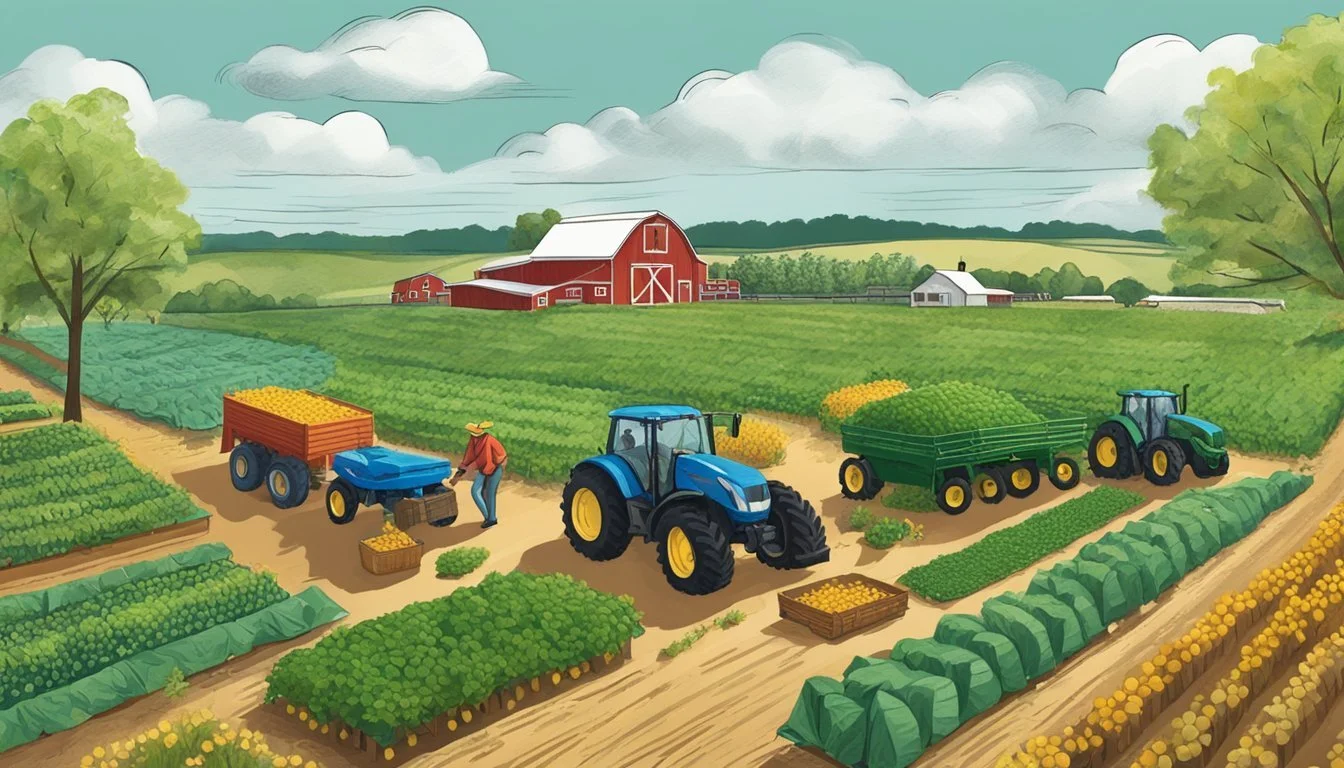
In the context of Hartford, CT, the operational stability of Community Supported Agriculture is often challenged by unpredictable weather patterns and the fluctuating commitment of its members.
Weather and Crop Production
Weather variability is a significant challenge for CSA farming. In Hartford, Connecticut, farmers may face seasons of drought or excessive rainfall, which can adversely affect crop yields. Extreme weather events, such as early frosts or heatwaves, can also disrupt the growing season, leading to reduced harvests and financial strain on CSA operations.
Droughts: Can lead to water shortages, affecting crop health.
Heavy Rainfall: May cause flooding and crop damage.
Farmers must employ strategic planning and adapt to these risks through diversified planting or the use of irrigation systems to mitigate the impact on crop production and ensure a consistent supply to their members.
Member Commitment and Retention
CSA relies heavily on the commitment of its members, who share in the risks and rewards of farming by pre-purchasing shares of the season's harvest. Securing this commitment in Hartford can pose a risk due to economic fluctuations or competitive markets that offer alternative sources of produce.
Challenges in member retention include:
Economic Changes: Members may face personal financial challenges, leading them to reconsider their CSA commitments.
Competing Options: Access to supermarkets or other food delivery services offering year-round variety may entice members away.
CSA farmers in Hartford must work to build strong relationships with their community, often employing marketing strategies and member engagement practices to maintain and grow their member base.
Sustainable Practices in CSA
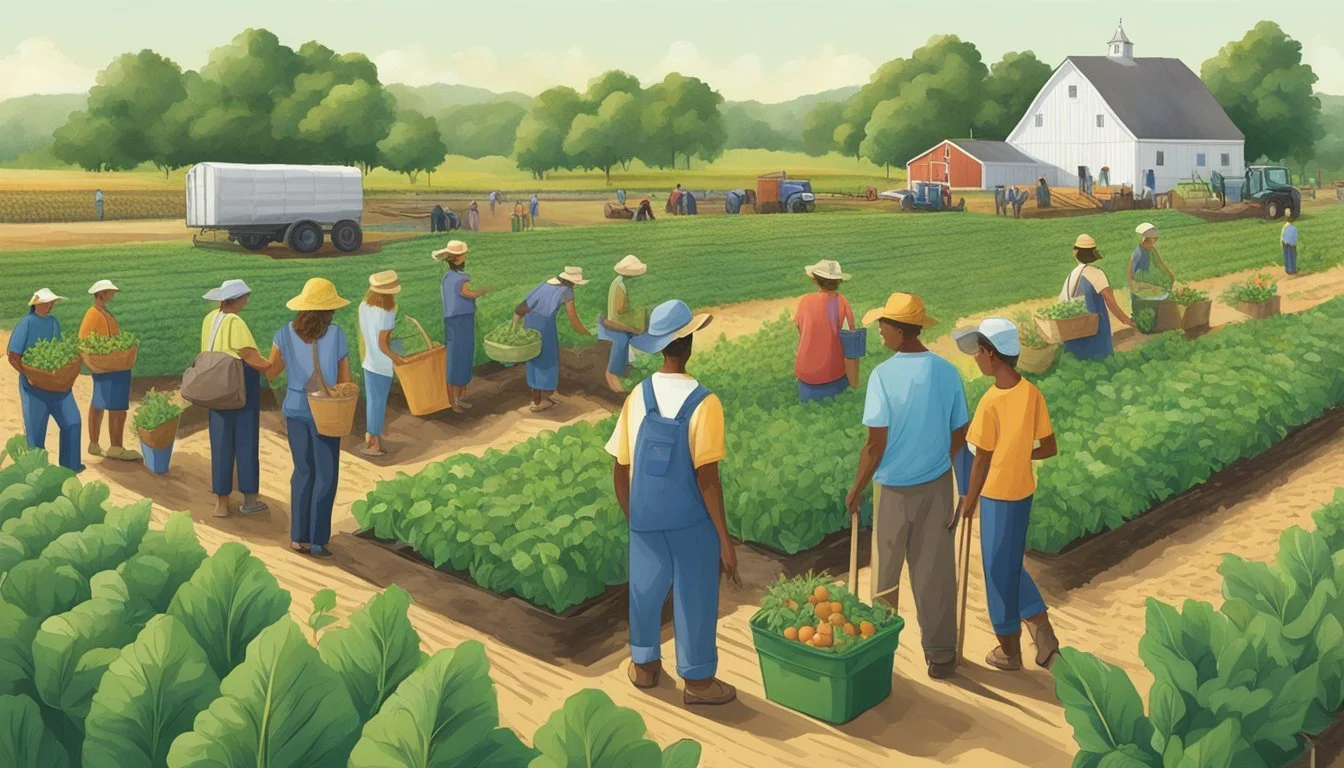
Community Supported Agriculture (CSA) in Hartford, CT, focuses on delivering fresh, organic fruits and vegetables while maintaining sustainable farming techniques. Farmers prioritize environmental stewardship and education through their practices and community involvement.
Organic and Sustainable Agriculture
CSAs near Hartford, CT, such as George Hall Farm, certify organic produce, signifying a commitment to sustainable production methods. These methods include:
Avoiding synthetic pesticides and fertilizers: Ensuring that the soil and local ecosystems remain uncontaminated.
Crop rotation and cover crops: These practices prevent soil depletion and suppress weeds naturally.
Conservation of water resources: Utilizing drip irrigation and rainwater harvesting to reduce water waste.
Biodiversity: Planting a variety of crops, including straw, that support a healthy farm ecosystem.
These techniques not only nurture the environment but also yield nutritious produce for the community.
Community Engagement and Education
Farmers in Hartford acknowledge the importance of community interaction and education:
CSA membership: By becoming a CSA member, individuals directly support the farm's operations and engage with the production process.
Educational opportunities: Farms offer tours and workshops to educate members about organic farming and environmental issues.
Market-style selection: Farms like George Hall Farm allow members to choose their produce, fostering a deeper connection to the food source.
These initiatives strengthen the bond between farmers and consumers, promoting a more sustainable food system.
Post-Harvest: Beyond the CSA Season
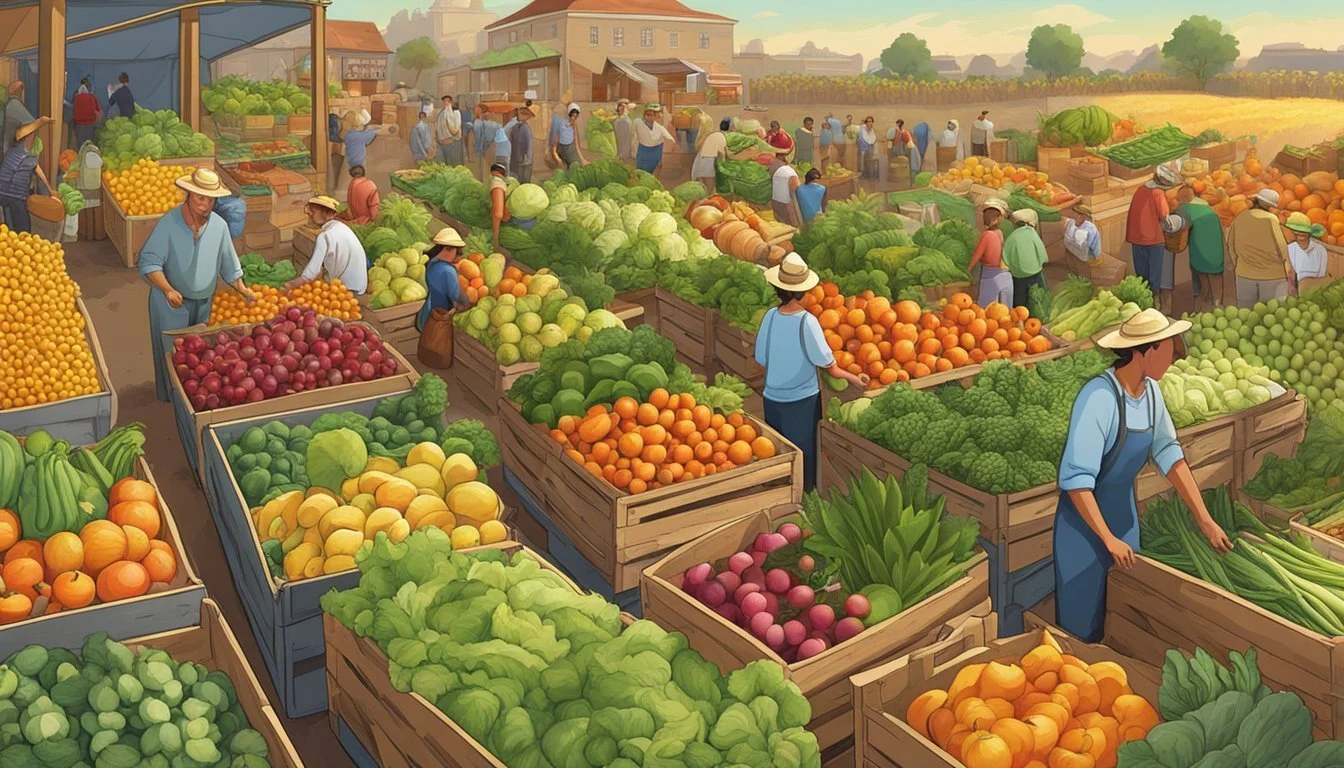
The period following the main CSA harvest allows for strategic planning for storage and considerations for continued supply through extended season CSAs, ensuring consumers have access to local produce beyond the traditional growing season.
Storage and Preservation of CSA Products
Once the primary CSA season concludes in October, shareholders often have an abundance of produce. Sub Edge Farm, like many others, provides a variety of produce that can be preserved for off-season use. Storage techniques are critical for items such as root vegetables and hardy squashes, which can last well into the winter when stored in cool, dry places. Refrigeration can extend the life of many vegetables, while canning and freezing are effective for fruits and vegetables alike. For perishables like eggs and dairy products, timely usage is key, although some dairy can be frozen for later use.
Root Vegetables: Store in a cool, dark place.
Winter Squash: Keep in a dry area with ample ventilation.
Leafy Greens: Refrigerate or blanch and freeze.
Eggs & Dairy: Consume promptly or explore freezing options.
Winter CSAs and Extended Seasons
Some farms in Hartford offer Winter CSAs that extend the availability of local produce. These CSAs might include cold-tolerant vegetables, bedding plants, and value-added products like maple syrup. The delivery options may change post-harvest, with a possible reduction in frequency or a more centralized pickup location. The range of produce varies but often includes storage crops and greenhouse-grown goods.
Example of Winter CSA Offerings:
Storage Crops: Potatoes, onions, carrots
Greenhouse Goods: Spinach, kale, and herbs
Additional Items: Maple syrup, preserved items
Farms may modify their shares structure for winter, offering more flexibility in share sizes and pickup schedules to accommodate the colder season's demands.
Recipes and Cooking with CSA Products
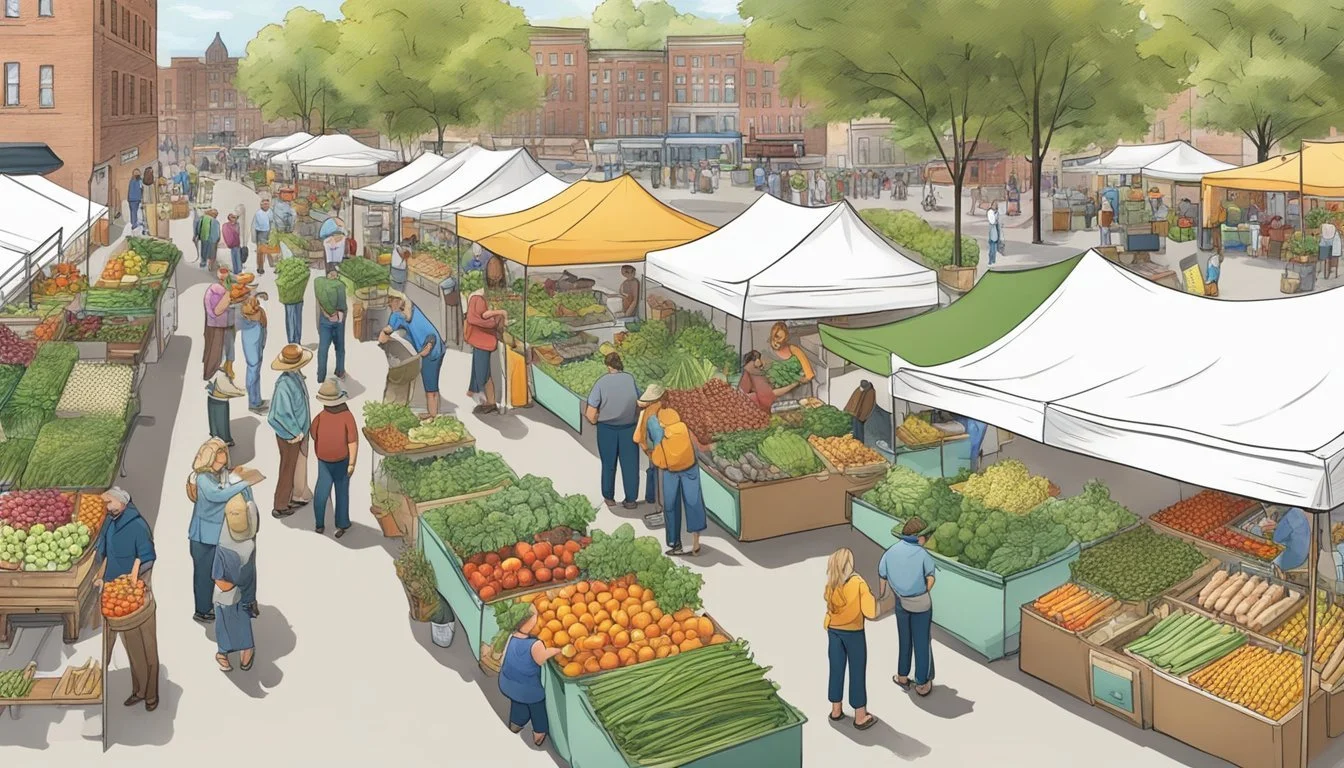
Community Supported Agriculture (CSA) connects residents in Hartford, CT, with fresh, locally grown produce, often including vegetables, corn, tomatoes, and more. Subscribers receive a regular supply of seasonal farm products, allowing for an adventurous and healthful approach to cooking. The harvest from CSAs often comes with the challenge of utilizing a diverse and sometimes unfamiliar array of ingredients.
When planning recipes, it is crucial to consider the variety of vegetables available. For dishes featuring corn, one might prepare a simple yet delicious corn salad with cherry tomatoes, basil, and a light vinaigrette. Tomatoes can be transformed into robust sauces or salsas, perfect for accompanying meats or as a dip for appetizers.
Beyond vegetables, CSA boxes may include eggs, dairy, and meat, rounding out the local food supply with essential protein options. A frittata is an excellent way to incorporate a medley of vegetables with fresh eggs and cheese, making for a versatile meal that can be enjoyed at any time of day.
Weeknight CSA Recipe Ideas Ingredients Stir-Fried Greens with Garlic Swiss chard, garlic Hearty Vegetable Soup Seasonal vegetables, broth Summer Squash Pasta Zucchini, tomatoes, pasta
One can expect that eating seasonally encourages creativity and supports sustainable eating habits. Hartford residents who take part in CSA programs have the unique opportunity to directly support local farmers while enjoying the freshest ingredients for their culinary explorations.
Future Trends in Community Supported Agriculture

Community Supported Agriculture (CSA) trends reflect a growing consumer desire for sustainable and local food sources. CSAs in Hartford, CT, are poised to adapt to changing markets with innovative models.
Consumer Health and Education: CSAs may enhance their focus on the health benefits of their produce, emphasizing nutritional value and organic practices. Education about the food's origin and farming techniques can build stronger consumer-producer relations.
Diversification of Offerings: Local farmers could diversify their CSAs beyond fruits and vegetables to include products such as:
Cut flowers
Artisanal cheeses
Technological Solutions: Technology will likely integrate further into CSA operations to streamline distribution and improve food supply management. Platforms for easier subscription management and direct communication with consumers are on the rise.
Community Impact: CSAs aim to fortify the community connection by involving members in farming activities and decision-making. This coalesces a sense of participation and shared risks, enhancing solidarity.
Sustainable Methods: Farmers may adopt more advanced sustainable practices to conserve resources and improve soil health. This could include:
Rotational grazing
Cover cropping
Reduced-tillage fields
Market Adaptation: CSAs must navigate market risks and regulations adeptly. They could introduce sliding scale memberships to increase accessibility and incorporate revenues from farm events to bolster financial stability.
By embracing these trends, CSAs in Hartford, CT, could ensure a robust future for the local agriculture community.
Additional Resources and Contacts
Local Farmers and CSA Programs in Hartford, CT:
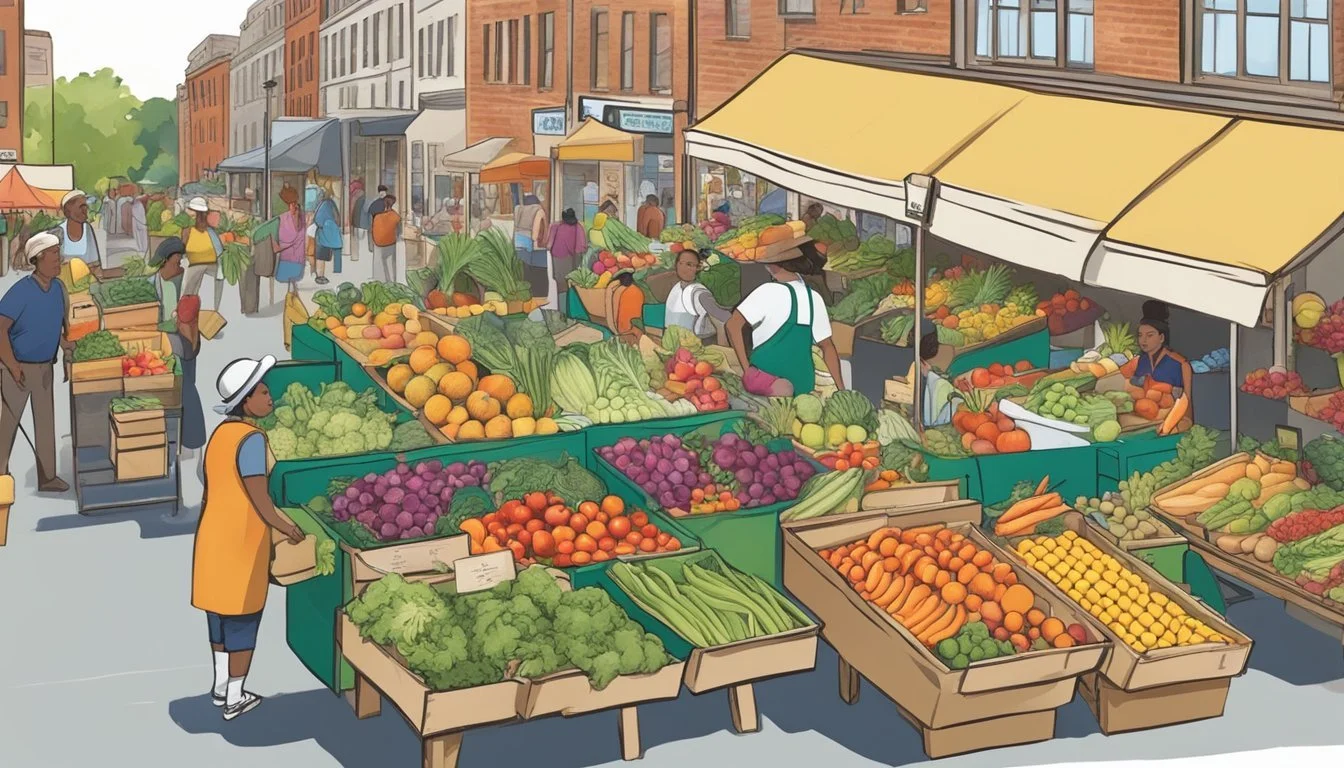
Community Supported Agriculture in Hartford, Connecticut, offers a unique opportunity for residents to engage directly with local farmers. One can opt for full or half shares with a seasonal commitment, typically from June through October, receiving a variety of fresh produce each week.
Farm Contact Details Pick-up/Delivery Info CSA Listing - CT.gov Not Provided Pick-up at 879 Winchester Road, Norfolk, CT; Delivery for group shares Grow Hartford CSA Phone: (860) 296-9325 Contact for details at 75 Laurel Street, Hartford, CT University of Hartford CSA Not Provided Potentially offering CSA on campus George Hall Farm Not Provided Pick-up on Tuesdays, 2pm - 6pm at the farm Connecticut Food and Farm Magazine Field Guide to Connecticut CSA Online resource for CSA shares
In Hartford, individuals interested in CSA can connect with a farm, such as the Grow Hartford CSA, for a mutual commitment towards sustainable agriculture. Other options include the George Hall Farm, which is known for its certified organic produce. For those within the community who may prefer delivery or group shares, some farms offer the services provided that the conditions, such as a minimum number of shares, are met.
The University of Hartford has expressed interest in providing CSA options, indicating a growing institutional support for local agriculture. Furthermore, resources like Connecticut Food and Farm Magazine offer comprehensive guides and lists of farms with available CSA shares, aiding consumers in making informed decisions.
For more detailed information, one may contact the farms directly or reference online guides, confirming availability of shares, and understanding the specifics of each program's offerings.