Community Supported Agriculture (CSA) in Hampton, VA
Benefits and Local Impact
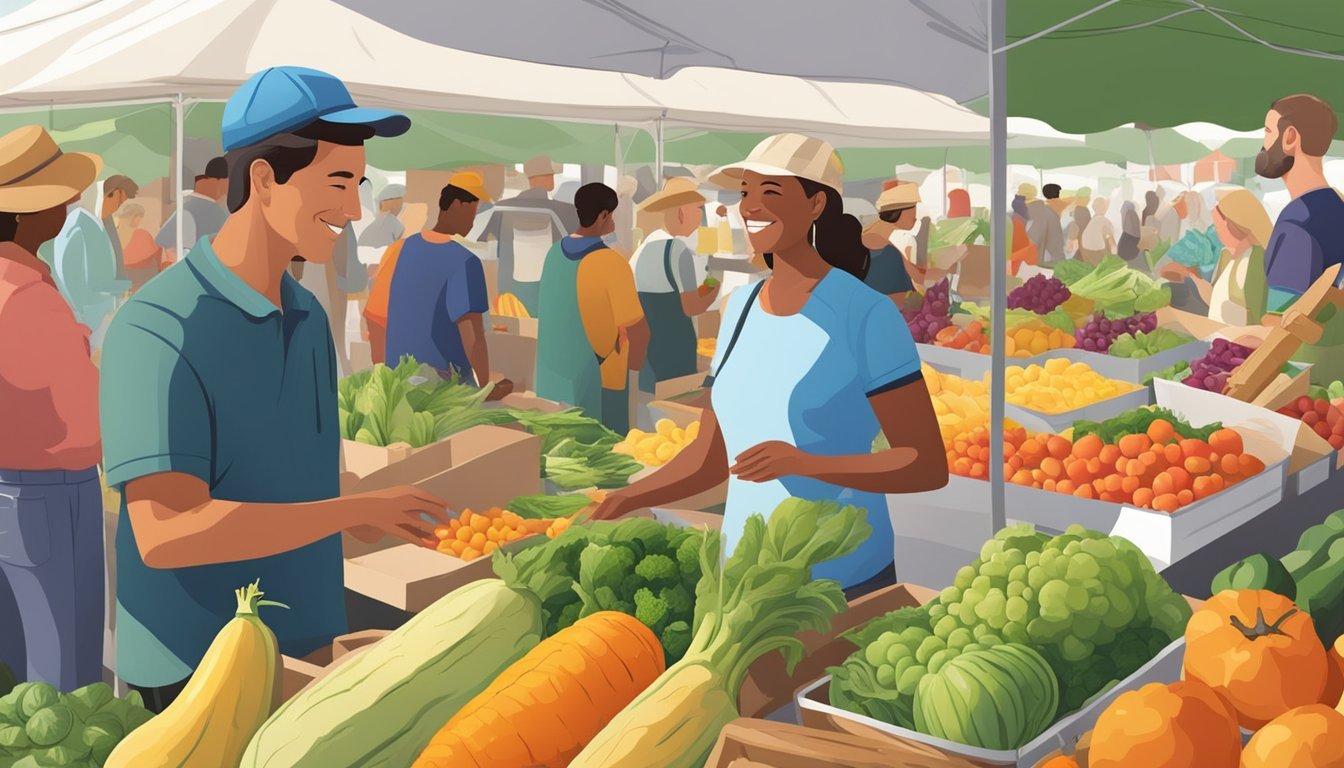
Community Supported Agriculture (CSA) represents a significant shift in the way consumers in Hampton, VA, and surrounding areas engage with their food sources. This agricultural model centers on mutual benefits between local farmers and community members. Residents purchase shares of a farm's harvest in advance, providing farmers with upfront capital for the growing season. In return, members receive a regular supply of fresh, locally-grown produce. This relationship reinforces the local food economy and fosters a connection between consumers and the seasonal rhythms of agriculture.
In Hampton and the greater Virginia area, CSAs contribute to the sustainability and vitality of small-scale farming. By participating in a CSA program, consumers directly support the financial stability of local farmers. This model also offers an educational component, as members become intimately involved with the processes of food cultivation and the challenges of farming. Through CSA programs, Hampton residents have the opportunity to relish the freshness of their region's produce while contributing to sustainable agricultural practices and the preservation of local farming heritage.
What Is Community Supported Agriculture?
Community Supported Agriculture (CSA) is a transformative approach to locally-based food production and consumption. It connects community members directly with farms, fostering a more intimate food system.
CSA Model Overview
At its core, the CSA model is a partnership between local farmers and community members. Through a subscription-based service, individuals or families purchase shares of the farm's anticipated harvest. These shares, often referred to as memberships, usually consist of a box of vegetables, but can also include fruits, eggs, meat, and other farm products.
This model thrives on seasonal produce, which means that the subscribers receive fresh goods typically on a weekly basis during the farming season. This direct relationship eliminates the need for traditional retail intermediaries, ensuring that a greater portion of the food dollar goes directly to the farm.
Benefits of Joining a CSA
Joining a CSA offers a myriad of benefits, not just for the consumer but also for local farmers and the community at large. Here are some specific advantages:
Fresh, Local Produce: Members enjoy a weekly supply of fresh, seasonally ripe produce harvested close to their delivery date.
Supports Local Economy: Subscribers help create a stable income source for farmers, which bolsters the local economy.
Shared Risk: Both the producer and the consumers share the risks of farming, leading to a deeper community connection and mutual support.
Understanding CSAs in Hampton, VA
Community Supported Agriculture in Hampton, VA, operates on the foundation of local farm presence and consumer engagement. It demonstrates how sustainable agricultural practices can thrive through community-farmer partnerships.
The Role of Local Farms
Local farms are the backbone of Hampton's CSA programs. These farms, like Dayspring Farm in Cologne, VA, not only diversify crop production including vegetables and strawberries but also bridge the gap between rural agriculture and urban tables. The farm's involvement in CSA extends over two decades, affirming the region's commitment to supporting local agriculture.
Partnership Between Farmers and Community Members
The CSA model is built on a symbiotic relationship where community support bolsters a farmer's financial stability and, in return, community members receive fresh, seasonal produce. In Hampton, VA, residents can help local farmers achieve steady demand for their products, which can lead to reduced greenhouse gas emissions by shortening the food supply chain and utilizing fewer resources compared to traditional grocery shopping solutions.
State of Sustainable Agriculture in the Region
Sustainable agriculture in Hampton, VA, and the broader Virginia region is gaining momentum through CSA models. The state's willingness to embrace CSA has allowed farmers to explore innovative business models that manage risk and maximize growth opportunities. By adopting CSA models, the state not only supports local farmers but also encourages the consumption of locally sourced, seasonal food, fostering a more resilient Virginia.
How to Join a CSA
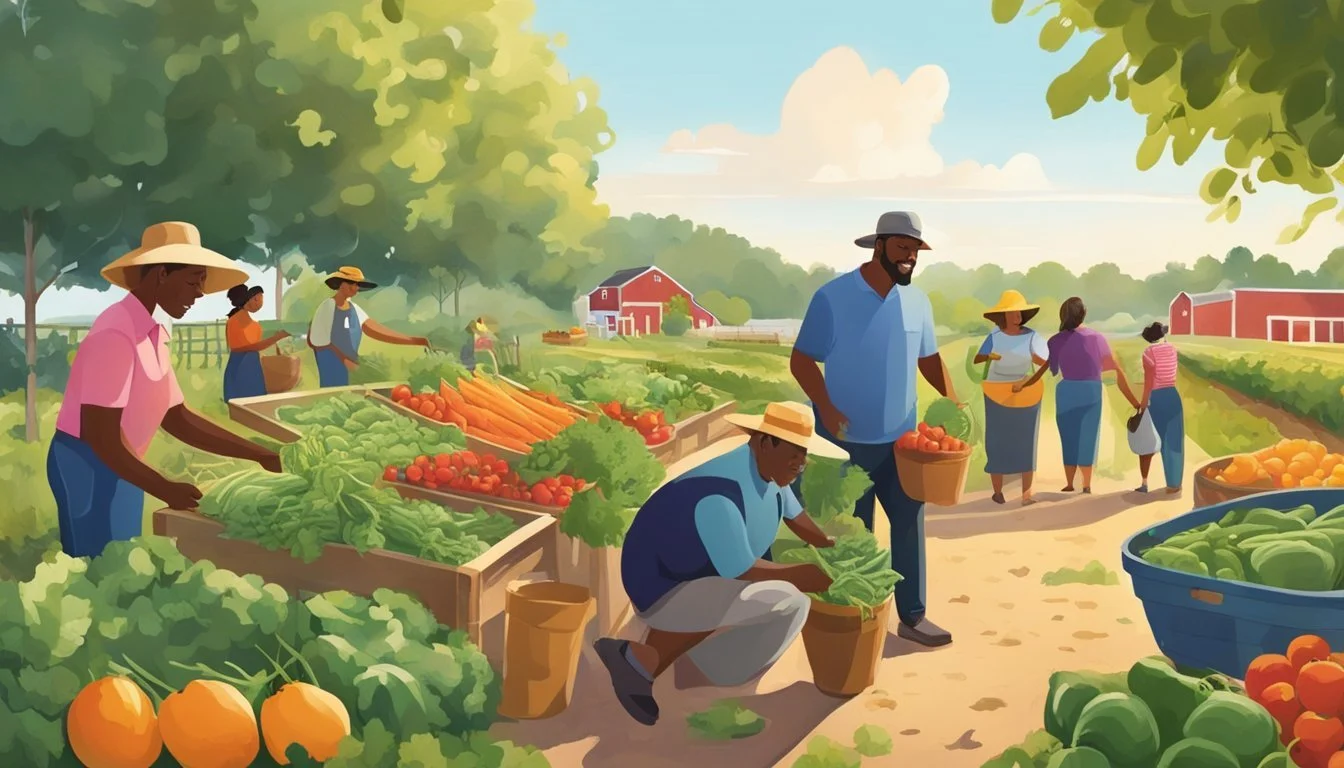
Joining a CSA in Hampton, VA, provides an opportunity for community members to directly support local farmers and receive a seasonal supply of fresh produce. Here's a guide on how to get started.
Choosing the Right CSA Farm
When selecting a CSA farm, individuals should consider the farm's location, types of produce offered, and the farming practices used. It's important to choose a CSA that aligns with one's preferences for organic or conventional produce, pick-up locations, and available share sizes.
Membership Application Process
The application process typically begins with filling out a membership form, available either online or at the farm. Potential members are advised to apply early, as memberships are often limited and can fill up quickly. By applying, you are committing to support the chosen CSA farm for a season.
Understanding CSA Shares and Seasons
CSA shares are portions of the farm's harvest that members receive throughout the CSA season. These shares vary in size and content, providing a weekly or bi-weekly assortment of fresh, seasonal produce. Seasons generally align with the local growing calendar, meaning members enjoy fresh, locally-grown food during the harvest months.
The Economic Impact of CSAs
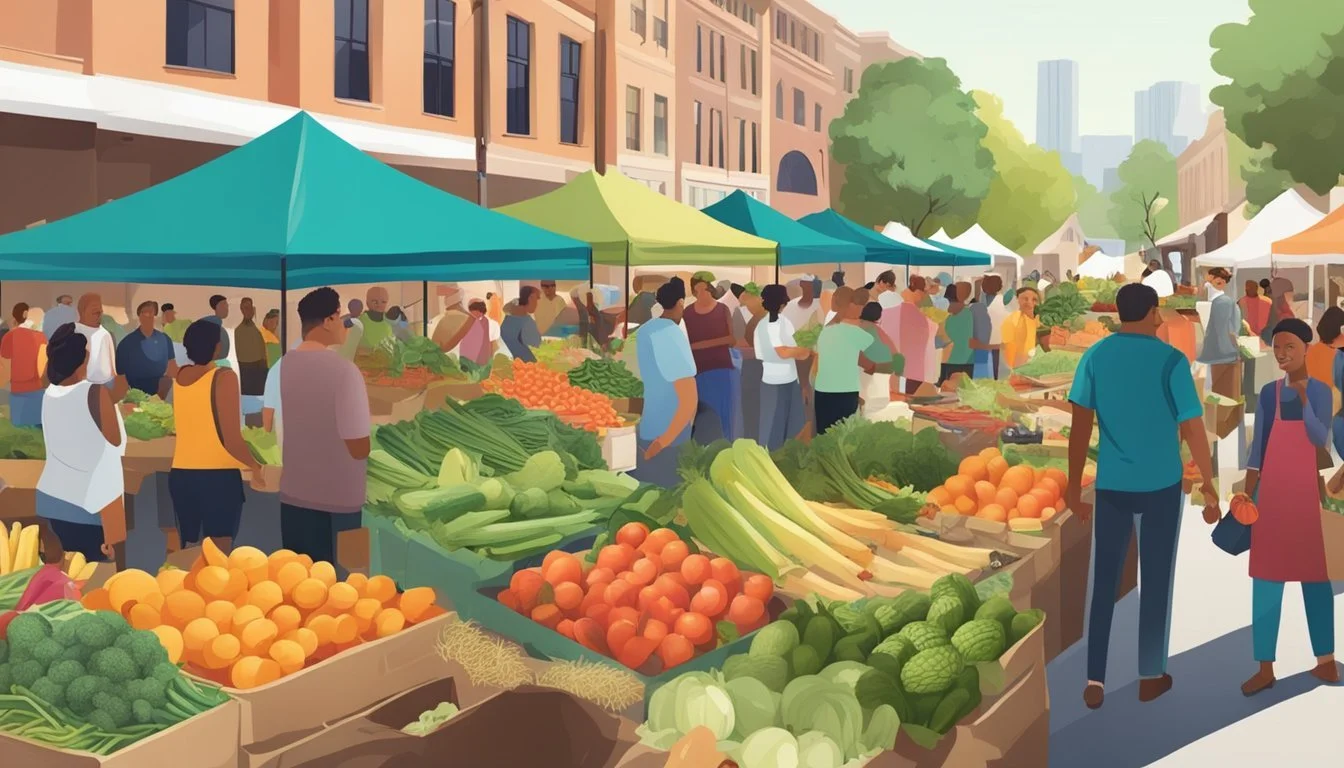
Community-supported agriculture in Hampton, VA, plays a pivotal role in strengthening the local economy by enhancing local food systems and providing economic benefits directly to farmers through market channels that bypass conventional supermarket systems.
Benefits to Local Economy and Farmers
CSA programs offer substantial economic advantages to the Hampton region. Primarily, they ensure a steady income for farmers by providing them with upfront capital. This financial model reduces the uncertainty of yield and market demand, often experienced in traditional farming scenarios. Moreover, the circulation of money within the local economy is an important outcome of CSA operations. Consumers' payments go directly to local producers, minimizing leakage of funds outside the region and reinforcing the economic cycle within the local community.
Direct economic benefits: Farmers receive early-season capital, which aids in planning and resource allocation for the growing season.
Local job creation: Operating a CSA often necessitates additional labor, thus creating more employment opportunities within the community.
Local revenue retention: Money spent on CSAs is more likely to stay within the locale, multiplying its impact on the area's economy.
CSA's Role in Direct Marketing
CSAs represent a significant segment of the direct marketing framework in Hampton. By eliminating intermediaries, farmers can retain a larger share of the profits. The data indicates that direct-to-consumer models like CSAs are correlated with smaller farm sizes, which can translate into more personalized care of crops and often result in higher quality produce—a selling point for consumers interested in local food sourcing. Moreover, CSA members typically display higher levels of trust and satisfaction due to their close connection with the food production process.
Increased farmer revenue: Higher profitability per unit of produce sold directly to consumers.
Consumer engagement with local food: The CSA model educates and engages consumers on the importance of local fare, fostering a community-centric approach to consumption.
Community-supported agriculture in Hampton, VA, underpins the economic viability of local farms and contributes to the robustness of the area's food market, fortifying both the community and individual consumer's connection to their food source.
CSA Offerings and Variety
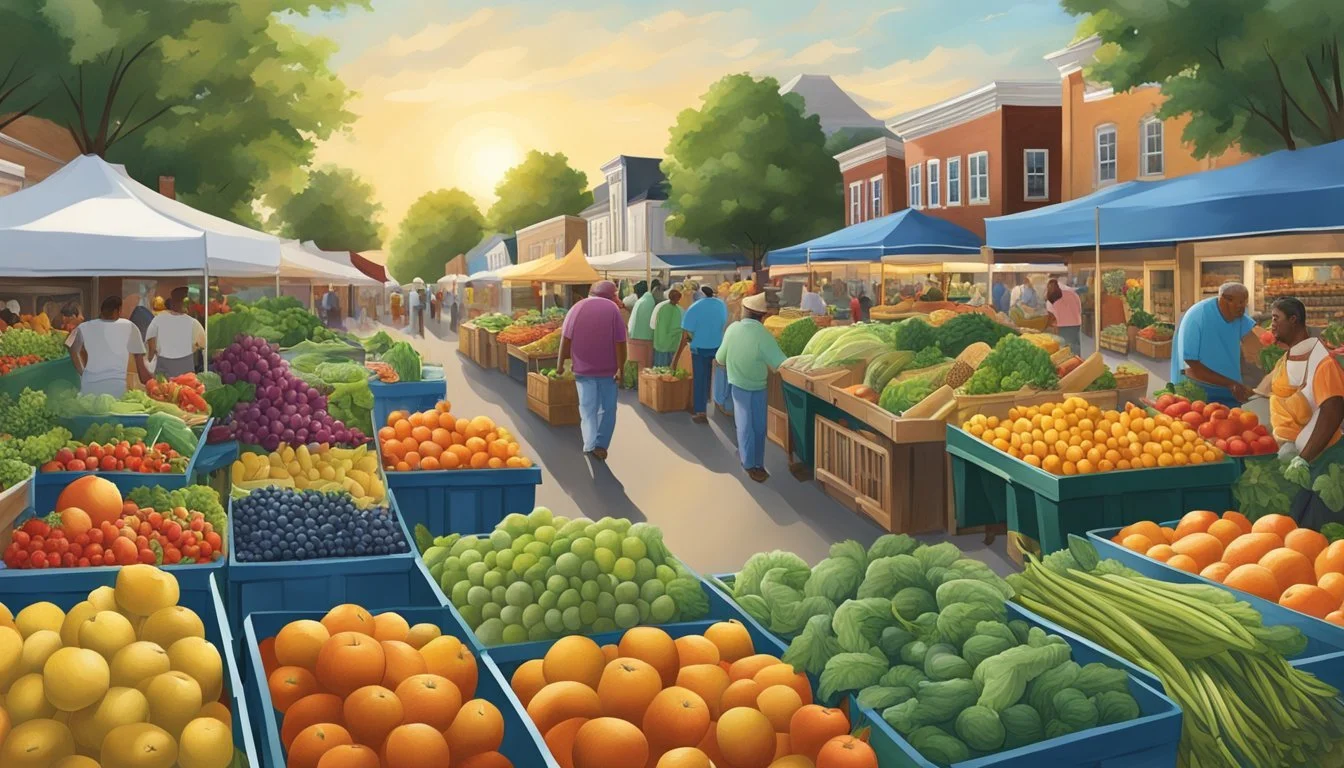
CSAs in Hampton, VA, provide a wide range of farm-fresh products, offering consumers seasonal variety and direct access to high-quality produce.
Typical Produce and Products in Shares
CSAs typically offer shares that include a diverse array of vegetables such as tomatoes, peppers, and leafy greens. In addition to vegetables, shares may also feature fruit, berries, herbs, and flowers. Products like eggs and chicken may also be available, providing a well-rounded selection of farm produce to members.
Diversity of Agricultural Products
The diversity of offerings in CSA shares can vary from one farm to another. While one farm may specialize in a particular variety of vegetables or herbs, another may provide a wider assortment, including unique or heirloom varieties. Some CSAs in the area are known to incorporate strawberries and other specialty items, catering to a demand for both common and unique agricultural products.
Seasonal and Off-Season Product Availability
The availability of CSA shares is typically seasonal, with most operating during the warmer months when a majority of produce is at its peak. However, some CSAs offer off-season options, such as winter shares featuring storage vegetables and greenhouse-grown produce. This allows consumers to enjoy fresh, locally-grown food throughout the year.
Picking Up Your CSA Shares
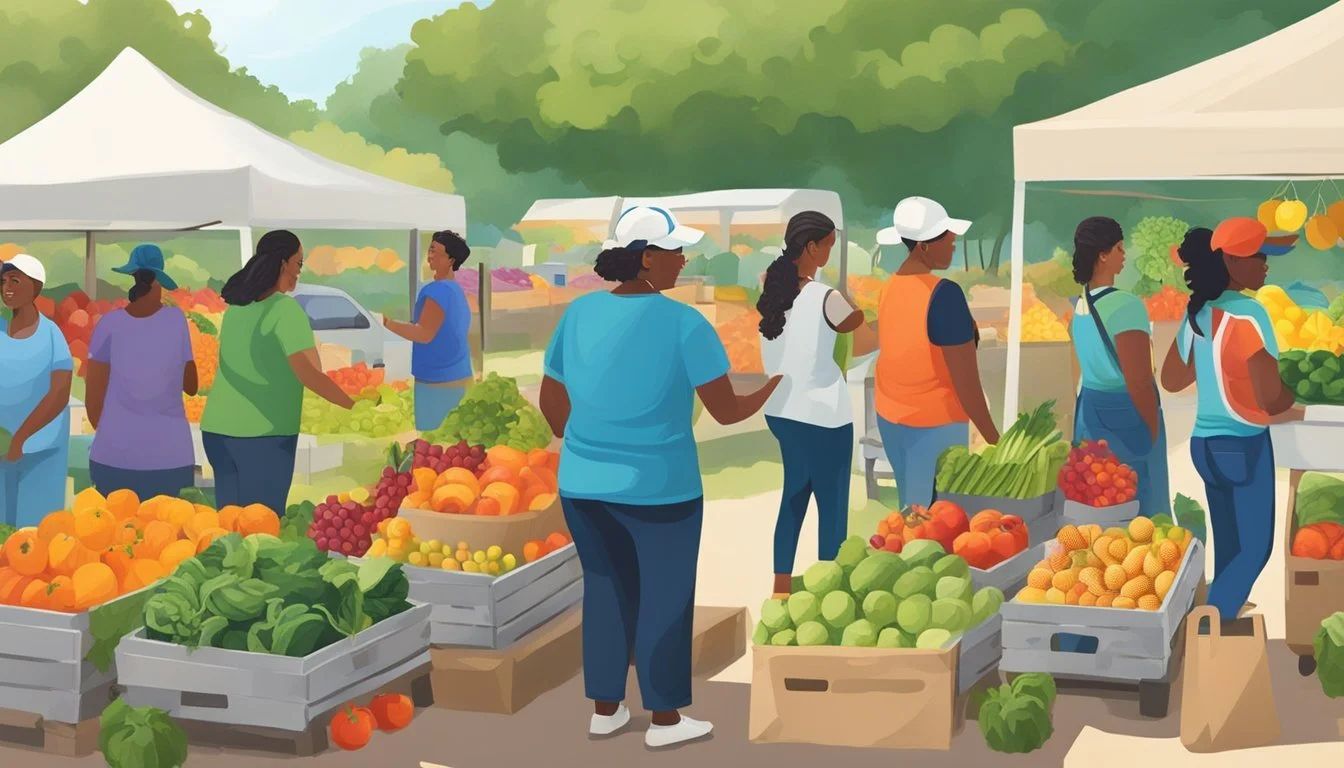
When joining a Community Supported Agriculture program in Hampton, VA, members need to be mindful of the specifics surrounding the collection of their CSA shares. This involves being aware of pick-up locations and times, as well as efficient methods for transporting and storing the fresh, nutritious produce they receive.
Understanding Pick-up Locations and Times
CSA members in Hampton should familiarize themselves with the pick-up schedule provided by their CSA farm. Generally, farms have a dedicated pick-up day, such as every Tuesday from 4:30pm to 6pm, allowing members to plan their weekly routines around this slot. It is important for CSA members to adhere to these schedules to ensure the freshness of their allocated shares.
Pick-Up Locations: Often located on the farm or at designated community spots.
Pick-Up Times: Usually have a fixed window during which shares must be collected.
Adherence to these schedules guarantees that CSA members receive the full benefit of their participation in the program.
Tips for Transporting and Storing Fresh Produce
CSA members should come prepared to pick up their shares with appropriate containers. This could range from sturdy baskets to insulated bags, depending on the type and quantity of produce they expect to receive. Prompt transportation and refrigeration of certain items are crucial to maintaining their nutritional quality and extending shelf life.
Transportation:
Use coolers or insulated bags for delicate greens or perishable items.
Sturdy boxes or baskets can suffice for root vegetables and other hearty produce.
Store leafy greens in airtight containers after gently washing them.
Keep root vegetables in a cool, dark place to maintain freshness.
By following these tips, CSA members can make the most out of their shares while enjoying the nutritious bounty offered by their local farms.
CSA Membership Benefits and Responsibilities
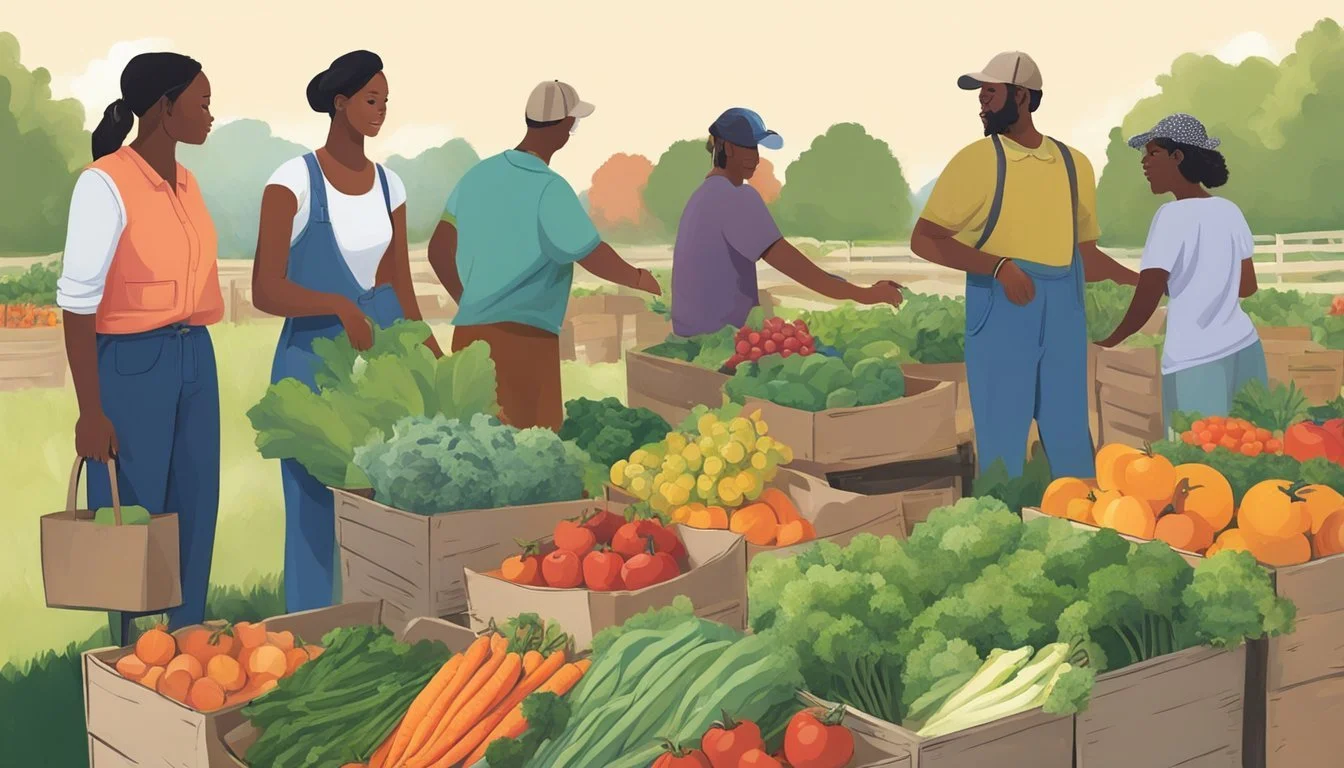
Joining a Community Supported Agriculture (CSA) program in Hampton, VA not only nurtures a person's relationship with local farmers but also fosters a commitment to the community and healthful living. Membership encompasses a variety of advantages along with an engagement in the cooperative spirit of a CSA.
Community and Health Benefits
CSA members enjoy an assortment of community and health benefits. Each week, members receive a share of fresh, nutritious, locally-sourced produce, which supports a healthy diet rich in vitamins and minerals. This system also strengthens the community by establishing a direct, transparent relationship with the farmers who grow their food, often leading to educational exchanges about sustainable agriculture and food security.
Freshness and Nutrition: Members have access to extremely fresh produce, often harvested within 24 hours of pick-up.
Support Local Economy: Membership fees go directly to local farmers, bolstering the regional agricultural economy.
Community Engagement: Members often encounter a sense of belonging and can attend farm-related events.
Member Involvement and Volunteer Opportunities
Membership calls for involvement which can vary from simple responsibilities like picking up shares in a timely manner to more participative roles. CSA farms often provide various volunteer opportunities which enable members to be more hands-on. From helping with distribution to participating in special events, members have chances to learn about farming and contribute to the success of the CSA.
Pick-up Attendance: Members are responsible for collecting their shares as per the schedule.
Volunteer Work: Opportunities to assist on the farm or with CSA operations are available to those interested in a deeper connection and understanding of their food source.
Frequently Asked Questions
This section aims to equip potential CSA members with essential information about joining a CSA program and to address prevalent concerns. It encompasses practical guidance for preparing for membership and clarifying common uncertainties regarding CSA.
Preparing for CSA Membership
When considering joining a CSA, customers often wonder how best to prepare. Firstly, one should understand that a CSA entails a seasonal commitment to a local farm. It typically involves upfront payment for a share of the farm's harvest, which is received throughout the growing season.
Payment Options: Most CSAs have payment plans, ranging from full upfront payments to flexible installment options.
Pick-Up Locations: Customers typically collect their shares from designated pick-up points. Options in Hampton may vary, so it is advised to check with the specific CSA.
Addressing Common Concerns
Community Supported Agriculture nurtures a direct bond between customers and the local farming community but can bring forth questions regarding its operations.
What if I receive too much produce? While the prospect of a plentiful harvest is a feature of CSA, sharing with friends or neighbors can be a gratifying solution.
Is the variety of produce sufficient? Most CSAs strive to offer a diverse selection throughout the season. However, the actual variety is dependent on weather conditions and seasonal cycles.
By addressing these questions, customers can gain confidence in their decision to join a CSA and support Hampton's farming community.
Additional Resources
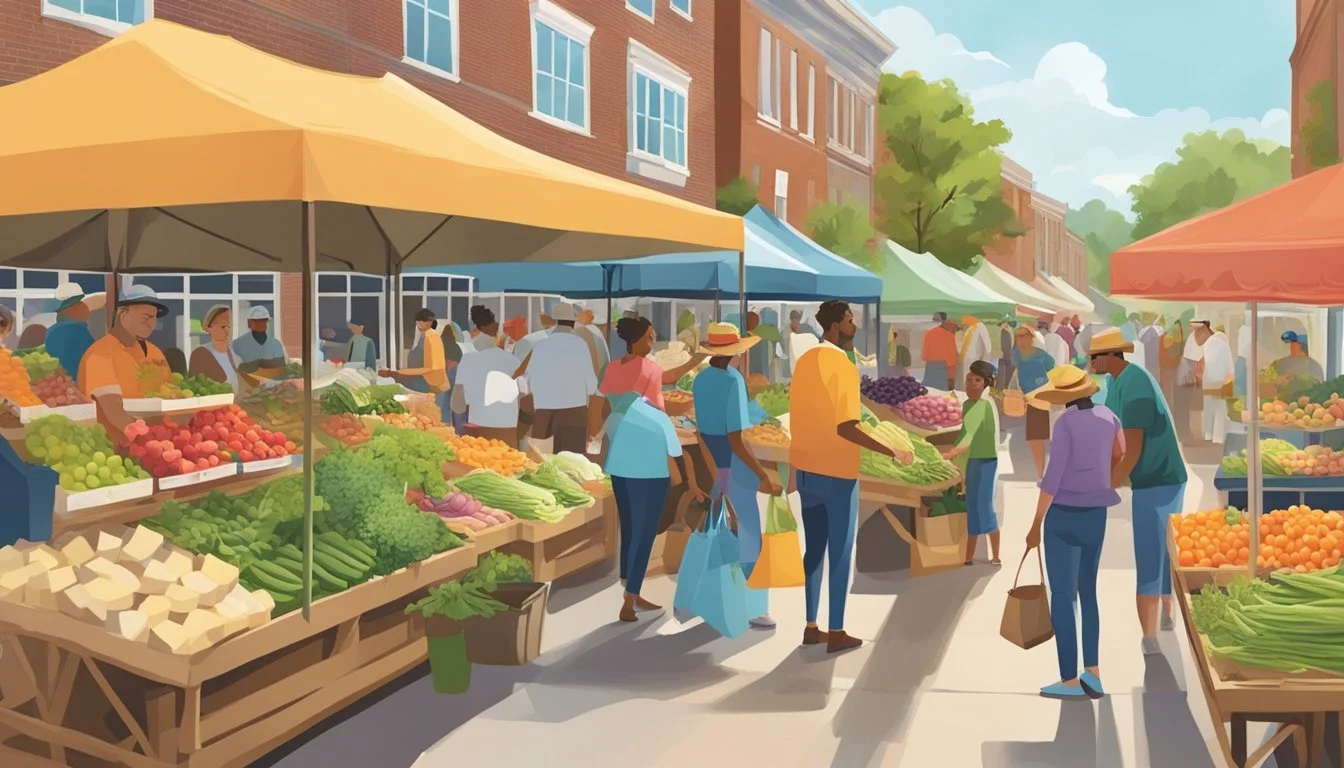
For those seeking to deepen their engagement with Community Supported Agriculture (CSA) in Hampton, VA, or wanting to leverage the most out of their CSA purchases, several resources can provide guidance and support.
Local Food Directories and CSA Listings
Local food directories are invaluable tools for individuals looking to find CSA farms in the Hampton, VA area. One notable directory is the Local Food Directories: Community Supported Agriculture (CSA) Directory, which lists farms or networks of farms offering regular deliveries of locally-grown products on a subscription basis. This directory is designed to help consumers connect with local farmers for access to seasonal produce throughout various harvest seasons.
Dayspring Farm: Situated in Cologne, VA, not far from Hampton, is a CSA farm with a broad selection of vegetables, strawberries, flowers, and herbs. They offer on-farm pick-up as well as delivery to several areas, including Williamsburg and the Middle Peninsula.
Agriberry Farm: Offers CSA programs featuring weekly boxes of local fruits, partnering with other farms to ensure a diverse selection celebrating the mid-Atlantic's offerings.
Cooking with CSA Produce
The ability to cook with fresh, seasonal produce is one of the joys of participating in a CSA. Cooking with products from a CSA allows individuals to explore new recipes and enjoy meals made with ingredients at their peak of flavor and nutrition.
Recipes and Tips: Individuals can often find cooking advice and tailored recipes for their CSA haul from their local farm's newsletters or websites. Exploring seasonal recipes ensures the best use of each item, from ripe fruits to fresh vegetables.
CSA Community: Many CSAs create communities of members where they can share cooking techniques, recipes, and experiences with the seasonal produce they receive. Joining these groups can enhance one's cooking repertoire and appreciation of local food.
Encouraging the Growth of CSAs
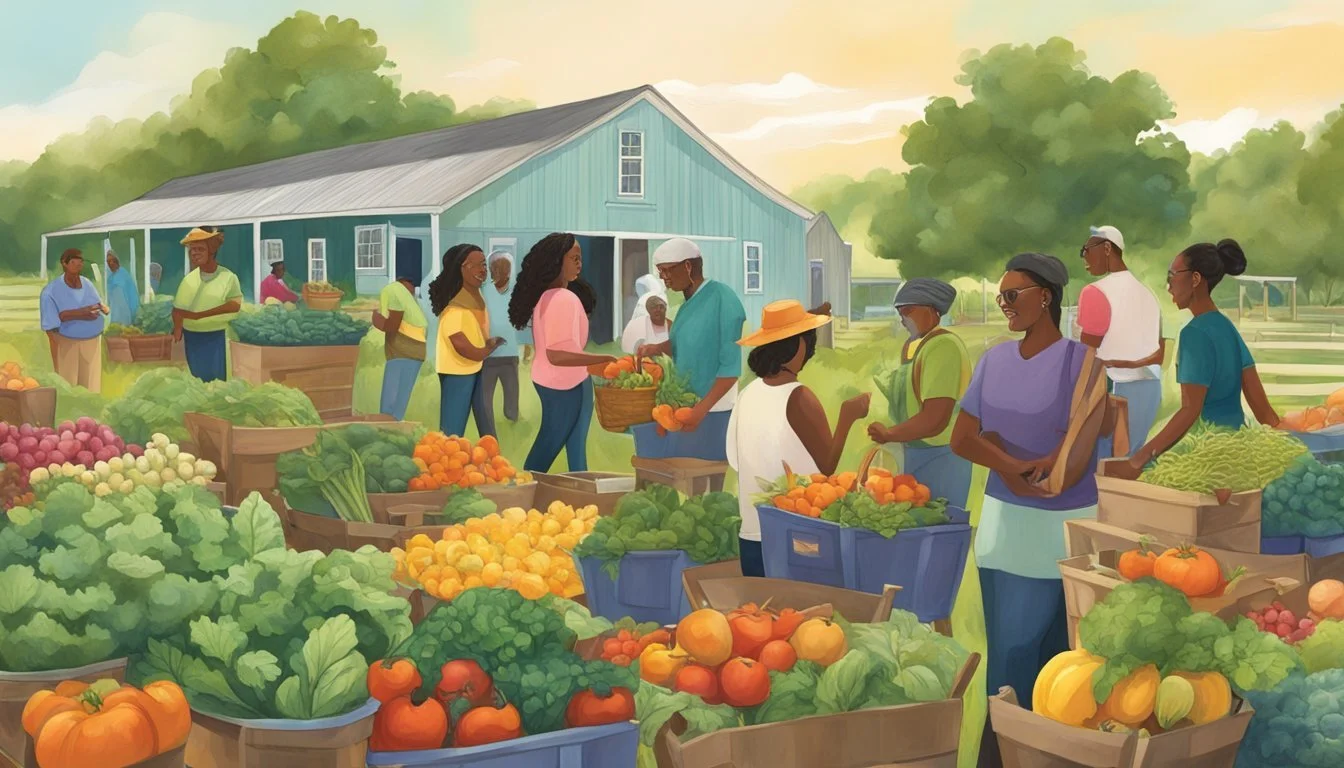
In Hampton, VA, the push to expand Community Supported Agriculture represents a proactive approach to reinvigorate local food systems and ensure sustainable agricultural practices thrive in the Mid-Atlantic region.
Supporting New and Existing CSA Initiatives
New Community Supported Agriculture (CSA) initiatives in Hampton, VA benefit from a variety of support mechanisms. These can range from financial assistance in the form of grants or loans to educational programs aimed at providing farmers with the necessary knowledge to manage a successful CSA. Partnerships with local businesses and government entities also play a crucial role. For example, local governments might offer tax incentives for land use to CSA farmers, or local schools could partner with CSAs to provide fresh produce for their meals. Such initiatives bolster the economic viability of CSAs, encourage community involvement, and increase local food procurement.
Financial Support:
Grants
Low-interest loans
Educational Programs:
Sustainable farming techniques
Business management
Partnerships:
Tax incentives
Existing CSAs can continue to grow by enhancing their direct marketing efforts, diversifying their crop offerings, and improving the CSA member experience. A focus on consistent communication and community engagement helps retain and grow a dedicated customer base.
Future of CSA in the Mid-Atlantic Region
The future of the CSA model in the Mid-Atlantic Region looks promising, especially with the growing consumer interest in locally sourced foods and sustainable farming. Support systems must adapt to foster the scalability of CSAs and the innovation of services they offer. Initiatives might include:
Introducing flexible share sizes
Offering year-round subscriptions
Incorporating agrotourism and educational farm visits
Land preservation efforts to secure agricultural space within urbanizing areas are also critical, facilitating a long-term vision for CSA in the region. With consumers increasingly valuing the farm-to-table connection, the CSA model has the potential to become increasingly integrated into the local food scene in Hampton, VA, and the broader Mid-Atlantic region.