Community Supported Agriculture (CSA) in Gresham, OR
A Guide to Local Produce and Farms
Community Supported Agriculture, or CSA, has taken root in Gresham, Oregon, fostering a partnership between local farmers and consumers that benefits the community as a whole. This system allows consumers to purchase seasonal produce directly from the farmers, ensuring that they receive fresh and nutritious food while also supporting the local agriculture economy. Good Rain Farm is among the local contributors to the CSA movement in Gresham, providing a clear example of how farms are deepening the connection between agriculture and the surrounding community. Farmers like Michelle Week are at the forefront, bridging the gap and bringing locally grown food directly to their neighbors.
The essence of CSA in Gresham is based on mutual support and shared risks between the farmers and the community. By subscribing to CSA programs, consumers pre-pay for a share of the season's harvest, giving farmers a predictable revenue stream and the financial security to focus on land stewardship and sustainable farming practices. In return, consumers receive a box of seasonal produce, typically on a weekly basis, such as vegetables, fruits and sometimes even eggs or dairy products, depending on the farm's offerings. This dynamic creates a strong relationship and a vested interest on both sides, with consumers becoming more than just passive buyers—instead, they are active participants in the local food system.
In adapting to contemporary challenges, farms in Gresham have embraced flexibility to ensure the continued delivery of produce to their CSA members. For example, in response to public health guidelines, Multnomah County's CSA program transitioned to a drive-thru format at local community centers like the Sunrise Center in Gresham. This adaptation maintained the safety of both the consumers and the farmers, while also sustaining the vital link that CSA programs provide in supplying fresh, high-quality food to the community.
Understanding CSA
Community Supported Agriculture (CSA) is a way to buy local, seasonal food directly from a farmer. It involves a mutual commitment between consumers and producers where members receive regular shares of a farm's yield throughout the season, fostering a sustainable agriculture system.
History of CSA
The concept of CSA began in the 1960s in Germany, Switzerland, and Japan as a response to food safety and urbanization concerns. It reached the United States in the 1980s and has since gained popularity as an alternative, community-oriented food distribution system. CSA programs emphasize local, organic, and sustainable farming practices.
CSA Farming Model
In a CSA model, consumers—referred to as members—pre-purchase shares of a farm's expected harvest. Shares typically include a variety of vegetables and fruits, and may also feature other farm products such as eggs or honey. This model enables farmers to plan for the season, purchase new seed, make equipment repairs, and more.
Farm Operation & Member Benefits:
Sustainable Farming: Farmers are encouraged to use organic and sustainable agriculture methods.
Shared Risk: Both farmers and members share in the risks of farming, including adverse weather or crop failures.
Farm-to-Consumer: Members get fresh, high-quality, local food, while farmers receive a reliable income stream.
Membership and Shares
Becoming a CSA member usually involves paying for a season's shares upfront. This financial commitment supports the farmer's operating costs early in the season.
Membership Details:
Season: A typical CSA season can run from spring through fall.
Share Size: Shares can range in size suitable for individuals or families.
Pickup: Members pick up their shares weekly or bi-weekly at designated locations.
Variety, quantity, and the inclusion of organic options will vary by farm, but all CSA models are designed to provide high-quality, local produce to members, while also supporting local farm operations.
Benefits of CSA
Community Supported Agriculture (CSA) in Gresham, Oregon, offers a synergy of benefits, reinforcing a sustainable agriculture system that fosters direct ties between local farmers and consumers. The benefits span environmental, economic, and social aspects, redefining the connections within the food supply chain.
Advantages for Consumers
Diverse, Fresh Produce: Consumers receive a bountiful array of fresh, seasonal produce straight from the farm, ensuring high-quality ingredients for their cooking ventures. Subscribing to a CSA share type allows individuals and families to explore new vegetables and fruits, potentially enriching their diet with a wider range of nutrients.
Cost-Effective and Educational: It is often cost-effective for consumers, as they typically pay a reduced price for organic and locally-sourced food. Moreover, CSA provides an educational experience, enhancing the consumer’s understanding of seasonal eating and sustainable farming practices.
Advantages for Farmers
Stable Income and Reduced Marketing Costs: Joining a CSA model grants farmers more stable income due to upfront consumer commitments. This security allows for better financial planning and resource allocation, leading to enhanced sustainable agriculture practices.
Market-Style Flexibility and Direct Relationships: Farmers operating within a CSA are able to offer market-style shares where consumers can select from available produce, adding flexibility to their business model. In addition, the direct relationship with consumers fosters a community around their farm, often resulting in loyal customers and advocates for local, organic farming.
Local CSA Farms in Gresham

Gresham, Oregon boasts a rich tapestry of Community Supported Agriculture (CSA) farms, connecting local farmers directly with the community. These farms are dedicated to providing organic, seasonal produce throughout the growing season.
CSA Farm Directory
Farm Name Location Produce Offered Good Rain Farm Gresham, OR Seasonal vegetables, fruits, eggs Sandy Family Farm Nearby Sandy, OR Vegetables, pickling cucumbers, tomatoes
Good Rain Farm is known for participating in the CSA program, where customers can opt into seasonal shares of the farm’s harvest. Not only does this farm offer weekly pickups in Gresham, but they also continue the tradition of sustainable, community-centric agriculture. Meanwhile, the Sandy Family Farm provides a variety of organic goods, including specialty items like pickling cucumbers, indicating the versatility and richness of local farm offerings.
CSA Farm Practices
CSA farms in Gresham are committed to sustainable farming practices. They often operate under certified organic standards, ensuring that no harmful pesticides compromise the quality and safety of the produce. An emphasis on heirloom seeds and biodiversity maintains the integrity and flavor of the crops grown.
Local farmers in the Gresham area focus on organic methods to enhance soil fertility and to contribute positively to the local ecosystem. The community benefits from such practices by receiving nutritious, clean food while also supporting ecological farming efforts. This cycle of mutual support between local farmers and community members encapsulates the essence of Community Supported Agriculture.
Seasonal Offerings and Products
In Gresham, Oregon, the CSA model thrives through a symbiosis with the seasons, offering a rich assortment of farm products directly from producers to consumers.
Typical CSA Shares
CSA shares in Gresham deliver a diverse range of seasonally available vegetables and fruit. Subscribers can expect a regular provision of fresh, often organic produce, tailored to the regional climate and growing season. A standard summer share might include:
Lettuce, kale, and other leafy greens
Root vegetables like carrots and beets
Summer squash and zucchini
Berries, apples, and stone fruits
Herbs such as basil and cilantro
These offerings shift as the season progresses, ensuring a variety of produce throughout the year. Many CSA farms also include farm-fresh eggs and artisanal cheese in their shares.
Specialty CSA Options
For those interested in more than just vegetables and fruit, some Gresham CSAs provide expanded options, catering to a growing demand for a comprehensive local food experience. Specialty shares might involve:
Organic meats: range-fed lamb, chicken, or beef
Dairy: locally produced milk or cheese
Flower shares that deliver fresh bouquets
Value-added products: jams, salsas, or bread
Subscribers may sometimes have the choice to add these items to their existing vegetable share or sign up for a separate specialty subscription. Delivery services are often available, enhancing accessibility for the community. Local food directories can assist consumers in finding CSA options that fit their preferences for organic and farm products.
Consumer Engagement
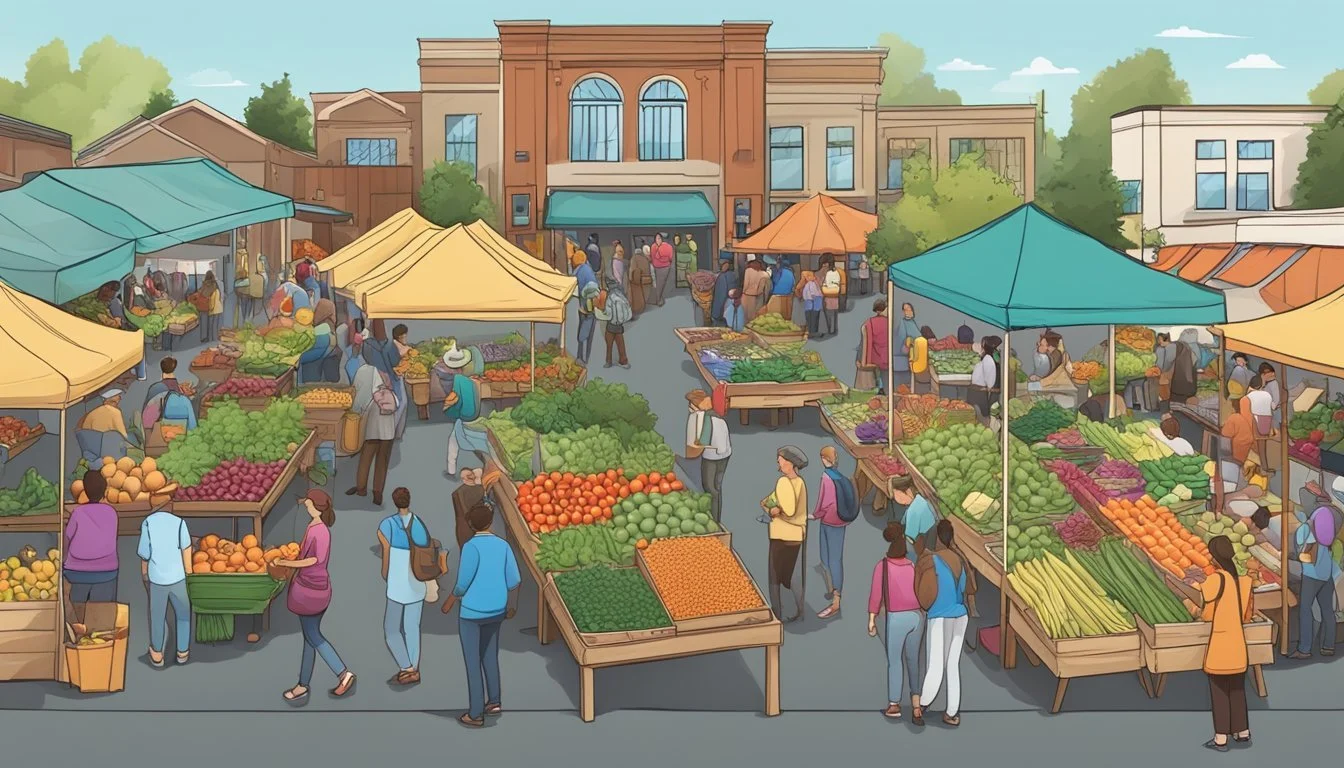
In Gresham, Oregon, Community Supported Agriculture (CSA) is not just a way for consumers to access fresh produce, but it's also a foundation for fostering relationships between the local community and farmers. Engagement is a core tenet of CSAs, providing members with numerous opportunities to connect with the source of their food.
Building Farm-Consumer Relationships
The relationship between farmers and consumers is at the heart of CSA membership. Good Rain Farm, alongside others in the Gresham area, exemplifies this by inviting members to be an integral part of the seasonal rhythm of agriculture. By participating in CSA, consumers become more than just customers; they become active partners to the farmers. This collaboration fosters a deeper understanding and appreciation for the local environment and the complexities involved in growing fresh produce.
Membership Benefits:
Regular farm newsletters to keep members informed
Opportunities for members to visit and tour the farm
Invite to plant, harvest, or participate in farm operations
Development of personal connections with the farmer and farm staff
Community Events and Education
CSAs near Gresham, like Good Rain Farm and Blessed By Grace Urban Farm, don't only provide sustenance; they serve as educational hubs and social spaces. Community events are a pivotal method of engaging with existing and prospective members. Educational workshops allow community members, family, and friends to learn about sustainable agriculture and its importance to the city and broader environment.
Educational and Social Opportunities:
Farm events that allow neighbors to meet and develop relationships
Workshops about sustainable farming practices and food prep
Potlucks and harvest festivals where the community can gather
CSA-specific programs designed to engage children and adults alike
Participation and Membership
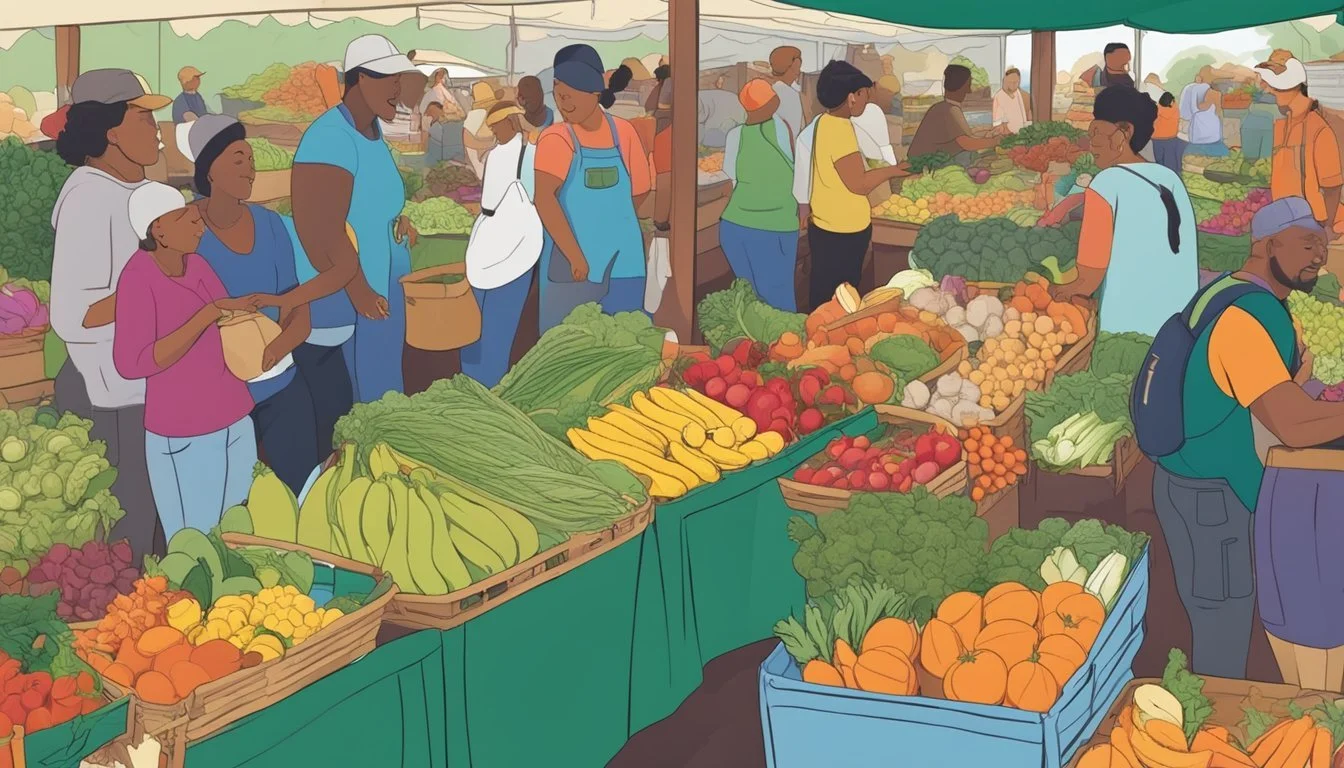
Community Supported Agriculture in Gresham, OR, offers residents a way to directly engage with local farms by becoming members. Through membership, consumers can subscribe to a season's worth of fresh produce directly from the farmers.
Understanding CSA Membership
Community Supported Agriculture (CSA) fosters a partnership where community members support their local farms by purchasing memberships, or "shares," in exchange for a regular supply of produce. A CSA membership is akin to a subscription model—members pay in advance for a weekly or monthly allotment of fresh, locally-sourced goods. This upfront payment plan aids farmers in covering their initial annual costs, thereby reducing the financial risks for the local farm. CSA benefits are mutual: consumers receive fresh, seasonal produce, and farmers gain a reliable income source and a direct connection with their consumers.
Payment Options:
Full Payment: Members may opt to pay the total cost of the CSA share upfront, securing their subscription for the entire season.
Installment Plans: Some farms offer the flexibility of a payment plan, allowing members to pay in increments throughout the season.
Share Types:
Standard Produce Shares: Typically composed of a variety of seasonal fruits and vegetables.
Specialized Shares: Options can include locally produced meats, eggs, and even artisanal goods.
Choosing the Right CSA
When selecting a CSA, consumers should weigh their options by considering variety, seasonal availability, and cost. Each local farm offers unique CSA shares that may vary by price, content, and customization options. It’s prudent for families to assess what share size fits their needs, taking into account their usual consumption patterns.
Considerations for Membership:
Variety: Evaluate the diversity of produce each farm provides within its CSA shares.
Volume: Determine the appropriate share size—standard options often range from single-person to family-sized shares.
Farm Practices: Investigate the farming methods used, whether they are organic, sustainable, or utilize conventional practices.
Pick-up/Delivery Options: Confirm locations and times for pick-up or inquire about home delivery services.
In Gresham, CSA members can contribute to sustainable local farming, enjoy a direct line to high-quality foods, and become part of the thriving community-supported agriculture movement.
Marketing and Outreach
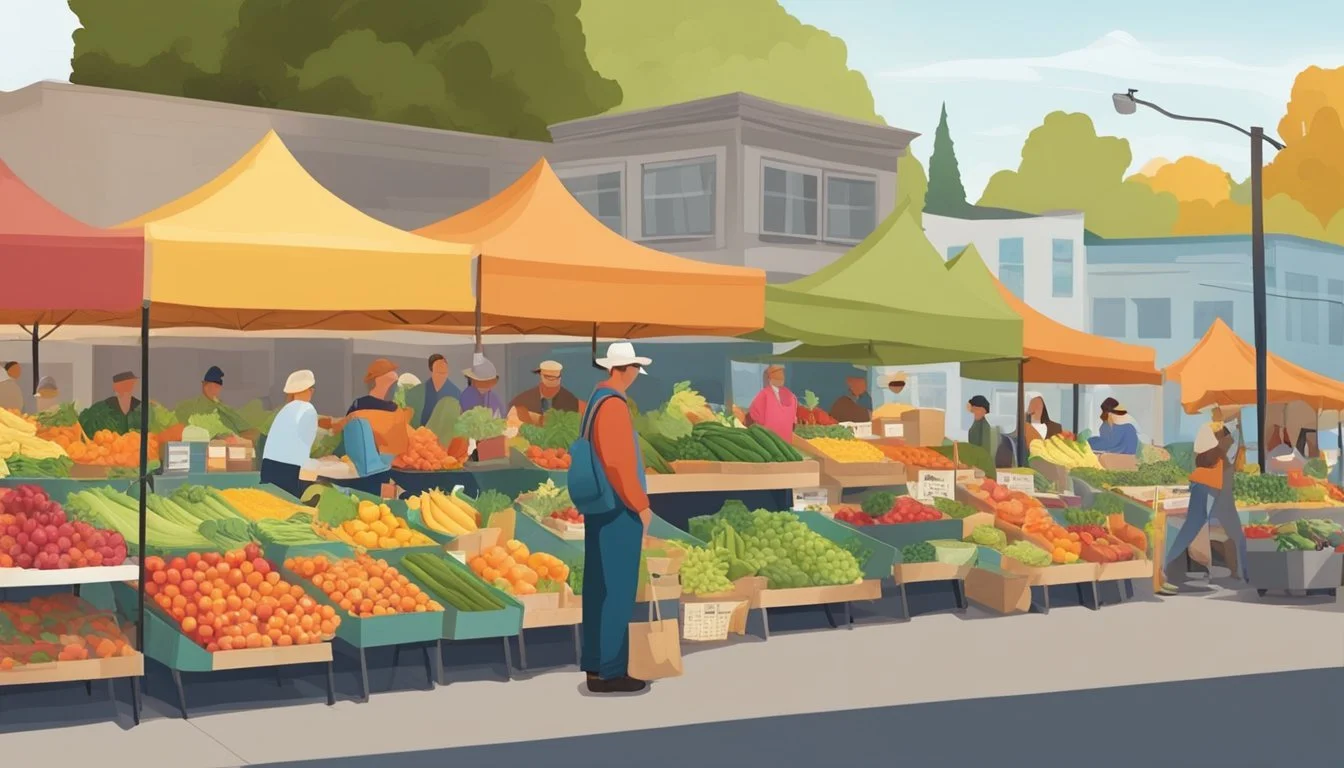
For CSA farms in Gresham, effective marketing and outreach strategies are essential for connecting with the community and promoting local, organic produce to prospective members.
Promotion Strategies for CSA Farms
When it comes to marketing a CSA, farms must make informed choices about the tools and methods they utilize to reach out to both potential and existing members. Local food markets often serve as excellent platforms for CSA farms to showcase their organic vegetables and fruits, allowing consumers to experience the quality firsthand.
Traditional Marketing: Includes the use of flyers, local newspaper ads, and partnerships with local businesses.
Digital Outreach: Utilizing social media, email newsletters, and farm websites to share updates about farming practices and available produce.
Community Engagement: Participating in local events and sponsoring community activities can increase visibility.
Farmers markets are a natural ally for CSA promotion, presenting an opportunity for farmers to engage directly with the community, explain the benefits of CSA membership, and sign up new members.
Engaging with Local Communities
CSAs thrive by forging strong connections with local communities, emphasizing the value of supporting family farms and fostering relationships between farmers and their neighbors.
Membership Drives: Open houses or "farm days" where potential members can visit, meet the farmers, and learn about CSA.
Exceptional Customer Service: CSA members are more likely to renew their memberships if they feel valued and receive personalized service.
Education: Communicating the environmental and health benefits of supporting organic farming practices.
By consistently providing high-quality produce and demonstrating the importance of local, sustainable agriculture, CSA farms can build a loyal community customer base. Engagement strategies are as much about building a committed member family as they are about marketing a product.
Managing a CSA Farm
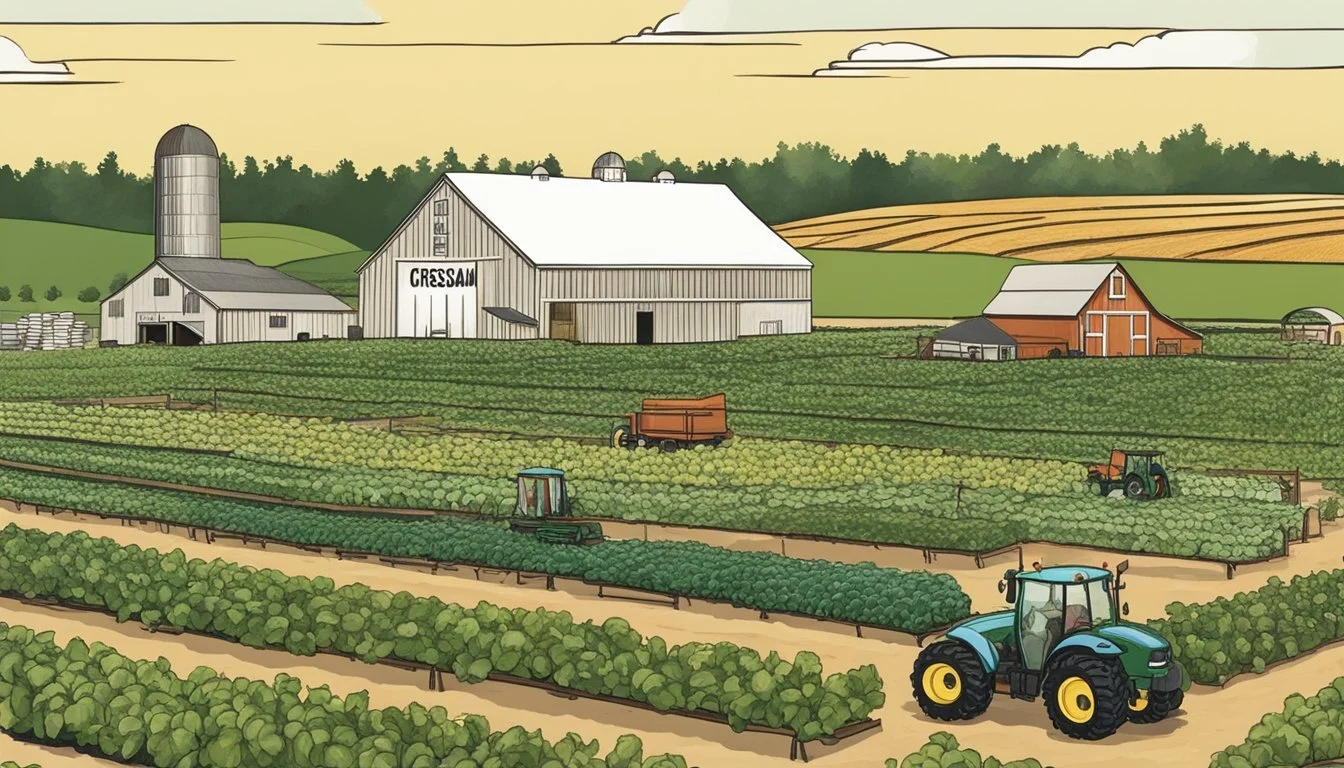
Community Supported Agriculture (CSA) farms in Gresham operate under a model that emphasizes sustainability and community engagement. Successful management involves a nuanced understanding of farm operations and financial strategies to ensure a viable enterprise.
CSA Farm Operations
Daily Management: At the heart of a CSA in Gresham is the farm operation, which requires meticulous daily management. The farming tasks range from seeding and planting to weeding and harvesting organic vegetables. The farmer is responsible for ensuring that farm practices align with sustainable agriculture principles, often incorporating organic farming techniques that avoid synthetic fertilizers and pesticides.
Membership and Distribution: CSA shares are a fundamental aspect, where members pay in advance for a season's worth of farm products. This model fosters a direct farmer-consumer relationship, with the farm often offering various pick-up locations or delivery options for members. It's essential for the farmer to establish efficient systems for distribution to maintain product freshness and member satisfaction.
Workforce Training and Management: CSA farms usually have a lean workforce, which might include family members, part-time helpers, and volunteers. A critical responsibility for the farmer is to train this workforce in the farm's operational methods and the tenets of sustainable agriculture to maintain high-quality output.
Financial Considerations
Income and Pricing: The income of a CSA is primarily derived from the sale of shares to community members. It is crucial that the farmer sets a price that reflects the true cost of production, including labor, seeds, equipment, and other farm expenses. Sustainable agriculture often incurs higher costs due to its environmentally friendly practices, which should be factored into the share price.
Payment Plans: To accommodate the varying financial capacities of community members, many CSA farms offer different payment plans. Payment plans may include options to pay the full amount upfront or through installments. This not only assists members in managing their finances but also helps the farm in securing a steady income stream across the season.
Operational Costs: Running a CSA farm involves various costs beyond production, such as marketing, packaging, insurance, and land lease or mortgage payments. Thorough financial management requires the farmer to account for these costs and incorporate them into the overall budget to ensure the farm's economic sustainability.
Profitability: Ultimately, the financial health of the CSA is monitored through careful bookkeeping and budgeting, with the goal to achieve profitability while supporting the values of community and sustainable agriculture. The balance between covering costs and providing value to members is key to the long-term success of the CSA farm.
CSA Data and Technology
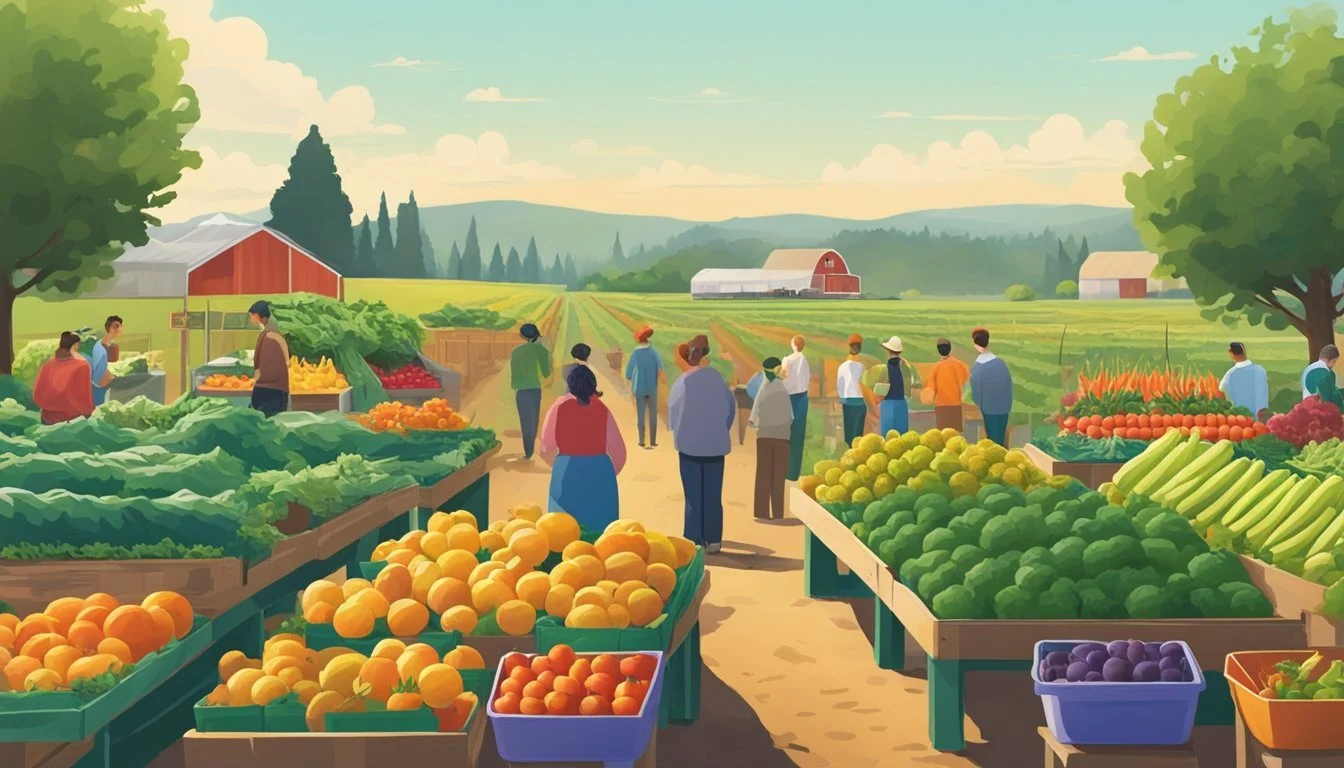
Community Supported Agriculture (CSA) has grown in complexity with the introduction of advanced data management and technology solutions, impacting both farm operations and consumer engagement in the CSA model.
Leveraging Technology for CSA Management
CSA programs have begun integrating technology to streamline their operations and enhance the subscription service they offer to consumers. For instance, CSA management software often includes features such as automated payment processing, seasonal product updates, and market-style distribution management. By utilizing applications with API integration, farmers can synchronize their data across multiple platforms, enabling better farm product tracking and inventory control. These tools also facilitate the generation of detailed reports, which are essential for planning and forecasting.
APIs for product management
Automated payment processing
Real-time inventory and subscription management
Generation of detailed operational reports
Impacts of Data on Consumer Choices
The way consumers search and make choices for CSA subscriptions has been significantly influenced by the availability of data and technology. With online platforms providing detailed information about the variety, price, and organic nature of the farm products available, consumers can now make more informed decisions. Additionally, features allowing customers to customize their CSA boxes with their preferred seasonal produce have led to increased satisfaction and higher retention rates.
Availability of detailed product data for informed consumer choices
Customizable subscription models based on consumer preference
Increased consumer engagement through organic and seasonal variety options
Conclusion
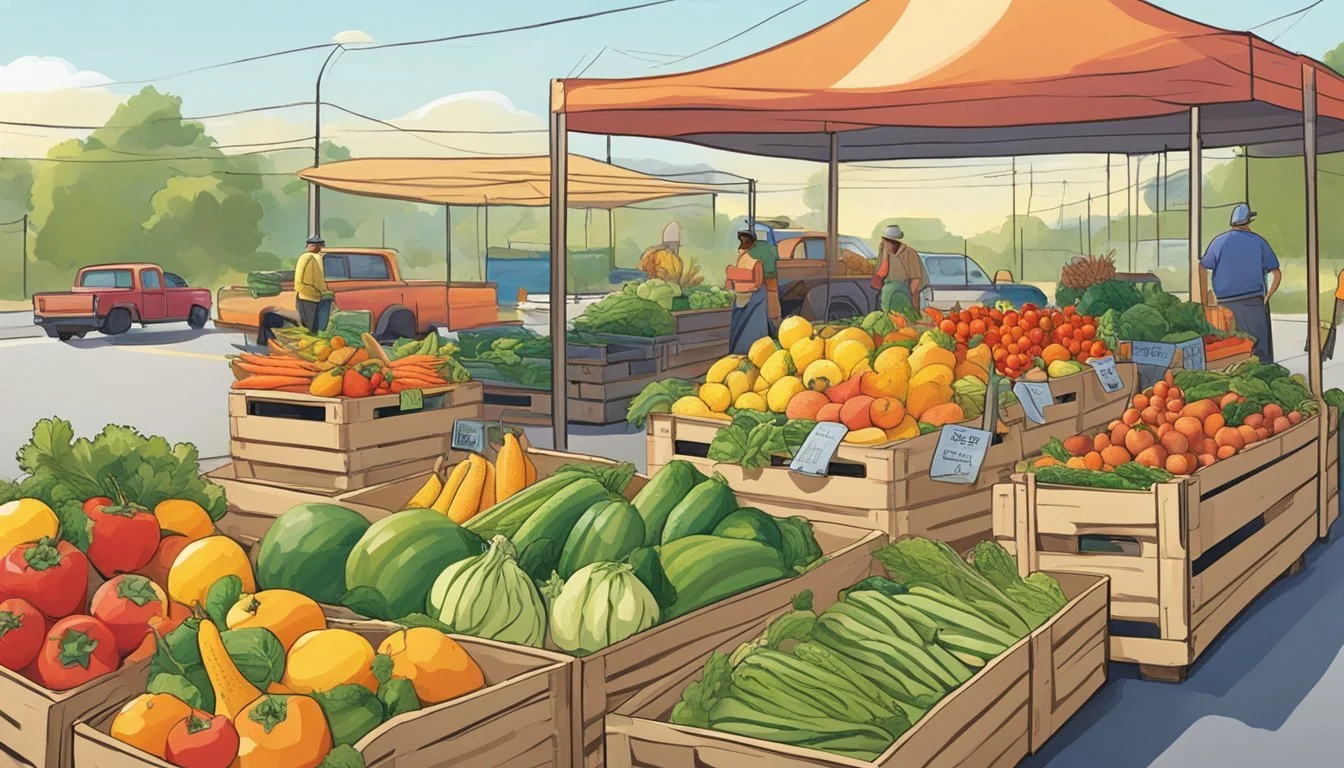
Community Supported Agriculture (CSA) exemplifies a model that is as much about community building as it is about agriculture. In Gresham, OR, the CSA programs foster a symbiotic relationship between local farmers and community members. They emphasize sustainable agriculture and assure a supply of fresh, local food.
Members of the CSA partake in the seasonal bounty Gresham's fertile land offers. By purchasing a membership at the start of the growing season, members receive a share of each harvest, directly connecting them to the rhythms of the season and the offerings of their environment.
CSA programs in Gresham are not just transactions; they're partnerships that bolster an economy rooted in sustainable practices and seasonal foods. These initiatives serve to educate the community on the importance of sustainable agriculture, forging a link between the food on the plate and the land that provided it.
In essence, Gresham's CSA programs are more than simple food subscription services. They're a commitment to local farmers, to sustainable methods, and to the health of both people and the planet. With every seasonal cycle, Gresham's residents can take pride in knowing they are contributing to a resilient food system.