Community Supported Agriculture (CSA) in Greensboro, NC
Boosting Local Food Economy and Community Health
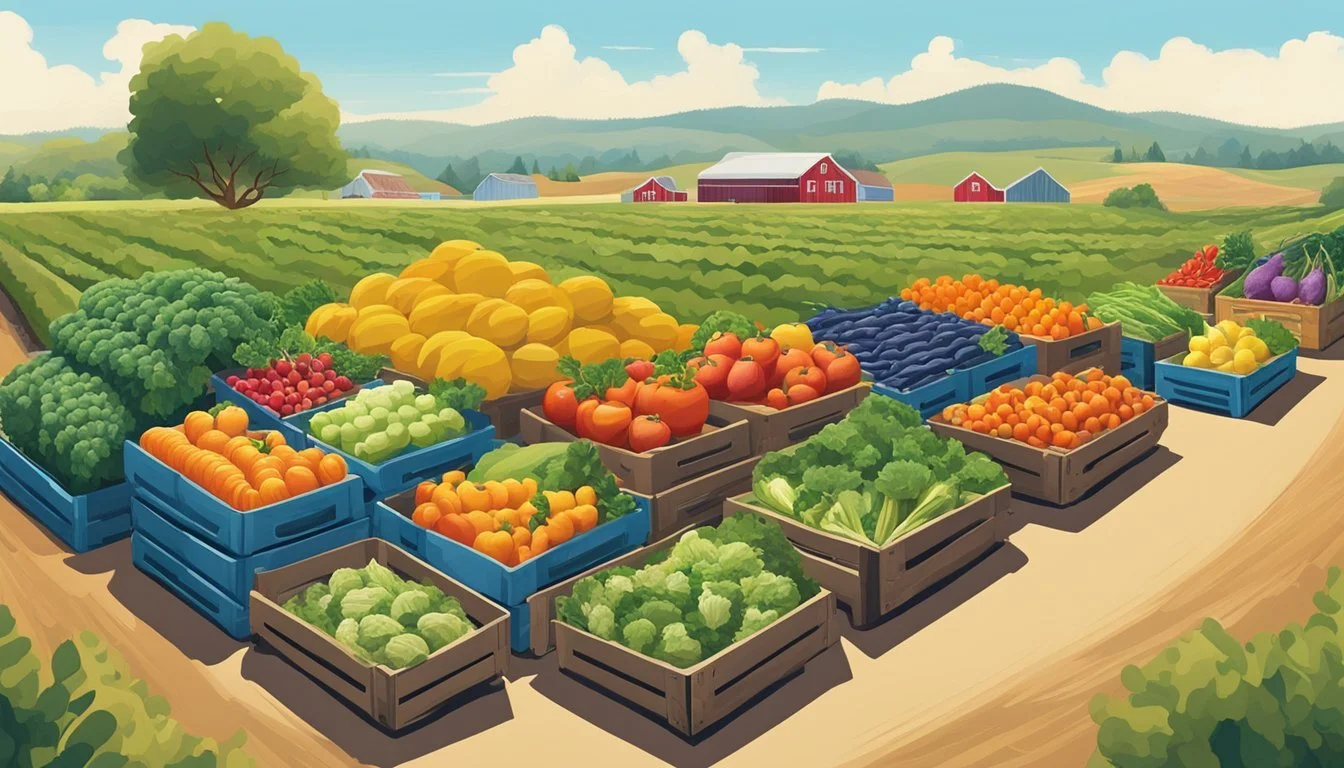
Community Supported Agriculture, or CSA, has taken root in Greensboro, NC, fostering a robust partnership between local farmers and community members. This model of farming and food distribution involves individuals purchasing subscriptions, or "shares," from local farms. In turn, they receive regular deliveries of fresh produce and other farm products. These offerings typically include a variety of fruits, vegetables, herbs, and may also extend to fresh flowers, eggs, meats, and cheeses. The CSA model aims to encourage local food production and consumption, offering Greensboro residents the opportunity to enjoy fresh, seasonal products while directly supporting their local agricultural community.
In Greensboro, CSA programs offer an alternative for residents to connect with their food source. They not only provide access to high-quality, locally grown products but also instill a sense of community ownership and stewardship over their food systems. Participating in a CSA allows residents to share in the risk and reward of crop production, deepening their understanding of the food cultivation process. The ongoing success of CSA in Greensboro reflects a commitment to sustainable agriculture and a value-promotion for healthier, community-based food choices.
The impact of CSA in Greensboro extends beyond the exchange of goods; it also cultivates relationships between farmers and consumers. By subscribing to a CSA, customers can often visit farms, meet the people who grow their food, and sometimes even participate in the farming process. These interactions contribute to a more informed and engaged community, encouraging discussions around food security, seasonal eating, and the challenges faced by local farmers. As CSAs in Greensboro continue to flourish, they represent a vital element of the city's movement towards sustainable living and community resilience.
Understanding Community Supported Agriculture (CSA)
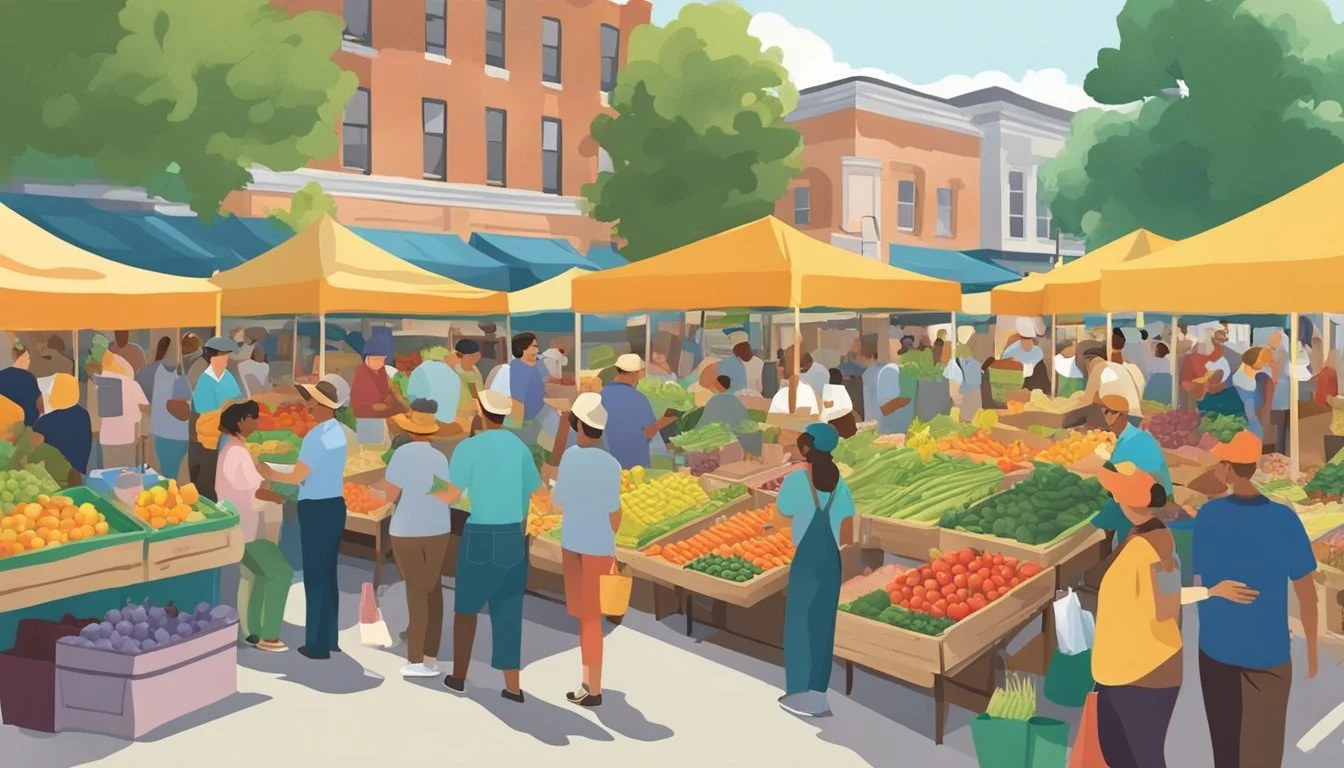
Community Supported Agriculture (CSA) is a model that connects residents of Greensboro, NC, directly with local farms, offering fresh, often organic produce, and strengthening community ties. The structure fosters a partnership between farmers and community members who purchase shares of the harvest.
History and Principles of CSA
The CSA concept originated in Japan in the 1970s with a focus on safe, environmentally-responsible food. It gained traction in the United States in the 1980s. CSA is built around a direct, cooperative partnership between farmers and shareholders (members), where risks and rewards are shared. The underlying principles emphasize local food systems, sustainability, organic production, and community engagement.
CSA Structure and Operation
Under a CSA arrangement, members purchase a membership or share upfront. This investment provides the farmer with working capital at the start of the season. In return, throughout the harvest season, members receive boxes filled with a variety of fresh vegetables, fruits, and sometimes other products like eggs and cheese. The shares are typically distributed on a weekly or monthly basis, either at the farm, a drop-off location, or through delivery.
Investment: Members pay in advance for a season's share.
Harvest: Farmers grow a variety of produce, typically focusing on organic methods.
Distribution: Members receive regular allocations of fresh, local food.
Benefits of Participating in a CSA
Members gain access to high-quality, often organic and healthy food that is produced within their own community. CSAs encourage healthy eating habits by providing a regular supply of fresh produce. Additionally, they support local farmers, boost the local economy, and reduce the carbon footprint associated with long-distance food transportation. CSAs can also foster a sense of community as members often engage with the farm through visits and events.
CSAs in Greensboro, NC
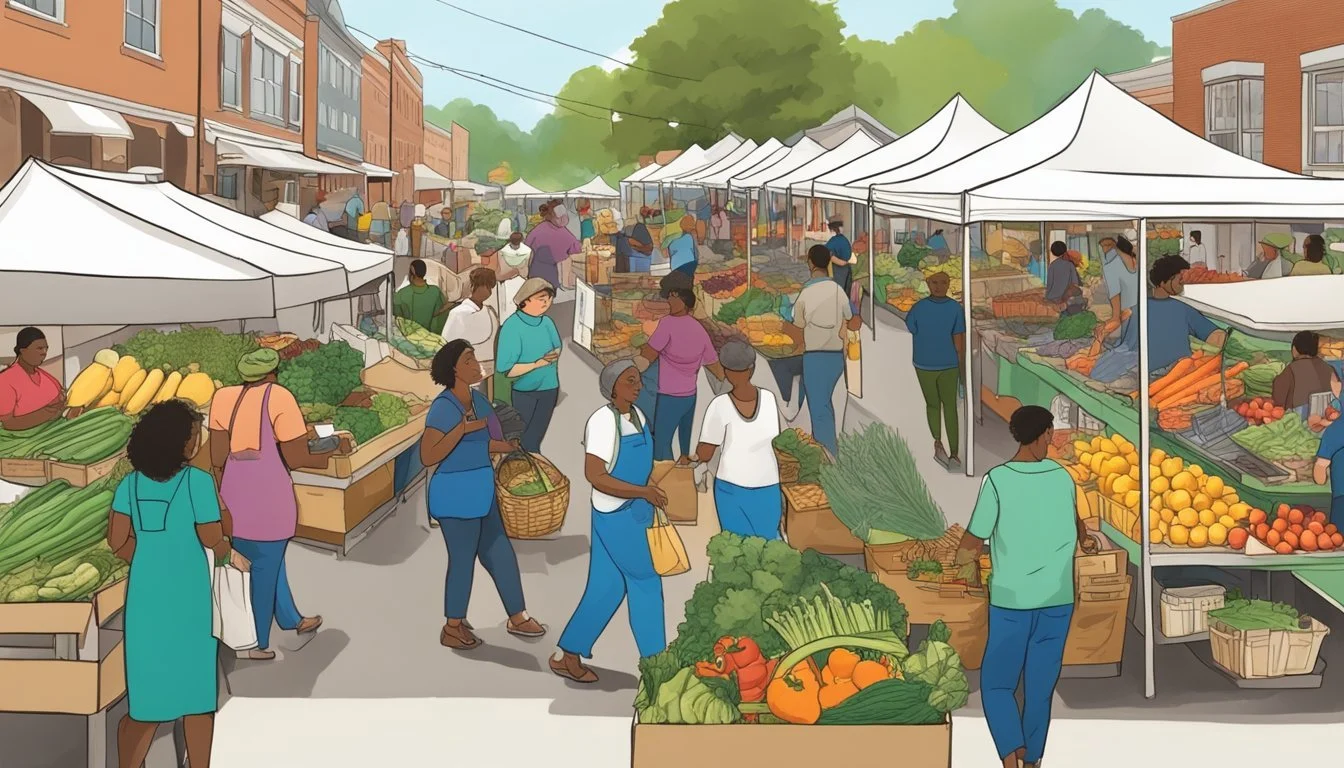
Greensboro, North Carolina is home to a thriving Community Supported Agriculture (CSA) scene. With a range of local farms participating, Greensboro residents have ample opportunities to subscribe to CSA shares. These subscriptions foster a closer bond between consumers and their food sources, with local farmers directly supplying fresh, seasonal produce and other farm products.
Local CSA Farms Overview
In Greensboro, CSA farms such as Handance Farm, PTB Farm, Weatherhand Farm, and Farlow Farm offer diverse options ranging from vegetables and fruits to eggs and meats. These farms operate with a commitment to sustainability and community engagement, often located within a short distance from Greensboro's center. For example:
Handance Farm: Provides a variety of organic produce.
PTB Farm: Focuses on pasture-raised meats and sustainably grown vegetables.
Weatherhand Farm: Known for an assortment of seasonal crops.
Farlow Farm: Offers a mix of traditional farm products, including fresh produce.
Each farm has its distinct approach to farming and CSA membership, giving Greensboro a dynamic CSA community.
Joining a CSA in Greensboro
Consumers looking to join a CSA in Greensboro can typically subscribe by paying for their share prior to the harvest season. This upfront investment assists local farmers with the resources needed to grow and harvest their crops. Subscription rates may differ, but they commonly range from $400-$700 annually, depending on the farm and type of share offered. CSA members in Greensboro often enjoy weekly or monthly boxes of fresh farm products, and the process to join can be summarized as follows:
Explore CSA Options: Research local CSA farms to find the one that fits your needs.
Subscribe: Sign up for a CSA share by contacting the farm and paying the subscription fee.
Receive Shares: Collect your weekly or monthly box of goods directly from the farm, a local pickup point, or through delivery, depending on the farm's setup.
Joining a CSA not only supports local farmers but also provides Greensboro consumers with a deeper understanding of where their food comes from and the seasonality of local agriculture.
Seasonal Offerings and Products
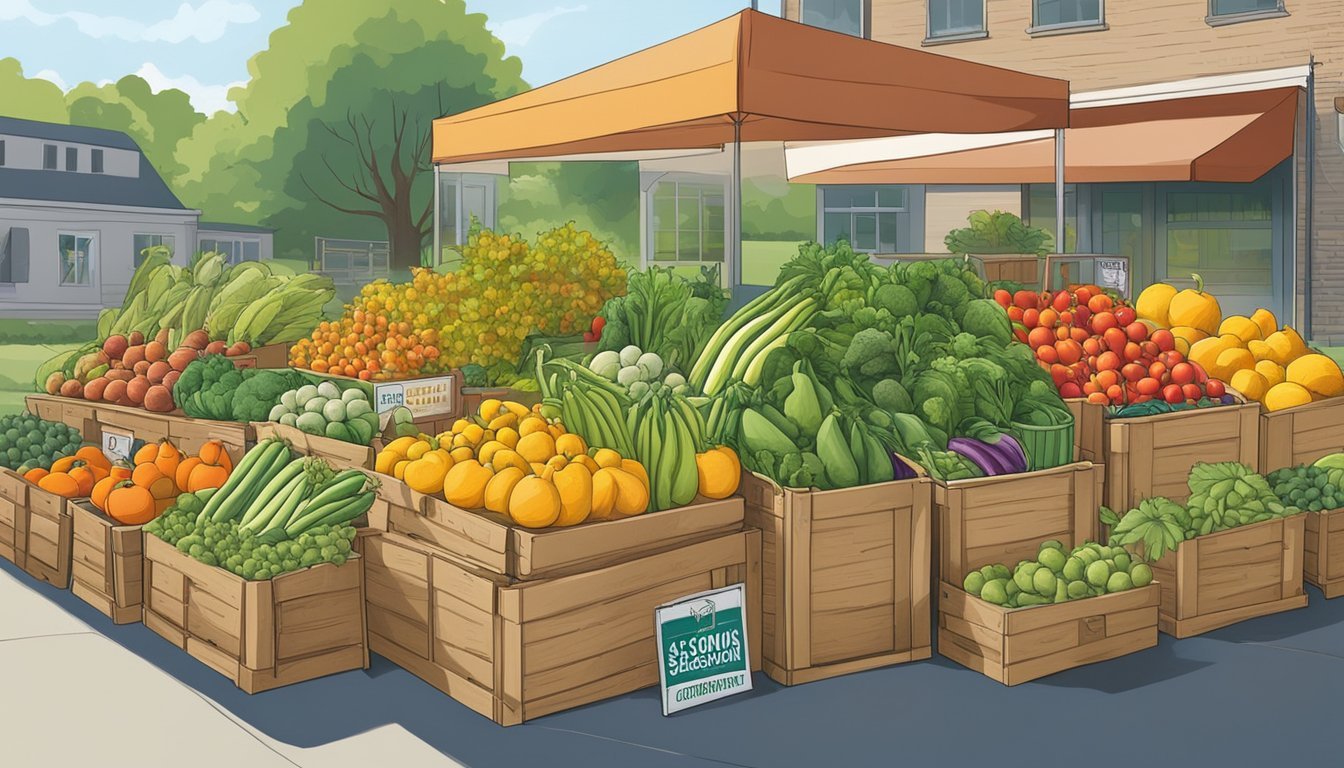
Community Supported Agriculture in Greensboro offers a range of fresh, seasonal produce directly from local farms to the community. Each CSA in Greensboro provides varying types of shares and products that are grown in alignment with the local growing season.
Types of Shares Available
Local farmers in Greensboro offer shares to the public, which may include a diverse selection of farm products. These shares are typically available in different sizes, catering to different customer needs.
Full Shares: Ideal for families or individuals seeking a comprehensive variety of vegetables, fruits, eggs, and occasionally meats and cheeses.
Half Shares: Suitable for smaller households or those new to the CSA model, providing a lesser quantity of the same high-quality, seasonal products.
Harvest Calendar for Greensboro CSAs
Greensboro CSA members can expect a harvest calendar that reflects the richness of each season's produce. Here, products are at their peak flavor and nutrition.
Spring
Vegetables: Lettuce, spinach, kale
Fruits: Strawberries
Additional Products: Herbs, spring flowers
Summer
Vegetables: Tomatoes, cucumbers, peppers, squash
Fruits: Blueberries, peaches, melons
Additional Products: Summer flowers, fresh eggs
Fall
Vegetables: Pumpkins, potatoes, carrots
Berries: Late raspberries
Additional Products: Autumn flowers, various meats
Winter (Limited availability depending on CSA)
Root vegetables: Beets, turnips
Winter greens: Collards, Swiss chard
Products: Jams, preserves from earlier harvests
Harvest times may vary slightly each year due to weather conditions, but local farmers typically maintain a consistent supply of fresh, seasonal produce for their CSA members.
Economic Aspects of CSA
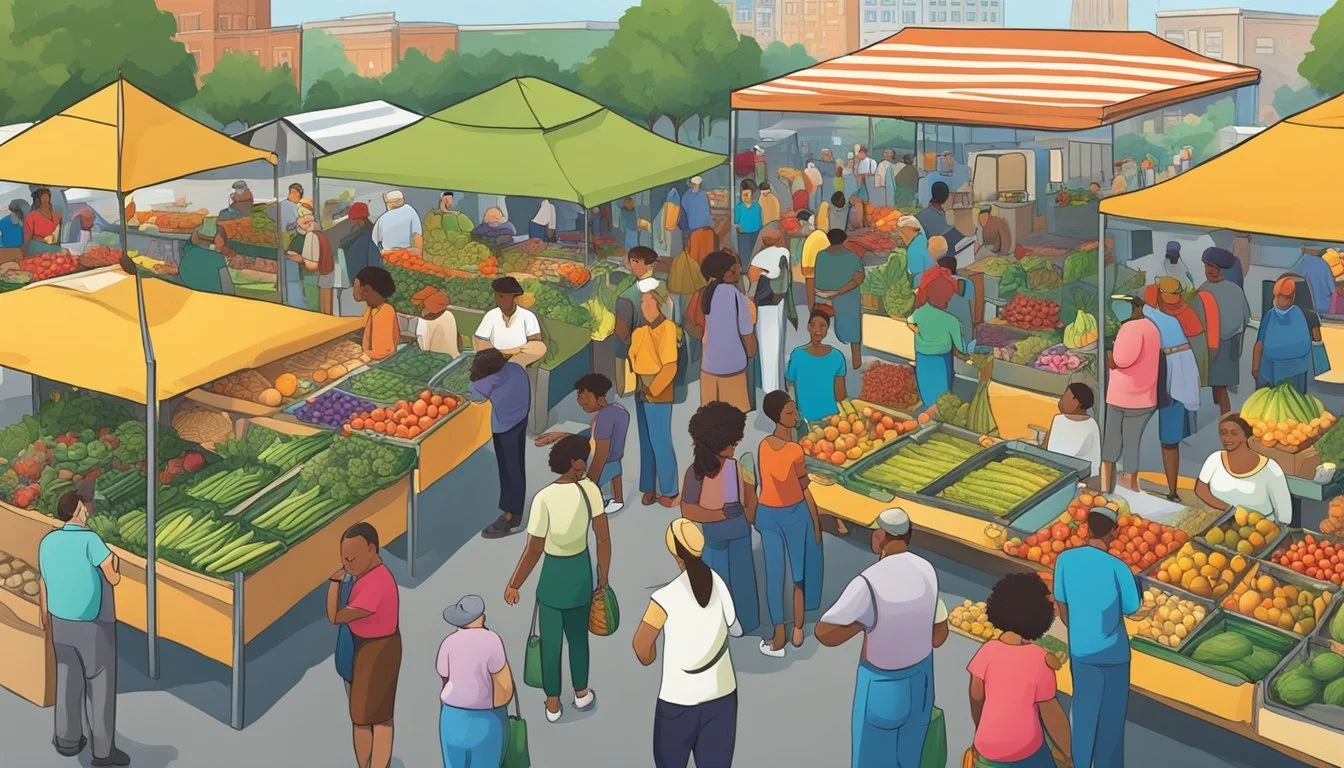
Community Supported Agriculture in Greensboro, NC reflects a partnership between consumers and farmers where financial transactions are not merely purchases, but investments in local agriculture. The economic stability and growth of farms through CSA shares are crucial for sustaining the farm business model and ensuring a stable supply of farm products to consumers.
Understanding CSA Share Pricing
CSA share prices in Greensboro are determined by a variety of factors that include the cost of production, farm operational expenses, and the type of products offered. Typically, consumers can subscribe to receive weekly or monthly shares that might include fruits, vegetables, eggs, meats, or cheeses. The share price for a season is set by the farmer and can vary significantly based on the farm's size, the variety of produce offered, and the overall quality of the products. For example, a typical annual cost for a CSA share may range from $400 to $700. This upfront payment from consumers directly finances the upcoming production season and supports the farm's budget.
On the consumer side, they benefit from fresh, locally-grown produce often at a cost comparable to or less than what they would pay at retail outlets. The subscription model inherent in CSA means that consumers commit to supporting their chosen farm or farms for an entire season, thus providing the farm with a more predictable income stream.
Financial Considerations for Farmers
Farmers in Greensboro embracing the CSA model must undertake careful financial planning. This includes developing a comprehensive business plan with a detailed budget that accounts for all costs associated with planting, growing, harvesting, and distributing their products. A key element of their business plan is marketing their CSA shares. Effective marketing strategies are essential to attract a sufficient number of CSA subscribers to make the farm economically viable.
Risk management is also a fundamental consideration for farmers when operating a CSA. Since customers pay for their share prices upfront, farmers need to estimate production costs and potential yield accurately to ensure they can meet the expectations of their subscribers. Natural factors such as weather can introduce significant risk into the farm business, so farmers must be adept at planning for and mitigating these risks. An unexpected shortfall in production can lead to financial strain, so it's vital for CSA farmers to establish contingency plans to fulfill their obligations to subscribers.
In Greensboro, the CSA model has the potential to enhance the economic stability of a farm, align consumer and farmer interests, and create a sustainable farm business that can adapt to market and environmental changes.
CSA Membership Responsibilities
Community Supported Agriculture in Greensboro, NC, engages members in a symbiotic partnership with local farmers. Membership entails certain responsibilities, including understanding the shared risks and rewards of the agricultural process and actively participating in the CSA community.
Shared Risks and Rewards
CSA members invest in their local farm's production by purchasing a share of the harvest at the beginning of the season. This financial commitment is pivotal for farmers to plan and fund the upcoming harvest.
Key Responsibilities:
Financial Commitment: Members usually pay in advance, which may range from $400-$700 annually, providing essential capital.
Risk Sharing: Members accept that agriculture is subject to variables such as weather and pests, which can affect the quantity and quality of the harvest.
Rewards: In return, members receive fresh, locally-grown produce, supporting sustainable agriculture and contributing to the local economy.
Members' Role in CSA
Members are more than just consumers; they are integral parts of the CSA community, building relationships with the farmers and understanding the source of their food.
Key Involvements:
Active Engagement: Members can seek opportunities for direct interaction, such as visits to the farm.
Feedback: Constructive communication between members and farmers helps tailor the CSA to meet community needs.
Community Building: Participation in special events or volunteer days fosters a strong sense of community and connectivity to the farm.
By fulfilling these responsibilities, CSA members in Greensboro, NC, help ensure the success and sustainability of their local farms and secure a connection to high-quality, fresh food sources.
Agricultural Practices and Sustainability
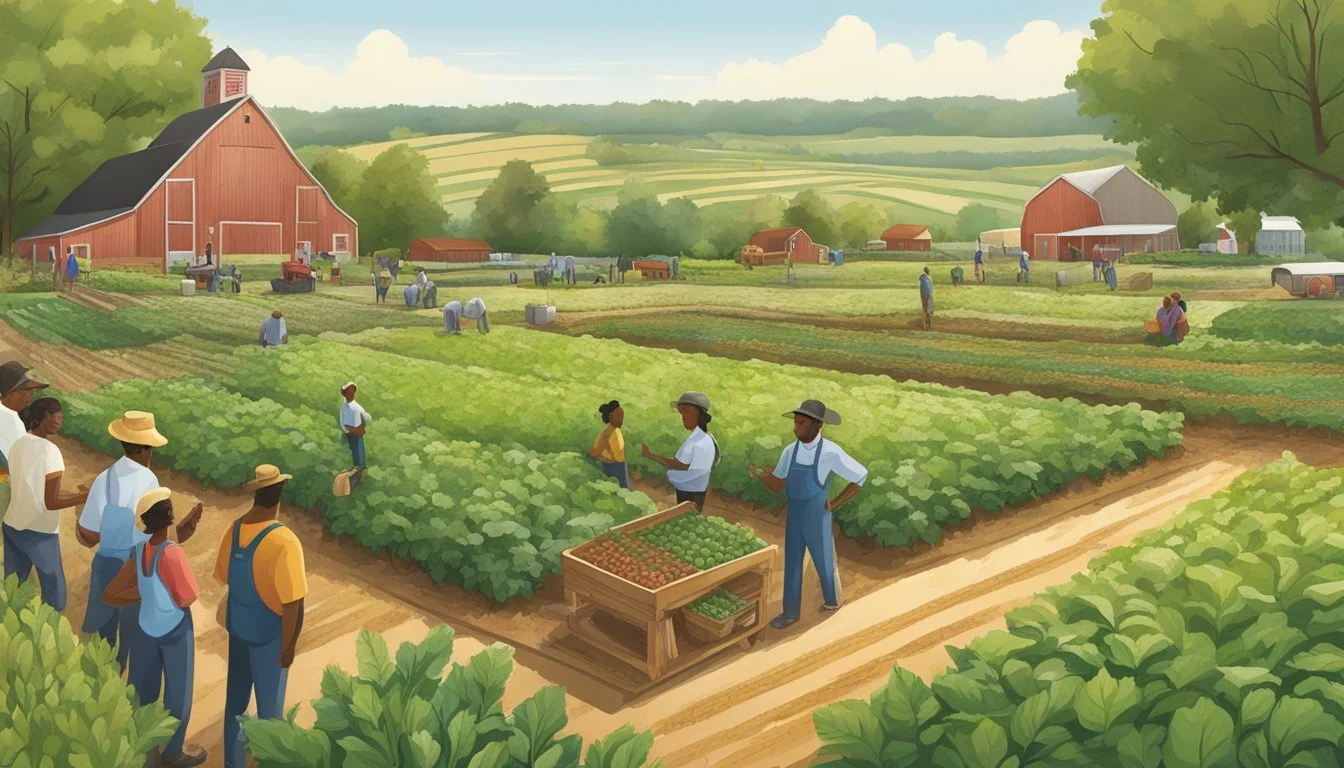
Community Supported Agriculture (CSA) programs in Greensboro, NC, embrace responsible agricultural practices focusing on sustainability and health. These farms employ techniques that ensure long-term fertility of the farmland and reduce harmful environmental impacts.
Organic Farming and Beyond Pesticides
Organic farming is a cornerstone for many CSAs in the Greensboro area, emphasizing the non-use of synthetic pesticides and fertilizers. By prioritizing organic methods, farms contribute to healthier ecosystems and products. Many CSA farms go beyond the organic label to implement practices that further diminish the need for pesticides. Tactics such as crop rotation, companion planting, and the use of beneficial insects for pest control are common.
Crop Rotation: Planting different crops in a sequential manner to improve soil health and reduce pest populations.
Companion Planting: Placing certain plants together to naturally deter pests and diseases.
Beneficial Insects: Introducing predator species to control pest populations naturally.
Sustainable Farm Management
CSA farms in Greensboro operate under the principles of sustainable farm management. These principles include conserving water, protecting soil integrity, and maintaining biodiversity. Sustainable farming also involves considering the well-being of farm labor. Farms work to remain economically viable while ensuring fair labor practices and fostering community connections.
Water Conservation: Techniques such as drip irrigation and rainwater harvesting are used to minimize water usage.
Soil Integrity: The use of cover crops and organic compost enriches soil fertility without reliance on chemical inputs.
Biodiversity: Farms maintain a variety of species to create a balanced ecosystem, which contributes to farm resilience.
Through these practices, CSA farms in Greensboro support a sustainable food system that respects both the land and the community.
Marketing and Communication Strategies
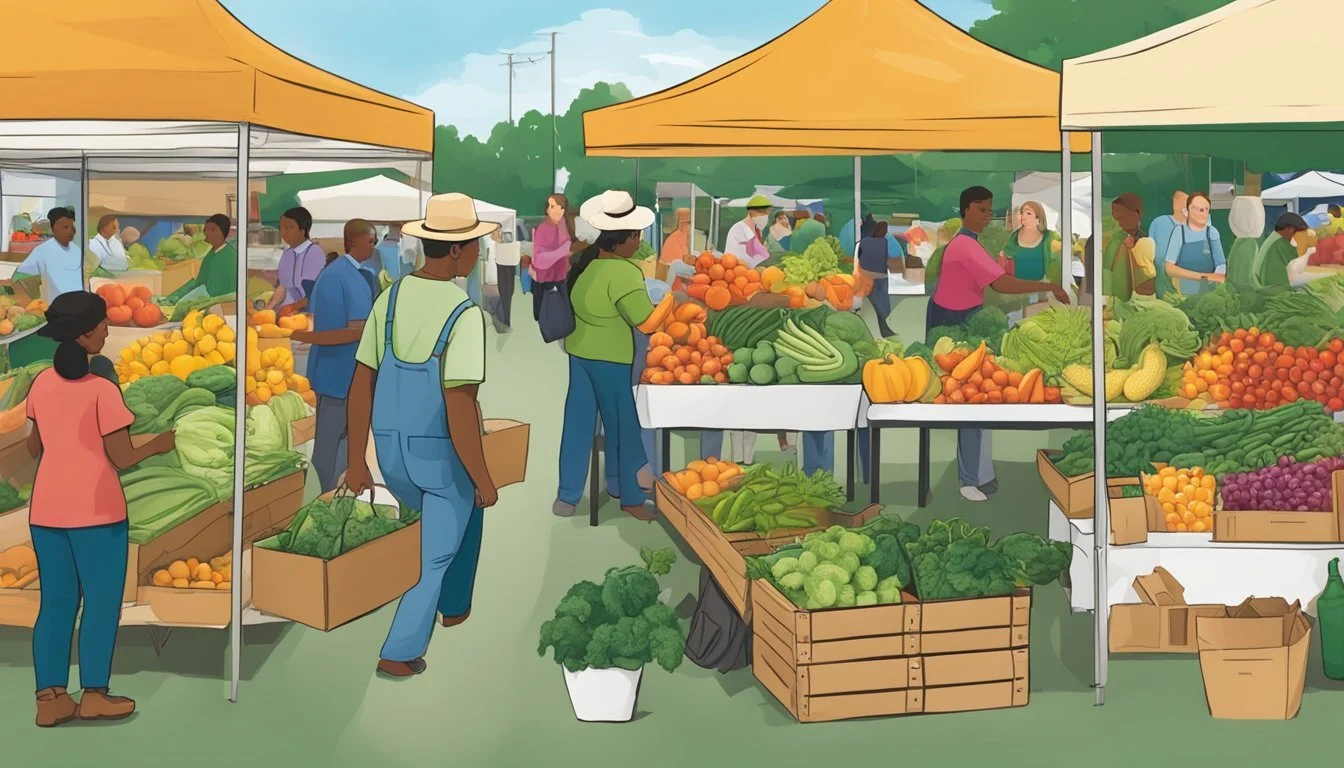
Community Supported Agriculture (CSA) in Greensboro, NC, has adopted comprehensive marketing and communication strategies to reach potential customers and retain current members through direct engagement and savvy online presence.
Direct Marketing to Community Members
Local farmers in Greensboro utilize direct marketing strategies to connect with community members interested in CSA programs. By participating in local farmers' markets, they directly interact with consumers, discuss CSA benefits, and distribute marketing materials such as brochures and flyers. This face-to-face engagement fosters a sense of community and trust, essential in building a solid customer base for CSAs.
CSA Innovation Network: Local CSAs may collaborate with the CSA Innovation Network to share best practices and report on successful marketing tactics.
Reports: Farmers leverage feedback and reports from current members to refine their marketing approach and highlight what consumers value most about the CSA experience.
Leveraging Social Media and Newsletters
Social media platforms and newsletters are powerful tools for CSAs to maintain visibility and engagement with their audience.
Social Media: Farmers effectively use platforms like Facebook, Instagram, and Twitter to showcase their produce, share stories, and post updates. Visual content, such as photos and videos of farm activities and harvests, attract attention and help personalize the CSA experience.
Platform Strategy Frequency Facebook Updates & Storytelling 2-3 posts per week Instagram Visual Content & Hashtags Daily stories/posts Twitter Real-time Conversations 4-5 tweets per week
Newsletters: CSAs send out periodic newsletters to subscribers to keep them informed of the latest harvest, share recipes, and notify them of community events. These newsletters also encourage recipients to continue their support for the local food system and foster long-term relationships.
Content: Updates on produce availability, upcoming events, and farming practices.
Frequency: Generally bi-weekly or monthly to maintain consistent communication without overwhelming consumers.
Engagement and Outreach
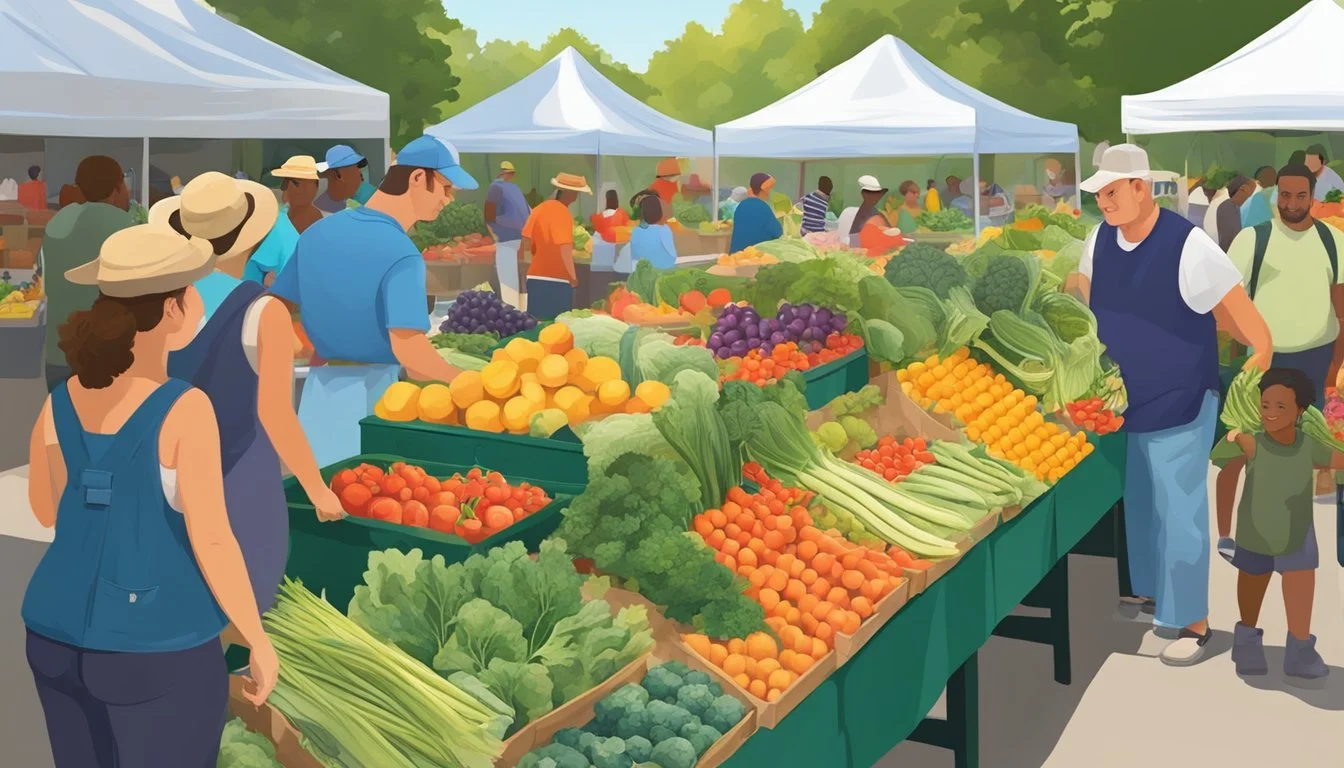
Community-Supported Agriculture (CSA) in Greensboro, NC, fosters robust community ties and educational advancement through various engagement and outreach activities. They focus on bridging the gap between consumers and local farms, ensuring that knowledge and benefits of sustainable agriculture circulate widely within the community.
Agritourism and Community Events
Agritourism in Greensboro offers a hands-on experience for community members to connect with their food sources. Local farms open their doors to the public for events such as:
Festivals: Seasonal celebrations that highlight the richness of agricultural products.
Farm Visits: Opportunities for individuals and families to tour farms, meet farmers, and understand farm operations.
These occasions typically include activities such as:
Harvesting Guide: Demonstrations that show visitors how to pick and handle fresh produce correctly.
Resource List: Provision of materials detailing farm offerings, seasonal availability, and local food initiatives.
Educational Resources and Workshops
Educational resources are another outreach method employed by Greensboro's CSA initiatives. Farms and agricultural organizations in the area offer:
Nutritional Workshops: Sessions focusing on food benefits, preparation, and dietary impact.
Agriculture Workshops: Instructional events to share farming techniques, sustainability practices, and environmental stewardship.
These workshops empower community members by providing:
Educational Material: Brochures, leaflets, and online resources for deeper learning.
Hands-On Experience: Direct engagement in farm activities that promote experiential learning.