Community Supported Agriculture (CSA) in Green Bay, WI
A Guide to Local Farm Partnerships
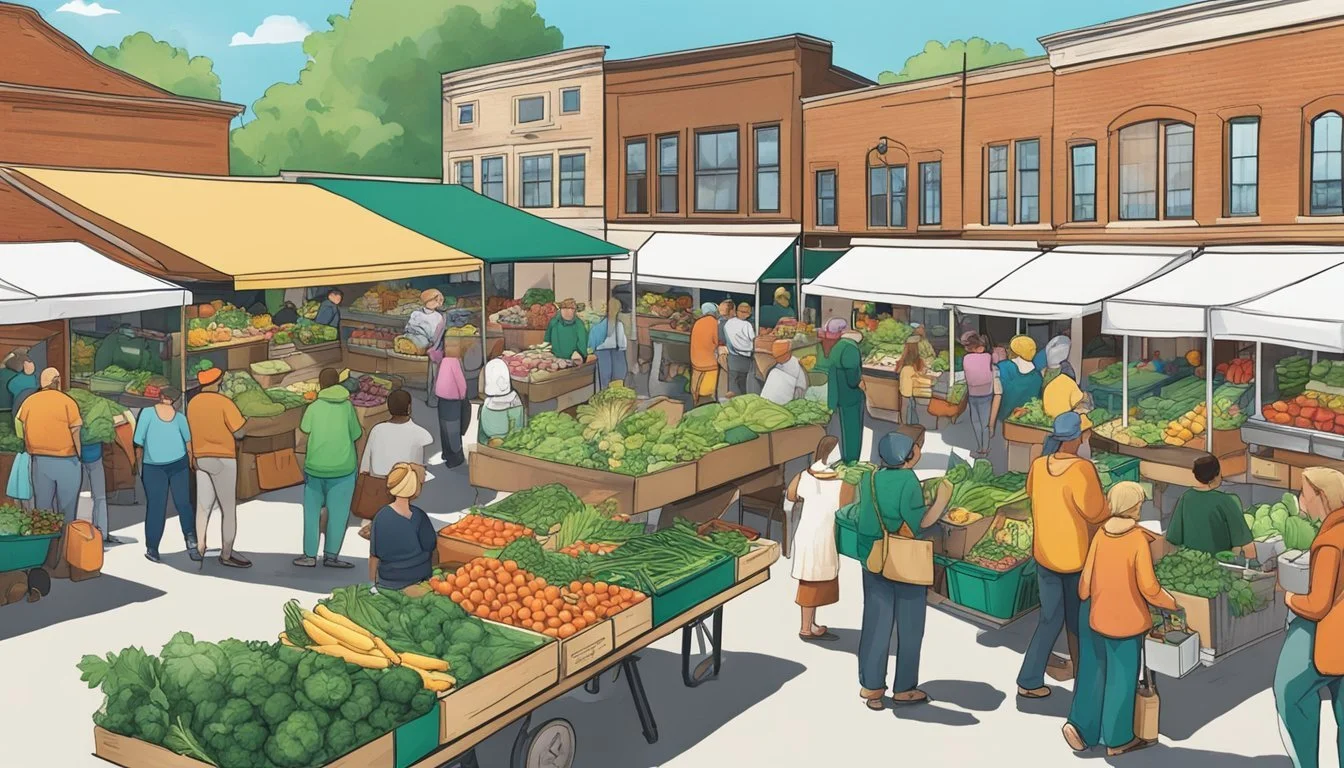
Community Supported Agriculture, commonly referred to as CSA, represents a model of food production and distribution that directly connects producers and consumers. Within Green Bay, Wisconsin, this agrarian initiative has gained traction, promoting the consumption of locally grown, usually organic, farm-fresh produce. Through CSAs, consumers buy shares or memberships from local farms, which entitles them to a portion of the crops harvested throughout the farming season.
In Green Bay, CSAs embody sustainability and support for small-scale farmers. Members typically receive a weekly or bi-weekly basket of vegetables, fruits, and sometimes additional farm products such as eggs. This system fosters a community-centered relationship between residents and farmers. It's an opportunity for consumers to become intricately involved in the source of their food and for farmers to secure financial stability for the season.
A variety of CSA options are available in Green Bay, offering exclusivity and diverse experiences to members. For instance, some farms practice pesticide-free farming and may integrate permaculture principles to operate their farm. This reflects a growing interest in both environmental stewardship and nutritious, chemical-free food. Each CSA in the Green Bay area brings something unique to the table, ensuring that residents can find a farm that aligns with their values and preferences.
History of CSA in Green Bay, WI
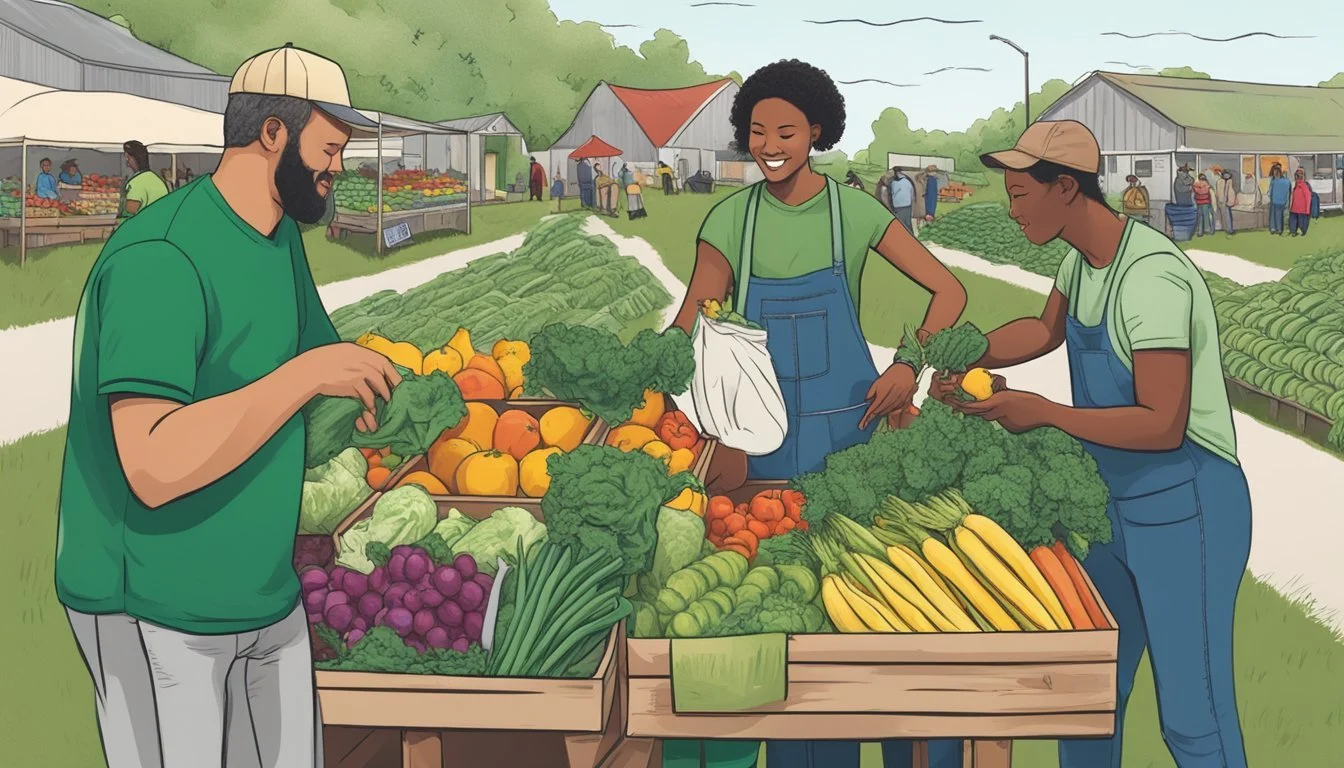
Community Supported Agriculture (CSA) has a significant presence in Wisconsin, with roots tracing back to the late 1980s. The earliest CSA initiatives in the state started near Milwaukee and the Twin Cities and were part of a larger movement that was beginning to take shape across the United States.
In the vicinity of Green Bay, CSA has seen a growth that mirrors the statewide development. Farms in and around Green Bay have started embracing the CSA model as communities increasingly show an interest in connecting with local farmers and gaining access to fresh, organic produce. Although specific details of Green Bay's early CSA projects are not well documented, they likely followed the state's pattern of CSA adoption.
Wisconsin's CSA Expansion:
1987: Establishment of The Bridge-Between Retreat Center in Denmark, WI, with CSA offerings.
1988: Commencement of the first CSA projects near Milwaukee.
Current CSA Landscape: Over 65 CSA farms in the state serving around 3,000 households.
Some local groups near Green Bay have been particularly pivotal in fostering CSA's growth. For instance, the FairShare CSA Coalition, based in Madison, extends its support to farms across the Midwest, promoting a robust CSA framework that benefits both consumers and producers.
FairShare CSA Coalition's Role:
Support: Provides assistance to CSA farmers and consumers.
Networking: Encourages information exchange among CSA farms.
Mission: Aims for CSA to be central to a sustainable local food system.
CSA farms typically offer a variety of share options, including vegetables, fruits, eggs, and other farm products, which are distributed to members throughout the growing season. These direct partnerships with local farmers reflect Green Bay's commitment to sustainable agriculture and community health.
Benefits of Joining a CSA
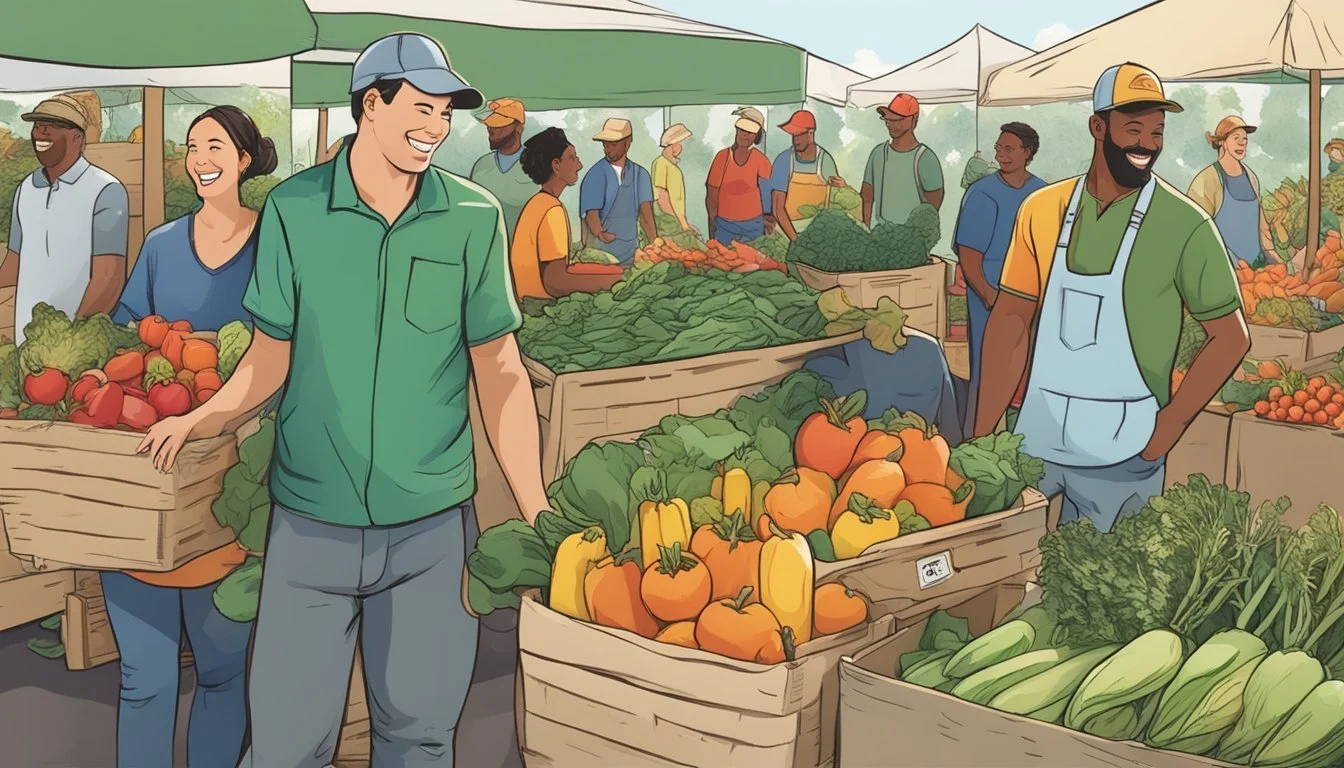
Joining a Community Supported Agriculture (CSA) program offers numerous advantages for individuals in Green Bay, WI, who desire fresh, local, and healthy food options. Participants in a CSA support their local economy while gaining access to a variety of produce that is frequently harvested at peak ripeness.
Direct Access to Fresh Produce: CSA members enjoy a regular supply of fresh fruits and vegetables, often harvested within a day of delivery.
Support for Local Farmers: CSA models provide financial stability to farmers by securing upfront payments, ensuring a market for their crops.
Health Benefits: Consumers get access to nutrient-rich foods, fostering a healthier diet.
Environmental Impact: Local sourcing reduces the carbon footprint associated with food transportation.
Community Engagement: CSAs build relationships between growers and community members, strengthening community bonds.
Farmers in Green Bay benefit from CSA arrangements by obtaining upfront capital, which assists in planning and mitigating the risks associated with farming. The model also creates an environment where farmers and consumers share both the rewards and risks of food production, often resulting in more sustainable farming practices.
By opting into a CSA, community members not only receive fresh and healthy produce but also contribute to a resilient local food system and participate in an eco-conscious lifestyle. With each share, they play a significant role in supporting and sustaining the livelihoods of local farmers, promoting economic stability within the region.
How CSA Works
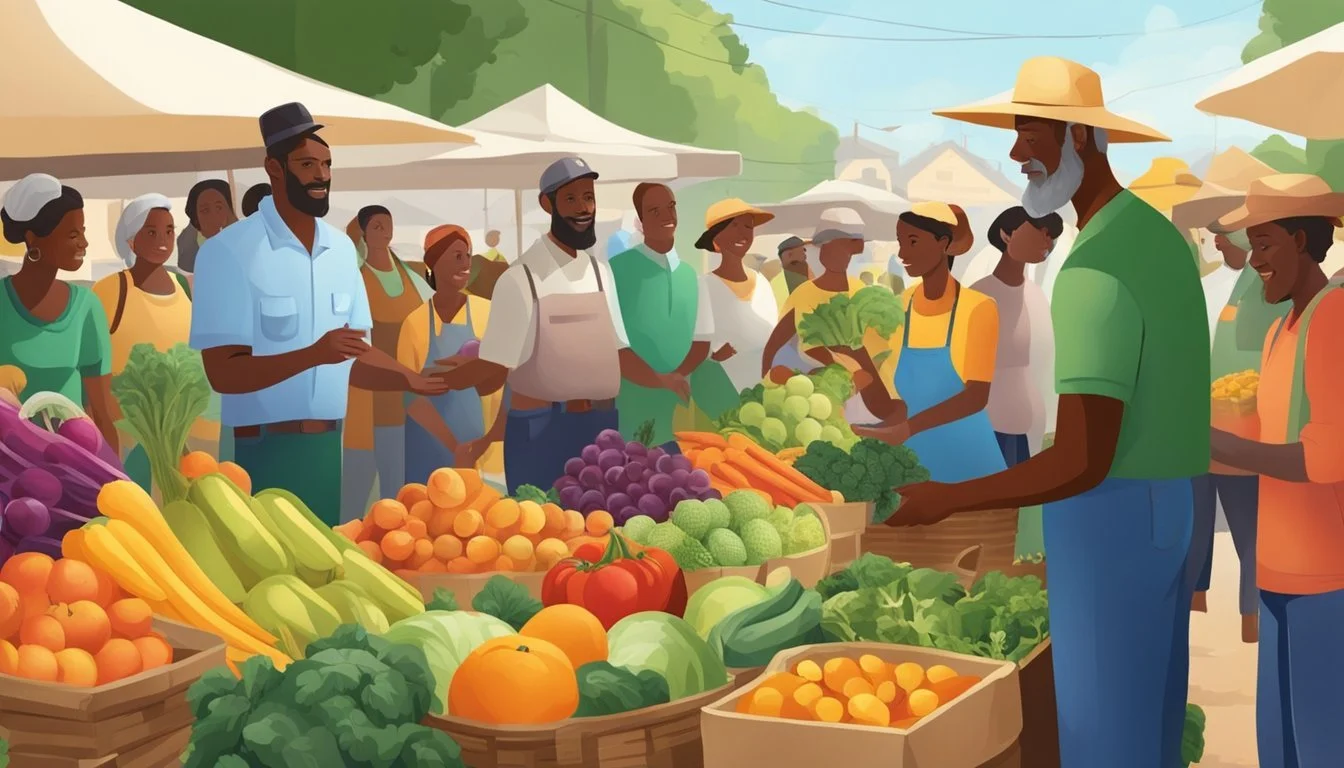
Community Supported Agriculture (CSA) in Green Bay, WI, revolves around a simple yet impactful concept: consumers purchase shares from local farms and in return receive fresh, seasonal produce throughout the farming season. This model fosters a direct partnership between farmers and consumers.
Understanding CSA Shares
CSA shares represent a portion of the farm's production. Individuals who buy a share are typically entitled to a weekly or bi-weekly box of produce, reflecting the current harvest. The contents vary as the season progresses, offering a diverse range of vegetables and sometimes including other farm products like eggs.
Seasonal Availability
Produce availability is inherently tied to the season. CSA members receive what is currently being harvested, which means a flux in variety as different crops come into season. This not only supports sustainable farming practices but also encourages consumers to cook with new and varied ingredients.
Membership and Subscription Process
Interested individuals can become CSA members through a subscription process, typically before the planting season starts. This membership not only secures a share of the seasonal produce but also signifies support for the local farmers. Members select a pick-up location from the farm's options, ensuring they receive their share throughout the season.
Local Farms Participating in CSA
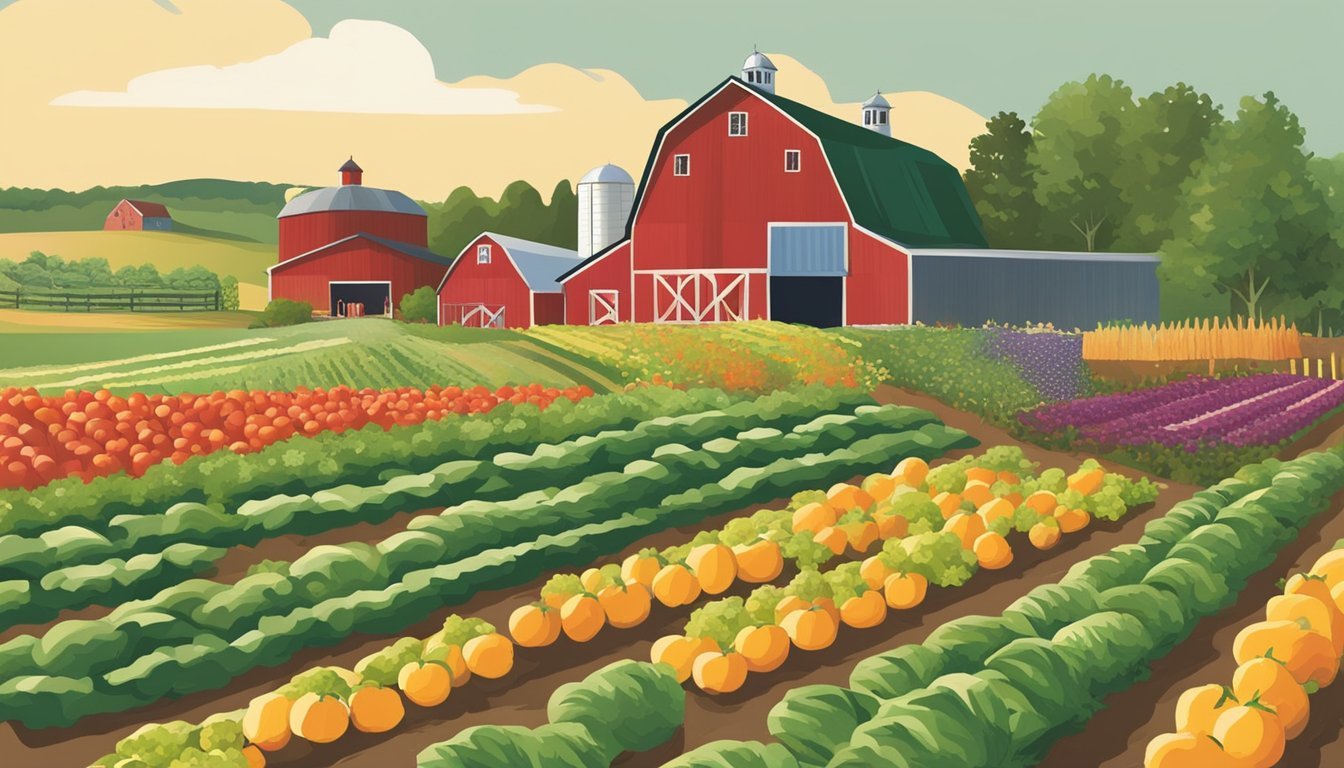
Northeast Wisconsin hosts a variety of local farms that actively engage in Community Supported Agriculture (CSA), fostering a connection between consumers and the source of their food. The farms provide fresh, seasonal produce directly to their members.
Full Circle Community Farm
Full Circle Community Farm operates with a deep commitment to sustainable and organic farming practices. Located in northeastern Wisconsin, the farm is known for its diverse offerings through CSA shares, enabling members to enjoy a bounty of fresh produce throughout the growing season.
Vine and Virtue Farm
Vine and Virtue Farm embraces a philosophy of responsible stewardship of the land. They are a part of the local community in Green Bay and offer a CSA program that focuses on providing organic, nutrient-rich foods to their subscribers, ensuring high-quality produce reaches local tables.
Adam's Heirlooms
Adam's Heirlooms takes pride in preserving and propagating heirloom varieties. This local farm offers CSA shares that include a range of heirloom vegetables, giving members the unique experience of tasting and exploring less-common produce, while also contributing to the biodiversity of the region.
Organic and Sustainable Practices
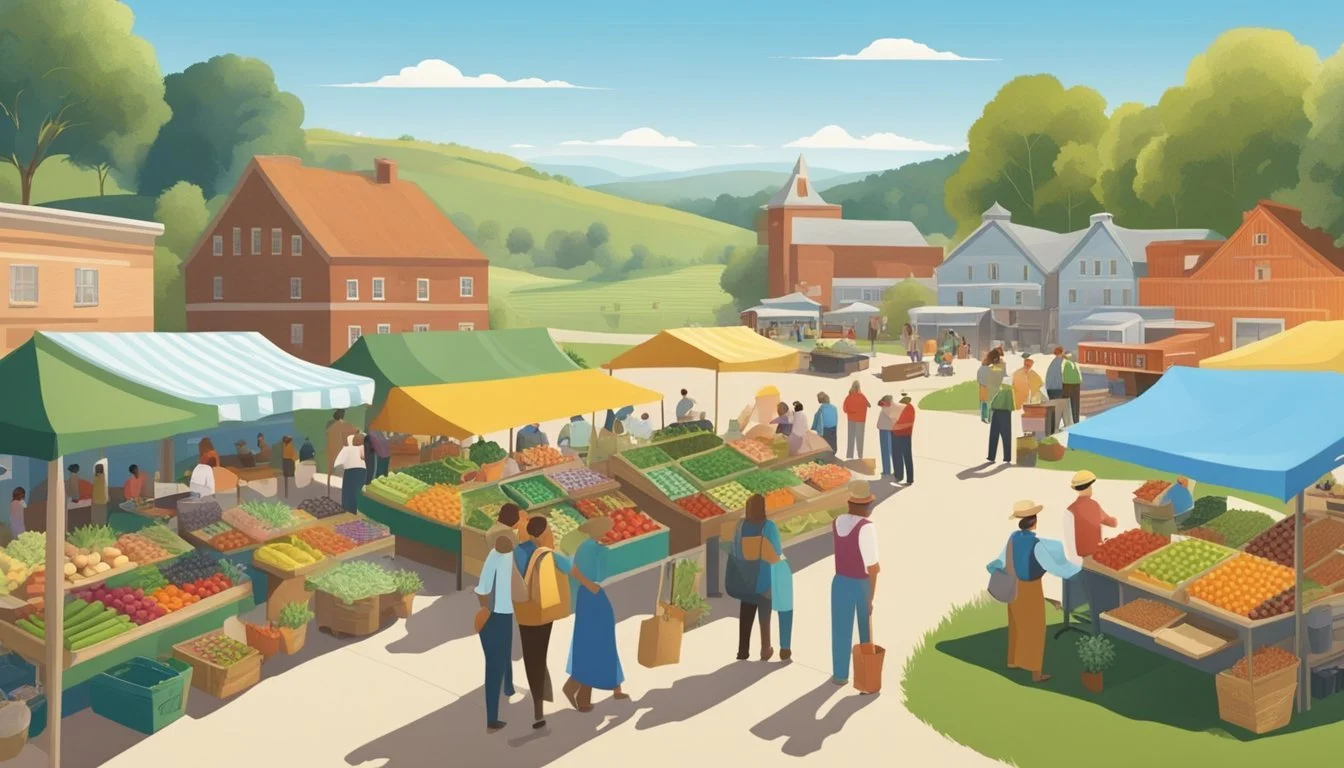
In Green Bay, Wisconsin, community-supported agriculture (CSA) is deeply rooted in organic and sustainable practices. These CSAs are committed to providing high-quality, fresh produce while prioritizing the health of the soil and the local ecosystem.
Permaculture Principles
Permaculture is a cornerstone of many CSAs in Green Bay, focusing on creating agricultural systems that mimic natural ecosystems. Incorporating permaculture principles such as:
Diversity: A rich variety of crops are grown to mimic the natural biodiversity, which contributes to the resilience and health of the land.
Sustainability: Practices are designed to ensure that farming can continue for the long term without depleting resources.
By following these guidelines, farms can produce food in a way that’s both beneficial for the environment and sustainable for the community.
Natural Farming Approach
The natural farming approach adopted by Green Bay CSAs emphasizes minimal human intervention and the use of techniques that align closely with the natural lifecycle of plants and animals. Key elements of this approach include:
Soil Health: Organic matter is often returned to the earth to enrich the soil, maintaining its fertility without the use of synthetic fertilizers.
Pest Control: Natural predators and plant diversity are used instead of pesticides, fostering an ecological balance that naturally keeps pests in check.
Through this method, CSAs not only nurture their crops but also ensure the longevity and vitality of the farming soil.
Types of Products Offered
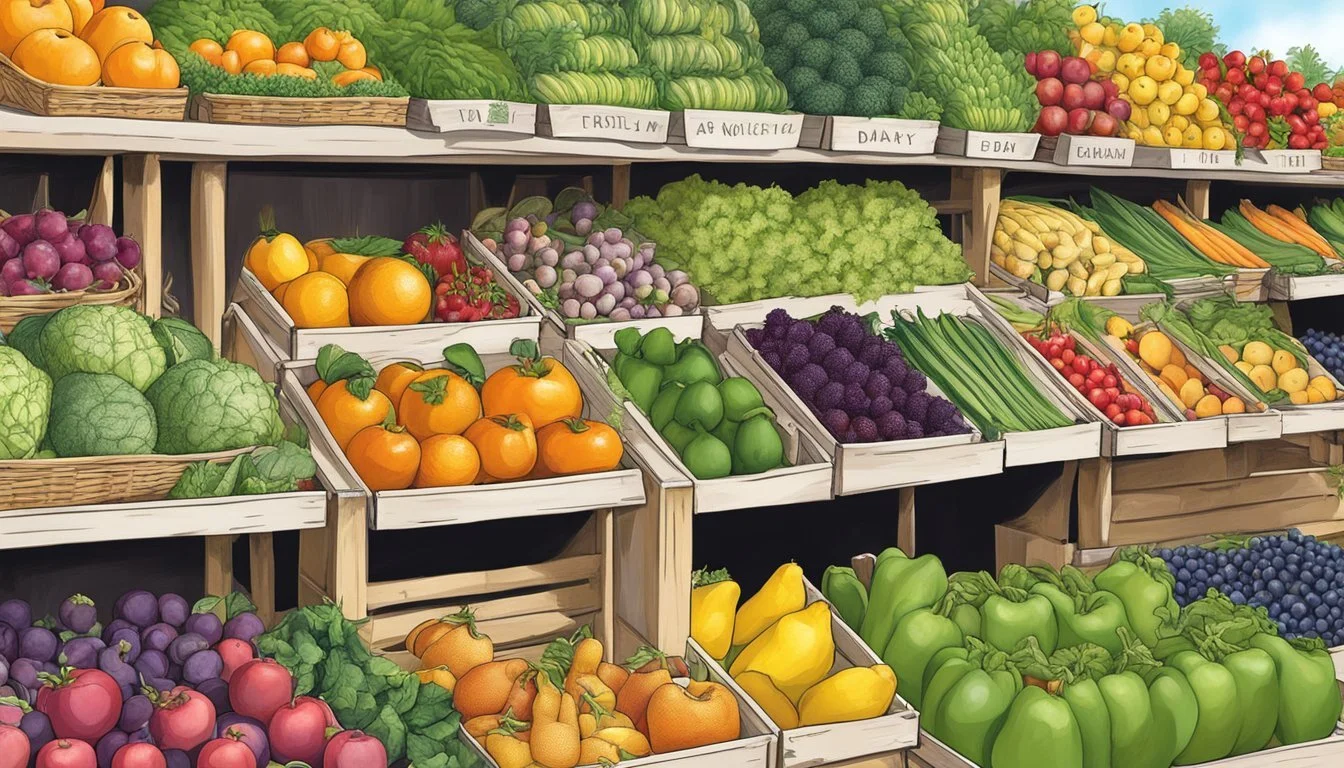
Community Supported Agriculture in Green Bay, WI offers a diverse range of products that members can enjoy throughout the growing season. These products typically include fresh vegetables, fruits, and animal products like meat and eggs, along with some specialty items.
Vegetable Varieties
Green Bay's CSAs boast a wide array of vegetable offerings. Members can expect:
Heirloom tomatoes: prized for their rich flavor, appearing in a spectrum of colors and shapes.
Leafy greens: including spinach and kale, known for their nutritional value.
Squash: featuring both summer and winter varieties, integral for seasonal dishes.
Fruit Selection
While Wisconsin's climate is not suitable for all fruit, CSAs in Green Bay do provide a selection that may include:
Apples: a staple in local orchards.
Berries: such as raspberries and strawberries during their respective seasons.
Pears: another hardy option suitable for the regional climate.
Meat and Egg Options
For those interested in local, sustainably sourced animal products, CSAs may offer:
Pastured eggs: from chickens raised on open land.
Meat: including beef, pork, and poultry, with emphasis on ethical rearing practices.
Specialty Items
Occasionally, CSA shares are enriched with a variety of specialty items:
Bread: artisanal loaves baked with locally milled grains.
Preserved goods: such as pickles and jams, perfect for extending the enjoyment of seasonal produce.
Joining a CSA in Green Bay
Community Supported Agriculture offers a way for consumers in Green Bay to secure seasonal, locally-grown produce directly from farmers. Interested individuals can subscribe to shares and receive a variety of farm products regularly during the growing season.
Sign-up Procedures
Prospective members need to contact the individual CSA farms to reserve their shares. One can usually find contact information directly on each farm's website or through local food networks. For example, the Bridge-Between Retreat Center, located nearby in Denmark, WI, and Full Circle Community Farm in Seymour, WI, provide options to sign up for their CSA programs online or through contact via email or phone.
Payment and Costs
Costs for CSA shares can widely vary based on the farm, type of share, and the length of the subscription. Some farms may offer payment plans or require upfront payment for a season’s worth of produce. Payment methods and options should be clarified during the initial contact. Prices and specific payment instructions are often available on farms' websites such as Ledgeview Gardens or can be obtained by reaching out directly to the respective CSA provider.
Pickup and Delivery Options
Pickup and delivery details differ from farm to farm. Some farms offer on-site pickup, whereas others might provide delivery services to certain locations in the Green Bay area. CSA members typically receive a weekly box of vegetables, and other farm products may be included depending on the CSA plan they select. Potential members should inquire about delivery radius, schedules, and locations to ensure that they are able to receive their shares conveniently.
Community Impact of CSAs
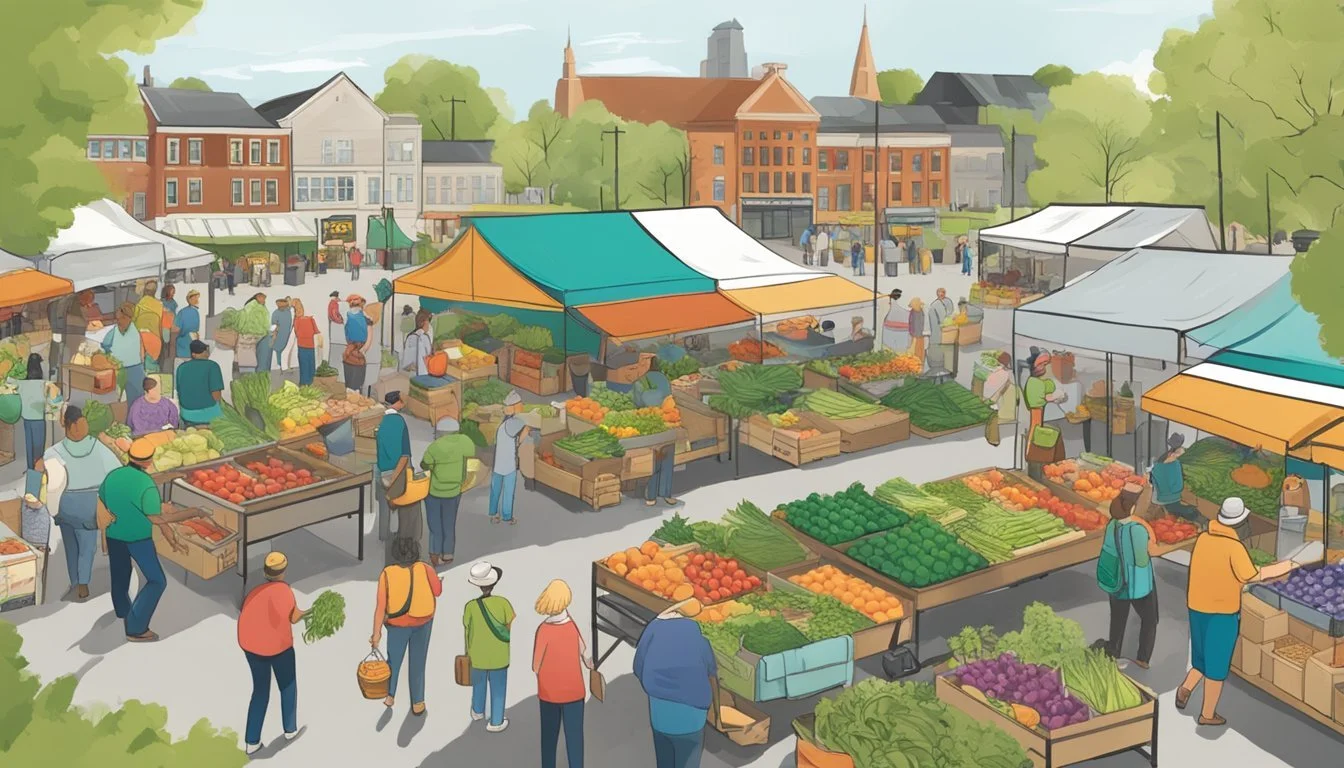
Community Supported Agriculture (CSA) in Green Bay, WI, holds a remarkable position in fostering local engagement and bolstering the economy. By subscribing to shares from CSA farms, residents receive fresh, seasonal produce directly from local farmers. This direct connection not only supports the local farming community but also encourages sustainable agricultural practices.
Through CSAs, consumers become partners with the farmers, sharing in the risk and bounty of agricultural production. This model allows farmers to predict demand and plan more efficiently, resulting in less waste. Additionally, the freshness of CSA produce often surpasses that of items found at traditional farmers markets, since the food moves from farm to table without lengthy delays.
The presence of CSA in Green Bay has helped neighbors come together, creating a sense of cooperative spirit. These programs often serve as more than just food sources; they become social frameworks where members bond over the shared interest in sustainable living and supporting non-profit initiatives.
Economic Benefits
Funds stay in the local community
Encourages local employment
Environmental Impact
Promotes sustainable farm practices
Reduces carbon footprint due to less transportation
Social Cohesion
Strengthens community ties
Enhances neighborly cooperation
Despite challenges, the future for CSAs in Green Bay looks promising as residents increasingly value local, sustainable food sources. Engaging with CSA not only aids local farmers but nourishes the community, economically and socially, making it an essential part of Green Bay's movement towards sustainability.
Challenges and Considerations
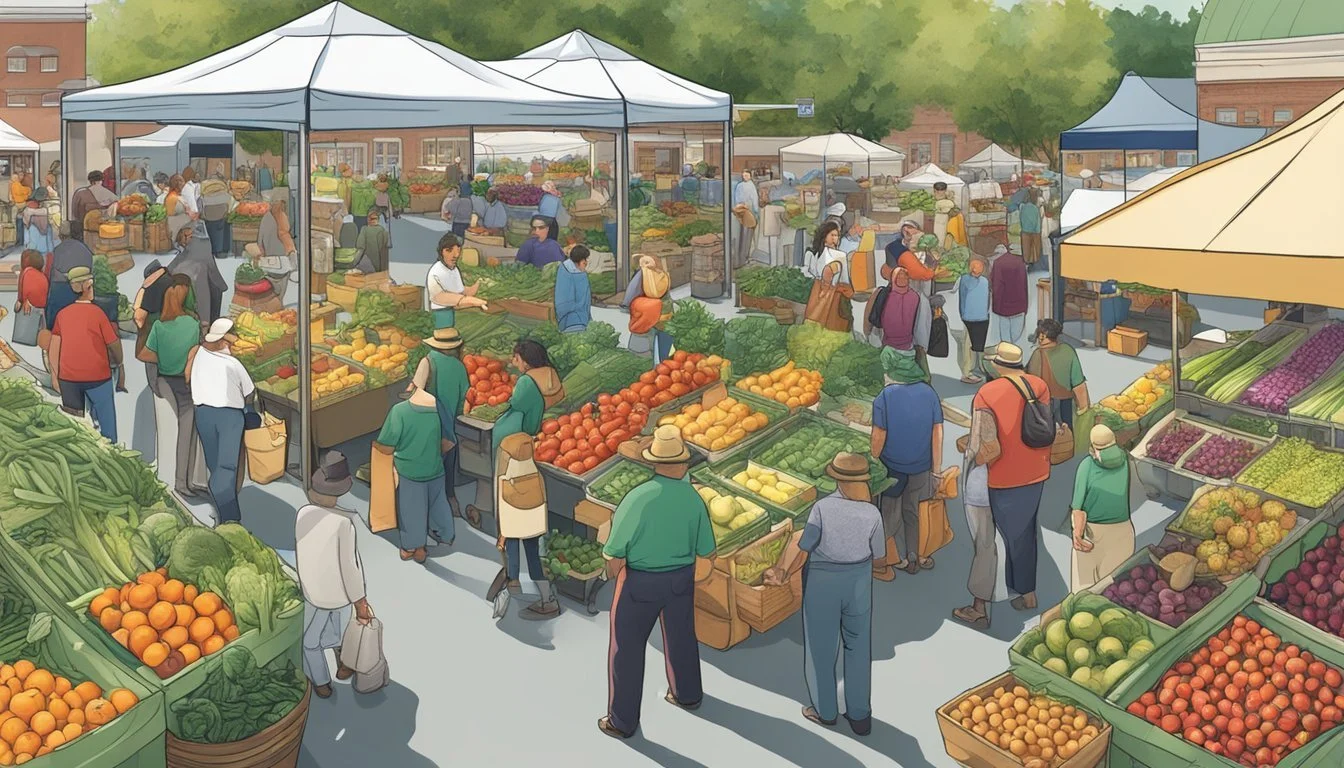
Running a CSA in Green Bay, Wisconsin entails navigating a variety of challenges. Seasonality is a significant factor as the region experiences a limited growing season. CSA operators must plan meticulously to ensure a robust yield from the first week in June to November. This narrow range of time pressures them to optimize production, protect crops from unpredictable weather, and sustain customer interest throughout the season.
Additionally, managing labor demands careful consideration. Farmers often face an intensive workload during peak periods. Building a reliable network of workers who are capable of handling the ups and downs of farm labor is vital.
CSAs inherently involve a level of risk; members share in both the bounty and the scarcities of the season. This model raises various questions from potential members regarding the value and volume of produce they will receive, placing importance on transparent communication.
Limited land access, particularly within urban settings like Green Bay, challenges expansion or even initial establishment. Farmers may need to innovate, transforming unused areas into productive land while balancing sustainability with urban land use restrictions.
Green Bay's CSA network, while serving a committed base, also competes for market share with other food supply sources, necessitating effective marketing strategies. They must clearly articulate the benefits of fresh, locally-sourced produce to consumers to maintain and grow their shareholder base.
CSA managers are tasked with not only farming but also with navigating intricate logistics, supporting community relations, and promoting agricultural education, each requiring a unique set of skills and resources.
Supporting Local Agricultue
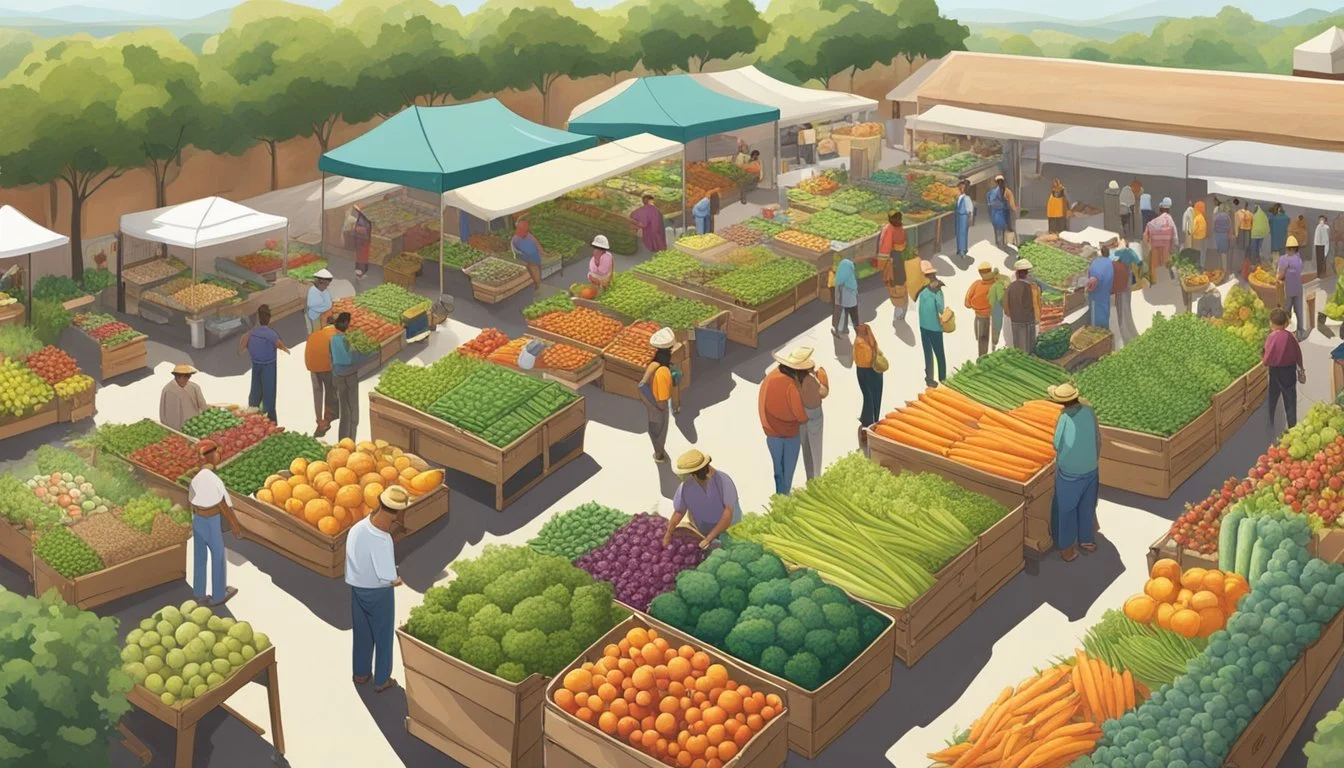
Community Supported Agriculture programs and local food directories play a pivotal role in the promotion and sustainability of local agriculture in Green Bay, Wisconsin, with a strong focus on organic practices and non-GMO produce.
LocalHarvest and Directories
LocalHarvest is a key resource for individuals in Green Bay looking to connect with local farms and CSA programs. For example, the Bridge-Between Retreat Center offers weekly CSA shares of produce grown organically and also provides egg shares, emphasizing sustainable practices on their diversified land. By utilizing local food directories such as LocalHarvest or the FairShare CSA Coalition's Farm Fresh Atlas, consumers can easily find information about farms and available CSA shares in their community.
Cooperative Networks
Cooperative entities such as the SLO Farmers Co-op work in alliance to support local agriculture, ensuring that farmers have a platform to distribute their produce directly to consumers. This collaboration fosters a robust local food economy and encourages consumers to participate in CSA programs. These networks are vital in maintaining a connection between local farms and community members, and they provide crucial support to young farmers who are passionate about sustainable agriculture.
Farmers Markets and Events
The Green Bay area hosts various farmers markets where local farms can sell their products directly to consumers. In addition to being marketplaces, these events often serve as educational grounds where market managers can inform visitors about the importance of supporting local farms. By attending these events, community members have the opportunity to engage with producers like Mel Buckmaster, Nick, and Amy Badendick of Brookside Farms, who are dedicated to offering high-quality, fresh, organic produce.
Local markets not only reinforce the connection between farmers and the community but also highlight the cultural and economic value of local agriculture.
Customizing Your CSA Experience
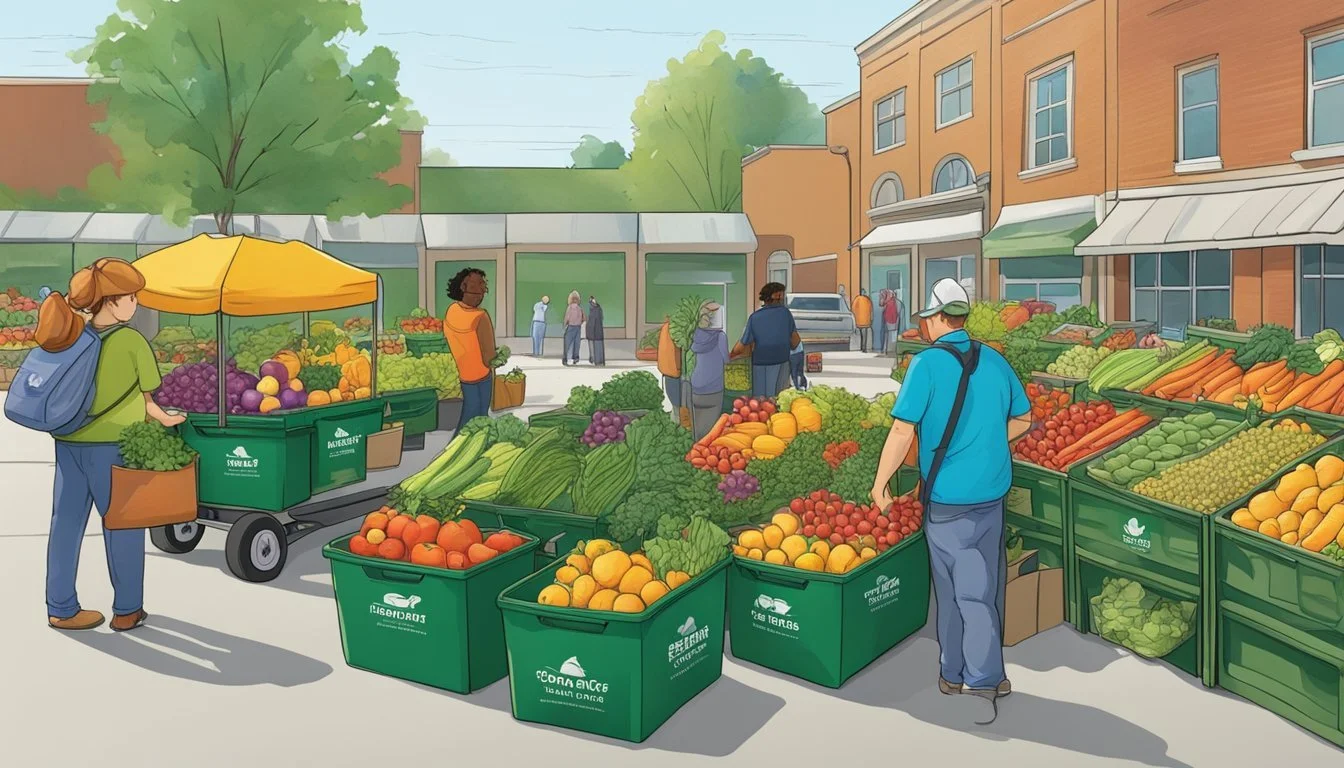
Community Supported Agriculture (CSA) in Green Bay, WI, offers a unique way for customers to access farm products. Consumers have the flexibility to customize their share to suit their dietary preferences and needs. Most member farms provide a variety of fresh food items that can be selected for CSA shares.
Step-by-Step Customization:
Individual/Couple - Suitable for 1-2 people.
Family Size - Ideal for families or those who cook frequently.
Choose Your Products:
Vegetables
Fruits
Dairy
Meats
Eggs
Pickup or Delivery: Many farms offer the choice between farm pickup or home delivery for added convenience.
Duration of CSA Membership: Decide on the length of your subscription. Most are seasonal, often from May/June through October.
Benefits of CSA:
Seasonal Variety: Farms typically rotate crop selections based on what's in season, providing customers with a diverse range of fresh produce.
Direct Support: Joining a CSA means directly supporting local agriculture and contributing to the sustainability of local farms.
Community Connection: Members often feel a greater connection to their food and where it comes from.
Customization May Include:
Adding extra items like honey or jams.
Opting for organic or conventional produce.
Exchanging items you don’t like when possible.
Member farms in the Green Bay area encourage their customers to engage with their food choices, making the CSA experience a customizable journey into local agriculture’s best offerings.
Frequently Asked Questions
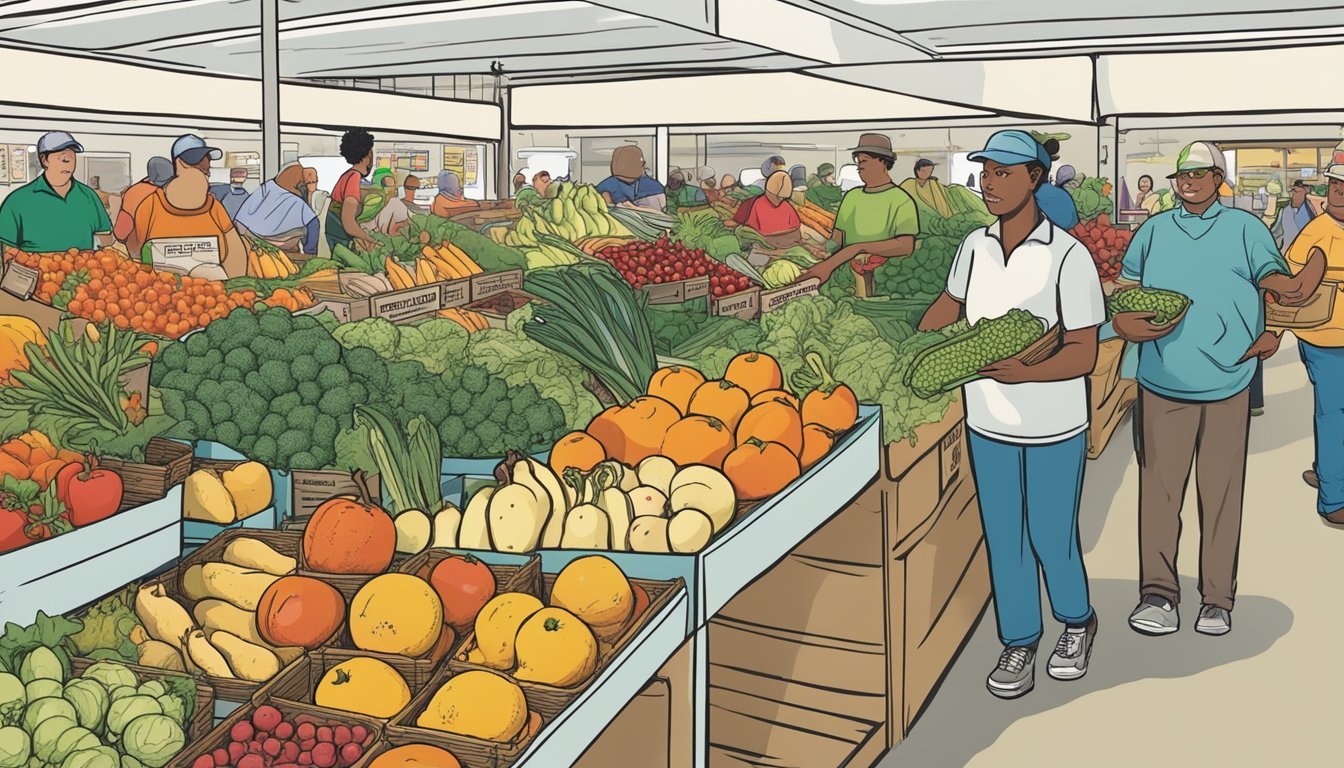
What is a CSA?
Community Supported Agriculture, or CSA, refers to a model where consumers purchase shares in a local farm's anticipated produce. These shares are typically a weekly box of seasonal vegetables, but they can also include other farm products.
How does CSA membership work?
When joining a CSA, members buy a subscription at the start of the growing season. The cost varies but falls generally between $400-$700, covering the entire season. Payments may be made in one lump sum or installments.
What does a CSA share include?
A typical CSA share consists of a weekly or bi-weekly delivery of locally grown produce. The assortment varies with the season and may include vegetables, fruits, and other farm products such as honey or eggs.
Who can join a CSA?
CSA memberships are open to the public, and anyone interested in supporting local agriculture and consuming fresh produce can join.
How can consumers find and contact a local CSA in Green Bay, WI?
Consumers can search for Green Bay area CSAs using platforms like LocalHarvest or directly contact farms like Good Karma Acres or Ledgeview Gardens.
CSA Farm Contact Information Good Karma Acres Not provided in search results Ledgeview Gardens Not provided in search results
Can shares be customized?
This depends on the policies of individual farms. Some CSAs offer share customization options, while others provide a standard box. It's best to contact the specific CSA for details.
Is there a commitment required?
Members typically commit to a full season when they subscribe to a CSA, creating a mutual commitment between the farmer and the member.