Community Supported Agriculture (CSA) in High Point, NC
A Guide to Local Farm Partnerships
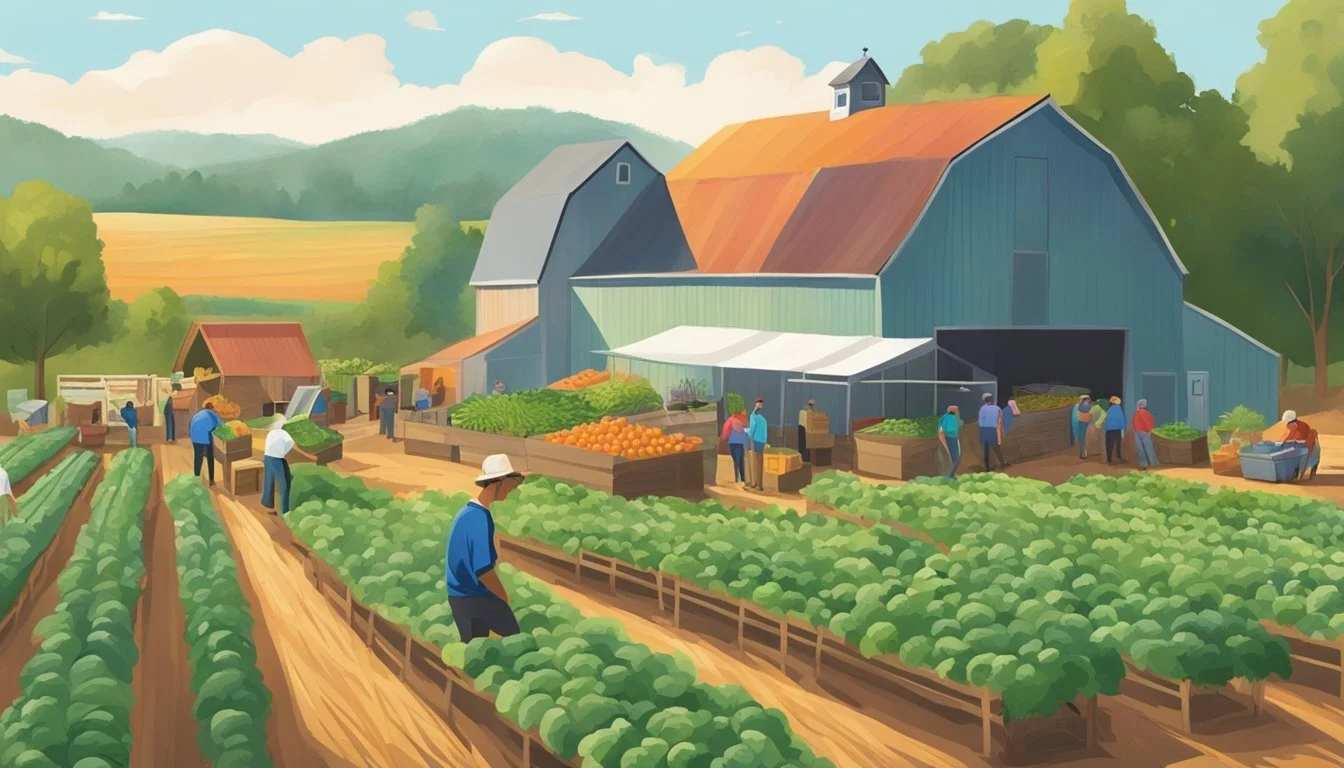
Community Supported Agriculture, or CSA, represents a method in which individuals commit to supporting local farms by subscribing to receive a periodic selection of fresh produce and other farm products. This agricultural model has grown in popularity across the United States, and High Point, North Carolina, is no exception. By participating in a CSA, residents of High Point invest in their local agricultural economy, allowing them to enjoy the benefits of fresh, locally-sourced food while fostering a stronger connection between consumers and growers.
The structure of CSA in High Point typically involves customers purchasing shares of the farm's yield ahead of the growing season. In return, these members receive a regular supply of seasonal produce, which might include fruits, vegetables, eggs, and other farm-fresh items. The commitment from consumers to a CSA in High Point provides farmers with upfront capital at the beginning of the season, which aids in planning and reduces the financial risks associated with farming.
By engaging with CSAs, the High Point community promotes sustainable farming practices and plays a role in ensuring the viability of local farms. This support not only contributes to a lower carbon footprint due to reduced food transportation distances but also helps maintain North Carolina's agricultural biodiversity by allowing farmers to cultivate a variety of crops tailored to the local environment and community preferences.
Understanding CSA
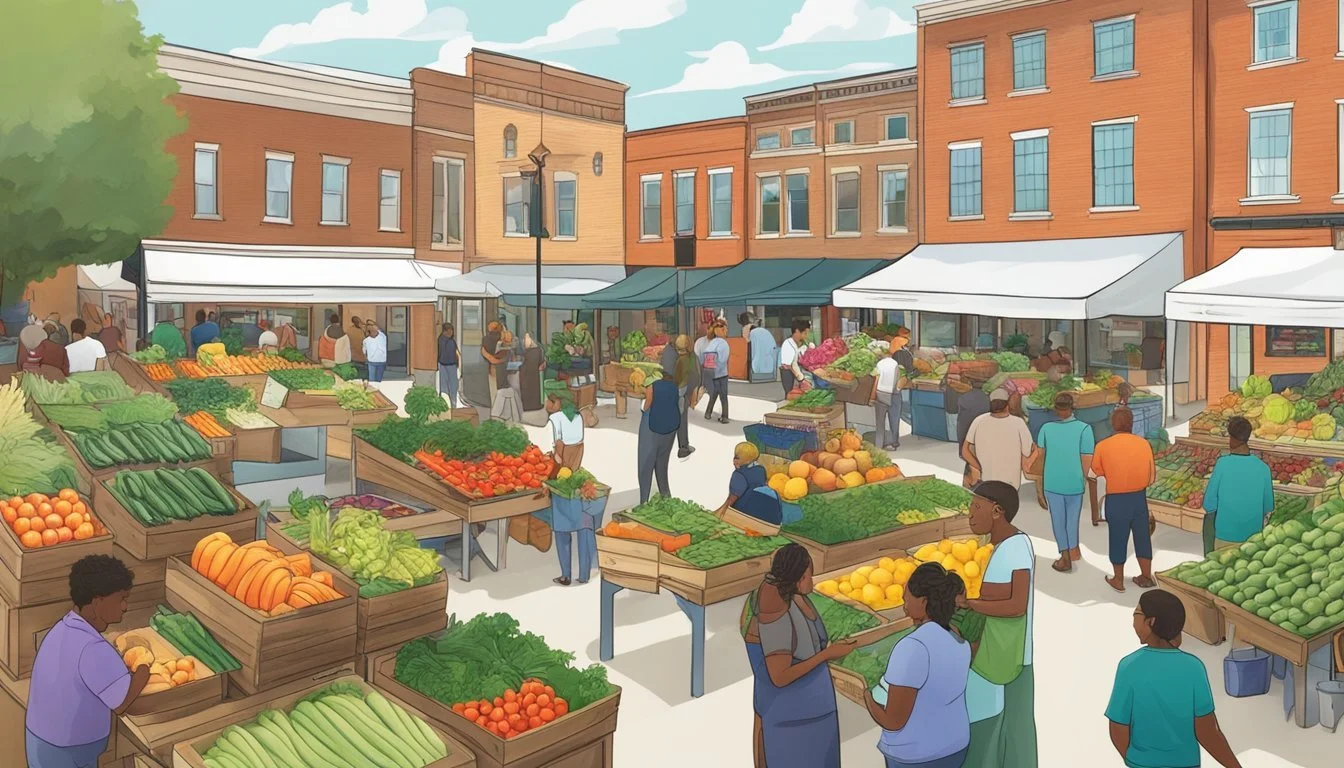
Community Supported Agriculture (CSA) represents a collaborative approach to farming and food distribution, directly connecting producers with consumers in High Point, NC, and promoting sustainable local food systems.
CSA Models
CSA models vary but primarily fall into three categories: producer-initiated, member-initiated, and organization-initiated CSAs. Producer-initiated CSAs start with farmers offering shares of their harvest for advance purchase. In contrast, member-initiated CSAs are formed by consumers seeking to support local farms, while organization-initiated CSAs involve third-party groups facilitating the establishment and management between consumers and farmers, possibly encompassing multiple farms (multi-farm CSA) to broaden the variety of produce available.
Benefits of Joining a CSA
Joining a CSA provides numerous benefits:
Freshness and Quality: CSA members receive a regular supply of fresh, seasonal produce directly from the farm.
Supporting Local Economy: Members contribute to the local economy, ensuring that their spending supports local producers.
Environmental Sustainability: CSAs often employ sustainable practices, reducing the food miles required to get produce to consumers.
CSA Structure and Membership
Membership in a CSA involves:
Payment Structure: Consumers typically commit through a one-time payment or installments, covering the cost for a season’s harvest.
Risk Sharing: As part of a CSA, members share in the risks of agriculture, understanding that crop yields can vary due to weather or other factors.
The Role of CSA in Local Food Systems
CSAs play a critical role in the local food system by:
Community Engagement: They foster a closer relationship between farmers and consumers.
Food Security: CSAs can contribute to local food security by providing consistent access to food for their members.
By understanding the structure and purpose of CSAs, High Point residents can make informed decisions about participating in these community-oriented food systems.
CSA Farms in High Point, NC

Residents of High Point, NC, have access to a vibrant local food system supported by Community Supported Agriculture farms. Such farms facilitate direct connections between consumers and local farm products, enhancing the community's sustainability and health.
Identifying Local CSA Farms
Local CSA farms in the High Point area can be mapped out for easy access. Agriberry Farm and CSA and High Country CSA are among the cooperatives that provide consumers with access to fresh, seasonally available produce. These farms employ organic or near-organic standards and are known for their commitment to sustainable farming practices.
Subscription Options
CSA memberships typically come in the form of subscriptions, where consumers can purchase shares of a farm’s produce. These can either be paid in installments or as one lump sum, giving members access to regular distributions of farm products. Full shares are suited for larger households or those with a high consumption of vegetables and fruits, while half shares cater to smaller families or individuals.
Variety of Produce Offered
Subscribers to High Point CSA farms can expect a diverse array of farm products that often includes:
Vegetables: A wide range, from leafy greens to root vegetables
Fruit: Seasonal offerings such as berries and orchard fruit
Flowers and herbs: Occasionally included to complement the produce selection
The CSA boxes are a reflection of the season's bounty and are packed with the freshest available local farm produce.
Joining a CSA
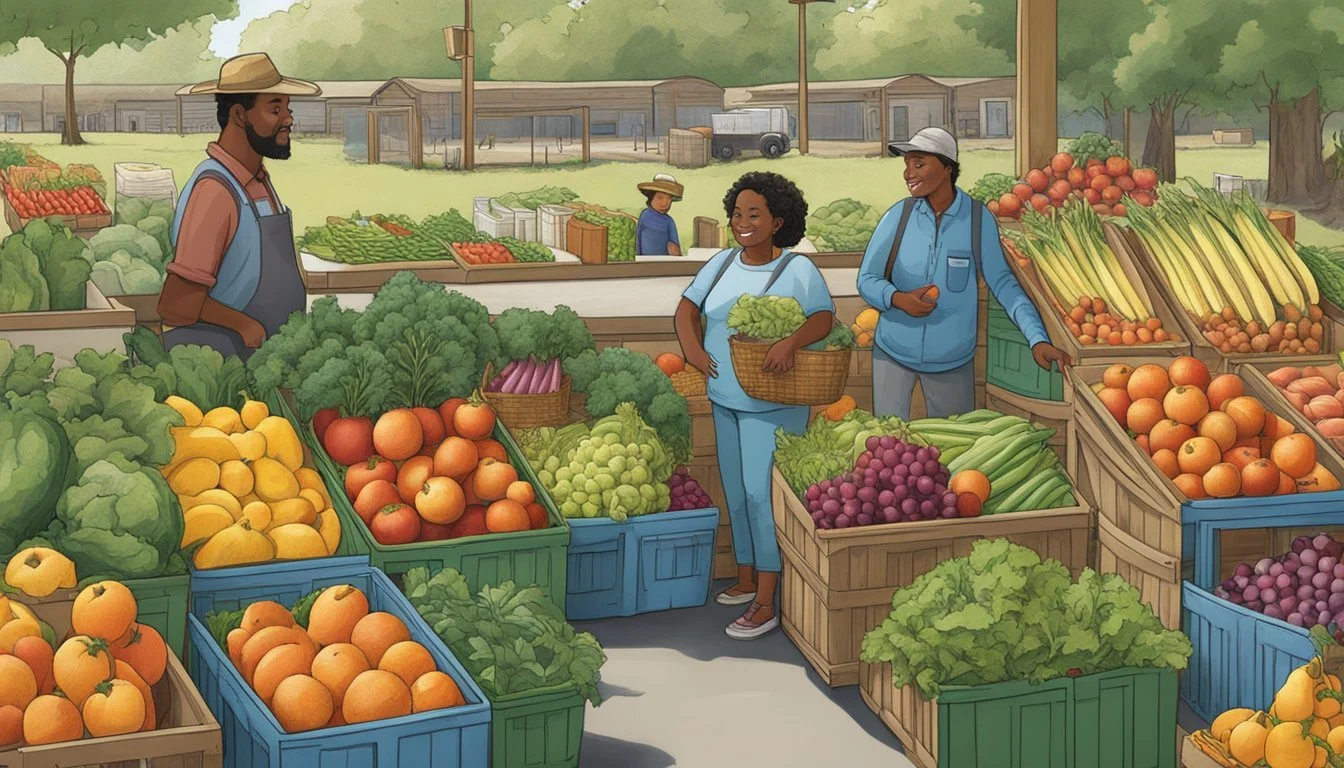
Joining a CSA in High Point, NC, involves understanding the membership process, evaluating cost considerations, and acknowledging the risks. The reader should note that this involves purchasing shares from a local farm, typically through upfront payment, which may come with shared risks.
Membership Process
To become a member of a CSA, one typically purchases a "share" of the farm's expected harvest. The steps to join are often as follows:
Sign up for membership, usually at the start of the growing season.
Choose a pick-up location from the farm's designated options.
Receive regular distributions of farm produce throughout the season.
Cost Considerations
The cost of a CSA share varies, but here's what one should expect:
Upfront Payment: Members usually pay for their shares at the beginning of the farming season, either in a lump sum or through installment plans.
Price Range: Prices may range significantly; however, a typical share in High Point, NC might cost between $400-$700 annually.
Understanding the Risks
Joining a CSA is a form of investment in local agriculture, and with it comes inherent risks:
Shared Risk: Members share in the bounty as well as the risks of farming, which might include poor harvests due to adverse weather conditions.
Nonrefundable: Generally, upfront payments are nonrefundable as they are used to cover the initial expenses of the farming operation.
From Farm to Table
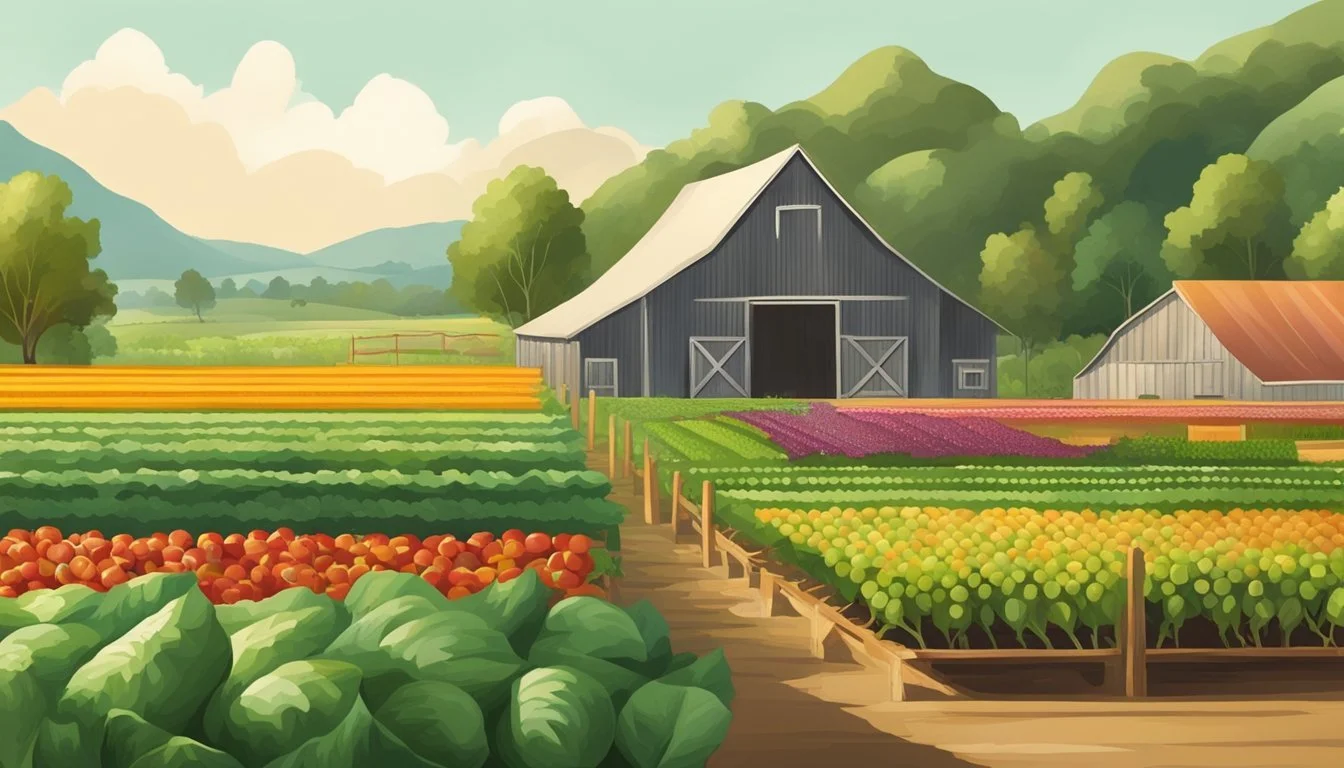
In High Point, NC, Community Supported Agriculture (CSA) connects residents directly with local farms, providing fresh, seasonal produce, meats, and other farm products straight from the source.
The Farming Process
Farmers in High Point dedicatedly manage their lands to cultivate a variety of vegetables, fruits, and grains while adhering to sustainable farming practices. Throughout the year, these farms meticulously plan and plant crops in alignment with North Carolina's growing seasons, ensuring a robust harvest of quality produce.
Harvest Seasons and Schedules
Vegetables and fruits have specific harvest times that dictate the scheduling of CSA boxes. For example:
Spring: Asparagus, strawberries, and greens
Summer: Tomatoes, peppers, cucumbers, and peaches
Fall: Apples, pumpkins, and root vegetables
Farmers communicate with CSA members about the expected harvest times, allowing members to anticipate the arrival of fresh produce throughout the year.
Distribution Methods
CSA shares are distributed in various ways to accommodate member needs:
Pick-up Sites: Designated locations where members collect their shares on a set day.
Delivery: Direct to the door service for an additional fee, offering convenience for members.
Farm Pick-up: Allows members to visit the farm directly, often providing an opportunity to meet the farmers and see where the food is grown.
Distribution methods are selected for their efficiency and the ability to maintain product freshness, ensuring that farm products reach consumers in optimal condition.
Supporting the Farming Community
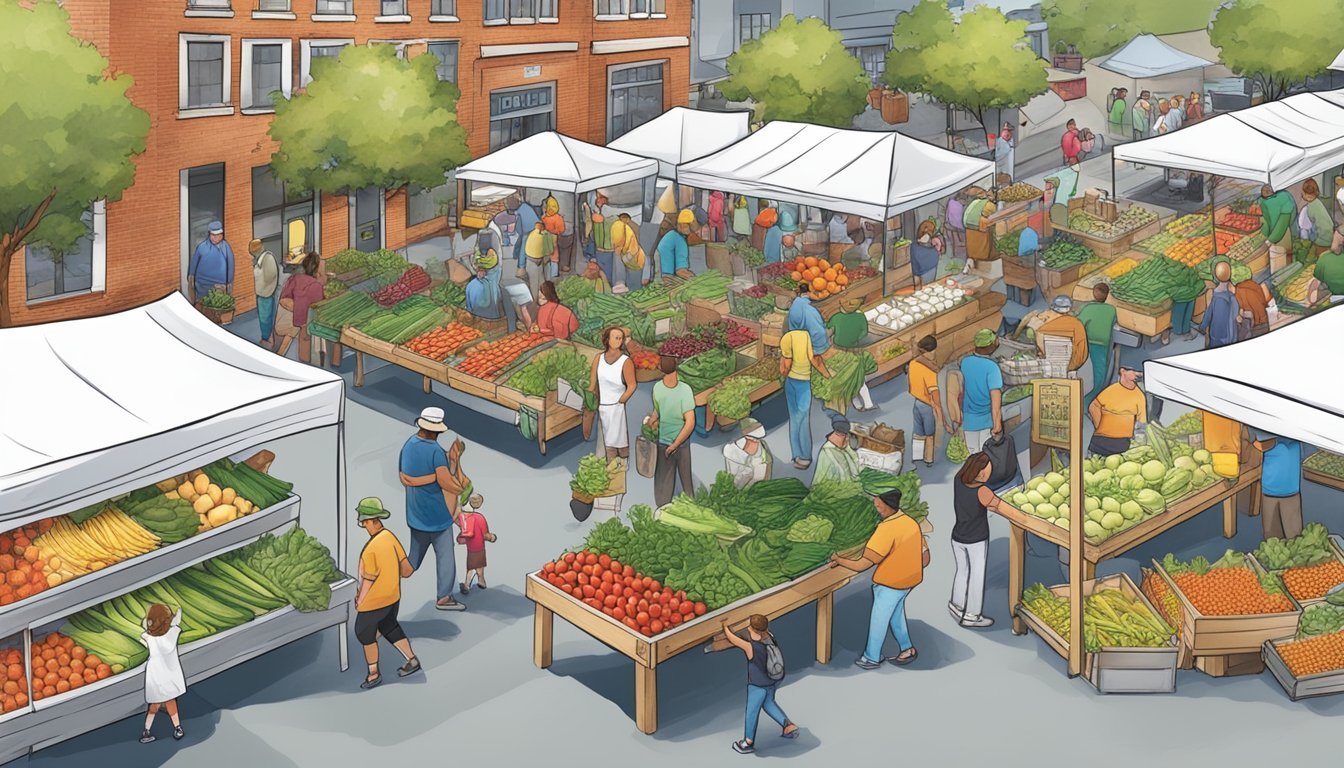
Community Supported Agriculture (CSA) in High Point, NC, offers an enriching opportunity for consumers to engage directly with local farmers. This engagement helps in sustaining agricultural practices and contributing to the local economy.
Building Relationships with Farmers
Through CSAs, consumers have the unique chance to build personal relationships with the farmers who grow their food. They can sign up for regular deliveries or pick-ups of farm-fresh produce, which often include a variety of fruits, vegetables, and other farm products. This direct connection encourages transparency and trust, allowing consumers to see where their food comes from and understand the farming process.
How to Engage:
Sign up for seasonal shares
Visit the farms during open house events
Participate in volunteer opportunities
Engaging with the CSA Community
Community-supported agriculture fosters a sense of community among its members. Consumers often have access to newsletters, recipes, and community events, making them active participants in the CSA experience.
Community Benefits:
Get to know other CSA members at events or pick-up sites
Share cooking tips and recipes that highlight seasonal produce
Collaborate on community initiatives, such as shared meal plans or food donation drives
By supporting CSAs in High Point, consumers play a crucial role in the success of local farmers and the health of the community's food system.
Marketing and Outreach
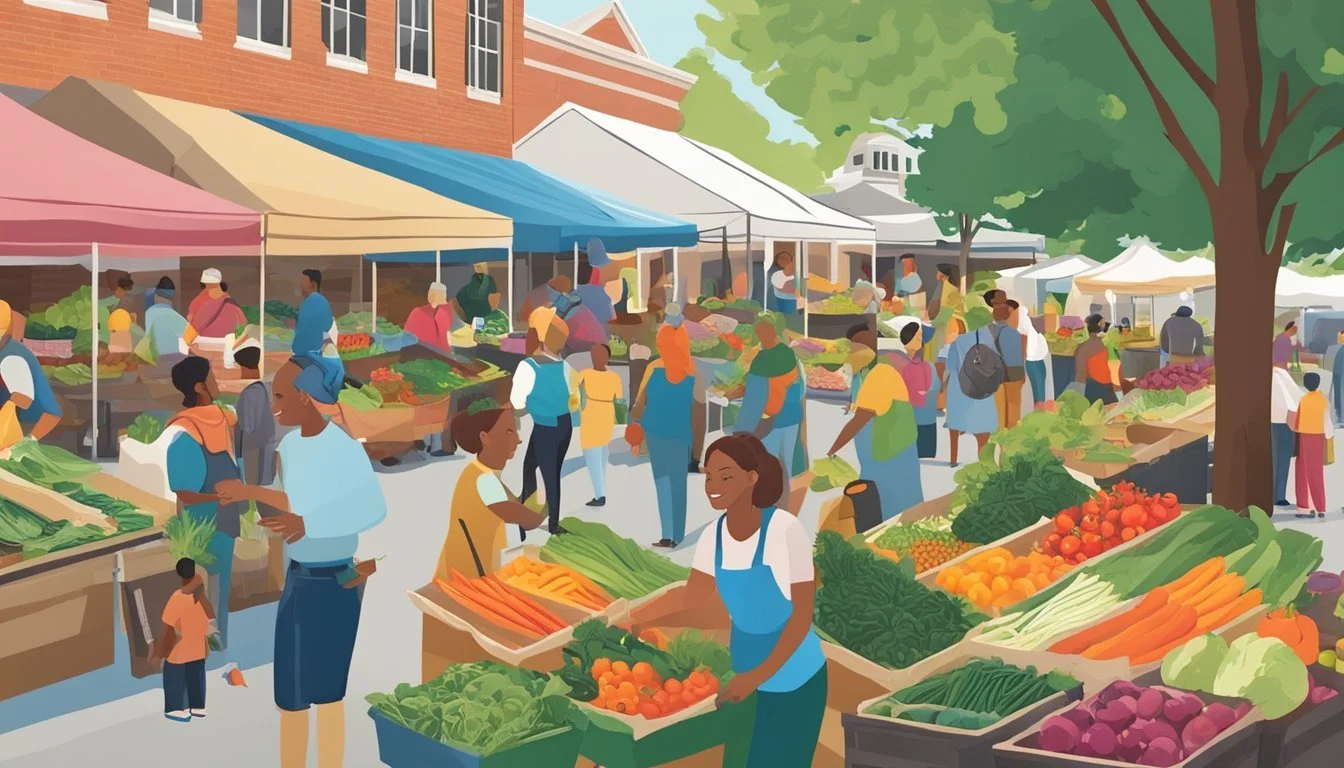
Successful Community Supported Agriculture (CSA) programs in High Point, NC, hinge on effective marketing and outreach strategies. They are crucial for recruiting members and maintaining a robust membership base, leveraging farmers' markets as vital touchpoints, and ensuring clear communication through newsletters and other publications.
Marketing Strategies
In High Point, farmers utilize a variety of marketing strategies to promote their CSAs. They often capitalize on established farmers' markets as platforms to showcase their produce and CSA options. Eye-catching displays, sample tastings, and engaging personal stories demonstrate the quality and value of CSA shares to potential customers. Additionally, targeted social media campaigns and local publications amplify their reach, outlining the merits and uniqueness of CSA offerings that resonate with the community's preferences.
Recruitment and Expansion of Membership
For CSAs to thrive, they must continually recruit and retain members. High Point CSA operators employ direct outreach at community events, including booth setups at farmers' markets, to recruit new members. Offering tiered membership options and flexible payment plans caters to a broader demographic. They also incentivize existing members to recruit new ones through referral discounts or value-added products to their share.
Communications and Sharing Information
Effective communication is the bedrock of High Point's CSA success. Regular, well-crafted newsletters keep members informed and engaged, covering topics from the anticipated contents of their next box to updates on farming activities. Seasonal reports and detailed publications about the farm's operations underscore transparency and create a sense of involvement and community among members. CSA members appreciate the timely sharing of information, which fuels their trust and ongoing support for the local agricultural community.
Economic Aspects of CSA
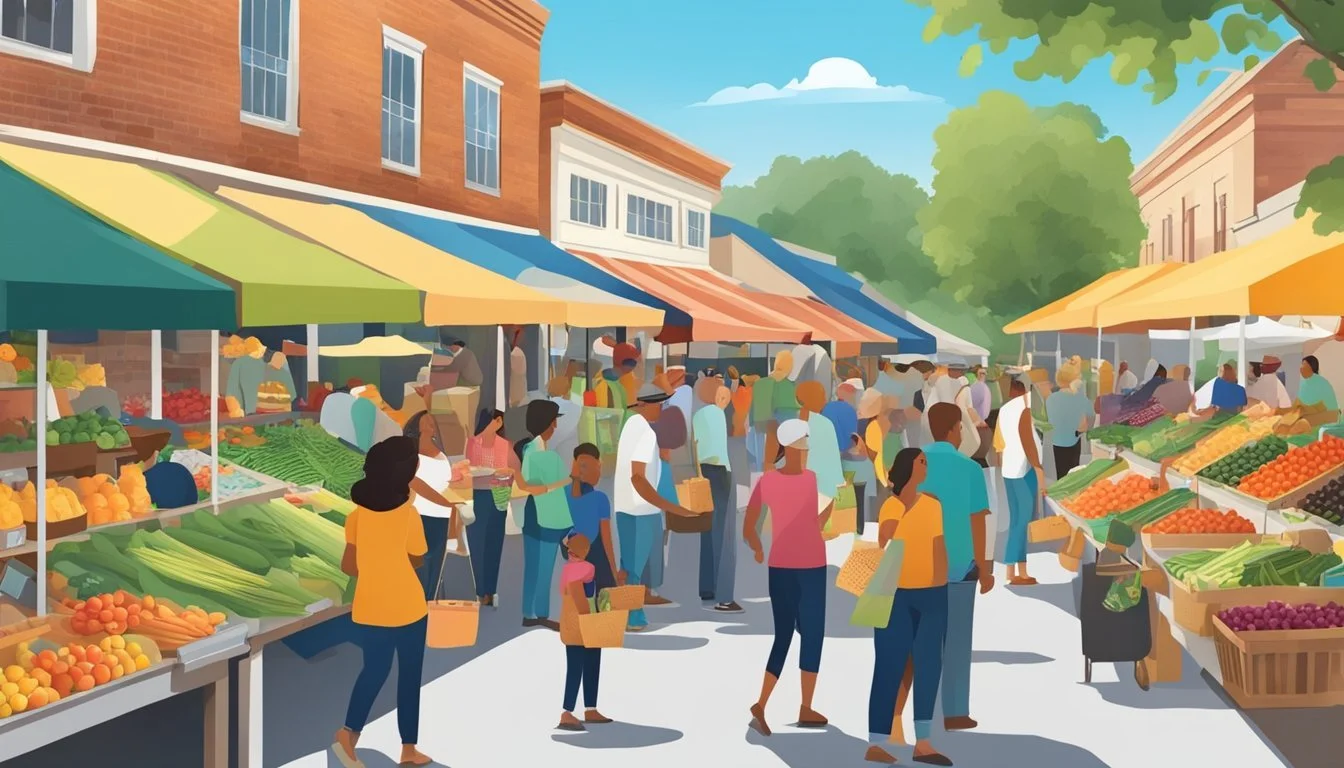
Community Supported Agriculture in High Point, NC helps stabilize farm income while providing consumers with fresh local produce. This economic relationship requires careful financial planning and understanding between farmers and consumers.
Budgeting and Business Planning
For farmers, crafting a meticulous business plan and budget is vital for a CSA's success. They must account for all fixed and variable costs—from seeds to labor—ensuring the business remains viable. A CSA budget should reflect the funds needed upfront from consumers to cover these costs. In High Point, this might include the specific price of leasing land or purchasing organic seeds that are suited to the North Carolina climate.
Calculating Costs and Pricing
Calculating costs is a critical step for determining the price of CSA shares. Farmers need to calculate production costs per unit to set a fair share price that covers expenses and provides a reasonable income. For instance, if a High Point farmer’s total cost is $50,000 and they plan to serve 100 families, the cost per share might be set at $500, considering no additional farm income sources.
Pricing must also be competitive and reflect the quality and variety of produce offered. If consumers understand that the price includes not only food but also supports farm sustainability and community strength, they are often willing to pay a premium.
Understanding Economic Impact
The economic impact of CSA on the local High Point economy can be significant. Farmers gain a guaranteed income stream through payments made by consumers at the start of the season, which can help with cash flow and reduce financial risk. At the same time, consumers receive a regular supply of fresh, locally grown produce. The predictable income allows farmers to plan more effectively and invest in their farms, often leading to job creation and a boost to the local agri-business sector.
Additional CSA Offerings
Community Supported Agriculture in High Point, NC, extends far beyond the expected seasonal produce boxes. Members can delight in a diversified array of goods and educational experiences.
Beyond Produce
CSAs in High Point provide members with a rich tapestry of local food options. Meat lovers can rejoice in locally-raised meats, such as beef, pork, and chicken, enhancing the flavor and nutritional value of their meals. Artisanal cheeses, crafted with milk from nearby dairies, offer a gourmet touch to the CSA shares. The beauty of fresh flowers is often available too, bringing a splash of color and the essence of the local flora into homes.
Meats: Beef, pork, chicken
Cheeses: Variety of artisan selections
Flowers: Seasonal fresh flowers
CSA-Related Events and Education
The relationship between CSA members and their chosen farms is enriched through various events and educational resources. Farms might host events where members can learn about harvesting, engage in cooking demonstrations featuring seasonal recipes, or receive a harvesting guide to better utilize their share. Additionally, a resource list may be provided, linking members to further local food initiatives and businesses.
Events: Cooking demos, farm tours
Education: Harvesting guides, recipe collections
Trends and Data
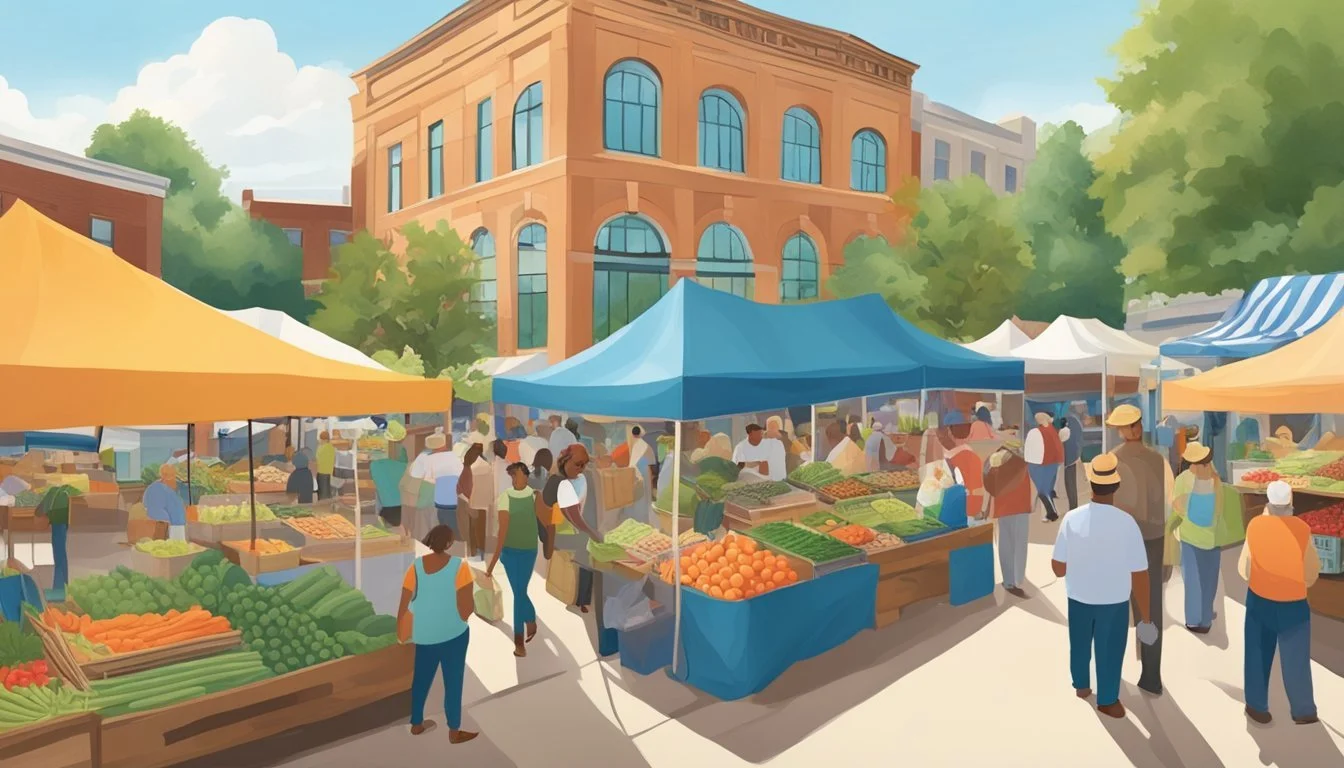
In High Point, NC, Community Supported Agriculture (CSA) has adapted to meet changing consumer preferences and environmental conditions. The data reflects how these adaptations impact the CSA model's growth and sustainability.
The Evolution of CSA Models
Originally, CSA models in High Point were quite straightforward, allowing community members to subscribe and receive shares of produce from a single local farm. However, over time, these models have diversified. Multiple-producer CSAs have emerged, where products from various local farms are aggregated, giving consumers a wider variety of items, including new vegetables and artisanal products. This evolution addresses consumer demand for a broader selection and supports local economies by involving more producers.
Research and Current Data
Recent U.S. Department of Agriculture studies indicate that as of 2020, there were 7,244 farms participating in CSA programs across the United States, generating about $225 million in direct-to-consumer sales. This accounts for approximately 7.75 percent of the total $2.9 billion in direct sales from farms. In High Point, the pricing for CSA shares generally ranges between $400-$700 annually, which can vary based on the size and contents of the share.
Year Number of CSAs Direct-to-Consumer Sales 2020 7,244 $225 million
Influence of Weather and Climate
Weather and climate are significant factors influencing CSA operations. Producers have to adapt to changing weather patterns, which can affect crop yield and variety. For example, unexpected droughts or floods in the United States, akin to recent weather trends in Japan, may prompt CSA farms to adjust their planting schedules or introduce drought-resistant crops. Environmental sensitivity and adaptive strategies are essential for maintaining consistent supply and meeting shareholder expectations.
Conclusion
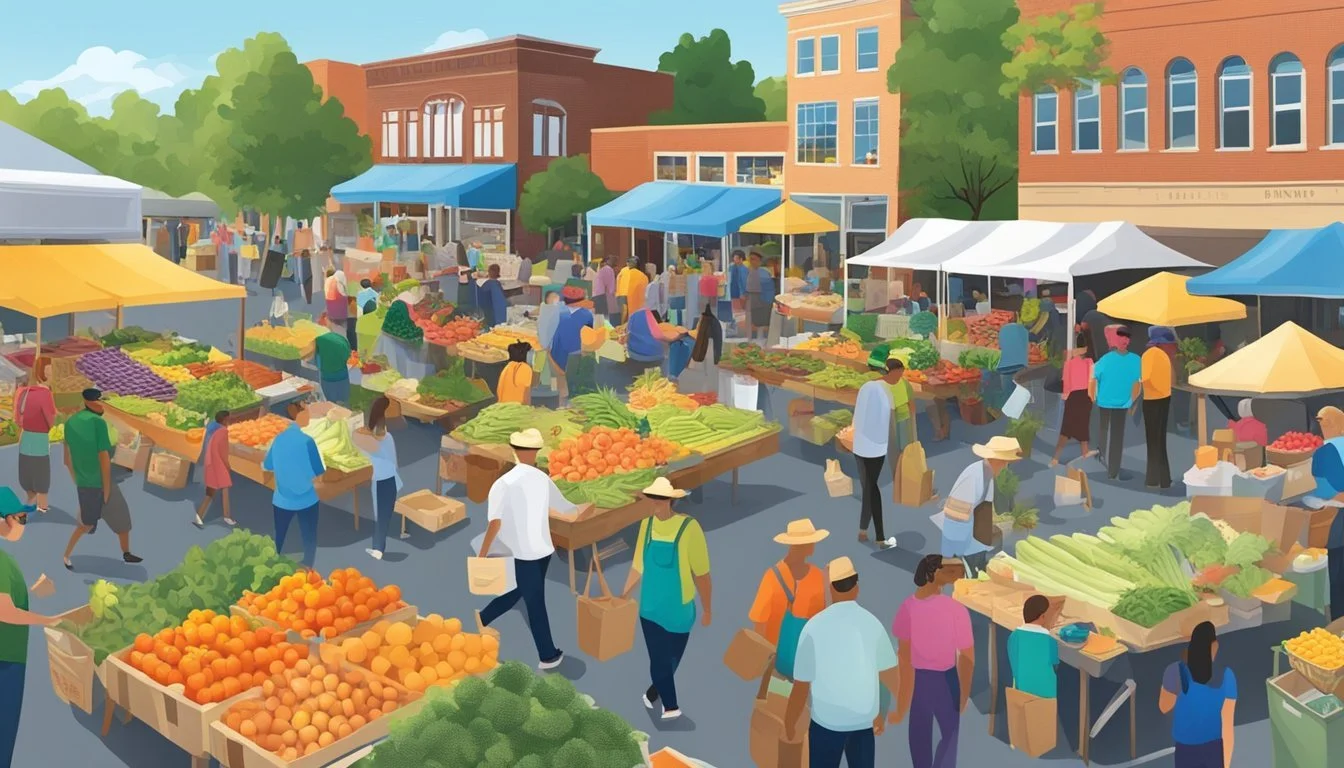
Community Supported Agriculture has proven to be a successful model in High Point, North Carolina, demonstrating its viability in supporting local farmers while providing residents with access to fresh, locally-sourced produce. CSA models encourage agricultural sustainability and strengthen the bond between the community and growers.
Residents have various options with CSAs—ranging from fruits and vegetables to meats and cheeses. Packages often arrive weekly or monthly, fostering consistent support for agriculture within High Point. Additionally, the feasibility of using CSA to improve accessibility to nutritious food in underresourced communities has been positively assessed.
The local CSA programs in High Point not only offer a route to better nutrition for participants but have also been involved in educational initiatives. They include providing nutrition classes which enrich the community's knowledge about healthy eating habits.
Advantages for Farmers:
Predictable income
Direct connection with consumers
Improved crop planning
Advantages for Consumers:
Access to fresh, seasonal produce
Opportunity to learn about food sources
Engagement in a supportive community network
The positive impact on dietary habits, particularly through cost-offset CSAs, suggests a step forward in tackling nutrition-related health disparities. Although not a catchall solution, CSAs in High Point serve as a meaningful cog within a larger system of food sustainability and community health resilience.