Community Supported Agriculture (CSA) in Hillsboro, OR
Embracing Local Food Sustainability
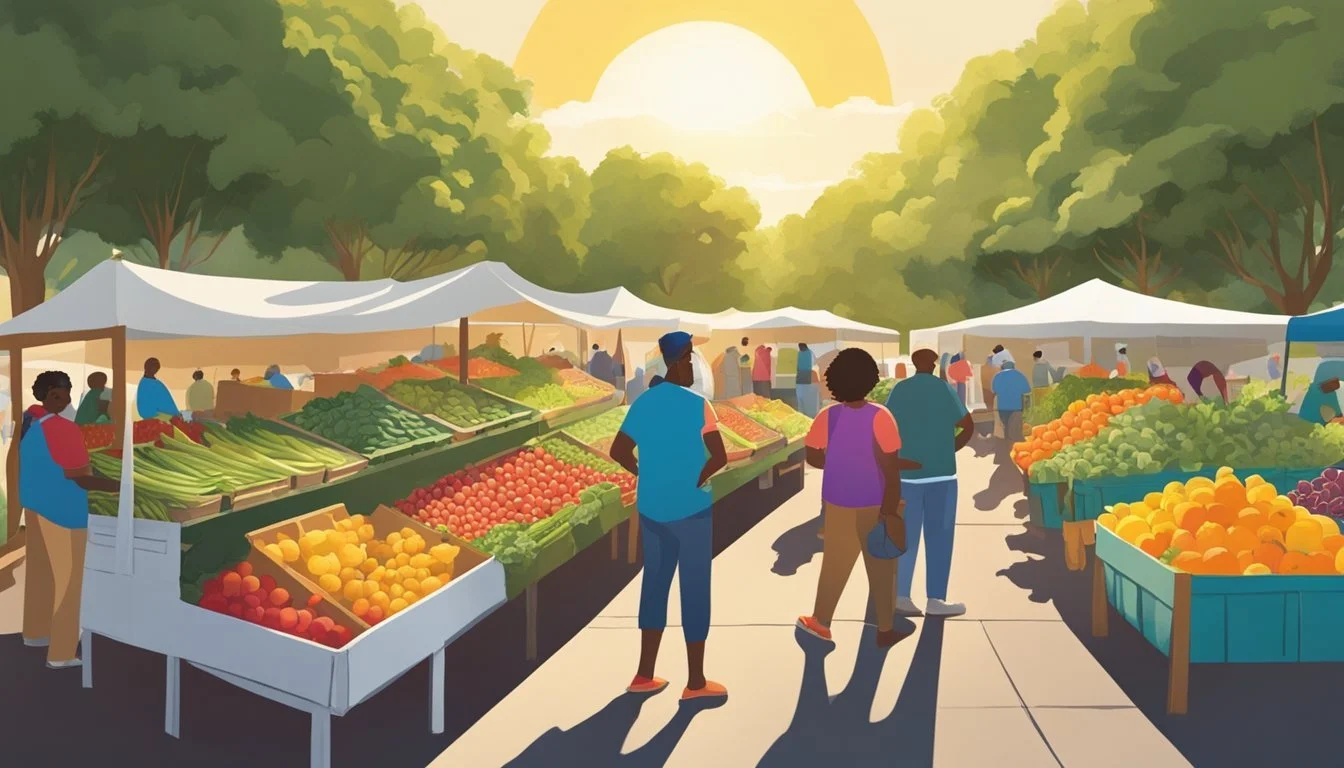
Community Supported Agriculture, commonly known as CSA, is a farming model that has gained considerable traction in Hillsboro, Oregon. It allows residents to purchase a share of a farm's anticipated harvest, thereby creating a unique partnership between local farmers and community members. This model directly connects producers and consumers within the food system, fostering local economies and promoting sustainable agriculture practices.
In Hillsboro, CSA programs offer an array of benefits to both farmers and consumers. Farmers receive upfront capital to sustain their operations and mitigate risk, while members enjoy the freshest seasonal produce that reflects the region's rich agricultural heritage. The bond fostered by CSA in Hillsboro goes beyond the economic transaction; it educates members about the seasonality of food, encourages healthier eating habits, and engenders a greater appreciation for the land.
The concept of CSA, which was pioneered in the USA in the 1960s, resonates with the community's ethos in Hillsboro. Farms like Sparrowhawk and Working Theory have become integral parts of the town's fabric, offering CSA memberships that ensure a steady supply of fresh vegetables to their members throughout the growing season. This model of agriculture embodies a commitment to environmental stewardship and community well-being, making it a valued social and economic component of Hillsboro.
Understanding CSA
Community Supported Agriculture represents a beneficial partnership between local farmers and consumers, ensuring a stable market for farmers and fresh, seasonal produce for consumers through a shared membership model.
The CSA Model
Community Supported Agriculture (CSA) operates on a foundation where consumers purchase memberships from local farms. These memberships translate into a season's worth of produce that consumers receive on a regular schedule, typically weekly or monthly. This upfront investment by the consumers helps create a predictable income for farmers and reduces the unpredictability of farming due to market fluctuations and other external factors.
Shared Risk: Both farmer and consumer share the risks of farming, such as poor harvests due to unfavorable weather conditions.
Relationship Building: It fosters a strong relationship between the farmer and the consumer, promoting direct communication and understanding of the food production process.
The Role of Consumers
Consumers, through their subscriptions, play a crucial role in the CSA model. They provide financial support at the start of the growing season, which helps the farmer with planning and production costs. By participating in a CSA, consumers agree to the inherent risks of farming, understanding that their share of the harvest may vary depending on the season's success.
Benefits for consumers include:
Access to fresh, locally-grown produce.
Knowledge of where and how their produce is grown.
Benefits for Farmers
The CSA model is especially advantageous for farmers. It guarantees a market for their produce, allowing for better resource allocation and reduced waste. Further, it can help mitigate the impact of discriminatory loan practices, providing independent financial support through community investment.
Advantages for farmers in the CSA model include:
Improved cash flow for planning and investment in the farm.
Development of a loyal customer base and community support.
CSA Farm Operations
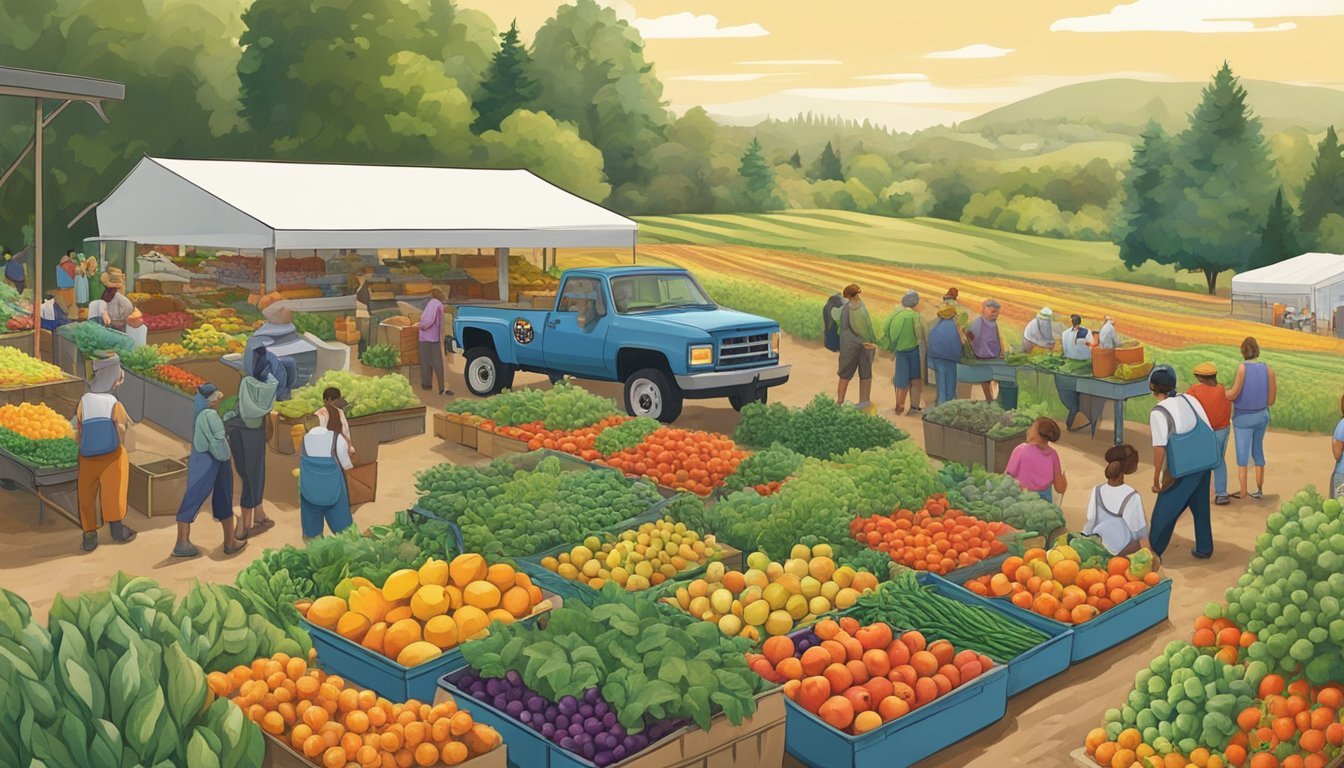
Community Supported Agriculture in Hillsboro, Oregon, encapsulates a network of farms operating to deliver fresh, local produce throughout the year. These farms emphasize sustainable practices and season-specific harvests.
Growing Season
The growing season for CSA farms in Hillsboro typically begins in May, marking the start of a 24-week period during which members receive weekly or bi-weekly shares of farm produce. The seasonality is central to CSA, with harvest times aligning with the region's climatic conditions to ensure the freshest produce.
Sustainable Farming Practices
Farms engaged in CSA focus on sustainable farming practices. They prioritize soil health, often eschewing synthetic pesticides and opting for organic methods to maintain ecological balance. The practices include:
Crop rotation to preserve soil nutrients
Cover cropping to prevent erosion
Integrated pest management to control pests without harm to the environment
By adhering to these methods, CSA farms deliver a bounty of produce while maintaining the integrity of the local ecosystem.
Membership and Shares
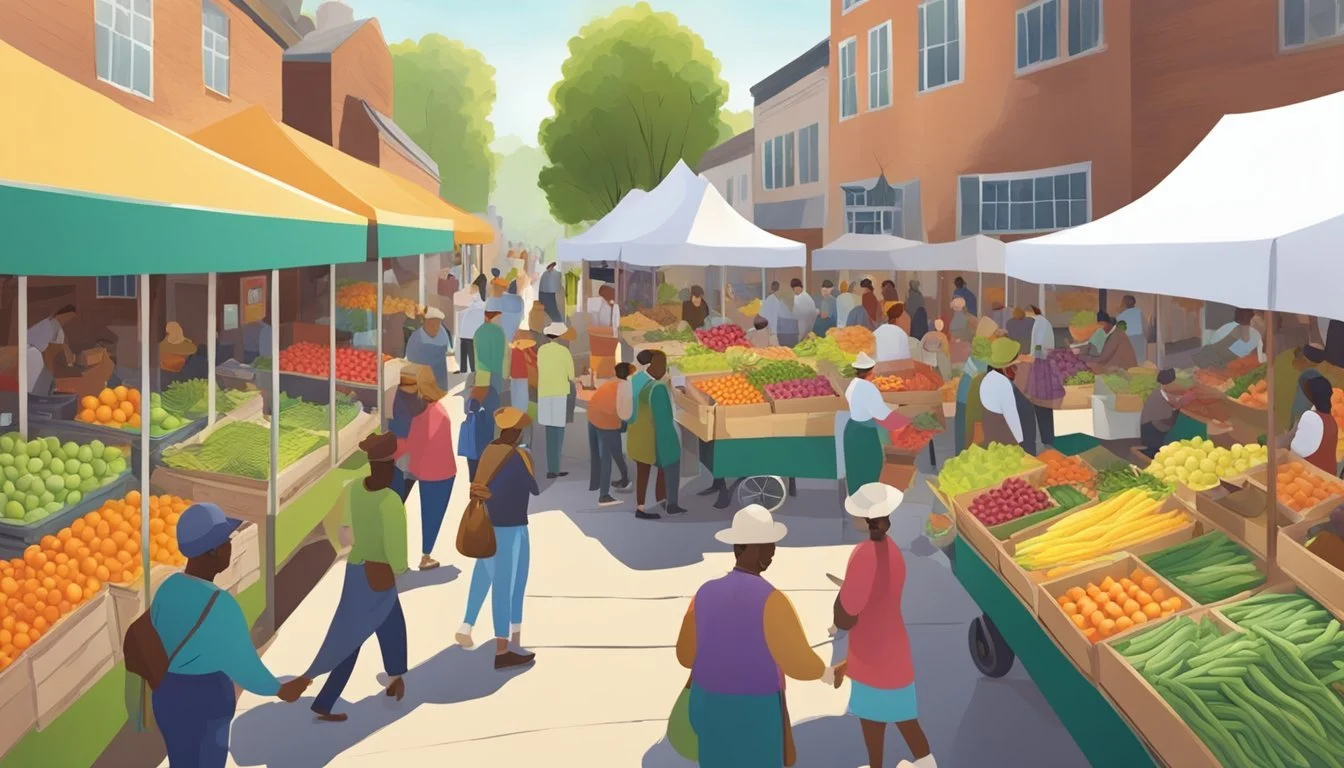
When joining a CSA in Hillsboro, OR, members often purchase a "share" of the agricultural output, which implies a commitment to support local farms through subscription-based memberships. The structure and types of shares available can vary between farms, ensuring an option that fits different consumer needs.
Types of Shares
Different farms offer diverse types of shares, which may include:
Vegetable Shares: Typically involves weekly distribution of seasonal produce.
Fruit Shares: May be available, depending on the farm, offering seasonal fruits.
Egg Shares: Offered by some farms with the weekly provision of fresh eggs.
Meat Shares: For farms raising livestock, options for periodic meat distribution.
Full Shares: Suitable for larger households, providing a full assortment of products.
Half Shares: A smaller option for individuals or small families.
Subscription and Fee Structure
Subscription details vary by farm but usually contain the following elements:
Upfront Payment: Most CSAs require payment before the harvest season begins, which secures membership and share(s) for the duration.
Payment Type Description Full Payment Members pay the entire fee at the start. Payment Plan Members may have options to split the fee across several months.
Weekly Shares: Members often receive their share of produce or other farm products weekly, aligning with the harvest schedule.
Share Frequency Description Weekly Members collect or receive delivery of their shares every week. Bi-Weekly An option for receiving shares every other week, in some cases.
Members should contact their chosen CSA directly for specific fee structures and payment plan availability, as these can vary widely between farms but are centered on providing predictable financial support to the farm while offering a steady supply of fresh, local food to the member.
CSA Products and Offerings
Community Supported Agriculture in Hillsboro, OR, presents a diverse array of fresh, locally-grown products directly from the farm to the consumer. Members can expect high-quality offerings throughout the growing seasons.
Variety of Produce
Local CSAs provide a plethora of vegetables and fruits, which often vary by season to ensure peak freshness and flavor. Members typically receive shares that may include a mix of:
Leafy greens: such as kale, spinach, and lettuce
Root vegetables: like carrots, beets, and onions
Fruits: seasonal selections could range from strawberries to apples
Herbs: fresh options like basil, cilantro, and thyme
This cornucopia ensures a colorful and nutritious assortment on your table, while also supporting local agriculture.
Additional Farm Products
Beyond fruits and vegetables, CSAs in Hillsboro extend their offerings to include a variety of other farm products, which may encompass:
Meat: options such as grass-fed beef, pasture-raised poultry, and pork
Cheese: locally-produced cheeses ranging from cheddar to gouda
Flowers: fresh-cut flower bouquets to brighten homes and tables
Specialty Items: farm-fresh eggs, homemade jams, and artisan breads
These products allow consumers to support local farmers and enjoy the breadth of what their community has to offer.
Joining a CSA in Hillsboro
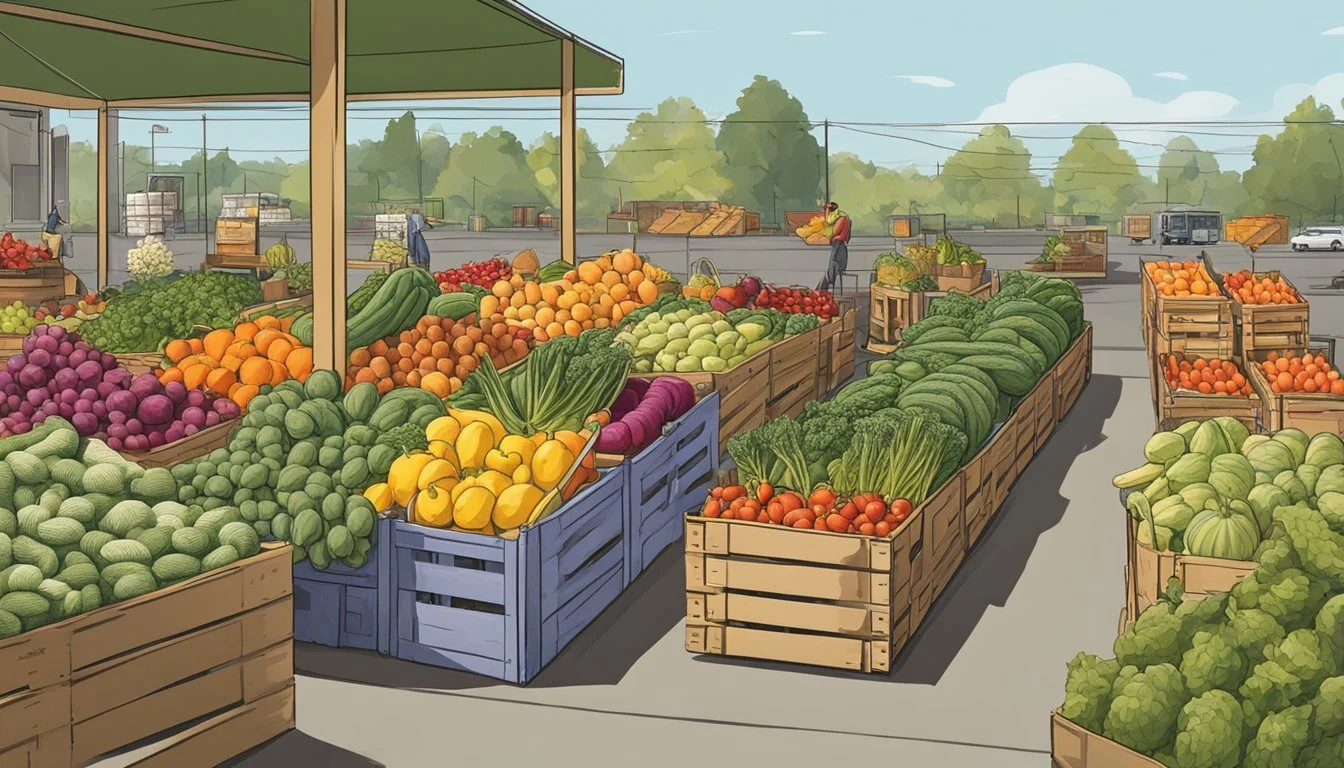
Residents of Hillsboro, OR, interested in joining a Community Supported Agriculture (CSA) program have a variety of local farms to choose from. This provides an opportunity to support local agriculture, get fresh seasonal produce, and connect with the community.
How to Find a CSA Farm
To locate a CSA farm in the Hillsboro area, individuals can consult local food directories, such as LocalHarvest, which provide comprehensive lists and details of nearby CSA programs. Alternatively, exploring listings at farmers' markets or inquiring at local health food stores can offer leads to respected and reliable CSA farms.
Registration Process
Interested individuals should contact their chosen farm directly to understand their specific registration process. Farms typically offer a limited number of "shares" to the public, which can include a variety of farm products, most commonly boxes of vegetables. Sparrowhawk Farm, for example, offers two CSA memberships annually: Spring/Summer and Fall, and participants can sign up via their website or by calling the farm directly at 503-343-1949.
Required Information for Registration:
Contact details (name, phone number, email)
Preferred pickup location (if options are available)
Membership type (full or half share, weekly or biweekly)
Payment method
Key Registration Steps:
Choose the membership type that suits your needs.
Complete any required member agreement and sign-up forms.
Submit payment to secure your share.
Note: CSA registration is typically seasonal, and the availability of shares can be limited; early registration is encouraged.
Community Networks
Hillsboro's network of local food producers and consumers promotes a strong sense of community. Through CSA programs, such as those run by Working Hands Farm, which offers a Summer & Fall CSA from May through November with on-farm pickup, residents can directly engage with the people growing their food. CSA members often have opportunities to participate in farm events, volunteer days, and learn more about sustainable agriculture.
Managing CSA Participation
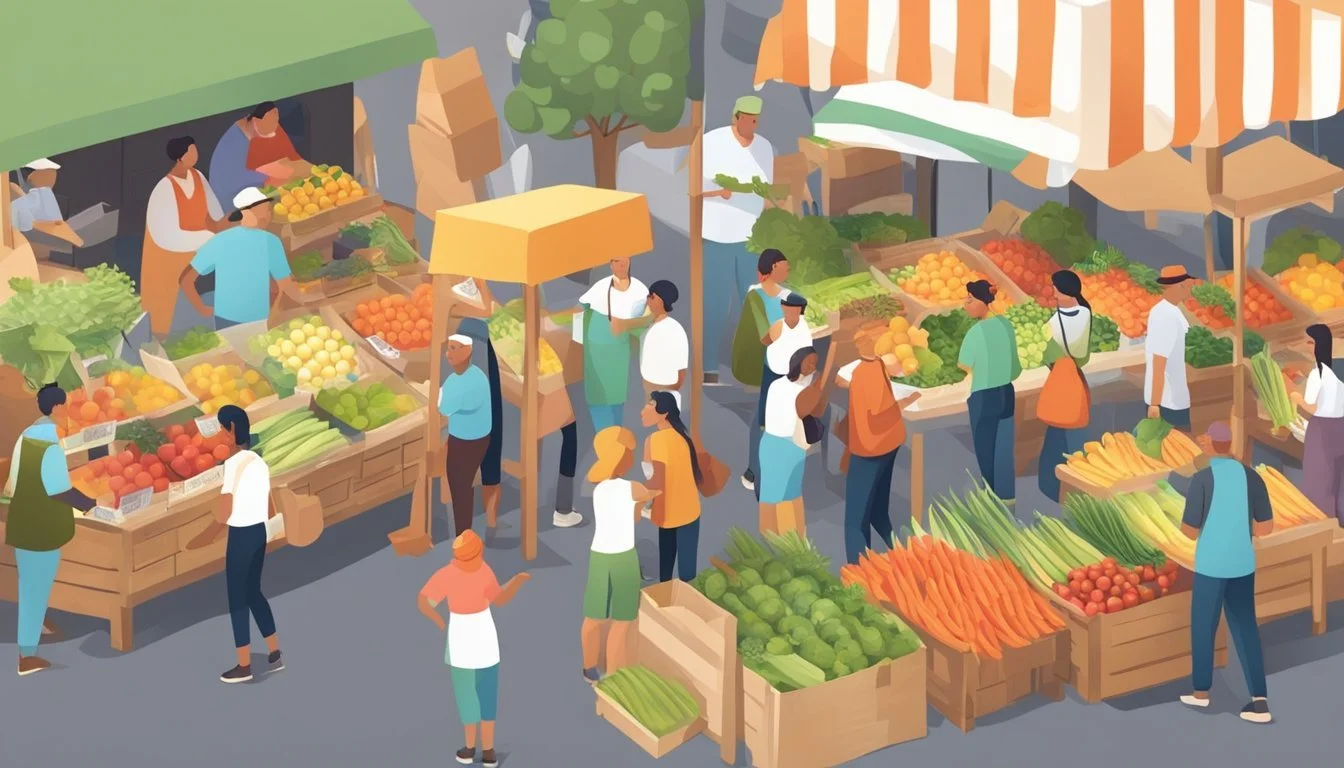
Participating in a Community Supported Agriculture (CSA) program in Hillsboro, OR involves commitment both to the local farms and to a new way of managing food at home. Members should be prepared for weekly pickups and the unique culinary journey that CSA products bring.
Weekly Pickup Tips
Consumers can streamline their pickup process by following these suggestions:
Plan Ahead: Determine your pickup day and ensure it fits into your weekly schedule. Consistency is key to maintaining the freshness of your produce.
Bring Supplies: Always bring your own reusable bags or containers to transport the produce from the farm stand to your home.
Communicate: Stay in touch with the farm for any updates on crop availability or changes in the pickup schedule due to unforeseen circumstances.
Cooking with CSA Products
Here are ways customers can maximize their CSA experience through cooking:
Explore Recipes: CSA resources often include recipe suggestions tailored to the week's harvest. Take advantage of these to discover new flavors and techniques.
Preserve Surpluses: If you find yourself with more produce than you can immediately use, consider preserving techniques like canning, drying, or freezing.
Get Creative: CSA products can inspire cooking experimentation. Embrace the variety and integrate seasonal vegetables and fruits into your meals.
Technology in CSA
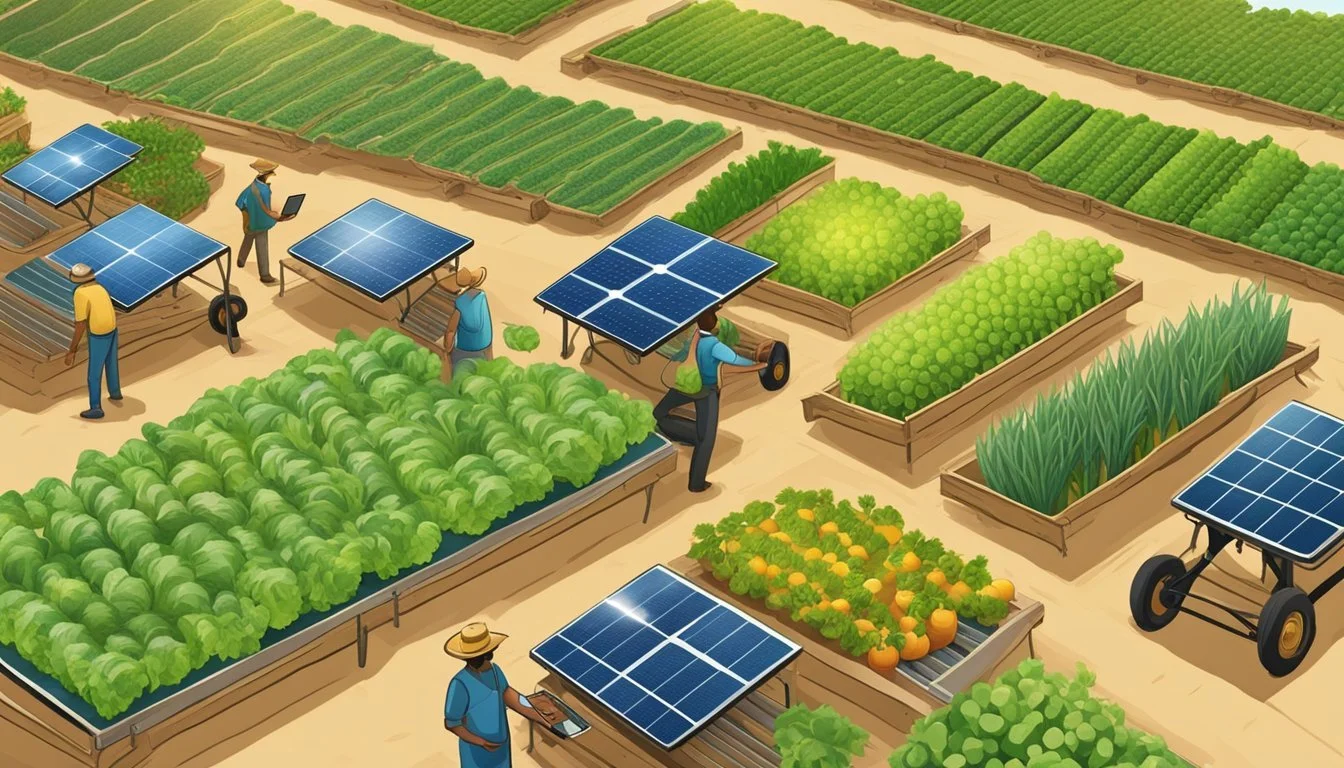
Technological advancements are shaping the landscape of Community Supported Agriculture (CSA), offering streamlined operations and enhanced interfaces for both farmers and consumers.
CSA Management Software
CSA management software leverages powerful APIs to integrate a variety of applications, enabling farmers to optimally manage their shares. This software simplifies tasks such as:
Member sign-up and management
Distribution logistics
Farmers can now update and manage data related to crop planning and yield forecasts, allowing for smarter decision-making. The software functions as a centralized hub that supports efficient communication and operations.
Digital Payment Systems
Digital payment systems have introduced a level of convenience and security to CSA transactions. These systems facilitate:
Immediate fund transfer
Record-keeping for financial transactions
Automated payment reminders
Farmers are able to accept payments through various methods, including credit cards and direct bank transfers, ensuring prompt and reliable cash flow. This technology also helps CSA members keep track of their payments and share history, creating trust and transparency in financial interactions.
Advantages and Risks
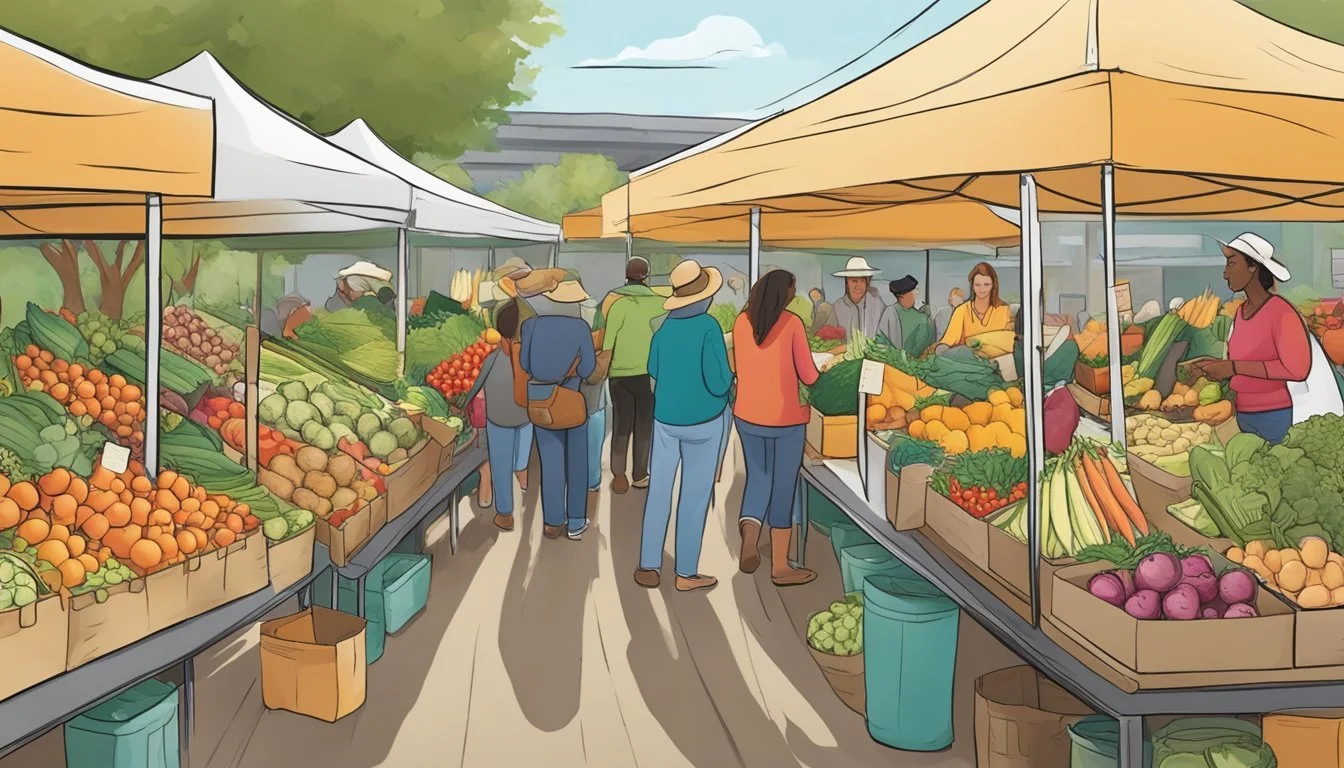
When discussing Community Supported Agriculture (CSA) in Hillsboro, OR, the advantages for community members and farmers are considerable. Community members benefit from access to fresh, local produce and often enjoy the diversity of a seasonal food supply, which may enhance dietary variety. They also take part in supporting local farmers, helping to create a robust local economy and encouraging sustainable agricultural practices. On the other hand, farmers receive upfront payment, reducing financial uncertainty and improving cash flow. This model fosters a direct connection between consumer and grower, with members often having the opportunity to visit the farms and understand where their food originates.
Advantages Risks Fresh, seasonal produce Potential for lower yield Supports local economy Dependence on local weather conditions Encourages sustainability Limited selection choice Upfront payment for farmers Shared risk for crop failures
However, CSA is not without its risks. Both the farmer and the community member share the inherent uncertainties of farming. Weather, pests, and other variables can impact the quantity and quality of the harvest. Community members must accept that there's a shared risk; if the season goes poorly, their boxes may be lighter, and the variety may suffer. This model often means fewer choices for consumers, as they receive a share of the harvest rather than choosing produce individually. It's important to recognize that while the stakes are higher, so too is the potential for a more involved and rewarding relationship with food and farming.
Supporting the Local CSA Ecosystem
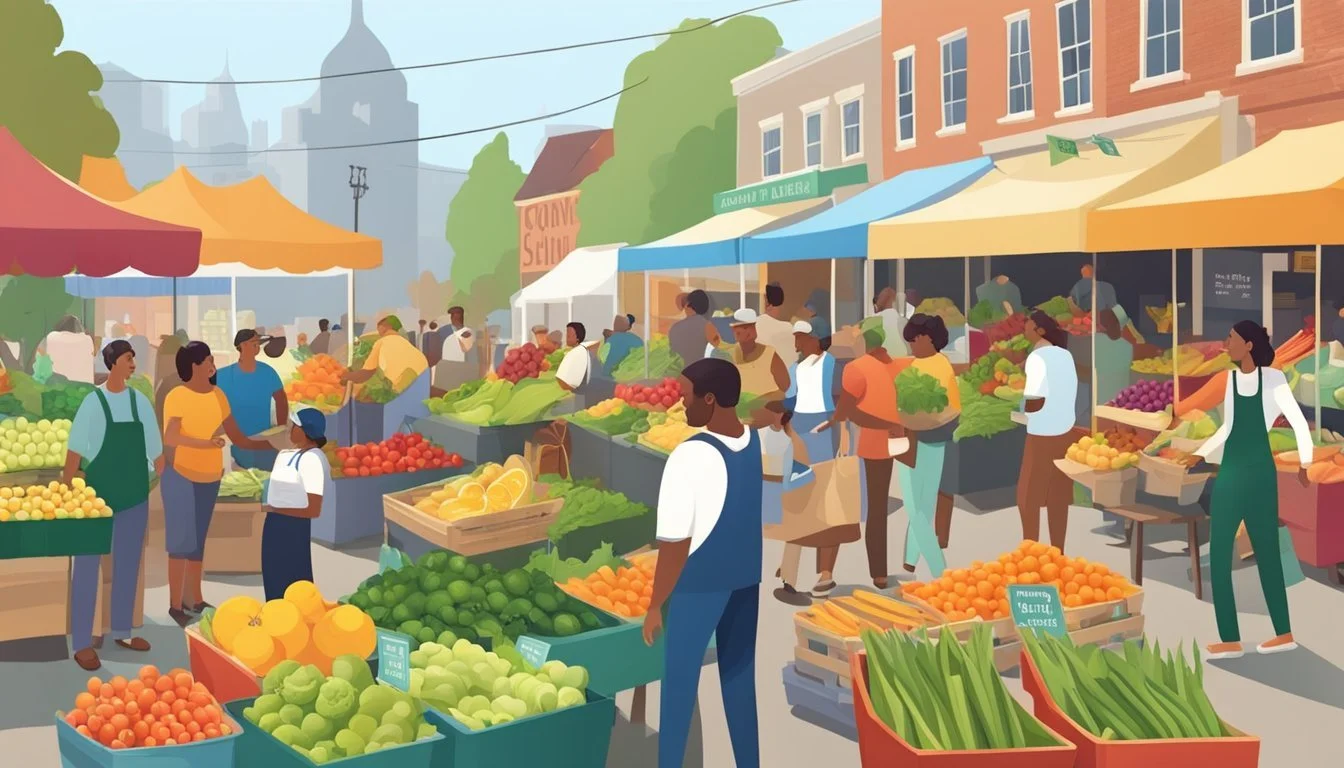
In Hillsboro, OR, the community can engage with their food system through participation in local Community Supported Agriculture (CSA) programs. CSAs foster a direct connection between residents and growers, bolstering the local economy and ensuring the sustainability of agricultural practices.
Consumers interested in CSA can purchase shares, contributing to the farm's operating budget and in return, receiving regular distributions of fresh produce. This model provides predictability and stability for farmers, as they gain upfront capital to cover the anticipated costs of the harvest season.
Local Farmers Markets complement the CSA by offering growers a venue to sell their goods directly to the community. This interaction not only strengthens the local agricultural economy but also educates the public about seasonal eating and sustainable agriculture.
Here is a brief overview of how individuals can support the CSA ecosystem:
Buy CSA Shares: Residents commit to a season of locally grown produce, which supports farmers financially.
Visit Farmers Markets: Engaging with growers at markets encourages local commerce and community interaction.
Volunteer Opportunities: Many CSAs have volunteer programs for those looking to immerse themselves deeper into agricultural community efforts.
Method Benefit to Local CSA Engagement Level Buying Shares Financial support; Seasonal produce High Farmers Markets Direct sales; Community education Medium Volunteering Farm assistance; Education Varies
Hillsboro residents have the power to contribute to a vibrant CSA ecosystem, ensuring that both the farmlands thrive and the community access to nutritious and locally sourced food continues.