Exploring the Texas Tepache Cocktail Trend
A Refreshing Fusion Craze
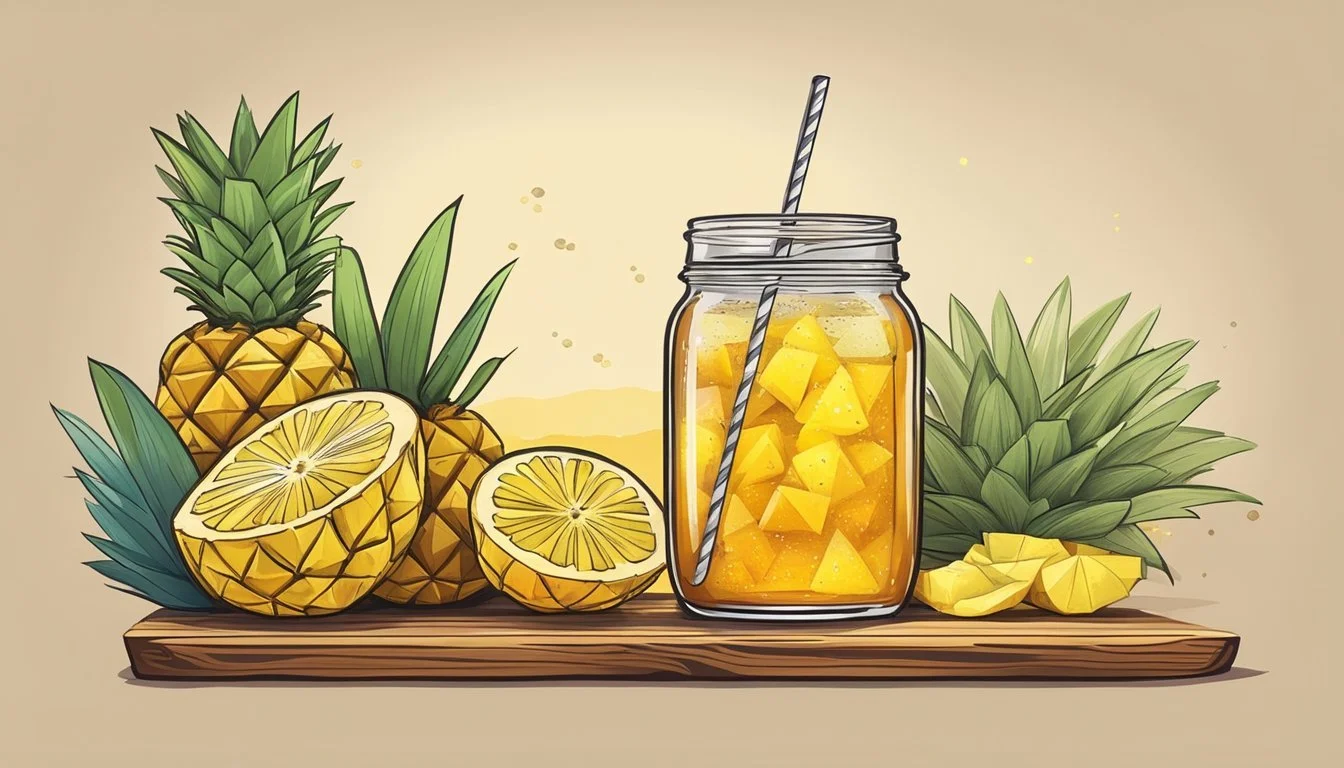
Tepache, a traditional fermented beverage from Mexico, has found a new home in Texas, where the once-humble drink is being elevated into a trendy cocktail ingredient. This refreshing concoction is typically made from the fermentation of pineapple rinds, unrefined sugar, and spices, yielding a vibrant and tart flavor profile. In Texas, mixologists and bartenders are harnessing this unique taste to enhance and innovate their cocktail menus, capturing the essence of both Mexican tradition and Texan creativity.
The rise of tepache in Texas can be attributed to its versatility in pairing with various spirits and the growing interest in artisanal and craft beverages. Establishments throughout the state have begun to incorporate tepache into cocktails, offering patrons a taste of cultural fusion in a glass. The tepache cocktails often combine the drink with a variety of spirits, from the smoky notes of mezcal to the smoothness of quality tequila, crafting a symphony of flavors that speak to both the roots and the evolution of this beverage.
As Texas palates continue to embrace global influences, tepache stands out for its ability to adapt and connect people through its complex flavor and storied past. The trend reflects a broader movement towards the appreciation of traditional methods and highlights the creativity of the Lone Star State's cocktail scene. As the summer approaches, one might find Texans and visitors alike savoring the nuanced layers of a tepache cocktail, marking the beverage as a staple in the intricate tapestry of Texas drinks culture.
History of Tepache

Tepache is a traditional Mexican beverage that boasts a rich history, tracing back to pre-Columbian times. This fermented pineapple drink was originally crafted by the indigenous peoples of Mexico, well before the arrival of Europeans.
Ingredients: Its foundation includes the peel and the rind of the pineapple, sweetened with piloncillo (raw sugar cane) and seasoned with cinnamon.
Fermentation Process: The mixture is then left to ferment naturally over a period of days, or sometimes weeks, depending on environmental factors and desired levels of fermentation.
Culturally, tepache was more than a drink; it embodied the ingenuity and resourcefulness of the Mesoamerican civilizations in utilizing local produce such as pineapples to create nourishing and enjoyable beverages.
Variations: Through the centuries, various regions have developed their own twists on the original recipe, sometimes incorporating other fruits or adjusting the fermentation time to alter the drink's sweetness and alcoholic content.
In modern times, this humble beverage has experienced a resurgence in popularity, particularly within Texas, as a refreshing cocktail ingredient that brings a piece of Mexico's culinary heritage to the contemporary setting. Today's iterations of tepache cocktails often maintain the core elements of the traditional drink while incorporating modern mixology techniques.
Tepache: The Base Ferment
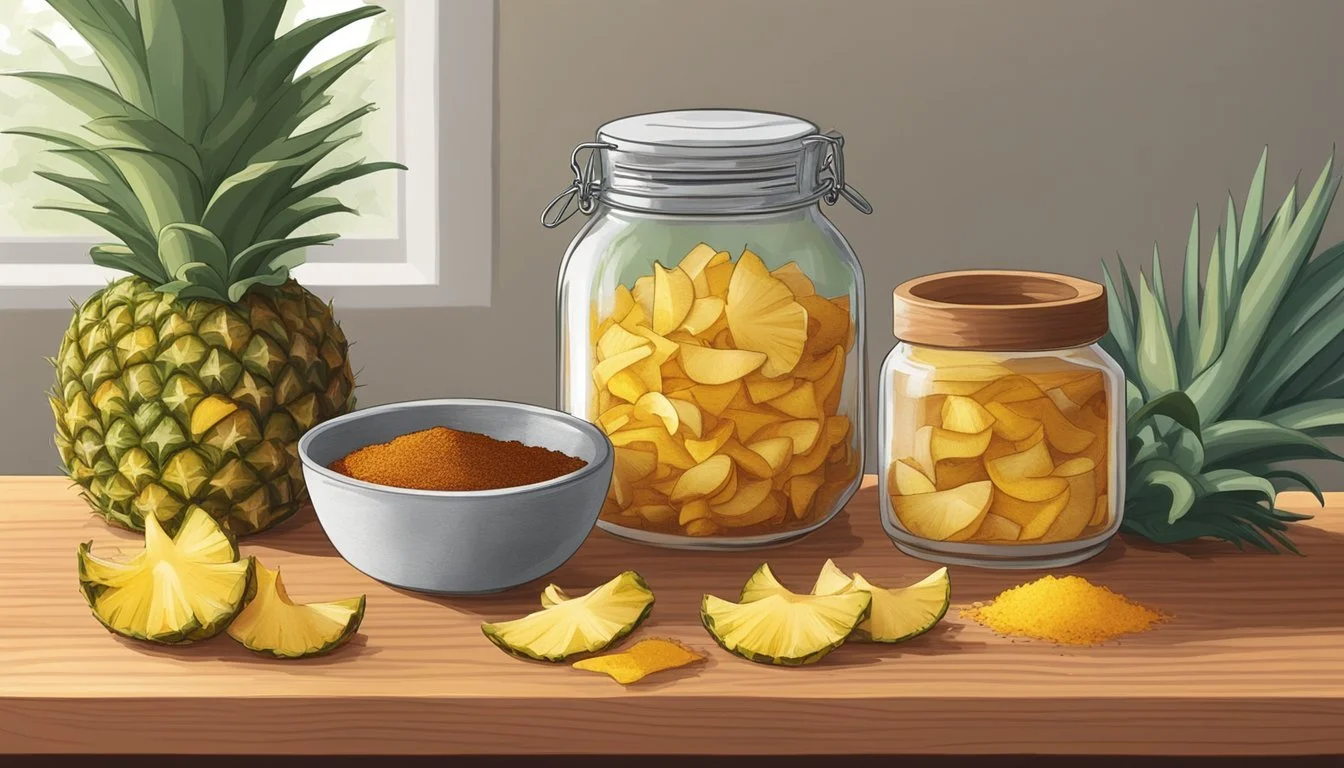
Tepache is a fermented beverage with a complex flavor profile, traditionally made from pineapple rinds and a blend of piloncillo and cinnamon.
Traditional Ingredients and Process
Ingredients:
Pineapple rinds
Piloncillo (unrefined cane sugar)
Cinnamon sticks
Water
The traditional process of making Tepache begins with the collection of pineapple rinds, often considered a byproduct in other culinary uses. These rinds are rich in sugars and yeasts, which are essential for fermentation. Piloncillo, a raw form of cane sugar, is typically used to sweeten the mixture and augment the natural fermentation process. Cinnamon sticks are added for flavor. The concoction is then mixed with water and allowed to ferment for several days. During this time, wild yeasts and bacteria present on the pineapple and in the surrounding environment initiate the fermentation, converting sugars into alcohol and carbon dioxide, creating a refreshing and lightly effervescent drink.
Modern Adaptations
Modern adaptations of Tepache have expanded upon the traditional recipe, incorporating various sugars such as honey or brown sugar for different flavor profiles. Additionally, some recipes suggest the addition of other spices or fruits to complement the pineapple and cinnamon. While traditionally the drink relies on wild yeasts present on the pineapple rinds, contemporary practices sometimes include the introduction of commercial yeast to ensure a more controlled fermentation process. This helps to prevent spoilage and provides a more consistent product. The fermentation time can vary, but it typically ranges from two to seven days, depending on the desired level of sweetness and alcohol content. In modern Tepache variations, the control of the fermentation variables has become more precise, leading to a beverage that can be customized to the creator's preference.
The Rise of Tepache in Texas

Tepache, a traditional Mexican fermented pineapple beverage, has been gaining popularity in Texas, particularly within the vibrant bar and restaurant scenes of cities like Austin and Dallas. This section examines the growing trend and the influential role local producers are playing.
Texan Bars and Restaurants Embracing Tepache
In Texas, bartenders and restaurants are introducing innovative cocktails featuring tepache as a central ingredient. Austin, known for its creative culinary spirit, is at the forefront with bars such as Argus Cidery and spots led by significant figures like Nicolai McCrary incorporating housemade tepache into their menus. These beverages offer a unique blend of tart and sweet flavors, allowing guests to experience a taste of Mexico with a distinct Texan twist.
Similarly, in Dallas, the craft cocktail scene has been experimenting with tepache, using it both as a mixer and a standalone refreshment. Establishments value the use of local and artisanal ingredients, aligning with the broader farm-to-table movement. Tepache's versatility and refreshing quality make it a summer favorite, often served with a complementary beer or spirit to enhance its flavor profile.
Influence of Local Producers
Local producers such as Argus Cidery and Reverend Nat's Hard Cider play a pivotal role in the tepache trend by crafting their versions of the beverage. Wes Mickel, the founder of Argus Cidery, has been pivotal in introducing craft fermented drinks to the Texas market. These producers leverage traditional recipes and methods while infusing local tastes and preferences, contributing to a burgeoning market for tepache and similar fermented drinks.
Their efforts have not only popularized tepache, but have also fostered a deeper appreciation for cultural and regional flavors amongst Texans. The collaboration with local bars and restaurants further solidifies the presence of tepache on beverage menus across the state, reinforcing the importance of community in developing and sustaining beverage trends.
Tepache Cocktail Variations
The tepache cocktail trend capitalizes on the versatile flavor profile of fermented pineapple, skillfully combining it with a variety of spirits and mixers. This section explores the classic pairings with alcohol, alongside innovative creations and non-alcoholic twists suitable for any palate.

Classic Tepache Pairings
Tradition meets modernity in these combinations, where the rustic taste of tepache finds harmony with time-honored spirits.
Rum: The sweetness of rum complements tepache's tangy flavor. A Tepache Rum Punch, for example, typically contains a light or dark rum, highlighting the drink's tropical essence.
Tequila and Mezcal: Agave spirits blend seamlessly with tepache. The smoky notes of mezcal or the crispness of tequila can transform the fermented beverage into a Tepache Margarita or a Tepache Mezcal Highball, emphasizing their shared Mexican heritage.
Innovative Mixes
Cocktail connoisseurs are branching out, bringing new and bold flavors to the tepache scene with an array of spirits and mixers.
Bourbon: Paired with tepache, velvet falernum, and sweet vermouth, bourbon gains an unexpected twist, resulting in a complex and layered drink.
Beer: Belgian white ales and other light beers accentuate the natural spices found in tepache, creating a refreshing and effervescent mixture.
Liqueurs: Introducing Aperol or other fruit liqueurs can add depth and create a balance between sweet, bitter, and sour, crafting an intricate cocktail experience.
Non-Alcoholic Alternatives
Tepache also serves as a delightful base for non-alcoholic beverages, offering a fermented kick without the alcohol content.
Agua Fresca: This light and refreshing option highlights the fruitiness of tepache while keeping it alcohol-free.
Kombucha and Sparkling Water: For a more complex flavor profile, mixing non-alcoholic fermented drinks such as kombucha with tepache adds layers of taste. Sparkling water or club soda can be used for a bubbly and invigorating drink that retains the essence of a cocktail without the buzz.
Crafting the Perfect Tepache Cocktail

In Texas, bar enthusiasts have embraced the tepache cocktail trend, merging traditional recipes with modern mixology to create standout drinks. With a focus on craftsmanship, the following guide illuminates the pillars of making an exemplary tepache cocktail.
Essential Ingredients
To embark on crafting an authentic tepache cocktail, a blend of specific ingredients is key. Traditional tepache starts as a base, a fermented beverage made from the peel and rind of pineapples, sweetened with unrefined sugar, such as piloncillo, and enhanced with spices like cinnamon sticks and cloves. The fermentation process enriches the flavors, giving the tepache a characteristically tangy yet sweet profile.
Citrus is a critical counterpart, with lime juice or lemon often being used to amplify the zestiness and provide balance. Bars are also integrating exotic fruits like mango for a rich, tropical twist. Some bartenders, like Justin Elliott, incorporate unique elements such as Thai basil or Jamaican Ginger Beer to add layers of complexity.
Techniques and Tips
Creating the perfect cocktail is about more than just mixing; it’s an artful balance of flavors. Bartenders recommend starting with tepache that's been allowed to ferment for about 2-3 days for a balance of sweet and tart that is neither too dry nor overwhelmingly rich. Pour in the tepache cautiously and give the drink a gentle stir to integrate without excessive dilution.
In cocktails like the Tepache Margarita, balancing the sweet tepache with the sourness of lime juice is critical. Achieving this balance typically requires precise measurements rather than a "just mix" approach. Use tools like jiggers for accurate pours and taste as you go to ensure perfection.
Signature Tepache Cocktails
Texas bars have witnessed a surge in signature tepache cocktails. A local favorite is the Tepache Margarita, a blend of tepache, citrus, and spirit, often garnished with a spicy rim. Some bars, like Balcones Rumble, craft innovative variations using artisanal spirits and Bittermens bitters for an extra kick.
In Austin, bartenders like Justin Elliott are known for their crafted tepache blends, enticing locals and tourists alike. For instance, Elliott's tepache may be spiced with Belgian white ale spices, paired with distinctive spirits and modifiers. The result is a cocktail menu that showcases the versatility and appeal of tepache in the modern Texan cocktail scene.
Tepache in Culinary Culture

The infusion of tepache into Texas's culinary scene has elevated the beverage from a traditional Mexican refreshment to a modern culinary delight. This section explores the integration of tepache in food culture beyond the bars, its cultural significance, and the educational efforts to celebrate this trend.
Beyond the Bar
Tepache, traditionally a light and bubbly fermented pineapple drink, has found its way from Mexican street corners to the heart of Texas's sophisticated culinary establishments. Restaurants throughout Texas are embracing this tangy concoction by offering it not only as a standalone drink but also as a component in innovative pairings with food. The acidic and fruity profile of tepache can complement the bold flavors of Mexican Cuisine, transforming an ordinary meal into an extraordinary culinary experience. It's often seen coupled with spicy dishes (What wine goes well with spicy dishes?), where its effervescent quality helps to balance the heat.
Cultural Significance and Trends
Tepache carries with it a rich cultural heritage that echoes the pre-colonial history of Mexico. Its recent surge in popularity could be attributed to a growing appreciation for authentic and artisanal offerings within the culinary world. Texas, with its deep Hispanic roots and evolving food culture, has become a hotspot for tepache's resurgence. Here, it stands alongside aguas frescas, horchata, and tamarindo as a beloved refreshment, now gaining attention on a larger scale for its versatility and connection to Mexican cultural heritage.
Educational Efforts and Events
The increasing interest in tepache has sparked educational initiatives across Texas. Workshops, tastings, and culinary events dedicated to this age-old beverage provide opportunities for the public to delve into its history and production methods. Such events often include demonstrations on how to brew tepache at home, highlighting both traditional techniques and modern twists. Through these encounters, attendees gain a deeper understanding of the cultural significance of tepache while being equipped to enrich their own culinary experience with this effervescent drink.
Navigating the Market
The Texas tepache cocktail trend offers a variety of options for enthusiasts ranging from store-bought brands to DIY homebrewing, emphasizing accessibility, cost, and quality.
Choosing Commercial Tepache
When selecting a commercial tepache, consumers should consider the alcohol content, which typically ranges from non-alcoholic to around 6.8% ABV as seen in the case of brands like Austin Eastciders with their Rico Tepache. The ready-to-drink options offer convenience and are available at various bars, restaurants, and retail stores. Labeling on these products will often give insights into the ingredients and brewing process, which can impact the taste and authenticity of the drink.
Brands to look for: Austin Eastciders, etc.
Availability: Bars, restaurants, and stores
Label Elements: Ingredients, alcohol content, origin
Homebrewing vs. Store-Bought
Homebrewing tepache is an attractive alternative for those seeking a personalized touch to their fermented pineapple drink. It allows individuals to control the quality and strength of the beverage. However, accessibility to the right ingredients and the cost of the initial setup must be considered. In contrast, store-bought tepache offers ease and convenience, with consistent quality and taste from established brands. The choice between homebrewing and purchasing ready-to-drink tepache hinges on personal preference for customization versus convenience.
Homebrewing: Control over quality, potentially lower long-term cost, time-intensive
Store-bought: Convenience, consistent quality, higher cost over time
By assessing factors like alcohol content, branding, and the trade-off between homebrewing and ready-to-drink options, consumers can navigate the Texas tepache market with confidence.
Future of Tepache

As the popularity of Tepache rises, trend analysis points toward continuous growth in the market. The trajectory of this traditional Mexican fermented beverage gains momentum from its versatile nature and increasing consumer interest in ethnic, artisanal products. They anticipate that the Tepache market will see substantial growth as it rides the wave of health-conscious and culturally curious consumers.
Predictions for Tepache's future rest on innovation within beverage crafting. As mixologists seek out new and unique flavors, Tepache provides a fresh canvas due to its rich notes and fermentation profile. This encourages artisanal brands and beverage companies to expand their offerings. Businesses are likely to continue experimenting with Tepache, incorporating modern twists that reflect local Texan influences, while respecting its pre-Hispanic roots.
Sustainability in Tepache production remains crucial. Producers are expected to leverage Tepache's traditionally eco-friendly creation process, using natural and locally-sourced ingredients. This approach not only reduces environmental impact but also endears brands to eco-conscious consumers.
Market Growth: Impacted by health trends and cultural diversity in diets.
Innovation: Key driver with Tepache serving as a base for creative beverage concoctions.
Sustainability: Integral to brand strategies, aligning with broader ecological values.
They recognize Tepache's potential not simply as a beverage but as a cultural experience. The continued evolution and appreciation of this drink will likely reflect a blend of tradition and innovation, ultimately securing Tepache's place in the global beverage industry.
Conclusion

The emergence of Tepache cocktails in Texas bar scene illustrates a harmonious blend of tradition and innovation. This fermented pineapple beverage, with its origins deeply rooted in Mexican culture, has been adapted by bartenders in cities like Austin, adding a contemporary twist to classic concoctions.
Key points to consider:
Tepache finds its charm in the balance of tartness and sweetness, enhanced by an array of spices, which makes it versatile for mixology.
Establishments such as Qui and Nixta Taqueria have contributed to Tepache's resurgence, highlighting its potential in modern cocktails.
The fusion of Tepache with spirits like mezcal creates a profile that is both refreshing and complex, appealing to a broad range of palates.
Table: Tepache in Mixology
Ingredient Contribution
Pineapple Natural sweetness and acidity
Fermentation Depth and uniqueness
Spices Complexity and aroma
They should regard Tepache not just as a trend but as a testament to the dynamic nature of the beverage industry where historical elements are given a new lease of life. Whether as a cocktail enthusiast or a casual imbiber, the inclusion of Tepache in one's palette offers a window into a rich cultural tapestry, delighting the senses and inspiring a fresh appreciation for regional flavors.